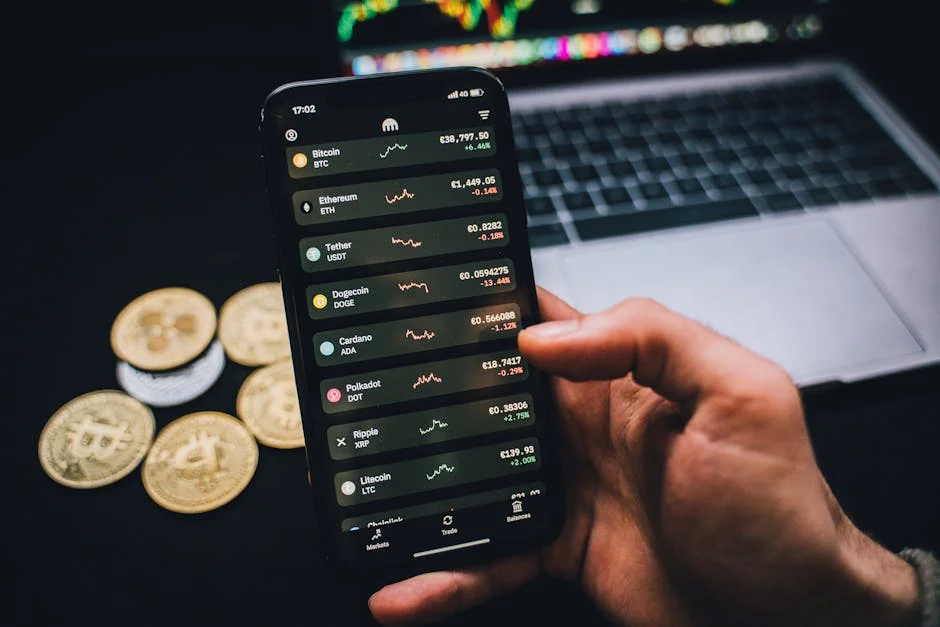
To buy and sell crypto with confidence, it helps to understand what actually moves prices and why digital assets behave differently than traditional stocks or foreign exchange. Crypto markets trade around the clock, across many venues, with participants ranging from long-term holders and market makers to short-term speculators and algorithmic traders. Because there is no single centralized exchange that sets the “official” price, the market is a mosaic of liquidity pools where supply and demand meet. This structure can create rapid price changes when liquidity is thin, when a large order hits the market, or when news triggers a sudden shift in sentiment. Even when two exchanges list the same coin, the price can differ slightly due to fees, local demand, and different user bases. Understanding these mechanics helps you plan when to enter or exit a position, how to place orders, and how to avoid chasing spikes or panic-selling dips. Many people are drawn to crypto because it offers self-custody, fast settlement, and global access, but those benefits come with responsibilities: security, risk management, and careful decision-making.
Table of Contents
- My Personal Experience
- Understanding the Modern Market to Buy and Sell Crypto
- Choosing Where to Trade: Exchanges, Brokers, and P2P Options
- Account Setup, Verification, and Security Foundations
- Funding Your Trades: Fiat On-Ramps, Stablecoins, and Fees
- Order Types and Execution: Market, Limit, and Stop Orders
- Risk Management: Position Sizing, Diversification, and Leverage
- Timing Strategies: Long-Term Holding, DCA, and Active Trading
- Expert Insight
- Evaluating Coins and Tokens: Fundamentals, Utility, and Red Flags
- Wallets and Custody: Keeping Control While Staying Practical
- Taxes, Reporting, and Record-Keeping for Trades
- Avoiding Common Mistakes: Scams, Emotions, and Overtrading
- Liquidity, Spreads, and Market Depth: The Hidden Costs of Trading
- Building a Sustainable Routine to Buy and Sell Crypto Over Time
- Watch the demonstration video
- Frequently Asked Questions
- Trusted External Sources
My Personal Experience
I started buying and selling crypto a couple of years ago after a friend walked me through setting up an exchange account and a hardware wallet. At first I kept it simple—small buys of Bitcoin and Ethereum—and I quickly learned how much fees and spread can eat into a trade if you’re not paying attention. The first time the market dipped hard, I panic-sold and regretted it almost immediately, so I switched to setting limit orders and only risking money I could afford to leave alone. Over time I got more disciplined about tracking my entries, taking partial profits instead of trying to time the top, and moving coins off the exchange when I wasn’t actively trading. I’m still cautious, but now buying and selling crypto feels less like gambling and more like a routine I can manage. If you’re looking for buy and sell crypto, this is your best choice.
Understanding the Modern Market to Buy and Sell Crypto
To buy and sell crypto with confidence, it helps to understand what actually moves prices and why digital assets behave differently than traditional stocks or foreign exchange. Crypto markets trade around the clock, across many venues, with participants ranging from long-term holders and market makers to short-term speculators and algorithmic traders. Because there is no single centralized exchange that sets the “official” price, the market is a mosaic of liquidity pools where supply and demand meet. This structure can create rapid price changes when liquidity is thin, when a large order hits the market, or when news triggers a sudden shift in sentiment. Even when two exchanges list the same coin, the price can differ slightly due to fees, local demand, and different user bases. Understanding these mechanics helps you plan when to enter or exit a position, how to place orders, and how to avoid chasing spikes or panic-selling dips. Many people are drawn to crypto because it offers self-custody, fast settlement, and global access, but those benefits come with responsibilities: security, risk management, and careful decision-making.

When you buy and sell crypto, you’re interacting with a market that is still maturing. That means volatility is often higher than in established asset classes, but it also means there can be meaningful opportunities for disciplined participants. Some investors focus on “blue chip” networks that have proven longevity, strong developer ecosystems, and deep liquidity. Others prefer emerging projects, where upside can be significant but risks are higher, including smart contract vulnerabilities, governance failures, or simple lack of adoption. Macro factors can matter as well: interest rates, risk appetite in equities, regulatory developments, and even technological upgrades can influence flows into or out of crypto. The key is to treat digital assets as a serious financial instrument rather than a trend. Clear goals—such as long-term accumulation, periodic rebalancing, or short-term trading—shape everything from your choice of exchange to your approach to position sizing. With a structured plan, you can participate without letting hype or fear dictate your actions.
Choosing Where to Trade: Exchanges, Brokers, and P2P Options
Deciding where to buy and sell crypto is one of the most important choices because it affects fees, security, liquidity, and the tools you have available. Centralized exchanges typically offer the deepest liquidity, advanced order types, and a broad selection of trading pairs. They can be convenient for newcomers because onboarding is straightforward, and many platforms support bank transfers, cards, and local payment rails. However, centralized venues require you to trust the platform with custody—at least while your funds remain on the exchange—and they may impose limits, verification requirements, and regional restrictions. Brokers and fintech apps can simplify the experience even further by abstracting away order books, but that convenience may come with wider spreads, fewer features, and less transparency about execution quality. Before committing, it’s smart to compare the total cost of trading, not just the headline fee. A platform with a slightly higher fee can still be cheaper overall if it provides better pricing, tighter spreads, and reliable execution during volatility.
Peer-to-peer marketplaces and decentralized exchanges offer another route to buy and sell crypto, often appealing to users who want more control or who have limited access to traditional banking. P2P platforms match buyers and sellers directly, sometimes using escrow to reduce counterparty risk. This approach can provide flexibility in payment methods, but it also demands greater caution: you must verify counterparties, follow platform safety rules, and be mindful of scams involving chargebacks or fake payment confirmations. Decentralized exchanges let users swap tokens from their own wallets through smart contracts. That can reduce reliance on centralized custody, but it introduces other risks such as smart contract exploits, front-running, and higher transaction fees during network congestion. The best venue depends on your priorities: if you value simplicity and support, a reputable centralized exchange may fit; if you prioritize self-custody and on-chain transparency, a decentralized approach may be better. Many experienced participants use a combination—on-ramping through a regulated exchange, then moving assets to a wallet for longer-term holding or on-chain trading.
Account Setup, Verification, and Security Foundations
Before you buy and sell crypto, you’ll typically need to set up an account with a trading platform and complete identity verification, especially on regulated exchanges. Verification steps often include submitting a government-issued ID, proof of address, and sometimes a selfie or liveness check. While these steps can feel intrusive, they’re part of compliance frameworks designed to reduce fraud and money laundering. Choosing a legitimate platform with strong compliance can also reduce the chance of sudden service disruptions, banking issues, or withdrawal freezes triggered by regulatory pressure. During setup, pay attention to account recovery methods. Use an email address you control securely, avoid recycled passwords, and store backup codes safely. If the platform supports hardware security keys, consider enabling them because they can significantly reduce phishing risk compared to SMS-based authentication. Security is not a one-time checkbox; it’s the baseline that protects your ability to trade and withdraw when markets move quickly.
Strong operational security matters even more once you start to buy and sell crypto regularly. Enable two-factor authentication using an authenticator app or hardware key, and treat SMS as a last resort due to SIM-swap attacks. Set up withdrawal whitelists if available, so funds can only be sent to pre-approved addresses. Review device security as well: keep your phone and computer updated, avoid installing unknown browser extensions, and be cautious with public Wi-Fi. Phishing remains one of the most common threats in crypto, often disguised as fake login pages, customer support impersonation, or malicious “airdrop” links. Bookmark official URLs and verify them before entering credentials. If you plan to hold assets for more than short periods, consider moving them off exchange into a self-custody wallet, ideally a hardware wallet, while keeping only active trading balances online. Separating long-term holdings from trading funds can limit the damage from any single incident and helps you maintain discipline during volatile conditions.
Funding Your Trades: Fiat On-Ramps, Stablecoins, and Fees
To buy and sell crypto efficiently, you need a reliable method to fund your account. Bank transfers are often the most cost-effective option, with lower fees and better rates than card purchases. Depending on your country, you might have access to instant transfers, ACH, SEPA, Faster Payments, or other local rails that reduce settlement time. Card purchases can be convenient, but they frequently come with higher processing fees and sometimes additional costs from issuers that treat crypto purchases as cash-like transactions. Some platforms also add a spread on top of the market price, which can make “simple buy” interfaces more expensive than using the exchange’s advanced trading screen. Knowing the full cost of funding is essential because small percentage differences compound over time, especially if you trade frequently. Consider also the impact of deposit and withdrawal fees, minimums, and processing times, since delays can matter when markets move quickly.
Stablecoins are widely used as a bridge currency to buy and sell crypto because they offer price stability relative to fiat while remaining on-chain and easy to transfer. Many traders hold balances in stablecoins to move quickly between opportunities without needing to cash out to a bank each time. That said, stablecoins have their own risks, including issuer risk, regulatory risk, and depegging events. It’s wise to understand what backs a stablecoin—cash equivalents, short-term treasuries, or other reserves—and how transparent the issuer is about audits and attestations. Network fees also matter: moving stablecoins on one blockchain might cost far less than on another, and during congestion the cost can spike. When planning, factor in not only trading fees but also on-chain transaction fees, especially if you use decentralized exchanges or move funds between wallets often. A cost-aware approach can improve your net performance without requiring more risk or more trades.
Order Types and Execution: Market, Limit, and Stop Orders
How you place orders determines how you buy and sell crypto in real market conditions. A market order prioritizes speed and fills at the best available price, but in fast-moving markets it can execute worse than expected due to slippage. Slippage happens when the price moves between the moment you submit the order and the moment it fills, or when the order consumes multiple levels of the order book. For large orders or illiquid assets, slippage can be significant. Limit orders, by contrast, let you specify the maximum price you’re willing to pay when buying or the minimum price you’re willing to accept when selling. This gives you control over execution but introduces the risk that your order won’t fill if the market never reaches your price. Many disciplined traders prefer limit orders because they reduce impulsive entries and help avoid paying the “spread” during volatile moments.

Stop orders add another layer of control when you buy and sell crypto with risk management in mind. A stop-loss can automatically sell if price falls to a certain level, helping cap downside if the market moves against you. A stop-limit combines a trigger price with a limit price, offering more control but also a chance of not filling during rapid drops. Some platforms also provide trailing stops, which adjust as price moves in your favor and can help lock in gains. Understanding how stop triggers work is crucial because different exchanges handle them differently; some use last trade price, others use mark price or index price to reduce manipulation. It’s also important to consider liquidity around your stop level—if many traders cluster stops at obvious round numbers, sudden wicks can trigger cascades. Thoughtful order placement, combined with realistic position sizing, helps you avoid turning a manageable dip into a forced exit at the worst possible price.
Risk Management: Position Sizing, Diversification, and Leverage
Anyone can buy and sell crypto, but long-term survival depends on risk management more than prediction. Position sizing is the foundation: decide how much of your total capital you’re willing to risk on a single trade or investment. A common approach is to risk a small percentage per position so that a string of losses doesn’t wipe you out. In crypto, volatility can be intense, so position sizes often need to be smaller than what you might use in traditional markets. Diversification can help, but it must be meaningful. Holding ten tokens that all move with the same market narrative may not reduce risk much. Consider diversifying across different categories—large-cap networks, infrastructure tokens, and perhaps a small allocation to higher-risk projects—while keeping the overall portfolio aligned with your risk tolerance. Correlation tends to rise during market stress, so don’t assume diversification will always protect you in sharp downturns.
Leverage deserves special caution when you buy and sell crypto. Perpetual futures and margin trading can amplify returns, but they also amplify losses and can lead to liquidations, sometimes within minutes. Many traders underestimate how quickly a normal price swing can wipe out a leveraged position. Even if you’re skilled, leverage introduces additional variables: funding rates, liquidation engines, and sudden wicks that may not reflect broader market direction. If you choose to use leverage, treat it as a tool rather than a default setting: keep leverage low, use hard stops, and understand the liquidation price before entering. Avoid overtrading—high frequency without a proven edge often results in death by fees and slippage. A written plan that defines entry criteria, exit criteria, and maximum daily or weekly loss limits can help keep emotions from overriding logic. The goal is not to win every trade; it’s to stay in the game long enough for your edge, if you have one, to matter.
Timing Strategies: Long-Term Holding, DCA, and Active Trading
Different approaches to buy and sell crypto suit different personalities and schedules. Long-term holding focuses on accumulating assets you believe will grow over years, ignoring short-term noise. This approach can reduce stress and transaction costs, but it requires conviction, patience, and a willingness to sit through deep drawdowns. Dollar-cost averaging (DCA) is a popular method for long-term accumulation, where you buy a fixed amount on a regular schedule regardless of price. DCA reduces the pressure of timing the perfect entry and can smooth out volatility over time. For many participants, a hybrid approach works well: DCA into core holdings while keeping a smaller portion for opportunistic buys during major dips. This structure can help you participate without constantly watching charts or reacting to every headline.
Expert Insight
Before you buy and sell crypto, decide your entry, exit, and risk limits in advance: use limit orders to avoid chasing price spikes, set a stop-loss where your thesis is invalidated, and size each trade so a single move can’t derail your portfolio.
Reduce costs and mistakes by tracking fees and taxes from day one: compare maker/taker fees and spreads across exchanges, avoid overtrading during high volatility, and keep a simple log of every buy, sell, transfer, and wallet address to simplify reporting and prevent errors. If you’re looking for buy and sell crypto, this is your best choice.
Active trading is another way to buy and sell crypto, but it demands more skill and discipline. Day trading and swing trading rely on technical analysis, market structure, and often a clear understanding of liquidity and sentiment. Because crypto trades 24/7, active traders need boundaries to avoid burnout and impulsive decisions. Many successful traders focus on a few liquid pairs rather than chasing every trending token, and they track metrics like volume, order book depth, and volatility. It’s also wise to measure performance realistically: after fees, spreads, and taxes, the bar for consistent profitability is higher than many expect. Paper trading or using very small position sizes can help you test a strategy without paying a high tuition in losses. Whether you hold long term or trade actively, the most important factor is consistency: a repeatable process that matches your time availability, risk tolerance, and financial goals.
Evaluating Coins and Tokens: Fundamentals, Utility, and Red Flags
To buy and sell crypto intelligently, you need a framework for evaluating what you’re buying. Fundamentals in crypto can include network security, decentralization, developer activity, token distribution, real-world utility, and the strength of the ecosystem. For a smart contract platform, you might look at active users, transaction volume, fee revenue, and the quality of applications built on top. For a DeFi token, you might examine total value locked, revenue share mechanisms, audit history, and governance design. Tokenomics matter as well: supply schedules, vesting cliffs, inflation rates, and incentives that could create sell pressure. A project with heavy insider allocations and near-term unlocks can face persistent downward pressure regardless of how strong the narrative appears on social media.
| Option | Best for | Key benefits | Trade-offs |
|---|---|---|---|
| Centralized Exchange (CEX) | Quickly buying/selling popular coins with simple UX | High liquidity, fast execution, fiat on-ramps (card/bank), advanced order types | Requires KYC on most platforms, custodial risk, withdrawal/fee structures vary |
| Decentralized Exchange (DEX) | Trading on-chain while keeping custody of your wallet | Self-custody, broad token access, permissionless swaps, transparent on-chain settlement | Network (gas) fees, slippage on low-liquidity pairs, requires wallet setup and security hygiene |
| Peer-to-Peer (P2P) Marketplace | Flexible payment methods and local buying/selling | Multiple payment options, potential better local rates, escrow available on many platforms | Counterparty risk, slower settlement, higher diligence needed (reputation, dispute process) |

Red flags are just as important when you buy and sell crypto, especially in a market where marketing can outshine substance. Be cautious of projects with anonymous teams that have no credible track record, unclear documentation, or unrealistic promises of guaranteed returns. Watch for thin liquidity and high slippage, which can trap buyers and make exits expensive. On-chain data can sometimes reveal risks: concentrated wallet holdings, suspicious token transfers, or contracts with dangerous permissions. Security is critical—unaudited smart contracts and rushed deployments have led to major losses. Regulatory risk also plays a role: some tokens may resemble unregistered securities in certain jurisdictions, affecting listings and liquidity. A careful evaluation process doesn’t eliminate risk, but it helps you avoid the most common pitfalls and makes your decisions more resilient to hype cycles.
Wallets and Custody: Keeping Control While Staying Practical
When you buy and sell crypto, custody determines who controls the private keys and therefore who ultimately controls the funds. Leaving assets on an exchange can be practical for active trading because it allows fast execution and avoids network transfer delays. However, exchange custody exposes you to platform risk, including hacks, insolvency, or account restrictions. Self-custody wallets—software wallets or hardware wallets—give you direct control, but they require you to manage seed phrases, backups, and safe storage. Losing a seed phrase can mean losing access permanently, and falling for a phishing attempt can drain a wallet quickly. The right solution often depends on how frequently you trade and how much you hold. Many people keep a “hot” wallet for small on-chain activity, a trading balance on an exchange for active positions, and a hardware wallet for long-term holdings.
Practical custody hygiene matters every time you buy and sell crypto and move funds between platforms. Always test withdrawals with a small amount before sending a large transfer, especially to a new address. Verify the network you’re using—sending a token on the wrong chain can result in complicated recovery or permanent loss. Consider using address books and whitelists to reduce mistakes. For hardware wallets, buy directly from the manufacturer or authorized sellers, and confirm the device’s integrity during setup. If you use decentralized applications, review permissions you grant to smart contracts and periodically revoke approvals you no longer need. Security is not only about avoiding hackers; it’s also about preventing human error. A calm, checklist-based approach to transfers and storage can save you from expensive mistakes that are difficult to reverse in crypto.
Taxes, Reporting, and Record-Keeping for Trades
Anyone who plans to buy and sell crypto should treat taxes and reporting as part of the process, not an afterthought. In many jurisdictions, selling crypto or swapping one coin for another can trigger a taxable event, even if you never convert back to fiat. That means frequent trading can create a complex trail of cost basis calculations, gains, losses, and holding periods. Depending on local rules, you may need to track the date and time of each transaction, the value in your local currency at execution, fees paid, and the destination wallet. If you use multiple exchanges, wallets, and DeFi protocols, the complexity increases quickly. Good record-keeping can prevent overpaying taxes, reduce the chance of errors, and make audits far less stressful. Even if you’re not sure of your final strategy, maintaining clean records from day one is easier than trying to reconstruct months of activity later.
Tools can help streamline reporting when you buy and sell crypto across many venues. Some traders use portfolio trackers or tax software that imports exchange CSV files and reads wallet addresses to reconstruct transactions. While these tools can save time, they still require review because on-chain activity like staking rewards, liquidity pool positions, airdrops, and bridging can be categorized differently depending on the software and jurisdiction. It’s also important to understand how your country treats specific events: some treat staking rewards as income upon receipt, others only tax upon disposal; some have specific rules for wash sales, while others do not. If your activity is substantial, consulting a tax professional familiar with digital assets can be worth the cost. The goal is to be accurate and consistent, using a method allowed in your jurisdiction, and to keep documentation that supports your calculations. Clear reporting protects you and lets you focus on trading decisions instead of worrying about compliance surprises.
Avoiding Common Mistakes: Scams, Emotions, and Overtrading
Many losses happen not because someone can’t buy and sell crypto, but because they fall into avoidable traps. Scams are widespread and constantly evolving: fake support agents, impersonated social accounts, malicious wallet extensions, and phishing links that mimic real exchanges. A simple rule helps: never share seed phrases, never send funds to “verify” an account, and never trust unsolicited messages offering special access or guaranteed profits. Double-check URLs, use official apps, and confirm announcements through multiple trusted sources. Another frequent mistake is ignoring liquidity and market depth. Buying a low-liquidity token can feel exciting when it pumps, but exiting can be difficult if there aren’t enough buyers. Slippage, trading halts, or sudden delistings can turn a paper gain into a realized loss.

Emotions can be just as costly when you buy and sell crypto. Fear of missing out can push you into late entries after a big rally, while panic can force you to sell near the bottom. Overtrading is a common symptom: taking too many low-quality setups because the market is always open. This often leads to a cycle of small losses, mounting fees, and reduced confidence. Building a routine can help: define your trading hours, set alerts instead of staring at charts, and keep a journal that records why you entered and exited. If you make a mistake, focus on process corrections rather than revenge trading. Crypto rewards patience and discipline more than constant action. A small number of well-planned trades can outperform dozens of impulsive ones, especially after accounting for spreads, fees, and the psychological cost of always being “on.”
Liquidity, Spreads, and Market Depth: The Hidden Costs of Trading
When you buy and sell crypto, the visible trading fee is only one part of what you pay. Spreads—the difference between the best bid and best ask—can be a major cost, especially in smaller tokens or during volatile periods. A wide spread means you effectively lose value the moment you enter, because the market needs to move just to break even. Market depth also matters: if the order book is thin, a modest market order can push the price against you, creating slippage. This is why experienced traders often prefer high-liquidity pairs and use limit orders. Liquidity tends to cluster around major assets like BTC and ETH and around tokens that have strong exchange support. Even then, liquidity can evaporate during sudden news events, leading to sharp moves and poor fills.
Market quality differs across platforms, which affects how you buy and sell crypto at scale. Some exchanges have better matching engines, more market makers, and stronger protections against manipulation. Others may show attractive prices but have less reliable execution, higher downtime, or inconsistent order fills. It’s wise to test with small orders and observe how the platform behaves during busy periods. If you trade larger size, consider breaking orders into smaller chunks to reduce slippage, or use advanced tools like TWAP (time-weighted average price) if available. Also consider withdrawal liquidity: a platform might let you trade easily but impose limits or delays when you try to move funds off. Evaluating liquidity, spreads, and operational reliability together gives you a more accurate picture of trading costs than focusing on maker/taker fees alone.
Building a Sustainable Routine to Buy and Sell Crypto Over Time
To buy and sell crypto successfully over the long term, consistency and structure matter more than bursts of activity. Start with clear objectives: are you accumulating for years, trading for monthly income, or balancing between growth and capital preservation? Your objective determines how often you trade, what assets you focus on, and how you measure success. A sustainable routine might include periodic portfolio reviews, predefined rebalancing rules, and a watchlist of assets you understand. It also includes operational habits: regularly updating security settings, checking withdrawal addresses, and keeping records for taxes. Many participants benefit from setting rules that reduce decision fatigue, such as only buying on certain days, only adding to positions when price meets a predefined level, or only selling based on risk limits rather than headlines. These guardrails help you stay rational when the market becomes noisy.
It’s also important to evolve your approach as you gain experience and as the market changes. The tools you use to buy and sell crypto—exchanges, wallets, analytics platforms—may improve, and your own risk tolerance may shift after living through a full market cycle. Keep learning, but be selective about information sources. Social media can be useful for breaking news, yet it can also amplify hype and fear. A practical way to stay grounded is to track performance with honest metrics: net returns after fees, drawdowns, win rate versus average win/loss size, and how closely you followed your plan. If you’re primarily investing, measure progress against your time horizon rather than daily price swings. If you’re trading, focus on process quality and risk-adjusted returns rather than single lucky wins. With a disciplined plan, solid security, and realistic expectations, you can buy and sell crypto in a way that fits your life and supports your financial goals without letting volatility take control.
Watch the demonstration video
Learn the essentials of buying and selling crypto in this video, from choosing a trusted exchange and setting up your account to placing your first order. You’ll see how market and limit orders work, how to review fees, and how to sell safely while managing risk and protecting your funds. If you’re looking for buy and sell crypto, this is your best choice.
Summary
In summary, “buy and sell crypto” is a crucial topic that deserves thoughtful consideration. We hope this article has provided you with a comprehensive understanding to help you make better decisions.
Frequently Asked Questions
How do I start buying crypto?
Start by picking a reputable exchange or broker, then complete any required identity verification. Next, fund your account using a bank transfer or card, and place a buy order for the cryptocurrency you want—making it easy to **buy and sell crypto** whenever you’re ready.
What’s the difference between a market order and a limit order?
A market order lets you buy and sell crypto instantly at the best available price, making it ideal when speed matters. A limit order, on the other hand, only goes through at the price you set (or better), giving you more control over your entry and exit points.
What fees should I expect when buying or selling crypto?
Common fees include trading fees (maker/taker), deposit/withdrawal fees, network (blockchain) fees for transfers, and possible spreads on instant buys/sells.
Where should I store crypto after I buy it?
For convenience, you can leave your funds on an exchange—especially if you plan to **buy and sell crypto** often—or transfer them to a wallet you control. Software wallets make it easy to access and manage your assets, while hardware wallets provide an extra layer of security for long-term storage.
How do I sell crypto and withdraw to cash?
To cash out, place a market or limit order on an exchange to **buy and sell crypto**, then withdraw your fiat balance to your bank account or card by following the platform’s withdrawal instructions, fees, and limits.
Do I have to pay taxes when I buy or sell crypto?
Tax rules differ from one country to another, but when you **buy and sell crypto**—or trade it or use it to pay for something—you may be creating a taxable event. To stay prepared, track each transaction’s date, amount, and price, and check your local regulations or speak with a qualified tax professional.
? Looking for more info about buy and sell crypto? Follow Our Site for updates and tips!

Trusted External Sources
- Coinbase: Buy Crypto & Stocks – App Store – Apple
Coinbase is a simple, trusted platform to **buy and sell crypto** and manage your digital assets with confidence. This latest update delivers important bug fixes and performance enhancements for a smoother experience.
- Coinbase: Buy Crypto & Stocks – Apps on Google Play
Coinbase is a trusted platform where you can **buy and sell crypto** with confidence, whether you’re trading, storing, or staking your assets. As the first publicly traded crypto exchange in the U.S., Coinbase combines strong security features with an easy-to-use experience for both beginners and experienced investors.
- Bitcoin.com Wallet: Buy, sell – App Store
Easily **buy and sell crypto**, plus send, receive, and swap top cryptocurrencies like Bitcoin (BTC), Bitcoin Cash (BCH), Ethereum (ETH), Avalanche (AVAX), Polygon (MATIC), and BNB Smart Chain tokens—all in one place.
- Webull Pay: Crypto Buy & Sell – Apps on Google Play
A simple, fast, and secure platform to **buy and sell crypto**—including Bitcoin, Ethereum, and more. Start trading in minutes with trusted tools and a smooth experience. **Supported assets:** Bitcoin (BTC), Ethereum (ETH), and others.
- OCC Clarifies Bank Authority to Engage in Crypto-Asset Custody …
On May 7, 2026, the OCC issued Interpretive Letter 1184, confirming that national banks and federal savings associations are permitted to **buy and sell crypto** and other assets they hold in custody, clarifying how these institutions can facilitate customer transactions within existing regulatory expectations.