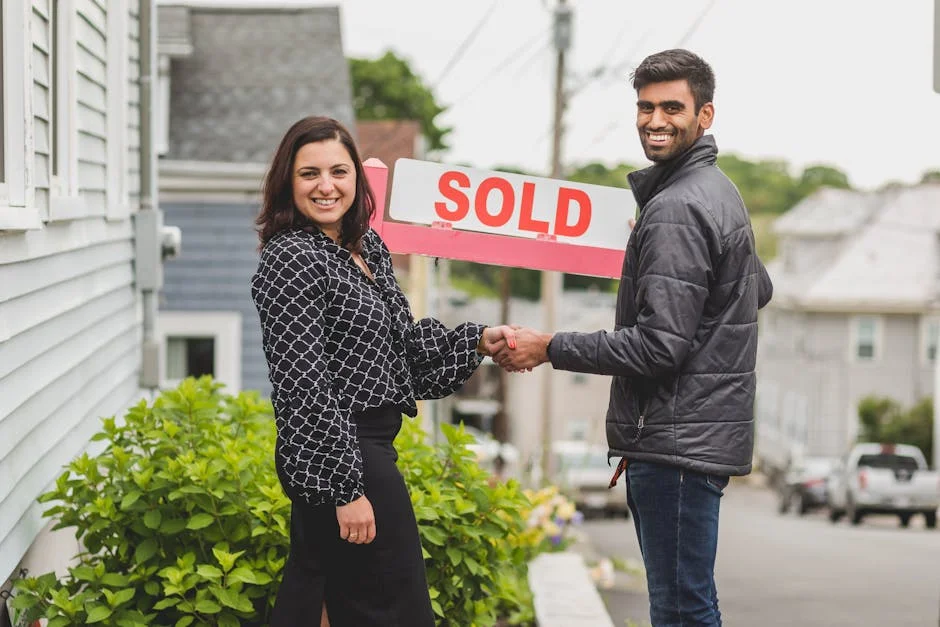
Learning how to buy your first house begins long before you tour a property or browse listings at midnight. The earliest and most important step is getting clear about why you want to own a home and how soon you truly need to move. A first home can be a lifestyle decision, a financial decision, or both, but the “why” shapes every choice that follows. If stability, school districts, and control over your space matter most, you might accept a slightly longer commute or a smaller yard. If you’re focused on building equity and long-term wealth, you may prioritize a neighborhood with stronger appreciation potential even if it requires cosmetic updates. Your timeline also matters: buying with a flexible move date often gives you more negotiating power and reduces the pressure to waive protections like inspections. If you’re racing a lease end date, you can still succeed, but you’ll need tighter planning, faster document collection, and a clear line between “must-have” and “nice-to-have.”
Table of Contents
- My Personal Experience
- Start With Your “Why” and a Realistic Timeline
- Check Your Financial Foundation Before You Shop
- Understand Credit, Debt-to-Income, and What Lenders Really Evaluate
- Save for the Down Payment and Closing Costs (and Know the Difference)
- Get Preapproved (Not Just Prequalified) and Choose the Right Loan Type
- Pick the Right Location by Balancing Lifestyle and Resale Value
- Choose a Real Estate Agent Who Educates and Protects You
- Tour Homes Strategically and Learn to Read Between the Lines
- Expert Insight
- Make a Strong Offer Without Taking Unnecessary Risks
- Navigate Inspections, Appraisals, and Negotiations Like a Pro
- Prepare for Closing Day and Avoid Last-Minute Mistakes
- Plan for the First Year of Ownership: Maintenance, Budgeting, and Building Equity
- Common First-Time Buyer Pitfalls and How to Avoid Them
- Putting It All Together With Confidence
- Watch the demonstration video
- Frequently Asked Questions
- Trusted External Sources
My Personal Experience
When I started looking to buy my first house, I thought the hardest part would be choosing a neighborhood, but it was really figuring out what I could afford. I pulled my credit report, paid down a couple small balances, and met with a lender to get pre-approved, which made the numbers feel real instead of hypothetical. I also learned quickly that the down payment wasn’t the only big cost—closing fees, inspections, and moving expenses added up—so I built a buffer into my savings before making any offers. After losing out on two houses because I hesitated, I got clearer about my “must-haves” versus “nice-to-haves” and stopped chasing places that were out of reach. The home inspection on the one I finally bought turned up some roof and plumbing issues, and negotiating repairs was uncomfortable, but it saved me from surprises later. Signing the final paperwork was nerve-wracking, but walking into a place that was mine—and knowing I didn’t stretch past my budget—made all the stress worth it. If you’re looking for how to buy your first house, this is your best choice.
Start With Your “Why” and a Realistic Timeline
Learning how to buy your first house begins long before you tour a property or browse listings at midnight. The earliest and most important step is getting clear about why you want to own a home and how soon you truly need to move. A first home can be a lifestyle decision, a financial decision, or both, but the “why” shapes every choice that follows. If stability, school districts, and control over your space matter most, you might accept a slightly longer commute or a smaller yard. If you’re focused on building equity and long-term wealth, you may prioritize a neighborhood with stronger appreciation potential even if it requires cosmetic updates. Your timeline also matters: buying with a flexible move date often gives you more negotiating power and reduces the pressure to waive protections like inspections. If you’re racing a lease end date, you can still succeed, but you’ll need tighter planning, faster document collection, and a clear line between “must-have” and “nice-to-have.”

A realistic timeline should include time to clean up your credit, save for upfront costs, get preapproved, shop for a home, negotiate, complete inspections, and close. Many first-time buyers underestimate how many decisions pile up at once, especially when emotions get involved. If you want to understand how to buy your first house without feeling overwhelmed, map your process in phases: preparation (finances and paperwork), financing (preapproval and loan selection), shopping (touring and offers), due diligence (inspection and appraisal), and closing (final review and funding). Each phase has “waiting” periods where other parties work—underwriters, appraisers, title companies—so padding the schedule reduces stress. It also helps to align your purchase with life events: job changes, upcoming travel, family plans, or expected expenses like a car replacement. When the timeline reflects your real life, you’re less likely to stretch your budget or ignore red flags just to meet a date on the calendar.
Check Your Financial Foundation Before You Shop
A strong financial foundation is the backbone of how to buy your first house. Start by reviewing your income stability, existing debts, and monthly obligations. Lenders don’t only look at your salary; they examine how predictable your income is, how long you’ve been in your line of work, and whether you have additional income sources that are likely to continue. Next, list your recurring expenses—student loans, credit cards, car payments, childcare, subscriptions, and insurance—and compare them to your take-home pay. This gives you a real-life budget that’s often more honest than an online calculator. If your budget is tight, a home purchase can still be possible, but you’ll want to reduce high-interest debt, build a larger buffer, or consider a lower price range. The goal is not to “qualify” for the biggest number a lender might offer; the goal is to buy a home you can afford while still living comfortably and saving for repairs, emergencies, and future goals.
Emergency savings deserve special attention. A first home introduces new costs that renters may not face: replacing a water heater, servicing HVAC, repairing a roof leak, or addressing plumbing surprises. Even a well-maintained property can require immediate spending after move-in, from locks and smoke detectors to paint, tools, and basic furnishings. If you’re serious about how to buy your first house, plan for a reserve fund separate from your down payment. Many buyers aim for several months of essential expenses in cash after closing, though the right amount depends on job stability and the home’s condition. Also consider “lumpy” expenses that may hit soon: annual insurance premiums, property taxes if they aren’t escrowed, and HOA dues. Finally, avoid major financial changes during the buying process—new credit cards, new car loans, or large unexplained deposits can complicate underwriting. A steady, well-documented financial picture makes the path to approval smoother and strengthens your offer when you find the right place.
Understand Credit, Debt-to-Income, and What Lenders Really Evaluate
Credit is a gatekeeper in how to buy your first house, but it’s more nuanced than a single score. Lenders evaluate your credit history for patterns: on-time payments, utilization, length of accounts, and any recent delinquencies. A higher score can unlock better interest rates, which directly affects your monthly payment and long-term cost. If your score needs improvement, focus on the biggest levers: pay every bill on time, reduce credit card balances (especially to keep utilization low), and avoid opening new accounts right before applying. If you’ve had past credit issues, you may still be able to buy, but you’ll likely need to document circumstances and show a period of consistent recovery. Credit reports can contain errors, so checking them early gives you time to dispute inaccuracies before you apply for a mortgage.
Debt-to-income ratio (DTI) is another major factor. DTI compares your monthly debt obligations to your gross monthly income. It helps lenders predict whether you can handle a mortgage alongside other payments. In practical terms, if you’re learning how to buy your first house, DTI is why paying off a car loan or reducing credit card minimums can matter as much as saving a larger down payment. Lenders also assess “reserves,” meaning how much money you’ll have left after closing, and “cash to close,” which includes down payment and closing costs. They will verify your employment, examine bank statements, and sometimes ask for letters explaining unusual items, like a recent job change or a gap in employment. The best approach is to be organized and transparent. Keep digital copies of pay stubs, W-2s or tax returns, bank statements, and documentation for any large deposits. When you understand how lenders evaluate risk, you can present a clean application and avoid last-minute surprises that delay approval.
Save for the Down Payment and Closing Costs (and Know the Difference)
One of the most misunderstood parts of how to buy your first house is the difference between a down payment and closing costs. The down payment is the portion of the purchase price you pay upfront, while closing costs include lender fees, title services, escrow setup, prepaid taxes and insurance, and other transaction expenses. Depending on your loan type, location, and property taxes, closing costs can be a meaningful amount. Many first-time buyers focus only on the down payment and then feel blindsided by the cash needed at closing. A practical savings plan should include both categories, plus a post-closing cushion for immediate repairs and moving costs. If your savings are limited, you can explore options such as down payment assistance programs, seller concessions (where the seller contributes toward closing costs), or choosing a property that needs fewer immediate upgrades.
It’s also important to understand how your down payment affects your monthly payment and long-term costs. A larger down payment can reduce your loan amount and may help you avoid private mortgage insurance (PMI) on conventional loans when you reach 20% equity. However, putting every dollar into the down payment can be risky if it leaves you house-poor with no emergency fund. When deciding the right balance, think in terms of resilience: if you lost a job, had a medical expense, or faced a major repair, could you handle it without high-interest debt? If you’re determined to master how to buy your first house, treat savings like a system: automate transfers, earmark windfalls, reduce discretionary spending with a defined goal, and keep funds in an accessible, low-risk account. Also be mindful of “gift funds.” Many loan programs allow gifts from family, but they require documentation and may have rules about how the money is transferred. Planning for these details early makes your eventual offer stronger because your finances are clear, verified, and ready to go.
Get Preapproved (Not Just Prequalified) and Choose the Right Loan Type
Preapproval is a key milestone in how to buy your first house because it turns you from a browser into a buyer. Prequalification is often an informal estimate based on self-reported information. Preapproval is more rigorous: a lender reviews documentation, runs credit, and provides a written estimate of how much you can borrow. In competitive markets, sellers and listing agents take preapproval far more seriously, and it can speed up the closing process because much of your financial review has already started. Preapproval also helps you shop with confidence. Instead of guessing what you can afford, you’ll know a price range that aligns with lender requirements, and you can compare how different rates and loan terms affect your monthly payment. This is also the moment to ask questions about fees, rate locks, and what documents you’ll need later, so you aren’t scrambling when you’re under contract.

Choosing the right loan is just as important as choosing the home. Conventional loans can be a strong fit for buyers with solid credit, while FHA loans may be more accessible for those with lower down payments or less-than-perfect credit. VA loans offer powerful benefits for eligible veterans and service members, and USDA loans can help buyers in qualifying rural areas. Each option has trade-offs: mortgage insurance costs, upfront fees, property condition requirements, and underwriting standards. If you want to understand how to buy your first house in a way that protects your budget, compare scenarios side by side. Ask lenders for a loan estimate and review interest rates, APR, monthly payment, and total cash to close. Consider whether an adjustable-rate mortgage (ARM) makes sense if you plan to move within a few years, or whether a fixed-rate loan fits better for long-term stability. Also think about points: paying upfront to reduce the rate can be beneficial if you’ll keep the loan long enough to break even. A thoughtful loan choice can save you thousands over time and reduce the stress of homeownership.
Pick the Right Location by Balancing Lifestyle and Resale Value
Location is a central pillar of how to buy your first house, and it’s more than a pin on a map. Start with your everyday life: commute time, access to public transit, proximity to family, and the places you visit weekly—grocery stores, gyms, parks, doctors, and schools. A home can look perfect on a tour, but if it makes daily life harder, it can quickly lose its shine. Safety, noise levels, and neighborhood maintenance also matter, and they’re best evaluated at different times of day. Visit the area during a weekday morning, a weekend evening, and after dark if possible. Pay attention to traffic patterns, parking availability, and how the neighborhood feels when you’re not in “showing mode.” If you work remotely, consider internet options and reliability, because connectivity can be as important as square footage.
Resale value should be part of the decision even if you plan to stay for years. Life changes—job offers, family needs, health issues—can force a move sooner than expected. When learning how to buy your first house, think like a future buyer too. Neighborhoods with strong school reputations, stable employment centers, and ongoing infrastructure improvements often hold value better. Look for signs of healthy demand: low days on market, well-kept homes, and a variety of nearby amenities. Also consider natural risks such as flooding, wildfire zones, or hurricane exposure, as these can affect insurance costs and future marketability. If you’re comparing neighborhoods, look at recent comparable sales, not just listing prices. A real estate agent can help you interpret pricing trends and identify areas where you get more long-term value. The best location is one where you can live comfortably now and still feel confident that you’ve purchased an asset that will remain desirable later.
Choose a Real Estate Agent Who Educates and Protects You
A good agent can simplify how to buy your first house, but the wrong one can create confusion and pressure. You want someone who treats the process as both a negotiation and a risk-management project. That means they explain contracts in plain language, identify red flags in listings, and help you set boundaries around your budget and must-haves. Interview a few agents and ask specific questions: How do they help first-time buyers? What’s their strategy in a competitive market? How do they handle inspection issues? How do they communicate—text, email, calls—and how quickly? A strong agent will welcome these questions and give clear, detailed answers. They should also be candid about trade-offs, such as what your budget realistically buys in your target neighborhoods and what compromises might be necessary.
Your agent should also coordinate with other professionals: lenders, inspectors, title companies, and sometimes attorneys, depending on your state. This coordination matters because delays and misunderstandings can cost money or even cause a deal to fall apart. If you’re serious about how to buy your first house with fewer surprises, choose an agent who provides a roadmap and keeps you informed at each stage. Pay attention to whether they listen to you or steer you toward their preferences. A trustworthy agent doesn’t push you to waive inspections or stretch your budget to “win” at all costs; they help you compete wisely while keeping protections in place. They should also help you interpret seller disclosures, HOA documents, and neighborhood comps so you don’t overpay. Ultimately, the best agent is a calm, experienced partner who prioritizes your long-term satisfaction over a quick closing.
Tour Homes Strategically and Learn to Read Between the Lines
Home tours are where the dream becomes tangible, but they’re also where emotions can override logic. A strategic approach to how to buy your first house means touring with a plan. Bring a checklist that covers structure, systems, and livability: roof age, windows, foundation signs, electrical panel type, plumbing materials, HVAC age, water pressure, and visible moisture or staining. Also evaluate layout and function. A beautiful kitchen may not matter if the bedrooms are too small or the storage is insufficient. Pay attention to natural light, noise, odors, and how the home feels when you imagine daily routines. Small details can signal larger issues: fresh paint in one area might be cosmetic, or it might be hiding water damage. New flooring can be an upgrade, or it can be a quick cover for uneven subfloors.
| Step | What you do | Why it matters |
|---|---|---|
| 1) Get pre-approved | Check your credit, gather income documents, and secure a lender pre-approval with a realistic budget. | Clarifies your price range and strengthens your offer with sellers. |
| 2) Shop & make an offer | Prioritize needs vs. wants, tour homes, compare comps, and submit an offer with key contingencies. | Helps you avoid overpaying and protects you if financing or inspections fall through. |
| 3) Inspect, close & move in | Schedule inspections, finalize the loan, review closing disclosures, and complete the final walkthrough. | Reduces surprise repair costs and ensures the home is as agreed before you take ownership. |
Expert Insight
Get your financing in place before you tour seriously: check your credit, set a realistic monthly payment cap (including taxes, insurance, and HOA fees), and secure a mortgage pre-approval so you can move quickly and negotiate with confidence. If you’re looking for how to buy your first house, this is your best choice.
Protect your budget by planning for the “all-in” cost: compare neighborhoods by total ownership expenses, keep an emergency fund for repairs, and make any offer contingent on inspection so you can request fixes or credits if major issues appear. If you’re looking for how to buy your first house, this is your best choice.
It’s also wise to look beyond staging. Staging is designed to help you picture a lifestyle, but it can distract from flaws. When learning how to buy your first house, train yourself to look past furniture and décor and focus on the bones of the property. Open closets, check under sinks for leaks, and look at the grading outside to see whether water flows away from the foundation. Ask about utility costs, recent repairs, and whether permits were pulled for renovations. If the home is part of an HOA, consider how rules might affect your lifestyle—pets, rentals, exterior changes, and parking. Take photos and notes during each tour because homes can blur together after you see several in a day. A disciplined tour process keeps you from falling in love with the wrong property and helps you make a confident offer when the right one appears.
Make a Strong Offer Without Taking Unnecessary Risks
Crafting an offer is one of the most delicate parts of how to buy your first house. Price matters, but so do terms. A strong offer balances competitiveness with protection. Your agent will help you analyze comparable sales (comps) to decide what the home is likely worth based on recent nearby transactions. If the home is priced low to spark a bidding war, you may need to decide your maximum and stick to it. It’s easy to get caught up in “winning,” but overpaying can create problems if the appraisal comes in low or if the market shifts. Consider earnest money (the deposit showing good faith), the closing timeline, and contingencies such as financing, appraisal, and inspection. Contingencies are not just “escape hatches”; they are safeguards that give you time to verify the home’s condition and the loan’s feasibility.

There are also ways to strengthen an offer without sacrificing safety. A larger earnest money deposit can signal seriousness, as can a flexible closing date that fits the seller’s needs. Some buyers include an escalation clause, which automatically increases your offer up to a cap if competing bids arise, though this should be used carefully and with professional guidance. If you’re learning how to buy your first house in a hot market, you may hear pressure to waive inspections or appraisal protections. That approach can backfire, especially for buyers without large cash reserves. A smarter strategy is to keep the inspection but shorten timelines, or conduct a pre-inspection if available. You can also limit repair requests to health and safety issues rather than cosmetic items. The goal is to present a clean, confident offer while still protecting yourself from expensive surprises. A home purchase is a major financial commitment, and the best offer is one that you can complete without regret.
Navigate Inspections, Appraisals, and Negotiations Like a Pro
Once under contract, the due diligence phase is where how to buy your first house becomes real. The inspection is not a pass/fail test; it’s an information tool that reveals the home’s condition and potential costs. A professional inspector will examine major systems and visible components, but you may also need specialized inspections depending on the property—radon, mold, sewer scope, chimney, pest, or structural engineering. Attend the inspection if possible and ask questions respectfully. You’ll learn where shutoffs are located, how systems are maintained, and which issues are urgent versus routine. The inspection report can be long and intimidating, so focus on big-ticket items and safety concerns: roof integrity, electrical hazards, plumbing leaks, HVAC performance, foundation movement, and water intrusion. Cosmetic imperfections are common and often not worth negotiating unless they signal deeper problems.
The appraisal is separate from the inspection. The appraiser evaluates market value for the lender, using comps and property condition. If the appraisal comes in low, you may need to renegotiate price, increase your down payment, or challenge the appraisal with better comps. Understanding how to buy your first house means recognizing that a low appraisal isn’t personal; it’s a financial checkpoint. Negotiation after inspection is also delicate. You can request repairs, ask for a credit, or ask for a price reduction. Credits can be useful because they let you choose your own contractors, but some loans limit how credits are applied. If the seller agrees to repairs, request invoices and confirm whether permits are needed. The goal is to end due diligence with clarity: you know what you’re buying, what it will cost to maintain, and whether the deal still makes sense. If the issues are severe and the seller won’t cooperate, walking away can be the smartest financial move, even if it’s emotionally difficult.
Prepare for Closing Day and Avoid Last-Minute Mistakes
Closing is the final stretch of how to buy your first house, and it can feel like a blur of signatures, emails, and deadlines. During this phase, your lender finalizes underwriting, verifies documents, and prepares the closing disclosure, which outlines your loan terms and the exact cash needed to close. Review the closing disclosure carefully and compare it to your earlier loan estimate. Look for changes in interest rate, lender fees, prepaid items, and escrow amounts. Ask questions immediately if anything seems off. You’ll also want to avoid financial moves that can disrupt underwriting: don’t open new credit accounts, don’t finance furniture, and don’t move large sums between accounts without documenting the source. Even a seemingly harmless purchase can change your credit profile or DTI right before final approval.
A final walkthrough typically happens shortly before closing. This is your chance to confirm the home’s condition matches expectations and that any agreed-upon repairs are completed. Check that appliances included in the contract are still present, test lights and faucets, and look for new damage from moving. If you’re serious about how to buy your first house without unpleasant surprises, confirm you understand how you’ll transfer utilities, receive keys, and handle any seller occupancy agreements if they remain temporarily. Bring a government ID to closing and follow your title company’s instructions for wiring funds safely—wire fraud is a real risk, so always verify instructions by calling a known, trusted number. After closing, keep copies of your documents, including the settlement statement and warranty information for any repairs. Closing day is exciting, but the best closings are calm and methodical because you’ve checked the numbers, protected your identity, and confirmed the property is ready for you.
Plan for the First Year of Ownership: Maintenance, Budgeting, and Building Equity
The first year is when you truly learn how to buy your first house in a way that supports long-term success, because ownership doesn’t end at the closing table. Your first priority should be building a maintenance plan. Even if the home passed inspection, systems age and small issues become big ones when ignored. Create a seasonal checklist: HVAC servicing, gutter cleaning, filter replacements, smoke and carbon monoxide detector testing, and checking for leaks under sinks and around toilets. If the home has a yard, plan for landscaping, irrigation maintenance, and pest prevention. Establish relationships with reliable local contractors early, before an emergency forces you to hire the first available option at a premium price. Also consider changing locks, updating garage door codes, and confirming your home security setup right away. These steps protect your investment and your peace of mind.

Budgeting is equally important. Your monthly housing cost includes more than the mortgage: utilities, trash, water, HOA dues, and routine maintenance. Many homeowners set aside a percentage of the home’s value each year for repairs, adjusting based on age and condition. If you’re focused on how to buy your first house with confidence, treat the first year as a stabilization period: avoid over-renovating immediately, prioritize functional improvements, and keep cash reserves healthy. Over time, equity builds through principal payments and appreciation, but you can also build equity by making smart upgrades that improve livability and resale appeal—energy-efficient improvements, minor kitchen updates, and curb appeal enhancements often provide strong value. Track your home’s paperwork: warranties, manuals, receipts, and permits. Staying organized makes future maintenance easier and can support resale. The first year can be full of learning, but with a plan for upkeep and finances, your home becomes a stable foundation rather than a constant source of unexpected expenses.
Common First-Time Buyer Pitfalls and How to Avoid Them
Many mistakes in how to buy your first house come from rushing or relying on assumptions. One common pitfall is shopping before you understand your true budget. A lender’s preapproval amount is not the same as a comfortable monthly payment, especially when taxes and insurance rise over time. Another mistake is ignoring total cost of ownership. A lower-priced home can be more expensive if it has high property taxes, expensive utilities, or deferred maintenance. Buyers also sometimes underestimate the impact of HOA rules and fees, which can limit rentals, restrict exterior changes, or add special assessments for community repairs. Skipping a careful review of disclosures is another risk. Seller disclosures can reveal past water intrusion, foundation work, insurance claims, or neighborhood nuisances. If something is unclear, ask for clarification in writing and consult professionals when needed.
Emotional decision-making can also derail the process. Falling in love with a home can lead to overbidding, waiving contingencies, or overlooking major issues. If you want to master how to buy your first house, set non-negotiables before you tour: maximum monthly payment, maximum cash to close, and deal-breakers like flood risk or major structural problems. Another pitfall is failing to plan for rate changes and payment shock. If you’re using an adjustable-rate mortgage or buying at the top of your budget, small changes in insurance or taxes can strain your finances. Finally, avoid the trap of thinking every imperfection is a disaster. No home is perfect, and first-time buyers sometimes panic over normal wear and tear. The difference between a smart purchase and a stressful one is clarity: you know which issues are manageable, which require negotiation, and which should make you walk away. With disciplined planning and professional guidance, you can avoid the most costly errors and move into ownership with confidence.
Putting It All Together With Confidence
Confidence comes from preparation, not perfection, and that’s the heart of how to buy your first house. When you know your timeline, understand your finances, and choose the right professionals, the process becomes a series of manageable decisions rather than one overwhelming leap. A successful purchase is rarely about finding a flawless property; it’s about aligning the home with your budget, your lifestyle, and your risk tolerance. By staying organized—tracking documents, comparing loan options, and evaluating neighborhoods with both present needs and future resale in mind—you reduce the chance of surprises. You also gain negotiating strength, because sellers respond to buyers who are clear, qualified, and ready to proceed without chaos.
The final step is committing to a choice that supports your long-term stability. Even after you get the keys, the habits you built during the buying process—budgeting carefully, asking good questions, and planning for maintenance—continue to pay off. If you keep your emergency fund healthy, address small repairs early, and make improvements strategically, your first home can become both a comfortable place to live and a foundation for future financial goals. Most importantly, remember that how to buy your first house is not about chasing an idealized version of homeownership; it’s about making a well-informed purchase you can sustain. With patience, clear priorities, and a focus on total cost, you can move forward with a home that fits your life today and supports the life you’re building next.
Watch the demonstration video
In this video, you’ll learn the essential steps to buying your first home—from setting a realistic budget and improving your credit to getting pre-approved, choosing the right neighborhood, and making a strong offer. It also covers inspections, closing costs, and common first-time buyer mistakes so you can purchase with confidence. If you’re looking for how to buy your first house, this is your best choice.
Summary
In summary, “how to buy your first house” is a crucial topic that deserves thoughtful consideration. We hope this article has provided you with a comprehensive understanding to help you make better decisions.
Frequently Asked Questions
How much house can I afford?
Start with your monthly budget, then get pre-approved to see a realistic price range based on income, debts, credit, and down payment. Keep room for taxes, insurance, maintenance, and utilities. If you’re looking for how to buy your first house, this is your best choice.
What credit score do I need to buy a house?
Loan requirements differ depending on the mortgage and the lender, but in general, a higher credit score can help you qualify for better interest rates. If you’re learning **how to buy your first house**, review your credit early, dispute any mistakes you find, and hold off on taking on new debt before you apply.
How much down payment do I need?
When you’re figuring out **how to buy your first house**, the down payment you’ll need depends on the type of loan you choose—some programs let you put down a smaller amount, while aiming for 20% can help you avoid paying mortgage insurance. Either way, don’t forget to plan for closing costs and keep an emergency fund set aside so you’re covered after you move in.
What is mortgage pre-approval and why does it matter?
When you’re learning **how to buy your first house**, getting pre-approved is a smart early step. It’s a lender’s conditional commitment based on your verified finances, and it helps you understand exactly what you can afford. With a pre-approval in hand, your offer looks stronger to sellers and the closing process can often move faster.
What costs should I expect besides the down payment?
When learning **how to buy your first house**, it’s important to budget for more than just the purchase price—typical expenses include closing costs (like lender fees, the appraisal, title, and escrow), home inspections, moving costs, and any immediate repairs. After you move in, you’ll also want to plan for ongoing bills such as property taxes, homeowners insurance, and regular maintenance.
What are the main steps to buying a first home?
If you’re wondering **how to buy your first house**, start by setting a realistic budget and reviewing your credit so you know where you stand. Next, build up savings for your down payment and closing costs, then get pre-approved to show sellers you’re serious. From there, partner with a trusted real estate agent, tour homes, and make a strong offer when you find the right fit. Once it’s accepted, schedule the inspection and appraisal, lock in your financing, and wrap everything up at closing—then you’ll finally get the keys.
? Looking for more info about how to buy your first house? Follow Our Site for updates and tips!

Trusted External Sources
- First Time Home Buying for Dummies? : r/FirstTimeHomeBuyer
May 8, 2026 … Interview a few loan officers and realtors. Let them buy you coffee and talk with you about your situation and tge.home buying process. Ask a … If you’re looking for how to buy your first house, this is your best choice.
- Buying a Home | HUD.gov / U.S. Department of Housing and Urban …
Buying a home for the first time can feel overwhelming, but there are plenty of resources to guide you on **how to buy your first house**. Start by exploring homebuying programs available in your state, and consider an FHA loan—these programs often feature lower down payments and flexible requirements, making them a popular choice for first-time buyers.
- Tips when buying your first house in 2026 : r/RealEstate – Reddit
Jan 5, 2026 — One of the best tips for learning **how to buy your first house** is to focus on your income-to-housing ratio. Run the numbers carefully: your total monthly housing costs—mortgage payment, property taxes, maintenance, and homeowners insurance—should fit comfortably within your budget so you can afford the home without stretching yourself too thin.
- How to buy a first home: a step-by-step guide – TruStage
Buying your first home can feel overwhelming at first, but it doesn’t have to be. In this guide on **how to buy your first house**, we’ll break the home-buying process into clear, manageable steps—so you can move forward with confidence from planning and budgeting to making an offer and getting the keys.
- 10 Steps to Buying a House for the First Time in Florida
From getting pre-approved to signing at closing, this Florida-focused guide walks you through all 10 essential steps on **how to buy your first house**—so you can move forward with confidence from start to finish.