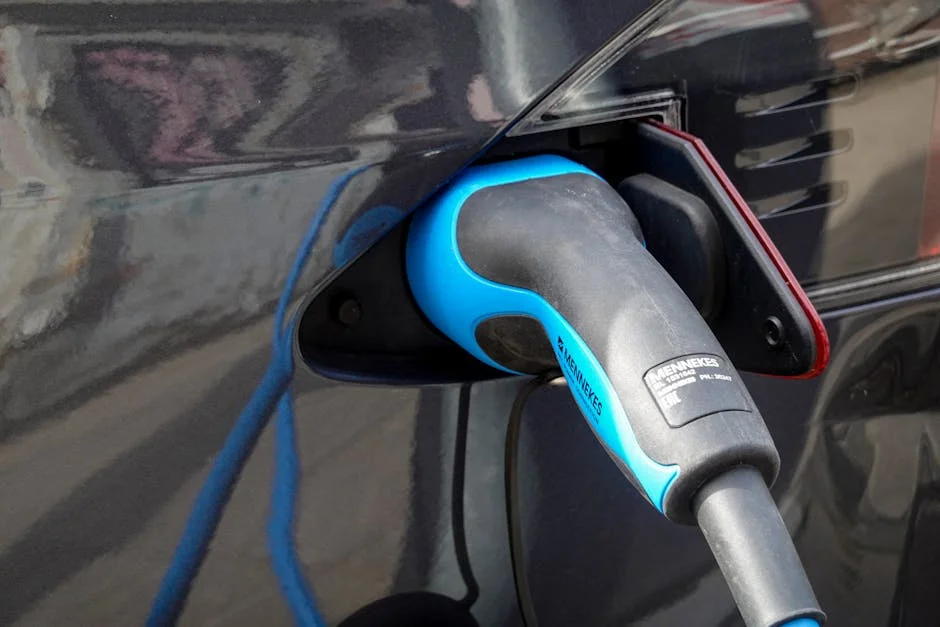
An electric car vs gas car calculator is the quickest way to turn a confusing set of variables—fuel prices, electricity rates, maintenance schedules, financing, insurance, and resale value—into a clear cost picture that matches how you actually drive. Many shoppers compare sticker prices and stop there, but the ownership experience is shaped by recurring costs and time. A calculator helps quantify those recurring costs with enough precision to choose between a battery-electric vehicle (BEV) and an internal-combustion engine (ICE) car without relying on assumptions that don’t fit your commute, climate, or charging access. When you enter your annual miles, typical trips, local utility rates, and current gasoline prices, the tool can estimate monthly and yearly operating costs. It can also highlight break-even timing—how many months or years until the electric option catches up if it costs more upfront. That break-even moment is often the deciding factor for households balancing vehicle needs with other goals.
Table of Contents
- My Personal Experience
- Why an electric car vs gas car calculator matters for real-world budgeting
- Key inputs that determine the accuracy of an ownership cost calculator
- Understanding electricity costs: home charging, workplace charging, and public fast charging
- Gasoline costs and how driving patterns change real mpg
- Maintenance and repair costs: what to include beyond oil changes
- Depreciation, resale value, and incentives: the biggest swings in total cost
- Charging equipment and installation: modeling upfront costs without overstating them
- Expert Insight
- Time value, convenience, and “soft costs” that influence the final decision
- Comparison table: popular calculator-style tools and what they typically offer
- How to run scenarios: commute-only, mixed driving, and road-trip heavy households
- Common mistakes that skew results and how to correct them
- Making the decision: interpreting break-even, payback, and total cost of ownership
- Putting it all together with a repeatable checklist for consistent results
- Watch the demonstration video
- Frequently Asked Questions
- Trusted External Sources
My Personal Experience
I recently used an electric car vs gas car calculator because I was torn between a used Prius and a used Model 3, and the monthly payment alone wasn’t telling the whole story. I plugged in my actual commute (about 38 miles round trip), my local electricity rate from the utility bill, and what I’ve been paying for gas lately, and the results were way more grounded than the guesses I’d been making. The calculator showed the EV would cost less per month to run, but only if I charged at home most of the time—public fast charging basically erased the savings on weeks I couldn’t use my driveway outlet. It also forced me to be honest about insurance and registration, which were higher on the EV than I expected. In the end, I didn’t treat it like a magic answer, but it helped me see the break-even point clearly and decide based on my real driving and charging habits instead of hype.
Why an electric car vs gas car calculator matters for real-world budgeting
An electric car vs gas car calculator is the quickest way to turn a confusing set of variables—fuel prices, electricity rates, maintenance schedules, financing, insurance, and resale value—into a clear cost picture that matches how you actually drive. Many shoppers compare sticker prices and stop there, but the ownership experience is shaped by recurring costs and time. A calculator helps quantify those recurring costs with enough precision to choose between a battery-electric vehicle (BEV) and an internal-combustion engine (ICE) car without relying on assumptions that don’t fit your commute, climate, or charging access. When you enter your annual miles, typical trips, local utility rates, and current gasoline prices, the tool can estimate monthly and yearly operating costs. It can also highlight break-even timing—how many months or years until the electric option catches up if it costs more upfront. That break-even moment is often the deciding factor for households balancing vehicle needs with other goals.

Another reason an electric car vs gas car calculator is valuable is that it makes hidden costs visible. Gas vehicles tend to have predictable refueling routines, but they also come with oil changes, transmission service, spark plugs, exhaust repairs, and a long list of wear items tied to heat and mechanical complexity. Electric cars replace many of those components with simpler drivetrains, yet they introduce other considerations such as home charging installation, charging network pricing, and potential demand charges in certain regions. A calculator can incorporate these items as line entries rather than vague “it depends” statements. When paired with realistic inputs—like charging mostly at home versus relying on fast chargers—it can model scenarios side by side. Instead of arguing about whether electricity is “cheaper,” you can see how your exact mix of home charging, workplace charging, and public fast charging changes the total. This scenario thinking is where a cost calculator becomes more than a number generator; it becomes a decision framework that reduces regret.
Key inputs that determine the accuracy of an ownership cost calculator
The quality of any electric car vs gas car calculator depends on the inputs you feed it, and the most important input is how many miles you drive per year. Annual mileage influences everything: fuel or electricity consumption, maintenance frequency, tire wear, depreciation pace, and even insurance exposure in some markets. Many drivers underestimate their annual miles because they focus on commuting and forget weekend errands, family visits, and seasonal travel. A better approach is to check your last service records, odometer photos, or telematics reports and compute an average across at least 12 months. If your driving varies—such as heavy winter travel—use a weighted average. Calculators that allow you to input city/highway splits can further refine estimates because EV efficiency and gas mpg can change significantly with speed, temperature, and stop-and-go conditions.
Energy pricing is the second major driver of the result. For gas cars, it’s the local per-gallon price and how often you buy premium versus regular fuel. For electric cars, it’s your per-kWh rate, which may vary by time-of-use plans, seasonal tiers, or demand-based pricing. If you charge mostly at home, you should use your marginal electricity rate, not the average rate printed on the bill. If you plan to charge frequently at DC fast chargers, you need the network’s pricing model: per-kWh, per-minute, membership discounts, and idle fees. Climate also matters because cold weather reduces EV efficiency and can increase charging frequency, while hot climates can increase air-conditioning loads. A robust calculator lets you adjust efficiency for temperature and driving style. If it doesn’t, you can still approximate by using conservative efficiency numbers—lower miles per kWh for EVs and lower mpg for gas vehicles—so you don’t get surprised later by a rosy estimate. If you’re looking for electric car vs gas car calculator, this is your best choice.
Understanding electricity costs: home charging, workplace charging, and public fast charging
Electricity costs can look simple—price per kWh times kWh used—but an electric car vs gas car calculator gets more accurate when it accounts for where you charge. Home charging is usually the cheapest and most predictable. If you have a garage or dedicated parking, a Level 2 charger can add significant convenience, but it also adds an upfront installation cost that should be amortized across the years you expect to own the vehicle. Some households can use a standard outlet for low daily mileage, avoiding installation expenses altogether. Time-of-use plans can make home charging dramatically cheaper if you can schedule charging overnight. In that case, your effective cost per mile may drop enough to change the break-even date versus a gas car. However, if your utility has high peak rates and you charge during those peaks, the cost advantage can shrink. A calculator that allows separate home and public charging percentages helps you model realistic behavior rather than assuming every kWh is priced the same.
Workplace charging, when available, can be a major swing factor. Some employers offer it free, others charge cost recovery rates, and some use networked stations with session fees. Free or discounted workplace charging can make an EV’s operating costs exceptionally low, but you should still model a backup plan for days you can’t access the station. Public fast charging is often the most expensive electricity, and it can be priced in ways that penalize slower charging sessions. If you live in an apartment without reliable home charging, your EV budget may depend on a heavy share of public charging. An electric car vs gas car calculator should let you input a higher public charging percentage and a higher per-kWh rate. It should also let you model the “convenience cost” of time spent charging, even if you don’t put a dollar value on it. While time isn’t always counted in a spreadsheet, it affects satisfaction and may influence whether a gas car remains the better fit for certain living situations.
Gasoline costs and how driving patterns change real mpg
Gasoline expenses seem straightforward, yet they can be deceptively variable, which is why an electric car vs gas car calculator should treat mpg as an adjustable input rather than a fixed brochure number. Real-world mpg depends on trip length, warm-up time, idling, traffic, speed, terrain, and tire pressure. Short trips can be especially inefficient because the engine spends more time running cold, and winter blends of gasoline can reduce fuel economy further. If you commute in congested traffic, your effective mpg may be much lower than highway ratings, and stop-and-go driving adds brake wear too. A calculator that allows separate city and highway mpg can better match your daily pattern. If you tow, carry heavy cargo, or drive on steep grades, you should input a reduced mpg to avoid underestimating fuel spend.
Fuel pricing itself can be volatile, and a good comparison should test multiple gas-price scenarios. Instead of using a single number, consider running your electric car vs gas car calculator at today’s price, a higher price that reflects recent peaks, and a lower price that reflects rare dips. This scenario approach reveals how sensitive your decision is to fuel volatility. Many households value stability as much as savings; electricity rates can also change, but they tend to be less volatile day to day than gasoline. Another nuance is fuel type: some gas vehicles require premium, and that can add a meaningful annual cost. If you’re comparing an EV to a turbocharged crossover that drinks premium, the gap widens. Conversely, if you’re comparing to a small hybrid that runs on regular and gets excellent mpg, the fuel-cost advantage of an EV may narrow. Calculators that let you compare against hybrids and plug-in hybrids can help you find a middle ground if charging access is limited.
Maintenance and repair costs: what to include beyond oil changes
Maintenance is often oversimplified as “EVs have no oil changes,” but an electric car vs gas car calculator becomes more trustworthy when it includes a full maintenance and repair picture. Gas cars typically require oil and filter changes, engine air filters, spark plugs, belts, exhaust work, and sometimes transmission service. Over time, cooling system repairs, emissions equipment failures, and gasket leaks can add up. These items don’t always happen on a neat schedule, but you can model them as an annual average based on reliability data, warranty coverage, and historical costs for similar vehicles. EVs remove many of those components, which can reduce maintenance complexity, yet they still need brake fluid checks, cabin air filters, coolant service for battery thermal systems in some models, and periodic inspections. Because regenerative braking reduces brake pad wear for many drivers, brake service may be less frequent, but it is not zero, especially in regions with road salt or for drivers who brake hard regularly.

Tires deserve special treatment in any electric car vs gas car calculator. EVs are often heavier and deliver instant torque, which can accelerate tire wear if you drive aggressively. Some EVs use specialized low-rolling-resistance tires that can cost more. A calculator should allow you to input tire replacement frequency and cost per set. Another maintenance category is software and electronics: EVs can receive over-the-air updates that improve features and efficiency, but out-of-warranty electronics repairs can still be expensive on any modern vehicle, gas or electric. Finally, consider service convenience. EVs may require fewer visits, but if the nearest qualified service center is far away, the time cost can matter. A practical approach is to model maintenance as a range—low, typical, high—rather than a single point estimate. That range helps you see whether the EV advantage remains even if tire costs are higher or if you plan to keep the car long enough that major repairs become more likely.
Depreciation, resale value, and incentives: the biggest swings in total cost
Depreciation is often the largest single cost of ownership, and it can dominate the results of an electric car vs gas car calculator more than fuel or electricity. Resale values depend on brand reputation, market demand, mileage, condition, technology pace, and macro factors like interest rates. For EVs, resale can be influenced by battery warranty terms, perceived battery health, charging standards, and the rate of improvement in range and charging speed. Some buyers worry about battery replacement costs, even if real-world data suggests many packs last a long time. Those perceptions can affect resale prices. On the gas side, resale can be influenced by fuel prices and regulatory trends. When gas prices spike, efficient cars can hold value better, and when prices fall, larger vehicles may regain demand. A calculator that uses a simple “percentage depreciation per year” can be a starting point, but it’s better to use model-specific depreciation estimates or at least test a few scenarios.
Incentives and tax credits can also reshape the comparison. Purchase incentives, point-of-sale rebates, reduced registration fees, HOV lane access, and local utility credits can all improve the EV side of an electric car vs gas car calculator. However, incentives vary widely by location and can change quickly. Some incentives apply only to certain income levels, battery sizes, or vehicle assembly rules. It’s important to input incentives you are confident you qualify for, and treat uncertain ones as a separate scenario. Financing interacts with incentives too: if a rebate reduces your out-the-door price, it reduces the amount financed and the interest paid over time. Leasing can complicate things because the lessor may claim certain credits and pass them along in the form of lower lease payments, sometimes making an EV lease more attractive than a purchase. To keep the calculator honest, separate “purchase price after incentives” from “monthly operating costs,” then look at total cost of ownership over the period you expect to keep the vehicle. That time horizon might be three years for a lease-like cycle or ten years for long-term owners, and it changes the weight of depreciation versus fuel savings.
Charging equipment and installation: modeling upfront costs without overstating them
Home charging equipment is a common line item that can distort an electric car vs gas car calculator if it’s treated as mandatory or if it’s overestimated. Many drivers can meet their needs with a standard 120V outlet if they drive modest daily miles and can plug in overnight. For higher mileage or multiple EV households, Level 2 charging can be a major quality-of-life upgrade. The cost includes the charger itself and installation labor, which depends on electrical panel capacity, distance from the panel to the parking spot, conduit runs, permits, and whether upgrades are needed. Some homes need only a simple outlet installation; others need a panel upgrade, which can be more expensive. A sensible calculator approach is to include a low, medium, and high installation estimate and amortize it over the planned ownership period. If you expect to own EVs long term, the installation cost can be spread across multiple vehicles, reducing the per-vehicle impact.
Expert Insight
When using an electric car vs gas car calculator, plug in your real-world driving pattern: your average miles per month, typical highway vs city mix, and the electricity rate you actually pay (including time-of-use pricing). Then run a second scenario with a 10–20% efficiency penalty for cold weather or high-speed driving to see how sensitive your savings are.
Don’t stop at “fuel” costs—add the big line items that change the outcome: home charger installation, expected maintenance (oil changes vs tires/brakes), insurance differences, and any rebates or tax credits you qualify for. Compare totals over the same ownership window (e.g., 5 years) and include resale value assumptions so the calculator reflects true cost, not just monthly energy spend. If you’re looking for electric car vs gas car calculator, this is your best choice.
It’s also worth modeling alternatives. If your area has reliable curbside charging, a nearby Level 2 station, or workplace charging, you may delay or skip home installation. However, relying on public charging can raise your per-mile energy cost and add time. An electric car vs gas car calculator should allow you to include a one-time home charging cost and then adjust the share of home versus public charging. This prevents double-counting, such as paying for a home charger while assuming most charging happens on expensive fast chargers. Additionally, some utilities and municipalities offer rebates for chargers and installation, and those should be entered as offsets. If you rent, you may be able to negotiate a shared installation with a landlord or use a portable charger solution; those nuances can be reflected as smaller upfront costs with a higher public charging share. Modeling charging equipment realistically keeps the comparison grounded and helps avoid the common mistake of treating EV charging as either “free” or “prohibitively expensive” when it is usually somewhere in between.
Time value, convenience, and “soft costs” that influence the final decision
Not every factor fits neatly into dollars, but an electric car vs gas car calculator can still help you think about soft costs in a structured way. Time spent refueling or charging is a good example. Gas refueling is fast but requires dedicated trips. EV charging at home can be nearly effortless—plug in at night and start each day with a full battery—yet road-trip fast charging adds stops that can be longer than gas fill-ups. If you road-trip frequently, the time component may matter more than the cost per mile. Some calculators let you assign a value to your time, turning minutes into dollars. Even if you don’t want to monetize time, you can use the calculator outputs to identify how often you would rely on public charging and whether the routine fits your lifestyle. Convenience can be a hidden “expense” if it creates friction in your week.
| Factor | Electric Car (EV) | Gas Car (ICE) |
|---|---|---|
| Energy/Fuel Cost per Mile | Typically lower; depends on electricity rates and charging efficiency. | Typically higher; depends on MPG and local fuel prices. |
| Maintenance & Repairs | Often lower (fewer moving parts; no oil changes); battery/tires can be key costs. | Often higher (oil, belts, exhaust, more wear items); regular service intervals. |
| Upfront Price & Incentives | Often higher sticker price; may qualify for tax credits/rebates and lower operating costs. | Often lower sticker price; fewer incentives, but wide model/price availability. |

Reliability and predictability also function like soft costs. EVs can reduce the number of routine service visits, which saves scheduling time and reduces the chance of unexpected repairs tied to complex engines. Gas vehicles, especially those with proven powertrains, may feel more familiar to service anywhere, which can be valuable in rural areas. Another soft cost is noise and driving comfort. Some drivers place a high value on quiet operation and smooth acceleration, which can tilt the decision even if the electric car vs gas car calculator shows only modest savings. Conversely, some drivers prefer the flexibility of quick refueling and the ability to carry fuel in remote areas. Insurance can also be a mixed bag: some EVs cost more to insure due to repair complexity and parts pricing, while others are comparable. A calculator can include insurance premiums, but you should still get quotes. When you combine the “hard numbers” with these soft factors, the calculator becomes a decision aid rather than a verdict, helping you choose a car that fits both budget and daily life.
Comparison table: popular calculator-style tools and what they typically offer
Choosing the right tool matters because different calculators emphasize different categories. Some focus on fuel savings only, while others model total cost of ownership, including depreciation and financing. A useful electric car vs gas car calculator should let you customize assumptions, save scenarios, and compare multiple vehicles. It should also be transparent about default values so you can adjust them. If a tool hides its assumptions, it’s easy to get a result that looks precise but is built on unrealistic defaults, like unusually cheap electricity or overly optimistic resale value. Tools that allow regional settings—zip code, utility territory, or average local gas prices—tend to be more relevant than generic national averages.
The table below summarizes common categories of calculator experiences you’ll see online or in apps. The names are presented as types rather than specific brands because the best choice depends on what you need: a quick operating-cost snapshot, a deep total-cost model, or a shopping assistant that integrates incentives. Use the “Features” column to decide whether a tool matches your situation, especially if you need apartment-charging scenarios, time-of-use electricity rates, or detailed maintenance modeling. The “Ratings” and “Price” entries reflect typical user expectations for each category rather than a guarantee; the goal is to help you pick a calculator style that aligns with your decision complexity and the time you want to spend tuning inputs. If you’re looking for electric car vs gas car calculator, this is your best choice.
| Name | Features | Ratings | Price |
|---|---|---|---|
| Quick Fuel-vs-Electricity Estimator | Annual miles, mpg vs mi/kWh, gas price, electricity price, basic monthly/annual cost | 4.2/5 | Free |
| Total Cost of Ownership (TCO) Calculator | Depreciation, incentives, financing, insurance, maintenance, tire wear, home charger amortization | 4.5/5 | Free–$10/month |
| Utility Rate & Time-of-Use Planner | Time-of-use schedules, off-peak charging assumptions, seasonal rates, charging location splits | 4.3/5 | Free–$5/month |
| Fleet/Business Cost Modeler | Multi-vehicle comparisons, duty cycles, downtime, reimbursement rates, reporting exports | 4.6/5 | $20–$200/month |
How to run scenarios: commute-only, mixed driving, and road-trip heavy households
A single set of assumptions rarely captures real life, so the best way to use an electric car vs gas car calculator is to run multiple scenarios that mirror your routines. Start with a “commute-only” scenario: your typical weekday mileage, mostly predictable routes, and mostly home charging if available. This scenario often shows the strongest EV advantage because it maximizes low-cost electricity and minimizes reliance on public fast charging. Enter your realistic efficiency numbers, and consider seasonal adjustments. If winter is harsh where you live, reduce EV efficiency and increase gas consumption to reflect warm-up losses and winter fuel blends. Then look at annual energy cost differences and the estimated break-even time if the EV costs more upfront. If the calculator includes maintenance schedules, use typical intervals rather than best-case. The goal is not to make the EV win; it’s to see whether it still makes sense under conservative assumptions.
Next, run a “mixed driving” scenario that includes errands, weekend trips, and occasional highway travel. This is where charging location splits matter. If you can home charge most nights, the EV remains strong, but if you frequently do longer trips that require public charging, adjust the public share upward. Finally, run a “road-trip heavy” scenario, especially if you travel long distances monthly. In that case, the EV’s electricity cost may rise due to fast charging prices, and time spent charging may become a practical limitation. The gas car may look more competitive in this scenario even if fuel costs are higher. A well-used electric car vs gas car calculator doesn’t produce one definitive answer; it produces a range of outcomes tied to your lifestyle. When you see how sensitive the results are to public charging share, gas prices, and annual mileage, you can decide whether you want the certainty of home charging, the flexibility of a hybrid, or the simplicity of sticking with a gas vehicle for now.
Common mistakes that skew results and how to correct them
One of the biggest mistakes in an electric car vs gas car calculator is using unrealistic efficiency values. Many people plug in the EPA-rated mpg or EV consumption and assume it will match their daily life. If you drive fast on the highway, carry heavy loads, or live in a cold climate, your real efficiency may be worse. Another frequent error is ignoring charging losses. Not every kWh pulled from the wall ends up in the battery; there are conversion losses that vary by vehicle and charging setup. If your calculator allows it, include a charging loss factor. If not, you can approximate by increasing the electricity price per kWh slightly or reducing miles per kWh. These adjustments can prevent underestimating electricity costs, especially for drivers who do a lot of short charging sessions or charge in very cold conditions.

Another mistake is comparing a brand-new EV to an older paid-off gas car without acknowledging the baseline. If you already own a gas vehicle, the right comparison may be “keep what you have” versus “buy something else,” not EV versus gas as two new purchases. A calculator should let you compare against your current car’s remaining depreciation, expected repairs, and fuel costs. Also, many people forget insurance differences and registration fees, which can vary by state and vehicle price. Some regions have EV surcharges to replace fuel taxes; those should be included. Finally, incentives are often treated as guaranteed. If you might not qualify, don’t bake them into the main scenario; run them as a separate case. Correcting these errors makes an electric car vs gas car calculator a reliable planning tool rather than a persuasive toy. The more your inputs reflect your actual driving and local costs, the more confident you can be in the results.
Making the decision: interpreting break-even, payback, and total cost of ownership
The outputs from an electric car vs gas car calculator usually come in three forms: monthly operating cost, total cost of ownership over a set period, and break-even time. Monthly operating cost is useful for cash-flow planning—what you’ll likely spend on energy and routine maintenance. Total cost of ownership (TCO) is broader, incorporating depreciation, financing interest, insurance, fees, and sometimes charging equipment. Break-even time tells you when cumulative savings from the EV exceed the initial price difference, assuming your inputs hold. It’s important to interpret break-even as a moving target rather than a promise. Gas prices can change, electricity rates can shift, and your mileage can increase or decrease with life changes. If your break-even is far in the future—say, beyond how long you typically keep a car—the EV may still be desirable for other reasons, but the financial case is weaker. If break-even happens quickly, the EV is more likely to be the financially safer choice even if some assumptions drift.
It also helps to look at the composition of the TCO difference. If the EV wins mainly because of a large incentive that may not persist, consider whether you’re comfortable relying on that. If the EV wins mainly because you charge at home at low off-peak rates, confirm you can actually enroll in that rate plan and that your panel can support the charging schedule. If the gas car wins because you drive very low annual miles, it may be worth checking whether a plug-in hybrid offers a compromise: electric miles for errands with gasoline flexibility for road trips. Ultimately, the best use of an electric car vs gas car calculator is to align the numbers with your priorities: predictable costs, convenience, environmental goals, performance, or long-term reliability. When the numbers and lifestyle fit point in the same direction, the decision becomes simpler and more resilient to future changes.
Putting it all together with a repeatable checklist for consistent results
Consistency is what turns an electric car vs gas car calculator from a one-time experiment into a dependable shopping method. Start by gathering your personal baseline: last year’s mileage, your typical routes, your local average gas price, and your utility rate details. Then choose comparable vehicles—similar size, performance, and capability—because comparing an EV sedan to a large gas SUV can mislead you if your real need is cargo space or towing. Input conservative efficiency numbers, especially if you’re unsure. Add one-time costs like home charging installation only if they apply, and amortize them over the years you expect to keep the car. Include insurance quotes if possible, and don’t skip registration fees. For maintenance, use a realistic annual estimate rather than assuming best-case. If the calculator offers depreciation modeling, run at least two resale scenarios: optimistic and cautious. This approach produces a range of outcomes that reflects uncertainty rather than hiding it.
Once you have outputs for at least three scenarios—commute-focused, mixed driving, and road-trip heavy—look for patterns. If the EV is cheaper in all scenarios, the financial case is strong. If the EV is cheaper only in the commute scenario, then home charging access and public charging dependence are your main decision levers. If the gas car remains cheaper in most scenarios, confirm whether that’s driven by low mileage, high electricity rates, lack of incentives, or high EV purchase prices. Those are the variables that can change over time, so you can revisit the comparison later. The final step is to document the assumptions you used so you can update them when gas prices change or when you move. When used this way, an electric car vs gas car calculator becomes a living tool you can return to, not a one-off result. The most practical outcome is clarity: knowing what you’ll likely spend, what you’re trading off, and how sensitive your decision is to the variables that matter most.
Watch the demonstration video
In this video, you’ll learn how to use an electric car vs. gas car calculator to compare real-world costs. It breaks down purchase price, fuel vs. charging, maintenance, incentives, and electricity rates to estimate total cost of ownership. You’ll see how driving habits and local prices can change which option saves more over time. If you’re looking for electric car vs gas car calculator, this is your best choice.
Summary
In summary, “electric car vs gas car calculator” is a crucial topic that deserves thoughtful consideration. We hope this article has provided you with a comprehensive understanding to help you make better decisions.
Frequently Asked Questions
What does an electric car vs gas car calculator compare?
An **electric car vs gas car calculator** helps you compare the true total cost of ownership between an EV and a gasoline vehicle. It typically factors in the upfront purchase price, fuel or charging costs, maintenance and repairs, taxes and fees, available incentives, and depreciation—based on the time period and mileage you plan to drive.
What inputs do I need for accurate results?
When using an **electric car vs gas car calculator**, you’ll want to plug in details like how many miles you drive each year, how long you plan to keep the vehicle, your local gas prices, and what you pay for electricity at home and/or at public chargers. It also helps to include each vehicle’s efficiency (mpg for gas and kWh per 100 miles for EVs), the purchase price, available incentives, financing terms, estimated maintenance and repair costs, and the resale value you expect when you sell or trade it in.
How does it handle charging costs?
Most calculators apply your electricity rate to EV energy use and let you split charging between home and public networks; some also include charging losses and time-of-use rates if provided. If you’re looking for electric car vs gas car calculator, this is your best choice.
Does it include incentives and tax credits?
Many tools factor in federal, state, and local EV credits and rebates, but eligibility can change based on your income, the specific vehicle you choose, and where you live. When using an **electric car vs gas car calculator**, double-check its assumptions—especially whether it treats incentives as an upfront discount or as a tax credit applied later.
When does an EV become cheaper than a gas car?
If you drive a moderate to high number of miles each year, pay relatively low electricity rates, and face higher gas prices, an **electric car vs gas car calculator** can quickly estimate your break-even point—showing when the savings from driving electric start to outweigh the upfront costs based on your specific inputs.
What are common limitations of these calculators?
Many tools gloss over factors like depreciation, insurance, repair costs, battery replacement risk, local fees, winter range loss, and charging access—so treat any **electric car vs gas car calculator** result as a starting estimate, then tweak the assumptions to reflect your real driving habits and location.
? Looking for more info about electric car vs gas car calculator? Follow Our Site for updates and tips!

Trusted External Sources
- EV Savings Calculator – How much can you save with an electric …
How much can you save with an electric vehicle? EV Savings Calculator. Copyright © 2026 CLEAResult. All Rights Reserved.
- Electric Vehicle Savings Calculator – ChargEVC
Electric vehicles have fewer moving parts than gasoline vehicles, which often means lower maintenance costs over time. Want to see whether an EV makes sense for your lifestyle and budget? Try an **electric car vs gas car calculator** and explore the resources below to compare costs side by side.
- Vehicle Cost Calculator – Alternative Fuels Data Center
Our **electric car vs gas car calculator** uses a few quick details about your driving habits to estimate total cost of ownership and emissions across most vehicle makes and models, helping you compare your options clearly and confidently.
- Electric vs. Gas Car: Try Our Calculator (Because the Math Is About …
Aug 27, 2026 — Curious which option will actually cost you less over time? Our **electric car vs gas car calculator** compares the biggest upfront and ongoing ownership expenses—fuel (gas or electricity), maintenance, and more—then crunches the numbers to show you the real total cost.
- The Electric Vehicle vs Gas Calculator – See Savings in 2026 – Coltura
More and more drivers are hitting the brakes to ask: “Will an electric car really save me money?” That’s exactly why we built the EV vs. Gas Calculator — a fast … If you’re looking for electric car vs gas car calculator, this is your best choice.