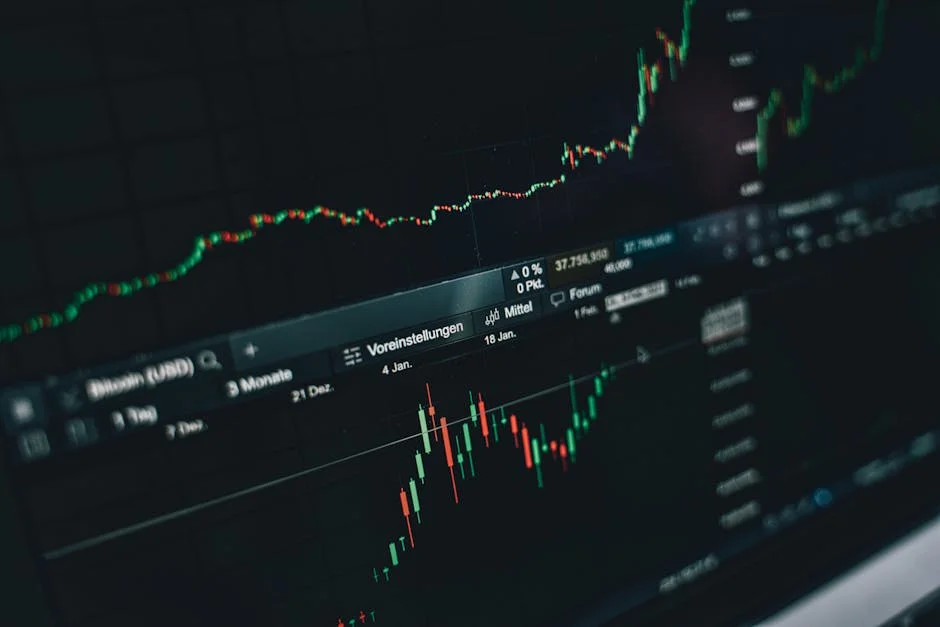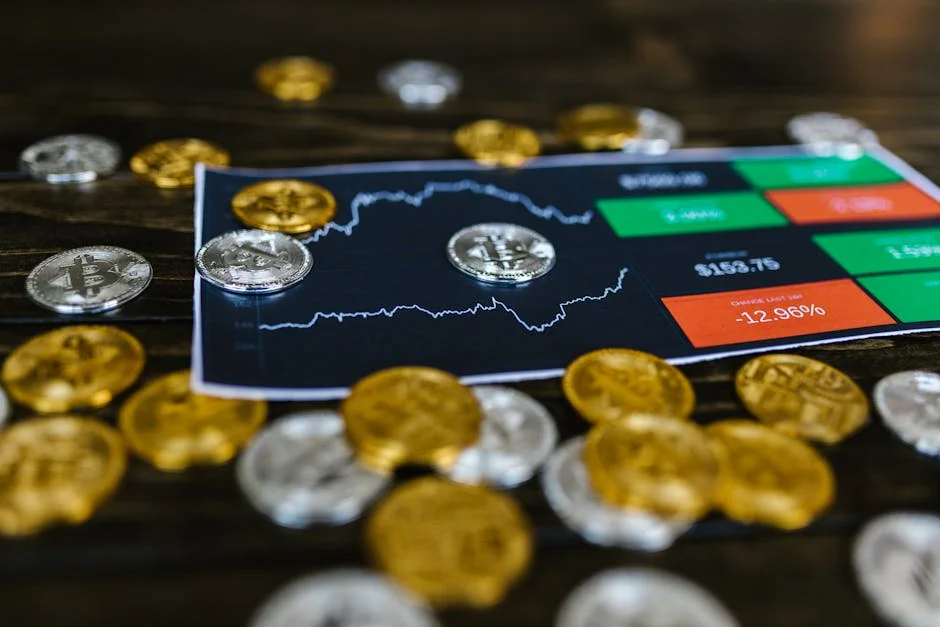
Forex trading vs crypto trading is often framed as a choice between two ways of speculating on price movements, but the deeper difference is the structure of each market. Foreign exchange is a mature, globally integrated network where national currencies are exchanged through banks, prime brokers, electronic communication networks, and retail brokerages. Because money is the settlement layer for trade and finance, the forex market is continuously shaped by macroeconomic data, central bank policy, and international capital flows. Crypto markets, by contrast, are native to digital assets and blockchain rails, where tokens and coins trade on centralized exchanges and decentralized protocols. While both arenas offer leveraged products, short-term trading opportunities, and long-term theses, the underlying drivers and microstructure create distinct risk profiles and learning curves. Many traders discover that the same chart patterns can appear in both, yet the reasons those patterns form—liquidity concentration, market maker behavior, and participant composition—can be very different.
Table of Contents
- My Personal Experience
- Understanding Forex Trading vs Crypto Trading at a High Level
- Market Structure, Participants, and Liquidity Dynamics
- Trading Hours, Volatility, and the Rhythm of Price Action
- What Moves Prices: Macroeconomics vs Network and Token Fundamentals
- Leverage, Margin, and Position Sizing Realities
- Costs, Spreads, Funding, and Hidden Frictions
- Regulation, Safety, and Counterparty Exposure
- Trading Strategies That Tend to Fit Each Market
- Expert Insight
- Psychology, Discipline, and Lifestyle Fit
- Tools, Platforms, and Data: What You Actually Need
- Comparison Table: Typical Options Traders Consider
- Risk Management Differences That Matter in Practice
- Who Each Market Tends to Suit (Without Stereotypes)
- Putting It Together: A Practical Decision Framework
- Watch the demonstration video
- Frequently Asked Questions
- Trusted External Sources
My Personal Experience
I started out trading forex because it felt more “grown up” and predictable—tight spreads on majors, clear market hours, and lots of educational material. For a while I did fine sticking to EUR/USD and using small position sizes, but I still got humbled by surprise news spikes and the way leverage can turn a small mistake into a big loss. When I tried crypto later, the freedom of 24/7 markets was exciting at first, but it quickly became exhausting; I’d wake up to huge overnight moves and realized how much sentiment and liquidity swings can dominate price action. Crypto gave me bigger opportunities, but also bigger emotional swings, while forex taught me discipline and risk management. These days I treat forex like a steady routine and crypto like a smaller, higher-volatility side bet—only when I’m fully okay with the risk. If you’re looking for forex trading vs crypto trading, this is your best choice.
Understanding Forex Trading vs Crypto Trading at a High Level
Forex trading vs crypto trading is often framed as a choice between two ways of speculating on price movements, but the deeper difference is the structure of each market. Foreign exchange is a mature, globally integrated network where national currencies are exchanged through banks, prime brokers, electronic communication networks, and retail brokerages. Because money is the settlement layer for trade and finance, the forex market is continuously shaped by macroeconomic data, central bank policy, and international capital flows. Crypto markets, by contrast, are native to digital assets and blockchain rails, where tokens and coins trade on centralized exchanges and decentralized protocols. While both arenas offer leveraged products, short-term trading opportunities, and long-term theses, the underlying drivers and microstructure create distinct risk profiles and learning curves. Many traders discover that the same chart patterns can appear in both, yet the reasons those patterns form—liquidity concentration, market maker behavior, and participant composition—can be very different.

Another critical lens for forex trading vs crypto trading is the relationship between regulation, custody, and counterparty risk. In forex, retail traders typically do not own a “currency” in a wallet; they trade contracts through regulated brokers, and the broker’s execution model, spreads, and rollover policies matter as much as the price chart. In crypto, traders may custody assets directly, interact with smart contracts, or rely on exchange custody, which introduces unique operational risks like wallet security, exchange solvency, and blockchain congestion. The trading experience also differs in market hours and event risk: forex has a well-known weekly rhythm around the global session cycle, whereas crypto trades 24/7 with frequent weekend volatility and protocol-specific catalysts. Comparing them responsibly means looking beyond potential returns and focusing on liquidity depth, transaction costs, leverage availability, and the type of analysis that tends to work best in each environment.
Market Structure, Participants, and Liquidity Dynamics
When comparing forex trading vs crypto trading, market structure is the first factor that determines how prices move and how consistently orders are filled. Forex is predominantly an over-the-counter market, meaning trading occurs through a network of liquidity providers rather than a single centralized exchange. Large banks, non-bank market makers, hedge funds, corporates hedging exposures, and asset managers collectively create deep liquidity in major pairs such as EUR/USD, USD/JPY, and GBP/USD. This depth generally translates into tighter spreads, less slippage during normal conditions, and a more stable order book for the most traded pairs. Retail traders access this network through brokers that may route orders to liquidity providers (often labeled ECN/STP) or internalize flow (market maker model). The choice of broker model can affect execution quality, but the underlying liquidity in majors is typically strong enough that a disciplined trader can plan entries and exits with relatively predictable costs.
Crypto liquidity is more fragmented, which makes forex trading vs crypto trading an uneven comparison if you only look at “the crypto market” as a single venue. Bitcoin and Ethereum can be highly liquid on top exchanges, but liquidity varies widely across altcoins, newer tokens, and decentralized exchange pools. Even for major coins, liquidity is split across multiple centralized exchanges and on-chain venues, each with different fee schedules, maker-taker incentives, and regional user bases. Fragmentation can create temporary price discrepancies and faster “air pockets” where price moves sharply through thin order books. In addition, the participant mix differs: crypto includes retail traders, proprietary firms, market makers, miners or validators, token treasuries, and long-term holders who may be insensitive to short-term price. Token unlocks, venture vesting schedules, and on-chain liquidity incentives can also influence supply and demand in ways that do not have direct analogs in fiat currency trading. As a result, order execution planning, position sizing, and stop placement often require wider margins of safety in crypto than in the most liquid forex pairs.
Trading Hours, Volatility, and the Rhythm of Price Action
A practical difference in forex trading vs crypto trading is the clock. Forex trading runs 24 hours a day from Monday to Friday, cycling through the Asia, Europe, and North America sessions. Liquidity and volatility often peak during session overlaps, especially London-New York, and many strategies are designed around these predictable windows. Weekends are generally closed for retail forex, so traders must account for gap risk from Friday close to Monday open, particularly when geopolitical news breaks. This “on/off” cadence encourages planning: traders can avoid certain sessions, focus on key data releases, and manage exposure around scheduled events like central bank meetings. Because the market is anchored to national economies, volatility often clusters around economic calendars, and understanding the weekly rhythm can help reduce random exposure.
Crypto trades continuously, which is a major point in forex trading vs crypto trading for anyone who needs boundaries. The 24/7 nature means price can trend or crash on a Sunday afternoon, and major moves can occur while a trader is asleep. Weekend liquidity can be thinner, and that can amplify volatility or produce sudden wicks. Crypto volatility is also driven by a broader mix of catalysts: exchange listing news, protocol upgrades, regulatory headlines, stablecoin concerns, security incidents, or large on-chain transfers. Many traders like the constant access and the ability to react immediately, but it also increases the burden of risk management because there is no natural market close. To cope, crypto traders often rely more heavily on conditional orders, alerts, smaller position sizing, and predefined invalidation levels. For traders who prefer structure, forex’s session-based rhythm can feel more manageable; for traders who prefer continuous opportunity, crypto’s always-on market can be appealing, but it demands stricter discipline to avoid overtrading.
What Moves Prices: Macroeconomics vs Network and Token Fundamentals
Forex trading vs crypto trading diverges sharply when you ask what “fundamentals” mean. In forex, long-term currency valuation is tied to macroeconomic variables such as inflation, interest rate differentials, trade balances, productivity, fiscal policy, and political stability. Central banks are dominant actors: a change in policy rate expectations can move a currency pair quickly and persistently. Traders pay attention to CPI, employment data, GDP, purchasing managers’ indices, and speeches by policymakers because these inputs shape yield curves and capital flows. Even if a trader mainly uses technical analysis, macro context matters because it influences regime behavior—whether the market trends smoothly, mean-reverts, or becomes headline-driven. This helps explain why the same technical setup may fail during a major policy surprise: liquidity may be present, but the repricing is fundamental and urgent.
In crypto, fundamentals can be more heterogeneous, which complicates forex trading vs crypto trading comparisons. Bitcoin’s narrative often centers on monetary properties, adoption, and liquidity conditions, while Ethereum and other smart contract platforms add considerations like network usage, fee markets, scaling roadmaps, and developer activity. Tokens may represent governance rights, utility within an application, or claims on future protocol fees, though the legal and economic reality varies. On-chain data—active addresses, exchange inflows/outflows, realized cap, and staking participation—can provide signals that have no direct forex equivalent. Yet crypto prices are also influenced by broader liquidity conditions, including interest rates and risk appetite, which means macro still matters, especially during tightening cycles. The result is a blended framework: crypto traders often combine macro awareness with industry-specific catalysts and on-chain metrics. This can create edge for specialists who understand protocol mechanics, but it also raises the risk of misreading token economics, underestimating dilution, or overvaluing “narratives” that change quickly.
Leverage, Margin, and Position Sizing Realities
Leverage is a central topic in forex trading vs crypto trading because it determines how quickly a small mistake can become a large loss. Retail forex brokers often offer significant leverage, though limits vary by jurisdiction due to regulation. In many regulated regions, leverage caps are designed to reduce blow-up risk, especially for inexperienced traders. Margin is typically straightforward: you post a portion of notional as collateral, and your profit or loss is marked to market. Costs include spread, commission (if applicable), and overnight financing or swap rates. Because major forex pairs can have relatively low daily volatility, leverage can make returns meaningful, but it can also magnify drawdowns and trigger margin calls during spikes. Effective position sizing in forex often uses volatility-based methods such as ATR, plus awareness of event risk around high-impact releases.

Crypto leverage exists in multiple forms, and that complexity is a key difference in forex trading vs crypto trading. Centralized exchanges may offer perpetual futures with adjustable leverage, funding payments, and liquidation mechanisms that can be abrupt during fast moves. Decentralized perpetuals add smart contract and oracle risk, plus variable liquidity. Even spot crypto can behave like a leveraged instrument due to its inherent volatility; a 10% daily move is not unusual for many assets. This means that using high leverage in crypto can be unforgiving, especially when liquidity thins and liquidation cascades occur. Position sizing often needs to be smaller relative to account size, and risk limits should account for gaps, wicks, and sudden correlation shifts during market stress. Traders who are comfortable with forex leverage sometimes underestimate how quickly crypto leverage can compound losses, particularly when funding turns expensive, spreads widen, and the market moves outside expected ranges in minutes.
Costs, Spreads, Funding, and Hidden Frictions
The cost profile is another area where forex trading vs crypto trading can surprise people. In forex, costs are commonly embedded in spreads or charged as commissions depending on account type. Major pairs usually have tight spreads during liquid hours, while exotic pairs can be much wider. Overnight holding costs, known as swaps or rollovers, reflect interest rate differentials and broker markups, and these can either be a cost or a credit. For traders who hold positions for days or weeks, rollover can materially affect performance, especially when using leverage. Slippage is often modest in normal conditions for liquid pairs, but it can jump during news releases or low-liquidity times. A realistic evaluation of a strategy includes backtesting with conservative assumptions about spread widening and execution.
Crypto trading costs are more varied, which complicates forex trading vs crypto trading comparisons. Centralized exchanges usually charge maker-taker fees, and spreads can be tight for the most liquid pairs but widen significantly for smaller tokens. On perpetual futures, funding rates can become a meaningful carry cost, particularly in one-sided markets where longs pay shorts or vice versa. For on-chain trading, gas fees and price impact can dwarf visible fees, especially during network congestion. Bridging assets across chains introduces additional costs and operational steps. Custody also has a cost dimension: withdrawing from exchanges, using hardware wallets, and safeguarding seed phrases are not “fees” in the classic sense, but they add friction and responsibility. A trader might find that frequent small trades are cheaper in forex than in on-chain crypto, while high-liquidity centralized crypto venues can be competitive for active futures trading. The key is to map the full lifecycle cost: entry, exit, holding, and operational overhead.
Regulation, Safety, and Counterparty Exposure
Regulation is a defining line in forex trading vs crypto trading. Retail forex in many countries operates under established regulatory frameworks that address broker capitalization, client fund segregation, marketing practices, and dispute resolution. While regulation does not eliminate risk, it can reduce the probability of extreme broker misconduct and create clearer standards for transparency. Traders still need to vet brokers carefully, paying attention to execution policies, negative balance protection, and the legal entity that holds the account. In regulated forex environments, the product is usually a derivative contract rather than physical currency delivery, which means counterparty exposure is concentrated at the broker and its liquidity providers. That concentration can be managed through broker selection, diversification across providers, and conservative leverage.
Crypto’s regulatory environment is uneven across jurisdictions, which is a major point in forex trading vs crypto trading for anyone prioritizing legal clarity. Some regions have robust licensing for exchanges and custodians, while others have limited oversight. Even within regulated settings, the pace of innovation means products can outstrip rules, leaving traders exposed to platform-specific risks. Exchange custody introduces potential solvency and operational risks, and decentralized protocols introduce smart contract vulnerabilities, governance attacks, and oracle manipulation. Self-custody reduces some counterparty exposure but increases personal operational risk: losing keys, signing malicious transactions, or falling for phishing can be catastrophic. A practical approach is to treat crypto venue selection and custody setup as part of risk management, not as an afterthought. The “best” choice depends on the trader’s priorities: strong consumer protections and standardized practices often favor forex, while crypto offers broader asset exposure but demands more due diligence and security hygiene.
Trading Strategies That Tend to Fit Each Market
Strategy fit is where forex trading vs crypto trading becomes personal. Forex often rewards patience, especially in major pairs where trends can develop around interest rate cycles and macro divergences. Range trading, mean reversion, and carry strategies can be viable depending on the regime, and technical setups like break-and-retest can work well when liquidity is deep and price respects key levels. Many forex traders specialize in a small set of pairs to learn their “behavior,” including how they react to specific data releases and session overlaps. Because the market is mature, obvious edges can be competed away, so consistency often comes from process: strict risk limits, a well-tested plan, and attention to execution quality. Swing trading is common, and the economic calendar provides a structured way to anticipate volatility clusters.
| Aspect | Forex Trading | Crypto Trading |
|---|---|---|
| Market hours & liquidity | 24/5 market with deep liquidity in major pairs, typically tighter spreads. | 24/7 market; liquidity varies widely by coin/exchange, often wider spreads on smaller assets. |
| Volatility & risk | Generally lower volatility; moves often driven by macro data and central banks. | Typically higher volatility; price can swing sharply on sentiment, news, and on-chain events. |
| Regulation & custody | More established regulation in many jurisdictions; trading via regulated brokers. | Regulation varies by region; assets may be held on exchanges or self-custodied (wallets), adding security considerations. |
Expert Insight
In forex trading, prioritize liquidity and disciplined risk controls: focus on major pairs (like EUR/USD or USD/JPY), trade during the most active sessions, and set a fixed risk per trade (e.g., 0.5–1%) with a stop-loss placed at a level that invalidates your setup—not at a random pip distance. If you’re looking for forex trading vs crypto trading, this is your best choice.
In crypto trading, plan for volatility and market structure shifts: size positions smaller than you would in forex, avoid holding leveraged trades through major news or exchange events, and use limit orders with predefined exit targets while tracking liquidity and funding rates to spot crowded trades. If you’re looking for forex trading vs crypto trading, this is your best choice.
Crypto can reward momentum and narrative-driven trend following, which shifts the balance in forex trading vs crypto trading toward adaptability. Strong bull phases can produce extended runs where pullbacks are shallow and breakouts follow through, while bear phases can be brutal and fast. Because crypto trades nonstop, intraday strategies may need automation, alerts, or reduced timeframes to handle sudden moves. In addition to classic technical analysis, crypto traders sometimes incorporate on-chain signals, derivatives positioning, and funding rate extremes to identify crowded trades. Mean reversion can work in specific conditions, but it can fail dramatically during liquidation cascades, so stop placement and position sizing are crucial. Another dimension is market selection: in crypto, choosing which assets to trade can matter as much as timing, because dispersion between tokens can be extreme. The strategy that fits best is often one that acknowledges crypto’s volatility and uses conservative leverage, while still taking advantage of its higher beta when conditions align.
Psychology, Discipline, and Lifestyle Fit
The psychological demands of forex trading vs crypto trading differ because the markets “pull” on attention in different ways. Forex’s session structure can support a healthier routine: define analysis time, execution windows, and a daily cutoff. This can reduce impulsive decisions and help a trader treat trading as a process rather than a constant stimulus. However, forex can also test patience because major pairs may spend long periods consolidating, and the most tempting trades can be low-quality setups taken out of boredom. The presence of scheduled economic events can induce anxiety as well, particularly for traders holding positions into high-impact releases. Building a routine around preparation and post-trade review often improves outcomes, especially when the trader learns to accept that missing a move is preferable to forcing a trade.

Crypto’s always-on environment changes the psychology of forex trading vs crypto trading in a very direct way: it can encourage constant monitoring. The fear of waking up to a major move can lead to overuse of leverage, poor sleep, and impulsive trades. Social media can amplify this effect by pushing narratives, rumors, and price predictions in real time. Traders who thrive in crypto often build systems to protect themselves from the noise: predefined alerts, limited trading windows, and strict rules about when to add or reduce risk. Another psychological factor is the magnitude of moves; large candles can trigger euphoria or panic, making it harder to follow a plan. The best lifestyle fit depends on temperament. Someone who prefers scheduled focus and fewer surprises may find forex more sustainable, while someone comfortable with continuous markets may prefer crypto, provided they implement guardrails that prevent burnout and emotional decision-making.
Tools, Platforms, and Data: What You Actually Need
The tool stack for forex trading vs crypto trading overlaps, but there are important differences in data sources and platform features. Forex traders commonly use charting platforms, broker terminals, and economic calendars. Because the market is decentralized, “volume” on retail platforms is usually tick volume rather than consolidated exchange volume, which can still be useful but must be interpreted correctly. News feeds and macro research can matter a lot, especially for traders who hold positions around policy shifts. Execution tools like one-click trading, bracket orders, and partial closes are standard. Many forex strategies can be run with relatively simple infrastructure: reliable charts, a calendar, and a broker with good execution. The edge often comes from discipline and consistency rather than from exotic data.
Crypto traders frequently expand their toolkit, which is a practical distinction in forex trading vs crypto trading. In addition to charts and exchange terminals, they may use on-chain analytics, token unlock schedules, funding rate dashboards, options implied volatility, and alerts for whale transfers. DeFi participants also need wallet software, transaction simulators, and security tools to reduce the risk of signing malicious approvals. Even basic tasks like moving collateral between exchanges or chains can require careful operational steps. This does not mean crypto requires a complicated setup, but it rewards traders who systematize data intake and reduce reliance on rumors. For many, a sensible approach is to keep the core stack simple—charts, risk tracking, and a curated set of data feeds—while adding specialized tools only when they directly support a tested strategy. Complexity without process can create false confidence and increase the chance of operational mistakes.
Comparison Table: Typical Options Traders Consider
Choosing between forex trading vs crypto trading often comes down to matching your priorities with the typical venues and instruments available. Some traders prefer a regulated broker environment with familiar order types and predictable spreads; others want direct access to perpetual futures, a wide range of tokens, or on-chain opportunities. The table below summarizes common choices at a category level rather than endorsing any single company. Ratings are illustrative and reflect typical user priorities such as liquidity, transparency, and accessibility; they are not guarantees of performance or safety. Prices are shown as typical fee models rather than fixed amounts because fees vary by tier, region, and market conditions.
Before selecting any venue, it helps to define what “good” means for your style: low spreads for scalping, stable funding for swing trades, strong custody controls for longer-term holding, or robust API access for automation. In forex, broker regulation and execution reports can be decisive. In crypto, proof-of-reserves practices, withdrawal reliability, and security track record often matter as much as trading fees. Regardless of market, the real cost includes not only visible fees but also slippage, downtime, and the risk of being unable to exit during stress. Evaluating these factors systematically makes the forex trading vs crypto trading decision less emotional and more aligned with your risk tolerance.
| Name | Features | Ratings | Price |
|---|---|---|---|
| Retail Forex Broker (Regulated) | Major/minor FX pairs, leverage (jurisdiction-dependent), swaps/rollover, economic calendar integration, MT4/MT5 or proprietary platforms | 4.3/5 (typical for execution + protections in top jurisdictions) | Spread-only or spread + commission; overnight swap applies |
| Crypto Centralized Exchange (Spot) | Spot trading, large token selection, staking/earn programs, custody provided, fiat on/off ramps (region-dependent) | 4.0/5 (varies widely by transparency and withdrawal reliability) | Maker-taker fees; withdrawal fees; spreads vary by pair |
| Crypto Centralized Exchange (Perpetual Futures) | Perpetual contracts, high leverage options, funding payments, advanced order types, liquidation engine | 4.1/5 (strong tools but higher liquidation risk) | Trading fees + funding rate; liquidation and slippage costs during volatility |
| Decentralized Exchange (AMM) | Self-custody swaps, liquidity pools, permissionless listings, on-chain settlement | 3.8/5 (innovative but gas/MEV and smart contract risks) | LP fee + gas; price impact depends on pool depth |
| DeFi Perpetuals Protocol | On-chain perps, self-custody collateral, oracle-based pricing, composability with other DeFi apps | 3.7/5 (powerful but technical and risk-heavy) | Trading fees + funding; gas costs; potential borrow costs |
Risk Management Differences That Matter in Practice
Risk management is where forex trading vs crypto trading becomes less about preference and more about survival. In forex, the most common avoidable risk is oversizing positions relative to stop distance. Because major pairs can look “calm,” traders sometimes increase leverage to chase meaningful returns, only to be caught by a news spike or a sudden repricing during a central bank surprise. A robust forex risk plan typically defines maximum risk per trade, maximum daily loss, and rules about holding through specific events. Correlation risk also matters: multiple USD pairs can effectively become one big dollar bet. Another practical aspect is rollover exposure; holding leveraged positions for long periods can accumulate swap costs that slowly erode performance. Good forex risk management treats the broker as part of the system: understand margin call policy, execution during volatile moments, and whether negative balance protection applies.

Crypto risk management introduces additional layers that make forex trading vs crypto trading distinct. Volatility is higher, so stops need to account for larger normal fluctuations, which often implies smaller position sizes. Liquidity can vanish quickly, so limit orders and partial exits can reduce slippage. Liquidation risk on leveraged products is often the main threat; traders may choose lower leverage and more collateral than required to reduce the chance of forced closure during wicks. Operational risk is also real: transferring assets to the wrong chain, approving malicious contracts, or leaving too much capital on a single exchange can lead to losses unrelated to market direction. Diversifying venues, using hardware wallets for long-term holdings, and keeping “trading capital” separate from “savings capital” are common protective practices. Ultimately, the best plan acknowledges that crypto can move farther, faster, and at any time, so the margin for error must be larger, not smaller.
Who Each Market Tends to Suit (Without Stereotypes)
Personal fit is a more useful way to think about forex trading vs crypto trading than blanket claims about profitability. Forex tends to suit traders who like macro narratives, structured schedules, and relatively stable liquidity in the most traded pairs. If you enjoy following central bank policy, understanding how inflation affects rate expectations, and building scenarios around economic releases, forex can feel intuitive. It can also suit traders who want a mature set of tools and a well-defined broker ecosystem. That said, maturity can mean competition: many participants are sophisticated, and simple strategies may not hold up without careful execution and discipline. Success often comes from a repeatable process rather than from chasing the most exciting moves.
Crypto often suits traders who are comfortable with faster cycles, rapid narrative shifts, and a blend of technical and ecosystem-specific research, which changes the forex trading vs crypto trading calculus. If you enjoy exploring new protocols, tracking on-chain behavior, and adapting to evolving market structure, crypto can offer more variety. It can also appeal to those who want exposure to a broader risk spectrum, from large-cap coins to niche tokens, though that spectrum comes with higher tail risk. The key is to avoid confusing excitement with edge. Crypto rewards preparation and risk control as much as forex does, but the preparation includes security practices, venue assessment, and an understanding of token supply mechanics. Traders who can build structure around a 24/7 market—through rules, automation, or strict time blocks—often find crypto more manageable than those who try to monitor everything constantly.
Putting It Together: A Practical Decision Framework
A grounded way to decide between forex trading vs crypto trading is to start with constraints rather than dreams. Consider your available time, your tolerance for overnight and weekend risk, and the level of operational responsibility you’re willing to accept. If you want clear session boundaries, fewer surprise weekend moves, and a framework anchored in macro data, forex may align better. If you want constant access, a wider universe of instruments, and you’re willing to handle custody and platform-specific considerations, crypto may be the better fit. Costs should be modeled realistically: spreads and swaps in forex, versus maker-taker fees, funding rates, and potential gas costs in crypto. Also consider the type of volatility you can emotionally handle; a strategy that looks fine on paper can fail if the drawdowns disrupt sleep or trigger impulsive decisions.
Many traders eventually blend both, but even then, forex trading vs crypto trading remains a useful comparison because it clarifies what each market is best for. Forex can provide a structured environment for refining execution and risk discipline, while crypto can offer higher volatility opportunities when managed with conservative sizing and strict rules. The most sustainable approach is often to pick one primary market, master a small set of instruments, and add the second market only after you have stable processes for journaling, backtesting, and risk limits. Regardless of which path you choose, the goal is the same: protect capital, avoid avoidable mistakes, and trade a market whose structure you genuinely understand. Keeping that principle in mind makes the forex trading vs crypto trading choice less about hype and more about long-term consistency.
Watch the demonstration video
In this video, you’ll learn the key differences between forex trading and crypto trading, including how each market works, what drives price movements, typical volatility, trading hours, liquidity, and common risks. You’ll also see which strategies and tools fit each market, helping you decide which one better matches your goals and experience. If you’re looking for forex trading vs crypto trading, this is your best choice.
Summary
In summary, “forex trading vs crypto trading” is a crucial topic that deserves thoughtful consideration. We hope this article has provided you with a comprehensive understanding to help you make better decisions.
Frequently Asked Questions
What is the main difference between forex trading and crypto trading?
When comparing **forex trading vs crypto trading**, forex focuses on government-issued currencies in a long-established, highly liquid global market, while crypto trading involves digital assets on newer, more fragmented exchanges—bringing a different market structure, varying liquidity, and a distinct set of risks.
Which market is more volatile: forex or crypto?
Crypto markets tend to be far more volatile, with prices often making big moves within a single day. In contrast, major forex pairs usually fluctuate less, although volatility can surge during major economic announcements or periods of market stress—one of the key differences to understand when comparing **forex trading vs crypto trading**.
How do trading hours differ between forex and crypto?
Forex typically runs 24 hours a day from Monday to Friday; crypto trades 24/7, including weekends and holidays.
How do regulation and counterparty risk compare?
Forex markets are long-established and typically operate under stricter oversight—though the level of regulation still depends on your broker and jurisdiction. In **forex trading vs crypto trading**, crypto rules can differ dramatically from one country (and platform) to another, and traders may face higher exchange or custody risks compared with traditional forex brokers.
Is leverage different in forex vs crypto?
Forex trading often comes with higher leverage—though the maximum is usually capped by local regulations—while crypto trading may also offer leverage, but it varies widely by exchange and can expose traders to faster liquidations because of crypto’s sharper price swings. This difference is a key factor to consider when comparing **forex trading vs crypto trading**.
What costs should traders compare in forex vs crypto?
When comparing **forex trading vs crypto trading**, the main costs come from different places. In forex, you’ll typically pay through the spread and/or a commission, plus swap (rollover) fees for holding positions overnight. In crypto, costs usually include exchange trading fees and spreads, funding rates on perpetual futures, and network withdrawal fees when you move coins off an exchange.
? Looking for more info about forex trading vs crypto trading? Follow Our Site for updates and tips!

Trusted External Sources
- Which is easiest for beginners? Crypto trading or forex trading?
As of Feb 26, 2026, many beginners find stocks a more straightforward place to start. Forex often relies on leverage, which can amplify losses quickly if you’re still learning risk management. Crypto, on the other hand, trades 24/7 and tends to be three times more volatile (or more) than most traditional markets. When weighing **forex trading vs crypto trading**, it’s worth considering how much risk and price swings you can realistically handle before choosing where to focus.
- Forex Trading vs Crypto Trading: What Is the Difference and Which …
As of Jun 5, 2026, many traders find **forex trading vs crypto trading** comes down to stability versus volatility: forex markets tend to be steadier and more liquid, making it easier to enter and exit positions, while crypto often brings bigger price swings that can boost profit potential—but also increase risk.
- Forex vs. crypto: Which to choose? – Fiat Republic
As of Oct 7, 2026, many forex brokers still advertise high leverage, which can look appealing but demands disciplined risk management to avoid outsized losses. In **forex trading vs crypto trading**, forex tends to offer more standardized leverage through regulated brokers, while crypto trading often comes with sharper volatility and different margin rules depending on the exchange.
- Forex Trading vs Crypto Trading: Key Differences for Beginners
As of Dec 2, 2026, one of the clearest differences in **forex trading vs crypto trading** comes down to market access: crypto markets run **24/7**, while the forex market is typically open **24 hours a day, five days a week (24/5)**. Liquidity can also vary significantly—forex often offers deeper liquidity in major currency pairs, whereas crypto liquidity depends heavily on the specific coin and exchange.
- 10 SIGNS OF A SCAM CRYPTO OR FOREX TRADING WEBSITE
Most scams tied to cryptocurrency or foreign exchange markets (forex) start the same way: a slick pitch on social media or a friendly message in a chat app. Whether the conversation shifts into *forex trading vs crypto trading*, fraudsters often use these platforms to build trust quickly, promise unrealistic returns, and pressure people into sending money before they’ve had time to verify anything.