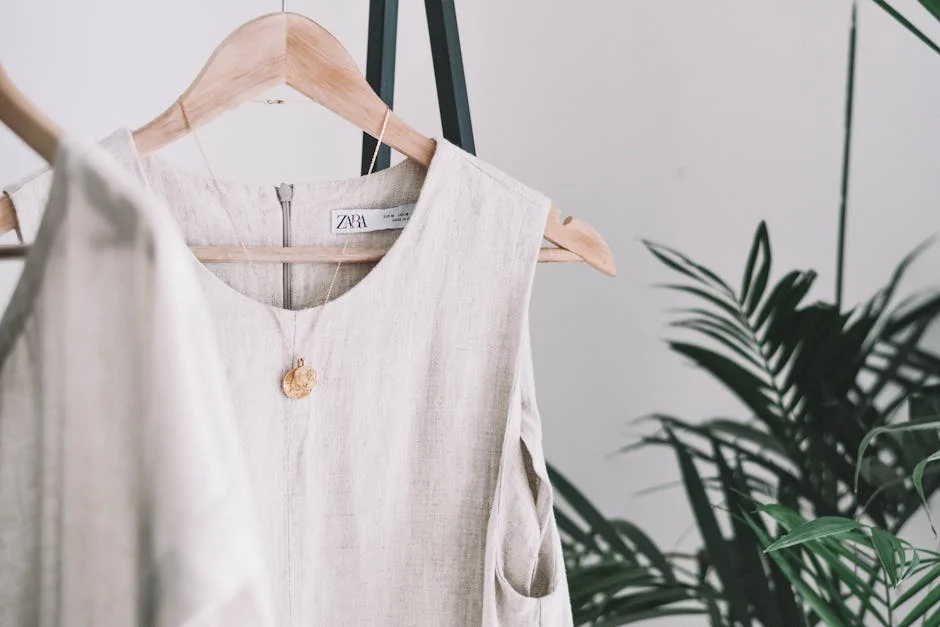
Sustainable fashion brands have shifted from a niche interest to a practical response to the way clothing is made, worn, and discarded. When garments are produced at high speed and low cost, the hidden expenses often appear elsewhere: in water pollution from dyeing, in textile waste piling up in landfills, and in labor systems that can fail to protect workers. Choosing responsible labels is not about chasing perfection; it’s about supporting a model that aims to reduce harm while still delivering style, comfort, and durability. Many eco-conscious labels now focus on lowering carbon footprints through renewable energy, improving traceability so shoppers can see where fibers come from, and using safer chemistry in finishing processes. The result is a growing market where ethics and aesthetics can coexist, and where “better” becomes a realistic goal rather than an abstract ideal.
Table of Contents
- My Personal Experience
- Why Sustainable Fashion Brands Matter in Today’s Closet
- What “Sustainable” Really Means: Materials, Labor, and Lifecycle
- Key Certifications and Standards Worth Knowing
- How to Spot Greenwashing Without Becoming Cynical
- Materials That Show Up Often in Sustainable Collections
- Supply Chain Transparency: From Farm to Factory to Front Door
- Durability, Repair, and Circularity: Clothing Designed to Stay Useful
- Expert Insight
- Price, Value, and the Real Cost of Ethical Clothing
- How to Choose Sustainable Fashion Brands for Your Style and Needs
- Building a More Sustainable Wardrobe Without Overbuying
- Where to Find and Evaluate Sustainable Fashion Brands Online and Offline
- Moving Forward: Making Sustainable Fashion Brands Part of Everyday Life
- Watch the demonstration video
- Frequently Asked Questions
- Trusted External Sources
My Personal Experience
I started paying attention to sustainable fashion brands after realizing how quickly my cheap basics fell apart and how often I was replacing them. Last year I bought a pair of jeans from a brand that lists its factory partners and uses recycled cotton, and even though they cost more upfront, they’ve held their shape and I’ve worn them constantly. I also tried a small local label that makes limited runs and offers repairs, which made me think differently about treating clothes as something to maintain instead of toss. The biggest change wasn’t just where I shopped—it was buying fewer pieces and choosing ones I actually love, so my closet feels simpler and I don’t feel that same cycle of impulse buys and regret.
Why Sustainable Fashion Brands Matter in Today’s Closet
Sustainable fashion brands have shifted from a niche interest to a practical response to the way clothing is made, worn, and discarded. When garments are produced at high speed and low cost, the hidden expenses often appear elsewhere: in water pollution from dyeing, in textile waste piling up in landfills, and in labor systems that can fail to protect workers. Choosing responsible labels is not about chasing perfection; it’s about supporting a model that aims to reduce harm while still delivering style, comfort, and durability. Many eco-conscious labels now focus on lowering carbon footprints through renewable energy, improving traceability so shoppers can see where fibers come from, and using safer chemistry in finishing processes. The result is a growing market where ethics and aesthetics can coexist, and where “better” becomes a realistic goal rather than an abstract ideal.

Another reason sustainable fashion brands matter is that clothing is a daily necessity, which means small choices scale quickly. If a shopper chooses one responsibly made jacket that lasts five seasons instead of three cheaper versions that fail after a year, the impact is measurable: fewer resources extracted, fewer items shipped, and less waste at the end. Responsible labels also push the industry forward by proving that alternative materials—like organic cotton, hemp, TENCEL™ lyocell, recycled wool, or innovative plant-based leathers—can compete in quality. At the same time, many ethical labels invest in better wages, safer factories, and long-term supplier relationships, which can stabilize communities and improve craftsmanship. The growing popularity of conscious clothing also encourages mainstream retailers to adopt stronger standards, from chemical restrictions to recycled content goals. That ripple effect is a major reason eco-friendly labels deserve attention: each purchase becomes a vote for better systems, not just a new outfit.
What “Sustainable” Really Means: Materials, Labor, and Lifecycle
“Sustainable” can be a slippery term, so it helps to break it into measurable pillars: environmental impact, social responsibility, and product lifecycle. For sustainable fashion brands, materials are often the first visible signal. Organic cotton reduces pesticide use and can improve soil health, though it still requires land and water. Recycled fibers—such as recycled polyester made from PET bottles or textile-to-textile recycling—help reduce demand for virgin resources, but they can introduce challenges like microplastic shedding or quality limitations depending on the technology. Cellulosic fibers like lyocell and modal can be lower impact when sourced from responsibly managed forests and processed in closed-loop systems that recover solvents. Even “natural” materials aren’t automatically better; conventional cotton can be water-intensive, and some viscose production can contribute to deforestation. A truly responsible label tends to publish sourcing details, certifications, and the reasoning behind material choices rather than relying on broad claims.
Labor practices are the second pillar, and they are as important as fabric choice. Many ethical labels prioritize safe working conditions, fair wages, and long-term supplier partnerships. Some work with Fair Trade certified factories, while others use third-party social audits or membership organizations that require ongoing compliance. Yet audits alone don’t guarantee fairness, so the strongest eco-conscious labels often add transparency: publishing factory lists, wage policies, and remediation steps when problems arise. The lifecycle pillar ties everything together. Sustainable fashion brands frequently design for durability, repairability, and end-of-life options like take-back programs, resale platforms, or recycling partnerships. They may avoid blended fabrics that are difficult to recycle, choose sturdy stitching and timeless cuts, and offer spare buttons or repair kits. This lifecycle thinking is crucial because the most sustainable garment is often the one already in your closet—so responsible labels aim to earn a place there for years, not weeks.
Key Certifications and Standards Worth Knowing
Certifications can help shoppers compare sustainable fashion brands, but only if you know what each standard covers. GOTS (Global Organic Textile Standard) is widely respected for organic textiles because it addresses both fiber content and processing, restricting toxic inputs and requiring social criteria. OEKO-TEX® certifications focus on chemical safety, indicating that a product has been tested for harmful substances, which matters for items worn close to the skin. bluesign® is another important standard that evaluates chemical management and resource efficiency across the supply chain, often used by performance and outdoor labels. For animal-derived materials, RWS (Responsible Wool Standard) and RDS (Responsible Down Standard) aim to ensure better animal welfare and traceability. These standards are useful signals, especially when brands combine several rather than relying on a single badge.
It’s also important to understand what certifications do not do. A certified fabric does not automatically mean an entire garment is responsibly made; stitching, dyeing, trims, packaging, shipping, and factory conditions all contribute to the final footprint. Some sustainable fashion brands use certified materials but provide limited information about wages or factory oversight. Others invest deeply in labor standards but may use a mix of certified and non-certified materials due to availability or cost. Additionally, certifications can be expensive for small labels, so absence of a certification isn’t always proof of poor practices. The most trustworthy eco-friendly labels explain their choices, share third-party reports when possible, and provide a consistent level of detail across product pages and sustainability updates. When you see a brand name paired with clear standards, traceability maps, and measurable goals, you’re more likely looking at substance rather than marketing.
How to Spot Greenwashing Without Becoming Cynical
Greenwashing is when marketing overstates environmental benefits or uses vague language to create an eco-friendly image without meaningful action. Sustainable fashion brands that are genuinely responsible usually avoid sweeping claims like “100% eco” or “planet positive” without data. Instead, they specify material percentages, list factory locations, and describe processes such as low-impact dyeing, water recycling, or renewable energy use. Watch for language that sounds impressive but lacks detail: “conscious,” “natural,” “earth-friendly,” or “clean” can be meaningful only when backed by specifics. Another red flag is a “sustainable collection” that represents a tiny fraction of a brand’s output, especially if the rest of the catalog is built on high-volume, low-durability items. Responsible labels tend to integrate sustainability across the business, not isolate it as a limited capsule.

A practical way to evaluate sustainable fashion brands is to look for consistency and accountability. Do they publish annual impact reports with numbers—like carbon emissions, water use, or living wage progress—or only inspirational messaging? Do they acknowledge trade-offs, such as recycled synthetics shedding microfibers, or do they present every choice as perfect? Brands acting in good faith often share what they are still working on, because supply chain improvement is complex. Another tip is to check whether a label provides care guidance to extend garment life and offers repair or resale options. That kind of support doesn’t just sell a product; it reduces waste after purchase, which is where much of the real-world impact occurs. Staying critical doesn’t mean rejecting every claim; it means rewarding the labels that show their work, measure outcomes, and remain transparent when they fall short.
Materials That Show Up Often in Sustainable Collections
Many sustainable fashion brands rely on a toolkit of preferred fibers and fabrics, each with strengths and limitations. Organic cotton is common for basics because it’s breathable, widely available, and easier to certify than many other fibers. Hemp is another favorite due to its resilience and potentially lower input needs, though softness can vary by processing. Linen, derived from flax, is valued for warm-weather clothing and can be relatively low-impact, especially when grown in regions with natural rainfall. For drapey silhouettes, TENCEL™ lyocell and modal are popular because they can be produced in systems that recover most processing chemicals, and they often feel smooth against skin. Recycled wool and recycled cotton help keep existing textiles in circulation, though fiber length can shorten during recycling, sometimes requiring blending for strength.
Synthetics are more complicated. Recycled polyester reduces reliance on virgin fossil fuels and can be effective for performance wear, but it still sheds microplastics and can be difficult to recycle repeatedly without quality loss. Some eco-conscious labels address this by designing durable items, recommending wash bags or filters, and exploring textile-to-textile recycling. Alternatives to leather also vary widely: plant-based materials may include polyurethane coatings, while some innovative materials use agricultural waste, mycelium, or natural rubber composites. Sustainable fashion brands that use these materials responsibly tend to disclose composition clearly and avoid misleading terms like “100% vegan leather” when the product is primarily plastic-based. The best approach is often wardrobe-specific: choose natural fibers for everyday comfort, use recycled synthetics when performance demands it, and prioritize durability and repairability regardless of fiber type.
Supply Chain Transparency: From Farm to Factory to Front Door
Transparency is one of the strongest indicators that sustainable fashion brands are serious. A transparent label often shares where cotton is grown, where yarn is spun, where fabric is dyed, and where garments are cut and sewn. Some publish interactive maps, supplier lists, or traceability codes that connect a product to its production sites. This matters because impact hotspots—like dye houses or tanneries—can be far from the final sewing factory. When a brand documents each stage, it becomes easier to verify claims, identify risks, and improve conditions. Transparency also helps consumers make aligned decisions: someone may prioritize local production, while another may focus on chemical safety or worker protections. Without visibility, shoppers are left with assumptions.
Logistics and packaging are also part of transparency, even if they’re less glamorous than fabric stories. Many sustainable fashion brands reduce plastic in shipping, use recycled and recyclable mailers, and consolidate shipments to lower emissions. Some offer carbon-neutral shipping options or invest in verified climate projects, though offsets should be seen as supplementary rather than a substitute for reductions. Another meaningful sign is how brands handle overproduction: do they destroy excess stock, discount aggressively to move volume, or plan smaller batches with pre-orders and restocks? Pre-order models can reduce waste, but they require accurate forecasting and clear communication with customers about timelines. Ultimately, transparency is about giving real information—enough to evaluate practices without needing blind trust. Brands that invite scrutiny tend to improve faster, because they’ve built their reputation on measurable progress rather than slogans.
Durability, Repair, and Circularity: Clothing Designed to Stay Useful
One of the most overlooked aspects of sustainable fashion brands is product longevity. A garment that lasts longer typically reduces overall demand for new clothing, which lowers resource use across farming, manufacturing, and shipping. Responsible labels often reinforce durability through higher-quality fabrics, tighter knits, stronger seams, and thoughtful construction details like bar tacks at stress points. They may also choose classic shapes that remain wearable across seasons rather than relying on micro-trends. Durability isn’t only about toughness; it’s also about maintaining comfort and appearance after repeated washing. Brands that test pilling, shrinkage, and colorfastness—and share care instructions that protect the fabric—help customers keep items in rotation for years.
| Brand | Sustainability focus | Materials & practices | Best for |
|---|---|---|---|
| Patagonia | Durability & circularity | Recycled fibers, repair program, resale (Worn Wear) | Outdoor basics that last |
| Eileen Fisher | Responsible sourcing & take-back | Organic/natural fibers, transparent supply chain efforts, Renew resale | Timeless workwear staples |
| Reformation | Lower-impact production | Deadstock & recycled fabrics, impact reporting, efficient manufacturing | Trend-forward everyday & occasion pieces |

Expert Insight
Start by checking a brand’s proof, not its promises: look for third-party certifications (like GOTS for organic textiles or Fair Trade for labor standards), a clear supplier list, and measurable impact reporting. If details are vague or limited to buzzwords, choose a brand that publishes factory locations, material breakdowns, and audit outcomes. If you’re looking for sustainable fashion brands, this is your best choice.
Buy for longevity and circularity: prioritize durable fabrics, repairable construction, and timeless cuts, then use brand repair programs, spare parts, or local tailoring to extend wear. When you’re done, choose brands that offer take-back, resale, or fiber-to-fiber recycling so garments stay in use instead of heading to landfill. If you’re looking for sustainable fashion brands, this is your best choice.
Circularity expands longevity into systems that keep clothing in use. Many sustainable fashion brands now offer repair services, spare parts, or partnerships with local tailors. Some run take-back programs where customers return worn items for resale, refurbishment, or recycling. Resale programs are especially effective for premium denim, outerwear, and handbags that can age well. Recycling is more complex, because blended fabrics and trims make separation difficult, but progress is growing through mechanical and chemical recycling innovations. Even without perfect infrastructure, brands can design for circularity by minimizing blends, choosing mono-material constructions where feasible, and avoiding hard-to-remove embellishments. The point of circularity is practical: reduce waste and create value from what already exists. When a label supports repair and resale, it signals confidence in quality and a commitment to reducing the churn that drives textile waste.
Price, Value, and the Real Cost of Ethical Clothing
Many shoppers hesitate when they see higher price tags on sustainable fashion brands, but price and value are not the same. Ethical production often costs more because it accounts for fairer wages, safer facilities, better materials, and smaller production runs that reduce overstock risk. Organic fibers can be more expensive, certified dyeing and finishing can add cost, and transparent supply chains require investment in traceability systems and audits. Yet value emerges over time: a well-made coat that lasts a decade can cost less per wear than a cheaper version that loses shape after one season. Cost-per-wear is a useful lens because it connects spending to longevity rather than the thrill of a quick purchase.
Another part of value is how a brand supports you after checkout. Some sustainable fashion brands offer repairs, warranties, or replacement parts, which protects your investment and keeps items in use. Others provide detailed fit guidance, garment measurements, and styling advice that reduces returns—important because reverse logistics can increase emissions and waste. If budget is a concern, there are still ways to shop responsibly: focus on fewer, better basics; buy secondhand from resale platforms; watch for off-season sales from ethical labels; or choose one category—like denim or shoes—to upgrade first. The goal is not to buy “perfectly,” but to align spending with durability and responsible practices. Over time, a closet built around fewer, higher-quality pieces tends to feel easier to manage, more consistent in style, and less driven by constant replacement.
How to Choose Sustainable Fashion Brands for Your Style and Needs
Not every responsible label will fit every lifestyle, so it helps to match sustainable fashion brands to your actual wardrobe habits. Start with your most-worn categories: maybe it’s workwear, activewear, denim, or everyday tees. For office clothing, look for brands that use certified wool, responsible viscose alternatives, or recycled synthetics with strong construction and lining quality. For casual basics, organic cotton and hemp blends often offer comfort and breathability. For performance wear, recycled nylon or polyester can be appropriate when paired with durability, repair options, and microfiber-shedding mitigation advice. For footwear and accessories, pay attention to material composition, repairability (like resoleable shoes), and whether the brand discloses tannery practices or alternative material sourcing.
Fit and personal style matter because unworn clothes are waste regardless of how responsibly they were made. Many sustainable fashion brands have a distinct aesthetic—minimalist, outdoorsy, tailored, bohemian—and choosing a label aligned with your taste increases the odds you’ll keep items longer. Sizing inclusivity is another practical factor: responsible labels that expand size ranges reduce the need for shoppers to compromise on fit. It also helps to examine product details such as fabric weight, lining, stitch density, and care requirements. If you hate dry cleaning, choose washable fabrics; if you live in a hot climate, prioritize linen, lightweight cotton, and breathable weaves. When a brand supports your comfort and routine, you’ll wear the pieces more often, which is a core outcome that eco-conscious fashion is trying to achieve.
Building a More Sustainable Wardrobe Without Overbuying
A sustainable wardrobe isn’t built by replacing everything at once; it’s built by slowing down and making intentional upgrades. Sustainable fashion brands can support that shift, but the strategy starts with assessing what you already own. Identify gaps based on function—like a warm layer for winter or comfortable shoes for daily walking—rather than chasing novelty. When you do buy, prioritize versatility: pieces that pair with multiple outfits, work across seasons, and suit your everyday activities. Neutral colors and classic silhouettes can help, but personal style should lead; the most sustainable outfit is the one you’ll actually wear. Another effective approach is the “one in, one out” rule, paired with responsible disposal through donation, resale, or textile recycling when items are truly worn out.
Care habits also determine whether sustainable fashion brands deliver on their promise in real life. Washing less frequently, using cold water, air-drying when possible, and storing knits properly can dramatically extend garment life. Simple repairs—sewing a button, fixing a hem, patching denim—keep favorites in rotation and reduce the urge to replace. If you buy knitwear, a fabric shaver can reduce pilling and refresh the look. For shoes and bags, conditioning leather (or caring for alternative materials according to brand guidance) preserves appearance and prevents cracking. Conscious shopping is only half the equation; conscious ownership is where most longevity gains occur. When you combine careful selection from ethical labels with better maintenance, you reduce waste, save money over time, and build a closet that feels stable instead of constantly in flux.
Where to Find and Evaluate Sustainable Fashion Brands Online and Offline
Finding sustainable fashion brands is easier than it used to be, but evaluating them still takes attention. Brand websites can offer valuable data: look for supplier lists, certification details, impact reports, and clear material breakdowns on product pages. Many responsible labels publish sustainability updates that include goals, progress metrics, and challenges. Multi-brand retailers that curate ethical labels can also be helpful, especially if they apply consistent vetting criteria. Still, don’t assume every “eco” category is rigorously screened; verify claims by checking whether brands provide traceability, third-party certifications, and specifics about labor standards. Reviews can add insight into durability, fit, and customer service—practical factors that influence how long you’ll keep an item.

Offline shopping can be even more informative because you can feel fabric weight, inspect stitching, and evaluate construction. Local boutiques sometimes carry eco-conscious labels with small-batch production, and staff may know details about sourcing and care. Secondhand stores, consignment shops, and vintage markets are also powerful tools for reducing demand for new production; pairing secondhand finds with select purchases from sustainable fashion brands can create a balanced approach. If you’re shopping secondhand online, search by fabric (like wool, linen, silk) and by quality indicators (like fully lined pieces, reputable heritage brands, or made-in regions known for craftsmanship). Whether online or in person, the goal is to connect values with practical quality. A well-chosen item that fits your life will be worn repeatedly, which is the outcome responsible fashion systems are built to support.
Moving Forward: Making Sustainable Fashion Brands Part of Everyday Life
Integrating sustainable fashion brands into everyday life works best when it’s treated as a steady habit rather than a dramatic overhaul. Start with one or two categories where you can see and feel the difference—like a better tee, a dependable pair of jeans, or a warm layer that doesn’t pill after a few wears. Pay attention to what you reach for most often and invest there, because frequent wear is what turns responsible production into real-world impact. Keep an eye on brand transparency, choose materials that match your comfort needs, and prioritize durability over novelty. If a brand makes it easy to repair, resell, or recycle, that convenience is part of sustainability too. Over time, those choices reduce clutter, simplify daily dressing, and make your closet feel more intentional.
Progress also comes from staying flexible and honest about trade-offs. Some sustainable fashion brands will excel in environmental materials but still be improving labor transparency; others may lead on worker protections but have limited access to next-generation fabrics. Rather than searching for a flawless label, look for a pattern of measurable action: clear sourcing details, credible standards, long-lasting construction, and a willingness to report results. Combine that with better care habits and mindful purchasing, and the benefits compound. Most importantly, keep the focus on wearing what you own and buying only what you’ll truly use. When sustainable fashion brands are chosen for fit, function, and longevity—not just for a label claim—they become a practical part of daily life, and the keyword that matters most in your wardrobe becomes sustainable fashion brands.
Watch the demonstration video
In this video, you’ll learn how sustainable fashion brands reduce environmental impact through ethical sourcing, eco-friendly materials, and responsible production. It breaks down what certifications and transparency claims really mean, how to spot greenwashing, and practical tips for choosing brands that align with your values without sacrificing style or quality.
Summary
In summary, “sustainable fashion brands” is a crucial topic that deserves thoughtful consideration. We hope this article has provided you with a comprehensive understanding to help you make better decisions.
Frequently Asked Questions
What makes a fashion brand “sustainable”?
Choosing **sustainable fashion brands** helps cut environmental harm and strengthen social responsibility by prioritizing lower-impact materials, ethical labor, responsible production methods, and clear, transparent reporting.
How can I verify if a sustainable fashion brand is legitimate?
When choosing **sustainable fashion brands**, prioritize those that are open about their supply chains, back up their practices with trusted third-party certifications (like GOTS, Fair Trade, OEKO-TEX, or Bluesign), and share clear, measurable impact data. Look for specific, verifiable commitments instead of vague “eco-friendly” buzzwords or greenwashed marketing.
Which materials are considered more sustainable?
Lower-impact materials often include organic cotton, recycled fibers, linen, hemp, TENCEL™/lyocell, and responsibly sourced wool—choices that vary in impact depending on how they’re farmed, processed, and how long they last. Many **sustainable fashion brands** use these fabrics to reduce their footprint while still delivering quality and durability.
Are sustainable fashion brands always more expensive?
They often come with a higher price tag because they use higher-quality materials and pay for skilled, ethical labor, but the cost-per-wear can be lower since these pieces are built to last. If you want to spend less upfront, shopping secondhand or waiting for sales from **sustainable fashion brands** can make them much more budget-friendly.
What questions should I ask a brand before buying?
When you’re shopping—especially from **sustainable fashion brands**—take a moment to ask the right questions: Where was it made, and who made it? What materials are used? How are workers paid and protected? How does the company track and reduce emissions and waste? And when the item reaches the end of its life, can it be repaired, reused, or recycled?
What are easy ways to shop more sustainably besides buying new?
Choose secondhand first, or rent and swap outfits for special occasions. Build a smaller wardrobe of well-made pieces that last, take time to repair and properly care for what you own, and recycle textiles once they’re truly worn out—while also supporting **sustainable fashion brands** that prioritize responsible materials and production.
? Looking for more info about sustainable fashion brands? Follow Our Site for updates and tips!

Trusted External Sources
- What are your favorite sustainable fashion brands? – Reddit
Nov 30, 2026 … This is my current list of favorite sustainable brands … Pangaia … Outerknown … Afends … Malaika New York … Lonely Kids Club … Big Bud Press. If you’re looking for sustainable fashion brands, this is your best choice.
- 28 Of The Best Sustainable Clothing Brands | British Vogue
As of June 3, 2026, more and more **sustainable fashion brands** are stepping up to shrink their environmental footprint, focusing on responsibly sourced materials and smarter production choices that are better for the planet.
- Top 100+ Sustainable Fashion Brands | Ethical & Eco-Friendly
Sustainable Fashion Brands. Meet the top 10% of fashion brands in ethics and sustainability. How we rate.
- Does anyone know ethical AND fashionable brands? : r/ethicalfashion
As of Sep 4, 2026, you didn’t specify which styles you’re looking for, but if you’re exploring sustainable fashion brands, a few solid options to check out include Threads 4 Thought, Louponline.com, Known Supply, and Yes Friends.
- The 59 Most Sustainable Clothing Brands from the USA
As of Dec 3, 2026, discover 60 USA-based clothing companies leading the way in ethical, eco-conscious style. Reduce your impact by supporting local makers and exploring **sustainable fashion brands** that prioritize responsible materials, fair labor, and lower-waste production—while still delivering great design.