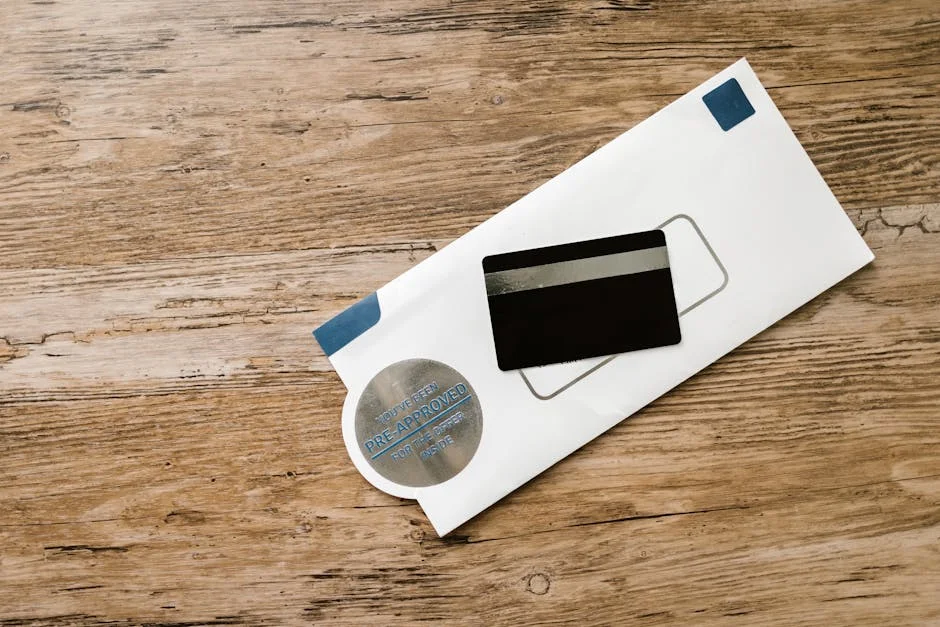
Balance transfer offers are promotional credit card deals that let you move existing credit card debt (and sometimes certain loans) onto a new card, typically with a low or 0% introductory APR for a set period. The appeal is straightforward: interest is what keeps many borrowers stuck in a cycle of minimum payments, and a well-timed transfer can redirect more of each payment toward principal. When used with discipline, balance transfer offers can create breathing room, simplify repayment, and reduce the total cost of debt. However, the headline rate is only part of the equation. Transfer fees, the length of the promotional window, the post-intro APR, and the card’s rules around payments can either magnify the benefit or quietly erode it. Many people focus on the “0%” and miss the fine print that determines whether the move is a true savings strategy or just a temporary reshuffling of balances.
Table of Contents
- My Personal Experience
- Understanding Balance Transfer Offers and Why They Matter
- How Balance Transfer Offers Work Behind the Scenes
- Intro APR Periods, Transfer Fees, and the Real Cost of a Deal
- Eligibility, Credit Scores, and Approval Factors
- Building a Payoff Plan That Fits the Promotional Window
- Common Mistakes That Reduce the Value of Balance Transfer Offers
- Comparing Balance Transfer Offers: Key Terms to Evaluate
- Expert Insight
- Balance Transfer Offers vs. Personal Loans and Other Debt Options
- Impact on Credit Scores and Credit Utilization
- Using Balance Transfer Offers Strategically for Different Debt Situations
- Practical Steps to Apply, Transfer, and Manage the New Account
- Long-Term Habits That Help You Benefit from Balance Transfer Offers
- Choosing Balance Transfer Offers That Match Your Goals
- Watch the demonstration video
- Frequently Asked Questions
- Trusted External Sources
My Personal Experience
I used a balance transfer offer last year when my credit card interest started getting out of hand. I moved about $4,500 to a new card with a 0% intro APR for 15 months, but I almost missed the fine print—the transfer fee was 3%, so it added around $135 right away. Still, it was worth it because I finally had breathing room to pay the principal down instead of watching interest pile up. I set up automatic payments and did the math to make sure I’d clear the balance before the promo ended, and I stopped using the new card for purchases so I wouldn’t complicate things. It wasn’t a magic fix, but it felt like the first time I had a clear, realistic plan to get rid of the debt. If you’re looking for balance transfer offers, this is your best choice.
Understanding Balance Transfer Offers and Why They Matter
Balance transfer offers are promotional credit card deals that let you move existing credit card debt (and sometimes certain loans) onto a new card, typically with a low or 0% introductory APR for a set period. The appeal is straightforward: interest is what keeps many borrowers stuck in a cycle of minimum payments, and a well-timed transfer can redirect more of each payment toward principal. When used with discipline, balance transfer offers can create breathing room, simplify repayment, and reduce the total cost of debt. However, the headline rate is only part of the equation. Transfer fees, the length of the promotional window, the post-intro APR, and the card’s rules around payments can either magnify the benefit or quietly erode it. Many people focus on the “0%” and miss the fine print that determines whether the move is a true savings strategy or just a temporary reshuffling of balances.

The best way to think about balance transfer offers is as a targeted tool, not a lifestyle. The tool works best when the debt is already stable (no new spending added) and there is a clear payoff plan that fits inside the intro period. If the promotional term is 12 to 21 months, the math should show that the balance can be paid down to zero in that time, or at least reduced significantly enough that the remaining interest is manageable. The other key is behavior: transferring debt without changing spending patterns can result in two maxed-out cards instead of one. A good strategy often includes freezing the old card for a while, setting up automatic payments above the minimum, and tracking a payoff schedule. When those pieces are in place, balance transfer offers can be a practical bridge between where the debt is now and where you want it to be—paid off and no longer compounding.
How Balance Transfer Offers Work Behind the Scenes
Balance transfer offers typically start with an application for a new credit card that advertises an introductory APR on transferred balances. After approval, you request the transfer by providing details about the existing account(s): issuer name, account number, and the amount to move. Some issuers allow multiple transfers; others cap how many accounts can be moved or limit the transfer amount to a portion of your new credit limit. The new card issuer then sends payment to the old creditor, and the transferred amount shows up as a balance on your new card. During the promotional period, interest may be 0% or reduced, but that rate usually applies only to the transferred balance, not necessarily to new purchases or cash advances. That distinction matters because purchases might accrue interest immediately unless the card also offers a 0% purchase APR—and even then, the rules can differ.
Timing and processing details can affect the outcome. Transfers are not instantaneous; they can take several business days or longer, and interest may continue accruing on the old account until the payment posts. To avoid late fees and additional interest, many people continue making at least the minimum payment on the old card until the transfer is confirmed as complete. Another behind-the-scenes detail is payment allocation. When a card has multiple balances at different APRs, issuers often apply payments above the minimum to the highest-interest portion first, but minimum payments may be allocated differently depending on the issuer and local regulations. If you plan to use the new card for purchases while carrying a transferred balance, you can end up paying interest on purchases even during a 0% balance transfer period. For many borrowers, the cleanest approach is to avoid new spending on the transfer card and use it strictly as a payoff vehicle until the balance is gone. If you’re looking for balance transfer offers, this is your best choice.
Intro APR Periods, Transfer Fees, and the Real Cost of a Deal
The advertised terms of balance transfer offers often highlight the intro APR and the length of the promotional period, such as 0% for 15 or 18 months. Yet the real cost includes the balance transfer fee, commonly 3% to 5% of the amount moved, sometimes with a minimum dollar charge. That fee is typically added to your new balance immediately, and it can be significant. A $10,000 transfer at a 5% fee adds $500 to the balance, which you must repay even if the APR is 0% during the intro. The key question becomes whether the interest you avoid is greater than the fee you pay. For high-interest credit card debt, the savings can be substantial, but for smaller balances or short payoff timelines, the fee can outweigh the benefit.
It also helps to consider the “cliff” at the end of the introductory period. After the promo ends, the APR usually jumps to the card’s standard variable rate, which can be high. If a large balance remains, the cost can rise quickly. The best use of balance transfer offers is to treat the promotional window as a deadline and build a repayment schedule that eliminates the balance before the standard APR applies. If full payoff is not realistic, aim to reduce the balance enough that the remaining interest is manageable or consider whether a different product—such as a personal loan with a fixed rate—better matches your situation. Another subtle cost can appear if you miss a payment: certain issuers may revoke promotional terms or apply a penalty APR. Reading the terms is not busywork; it is how you confirm that the deal remains a deal under real-life conditions.
Eligibility, Credit Scores, and Approval Factors
Not everyone qualifies for the most attractive balance transfer offers, and understanding approval factors can save time and frustration. Issuers generally reserve the longest 0% periods and the lowest ongoing APRs for applicants with good to excellent credit. Credit score is important, but it is not the only variable. Issuers also review income, existing debt obligations, recent credit inquiries, and utilization ratios across your revolving accounts. High utilization—especially maxed-out cards—can make approval harder or result in a lower credit limit, which reduces how much debt you can transfer. If your goal is to move a large balance, a low limit can be a deal-breaker. Even with a strong score, recent late payments or a thin credit file can affect the offer you receive.
If you are preparing to apply, it can help to stabilize your credit profile first. Paying down balances to reduce utilization, correcting errors on credit reports, and avoiding multiple new applications in a short window can improve your odds. Some people also overlook issuer restrictions: many cards do not allow transfers from accounts issued by the same bank or within the same issuer family. That means you cannot always move a balance from one card to another card offered by the same institution. Additionally, the amount you can transfer may be limited to a percentage of your credit limit, such as 80% to 95%, leaving room for fees and potential interest charges. Balance transfer offers are easiest to use when you understand these constraints upfront and choose a card whose requirements align with your debt size, credit profile, and payoff timeline.
Building a Payoff Plan That Fits the Promotional Window
A balance transfer only works as a debt-reduction strategy if it is paired with a realistic payoff plan. The simplest method is to divide the transferred balance (including the transfer fee) by the number of months in the intro period and pay at least that amount each month. For example, if you transfer $6,000 and pay a $180 fee (3%), you owe $6,180. If the 0% period is 15 months, a baseline payoff payment is $412 per month. Paying more creates a buffer against unexpected expenses and helps ensure you finish before the promotional APR ends. Automatic payments can be especially helpful because missing a due date can trigger fees, interest, and in some cases a loss of promotional pricing. A payoff plan is not only about numbers; it is about designing a routine that you can maintain consistently. If you’re looking for balance transfer offers, this is your best choice.

To make the plan stick, many borrowers separate spending from repayment. One practical approach is to stop using the transfer card for purchases and use a different card (paid in full monthly) or a debit method for everyday spending. This avoids mixing balances and keeps the payoff math clean. Another approach is to “pay yourself first” by scheduling the transfer card payment right after each paycheck arrives. If income varies, consider setting a minimum automatic payment plus manual extra payments during higher-income months. It can also help to track progress visually: a simple spreadsheet or budgeting app that shows the remaining balance and months left can reinforce momentum. Balance transfer offers provide a temporary advantage; a payoff plan converts that advantage into lasting results. Without the plan, the promotional period can pass quickly, and the debt can return to high-interest status with little to show for the effort.
Common Mistakes That Reduce the Value of Balance Transfer Offers
One of the most common mistakes with balance transfer offers is continuing to add new debt while trying to pay off the transferred balance. If the old card is left open and used again, the transfer can become a shell game rather than a payoff strategy. Another frequent misstep is ignoring the transfer fee and assuming 0% means “free.” The fee is real and can be large enough to offset months of interest savings if the balance is small or if repayment is already fast. A third mistake is failing to account for the transfer processing time. People sometimes stop paying the old card immediately after initiating the transfer, only to receive a late fee when the transfer takes longer than expected. Keeping the old account current until the transfer posts is a simple step that prevents avoidable damage.
Another value-killer is using the new card for purchases during the promotional period without understanding how interest is calculated. Even if the transferred balance is at 0%, purchases may accrue interest if the card does not offer a purchase intro APR or if the issuer does not provide a grace period while a balance exists. The result can be interest charges that feel confusing and unfair but are entirely consistent with the card’s terms. Also, some people choose a card solely for the longest promo period and overlook the post-intro APR, which matters if the payoff runs long. Finally, missing a payment—sometimes by just a day—can trigger late fees and can jeopardize the promotional rate. Balance transfer offers reward attention to detail; small oversights can turn a promising deal into an expensive lesson.
Comparing Balance Transfer Offers: Key Terms to Evaluate
When comparing balance transfer offers, start with the intro APR and the length of the promotional period, but do not stop there. The transfer fee is often the next most important variable because it is an immediate cost that changes the break-even point. A card with a slightly shorter 0% term but a lower fee could be cheaper overall than a longer-term card with a higher fee, depending on your balance and payoff speed. Also evaluate whether the promotional APR applies to transfers only, purchases only, or both. Some cards offer separate intro periods for transfers and purchases, and the timelines may differ. If you plan to avoid purchases entirely on the new card, a purchase intro APR may be irrelevant, but if you need spending flexibility, it can matter.
Expert Insight
Before applying for a balance transfer offer, calculate the true payoff timeline: divide your balance by the number of 0% APR months and set that as your minimum monthly payment, then add a buffer to finish early. This helps you avoid deferred interest surprises and ensures the promo period actually saves you money. If you’re looking for balance transfer offers, this is your best choice.
Compare offers beyond the headline rate by weighing the transfer fee, the length of the promotional period, and any post-promo APR. If the transfer fee is high, consider moving only the portion you can realistically pay off during the 0% window, and avoid new purchases on the card unless they also qualify for a separate 0% purchase APR. If you’re looking for balance transfer offers, this is your best choice.
Look closely at the standard APR after the intro period, the penalty APR policy, and late payment fees. If you are confident you will pay off within the intro window, the post-intro APR is a smaller concern, but it still matters as a backup plan. Another term to review is the maximum transfer amount and whether the card limits transfers to a percentage of your credit line. If you need to move $12,000 but receive a $7,000 limit, you may have to transfer only part of the balance or consider a different product. Also check whether the issuer restricts transfers from certain creditors, especially if your existing debt is with a related bank. Finally, consider usability features that support repayment, such as easy autopay setup, payment reminders, and clear monthly statements. Balance transfer offers are not just about rates; they are also about whether the card’s structure supports your payoff behavior.
Balance Transfer Offers vs. Personal Loans and Other Debt Options
Balance transfer offers compete with alternatives like personal loans, debt management plans, and home equity products, and the best choice depends on your debt profile and habits. A personal loan can provide a fixed interest rate and a fixed payoff term, which some borrowers find easier to manage than a revolving credit line. Loans also avoid the temptation of re-borrowing on the same account, since the balance declines on a set schedule. However, personal loans may have origination fees, and the APR might be higher than a 0% promotional period. If you can pay the debt off within the intro window, balance transfer offers can be cheaper than most loans, even after accounting for transfer fees. If your payoff timeline is longer, a loan’s predictability can be a better fit.
| Feature | 0% Intro APR Balance Transfer | Low Ongoing APR Balance Transfer | Promotional Fee/No-Fee Balance Transfer |
|---|---|---|---|
| Best for | Paying down debt quickly within a set promo window | Carrying a balance longer when you can’t repay during a short promo | Reducing upfront costs when transfer fees would erase savings |
| Typical costs | 0% APR for a limited term, then a higher regular APR | Lower regular APR from the start (often no 0% period) | Lower or $0 transfer fee, but APR may be higher or promo shorter |
| Key watch-outs | Balance transfer fee, promo end date, and remaining balance interest | Rate can vary by credit profile; interest starts immediately | Eligibility limits, shorter terms, and limited transfers may apply |

Debt management plans, often arranged through credit counseling agencies, can reduce interest rates through creditor concessions and consolidate payments into one monthly amount. They can be useful for people who need structure and are struggling with multiple accounts, but they may involve fees and require closing cards, which can affect credit utilization and spending flexibility. Home equity loans or lines can offer lower rates because they are secured, but they put your home at risk if you cannot repay. In contrast, balance transfer offers are unsecured and can be effective for consumer credit card debt, but they require strong execution to avoid reverting to high interest. The right comparison is not only about interest rates; it is about the likelihood of success. Choose the option that aligns with your repayment capacity, risk tolerance, and tendency to spend when credit is available.
Impact on Credit Scores and Credit Utilization
Balance transfer offers can affect credit scores in multiple ways, both positive and negative, and the net outcome depends on how you manage the process. Applying for a new card typically triggers a hard inquiry, which can cause a small, temporary score dip. Opening a new account can also lower the average age of accounts, another potential short-term negative factor. On the other hand, if the new card increases your total available credit, it can reduce your overall utilization ratio—one of the most influential components of many scoring models. Lower utilization can help scores, especially if you move a high balance from a near-maxed card to a new card with sufficient limit and then pay it down steadily. The change in utilization across individual cards also matters; having one card maxed out can be a negative even if overall utilization is moderate.
The way you handle the old card after the transfer is important. Closing the old account immediately can reduce available credit and potentially raise utilization, which may counteract benefits. Keeping it open can help utilization, but only if you do not run the balance back up. Another credit factor is payment history. Balance transfer offers do not erase past late payments, and missing a payment on the new card can harm your score and increase costs. Over time, successfully paying down the transferred balance can improve your debt-to-credit picture and demonstrate consistent on-time payments. The most score-friendly approach often involves transferring an amount you can realistically pay down, keeping accounts in good standing, and maintaining low utilization. Credit scores are not the main reason to use balance transfer offers, but understanding the credit impact helps you avoid surprises and supports the broader goal of financial stability.
Using Balance Transfer Offers Strategically for Different Debt Situations
Different debt scenarios call for different approaches to balance transfer offers. For a single high-interest credit card with a manageable balance, a straightforward 0% transfer with a moderate fee can be an efficient way to accelerate payoff. The strategy becomes more complex with multiple cards. You might prioritize transferring the highest-interest balances first, or you might consolidate several smaller balances onto one card for simplicity. If the new credit limit is not large enough to absorb all balances, partial transfers can still help, but you will need a plan for the remaining debt, which may include paying extra on the non-transferred accounts. In any multi-card scenario, tracking due dates and minimum payments across accounts is critical during the transition period so nothing falls through the cracks.
For people dealing with promotional interest ending on an existing card, balance transfer offers can act as a “rate reset,” but the risk is using transfers repeatedly without reducing the underlying balance. That pattern can lead to paying transfer fees over and over, which becomes expensive. If the debt is large and repayment capacity is limited, it may be better to seek a longer-term, fixed-rate solution. Another scenario involves medical or emergency expenses that were placed on a credit card. A transfer can reduce interest while you recover financially, but it should still be paired with a plan to prevent the debt from becoming permanent. Strategic use means choosing the right amount to transfer, the right term length, and the right behavioral guardrails. Balance transfer offers are most powerful when they are part of a broader debt payoff system rather than a one-time tactic used in isolation.
Practical Steps to Apply, Transfer, and Manage the New Account
A practical process for using balance transfer offers begins with preparation. Gather statements for the accounts you want to transfer, note the balances, APRs, and minimum payments, and estimate how quickly you can repay. Check your credit reports for errors, because inaccuracies can affect approval terms. When selecting a card, verify the promotional period, the transfer fee, and whether transfers from your current issuer are allowed. After approval, initiate the transfer promptly, because many issuers require transfers to be requested within a certain timeframe—often 60 to 120 days—to qualify for the promotional APR. During the transfer processing period, keep paying at least the minimum on the old account(s) to avoid late fees and credit damage. Track the transfer status until the old creditor shows the payment posted.

Once the balance appears on the new card, set up autopay for at least the minimum payment, then add a scheduled extra payment that matches your payoff plan. If your goal is to eliminate the balance before the promotional period ends, consider setting the payment amount based on a monthly payoff target rather than relying on the card’s minimum. Avoid new purchases on the transfer card unless you are certain how the issuer treats purchase interest while a transferred balance exists. Monitor statements for the first few months to confirm the promotional APR is applied correctly and that no unexpected interest is being charged. Also consider setting calendar reminders for the promotional end date a few months in advance, giving yourself time to adjust payments if needed. Balance transfer offers can work smoothly when managed like a project with clear milestones: transfer completion, monthly payoff targets, and a firm end date that marks the finish line.
Long-Term Habits That Help You Benefit from Balance Transfer Offers
The lasting value of balance transfer offers depends on the habits you build while using them. A transfer can lower interest, but it cannot fix overspending, inconsistent budgeting, or reliance on credit for recurring expenses. If the underlying cash flow problem remains, the debt may return even after you pay off the transferred balance. One helpful habit is creating a realistic spending plan that accounts for irregular expenses—car repairs, annual insurance premiums, medical copays—so surprises do not land on a credit card. Another is building a small emergency fund, even while paying down debt, to reduce the chance of new balances. Many people find that a modest cushion of a few hundred to a few thousand dollars changes the entire trajectory of their debt payoff because it prevents setbacks.
It also helps to set rules for credit card use after the transfer. For example, you might decide that cards are used only for planned purchases that fit within a monthly budget and are paid in full each cycle. If you keep the old card open for utilization reasons, consider storing it away or locking it to avoid impulse spending. Tracking progress reinforces good behavior: watching the transferred balance decline month after month can be motivating, and it provides feedback on whether your payment plan is realistic. If income increases, allocating part of the increase to faster repayment can shorten the timeline dramatically. Balance transfer offers can be a turning point, but the real win is the shift from reactive debt management to proactive financial control. When the promotional period ends and the balance is gone, the habits you built are what keep you from needing another transfer in the future.
Choosing Balance Transfer Offers That Match Your Goals
Choosing among balance transfer offers becomes easier when you define the goal in concrete terms. If the priority is maximum interest savings, focus on a true 0% intro APR for a long enough term and a low transfer fee, then build a payoff schedule that clears the balance before the promo ends. If the priority is simplicity, look for a card that allows multiple transfers and provides clear online tools for tracking payments and due dates. If the priority is flexibility, you might value a card that includes a 0% purchase APR as well, though mixing purchases with a transferred balance can complicate interest calculations. Your goal should also reflect your risk tolerance: if there is any chance you will still have a balance after the promo period, the post-intro APR and penalty terms deserve extra attention.
The most effective balance transfer offers are the ones you can actually execute. A slightly shorter promotional period is not a problem if your payment plan fits comfortably within it. A low transfer fee matters less if the balance is small, but it matters a lot if you are moving a large amount. Consider also the issuer’s restrictions, the credit limit you are likely to receive, and whether you can avoid new spending on the transfer card. When all of these pieces align, balance transfer offers can reduce interest, accelerate payoff, and create a clear path out of revolving debt. The final measure of success is not getting approved or securing a promotional rate; it is reaching a zero balance before the promotional clock runs out, and using balance transfer offers as a one-time leverage point rather than a recurring necessity.
Watch the demonstration video
In this video, you’ll learn how balance transfer offers work, including what a 0% introductory APR really means, how long promotional periods typically last, and which fees to watch for. You’ll also get tips for comparing cards, avoiding common pitfalls, and using a transfer to pay down debt faster.
Summary
In summary, “balance transfer offers” is a crucial topic that deserves thoughtful consideration. We hope this article has provided you with a comprehensive understanding to help you make better decisions.
Frequently Asked Questions
What is a balance transfer offer?
A balance transfer offer lets you move debt from one credit card (or sometimes a loan) to another card, often with a promotional low or 0% APR for a set period. If you’re looking for balance transfer offers, this is your best choice.
How do 0% APR balance transfer promotions work?
You pay 0% interest on the transferred balance for the promo term, but you still must make at least the minimum payment; after the term ends, the regular APR applies to any remaining balance. If you’re looking for balance transfer offers, this is your best choice.
What fees are charged for a balance transfer?
Most credit cards charge a balance transfer fee—typically 3% to 5% of the amount you move (and sometimes a minimum dollar amount)—and that fee gets added to your new balance, even when you’re taking advantage of **balance transfer offers**.
Will a balance transfer affect my credit score?
It can: applying may cause a small temporary dip from a hard inquiry, but lowering utilization by moving debt can help; opening a new account can also change your average account age. If you’re looking for balance transfer offers, this is your best choice.
Can I transfer a balance between cards from the same bank?
Usually no—many issuers don’t allow balance transfers between their own cards, but rules vary, so check the card’s terms.
What should I watch out for with balance transfer offers?
Key pitfalls include missing payments (which may end the promo), making new purchases that accrue interest, not paying off the balance before the promo ends, and transferring more than your credit limit allows. If you’re looking for balance transfer offers, this is your best choice.
? Looking for more info about balance transfer offers? Follow Our Site for updates and tips!

Trusted External Sources
- Balance Transfer Credit Cards: Compare Offers | Chase.com
Enjoy a 0% introductory APR for 15 months from account opening on both purchases and **balance transfer offers**. Once the intro period ends, a variable APR of 18.24%–27.74% applies, depending on your creditworthiness, and standard balance transfer terms and fees may apply.
- Balance Transfer Credit Cards – Mastercard
Enjoy 0% introductory APR on both balance transfers and purchases for 15 months—one of the standout **balance transfer offers** available. After the intro period ends, a variable APR of 18.49%–28.49% applies, depending on your creditworthiness. There is an …
- Balance Transfer Credit Cards | Wells Fargo
Enjoy a 0% introductory APR for 21 months from account opening on purchases and qualifying balance transfers—ideal for taking advantage of **balance transfer offers** to pay down debt faster. After the intro period ends, a variable APR of 17.49%, 23.99%, or 28.24% applies, depending on creditworthiness.
- Best Balance Transfer Cards Of March 2026 – Bankrate
Need a short-term break from high APR on your existing debt? Explore the **balance transfer offers** featured on Bankrate to find a credit card that could help you move your balance, reduce interest for a limited time, and get some breathing room as you pay it down.
- What are the best credit cards to transfer all credit card balance from …
As of Jun 17, 2026, the Citi Diamond Preferred, Citi Simplicity, and Wells Fargo Reflect cards feature some of the longest **balance transfer offers** available, with 0% intro APR on balance transfers for up to 21 months. Just keep in mind there’s typically a 5% balance transfer fee, so it’s worth factoring that cost in before you move a balance.