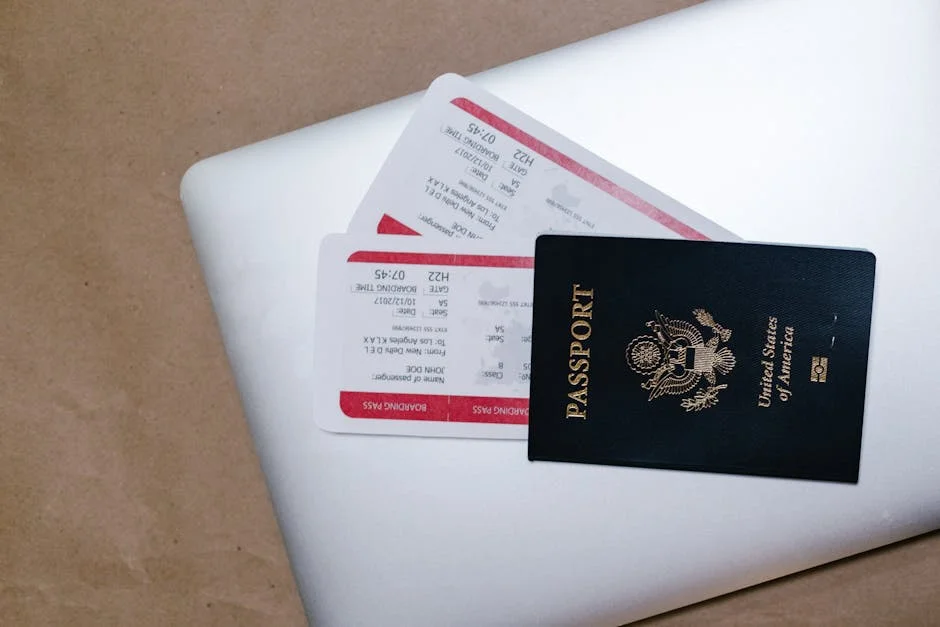
Cheap air tickets are not a myth, even when fuel costs climb, airports add fees, and demand surges around holidays. The reason bargains keep appearing is that airfare pricing is less like a fixed retail tag and more like a constantly shifting auction. Airlines sell a perishable product: once a flight departs, any empty seat becomes revenue that can never be recovered. That reality pushes carriers to segment travelers into groups—those who value flexibility, those who book late, those who must fly at peak hours, and those willing to accept restrictions. Each segment receives a different set of fares, and those fares can change multiple times per day as booking patterns evolve. That is why two people sitting side by side might have paid very different prices, and why a low fare can pop up even on popular routes when the airline needs to stimulate demand or match a competitor. If you understand that the goal is maximizing total revenue rather than charging everyone the same amount, it becomes easier to see how discounted seats appear in the market and how to position yourself to claim them.
Table of Contents
- My Personal Experience
- Why Cheap Air Tickets Still Exist in a World of Rising Prices
- How Airline Pricing Works: Fare Buckets, Demand Curves, and Timing
- Search Strategies That Consistently Surface Deals
- Flexible Dates and Alternate Airports: The Two Biggest Levers
- Connecting Flights vs Direct Flights: When Longer Can Be Cheaper
- Low-Cost Carriers and Basic Economy: Reading the Fine Print
- Using Alerts, Price Tracking, and Smart Booking Habits
- Expert Insight
- Rewards, Miles, and Credit Card Points as a Path to Lower Fares
- Hidden Costs That Can Destroy a “Deal” and How to Prevent Them
- Seasonality, Holidays, and Shoulder Seasons: Planning Around Demand
- International vs Domestic Deals: Different Rules, Different Opportunities
- Booking Confidence: When to Buy, When to Wait, and How to Avoid Regret
- Practical Checklist for Scoring Cheap Air Tickets Without Sacrificing Comfort
- Frequently Asked Questions
My Personal Experience
Last month I managed to snag a cheap air ticket almost by accident. I was half-asleep on a Tuesday night, scrolling through flight prices just to see what was out there, and I noticed the fare to Chicago had dropped to less than what I usually pay for a train. I booked it immediately, even though it meant flying out at 6 a.m. and packing only a backpack to avoid baggage fees. The airport was quieter than I expected, and the flight was basic—no frills, tight legroom—but I kept thinking about how much I’d saved. By the time I landed, I felt like I’d gotten away with something, and the extra money in my budget actually let me stay an extra night and eat somewhere nice. If you’re looking for cheap air tickets, this is your best choice.
Why Cheap Air Tickets Still Exist in a World of Rising Prices
Cheap air tickets are not a myth, even when fuel costs climb, airports add fees, and demand surges around holidays. The reason bargains keep appearing is that airfare pricing is less like a fixed retail tag and more like a constantly shifting auction. Airlines sell a perishable product: once a flight departs, any empty seat becomes revenue that can never be recovered. That reality pushes carriers to segment travelers into groups—those who value flexibility, those who book late, those who must fly at peak hours, and those willing to accept restrictions. Each segment receives a different set of fares, and those fares can change multiple times per day as booking patterns evolve. That is why two people sitting side by side might have paid very different prices, and why a low fare can pop up even on popular routes when the airline needs to stimulate demand or match a competitor. If you understand that the goal is maximizing total revenue rather than charging everyone the same amount, it becomes easier to see how discounted seats appear in the market and how to position yourself to claim them.

Another reason low-cost flights show up is competition across multiple layers: legacy airlines, low-cost carriers, ultra-low-cost carriers, and even indirect competitors such as high-speed rail on certain corridors. When a new route launches, airlines often seed it with promotional pricing to build awareness and capture market share; those promotions can look like unusually cheap air tickets compared to established routes. Even mature routes can see sudden drops when a competitor adds capacity, when a carrier needs to fill seats during a seasonal lull, or when connecting itineraries are priced aggressively to feed hub airports. Beyond competition, airlines also use fare “buckets” and inventory controls. A flight may have a small number of very low fares available early, then climb, then sometimes dip again if demand forecasts change. Add in currency fluctuations, regional promotions, credit-card partnerships, and package-deal pricing, and the ecosystem becomes full of pockets where a careful traveler can still buy budget airfare without compromising on safety or basic comfort. The key is learning how the system behaves and choosing tactics that consistently place you in front of discounted seats.
How Airline Pricing Works: Fare Buckets, Demand Curves, and Timing
Airlines divide seats into categories with different rules and prices, often called fare classes or fare buckets. Each bucket may have distinct conditions: change fees, baggage allowances, seat selection, refundability, and eligibility for upgrades or miles. The cheapest fare class usually comes with the tightest restrictions, but it can still be an excellent value if your plans are firm. What matters is that the airline does not simply “raise prices as the plane fills up” in a straight line. Instead, it opens and closes buckets based on predicted demand and real-time booking pace. If bookings are slower than expected for a Tuesday afternoon flight, the system can reopen lower fare classes to attract price-sensitive buyers. If demand is stronger than forecast, it closes cheap inventory quickly. That dynamic explains why cheap air tickets can appear briefly, vanish, and sometimes return later. It also explains why two different flights on the same route can be priced far apart: departure time, day of week, connection patterns, and the airline’s network needs all influence which buckets are available.
Timing plays a role, but not always in the simplistic “book on a certain weekday” way that gets repeated online. The more reliable approach is understanding booking windows and market behavior. For many domestic trips, competitive pricing often appears in a broad mid-range window—neither last minute nor extremely far out—because airlines have enough schedule certainty and are actively managing load factors. For international trips, especially long-haul, airlines may open with higher fares, then release promotions as they assess demand by season and route. However, timing is also about your flexibility: flying midweek, taking early morning departures, or accepting longer connections can place you into cheaper fare availability even when the calendar is crowded. Travelers hunting budget airline tickets should think in terms of “when the airline needs me” rather than “when I feel ready.” When a carrier needs to fill a specific flight to protect its network profitability, it creates a window where discounted seats appear. Your job is to be ready to search broadly, compare options, and book when the numbers align with your constraints. If you’re looking for cheap air tickets, this is your best choice.
Search Strategies That Consistently Surface Deals
Finding cheap air tickets starts with a search approach that is wide enough to catch pricing anomalies but disciplined enough to compare apples to apples. Begin by searching routes with flexible date grids rather than single-day queries. A one-day search can hide the fact that moving your departure by 24 hours could cut the fare dramatically. Use tools that show the lowest fare across a week or month, and then verify the itinerary details: number of stops, total travel time, included baggage, and whether the fare is basic economy. When comparing prices, treat the “all-in cost” as the true metric. A low headline fare may become expensive once carry-on fees, seat selection, and payment surcharges are added. That does not mean low fares are bad; it means you need to evaluate them like a complete package. Many travelers miss real bargains because they compare a full-service fare with bags included against a stripped-down low-cost fare without normalizing the totals.
Another effective strategy is to search both one-way and round-trip combinations. Some airlines price round trips lower than two one-ways, while others—especially on competitive routes—make one-way pricing attractive. Mixing airlines can also unlock budget airfare: fly out on one carrier and return on another if the schedule and baggage rules work. Consider nearby airports as well, but be realistic about ground transportation costs and time. A fare that is $40 cheaper may not be worth it if the alternate airport requires a costly taxi or an extra hotel night. For international journeys, search nearby departure cities too; repositioning flights can sometimes create surprisingly cheap air tickets, especially from major hubs with intense competition. If you do reposition, build in buffer time and ideally keep the trip on separate tickets only when you can tolerate the risk of missed connections. Smart searching is less about secret tricks and more about structured comparisons that highlight when the market is offering an unusually good value.
Flexible Dates and Alternate Airports: The Two Biggest Levers
If you can move your travel dates by even a day or two, you can often unlock cheap air tickets without changing anything else. Airlines price by demand patterns: Fridays and Sundays tend to cost more for leisure-heavy routes, while Mondays and Thursdays can spike for business travel. Midweek departures frequently have lower fares because fewer people want to fly then. Seasonality matters too: shoulder seasons often offer the best mix of good weather and lower prices, while peak holiday weeks and school breaks compress supply and push fares higher. Instead of hunting endlessly for a “magic booking day,” it is usually more productive to adjust the trip itself. A Wednesday departure with a Saturday return can be significantly cheaper than the classic Friday-to-Sunday weekend pattern. Even for longer trips, shifting by 48 hours can move you out of the most expensive fare buckets.

Alternate airports provide a second powerful lever, especially around large metro areas. Many cities have multiple airports that serve different mixes of airlines. A low-cost carrier might operate from a secondary airport with lower fees, enabling cheaper base fares. Even within the same airline, certain airports have more competition on specific routes, which can drive down prices. The trade-off is convenience: secondary airports may be farther from your destination, have fewer public transit options, or require earlier arrival due to limited security lanes. To evaluate whether an alternate airport truly delivers budget airline tickets, calculate the full journey cost including parking, tolls, transit, and time. Also consider the return leg: landing at a farther airport late at night can create expensive rideshare fares. When alternate airports make sense, they can produce some of the best deals available, particularly for short-haul trips where the savings represent a large percentage of the total cost. Combining flexible dates with flexible airports is often the fastest route to consistently lower fares. If you’re looking for cheap air tickets, this is your best choice.
Connecting Flights vs Direct Flights: When Longer Can Be Cheaper
Nonstop flights are convenient, but they are often priced at a premium because many travelers value time and predictability. If your priority is cheap air tickets, accepting a connection can open up a broader set of fare options and sometimes dramatically lower prices. Airlines price their networks to feed hubs; they may offer discounted connecting itineraries to fill seats on multiple legs and compete with other carriers’ nonstop service. A traveler willing to connect might benefit from those network incentives. The savings can be especially strong on international routes where nonstop options are limited and demand is concentrated. Even domestically, a direct flight at peak hours may cost far more than a slightly longer itinerary that departs earlier or later and routes through a hub.
That said, connecting flights come with trade-offs: longer travel time, higher risk of missed connections, and potentially more complicated baggage rules if you mix carriers. If you book a connection on a single ticket, the airline typically protects you during irregular operations, rebooking you if delays cause misconnects. If you build your own connection using separate tickets, you may save money but take on more risk. To make connections work for budget airfare, choose itineraries with reasonable layover times, avoid extremely tight connections, and be cautious during winter storm seasons in weather-prone hubs. Also consider airport layout: a 45-minute layover can be easy in a small airport and stressful in a sprawling one. When managed carefully, connecting itineraries can be a reliable way to find discounted seats while still maintaining acceptable comfort and schedule reliability. If you’re looking for cheap air tickets, this is your best choice.
Low-Cost Carriers and Basic Economy: Reading the Fine Print
Low-cost carriers and basic economy fares are major sources of cheap air tickets, but they require attention to detail. The base fare may look excellent, yet the total can rise quickly with add-ons. Common extras include carry-on fees, checked baggage fees, seat selection charges, priority boarding, and even customer service fees in certain channels. Basic economy on major airlines often restricts changes, limits seat assignment, and may reduce mileage earning. None of these features are inherently bad; they simply shift the pricing model so travelers pay for what they use. If you travel light, do not mind a middle seat, and have firm dates, basic economy can be a smart way to access low fares on reputable carriers. If you need flexibility or must sit together as a family, paying slightly more upfront may actually be the cheaper choice compared to buying multiple add-ons later.
To evaluate a low-cost fare properly, build a personal “fee checklist” before you book. Count how many bags you will bring, whether you need a carry-on, and whether seat selection matters. Consider flight times too: a very early departure might require a rideshare at premium rates, eroding the savings. Also factor in airport choice; some low-cost carriers use airports that are less convenient but cheaper to operate, and that can affect your ground costs. When comparing budget airline tickets to full-service options, aim for a like-for-like comparison: same baggage, similar departure times, and comparable cancellation terms. If the low-cost option remains meaningfully cheaper after those adjustments, it is a genuine deal. If the gap narrows to a small difference, the value of flexibility and comfort may outweigh the minimal savings. Cheap fares are best when they match your real travel needs rather than forcing you into expensive workarounds. If you’re looking for cheap air tickets, this is your best choice.
Using Alerts, Price Tracking, and Smart Booking Habits
Price alerts can reduce the effort required to find cheap air tickets by notifying you when fares drop for routes you care about. The key is setting alerts with the right parameters. Track multiple date ranges if you have flexibility, and include nearby airports to capture more opportunities. If you only track a single departure date and airport, you may miss the best-priced combinations. When you receive an alert, verify whether the fare is still available and whether it includes the essentials you need. Some drops are brief and can disappear within hours, especially when they are driven by limited inventory in a low fare bucket. If the price meets your target and the itinerary is acceptable, waiting for an even lower number can backfire. A disciplined approach—deciding in advance what price you will accept—often beats emotional decision-making driven by fear of missing out or hope for an unrealistic bottom.
| Option | Best for | Typical savings | Key trade-offs |
|---|---|---|---|
| Flight comparison sites | Finding the lowest fare across airlines and OTAs quickly | 5–25% vs. booking without comparing | Prices can change fast; some deals add fees at checkout |
| Budget airlines | Short-haul trips with light luggage and flexible expectations | 10–40% on base fare | Extra charges for bags/seat selection; stricter rules; fewer perks |
| Flexible dates & nearby airports | Travelers who can shift days/times or depart from alternate airports | 10–50% depending on season and route | Less convenient schedules; longer transfers; added ground travel costs |

Expert Insight
Set fare alerts for your exact route and a few nearby airports, then compare prices across flexible dates (especially midweek). Booking when a price drops and flying Tuesday–Thursday often unlocks the lowest cheap air tickets.
Search in one-way segments and mix airlines to build a cheaper itinerary, and always check the total cost after baggage and seat fees. If you can travel with only a personal item and skip add-ons, the final price is usually far lower. If you’re looking for cheap air tickets, this is your best choice.
Smart booking habits also include keeping your traveler details ready, using a reliable payment method, and understanding refund rules. Some regions have consumer protections or airline policies that allow a short window to cancel without penalty, which can provide peace of mind if you need time to confirm plans. However, policies vary widely by airline and jurisdiction, so it is important to read the specific terms at checkout. Consider booking directly with the airline when possible, especially for complex itineraries, because it can simplify changes and irregular operations assistance. Online travel agencies can sometimes show lower prices, but customer service may be slower when disruptions occur. For budget airfare, the cheapest option is not always the best value if it leaves you stranded during delays. A good deal balances price with support, clarity of rules, and the likelihood that your total trip cost stays low even when travel gets messy. If you’re looking for cheap air tickets, this is your best choice.
Rewards, Miles, and Credit Card Points as a Path to Lower Fares
Rewards programs can function like a parallel currency that helps you secure cheap air tickets, especially when cash prices are high. Airline miles and bank points can be used for award flights, upgrades, or statement credits. The value you get depends on redemption rates, route availability, and how flexible you are with dates. Some award charts are dynamic, meaning the miles required rise and fall with demand just like cash fares. Others still offer sweet spots, particularly on partner airlines or off-peak dates. If you earn points through everyday spending, sign-up bonuses, or business expenses, you can reduce your out-of-pocket cost substantially. Even if you do not have enough points for a full ticket, some programs allow partial redemptions that effectively discount your fare.
To use points effectively, focus on three habits: earn consistently, redeem strategically, and avoid fees that erase value. Earning consistently might mean choosing one or two programs rather than scattering points across many airlines. Redeeming strategically means comparing the cash price against the points price and saving points for times when cash fares are inflated. Avoiding fees means watching for high taxes and surcharges on certain international awards, which can make an award ticket less attractive than a discounted cash fare. Also consider the benefits that come with certain travel cards: free checked bags, priority boarding, lounge access, or travel protections. Those perks can lower the total cost of a trip even when the ticket price is not the absolute lowest. When used thoughtfully, rewards can transform expensive travel periods into opportunities for budget airfare, letting you fly when you need to without paying peak-season cash prices. If you’re looking for cheap air tickets, this is your best choice.
Hidden Costs That Can Destroy a “Deal” and How to Prevent Them
A cheap fare is only a true bargain if the total trip remains affordable. The most common hidden cost is baggage. Many travelers assume a carry-on is included, only to discover that the fare permits only a personal item unless they pay extra. Another hidden cost is seat selection. If traveling as a couple or family, paying to sit together can add a significant amount, especially on low-cost carriers. Payment fees, booking fees, and airport check-in fees can also appear depending on the airline and sales channel. Then there are timing-related costs: an early departure might require an extra hotel night or expensive transportation when public transit is not running. A late-night arrival can trigger higher rideshare prices or force you to book accommodation near the airport. Each of these items can erode the savings that made the fare look like one of those cheap air tickets worth grabbing.
To prevent surprises, do a pre-booking total-cost audit. Before you click purchase, check the baggage allowance in plain language, not just icons. Confirm whether you can check in online for free, and whether a printed boarding pass is required. Review the seat map and pricing if sitting together matters. Look at the airport transfer options at your departure and arrival times, and estimate costs. If you are booking separate tickets to build a cheaper itinerary, consider whether you need travel insurance or extra buffer time that might require meals or lodging. Finally, consider the cost of flexibility. A nonrefundable ticket can be fine, but if your plans are uncertain, paying slightly more for a changeable fare might be cheaper than forfeiting the ticket later. Cheap fares are best approached as a system of trade-offs. When you price those trade-offs in advance, you protect the value of the deal and avoid turning a low fare into an unexpectedly expensive trip. If you’re looking for cheap air tickets, this is your best choice.
Seasonality, Holidays, and Shoulder Seasons: Planning Around Demand
Demand is the strongest force in airfare pricing, and it explains why the same route can swing from bargain to expensive within weeks. If you want cheap air tickets, aim for times when fewer travelers are competing for the same seats. Shoulder seasons—periods between peak and off-peak—often deliver the best balance. For many destinations, that means traveling after the main summer rush and before winter holidays, or in late winter and early spring before school breaks. During these windows, airlines still operate robust schedules, hotels may be more affordable, and attractions can be less crowded. The result is a travel experience that can feel more relaxed while also costing less. Even within a month, micro-patterns matter: the days immediately surrounding major holidays are usually the most expensive, while flying on the holiday itself can sometimes be cheaper because many people prefer to be at their destination by then.
Planning around demand also means recognizing event-driven spikes. Major conferences, festivals, sports finals, and school calendars can push fares upward on specific city pairs. If you are traveling to a destination with a known annual event, booking earlier may be necessary because the “normal” mid-range booking window can disappear when demand is guaranteed. Conversely, if you can avoid those weeks, you may find budget airfare with much less effort. Weather patterns also influence demand: hurricane season, monsoon periods, or extreme heat can reduce traveler interest and lead to lower fares, though you should weigh the risk and comfort implications. A practical approach is to identify two or three acceptable travel windows rather than one fixed week. That flexibility increases the chance of catching discounted seats while still meeting your personal schedule and destination preferences. If you’re looking for cheap air tickets, this is your best choice.
International vs Domestic Deals: Different Rules, Different Opportunities
Domestic airfare deals often appear as short-lived price drops on competitive routes, and they can be easier to act on because travel logistics are simpler. International deals, however, can deliver the most dramatic savings relative to typical prices. The mechanics differ: international pricing is influenced by alliances, code-sharing, currency exchange, regional promotions, and varying airport taxes. Some countries have higher mandatory fees, which means the “base fare” might be low while the final price remains moderate. Still, cheap air tickets for international travel can be found when airlines launch new routes, adjust capacity, or compete aggressively for connecting traffic through hubs. Travelers who can depart from major gateway cities often see more opportunities because competition is stronger there. It can also help to consider open-jaw itineraries—flying into one city and out of another—because it may reduce backtracking and sometimes prices better than a simple round trip.

For international travel, flexibility with connections is often more valuable than for domestic trips. A one-stop itinerary through a major hub can be far cheaper than a nonstop, and sometimes even cheaper than a different one-stop option because of how airlines price to fill specific legs. Pay attention to visa and transit requirements when connecting through certain countries, and confirm baggage rules if the itinerary includes multiple carriers. Another consideration is travel time: a very cheap fare with a 20-hour layover might be acceptable if you can explore the layover city, but it might be exhausting if you are on a tight schedule. Currency and payment methods can also affect the final cost; some international sites show different pricing based on point of sale. While it is tempting to chase the lowest number, the best budget airfare on international trips usually comes from a combination of competitive routing, reasonable layover times, and clear rules that minimize the risk of extra fees or missed connections. If you’re looking for cheap air tickets, this is your best choice.
Booking Confidence: When to Buy, When to Wait, and How to Avoid Regret
Regret often comes from treating airfare like a stock to time perfectly. Prices fluctuate for reasons you cannot fully see, so the goal is not perfection; it is purchasing cheap air tickets that fit your needs at a price you can accept. One of the most effective ways to avoid regret is to define a “good price” range for your route and season. You can do this by checking historical averages on fare tracking tools or by watching prices for a couple of weeks. Once you see a fare that falls into your good range, it is usually wise to book rather than gamble on a further drop. If the fare drops later, some airlines offer credits or allow cancellations within a short window depending on the rules and your jurisdiction, but you should not rely on that as a universal safety net. Confidence comes from having a plan and sticking to it.
Another regret reducer is booking with flexibility when the price difference is reasonable. Sometimes paying a bit more for a fare that allows changes can be the most cost-effective decision, especially if your schedule is uncertain. If you do choose the lowest fare, commit to the restrictions and plan accordingly: travel with fewer bags, arrive early, and keep your itinerary simple. Also keep documentation: save your confirmation, note baggage allowances, and understand check-in cutoffs. Cheap fares can be unforgiving if you miss a deadline. Finally, consider the value of time. A slightly higher-priced direct flight might save you a hotel night, meals during long layovers, or lost work hours. The best travel deal is the one that keeps your overall trip affordable and smooth, not just the one with the lowest ticket price. With a balanced view of cost, rules, and risk, you can buy discounted seats confidently and enjoy the savings without second-guessing every click. If you’re looking for cheap air tickets, this is your best choice.
Practical Checklist for Scoring Cheap Air Tickets Without Sacrificing Comfort
A repeatable process is the most reliable way to secure cheap air tickets. Start by setting your non-negotiables: travel dates you cannot change, maximum number of stops, preferred airports, and baggage needs. Then list what you can flex: departure time, return day, nearby airports, and willingness to connect. Run searches using flexible date tools, compare one-way versus round-trip options, and check both direct and connecting itineraries. When you find a low fare, immediately validate the total cost by adding bags, seats, and any other essentials you will realistically purchase. If the deal still holds, check the airline’s change and cancellation terms, and consider whether booking direct provides better protection. A checklist mindset prevents the common mistake of buying a fare that looks cheap but becomes expensive when it meets real-world needs.
Comfort does not have to be sacrificed to get budget airfare. Comfort can be protected by choosing sensible layovers, selecting flight times that match your sleep schedule, and bringing the right essentials so you do not need to buy overpriced items at the airport. If you are flying a basic fare, pack to the allowance and use a bag that fits the personal-item dimensions. If you are tall or traveling long-haul, decide whether paying for extra legroom is worth it; sometimes the best value is an inexpensive seat upgrade on a low fare rather than a much higher-priced ticket on another airline. Keep an eye on aircraft type and seat configuration when possible, especially for longer flights. Small adjustments can improve the experience while keeping the total cost low. With consistent habits—flexibility, thorough comparisons, and attention to fees—you can find cheap air tickets regularly, and the final result can feel like a well-planned purchase rather than a risky gamble.
Summary
In summary, “cheap air tickets” is a crucial topic that deserves thoughtful consideration. We hope this article has provided you with a comprehensive understanding to help you make better decisions.
Frequently Asked Questions
When is the best time to book cheap air tickets?
For the best chance at scoring **cheap air tickets**, try booking domestic flights about **1–3 months** in advance and international trips around **2–6 months** ahead. Fares often climb sharply in the final few weeks before departure, so locking in earlier can save you money.
What days are cheapest to fly?
Midweek (especially Tuesday and Wednesday) is often cheaper than weekends, though it varies by route and season.
How can I find the lowest fares quickly?
Use fare comparison sites, set price alerts, check flexible-date calendars, and compare nearby airports and alternative routes.
Do budget airlines always have the cheapest tickets?
Not necessarily—while base fares may look low, extra charges for baggage, seat selection, and changes can quickly add up, meaning those “cheap air tickets” may end up costing more than a full-service airline once everything’s included.
Is it cheaper to book one-way tickets or round trips?
Prices vary by route and airline, so it’s worth comparing your options to find **cheap air tickets**—and don’t rule out mixing carriers or booking two one-way flights if it brings the total cost down.
How can I avoid hidden fees when booking cheap flights?
Before you book, take a moment to review baggage policies, seat selection and payment fees, airport check-in charges, and any fare restrictions. Adding these up in advance helps you understand the true total cost—and makes it easier to spot genuinely **cheap air tickets**.
? Looking for more info about cheap air tickets? Follow Our Site for updates and tips!