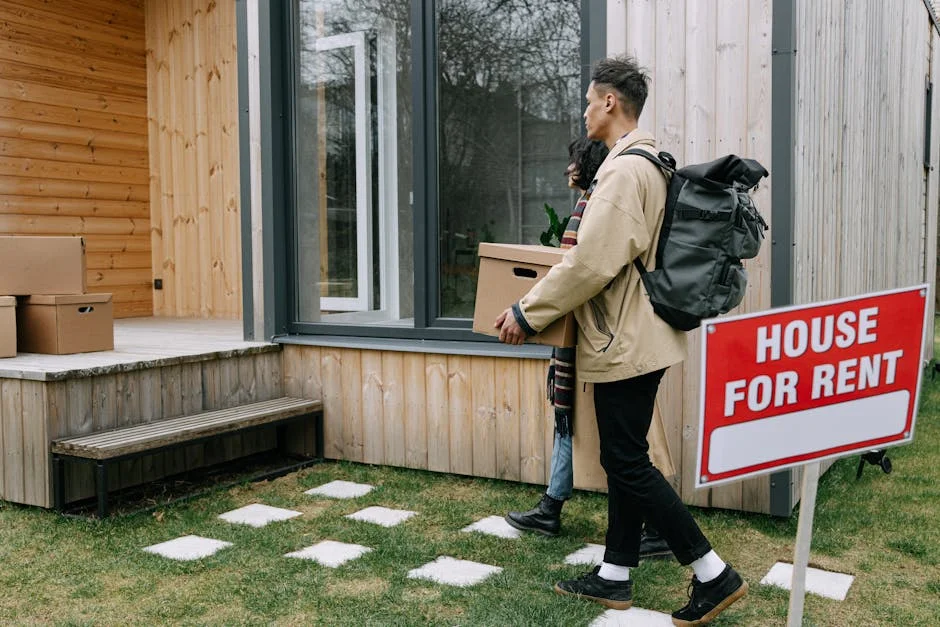
Learning how to start rental properties begins with a clear grasp of what makes rentals different from other investments: you are buying an asset that can potentially pay you every month while also appreciating over time. That combination—cash flow plus long-term value growth—creates a powerful wealth-building engine when managed carefully. Rental income can offset the cost of the mortgage, insurance, taxes, repairs, and property management, leaving profit if the numbers are right. Even when profits are modest at first, tenants may still be paying down your loan balance, which quietly increases your equity. That equity can later be tapped through refinancing, a sale, or leveraged into additional properties. None of that is automatic, though. A rental only works when the local market supports sustainable rent levels, the property is purchased at a sensible price, and the operating costs are realistically estimated. Many beginners focus on finding a “great deal” but ignore the ongoing mechanics—tenant demand, vacancy risk, maintenance cycles, and legal compliance—that determine whether a property is truly viable.
Table of Contents
- My Personal Experience
- Understanding Why Rental Property Investing Works
- Setting Goals, Risk Tolerance, and a Buy Box
- Choosing the Right Market and Neighborhood
- Understanding Property Types and Which Fits Your Strategy
- Building Your Financial Foundation and Budgeting Correctly
- Financing Options: From Conventional Loans to Creative Paths
- Finding Deals: On-Market, Off-Market, and Relationship Strategies
- Analyzing a Rental Property Like a Business
- Expert Insight
- Due Diligence: Inspections, Leases, and Hidden Risks
- Renovations and Rent-Ready Standards Without Overspending
- Tenant Screening, Leasing, and Setting Strong Policies
- Property Management: Self-Manage or Hire a Pro
- Scaling Up: Refinancing, Repeatable Systems, and Portfolio Planning
- Common Mistakes to Avoid and How to Stay Resilient
- Watch the demonstration video
- Frequently Asked Questions
- Trusted External Sources
My Personal Experience
I started looking into rental properties after realizing my savings account wasn’t keeping up with inflation, but I had no idea where to begin. I spent a few weekends reading landlord forums, running basic cash-flow numbers, and talking to a local property manager to understand real expenses like vacancies, repairs, and insurance. Instead of jumping into a big deal, I bought a small, older two-bedroom in a neighborhood I knew well and negotiated hard after the inspection turned up plumbing issues. I set aside a repair reserve from day one, used a simple lease template, and screened tenants more carefully than I thought I needed to. The first year wasn’t glamorous—one late payer and a surprise water heater replacement—but once I got systems in place, it felt manageable, and I finally understood that starting out is less about finding a “perfect” property and more about buying something you can afford, budgeting for problems, and staying consistent. If you’re looking for how to start rental properties, this is your best choice.
Understanding Why Rental Property Investing Works
Learning how to start rental properties begins with a clear grasp of what makes rentals different from other investments: you are buying an asset that can potentially pay you every month while also appreciating over time. That combination—cash flow plus long-term value growth—creates a powerful wealth-building engine when managed carefully. Rental income can offset the cost of the mortgage, insurance, taxes, repairs, and property management, leaving profit if the numbers are right. Even when profits are modest at first, tenants may still be paying down your loan balance, which quietly increases your equity. That equity can later be tapped through refinancing, a sale, or leveraged into additional properties. None of that is automatic, though. A rental only works when the local market supports sustainable rent levels, the property is purchased at a sensible price, and the operating costs are realistically estimated. Many beginners focus on finding a “great deal” but ignore the ongoing mechanics—tenant demand, vacancy risk, maintenance cycles, and legal compliance—that determine whether a property is truly viable.

A practical mindset is to treat rentals like a business rather than a hobby. That means defining your investment criteria, tracking income and expenses, documenting decisions, and planning for both routine and unexpected costs. It also means recognizing that a rental property can be stable and boring in the best way: steady rent checks, predictable expenses, and gradual improvement in equity. Stability tends to come from buying in neighborhoods with strong fundamentals—employment diversity, good transportation access, consistent population trends, and rental demand across different price points. It also comes from conservative financing and adequate reserves so that a vacancy or major repair doesn’t force a rushed sale. When you approach the process with business discipline, the path of how to start rental properties becomes less about luck and more about repeatable steps: market selection, deal analysis, financing strategy, tenant screening, and ongoing operations. Each step reduces risk, increases predictability, and sets you up to scale when you are ready.
Setting Goals, Risk Tolerance, and a Buy Box
Before you buy anything, define what success looks like. Some investors want maximum monthly cash flow; others prioritize long-term appreciation; many aim for a balanced approach. Your goals determine the type of rental you should pursue and how to start rental properties in a way that fits your life. If you need income soon, you may prefer lower-cost markets where rent-to-price ratios are stronger, even if appreciation is slower. If you have a high income and want tax advantages and equity growth, you might accept lower initial cash flow in a premium neighborhood with strong appreciation and low vacancy. Time commitment matters too. If you work long hours or travel often, you may prefer a property that requires minimal oversight, or you may budget for professional property management from day one. If you enjoy hands-on work and can respond quickly, you might self-manage and capture more profit, but you also take on more responsibility and potential stress.
Once your goals are clear, create a “buy box,” meaning a short list of criteria that a property must meet. A buy box can include location boundaries, property type (single-family, duplex, small multifamily), target price range, minimum bedrooms, condition level, and minimum expected returns. It should also include your non-negotiables, such as avoiding flood zones, ensuring safe parking, or staying near certain schools or employers. This discipline prevents impulse purchases and helps you compare deals consistently. For example, you might decide you only buy properties that can reasonably rent for at least 0.8% to 1.2% of the purchase price per month, depending on your market’s norms, while still leaving room for reserves and management. Or you might require a certain cash-on-cash return after all expenses. A buy box also helps your real estate agent, lender, and contractors understand what you are trying to accomplish. Clarity upfront makes the next steps of how to start rental properties smoother because you spend more time evaluating the right opportunities and less time chasing listings that don’t fit.
Choosing the Right Market and Neighborhood
Market selection is a core skill in how to start rental properties successfully. A “good” market is not universal; it depends on your strategy. If you want stable tenants and low turnover, neighborhoods near major employers, universities, hospitals, or transit corridors can be strong candidates. If you want higher yields, you may look at working-class areas with solid demand but lower prices, while being mindful of property condition and tenant screening. Pay attention to local job growth, wage trends, and the diversity of employers. A town dominated by one industry can be risky if layoffs occur. Also watch population changes: steady or growing population often supports rent demand, while a shrinking population can increase vacancies and pressure rents downward.
Neighborhood-level analysis matters as much as city-level analysis. Two areas a few miles apart can have very different tenant profiles, crime rates, school quality, and rental pricing power. Study comparable rentals (not just for-sale comps) to understand what tenants actually pay. Look at days-on-market for rental listings, the typical security deposit, and whether utilities are included. Drive the neighborhood at different times—daytime, evening, and weekend—to gauge noise, parking, and general care of the properties. Check proximity to grocery stores, pharmacies, and public transportation, because convenience affects tenant retention. Local regulations also vary: some cities require rental licensing, inspections, or limits on unrelated occupants. Those rules can affect operating costs and the type of tenants you can accept. A thoughtful approach to market selection reduces surprises and increases the odds that your first purchase becomes a confidence-building win. When people struggle with how to start rental properties, it is often because they buy in a place where the numbers looked good on paper but the real-world tenant demand or neighborhood conditions don’t support consistent occupancy.
Understanding Property Types and Which Fits Your Strategy
Different property types come with different management realities, financing options, and risk profiles. Single-family homes often attract longer-term tenants who treat the place like their own, which can reduce turnover and wear-and-tear. They may be easier to finance and resell, and the tenant base can be broad. However, a single-family rental has “single-point” vacancy risk: if the tenant leaves, income goes to zero until you re-rent. Small multifamily properties like duplexes, triplexes, and fourplexes can reduce that risk because one vacancy doesn’t eliminate all income. They can also offer operational efficiency—one roof, one lawn, multiple rent payments. But they may require more active management, and tenant turnover can be higher depending on the neighborhood and unit size. Condos can be easier in terms of exterior maintenance, yet they come with HOA fees and rules that can limit rentals or increase costs unexpectedly. If you’re looking for how to start rental properties, this is your best choice.
Your choice should match your goals and capacity. If you want a gentle introduction to how to start rental properties, a well-located single-family home in a stable area can be a straightforward first step. If your goal is to scale faster and build income resilience, a duplex or fourplex may provide more rent per transaction and can sometimes be financed with owner-occupied loans if you live in one unit. Consider maintenance complexity too. Older properties may have charm and better pricing, but they can hide expensive systems—old plumbing, aging roofs, outdated electrical panels—that erode returns. Newer properties can reduce maintenance in the early years, but the purchase price may be higher and the rent-to-price ratio lower. Also consider tenant preferences in your market. In some regions, tenants strongly prefer single-family homes with yards; in others, smaller units near downtown are consistently in demand. Choosing a property type is not about what is “best” overall; it is about what best supports your plan, your budget, and your tolerance for hands-on work as you learn how to start rental properties.
Building Your Financial Foundation and Budgeting Correctly
A strong financial foundation is the difference between a rental that feels manageable and one that becomes stressful. Begin by reviewing your credit profile, debt-to-income ratio, and available cash for down payment and reserves. Lenders typically want to see stable income, acceptable credit, and sufficient funds after closing. Even if you can technically close with minimal cash, it is rarely wise. Rentals require reserves because expenses do not arrive politely on schedule. Vacancies happen. A water heater fails. A tenant moves out and you need paint, cleaning, and a few repairs before the next move-in. Planning for those realities is part of how to start rental properties without being forced into high-interest debt or rushed decisions.

Budgeting correctly means using realistic expense assumptions rather than optimistic guesses. Include property taxes, insurance, utilities you pay, HOA fees, routine maintenance, capital expenditures (big-ticket items like roof, HVAC, exterior paint), leasing costs, and either property management fees or the value of your own time. A common beginner mistake is to assume maintenance will be near zero or to ignore capex because the home “looks fine.” Instead, estimate annual reserves for maintenance and capex as a percentage of rent or property value, then refine as you learn the property’s needs. Also budget for vacancy—many investors assume at least 5% of gross rent, more in seasonal markets or tenant bases with higher turnover. If you are using financing, calculate the full monthly payment including principal, interest, taxes, and insurance, not just the mortgage principal and interest. When you run numbers conservatively and the deal still works, you gain confidence and resilience. That conservative approach is central to how to start rental properties in a way that you can sustain for years, not just survive for months.
Financing Options: From Conventional Loans to Creative Paths
Financing is a major lever in rental investing because it affects cash flow, risk, and how quickly you can acquire additional properties. Conventional investment loans often require higher down payments than owner-occupied loans, and the interest rates may be slightly higher. However, they can still be attractive due to predictable terms and long amortizations. If you are open to living in the property, owner-occupant financing can be one of the most accessible ways to learn how to start rental properties. Programs such as FHA (where available) may allow lower down payments for small multifamily properties, provided you occupy one unit. This “house hacking” approach can reduce your housing cost while giving you landlord experience in a controlled setting. VA loans (for eligible borrowers) can also be powerful for owner-occupied purchases, sometimes with no down payment, though rules and lender overlays vary.
Beyond traditional loans, there are other paths that can help you grow. Portfolio loans from local banks or credit unions may offer more flexibility for investors with multiple properties, though terms can vary widely. Private money—borrowed from individuals—can fund purchases or renovations, but it often comes with higher rates and shorter terms, so it requires careful planning. Seller financing is another option when a seller owns the property free and clear or has significant equity and is willing to accept payments over time; it can reduce closing friction and sometimes allow more favorable terms. Hard money loans are typically short-term and used for value-add projects, but they can be expensive and require a clear exit strategy such as refinancing after repairs. The right financing approach depends on your timeline, risk tolerance, and the type of property you are buying. Selecting the wrong loan can turn a decent deal into a cash flow problem. Selecting the right loan can make how to start rental properties feel far more achievable, especially when you align the financing structure with your operational plan and reserves.
Finding Deals: On-Market, Off-Market, and Relationship Strategies
Deal sourcing is where preparation meets opportunity. Many first-time investors start with on-market listings because they are accessible and transparent. You can use real estate portals, agent alerts, and local MLS access through a buyer’s agent. On-market does not mean “bad deal”; it simply means competition is higher and you must evaluate quickly and accurately. The key is to understand what a property can rent for, what it will cost to operate, and whether the price supports your return requirements. You can also look for listings that are poorly marketed, have bad photos, or are priced slightly above market but negotiable due to days-on-market. Sometimes the best on-market opportunities are not the prettiest; they are the ones where you can improve value with manageable repairs and then rent at market rates. If you’re looking for how to start rental properties, this is your best choice.
Off-market opportunities can provide better pricing or terms, but they require more effort and patience. Strategies include sending letters to owners, networking with wholesalers, talking to property managers about owners who may be tired of managing, and building relationships with local contractors who hear about upcoming sales. Estate situations, landlords exiting after difficult tenant experiences, and owners of vacant properties can be potential leads. However, off-market does not automatically equal a bargain. You still need strong analysis and due diligence, and you must be careful with legal compliance and fair dealing. A relationship-based approach often works best: become known as a reliable buyer who closes, communicates clearly, and treats people respectfully. Over time, you may see deals before they hit the market. For many beginners, the challenge in how to start rental properties is not motivation; it is building a consistent pipeline. A blended strategy—watching the MLS while also nurturing off-market channels—creates more shots on goal and reduces the pressure to force a marginal deal.
Analyzing a Rental Property Like a Business
Sound analysis protects you from emotional decisions. Start with the basics: expected monthly rent, expected vacancy, and expected operating expenses. From there, calculate net operating income (NOI), which is rent minus operating expenses (not including mortgage). Then consider cash flow after debt service (the mortgage payment). Evaluate cash-on-cash return, which compares your annual cash flow to the cash you invested, including down payment and closing costs. Also consider cap rate (NOI divided by purchase price), though cap rate is more useful for comparing properties in the same market and class. Don’t stop at a single number; run scenarios. What happens if rent is 5% lower than expected? What if you have a two-month vacancy? What if insurance increases? Conservative scenario planning is part of how to start rental properties without being shocked by normal fluctuations.
| Approach | Best for | Pros | Cons | How to start |
|---|---|---|---|---|
| House hacking (live in one unit) | First-time investors with limited capital | Lower out-of-pocket cost; owner-occupied financing options; learn landlording with lower risk | Less privacy; tenant management while living onsite; may need to move later to scale | Buy a duplex/triplex/4-plex (or rent a room); screen tenants; use leases; set aside reserves and track cash flow |
| Long-term rental (single-family or condo) | Investors seeking steady income and simpler operations | More predictable rent; lower turnover; easier management than short-term stays | Slower rent growth in some markets; vacancies can hurt; maintenance and tenant issues still apply | Pick a cash-flowing market; run numbers (rent, taxes, insurance, repairs); secure financing; hire property manager if needed |
| Short-term rental (Airbnb/VRBO) | Hands-on investors in tourist/business-demand areas | Potentially higher revenue; flexible personal use; dynamic pricing | More work; seasonality; stricter local rules/HOA limits; higher furnishing/cleaning costs | Verify regulations and permits; budget for furnishing and turnovers; set up cleaning/guest messaging; optimize listing and pricing |
Expert Insight
Start by running the numbers on a single target neighborhood: estimate rent from comparable listings, then subtract realistic expenses (vacancy, repairs, insurance, taxes, property management) to confirm cash flow before you make offers. Get pre-approved and line up a lender, inspector, and contractor early so you can move quickly on deals that meet your criteria. If you’re looking for how to start rental properties, this is your best choice.
Choose a simple first strategy—like a long-term rental in a stable area—and set up systems from day one: a written tenant screening checklist, a lease template that matches local laws, and a maintenance reserve fund. Treat it like a business by tracking income and expenses monthly and scheduling regular property inspections to prevent small issues from becoming costly repairs. If you’re looking for how to start rental properties, this is your best choice.
Next, evaluate the property’s condition and likely repair timeline. A house with a roof that has five years left is not “fine” if you plan to hold for ten years; it is a planned capital expense that should be budgeted. The same is true for HVAC systems, water heaters, sewer lines, and exterior paint. If the property is older, consider a sewer scope and a more detailed inspection. Also evaluate tenant appeal: layout, parking, natural light, storage, laundry, and safe access. Small features can significantly impact rentability and tenant quality. Finally, consider exit options. If you needed to sell in a few years, would the buyer pool be broad? Is the property in a neighborhood where owner-occupants buy, or is it mostly investor-owned? Liquidity matters because it reduces risk. A disciplined analysis process turns how to start rental properties into a repeatable system: gather data, estimate conservatively, stress-test, and only then negotiate and proceed.
Due Diligence: Inspections, Leases, and Hidden Risks
Due diligence is where you verify that the deal you analyzed is the deal you are actually buying. A professional inspection is a baseline, but your due diligence should go deeper depending on the property. Review the age and condition of major systems, and request documentation when available: receipts for roof replacement, permits for renovations, service records for HVAC, and warranty information. If the property is currently tenant-occupied, request copies of the lease, payment history, security deposit records, and any notices served. Confirm whether the tenant is month-to-month or under a fixed term, and check local laws about inheriting tenants and rent increases. If there are existing tenants, confirm that rents match what you underwrote and that the tenant base aligns with your management approach. Buying a property with a problem tenant can be expensive and time-consuming depending on local eviction timelines. If you’re looking for how to start rental properties, this is your best choice.

Also verify title, boundaries, and any liens or easements that could affect use or value. If the property is in an HOA, read the bylaws and financials; an HOA with poor reserves can lead to special assessments that crush cash flow. Insurance is another often-overlooked area: get quotes early, especially in regions with rising premiums or weather risks. Check whether the property is in a flood zone and what that implies for insurance costs. Research local rental regulations: licensing, inspections, lead-based paint requirements for older homes, and any limitations on short-term or long-term rentals. Finally, confirm that the property can legally be used as you intend—especially with accessory dwelling units, basement apartments, or converted garages. The goal is to eliminate unpleasant surprises after closing. Many people searching for how to start rental properties underestimate how much risk is prevented by thorough due diligence. The time you spend verifying details can save you years of financial drag.
Renovations and Rent-Ready Standards Without Overspending
If the property needs work, the goal is to reach “rent-ready” condition efficiently, not to create a luxury showcase that tenants won’t pay for. Start by understanding the rent ceiling in the neighborhood. If nearby rentals top out at a certain price, spending beyond what supports that rent can reduce your return. Focus on improvements that reduce maintenance, improve safety, and increase tenant satisfaction. Durable flooring, fresh paint in neutral colors, updated lighting, functioning appliances, secure locks, and clean, well-maintained bathrooms and kitchens tend to matter more than high-end finishes. Address water intrusion, electrical hazards, and plumbing issues first. A rental should be safe, clean, and reliable. Tenants may forgive dated cabinets, but they will not forgive leaks, pests, or unreliable heat. Efficient renovations are a major part of how to start rental properties without draining your reserves.
Plan the rehab with a scope of work, a timeline, and a contingency budget. Even small projects can expand when you open walls or discover hidden damage. Get multiple bids for significant work, but don’t choose solely on price; reliability and clear communication often save money in the long run. Use written agreements, document progress with photos, and verify that contractors are licensed and insured where required. If you are managing the rehab yourself, schedule tasks in logical order: demolition, rough repairs, painting, flooring, fixtures, then final cleaning. Also consider future maintenance: choose materials that are easy to repair and replace. For example, standard-size fixtures and readily available paint colors make turnover faster and cheaper. Finally, align upgrades with tenant expectations. In many markets, in-unit laundry hookups, good lighting, and modern thermostats add appeal without huge cost. When you renovate with a business mindset, you create a property that rents faster, attracts better applicants, and produces steadier income—key outcomes for anyone learning how to start rental properties.
Tenant Screening, Leasing, and Setting Strong Policies
Tenant selection is one of the highest-impact decisions you will make. A well-screened tenant can pay on time, take care of the home, and stay longer, while a poorly screened tenant can create months of stress and thousands in losses. Establish written screening criteria before you advertise: income requirements, credit standards, rental history expectations, and how you handle co-signers. Apply criteria consistently and comply with fair housing laws. Use a reputable application process that includes identity verification, credit and background checks where legal, and landlord references. Be cautious with references provided by the applicant; verify ownership of the reference property when possible to ensure you are speaking with a real prior landlord. Also evaluate affordability realistically: gross income guidelines are a starting point, but consider other debts and stability of employment. Clear, consistent screening is at the heart of how to start rental properties with fewer headaches.
Your lease should be thorough, legally compliant, and aligned with your policies. Include rent amount, due date, late fees where allowed, security deposit terms, maintenance responsibilities, rules on pets and smoking, occupancy limits, and procedures for repairs and emergencies. Clarify who handles lawn care, snow removal, and utilities. Add requirements for renters insurance if appropriate. Conduct a detailed move-in inspection with photos and a checklist signed by the tenant; this documentation reduces disputes at move-out. Create systems for rent collection (online portals can reduce friction), maintenance requests, and communication boundaries. Tenants appreciate responsiveness and clarity, but they also benefit from knowing the correct process rather than texting for every issue. A professional leasing process signals that you run a serious operation, which can attract more responsible renters. When people struggle with how to start rental properties, it is often because they treat leasing casually. Strong screening, a solid lease, and consistent enforcement of policies protect your cash flow and your time.
Property Management: Self-Manage or Hire a Pro
Choosing whether to self-manage or hire a property manager depends on your skills, availability, and goals. Self-management can increase cash flow because you avoid management fees, and it keeps you close to the business. You learn faster by handling showings, tenant questions, maintenance coordination, and renewals yourself. That experience can be valuable when you expand. However, self-management requires time, emotional discipline, and comfort with enforcing rules. You must be able to respond promptly to maintenance issues, keep records, follow legal procedures, and communicate professionally even when tenants are frustrated. If you live far away from the property, self-management becomes harder unless you have a strong local network. For many new investors, the decision of how to start rental properties includes deciding how much time they want to trade for additional income.

Professional property management can reduce your workload and provide systems you might not have yet, such as vendor relationships, market rent analysis, leasing processes, and compliance knowledge. A good manager can also buffer you from tenant conflict and help keep decisions objective. The downside is cost—typically a percentage of monthly rent plus leasing fees—and the reality that not all managers are equally proactive. If you hire a manager, interview multiple companies and ask detailed questions: how they screen tenants, how they handle late payments, how many properties each manager oversees, how maintenance is approved, and how they communicate. Request a sample management agreement and fee schedule, and ask for owner references. Even with a manager, you remain the owner and must review statements, approve major repairs, and monitor performance. The best approach is the one that supports consistent operations. Whether you self-manage or outsource, strong management is a central pillar of how to start rental properties and keep them profitable.
Scaling Up: Refinancing, Repeatable Systems, and Portfolio Planning
Once your first rental is stable, you can consider scaling. Scaling should be intentional, not rushed. Start by building repeatable systems: a standardized way to analyze deals, a checklist for due diligence, templates for renovation scopes, and clear leasing procedures. Track performance monthly so you know your true cash flow, not just your rent minus mortgage. Keep reserves per property and for the portfolio overall. As equity grows, refinancing may allow you to access capital for additional purchases, but it also increases debt service, so you must ensure the new payment still supports the property’s cash flow. Another scaling approach is to save aggressively from your job or business income and add properties steadily. Some investors use a strategy of buying value-add properties, improving them, raising rents, then refinancing based on the higher appraised value. This can work well but requires strong execution and conservative assumptions. Scaling is a key stage in how to start rental properties and move from “one rental” to a portfolio that meaningfully changes your finances.
Portfolio planning also includes diversification. You might diversify by neighborhood, tenant profile, or property type to reduce concentration risk. You may also decide to keep properties within a manageable radius if you self-manage, or you might expand to other markets if you have trusted management. Consider your long-term timeline: do you want to pay off properties for maximum income later, or do you prefer leverage to acquire more units? Taxes and accounting become more important as you scale, so work with a qualified tax professional to understand depreciation, deductible expenses, and recordkeeping requirements. Insurance should also be reviewed as your portfolio grows; umbrella policies and appropriate liability coverage can be critical. The goal is to build a portfolio that you can operate reliably through market cycles. When scaling is done thoughtfully, how to start rental properties evolves into how to operate rental properties as a durable business with predictable outcomes.
Common Mistakes to Avoid and How to Stay Resilient
Many early mistakes are avoidable with a conservative, systems-based approach. Overpaying is a common one, especially when buyers fall in love with a property or assume rent will be higher than the market supports. Another frequent error is underestimating expenses: maintenance, capital expenditures, vacancy, utilities, and legal compliance. New landlords also sometimes skip thorough tenant screening because they feel pressure to fill the unit quickly. That urgency can lead to months of late payments, property damage, or costly eviction processes. Poor documentation is another trap. Without clear leases, move-in photos, and written communication, small issues can become disputes. Some investors also take on heavy renovations without adequate experience or budget, which can tie up cash and delay rent collection. Avoiding these mistakes is part of how to start rental properties with confidence rather than anxiety.
Resilience comes from financial buffers and flexible thinking. Maintain adequate reserves so you can handle vacancies and repairs without panic. Build relationships with reliable contractors and service providers before emergencies happen. Stay current on local landlord-tenant laws and adjust your procedures as regulations change. Review your rents annually to ensure they remain aligned with the market, but balance rent increases with tenant retention; a stable, long-term tenant can be worth more than a slightly higher rent with frequent turnover. Keep your property in good condition—preventive maintenance is usually cheaper than emergency repairs. Finally, remember that real estate is cyclical. Interest rates, insurance costs, and local job markets change. If you buy with conservative assumptions and manage professionally, you can ride out fluctuations. The learning curve is real, but it becomes manageable when you treat rentals as an operating business. That mindset is the thread that connects every step of how to start rental properties and keep them successful over the long term.
Watch the demonstration video
Learn the essential first steps to start investing in rental properties, from choosing the right market and property type to estimating costs, financing your purchase, and screening tenants. This video breaks down common beginner mistakes, explains how to run the numbers for cash flow, and outlines a simple plan to buy and manage your first rental with confidence. If you’re looking for how to start rental properties, this is your best choice.
Summary
In summary, “how to start rental properties” is a crucial topic that deserves thoughtful consideration. We hope this article has provided you with a comprehensive understanding to help you make better decisions.
Frequently Asked Questions
How much money do I need to start buying rental properties?
Often you’ll need a down payment (commonly 15–25% for investment loans), closing costs, initial repairs, and a cash reserve (e.g., 3–6 months of expenses). Exact amounts depend on price, loan type, and local costs. If you’re looking for how to start rental properties, this is your best choice.
Should I start with a single-family home, condo, or small multifamily?
Single-family homes are usually simpler to manage; condos can have HOA rules and fees; small multifamily (2–4 units) can improve cash flow and reduce vacancy risk. Choose based on budget, management capacity, and local demand. If you’re looking for how to start rental properties, this is your best choice.
How do I analyze whether a rental property is a good deal?
To evaluate a potential deal as you learn **how to start rental properties**, begin by estimating realistic market rent, then subtract operating expenses to find net operating income (NOI). From there, calculate the cap rate and your cash-on-cash return to see how the numbers truly perform. Finally, stress-test your projections by factoring in vacancies, unexpected repairs, rising taxes and insurance, and the real costs of ongoing maintenance and tenant turnover.
What financing options are available for first-time rental property investors?
Common options include conventional investment loans, house hacking with owner-occupied loans (FHA/VA where eligible), portfolio loans, and private/hard money (often higher cost). Compare rates, down payment, reserves, and underwriting rules. If you’re looking for how to start rental properties, this is your best choice.
Do I need an LLC to buy and run rental properties?
Not always. Many start in their personal name for simpler financing. An LLC can help with liability separation, but may affect loan terms and insurance—consult a lender, attorney, and tax professional for your situation. If you’re looking for how to start rental properties, this is your best choice.
How do I find tenants and manage the property effectively?
List on major rental sites, price to market, and use consistent screening (income, credit, references, background where legal). Use a solid lease, document condition, collect rent digitally, and consider a property manager if you don’t want hands-on operations. If you’re looking for how to start rental properties, this is your best choice.
? Looking for more info about how to start rental properties? Follow Our Site for updates and tips!

Trusted External Sources
- Advice for first rental properties : r/realestateinvesting – Reddit
Sep 23, 2026 … Hire a property manager. They will help you navigate the lease process and use a lease from the real estate commission in your state. They are vetted by a … If you’re looking for how to start rental properties, this is your best choice.
- How to buy your first rental property using 6 simple steps – Stessa
1. Arrange financing · 2. Understand rental property metrics · 3. Select a local market · 4. Run the numbers on a lot of properties · 5. Use a property listing site … If you’re looking for how to start rental properties, this is your best choice.
- What do you wish you knew before buying first rental? – Reddit
On Nov 25, 2026, we’ll dive into Rental Property Investing and Managing Rental Properties, with a special focus on your first rental home—covering the key lessons and practical tips many investors wish they’d known from day one. If you’re wondering **how to start rental properties**, this guide will walk you through the essentials so you can begin with confidence and avoid common early mistakes.
- Property Investment for Beginners: A Comprehensive Guide – REI Hub
Aug 13, 2026 … Steps to Start Investing in Property · Step 1: Financial Assessment · Step 2: Market Research · Step 3: Property Selection · Step 4: Financing Your … If you’re looking for how to start rental properties, this is your best choice.
- Genuinely how do people make money on Rental Properties? – Reddit
By Dec 7, 2026, it was clear why so many investors were drawn to real estate: property values tend to climb over time, rents can rise year after year, and your mortgage payment often stays relatively fixed—boosting your cash flow as the market grows. The best part is that most successful landlords didn’t begin with a huge portfolio; they started with one solid deal and built from there. If you’re wondering **how to start rental properties**, focus on getting your first property right, then scale up as your experience and equity increase.