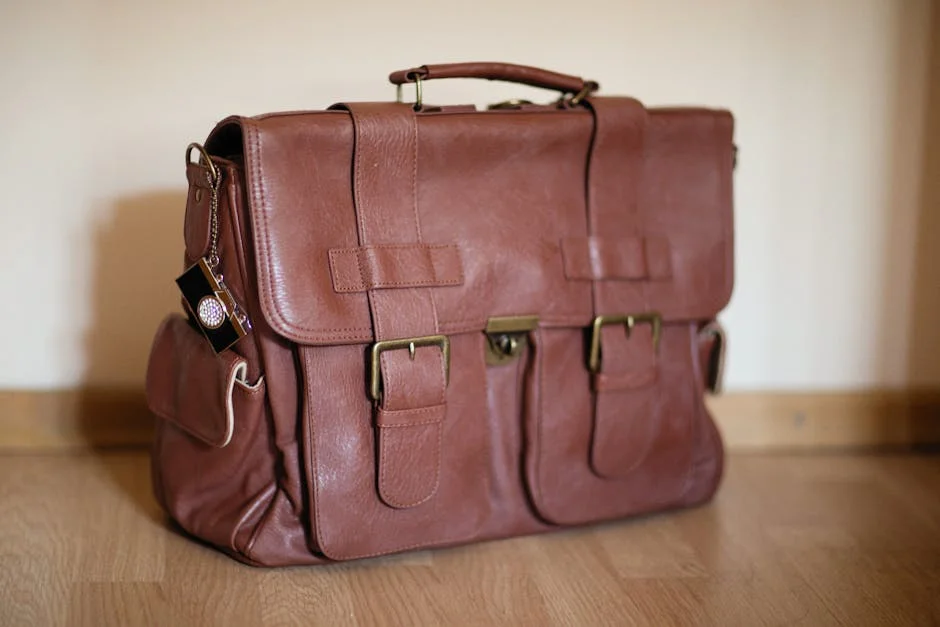
Choosing the biggest carry on luggage size can feel like trying to hit a moving target, because airline rules vary, overhead bins vary, and the way luggage brands measure bags isn’t always consistent. Still, the concept is simple: you want the largest bag you can reliably bring into the cabin so you maximize packing space while minimizing the risk of being forced to gate-check. The reason this matters is practical, not theoretical. A bag that is just slightly too tall, too wide, or too deep can trigger a sizer test at the gate, and that can lead to extra fees, delays, and potential damage if the bag is checked at the last minute. Travelers who fly often quickly learn that carry-on limits are a blend of official policies, aircraft constraints, and enforcement intensity. Understanding how these pieces fit together helps you select a cabin bag that works across many airlines instead of only one.
Table of Contents
- My Personal Experience
- Understanding the “Biggest Carry On Luggage Size” and Why It Matters
- Typical Airline Dimension Standards and What They Really Mean
- How to Measure a Carry-On Correctly (So You Don’t Get Surprised)
- Hard-Shell vs Soft-Sided: Which Lets You Maximize Carry-On Space?
- Wheels, Handles, and the Hidden Inches That Reduce Compliance
- Weight Limits: The Other Half of the Carry-On Equation
- Regional Jets, Full-Size Aircraft, and Why Your Route Changes Everything
- Expert Insight
- Personal Item vs Carry-On: Maximizing Space Without Breaking Rules
- Expandable Carry-Ons: Useful Feature or Compliance Trap?
- Packing Methods That Make a Max-Size Carry-On Feel Bigger
- Shopping Checklist: How to Choose the Largest Carry-On You Can Actually Use
- Common Mistakes That Lead to Gate-Checking (Even With “Carry-On” Bags)
- Final Thoughts: Balancing Maximum Space With Real-World Airline Enforcement
- Frequently Asked Questions
My Personal Experience
I used to assume my “carry-on” suitcase was fine because it fit in my trunk, but on a packed flight last year the gate agent pulled it aside and measured it. It turned out my bag was just a couple inches over the biggest carry on luggage size the airline allowed, and the wheels and handle pushed it past the limit. I ended up paying to check it at the gate and had to wait at baggage claim, which completely wiped out the time I thought I was saving. After that, I bought a tape measure and compared my suitcase to the airline’s posted dimensions before my next trip, and I was surprised how much the allowed size varies between carriers. Now I stick to a slightly smaller bag and it’s been a lot less stressful boarding.
Understanding the “Biggest Carry On Luggage Size” and Why It Matters
Choosing the biggest carry on luggage size can feel like trying to hit a moving target, because airline rules vary, overhead bins vary, and the way luggage brands measure bags isn’t always consistent. Still, the concept is simple: you want the largest bag you can reliably bring into the cabin so you maximize packing space while minimizing the risk of being forced to gate-check. The reason this matters is practical, not theoretical. A bag that is just slightly too tall, too wide, or too deep can trigger a sizer test at the gate, and that can lead to extra fees, delays, and potential damage if the bag is checked at the last minute. Travelers who fly often quickly learn that carry-on limits are a blend of official policies, aircraft constraints, and enforcement intensity. Understanding how these pieces fit together helps you select a cabin bag that works across many airlines instead of only one.
The “biggest” cabin bag isn’t always the physically largest bag you can buy; it’s the biggest bag you can bring onboard consistently. That means thinking about external dimensions (including wheels and handles), weight restrictions, and your own travel patterns. A traveler who mostly flies domestic routes on full-size jets may get away with a slightly larger roller more often than someone who regularly boards regional aircraft, where overhead bins are smaller and roller bags are frequently valet-checked. Even within the same airline, enforcement can differ by route and staff, and a bag that slides through one day might get measured the next. The smartest approach is to define “biggest carry on luggage size” as the largest dimensions that remain compliant across the airlines you use most, with enough margin for expansion seams, bulging pockets, and the inevitable “just one more item” temptation.
Typical Airline Dimension Standards and What They Really Mean
When people shop for the biggest carry on luggage size, they often encounter a familiar number: 22 x 14 x 9 inches (approximately 56 x 36 x 23 cm). This measurement is widely used as a standard for many North American airlines and luggage manufacturers, and it’s become a shorthand for “carry-on compliant.” However, it’s crucial to interpret it correctly. Airlines usually mean the bag’s total external dimensions, including wheels, handles, corner guards, and any fixed protrusions. Many brands advertise “22-inch carry-on” based on the interior height or the main shell height, while the full exterior height with wheels may exceed 22 inches. That difference can be the deciding factor in whether your bag fits in a sizer. For a traveler trying to get the maximum usable space, paying attention to these measurement conventions is as important as reading the airline’s posted rule.
International standards can differ, and some carriers—especially low-cost airlines—use smaller allowances, sometimes closer to 21.5 x 15.5 x 9 inches, 21 x 14 x 8 inches, or metric-based limits around 55 x 40 x 20 cm. On paper, these differences seem minor, but they can be decisive because luggage sizers are rigid. Another reality is that airlines may also impose weight limits on cabin baggage, especially outside the United States. A bag that meets dimension rules but is heavy can still be a problem at check-in or boarding. Understanding these standards helps you identify the biggest carry on luggage size that remains versatile: a bag that is close to the common maximum, but not so close that a slightly thicker wheel housing or a packed front pocket makes it noncompliant.
How to Measure a Carry-On Correctly (So You Don’t Get Surprised)
Measuring for the biggest carry on luggage size should be done the same way airlines measure: from the farthest points on the exterior. That means standing the bag upright and measuring height from the ground to the top of the handle housing (not the extended handle), width across the widest point including side bumpers, and depth including front pockets and back panels. Wheels count. Handles count. If the bag has an expandable zipper, measure it in the expanded state too, because an agent may judge by what they see at boarding, not by what the bag “could be” when compressed. A soft-sided bag that looks within limits when empty may bulge beyond limits when packed. A hard-sided bag may keep its shape but can be less forgiving in sizers if it’s even slightly oversized.
It’s also helpful to measure twice: once empty and once packed for a realistic trip. Pack it the way you actually travel, including toiletries, shoes, and any dense items that push outward. Then re-measure the depth and width, because those are the dimensions most likely to creep up. If you’re aiming for the biggest carry on luggage size, you may be shopping at the edge of compliance, and the only safe way to do that is to know your bag’s true, packed dimensions. If you want extra confidence, compare your measurements to a common sizer footprint. Some travelers even create a simple “sizer” at home using a cardboard frame or tape on a wall to visualize whether the bag would fit. This may sound excessive, but it’s far less stressful than being forced to check a bag at the gate with valuable or fragile items inside.
Hard-Shell vs Soft-Sided: Which Lets You Maximize Carry-On Space?
For travelers chasing the biggest carry on luggage size, the hard-shell versus soft-sided decision is not just about style; it affects usable volume, compliance risk, and how forgiving the bag is under pressure. Hard-shell bags tend to offer excellent protection and a consistent shape that slides neatly into overhead bins—when the dimensions are correct. Because the shell doesn’t compress, a hard case that is near the limit can become an all-or-nothing situation: it either fits the sizer or it doesn’t. That rigidity can be an advantage when the bag is correctly sized, because it prevents overstuffing that would otherwise create a bulging profile. Many hard-shell designs also use clamshell packing, which can be efficient for organization but may require more space to open in tight hotel rooms.
Soft-sided luggage often has external pockets, compression panels, and a bit of give. That flexibility can help you fit into bins and sizers when you’re close to the biggest carry on luggage size, especially if you can compress the bag slightly. The tradeoff is that soft bags invite overpacking, and a stuffed front pocket can push the depth beyond allowed limits. Soft-sided rollers can also be lighter, which matters when airlines impose strict cabin weight limits. The “best” choice depends on your priorities: if you want maximum protection and predictable shape, a precisely sized hard-shell may be ideal. If you want a little forgiveness and quick-access storage, a well-measured soft-sided bag can make the biggest allowed cabin footprint feel more usable—provided you control how much you load into the exterior compartments.
Wheels, Handles, and the Hidden Inches That Reduce Compliance
Many people buy a “22-inch” suitcase and assume it matches the biggest carry on luggage size, only to discover that wheels and handle housings push it beyond limits. Two-wheel rollers sometimes offer slightly more interior space for the same external height because their wheels are partially recessed, and the bag can be taller without adding as much overall height. Four-wheel spinners are popular for maneuverability, but their wheels often protrude more, and the handle system may be bulkier. That can reduce interior packing space or increase exterior dimensions—either way, it affects your ability to bring the bag onboard. If your goal is maximum cabin capacity, don’t just compare stated dimensions; compare wheel design, handle placement, and the thickness of corner reinforcements.
Another overlooked detail is how the telescoping handle is integrated. Some suitcases have handle rails inside the packing compartment, creating bumps that steal interior volume. Others route the handle rails externally or along the shell contours, preserving a flatter packing area. When shopping for the biggest carry on luggage size, interior volume matters as much as external compliance. A bag that is technically within limits but loses significant interior space to handle rails may pack like a smaller suitcase. Conversely, a bag that uses space-efficient handle engineering can hold more while staying within the same external measurements. Look for designs with recessed wheels, low-profile handle housings, and minimal external protrusions. Those small engineering differences can determine whether you enjoy a true “max carry-on” experience or end up with a bag that looks large but packs small.
Weight Limits: The Other Half of the Carry-On Equation
Dimension limits get most of the attention, but weight limits can be just as important when selecting the biggest carry on luggage size. Many airlines outside the U.S. enforce cabin weight limits ranging from about 7 kg to 10 kg, sometimes higher for premium cabins. If your bag is heavy empty, you may hit the weight cap before you’ve packed what you need. That means the “biggest” carry-on by dimensions might not be the most practical if it encourages overpacking or if the bag itself consumes too much of the allowed weight. A lightweight bag gives you more usable payload, which is the real goal of maximizing carry-on capability.
Weight also affects comfort and handling. A fully packed carry-on near the biggest carry on luggage size can become awkward to lift into an overhead bin, especially on crowded flights where you may need to raise it above shoulder height quickly. Airlines can and do ask travelers to place bags in sizers or on scales, particularly on routes known for heavy cabin luggage. If you regularly fly carriers with strict weight rules, consider a bag that is slightly smaller but significantly lighter, or choose materials that balance durability with low weight. Polycarbonate and certain lightweight nylon constructions can help. The best strategy is to treat weight as a core specification, not an afterthought, and to choose a bag that allows you to stay compliant even when you pack dense items like shoes, toiletries, laptops, or camera gear.
Regional Jets, Full-Size Aircraft, and Why Your Route Changes Everything
The biggest carry on luggage size that works on a Boeing 737 or Airbus A320 may not work on a regional jet with smaller overhead bins. Many travelers experience this when they book a short connection operated by a smaller aircraft and suddenly see gate agents tagging roller bags for valet check. Even if your bag is “standard carry-on,” the aircraft may not accommodate it, and you may be required to leave it at the plane door. This isn’t always a fee situation, but it changes your travel flow and can put fragile items at risk. If your typical itinerary includes regional segments, it’s wise to choose a bag that fits more universally, even if that means sacrificing a little volume.
| Category | Typical “Biggest Carry-On” Size | Best For |
|---|---|---|
| U.S. domestic (most major airlines) | 22 × 14 × 9 in (56 × 36 × 23 cm) | Maximizing space while staying within the most common overhead-bin limits |
| International / stricter carriers | 21.5 × 15.5 × 9 in (55 × 40 × 23 cm) | Frequent international travel where sizing is checked more often |
| Budget airlines (often strict) | 21 × 14 × 8 in (53 × 36 × 20 cm) | Avoiding gate-check fees on low-cost carriers with smaller sizers |
Expert Insight
Check your airline’s carry-on limits before buying: many allow around 22 x 14 x 9 inches (including wheels and handles), but international and budget carriers can be smaller. Measure your bag fully and choose a hard-sided case that’s 0.5–1 inch under the maximum to avoid gate-check surprises. If you’re looking for biggest carry on luggage size, this is your best choice.
Maximize the biggest carry-on luggage size by prioritizing “usable” space: pick a bag with recessed wheels, a slim handle track, and minimal exterior pockets that steal interior volume. Pack with compression cubes and wear your bulkiest items onboard to keep the bag within size and weight rules. If you’re looking for biggest carry on luggage size, this is your best choice.
Overhead bin designs also vary by aircraft generation. Newer planes often have larger, pivot-style bins that can fit bags on their sides, increasing capacity. Older aircraft may have smaller bins that require bags to be placed flat. If you’re aiming for the biggest carry on luggage size, think about how the bag will be oriented. Some bags fit better on their side; others are designed to lie flat. A slightly shorter but deeper bag might fit in one bin design and fail in another. The most route-flexible approach is to select a cabin bag that stays within common limits and has a shape that adapts well—typically a balanced width and depth rather than an extreme in any one dimension. That way, the “biggest” bag you buy is also the one you can actually keep with you most of the time.
Personal Item vs Carry-On: Maximizing Space Without Breaking Rules
Travelers focused on the biggest carry on luggage size sometimes overlook a powerful strategy: optimizing the two-bag system most airlines allow, consisting of one carry-on and one personal item. Even if your carry-on is at the maximum allowed dimensions, the personal item can add meaningful capacity for items you want accessible in-flight or items that are risky to check. A well-chosen personal item—such as a backpack, tote, or slim laptop bag—can carry chargers, medications, documents, a light jacket, snacks, and valuables. This approach reduces pressure on the carry-on and can help you avoid expanding pockets that push your main bag over the limit.
To use this strategy effectively, pay attention to personal-item sizing rules, which can be strict on some airlines. A personal item should fit under the seat in front of you without encroaching on foot space more than necessary. If you’re traveling with the biggest carry on luggage size permitted, keeping the personal item compact and well-organized makes boarding and settling in easier. It also gives you flexibility if overhead bin space is limited and you’re asked to place your carry-on in a different bin farther away. By separating essentials into the personal item, you avoid the headache of needing to access your main bag mid-flight. This two-bag approach is often the simplest way to increase total cabin capacity while staying within airline rules and maintaining a smoother travel experience.
Expandable Carry-Ons: Useful Feature or Compliance Trap?
Expandable zippers can be tempting when you’re shopping for the biggest carry on luggage size because they promise “extra space when you need it.” In practice, expandability is a double-edged sword. When the bag is unexpanded, it may fit within typical limits. Once expanded, the depth can increase enough to violate carry-on rules, especially on airlines that cap depth around 8 or 9 inches. Even if you plan to expand only on the return trip, you might still face enforcement at boarding. Agents can judge by appearance, and a visibly expanded bag can attract attention. Also, an expanded bag may be harder to fit into overhead bins, particularly on full flights where bin space is tight and bags must nest efficiently.
That said, expandable bags can be useful if you treat expansion as an emergency feature rather than a default setting. If your goal is the biggest carry on luggage size that remains reliable, consider a bag whose unexpanded dimensions are comfortably within limits, and whose expanded mode still doesn’t exceed the strictest airline you commonly fly. Another approach is to use expansion only for soft items like jackets or souvenirs that you can remove quickly if asked to fit the bag in a sizer. The key is to avoid relying on the expanded volume as part of your normal packing plan. If you need that space every time, you may be better served by a slightly larger personal item (within its rules) or by refining packing methods rather than betting on a feature that can turn your compliant carry-on into a gate-check candidate.
Packing Methods That Make a Max-Size Carry-On Feel Bigger
Even with the biggest carry on luggage size, packing technique determines how much you can actually bring without creating a bulge that risks noncompliance. Structured packing starts with choosing the right organizers. Packing cubes can help compress clothing and keep it from shifting, which maintains a flatter profile and makes the bag easier to close. Rolling clothing can reduce wrinkles and allow tighter packing, while folding can be more space-efficient for certain items like jeans or sweaters if done carefully. The best method often combines both: roll lighter items and fold bulkier pieces into flat layers. Shoes should be placed along the edges or in dedicated compartments to avoid creating pressure points that distort the bag’s shape.
Another way to make the biggest carry on luggage size feel more capable is to manage dense items intelligently. Toiletries, chargers, and electronics are heavy and can concentrate weight in one area, making the bag awkward to lift into the overhead bin. Distribute heavy items near the wheels for better balance, and keep fragile items cushioned between soft clothing layers. If your bag has a front pocket, resist overloading it; that’s one of the most common reasons a soft-sided bag exceeds depth limits. Instead, use a slim personal item for quick-access essentials. The goal is to keep the carry-on’s exterior lines clean and within the intended dimensions while maximizing interior volume. A well-packed, max-size carry-on can outperform a larger but poorly packed bag, especially when you’re trying to stay under both size and weight rules.
Shopping Checklist: How to Choose the Largest Carry-On You Can Actually Use
Finding the biggest carry on luggage size that works for your travel style requires a checklist mindset. Start with the airlines you fly most and write down their carry-on size and weight limits. If you fly multiple carriers, default to the strictest set of rules you’re likely to encounter. Next, decide whether you need a spinner for easy rolling or a two-wheel roller for more interior space and better performance on rough surfaces. Consider durability features that matter for frequent travel: strong zippers, reinforced corners, quality wheels, and a stable handle. A bag that is “max size” but fails after a few trips isn’t a good value, especially if it forces you into last-minute replacements that may not match your preferred dimensions.
Then evaluate the bag’s true external measurements, not just the marketing label. Ask for published dimensions that explicitly include wheels and handles, and verify with a tape measure when possible. Look at interior layout: do handle rails intrude, does the bag have a split clamshell that reduces usable depth, and are there compression straps that help maintain a flat profile? If you’re aiming for the biggest carry on luggage size, also consider the bag’s empty weight and whether it leaves enough margin for airlines with cabin weight limits. Finally, think about your typical trip length. If you frequently travel for 2–5 days, a max-size carry-on can be ideal. If you often travel longer, you may still prefer carry-on-only travel, but you’ll need to be more disciplined with packing and laundry planning. The right bag is the one that matches both the rules and your real-world habits.
Common Mistakes That Lead to Gate-Checking (Even With “Carry-On” Bags)
One of the most common mistakes is assuming that any bag sold as a carry-on automatically matches the biggest carry on luggage size for your airline. Retail categories are broad, and “carry-on” can mean different things in different markets. Another mistake is ignoring protrusions: a stuffed front pocket, a clipped-on travel pillow, or a strapped jacket can increase the bag’s effective dimensions. Airlines typically judge the entire item you’re bringing onboard, not just the suitcase shell. A bag that would fit in a sizer when bare may fail when accessories are attached. Travelers also miscalculate when they rely on “it worked last time.” Enforcement can change, and a single strict gate agent can turn an otherwise smooth trip into an unexpected baggage claim wait.
Weight-related mistakes are also frequent. A traveler may buy the biggest carry on luggage size and then pack it as if it were a checked bag, exceeding cabin weight limits on airlines that enforce them. Another pitfall is choosing a bag that is technically within limits but difficult to lift. If you struggle to place it in the overhead bin, you may draw attention and be encouraged to check it. Lastly, travelers sometimes forget that their itinerary includes a smaller aircraft on one segment. The bag might be acceptable on the main flight but valet-checked on the regional leg. Avoiding these issues is less about luck and more about selecting a properly sized bag, packing it to maintain its shape, and keeping a little compliance margin so you’re not constantly testing the boundary of what’s allowed.
Final Thoughts: Balancing Maximum Space With Real-World Airline Enforcement
The smartest way to approach the biggest carry on luggage size is to treat it as a practical maximum, not a theoretical one. The goal is a bag that gives you generous packing capacity while still fitting sizers, overhead bins, and weight limits across the flights you actually take. That often means choosing a suitcase close to widely accepted dimensions, ensuring the stated measurements include wheels and handles, and keeping expansion and bulging pockets under control. When you combine the right bag with disciplined packing and a well-chosen personal item, you can travel with more confidence, avoid surprise gate checks, and keep essentials with you from departure to arrival.
Ultimately, the biggest carry on luggage size is the one that lets you board smoothly, stow your bag without drama, and move through airports efficiently—trip after trip. A slightly smaller but consistently compliant carry-on can be “bigger” in real life than an oversized bag that gets checked half the time. Measure carefully, shop with your most restrictive airline in mind, and pack in a way that preserves the bag’s shape. With that approach, you’ll get the maximum usable cabin luggage capacity while staying aligned with the rules, and the biggest carry on luggage size will work for you instead of against you.
Summary
In summary, “biggest carry on luggage size” is a crucial topic that deserves thoughtful consideration. We hope this article has provided you with a comprehensive understanding to help you make better decisions.
Frequently Asked Questions
What is the biggest carry-on luggage size allowed on most airlines?
Many airlines cap carry-ons at **22 x 14 x 9 inches (56 x 36 x 23 cm)**—including wheels and handles—but the **biggest carry on luggage size** you can bring still depends on the specific airline’s rules, so it’s worth checking before you fly.
Does carry-on size include wheels, handles, and pockets?
Yes. Airlines typically measure the bag’s total outer dimensions, including wheels, handles, and any expanded sections.
What’s the largest carry-on size for international flights?
While many international airlines permit carry-ons around 55 × 40 × 20–23 cm, some set limits smaller than typical U.S. standards—so it’s smart to confirm your airline and fare rules before choosing the **biggest carry on luggage size** you can bring.
Is there also a carry-on weight limit for the biggest allowed size?
Often, yes—especially on international flights. Many airlines set carry-on weight limits in the 7–10 kg (15–22 lb) range, though some allow more or don’t publish a specific cap. Just keep in mind that even if your bag fits the **biggest carry on luggage size**, it may still need to meet the airline’s weight rules.
What happens if my carry-on is slightly over the maximum size?
Depending on the airline, how full the flight is, and how strictly staff enforce the rules, anything larger than the **biggest carry on luggage size** may be allowed onboard, gate-checked, checked for a fee, or even refused for the cabin.
How can I make sure I’m buying the biggest carry-on that will fit?
Before you pack, look up your airline’s exact carry-on size and weight restrictions, then pick a suitcase that stays within those limits—even when it’s fully packed and expanded—so you can confidently choose the **biggest carry on luggage size** you’re allowed to bring.
? Looking for more info about biggest carry on luggage size? Follow Our Site for updates and tips!