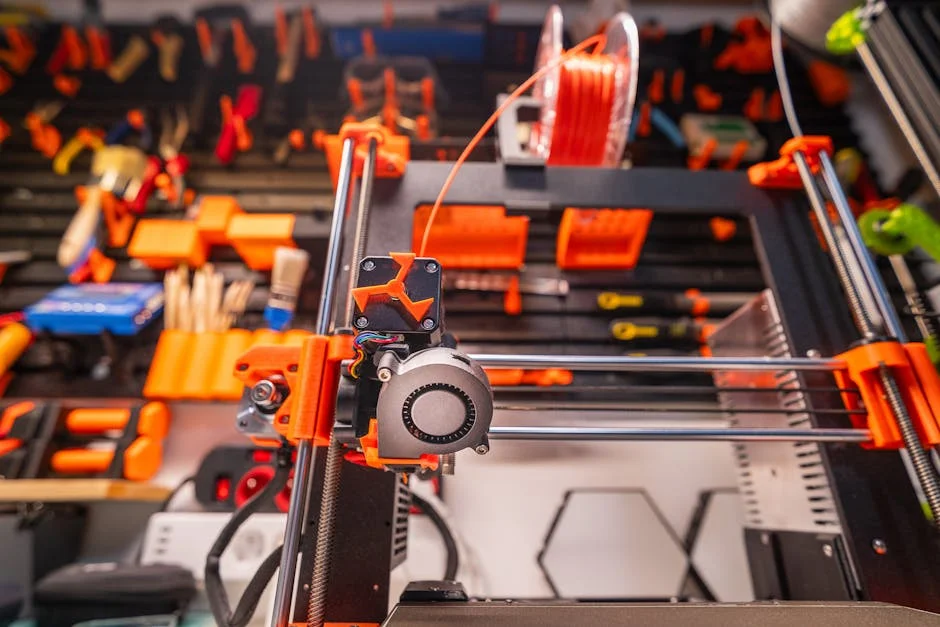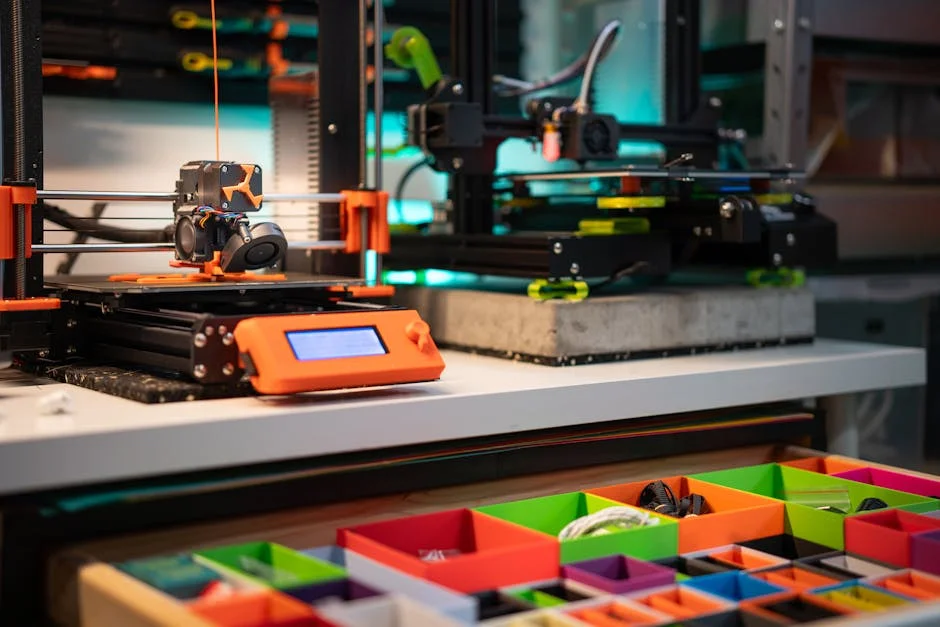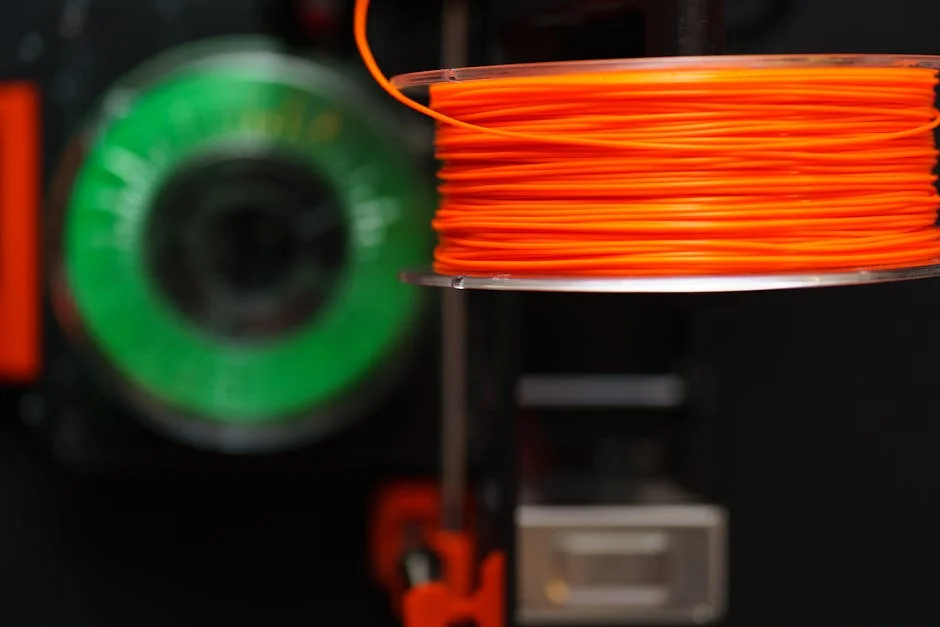
Finding the best pla filament is less about chasing a single brand and more about matching a material’s behavior to your printer, your environment, and the type of parts you actually make. PLA is popular because it prints at relatively low temperatures, tends to warp less than many alternatives, and can produce sharp detail with a clean surface finish. Those strengths make it a go-to for prototypes, decorative objects, figurines, jigs, and even functional components that won’t face high heat. Still, PLA is not “one-size-fits-all.” Differences in resin quality, additives, diameter consistency, moisture control, spool winding, and color pigments can dramatically change the experience. A spool that looks similar on a product page can behave completely differently at the nozzle, especially when you push speed, run a long Bowden tube, or demand consistent extrusion for multi-hour prints.
Table of Contents
- My Personal Experience
- Choosing the Best PLA Filament Starts with Print Goals and Material Behavior
- What “Best” Means: Consistency, Tolerance, and Predictable Extrusion
- Standard PLA vs PLA+ vs Tough PLA: How Blends Change Performance
- High-Speed PLA and the Reality of Fast Printing
- Matte, Silk, and Aesthetic PLA: When Surface Finish Defines the Best Choice
- Diameter, Spool Winding, and Packaging: The Quiet Factors That Make or Break Prints
- Color, Pigments, and Fillers: Why Different Colors Print Differently
- Expert Insight
- Print Settings That Reveal the Best PLA Filament: Temperature, Cooling, and Speed Balance
- Bed Adhesion, Warping, and Large Prints: Getting Reliable Results with PLA
- Strength, Durability, and Heat Resistance: Knowing PLA’s Limits and Workarounds
- How to Evaluate Brands Without Hype: Practical Buying Signals That Matter
- Storage, Drying, and Handling: Keeping PLA Performing Like the Best PLA Filament
- Final Thoughts on Picking the Best PLA Filament for Your Printer and Projects
- Frequently Asked Questions
My Personal Experience
After trying a handful of “best PLA filament” recommendations from forums and YouTube, I learned pretty quickly that what’s “best” depends on how consistent the spool is, not the hype. One brand I bought looked perfect out of the box, but it had brittle sections and uneven winding that caused two mid-print tangles on long parts. The spool I ended up sticking with wasn’t the cheapest, but it came vacuum-sealed with a fresh desiccant pack, measured consistently on my calipers, and printed the same at 205°C across multiple rolls without me chasing settings. The biggest difference showed up in the boring prints—simple brackets and organizers—where I stopped getting random under-extrusion and rough top layers. Now I judge PLA by how predictable it is over a full spool, not how glossy the sample print looks online.
Choosing the Best PLA Filament Starts with Print Goals and Material Behavior
Finding the best pla filament is less about chasing a single brand and more about matching a material’s behavior to your printer, your environment, and the type of parts you actually make. PLA is popular because it prints at relatively low temperatures, tends to warp less than many alternatives, and can produce sharp detail with a clean surface finish. Those strengths make it a go-to for prototypes, decorative objects, figurines, jigs, and even functional components that won’t face high heat. Still, PLA is not “one-size-fits-all.” Differences in resin quality, additives, diameter consistency, moisture control, spool winding, and color pigments can dramatically change the experience. A spool that looks similar on a product page can behave completely differently at the nozzle, especially when you push speed, run a long Bowden tube, or demand consistent extrusion for multi-hour prints.
The best pla filament for your setup depends on a few practical questions: Do you want maximum dimensional accuracy for parts that must fit together, or do you want a silky cosmetic finish for display models? Are you printing small mechanical components with thin walls that need crisp corners, or larger pieces where layer adhesion matters more than fine detail? Do you prioritize easy support removal, minimal stringing, or high-speed printing reliability? These priorities affect which PLA variant and which manufacturer makes sense. Standard PLA is the baseline, but there are also “PLA+” blends, high-speed PLA, matte PLA, silk PLA, and filled PLAs that can alter rigidity, gloss, brittleness, and flow. Knowing how these blends behave helps you narrow choices quickly and avoid spools that fight your settings.
What “Best” Means: Consistency, Tolerance, and Predictable Extrusion
When people describe the best pla filament, they usually mean the spool prints reliably without surprises. Reliability comes from consistency: consistent diameter, consistent roundness, stable melt flow, and predictable pigment loading. Diameter tolerance is not marketing fluff; it directly affects extrusion stability. If filament swings wide in diameter, your extruder alternates between under-extrusion and over-extrusion, causing weak layers, rough surfaces, and dimensional drift. Many reputable PLA makers target tight tolerances, but the real-world difference shows up in long prints where a small inconsistency becomes a visible band or a sudden jam. Roundness matters too, especially for Bowden systems where the filament path amplifies friction. The best results come from spools that feed smoothly and are wound neatly, so the filament doesn’t cross over itself and snag mid-print.
Predictable extrusion also depends on resin formulation and moisture control. PLA is hygroscopic, meaning it absorbs water from the air. Moist filament can pop and hiss as steam forms in the hotend, leading to stringing, pitting, and weaker layer bonding. A brand can have excellent raw material but still disappoint if packaging is poor or storage is sloppy. Vacuum-sealed bags, fresh desiccant, and a tight seal until you open the spool are practical signs of quality. Even after opening, the best pla filament is the one you can keep dry in your workspace, either in a sealed box or a controlled dry storage solution. If you print only occasionally, moisture resistance and packaging matter more than people admit, because an “okay” spool kept dry can outperform a “premium” spool left on a humid desk for weeks.
Standard PLA vs PLA+ vs Tough PLA: How Blends Change Performance
Standard PLA is valued for ease of printing and clean detail, but it can be brittle depending on formulation and print settings. Many brands sell PLA+ (sometimes labeled PLA Plus, PLA Pro, or PLA Enhanced) to improve toughness, layer adhesion, and impact resistance. These blends may include additives or copolymers that change flow and reduce brittleness. If you print functional parts like brackets, clips, or housings, PLA+ is often closer to the best pla filament choice than basic PLA, because it can tolerate minor flex and handling without cracking. However, PLA+ can vary widely between manufacturers. One company’s PLA+ might print nearly identical to standard PLA with a small boost in toughness, while another’s might require higher nozzle temperatures or more cooling control to maintain sharp features.
Tough PLA (sometimes marketed as “engineering PLA”) aims to bridge the gap between PLA and materials like PETG or ABS. It can deliver better impact resistance while keeping PLA’s print friendliness. The tradeoff is that some tough PLAs are less stiff, may show more stringing, or may require more careful temperature tuning to avoid glossy blobs and reduced detail. For many makers, the best pla filament is the one that stays within comfortable temperature ranges—roughly 190–220°C for many printers—while still achieving strong layer bonding. If you are optimizing for strength, a tough PLA printed slightly hotter with good flow and moderate cooling can outperform a brittle PLA printed cold and fast. The “best” label should be earned by how well the filament matches your part requirements, not by a plus sign on the box.
High-Speed PLA and the Reality of Fast Printing
High-speed PLA is designed to melt and flow more readily at the higher volumetric flow rates demanded by modern fast printers. If you run a machine capable of aggressive acceleration and high print speeds, the best pla filament may be one of these high-flow formulations, because standard PLA can struggle to keep up without raising temperature enough to cause stringing or loss of detail. High-speed PLA typically aims for stable extrusion at higher flow, helping reduce under-extrusion when you move from 60 mm/s to 200+ mm/s. In practice, the biggest gains come when the filament’s melt flow is consistent and the spool is wound cleanly so feeding remains stable during rapid retractions and direction changes.
That said, fast printing exposes weaknesses quickly. A spool with inconsistent diameter or moisture problems may look acceptable at moderate speed, but at high speed those flaws become obvious: gaps, rough top surfaces, inconsistent walls, and brittle layer bonding from insufficient heat soak. If your goal is speed plus quality, pay attention to the filament’s recommended volumetric flow, the temperature window, and real user reports for your printer class. Also consider that “high-speed” doesn’t automatically mean “best.” If you mostly print detailed miniatures, models with thin features, or parts requiring crisp corners, a slower, more controlled PLA or PLA+ may deliver cleaner results. The best pla filament for high-speed work is the one that remains predictable at the flow rates you actually use, not the one that claims the highest speed on the label.
Matte, Silk, and Aesthetic PLA: When Surface Finish Defines the Best Choice
For many projects, the best pla filament is the one that looks right. Matte PLA is popular because it hides layer lines and produces a soft, non-glossy finish that photographs well. This makes matte PLA a strong choice for props, decorative prints, architectural models, and parts where you want a “manufactured” look without post-processing. Matte formulations often include additives that diffuse light, which can also slightly change mechanical behavior. Some matte PLAs are a bit more brittle or may show reduced layer adhesion if printed too cool. Careful tuning—often a touch more temperature and slightly reduced fan—can improve strength while keeping the matte finish consistent.
Silk PLA is chosen for shine, producing a glossy, almost metallic look. It can be stunning for display pieces, vases, cosplay accents, and ornaments. The tradeoff is that silk PLA often behaves differently than standard PLA: it can be more stringy, more sensitive to temperature, and sometimes weaker in layer adhesion depending on the blend. If you need functional strength, silk is rarely the best pla filament option. If you need visual impact, it might be. To get the best results, silk PLA often likes slower outer walls, stable cooling, and careful retraction tuning to avoid fine “hair” on glossy surfaces. If you pick aesthetic PLA, prioritize brands known for consistent pigment and additive distribution, because uneven mixing can create streaks or dull patches that ruin the effect.
Diameter, Spool Winding, and Packaging: The Quiet Factors That Make or Break Prints
The best pla filament is often the one with boring, dependable physical quality. Diameter tolerance, ovality, and surface smoothness affect how the filament travels through the extruder gears, PTFE tubing, and hotend. If the filament is slightly oval or rough, it can increase friction, especially in longer Bowden setups or tight filament paths. That friction can cause inconsistent extrusion, clicking extruders, or intermittent under-extrusion that looks like random print defects. Even on direct-drive systems, poor filament geometry can show up as inconsistent flow because the drive gear pressure varies as the filament shape changes.
Spool winding matters more than many buyers realize. A neatly wound spool reduces the risk of tangles that can ruin a long print overnight. Some filament is produced well but spooled poorly, creating crossovers that lock the filament in place until the extruder yanks hard enough to skip steps or snap the filament. Packaging is the last major “quiet factor.” A vacuum-sealed bag with desiccant is the baseline; a torn seal or minimal desiccant can mean the filament arrives damp. If you want the best pla filament experience, treat storage as part of the purchase: keep spools sealed when not in use, use dry boxes for active printing in humid climates, and consider drying new spools if you hear popping or see excessive stringing. A mid-priced spool stored well can outperform a premium spool stored poorly.
Color, Pigments, and Fillers: Why Different Colors Print Differently
Color is not just cosmetic; pigments and additives can change how PLA prints. The best pla filament in black might not behave the same as the same brand in white or bright red. Some pigments affect melt flow, heat absorption, and cooling behavior. For example, very light colors can sometimes show more translucency and may require more perimeters or thicker walls to look solid. Dark colors may hide layer lines but can also absorb heat differently under strong part cooling or in enclosed printers. Specialty colors like neon, glow-in-the-dark, or glitter often include fillers that alter flow and can increase nozzle wear. Glow-in-the-dark filaments, in particular, can be abrasive due to phosphorescent particles, making a hardened nozzle a smart upgrade if you print them often.
| PLA Filament | Best for | Key strengths |
|---|---|---|
| Hatchbox PLA | Reliable everyday prints | Consistent diameter, easy to print, strong community track record |
| Polymaker PolyLite PLA | Higher-quality finishes & consistency | Excellent surface quality, dependable spooling, low clogging tendency |
| Overture PLA | Best value for most users | Good printability, solid color options, typically great price-to-performance |
Expert Insight
Choose the best PLA filament by prioritizing consistency: look for tight diameter tolerance (±0.02 mm if possible), low ovality, and a reputable brand with clear specs. Before committing, print a quick temperature tower and a retraction test to dial in settings for clean overhangs, strong layer bonding, and minimal stringing.
Protect print quality by keeping PLA dry and clean: store spools in a sealed bag or dry box with fresh desiccant, and dry the filament if you hear popping or see steam-like wisps during printing. Pair that with a clean nozzle and a smooth filament path (no sharp bends) to reduce clogs and maintain reliable extrusion from start to finish. If you’re looking for best pla filament, this is your best choice.
Filled PLAs—wood, carbon fiber, metal-infused—can produce unique textures and looks, but they’re not always the best pla filament choice for everyday reliability. Wood-filled PLA can clog smaller nozzles and may need a larger nozzle diameter (like 0.5–0.6 mm) for consistent extrusion. Carbon fiber PLA can look professional and reduce visible layer lines, but it is typically more abrasive and may reduce impact strength compared to a well-tuned PLA+ depending on the blend. Metal-filled PLA can be heavy and visually impressive, but it often requires slower speeds and careful temperature control. If your priority is consistent printing, stick with standard PLA or PLA+ in a proven color. If your priority is aesthetics or a specific texture, choose a specialty PLA and plan for the settings and hardware that go with it.
Print Settings That Reveal the Best PLA Filament: Temperature, Cooling, and Speed Balance
Even the best pla filament can look mediocre if the settings are mismatched. PLA generally likes strong part cooling for sharp bridges and clean overhangs, but too much cooling can weaken layer adhesion, especially on functional parts. A practical approach is to use high fan for detailed outer surfaces and bridging, then reduce fan slightly for thicker walls or strength-critical parts. Nozzle temperature is the core variable: printing too cool can cause under-extrusion and weak bonding, while printing too hot can increase stringing and soften edges. Many PLAs land in a workable range around 200–215°C, but each brand and color can shift that window. A temperature tower is useful, but so is a real-world part that matches your typical geometry, because towers don’t always reflect how your prints behave with retractions and long travel moves.
Speed and acceleration also matter. A spool that seems average at 50 mm/s can become the best pla filament for you at 120 mm/s if it maintains stable flow and clean retractions. Conversely, a filament with a gorgeous finish at slow speed may become stringy or inconsistent when pushed. Retraction settings are especially important for PLA because stringing is common when moisture, temperature, and travel paths combine. If you’re chasing clean prints, tune retraction distance and speed, enable pressure advance or linear advance if available, and consider slightly lowering temperature before dramatically increasing retraction. Bed temperature and first-layer behavior also shape the experience: PLA often sticks well around 50–60°C on many surfaces, but too much heat can soften the part and cause elephant’s foot. The best pla filament is the one that reaches a stable “sweet spot” on your machine without requiring constant babysitting.
Bed Adhesion, Warping, and Large Prints: Getting Reliable Results with PLA
PLA is known for low warping compared to ABS, but large flat parts can still lift at corners, especially in cool rooms or with strong drafts. The best pla filament for large prints is one that maintains consistent shrink behavior and bonds well to the bed without needing extreme temperatures. A clean build surface is often more important than a hotter bed. Oils from hands can cause random corner lift that looks like a filament problem. Washing build plates with dish soap and water, then avoiding finger contact, can dramatically improve results. Adhesion aids like glue stick or specialized bed adhesives can help, but they should be used as a controlled tool rather than a permanent crutch. If your first layer is tuned correctly, many PLAs will stick well to textured PEI, smooth PEI, glass with a suitable adhesive, or other common surfaces.
For very large PLA prints, consider using a brim to increase contact area and reduce edge lift. Also consider reducing cooling for the first few layers so the base stays warm and bonded before you blast it with fan for overhang quality. Environmental control matters too: even PLA benefits from a stable ambient temperature and reduced drafts. If you use an enclosure, be cautious; PLA can soften if the enclosure gets too warm, leading to sagging overhangs or heat creep issues in the hotend. The best pla filament for large parts is often a PLA+ or a well-formulated standard PLA that offers a good balance of stiffness and layer adhesion. If you need dimensional accuracy on large assemblies, pay attention to how the filament behaves over long prints—consistent extrusion and low moisture sensitivity are often more valuable than a fancy finish.
Strength, Durability, and Heat Resistance: Knowing PLA’s Limits and Workarounds
Many buyers search for the best pla filament expecting it to behave like an engineering plastic. PLA can be strong in tension and quite stiff, but it can also be brittle and it softens at relatively low temperatures compared to PETG, ABS, ASA, or nylon. If a printed part will sit in a hot car, near a heater, or under constant load at elevated temperatures, PLA may deform. That does not mean PLA is unusable for functional parts; it means you should design and print with its strengths in mind. Increase wall count, use more perimeters, orient layers so stresses are carried along the filament lines when possible, and avoid thin snap-fit features unless you use a tougher PLA blend. For brackets and fixtures used indoors, PLA+ can be a great balance of ease and durability.
If you need better heat performance while staying in the PLA family, consider high-temperature PLA (often called HTPLA) that can be annealed. Annealing can improve heat resistance but introduces shrink and dimensional change, so it’s best for parts where slight size variation is acceptable or can be compensated in design. Some users consider annealed HTPLA the best pla filament route for parts that must survive warmer environments without switching materials, but it adds process steps and requires testing. For pure mechanical strength, print settings matter as much as the spool: higher extrusion temperature (within reason), adequate flow, reduced cooling for strong layers, and sufficient infill overlap can increase real-world toughness. The best results come from treating PLA as a system—material, settings, and design—rather than expecting a single filament to solve every functional demand.
How to Evaluate Brands Without Hype: Practical Buying Signals That Matter
The best pla filament brands tend to share a few traits: transparent specifications, consistent production, and stable availability. Look for clearly stated diameter tolerance, recommended temperature range, spool weight accuracy, and material details. While marketing can exaggerate, reputable manufacturers usually provide consistent guidance and have predictable behavior across colors and batches. Batch consistency matters if you print parts that must match across time, such as replacement components or multi-part assemblies. If a company frequently changes formulation without notice, you may find that last month’s perfect profile suddenly needs retuning. Reviews can help, but prioritize detailed reviews that mention printer type, nozzle size, speed, and moisture handling, rather than vague star ratings.
Another buying signal is how the filament arrives and how it is supported. Vacuum sealing, desiccant quality, and spool labeling are not glamorous, but they reflect process discipline. Neat winding reduces tangles, and a sturdy spool reduces feeding issues on spool holders with friction. Pricing is also a clue, but not a guarantee. Very cheap PLA can be excellent if the producer is efficient and consistent, and expensive PLA can disappoint if quality control is weak. If you are trying to identify the best pla filament for routine printing, consider starting with a small set of spools from a couple of reputable makers in neutral colors like black, gray, or white. Dial in profiles for those, then expand to specialty colors and finishes once you have a reliable baseline. This approach reduces variables and makes it easier to tell whether a defect is caused by filament, settings, or hardware.
Storage, Drying, and Handling: Keeping PLA Performing Like the Best PLA Filament
Many “mystery” print problems blamed on filament quality are actually moisture problems. PLA can absorb water over time, especially in humid climates, and the symptoms are often obvious once you know them: popping sounds at the nozzle, extra stringing, rough or foamy extrusion, and brittle prints that snap more easily. If you want the best pla filament experience, treat drying and storage as normal maintenance. A sealed container with desiccant is a simple baseline. For frequent printing, a dry box that feeds filament directly can keep performance stable over days and weeks. For spools that have been sitting out, a dedicated filament dryer or a low-temperature drying routine can restore print quality. The goal is consistent extrusion and reliable layer bonding, not just cosmetic improvements.
Handling also matters. Avoid touching filament excessively with oily hands, especially if you notice dust or debris accumulating. Dust can enter the extruder and hotend, contributing to clogs or inconsistent flow. A simple filament wiper (a small piece of foam clipped around the filament) can help keep dust off without much effort. When you switch spools, store the open spool immediately rather than leaving it on the printer for days. If you run multiple printers or keep many colors, label spools with open dates and drying history so you can identify which ones are likely to need attention. The best pla filament is not only what you buy; it’s what you maintain. A consistent storage routine turns more of your spools into dependable, repeatable performers and reduces the temptation to keep buying new filament to solve problems that are really environmental.
Final Thoughts on Picking the Best PLA Filament for Your Printer and Projects
The best pla filament is the one that delivers consistent diameter, clean winding, dry packaging, and predictable behavior at the speeds and temperatures you actually use. Standard PLA remains the easiest path to sharp detail and smooth surfaces, while PLA+ and tough PLA blends often make more sense for functional parts that need better impact resistance and layer adhesion. High-speed PLA can be worth it if your printer runs high flow rates and you value time savings, while matte and silk PLA are excellent when surface finish is the priority and you are willing to tune for aesthetics. Color and specialty fillers can change print behavior significantly, so it’s smart to validate a new color with a small calibration print before committing to a long job.
To consistently get the best pla filament results, focus on fundamentals that don’t depend on hype: keep spools dry, tune temperature and cooling for your part goals, and choose filament that remains stable across long prints. A dependable spool that prints cleanly every time is more valuable than a flashy material that only works under perfect conditions. When you match the PLA type to your project—cosmetic models, prototypes, jigs, or light-duty functional parts—you’ll spend less time troubleshooting and more time producing prints that look and fit the way you intended, which is the real measure of the best pla filament.
Summary
In summary, “best pla filament” is a crucial topic that deserves thoughtful consideration. We hope this article has provided you with a comprehensive understanding to help you make better decisions.
Frequently Asked Questions
What makes a PLA filament the “best” for 3D printing?
Look for PLA that offers a consistently accurate diameter (around ±0.02–0.03 mm), stays dry with low moisture content, and delivers strong layer adhesion for durable prints. The **best pla filament** also helps reduce stringing and warping, comes neatly and reliably wound on the spool, and prints at predictable temperatures for a smooth, clean surface finish.
Which PLA brands are considered top choices?
Popular choices include Prusament PLA, Polymaker PolyLite PLA, Hatchbox PLA, eSUN PLA+, and Overture PLA—but the **best pla filament** for you will depend on your specific printer, the color and finish you want, and how much you’re looking to spend.
Is PLA+ better than regular PLA?
Often yes for toughness and layer adhesion, but it can require slightly higher temperatures and may vary more by brand; standard PLA can still deliver the best surface finish and dimensional accuracy. If you’re looking for best pla filament, this is your best choice.
What print settings work for most high-quality PLA?
A solid place to begin when dialing in the **best pla filament** is around **200–215°C** on the nozzle and **50–65°C** on the bed, with **moderate part cooling** (about **50–100% after the first few layers**) and print speeds in the **40–70 mm/s** range. From there, fine-tune **temperature and retraction** based on your specific filament brand and printer for the cleanest results.
How can I tell if PLA filament quality is poor or the filament is wet?
Common signs your filament has absorbed moisture include popping or crackling sounds while printing, excessive stringing, rough or bubbly surface finish, uneven or inconsistent extrusion, unusually brittle strands, and frequent nozzle clogs. In many cases, a proper drying session quickly clears up these issues—helping you get cleaner, more reliable results even when you’re using the **best pla filament**.
How should I store PLA to keep it printing well?
Store sealed with fresh desiccant (dry box or airtight bag), avoid heat/sunlight, and dry before use if exposed to humidity; aim for consistently low humidity to reduce stringing and brittleness. If you’re looking for best pla filament, this is your best choice.
? Looking for more info about best pla filament? Follow Our Site for updates and tips!