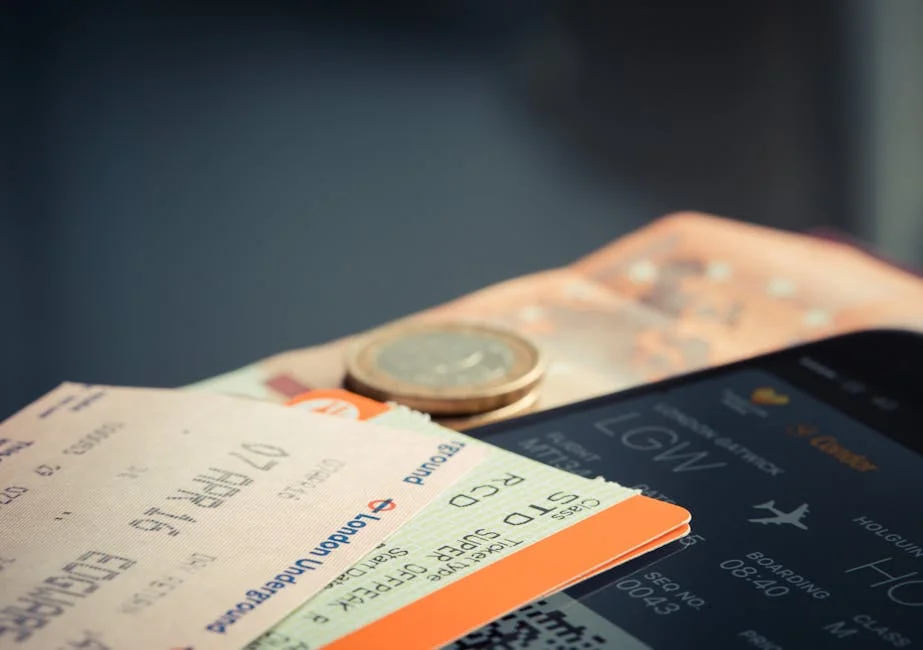
Airline tickets look simple at checkout, yet they bundle multiple rights, restrictions, and services into one purchasable item. When someone buys airline tickets, they’re typically purchasing transportation from an origin to a destination under a specific set of fare rules. Those rules cover everything from how long the fare is valid to whether changes are allowed and what fees apply. The ticket price also often includes carrier-imposed surcharges, airport charges, and government taxes, which can vary widely by route and country. Even within the same cabin—such as economy—different fare families can exist, each with different baggage allowances, seat selection options, and flexibility. Understanding the difference between a “fare” and a “ticket” helps: the fare is the price and rule set, while the ticket is the documented entitlement to travel on certain flights. The ticket can be issued as an e-ticket number, while the itinerary is the schedule confirmation. Confusing these terms can lead to misunderstandings, especially when a schedule change happens or when a traveler needs to rebook. Another factor is the distribution channel: buying directly from an airline versus through an online travel agency may change who provides support during disruptions. The airline operates the flight, but the ticketing agent might control the booking and handle refunds or exchanges depending on the circumstances.
Table of Contents
- My Personal Experience
- Understanding Airline Tickets and What You’re Really Buying
- Types of Fares: Economy, Premium Economy, Business, and First
- How Pricing Works: Yield Management, Demand, and Seasonality
- When to Buy: Timing Strategies Without Myths
- Direct Booking vs Online Travel Agencies: Control, Support, and Tradeoffs
- Reading Fare Rules: Changes, Cancellations, Refundability, and Credits
- Baggage, Seats, and Add-Ons: Calculating the True Trip Cost
- Connecting Flights, Layovers, and Multi-City Itineraries
- Expert Insight
- Airline Alliances, Codeshares, and What They Mean for Your Trip
- Travel Documents, Name Matching, and Check-in Requirements
- Handling Delays, Cancellations, and Schedule Changes
- Using Points, Miles, and Credit Card Benefits for Better Value
- Staying Safe from Hidden Fees, Scams, and Booking Mistakes
- Choosing the Right Airline Tickets for Your Priorities
- Watch the demonstration video
- Frequently Asked Questions
- Trusted External Sources
My Personal Experience
Last month I had to book an airline ticket on short notice for my sister’s graduation, and I was shocked at how fast the prices changed. I found a decent fare late at night, told myself I’d buy it in the morning, and by breakfast it had jumped almost $90. I ended up clearing my browser cookies, checking the airline’s site directly instead of the travel app, and choosing a flight with a longer layover just to keep it under budget. At the airport, the gate agent mentioned my carry-on was borderline and offered to check it for free, which saved me the stress of fighting for overhead space. The trip was worth it, but now I buy the ticket the moment it looks reasonable and I always screenshot the fare details before I click “purchase.” If you’re looking for airline tickets, this is your best choice.
Understanding Airline Tickets and What You’re Really Buying
Airline tickets look simple at checkout, yet they bundle multiple rights, restrictions, and services into one purchasable item. When someone buys airline tickets, they’re typically purchasing transportation from an origin to a destination under a specific set of fare rules. Those rules cover everything from how long the fare is valid to whether changes are allowed and what fees apply. The ticket price also often includes carrier-imposed surcharges, airport charges, and government taxes, which can vary widely by route and country. Even within the same cabin—such as economy—different fare families can exist, each with different baggage allowances, seat selection options, and flexibility. Understanding the difference between a “fare” and a “ticket” helps: the fare is the price and rule set, while the ticket is the documented entitlement to travel on certain flights. The ticket can be issued as an e-ticket number, while the itinerary is the schedule confirmation. Confusing these terms can lead to misunderstandings, especially when a schedule change happens or when a traveler needs to rebook. Another factor is the distribution channel: buying directly from an airline versus through an online travel agency may change who provides support during disruptions. The airline operates the flight, but the ticketing agent might control the booking and handle refunds or exchanges depending on the circumstances.
It also matters that airline tickets are tied to inventory management systems where seats are sold in “booking classes” that are not the same as cabin classes. A seat in economy might be sold in multiple booking classes (often represented by letters) that determine how many points are earned, whether upgrades are possible, and what change penalties apply. People sometimes assume the cheapest ticket is “the same seat,” but the contractual terms can differ drastically. Basic economy is a common example: it may restrict carry-on bags, prevent advance seat assignments, and disallow changes entirely. Another traveler on the same plane could have a standard economy fare that includes a carry-on and permits paid changes. Price differences can also reflect advance purchase requirements, minimum or maximum stay rules, or whether the itinerary includes a Saturday night stay. These constraints are designed to segment demand between business and leisure travelers. Knowing that a ticket is a set of conditions—not just a boarding pass—helps travelers make choices aligned with their priorities. Some people value the lowest price above all else; others value flexibility, baggage, or seat selection. Recognizing what’s included before paying can prevent expensive surprises later.
Types of Fares: Economy, Premium Economy, Business, and First
Airline tickets are commonly categorized by cabin: economy, premium economy, business, and first. However, the real differences are both physical and contractual. Economy offers the largest number of seats and the widest range of fare types, from basic economy to fully flexible economy. Premium economy sits between economy and business, often providing extra legroom, a wider seat, enhanced meals, and better baggage allowances. Business class typically includes lie-flat seats on long-haul routes, priority services, lounge access, and more generous baggage policies. First class, where available, can add private suites, higher-end dining, and elevated ground services. Yet the value of each cabin depends on the route and aircraft. A business-class seat on a short domestic flight might be a larger recliner with a snack, while on an intercontinental flight it could mean a bed, pajamas, and multiple-course meals. Because these differences vary, comparing airline tickets requires looking beyond labels and checking the aircraft type, seat map, and included services.
Within each cabin, fare families add another layer. Two economy fares can differ more than many travelers expect: one may include seat selection and a checked bag, while another may charge for both. Similarly, two business fares might differ in cancellation rules or mileage earning. Many airlines offer “light,” “standard,” and “flex” options. A “light” fare might exclude checked baggage and allow only limited changes. A “flex” fare might allow same-day changes, refunds to the original form of payment, or lower cancellation penalties. When evaluating airline tickets, travelers should consider the total cost of ownership: baggage fees, seat fees, priority boarding, and the value of flexibility. A slightly higher fare can be cheaper overall if it includes essentials the traveler would otherwise purchase. Another practical angle is corporate travel policies: some employers require refundable fares or higher flexibility to reduce disruption costs. Leisure travelers may prioritize price but might still want a fare that allows changes if plans are uncertain. Understanding fare types helps avoid paying for features that won’t be used, while still protecting against the costs of an unexpected change.
How Pricing Works: Yield Management, Demand, and Seasonality
Airline ticket pricing is driven by revenue management systems designed to sell the right seat to the right customer at the right time. Airlines forecast demand by route, day of week, season, and events, then allocate seat inventory across booking classes with different prices and rules. As seats sell, the system may close cheaper classes and open higher ones, causing prices to rise. But pricing does not only move upward; if demand is weak, airlines may release lower fares again to stimulate sales. This is why two people on the same flight can pay different amounts. The price also reflects competition, including low-cost carriers, alternate airports, and connecting options. On routes with multiple airlines, fare wars can push prices down. On monopoly routes, fares can be higher due to limited capacity. Seasonality is significant: school holidays, summer travel, and end-of-year periods can increase demand and push up prices. Even within a week, business-heavy routes tend to be pricier Monday through Thursday, while leisure routes may peak on weekends. Time of day matters too, with early morning and late-night flights sometimes priced differently based on demand and operational considerations. If you’re looking for airline tickets, this is your best choice.
Taxes and fees contribute to the final price and can change based on itinerary. International airline tickets often include passenger duties, security charges, tourism taxes, and airport development fees. Some countries add substantial surcharges, and certain airports are known for higher passenger service charges. Fuel costs can also influence pricing, sometimes through explicit surcharges and sometimes embedded in the fare. Additionally, the same itinerary can price differently depending on point of sale (the country where the ticket is purchased) and currency exchange rates. Airlines may set different base fares in different markets, leading to variations even when the flights are identical. Another aspect is fare construction: a round-trip can sometimes cost less than a one-way due to how fares are filed, especially on international routes. Conversely, low-cost carriers often price one-way segments independently. For travelers, understanding that airline tickets are dynamic products helps set expectations: the “best” price is not guaranteed to return, but neither is it guaranteed to disappear forever. Monitoring price trends, checking alternate dates, and being flexible with airports can reduce costs more reliably than trying to predict a perfect purchase moment.
When to Buy: Timing Strategies Without Myths
People often search for a single rule about when to buy airline tickets, but timing depends on route type, season, and how many seats are likely to sell. For domestic travel, fares often become available months in advance, then fluctuate as airlines test demand. For popular holiday periods, buying earlier can help because capacity is limited and demand is predictable. For off-peak travel, waiting can sometimes work, especially if airlines need to fill seats. International trips tend to require more lead time because schedules, aircraft assignments, and competitive pricing are set further out, and long-haul flights can fill steadily. However, the best approach is to focus on readiness rather than superstition. If the itinerary is fixed and the price fits the budget, locking it in can be wiser than chasing marginal savings. Many travelers lose money by waiting too long and then paying significantly more, particularly for nonstop flights or routes with limited competition.
A practical timing strategy includes setting price alerts, checking flexible date calendars, and watching for fare sales from carriers that serve the route. Some airlines run predictable promotions during certain months, but the discount may apply only to specific travel windows. Another important factor is seat availability in the desired fare family. If someone needs a fare that includes a checked bag and changes, it may sell out earlier than the bare-bones option. The same applies to premium cabins during peak travel, where inventory can be limited and upgrades may not be available. Travelers should also consider the cost of add-ons: a low fare might look attractive, but if it requires buying seat selection and baggage, the final total may exceed a more inclusive fare. Timing is also linked to travel documents: international airline tickets should be purchased only after confirming passport validity and visa requirements, because changing names or dates can be costly. Instead of relying on a single “best day” to buy, travelers can focus on a disciplined approach: define acceptable price ranges, track trends for a few days to understand volatility, and purchase when the offer meets the trip’s needs.
Direct Booking vs Online Travel Agencies: Control, Support, and Tradeoffs
Where airline tickets are purchased can influence everything that happens after payment. Booking directly with an airline often provides clearer communication about schedule changes, easier access to self-service rebooking tools, and a more straightforward path for refunds when eligible. Airlines typically prioritize assisting passengers whose tickets were issued directly, especially during widespread disruptions. Direct booking can also simplify special requests such as meal preferences, disability assistance, and infant travel, because the airline has full control of the reservation. Another advantage is that some carriers offer exclusive fare bundles or loyalty benefits on their own sites, including better upgrade eligibility or additional points. If a traveler anticipates changes, booking direct can reduce friction, as the airline’s customer service can handle the ticket without needing to coordinate with a third party.
Online travel agencies can still offer value, particularly when comparing multiple airlines, creating complex itineraries, or bundling hotels and car rentals. Some agencies provide competitive pricing through negotiated rates, and their search tools can be convenient for exploring alternate airports and multi-city routes. However, the tradeoff is that the agency becomes the ticketing authority, which can complicate changes and refunds. When flights are canceled or rescheduled, the airline may direct the traveler back to the agency, and the agency may need time to process requests. This can be frustrating during time-sensitive disruptions. Another issue is fare transparency: some agency displays emphasize low base fares while burying baggage or seat selection costs. Travelers should read the fare conditions carefully and confirm what is included before buying. For airline tickets purchased through a third party, it’s also important to record the airline confirmation code (not just the agency itinerary number) to manage the booking on the airline’s website. The best channel depends on priorities: direct booking often wins for control and support, while agencies can excel at comparison and package value when the traveler is confident the itinerary won’t change.
Reading Fare Rules: Changes, Cancellations, Refundability, and Credits
Fare rules are the fine print that determines whether airline tickets become a flexible tool or a costly trap. The most important distinctions are between refundable and nonrefundable fares, and between changes and cancellations. A nonrefundable ticket may still be changeable, often for a fee or with a fare difference, while a refundable ticket can usually be canceled for a return to the original payment method. Many airlines now offer “no change fee” on certain routes, but that does not mean changes are free; travelers often pay the difference if the new flight costs more. Credits and vouchers are also common outcomes of cancellations. Some airlines issue flight credits tied to the passenger name and expiring within a set period. Others issue travel vouchers with different rules. Understanding these details before purchase matters because the cheapest fare may have the strictest limits, including no credits at all if the traveler cancels.
Another area that affects airline tickets is involuntary changes: schedule shifts, cancellations, or reroutes initiated by the carrier. In many jurisdictions and airline policies, significant schedule changes can entitle passengers to a refund even on nonrefundable fares, but the definition of “significant” varies. Travelers should keep documentation of schedule change notifications and check the airline’s policy pages. Same-day changes and standby rules also vary: some fares allow free same-day standby; others require payment or disallow it. Name corrections are another pitfall. Most airlines do not allow name changes, and even minor spelling fixes can require a ticket reissue. That’s why matching the passenger name to the government ID exactly is essential. For international trips, the passport name must match the ticket. When buying airline tickets, reading a summary of key rules at checkout is not enough; it’s better to click through to the detailed conditions or at least understand the fare family’s core limits. A few minutes of review can prevent a situation where a minor plan change turns into the cost of a whole new ticket.
Baggage, Seats, and Add-Ons: Calculating the True Trip Cost
The displayed price of airline tickets can be misleading because many airlines unbundle services. Checked baggage fees, carry-on charges, seat selection, priority boarding, onboard meals, and Wi-Fi can all add to the final cost. Low-cost carriers are particularly known for this model, but full-service airlines also use it, especially with basic economy fares. Travelers should start by estimating baggage needs: a checked bag can cost anywhere from modest to expensive depending on route, weight, and whether payment is made online or at the airport. Carry-on policies can also be stricter on certain fares, where a personal item is included but a larger carry-on requires payment. Seat selection is another cost driver. Families and taller travelers often value choosing seats in advance, but some fares assign seats at check-in. Paying for a seat can be worthwhile to avoid middle seats or to sit together, yet it should be included in cost comparisons between fares.
Other add-ons can matter depending on travel style. Priority boarding can help travelers who need overhead bin space, but it may be unnecessary if the fare includes early boarding or if the traveler is checking bags. Meal purchases can add up on longer flights, and some airlines charge for water or snacks in economy. Travel insurance is sometimes offered during purchase, but it’s important to understand what it covers and whether it duplicates existing coverage from credit cards. Another overlooked cost is airport choice: flying from a major hub might cost more, but may reduce ground transportation expenses or time. When comparing airline tickets, a more expensive flight might actually be cheaper overall if it includes baggage, seats, and a reasonable schedule that reduces hotel nights or missed work time. The most reliable way to compare is to build a “trip total” spreadsheet or checklist: base fare, taxes, bags, seats, transfers, and any flexibility needs. This approach reduces the chance of choosing a low fare that becomes expensive once the essentials are added.
Connecting Flights, Layovers, and Multi-City Itineraries
Many airline tickets involve connections, especially for smaller cities or international routes. Connections can reduce costs and increase departure options, but they also introduce risk: missed connections due to delays, baggage misrouting, and longer total travel time. When evaluating connecting itineraries, connection time is critical. A short connection might look efficient but can be stressful if gates are far apart or if immigration and security re-screening are required. For international connections, travelers should consider whether they need a transit visa and whether they must collect and recheck baggage. Some airports are designed for smooth transfers; others are notorious for congestion. Another consideration is the difference between a single ticket and separate tickets. A single ticket means the itinerary is protected: if a delay causes a missed connection, the airline generally rebooks the passenger. Separate tickets can be cheaper, but the traveler assumes the risk and may need to buy a new last-minute fare if the first flight is late.
| Ticket type | Best for | Typical trade-offs |
|---|---|---|
| Basic Economy | Lowest upfront price for short, simple trips | Limited seat selection, stricter baggage rules, reduced flexibility for changes/refunds |
| Main Cabin / Economy | Most travelers wanting a balance of cost and comfort | Moderate fees for changes/checked bags (varies by airline), fewer perks than premium cabins |
| Business / First | Comfort, priority services, and flexibility on longer or work trips | Higher fare; best value often depends on route, aircraft, and upgrade availability |
Expert Insight
Set price alerts for your preferred routes and dates, then compare fares across nearby airports and alternate days before booking; even shifting departure by 24 hours or flying midweek can significantly reduce the total cost. If you’re looking for airline tickets, this is your best choice.
Lock in the best value by checking what’s included (carry-on, seat selection, changes) and calculating the true “all-in” price; if plans might change, prioritize tickets with flexible change policies or add-ons that cost less than rebooking later. If you’re looking for airline tickets, this is your best choice.
Multi-city itineraries can be a smart way to optimize a trip, especially when visiting multiple destinations or when open-jaw routing (flying into one city and out of another) saves time. Sometimes airlines price open-jaw tickets competitively, particularly on long-haul routes where backtracking is inefficient. However, multi-city bookings can be more complex to change, and certain low fares may not permit changes at all. Travelers should also compare the cost of a multi-city ticket to a combination of one-ways, especially when mixing carriers. Another tactic is to use a “stopover” option on airlines that allow long layovers in a hub city, effectively adding a bonus destination with minimal additional fare. Not all airlines offer stopovers, and rules vary, but it can be valuable for travelers with flexible schedules. When buying airline tickets with connections, it’s wise to consider buffer time, especially during winter weather seasons or in airports prone to delays. Choosing an itinerary with slightly longer connection times can reduce stress and the likelihood of overnight disruptions.
Airline Alliances, Codeshares, and What They Mean for Your Trip
Airline alliances and codeshares can affect how airline tickets function from booking to boarding. Alliances group airlines for cooperation on routes, loyalty programs, and reciprocal benefits. Codeshare flights occur when one airline markets a flight under its code, but another airline operates it. This can be confusing because the ticket might show one airline’s flight number while the plane, crew, and onboard service belong to another carrier. For travelers, the key impact is operational control: the operating airline sets baggage handling procedures, check-in desks, and sometimes seat assignment rules. If there is a disruption, the marketing airline might provide customer support, but the operating airline may control rebooking availability. It’s important to confirm who operates each segment, especially on international routes where service levels and baggage allowances can differ.
Loyalty benefits also vary with alliances and codeshares. A traveler might earn miles based on the operating carrier, the marketing carrier, the booking class, or the fare paid, depending on the program rules. Some discounted fares earn fewer miles or none at all. Elite perks like lounge access, priority boarding, and extra baggage may apply only when traveling on eligible flights. Additionally, seat selection might be restricted until check-in if the booking is made through a partner airline. For travelers who care about comfort, confirming seat selection access early can prevent last-minute surprises. Another consideration is irregular operations: if a codeshare segment is canceled, rebooking might require coordination between carriers, and available alternatives may be limited. When buying airline tickets on partner itineraries, it helps to retrieve the reservation in both airlines’ systems using the confirmation code and to verify baggage rules segment by segment. This extra step can reduce confusion at the airport and ensure that entitlements such as baggage and seat selection are honored correctly.
Travel Documents, Name Matching, and Check-in Requirements
Airline tickets are only usable if the traveler meets identification and entry requirements. For domestic travel, the required ID depends on the country, but the name on the ticket generally must match the ID exactly. For international travel, passport details are critical: the ticket name should match the passport’s machine-readable line, including middle names when required by the airline. Small discrepancies can lead to denied boarding or time-consuming airport corrections. Many airlines allow minor corrections, but policies vary, and some changes require canceling and reissuing the ticket at a higher fare. Travelers should also confirm passport validity rules. Many countries require passports to be valid for at least six months beyond the entry date. Visa and entry authorization requirements can also apply even for short visits or transit connections. Some destinations require proof of onward travel, which means a return or onward itinerary may be needed at check-in.
Check-in requirements also vary by route and carrier. Some international flights require in-person document verification, preventing online check-in. Others allow online check-in but still require a document check at the airport. Travelers should know baggage cutoff times and boarding times, which can be earlier than expected at large airports. Another important factor is Secure Flight or passenger data requirements, where airlines collect date of birth, gender, and passport information for international segments. Errors in these fields can cause boarding pass issues. When purchasing airline tickets, it’s wise to enter traveler details carefully and to save a copy of the confirmation email and e-ticket number. For families, ensuring that each traveler has the correct document—especially for children—can prevent last-minute problems. If the itinerary includes multiple airlines, document checks might occur at the first operating carrier, but downstream carriers can still deny boarding if requirements are not met. Treating documentation as part of the ticket’s “readiness” helps ensure that the fare paid translates into actual travel.
Handling Delays, Cancellations, and Schedule Changes
Disruptions are a reality in air travel, and how airline tickets respond depends on policies, local regulations, and whether the issue is within the carrier’s control. When a flight is delayed or canceled, the airline typically offers rebooking on the next available flight, sometimes on partner airlines. During major disruptions like storms, options can become limited, and flexibility becomes valuable. Travelers with more flexible fares may be able to change to alternate dates without additional fees, while restrictive fares may rely on the airline’s waiver policies. Schedule changes can happen weeks or months before departure. Even small changes—such as a departure time shift—can affect connections, hotel plans, or ground transportation. Travelers should monitor their itineraries and respond quickly if a change creates an unacceptable connection or arrival time.
Refund rights can be complex. In many cases, if the airline cancels a flight and the traveler chooses not to travel, a refund may be available even for nonrefundable airline tickets, but the process may require selecting the refund option rather than accepting a credit. If a traveler accepts a rebooked itinerary, the ticket may no longer be eligible for a refund later unless another qualifying disruption occurs. For third-party bookings, requesting refunds can take longer because the agency must process it. Another practical tip is to keep receipts for expenses during long delays, as some airlines provide vouchers or reimbursements under certain conditions, though rules differ. Travelers should also know that compensation programs vary by region; some jurisdictions mandate compensation for certain delays, while others focus on refunds and rebooking. The best preparation is to buy a fare that matches risk tolerance, keep contact information updated in the reservation, and avoid tight connections in seasons prone to weather disruptions. When airline tickets are chosen with realistic buffers and clear rules, disruptions become manageable rather than trip-ending.
Using Points, Miles, and Credit Card Benefits for Better Value
Frequent flyer miles and credit card points can transform how airline tickets are purchased, but value depends on redemption choices and program rules. Award tickets often have different change and cancellation policies than cash tickets, and some programs allow free cancellations while others charge fees. Taxes and fees still apply on many award bookings, and certain carriers add significant surcharges on long-haul premium cabins. A traveler might see an attractive points price but face high cash co-pays. Another consideration is availability: airlines control how many award seats are released, and the best value often requires flexibility in dates or routing. Some programs use dynamic pricing, where points costs mirror cash prices, while others use award charts. Understanding the program’s structure helps travelers decide when to redeem and when to pay cash.
Credit card benefits can add value to airline tickets even when paying cash. Some cards include trip delay coverage, baggage delay coverage, rental car protection, and travel accident insurance when the ticket is purchased with the card. Others offer annual travel credits or airport lounge access. Co-branded airline cards may provide free checked bags, priority boarding, or companion certificates, which can significantly reduce the total cost. However, travelers should verify eligibility: benefits may apply only on flights marketed or operated by the airline partner, or only when the ticket is purchased directly. Another strategy is mixing cash and points through portals or “pay with points” features, but the redemption rate may be lower than transferring points to an airline program. When evaluating airline tickets, travelers can incorporate the value of benefits they already hold, such as free bags or lounge access, to compare fares accurately. Used thoughtfully, points and perks can improve comfort and flexibility without inflating the budget.
Staying Safe from Hidden Fees, Scams, and Booking Mistakes
Buying airline tickets online is convenient, but it requires attention to avoid hidden fees and outright scams. A common issue is unclear baggage and seat policies, where a low fare is advertised but essential services are excluded. Travelers should always review the fare family details, baggage allowance, and change rules before paying. Another risk is booking on lookalike websites that mimic airline branding. These sites may charge inflated service fees, sell questionable add-ons, or make refunds difficult. Verifying the web address, checking for secure payment methods, and confirming that the seller is reputable can prevent problems. It also helps to use credit cards for purchases, as they often provide better dispute options than debit cards. When a deal looks unusually cheap compared to multiple sources, caution is warranted, especially if the seller demands wire transfers or cryptocurrency.
Booking mistakes can also be expensive. Entering the wrong travel dates, selecting the wrong airport (especially in cities with multiple airports), or misspelling names can lead to rebooking costs. Travelers should double-check time zones on itineraries, because overnight flights and international date lines can make arrival dates confusing. Another issue is separate-ticket itineraries: a traveler might book two one-way tickets on different airlines with a tight connection, assuming it functions like a protected connection. If the first flight is delayed, the second airline may treat the traveler as a no-show. If separate tickets are necessary, building a generous buffer and considering travel insurance can reduce risk. Finally, currency and country settings can affect the final price; some sites default to a different currency or add foreign transaction fees. Taking a few extra minutes to verify details before purchase can turn airline tickets from a stressful gamble into a reliable plan.
Choosing the Right Airline Tickets for Your Priorities
The “best” choice depends on what the traveler values most: price, comfort, speed, flexibility, or reliability. A nonstop flight can cost more than a connection, but it reduces the risk of missed connections and saves time. A slightly higher fare that includes a checked bag and seat selection may be better than a bare-bones option once add-ons are included. Travelers who expect changes should prioritize fares with low change penalties or flexible credits. Those traveling with family may value seat selection and reasonable connection times over marginal savings. Another priority is airport convenience: departing from a closer airport might cost more but reduce ground transport costs and stress. Flight timing matters too; arriving late at night can increase hotel or transportation costs, while early departures can require an extra night near the airport. If you’re looking for airline tickets, this is your best choice.
Comfort and onboard experience can also influence value. Legroom, seat width, and aircraft type vary by airline and route. Some travelers benefit from choosing premium economy for long flights, gaining more space without the full cost of business class. For business travelers, the ability to work comfortably and arrive rested can justify higher fares. Reliability is harder to quantify but can be assessed through an airline’s general reputation on a route, frequency of flights (more options if something goes wrong), and the practicality of connections. Ultimately, airline tickets are a mix of schedule, rules, and services. The smartest approach is to identify non-negotiables—such as baggage needs, arrival time, and change flexibility—then compare options based on total cost and risk. When airline tickets align with real priorities, travelers spend less time troubleshooting and more time enjoying the trip.
Watch the demonstration video
In this video, you’ll learn how airline tickets are priced, what different fare classes really mean, and which fees can change the final cost. It also explains smart ways to compare options, spot restrictions, and choose the best ticket for your trip—whether you care most about flexibility, baggage, or the lowest price.
Summary
In summary, “airline tickets” is a crucial topic that deserves thoughtful consideration. We hope this article has provided you with a comprehensive understanding to help you make better decisions.
Frequently Asked Questions
When should I book airline tickets to get the best price?
Fares can fluctuate a lot, but you’ll often find better **airline tickets** by booking about 1–3 months in advance for domestic trips and 2–6 months ahead for international travel. Choosing midweek flights and steering clear of peak holiday dates can also help you score lower prices.
What’s the difference between Basic Economy and Economy?
Basic Economy airline tickets can be a great way to save money, but they usually come with a few trade-offs—like limited or no seat selection, tougher change and cancellation rules, and on some airlines or routes, restrictions on bringing a carry-on bag.
Can I change or cancel my airline ticket?
It depends on the fare rules. Many airlines allow changes for a fee or fare difference, while refundable tickets can be canceled for a refund. Always check the ticket’s terms before buying. If you’re looking for airline tickets, this is your best choice.
What baggage is included with my airline ticket?
What’s included with your **airline tickets** depends on the airline and the fare you choose. Some fares cover only a personal item, while others may include a carry-on and/or a checked bag. To avoid surprises, double-check the baggage allowance and rules for your specific route before you fly.
How do I find the cheapest airline tickets?
To find the best deals on **airline tickets**, compare prices across multiple airlines and travel dates, use flexible-date search tools, and set fare alerts so you’re notified when prices drop. It also helps to check nearby airports for lower fares, and to price out both round-trip and one-way options—then book whichever comes out cheaper.
What information do I need to book an airline ticket?
When booking **airline tickets**, you’ll usually need the traveler’s full name exactly as it appears on their ID or passport, their date of birth, contact information, and payment details. For international trips, you may also have to provide passport information—and in some cases, visa details as well.
📢 Looking for more info about airline tickets? Follow Our Site for updates and tips!

Trusted External Sources
- American Airlines – Airline tickets and low fares at aa.com
Book low fares to destinations around the world and find the latest deals on airline tickets, hotels, car rentals and vacations at aa.com.
- Southwest Airlines | Airline Tickets and Low Fares
Discover low fares to popular destinations and start planning your next getaway today. Book Southwest flights, rental cars, hotels, and airline tickets all in one place at southwest.com.
- Cheap Flights, Airline Tickets & Airfare Deals | KAYAK
Save money on airfare by searching for cheap flights on KAYAK. KAYAK compares flight deals on hundreds of airline tickets sites to find you the best prices.
- Cheap Flights, Plane Tickets & Airline Deals – Expedia
Book cheap flights with Expedia and select from thousands of cheap airline tickets. Earn your airline miles on top of our rewards!
- United Airlines – Airline Tickets, Travel Deals and Flights
Find the latest travel deals on flights, hotels and rental cars. Book airline tickets and MileagePlus award tickets to worldwide destinations.