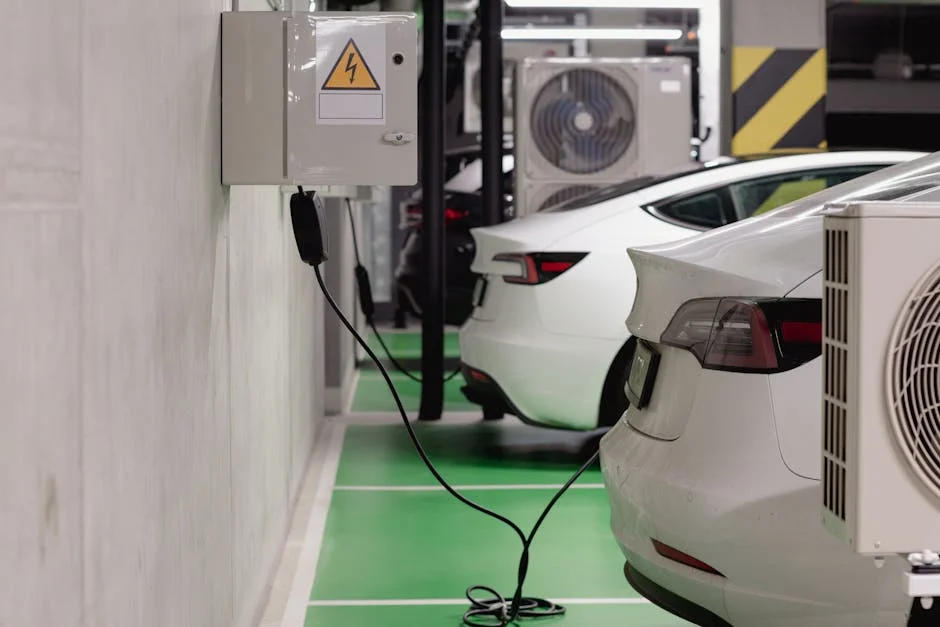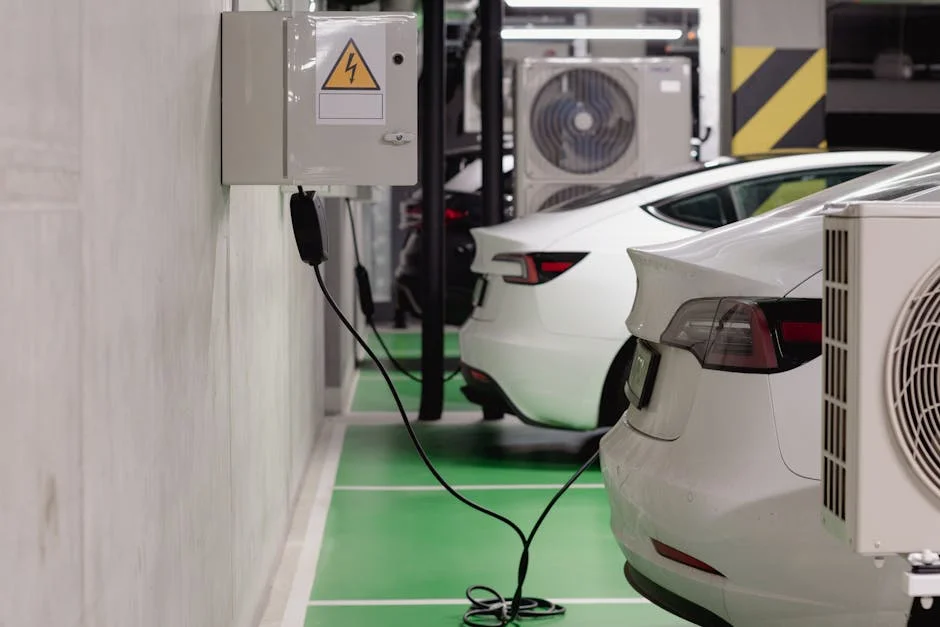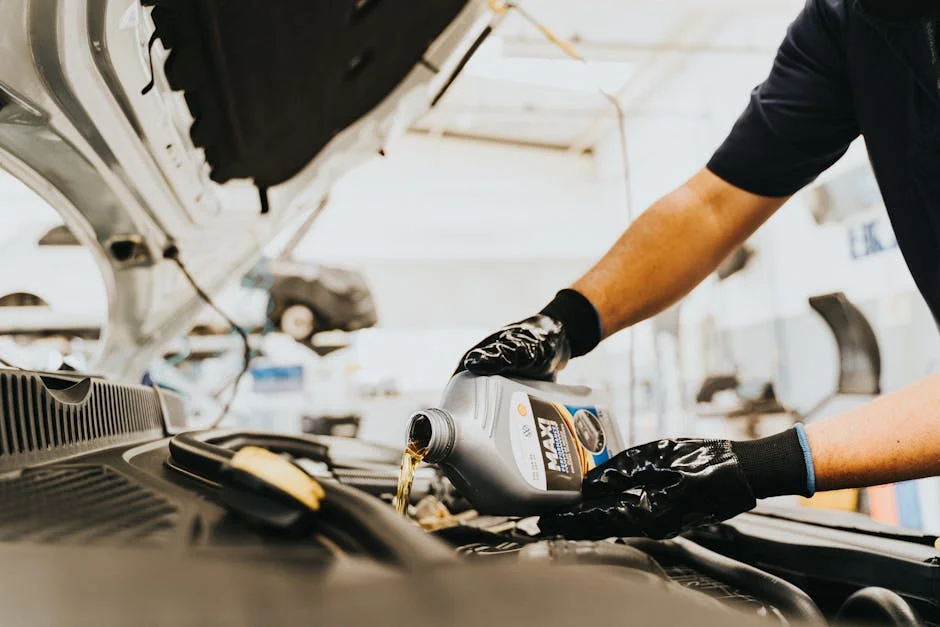
When people ask “do electric car need oil change,” they are usually thinking about the routine service they’ve done for years on gasoline vehicles: draining dark engine oil, swapping a filter, and resetting a maintenance light. That expectation makes sense because internal combustion engines rely on a constant flow of oil to lubricate hundreds of moving parts under high heat and pressure. An electric vehicle, however, works on a different mechanical principle. Instead of an engine with pistons, crankshafts, camshafts, valves, and complex oil passages, most battery-electric vehicles (BEVs) use one or more electric motors, a reduction gear set, and power electronics. Those components still require care, but the kind of care is not the same as the oil-and-filter routine that drivers associate with “maintenance.” For that reason, the short, practical answer is that most fully electric cars do not need traditional engine oil changes because they do not have an engine that burns fuel and uses engine oil. Yet the question remains important, because some electric drivetrains contain lubricants, some EVs are hybrids with engines, and many owners want to know what replaces the familiar oil change appointment on their maintenance calendar.
Table of Contents
- My Personal Experience
- Understanding the Question: Do Electric Car Need Oil Change?
- Why Gas Cars Need Oil Changes and What EVs Don’t Have
- Battery-Electric Vehicles (BEVs): The Typical Answer to Oil Changes
- Hybrids and Plug-In Hybrids: When Oil Changes Still Apply
- Gear Oil and Drive Unit Lubrication: The “Oil” EVs May Still Use
- Battery and Power Electronics Coolant: A Different Fluid Service
- Brake Fluid, Regenerative Braking, and Why Fluid Still Matters
- Expert Insight
- Maintenance Schedules: What Replaces the Oil Change Appointment
- Cost Comparison: Oil Changes vs EV Maintenance Over Time
- Common Myths: “No Oil” Means “No Maintenance”
- How to Know What Your Specific Electric Car Requires
- Practical Takeaway: The Real Answer to “Do Electric Car Need Oil Change”
- Watch the demonstration video
- Frequently Asked Questions
- Trusted External Sources
My Personal Experience
When I bought my first electric car last year, I kept waiting for the usual “time for an oil change” reminder like I had with my old sedan. Around the 5,000-mile mark I even called the dealership to schedule one, and the service advisor laughed a little and explained there’s no engine oil to change because there’s no gasoline engine. Instead, my first visit was basically a tire rotation, a brake check, and topping off windshield washer fluid. It felt strange at first—almost like I was forgetting something—but after a few months I realized how nice it is not budgeting for oil changes anymore, just keeping up with tires and the occasional cabin air filter. If you’re looking for do electric car need oil change, this is your best choice.
Understanding the Question: Do Electric Car Need Oil Change?
When people ask “do electric car need oil change,” they are usually thinking about the routine service they’ve done for years on gasoline vehicles: draining dark engine oil, swapping a filter, and resetting a maintenance light. That expectation makes sense because internal combustion engines rely on a constant flow of oil to lubricate hundreds of moving parts under high heat and pressure. An electric vehicle, however, works on a different mechanical principle. Instead of an engine with pistons, crankshafts, camshafts, valves, and complex oil passages, most battery-electric vehicles (BEVs) use one or more electric motors, a reduction gear set, and power electronics. Those components still require care, but the kind of care is not the same as the oil-and-filter routine that drivers associate with “maintenance.” For that reason, the short, practical answer is that most fully electric cars do not need traditional engine oil changes because they do not have an engine that burns fuel and uses engine oil. Yet the question remains important, because some electric drivetrains contain lubricants, some EVs are hybrids with engines, and many owners want to know what replaces the familiar oil change appointment on their maintenance calendar.
The phrase “do electric car need oil change” can also be confusing because “oil” is sometimes used loosely to mean any automotive fluid. Even if an EV doesn’t use engine oil, it may contain other lubricants and fluids that can age and eventually need replacement. Examples include gear oil in a drive unit, coolant for the battery and motor thermal management system, brake fluid, and windshield washer fluid. Additionally, plug-in hybrids (PHEVs) and conventional hybrids (HEVs) do have internal combustion engines, so they still require engine oil changes even if they can drive partly on electricity. The most accurate way to approach the topic is to separate full battery-electric cars from hybrids, then look at the specific components that do require fluid service. Once you understand what’s inside the vehicle, the maintenance logic becomes straightforward: no engine means no engine oil, but lubrication and fluid upkeep still exist in other forms.
Why Gas Cars Need Oil Changes and What EVs Don’t Have
To understand why the question “do electric car need oil change” comes up so often, it helps to review why gasoline and diesel vehicles need oil changes in the first place. In an internal combustion engine, oil has several critical jobs. It forms a protective film between moving metal surfaces such as bearings and cylinder walls, reducing friction and wear. It carries away heat from areas that coolant cannot directly reach. It suspends contaminants like soot, fuel dilution byproducts, and microscopic metal particles so they can be captured by the oil filter. It also helps seal the gap between piston rings and cylinder walls, maintaining compression and efficiency. Over time, the oil’s additives deplete, viscosity can change, and contamination builds. That’s why manufacturers specify oil change intervals, and why neglecting them can lead to sludge, accelerated wear, and even catastrophic engine failure.
A battery-electric vehicle eliminates the internal combustion engine entirely, which removes the primary reason for engine oil service. An electric motor doesn’t have pistons moving up and down, doesn’t have combustion byproducts, and doesn’t depend on a pressurized oil pump circulating engine oil through galleries. Most EV motors are either induction or permanent-magnet designs with a rotor and stator, and they can operate with far fewer moving parts. The drivetrain often includes a single-speed reduction gear that translates motor speed to wheel speed, and that gear set may be lubricated, but it’s not the same as engine oil circulating through a hot, contaminant-filled environment. That difference is why the answer to “do electric car need oil change” is typically “no” for BEVs. Instead, the focus shifts to checking and servicing other fluids and wear items that exist regardless of propulsion type, such as brake fluid and coolant, plus EV-specific checks like battery cooling performance and software updates.
Battery-Electric Vehicles (BEVs): The Typical Answer to Oil Changes
For a pure battery-electric vehicle, the direct response to “do electric car need oil change” is that there is no engine oil to change. A BEV’s propulsion system is driven by electricity stored in a high-voltage battery pack and delivered to electric motors through an inverter. The motor’s rotation is controlled electronically rather than by fuel ignition timing. Because there is no combustion, there’s no need to manage soot, unburned fuel, or acidic blow-by gases that contaminate oil in gasoline engines. There’s also no multi-speed transmission with complex hydraulic circuits in many EV designs; instead, a compact drive unit handles torque delivery. This design simplicity is one of the reasons many owners notice fewer routine maintenance appointments after switching to electric. The familiar oil-change reminder that used to pop up every few months is replaced by periodic inspections and fluid checks at longer intervals.
That said, the fact that most BEVs don’t require engine oil changes doesn’t mean they are “maintenance-free.” There are still fluids and components that can wear. Tires can wear faster in some EVs due to higher curb weight and instant torque. Cabin air filters still need replacement to keep HVAC performance strong and odors down. Brake fluid still absorbs moisture over time and can require flushing according to a schedule. Coolant loops used for battery and power electronics thermal control can require service, even if the interval is long. Also, some EV drive units use a specific gear lubricant or automatic transmission fluid-like lubricant, and while many manufacturers describe it as “lifetime,” others specify inspection or replacement under severe conditions. So when someone asks “do electric car need oil change,” a useful follow-up is: “Is it a full EV or a hybrid, and what does your manufacturer’s maintenance schedule say about drive unit fluid, coolant, and brake fluid?” That approach ensures you don’t miss important upkeep while still enjoying the reduced routine maintenance EVs are known for.
Hybrids and Plug-In Hybrids: When Oil Changes Still Apply
The keyword question “do electric car need oil change” becomes more nuanced when the vehicle is not a full BEV. Hybrids (HEVs) and plug-in hybrids (PHEVs) combine an internal combustion engine with one or more electric motors and a battery. Even if the vehicle can drive on electricity for short distances, the engine still runs regularly in many driving situations: highway cruising, hard acceleration, cold weather warm-up, battery charging, or when the electric range is depleted. Because the engine is present, it still needs engine oil for lubrication and cooling, and the oil still degrades over time. In fact, some hybrid engines experience operating patterns that are different from conventional cars—more start/stop cycles, periods of running at high load to charge the battery, and sometimes shorter trips where the engine doesn’t fully warm up. Those patterns can influence oil life, making it important to follow the manufacturer’s oil specification and interval rather than guessing based on how often the engine “feels” like it runs.
For PHEV owners, the oil-change schedule can be confusing because the engine may run infrequently if most trips stay within electric range. Yet oil can still age from moisture accumulation, condensation, and additive depletion even if mileage is low. Many automakers address this by specifying both mileage-based and time-based oil change intervals (for example, every X miles or once a year, whichever comes first). That means the correct answer to “do electric car need oil change” for a plug-in hybrid is usually “yes,” even if the engine rarely runs. If you’re shopping for an EV and hoping to eliminate oil changes entirely, verify that the model is a full battery-electric vehicle rather than a hybrid. If you already own a hybrid, treating oil changes as optional can lead to long-term engine wear. The key difference is simple: BEV equals no engine oil changes; hybrid or plug-in hybrid equals oil changes remain part of routine service.
Gear Oil and Drive Unit Lubrication: The “Oil” EVs May Still Use
Even when the answer to “do electric car need oil change” is “no” for engine oil, some EVs still contain lubricants that look and behave like oil. Most electric cars use a reduction gear set to convert the electric motor’s high RPM into wheel-friendly torque and speed. That gear set, along with differential components, needs lubrication to reduce wear, manage heat, and keep operation quiet. Some manufacturers use a dedicated gear oil, while others use a specialized fluid that resembles automatic transmission fluid in viscosity and additive package. The amount is typically much smaller than an engine’s oil capacity, and the fluid is not exposed to combustion contamination. As a result, it can often last far longer than engine oil in a gasoline car. Still, “longer” does not always mean “forever,” especially under heavy loads, frequent towing (where permitted), repeated high-speed driving, or extreme temperature conditions.
Maintenance guidance for drive unit fluid varies. Some automakers call it a “lifetime” fill and do not list a routine replacement interval; others recommend inspection for leaks or fluid condition at certain mileage milestones. In real-world ownership, some drivers choose to replace drive unit lubricant preventively at high mileage to reduce the risk of bearing wear, particularly if the vehicle is driven hard. If you hear whining noises, experience vibration, or notice fluid leaks near the drive unit, it’s worth having a qualified technician inspect the lubricant level and condition. So, when someone asks “do electric car need oil change,” it’s helpful to clarify that while there’s usually no engine oil change, there may still be a gear oil service depending on the model and the manufacturer’s schedule. The best practice is to consult the service manual for your specific EV, because terminology differs: “gear oil,” “drive unit fluid,” or “transaxle fluid” may all refer to the same concept in an electric drivetrain.
Battery and Power Electronics Coolant: A Different Fluid Service
Another reason the question “do electric car need oil change” persists is that EVs still have important fluids, and coolant is one of the most critical. Many battery-electric vehicles use liquid cooling to keep the battery pack within an optimal temperature range. The same or a separate coolant loop may manage heat for the electric motor, inverter, onboard charger, and DC-DC converter. Unlike engine coolant, which primarily deals with high combustion temperatures and rapid thermal cycling, EV coolant systems focus on precision thermal management to protect battery longevity, maintain charging speed, and ensure consistent performance. Coolant chemistry matters because it must be compatible with aluminum, plastics, seals, and sometimes with specialized heat exchangers. It also has to maintain corrosion protection and electrical isolation properties where applicable. Over time, coolant additives can degrade, and contamination can occur, so manufacturers often specify replacement intervals—sometimes at long mileages, but still not “never.”
Coolant service is not the same as an oil change, but it is a scheduled maintenance item that EV owners should respect. Skipping coolant replacement can increase corrosion risk, reduce heat transfer efficiency, and potentially contribute to overheating issues that impact charging or power output. Some EVs integrate the battery cooling loop with a heat pump system, making correct coolant type and proper bleeding procedures even more important. If an EV requires coolant replacement, it’s often best handled by a shop trained on high-voltage safety and the specific bleeding procedure for that model. So while the direct answer to “do electric car need oil change” remains “no” for BEVs, a better ownership mindset is: EVs shift maintenance away from engine oil and toward thermal management health, including coolant condition, pump operation, hose integrity, and radiator cleanliness. Keeping the cooling system in good shape can be one of the most meaningful ways to protect battery performance and long-term reliability.
Brake Fluid, Regenerative Braking, and Why Fluid Still Matters
People who ask “do electric car need oil change” are often hoping for minimal maintenance overall, and EVs do reduce many routine tasks. However, braking systems still rely on hydraulic fluid in most passenger vehicles, including electric cars. Brake fluid is hygroscopic, meaning it absorbs moisture from the air over time through seals and microscopic pores in hoses. As water content increases, the boiling point of the fluid decreases, which can lead to brake fade under heavy braking. Moisture also promotes internal corrosion in brake lines, calipers, and ABS components. Even though EVs use regenerative braking—where the motor acts as a generator to slow the car and recover energy—friction brakes remain essential for emergency stops, low-speed stopping, and stability control. The hydraulic system must be ready to perform at full capacity regardless of how often the friction pads are used.
| Item | Electric Car (EV) | Gasoline Car (ICE) |
|---|---|---|
| Engine oil changes | No—EVs don’t have an internal combustion engine, so there’s no engine oil to change. | Yes—requires regular engine oil and filter changes to lubricate and protect the engine. |
| Fluids & lubrication still needed | Yes—may use coolant for battery/drive unit, brake fluid, and sometimes gear reduction fluid (service varies by model). | Yes—engine oil plus coolant, transmission fluid, brake fluid, power steering fluid (if applicable), etc. |
| Maintenance impact | Typically fewer routine services; brake wear may be lower due to regenerative braking, but periodic inspections still apply. | More routine maintenance; oil changes are a recurring cost and schedule item. |
Expert Insight
Most electric cars don’t need traditional engine oil changes because they don’t have an internal combustion engine. Instead, follow the maintenance schedule for items EVs still rely on—tire rotations, brake fluid checks, and cabin air filter replacements—to keep efficiency and safety high. If you’re looking for do electric car need oil change, this is your best choice.
Check your owner’s manual for any fluids your specific model may require, such as coolant for the battery/thermal system or lubricant for a reduction gear unit (if applicable). At each service visit, ask for a quick inspection of underbody panels and seals, especially if you drive in harsh weather, to prevent damage that can affect range. If you’re looking for do electric car need oil change, this is your best choice.
Regenerative braking can reduce brake pad and rotor wear, but it can also introduce a different maintenance concern: rust and uneven rotor surface buildup due to less frequent friction braking, especially in wet or salty environments. Many manufacturers recommend periodically applying the friction brakes firmly to clean the rotors. Brake fluid service intervals vary by brand, but a common recommendation is to flush and replace brake fluid every two to three years. This isn’t an oil change, yet it’s a recurring service that owners should budget for. When discussing “do electric car need oil change,” it’s accurate to say EVs eliminate engine oil changes but still require fluid maintenance like brake fluid replacement. Keeping brake fluid fresh helps ensure consistent pedal feel, reliable ABS operation, and reduced long-term repair costs. A well-maintained braking system complements regenerative braking and supports the overall safety benefits that modern EVs are designed to deliver.
Maintenance Schedules: What Replaces the Oil Change Appointment
The routine oil change appointment has historically acted as a convenient maintenance checkpoint where technicians also inspect tires, brakes, suspension, lights, and fluid levels. When the question “do electric car need oil change” is answered with “no,” some owners worry they’ll miss those regular inspections and allow small issues to grow. The good news is that EV manufacturers typically provide a clear maintenance schedule that replaces the oil change rhythm with periodic inspections at longer intervals. These schedules commonly include tire rotation, brake inspection, cabin air filter replacement, wiper blade replacement, and checks of suspension and steering components. Some brands also recommend periodic inspection of high-voltage cables and connectors, underbody panels, and cooling system components. Because EVs can be heavier and deliver instant torque, tire rotations and alignment checks can be especially important for even wear and optimal range.
Another aspect that replaces the oil change routine is software and system diagnostics. EVs rely heavily on software for battery management, charging control, traction control, and thermal regulation. Manufacturers may release updates that improve efficiency, refine charging curves, or fix minor bugs. While many updates are delivered over the air, some require a service visit. Additionally, technicians may check battery health metrics, cooling system performance, and error logs during routine service. The takeaway is that “do electric car need oil change” is only one part of the ownership picture. The maintenance burden is usually lower, but the maintenance style changes: fewer frequent fluid swaps and more emphasis on tires, filters, brake fluid, coolant intervals, and diagnostic checks. Owners who follow the schedule often enjoy strong reliability and predictable running costs, while those who ignore it may face preventable issues like uneven tire wear, reduced HVAC performance, or thermal management problems that could affect charging and driving efficiency.
Cost Comparison: Oil Changes vs EV Maintenance Over Time
One reason “do electric car need oil change” is searched so often is the promise of savings. Traditional oil changes can range from inexpensive quick-lube specials to higher-cost synthetic oil services, depending on engine size, oil type, and local labor rates. Over years of ownership, those visits add up, especially for drivers who rack up high mileage. Battery-electric vehicles generally remove that recurring expense. However, it’s smart to look at the broader cost picture rather than focusing only on engine oil. EV maintenance costs often shift toward tires, which can wear faster due to weight and torque if driving habits are aggressive. EVs may also use specialized tires designed for low rolling resistance and noise reduction, which can be pricier. Cabin air filters and wipers are comparable to any car. Brake pads may last longer thanks to regenerative braking, though brake fluid still needs periodic replacement. Coolant service intervals are often long, but when due, the cost may be higher than a simple oil change because the procedure can be more involved.
Despite those considerations, many owners still find total routine maintenance costs lower in an EV than in an equivalent gasoline vehicle. There are fewer engine-related services: no spark plugs, no timing belts on many models, no engine air filter in the same sense, no fuel system cleaning, and no emissions-related repairs like catalytic converters or oxygen sensors. The savings can be meaningful, but they depend on driving style, tire management, and adherence to the manufacturer’s fluid service schedule. When answering “do electric car need oil change,” it’s fair to say EVs typically reduce ongoing maintenance costs, but they don’t eliminate all service expenses. A realistic budget includes tire rotations, occasional brake service, brake fluid flushes, coolant replacement at the specified interval, and potential drive unit lubricant inspection or replacement if recommended by the manufacturer. Understanding these trade-offs helps set accurate expectations and prevents unpleasant surprises later.
Common Myths: “No Oil” Means “No Maintenance”
The question “do electric car need oil change” sometimes leads to an oversimplified belief that EVs require almost no maintenance at all. While it’s true that removing the internal combustion engine removes many traditional failure points, EVs are still machines operating under load, exposed to weather, road debris, and time. Suspension bushings can wear, wheel bearings can age, and alignment can drift after pothole impacts. HVAC systems still need attention, and in many EVs the HVAC system plays a bigger role because it influences range and battery conditioning. If the cabin filter is clogged, airflow drops and the system may work harder, potentially affecting energy consumption. Coolant pumps, valves, and heat exchangers are critical to EV performance and battery health, and they can experience wear like any mechanical component. Treating an EV as “maintenance-free” can lead to neglected tires, overdue brake fluid, and reduced overall efficiency.
Another myth is that because EVs don’t need oil changes, any shop can service everything else without special knowledge. While many routine items are universal—tires, wipers, filters—some EV service tasks require high-voltage safety training, insulated tools, and model-specific procedures. Even something as simple as lifting the vehicle can require attention to lift points to avoid battery pack damage. Coolant bleeding procedures can be unique, and diagnostic work often relies on specialized scan tools and software access. The best approach is balanced: appreciate that the answer to “do electric car need oil change” is “no” for BEVs, but still follow the manufacturer’s maintenance plan and choose qualified service providers for EV-specific work. Owners who do this typically enjoy a smoother experience, consistent range, and fewer unexpected repairs. The real advantage of EV ownership is not zero maintenance; it’s fewer frequent services and fewer engine-related wear components, combined with predictable scheduled checks that keep the vehicle operating efficiently.
How to Know What Your Specific Electric Car Requires
Even after understanding the general answer to “do electric car need oil change,” the most important step is confirming what your specific vehicle requires. Start with the owner’s manual and the manufacturer’s maintenance schedule, which usually lists service intervals by time and mileage. Look for items such as “drive unit fluid,” “gear oil,” “coolant,” “brake fluid,” “cabin air filter,” and “tire rotation.” If the vehicle is a plug-in hybrid, the schedule will also include “engine oil and filter,” and it may include notes about time-based oil changes even with low engine mileage. Pay attention to the required specifications, not just the interval. EV coolants and lubricants can be specialized, and using the wrong type can cause seal degradation, reduced corrosion protection, or compatibility issues. The manual may also define “severe service,” which can shorten intervals if you drive in extreme heat or cold, tow loads (where allowed), drive on dusty roads, or frequently use fast charging in high temperatures.
It’s also helpful to check for service bulletins and updated recommendations from the manufacturer, because EV technology evolves quickly and maintenance guidance can be refined. Some brands provide digital maintenance trackers in the infotainment system or a mobile app that records service history and provides reminders. If you’re buying a used EV, request service records to see whether brake fluid was replaced on schedule, whether coolant service has been performed if the vehicle is older, and whether any drive unit fluid leaks were addressed. A pre-purchase inspection by an EV-savvy technician can identify issues like uneven tire wear, damaged underbody panels, or cooling system faults. Ultimately, “do electric car need oil change” is a gateway question that should lead to a personalized maintenance plan. When you match your service routine to the exact model and your driving conditions, you preserve range, performance, and resale value while still enjoying the reduced day-to-day maintenance that makes EVs appealing.
Practical Takeaway: The Real Answer to “Do Electric Car Need Oil Change”
So, do electric car need oil change? For a full battery-electric vehicle, there is no internal combustion engine, which means there is no engine oil to drain and replace in the traditional sense. That is one of the clearest and most tangible differences between owning a gasoline car and owning a BEV. The absence of engine oil changes also removes related tasks like replacing engine oil filters and managing oil-related engine wear concerns. However, it’s still wise to think beyond the single maintenance item of engine oil. Many EVs contain lubricants in the drive unit, and all EVs rely on fluids like brake fluid and coolant. Those fluids may have long service intervals, but they are not automatically “lifetime” in every driving environment. Tires, filters, and periodic inspections remain important, and they often become the primary routine services on an EV.
The best ownership mindset is simple: treat “do electric car need oil change” as a starting point, not the entire maintenance story. If the vehicle is a hybrid or plug-in hybrid, it still has an engine and still needs oil changes on a schedule, even if the engine runs less often. If it’s a pure EV, you can usually cross engine oil off your list, but you should still follow the manufacturer’s plan for tire rotations, brake fluid replacement, coolant service, and any drive unit lubricant inspections. Doing so protects safety, efficiency, and long-term reliability, while preserving the cost and convenience advantages that make electric driving attractive. And when someone asks again, “do electric car need oil change,” you’ll be able to answer accurately: not engine oil for a BEV, but yes to other fluids and maintenance that keep an electric car performing at its best.
Watch the demonstration video
This video explains whether electric cars need oil changes and why their maintenance differs from gas vehicles. You’ll learn which fluids EVs still use, what parts require regular service, and how often to check them. It also covers common misconceptions and what to expect for routine EV upkeep and costs. If you’re looking for do electric car need oil change, this is your best choice.
Summary
In summary, “do electric car need oil change” is a crucial topic that deserves thoughtful consideration. We hope this article has provided you with a comprehensive understanding to help you make better decisions.
Frequently Asked Questions
Do electric cars need oil changes?
No. Fully electric cars don’t have an internal combustion engine, so there’s no engine oil to change.
Why don’t EVs require engine oil?
EVs use electric motors instead of pistons, crankshafts, and other oil-lubricated engine parts, so engine oil isn’t needed.
Do electric cars have any fluids that need changing?
Yes—while electric vehicles don’t need traditional engine oil, they still require routine fluid maintenance. Most EVs use coolant to regulate the battery and drive system, and they also rely on brake fluid and windshield washer fluid, all of which should be checked and serviced periodically. So if you’re wondering, **do electric car need oil change**—not in the usual sense, but they do need regular fluid-related upkeep.
Do EVs need transmission fluid changes?
Most electric vehicles use a simple single-speed gearbox that’s lubricated with gear oil. It’s typically designed to last a long time, but it may still need periodic inspection or replacement according to the manufacturer’s maintenance plan—so if you’re wondering, **do electric car need oil change**, the answer is usually no for engine oil, but some models can require gearbox fluid service.
What about hybrids—do they need oil changes?
Yes—hybrids and plug-in hybrids still use a gasoline engine, so they usually need routine engine oil and filter changes just like a traditional car. That’s why, when people ask **“do electric car need oil change”**, the answer depends on the type: fully electric cars don’t, but hybrids and plug-in hybrids generally do.
What maintenance replaces oil changes for EV owners?
Routine EV upkeep is usually simple: rotate the tires regularly, inspect the brakes (they often last longer thanks to regenerative braking), replace the cabin air filter as needed, and check coolant and brake fluid levels on schedule—so if you’re wondering **do electric car need oil change**, the good news is they typically don’t, but they still benefit from these basic maintenance checks.
📢 Looking for more info about do electric car need oil change? Follow Our Site for updates and tips!

Trusted External Sources
- ELI5: Why don’t Electric Cars need oil? : r/explainlikeimfive – Reddit
Apr 24, 2026 … … need oil changes less frequently than the engine in an ICE car. Electric cars do not in general have gearboxes with gear that changes so it … If you’re looking for do electric car need oil change, this is your best choice.
- Do Electric Cars Use Oil – And Other FAQs – Jiffy Lube
Let’s tackle the big question first: **do electric car need oil change**? In most cases, no—electric vehicles don’t have a traditional internal combustion engine, so there’s no engine oil to replace. That said, EVs still need regular preventative maintenance, like checking brake fluid, coolant for the battery/thermal system, tires, and other key components to keep everything running smoothly.
- EVs do require maintenance; please stop saying that they don’t!
As of Mar 10, 2026, most EVs rarely need transmission fluid changes—unless they’re high-performance models or regularly driven hard. That’s because the main reason cars need transmission fluid changes is the heat and friction created by complex gearsets and moving parts in traditional drivetrains. And if you’re wondering, **do electric car need oil change**? In most cases, no—because they don’t have an internal combustion engine, though they may still require occasional checks of other fluids depending on the manufacturer.
- Do electric cars need oil changes? | Kia Mauritius
While an EV doesn’t use engine oil, many drivers still ask, **“do electric car need oil change?”** The answer is no—but your electric vehicle still needs routine checks of three key fluids: **coolant**, **brake fluid**, and **windshield washer fluid** to keep everything running smoothly.
- Do electric cars use oil? – Hertz
As of May 25, 2026, many drivers still wonder, **“do electric car need oil change?”** The answer depends on what you drive: hybrids (including plug-in hybrids) still have a gasoline engine, so they *do* need regular engine oil changes. A fully electric vehicle, on the other hand, has no combustion engine—so there’s no engine oil to change, even though it still requires routine maintenance for other components.