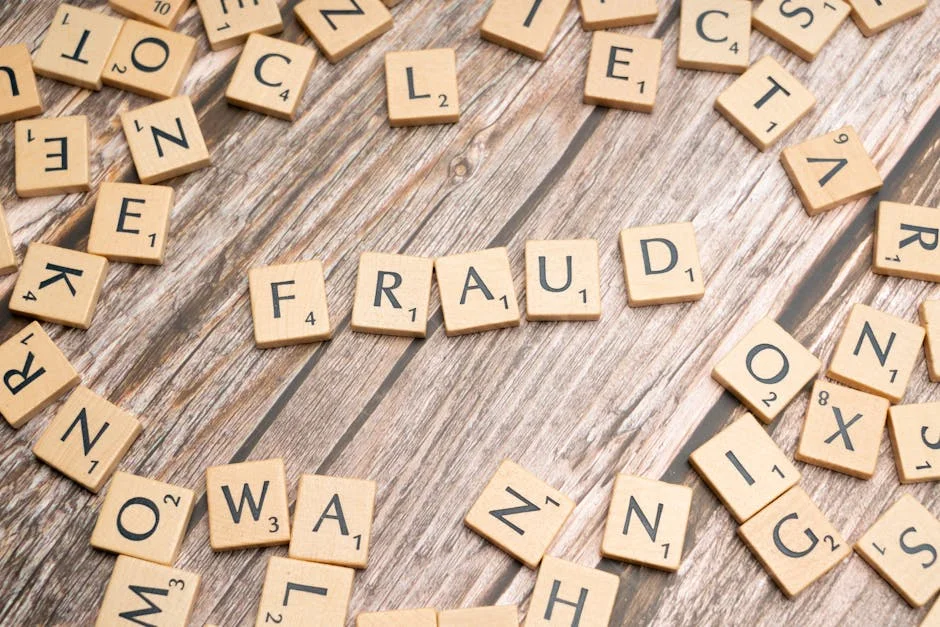
To understand what is stock fraud, start with the basic idea that securities markets run on trust: trust that companies disclose accurate information, trust that trades occur on fair terms, and trust that prices reflect genuine supply and demand rather than manipulation. Stock fraud is the broad category of illegal or deceptive conduct designed to induce someone to buy, sell, or hold a stock (or other security) based on false, misleading, or incomplete information. It can be carried out by individuals, corporate insiders, brokers, investment promoters, or even organized groups coordinating trading behavior. The harm is not limited to a single investor’s account balance; stock fraud undermines market integrity by distorting prices, eroding confidence, and redirecting capital away from honest businesses. When investors begin to suspect that markets are “rigged,” they withdraw participation or demand higher returns to compensate for risk, which raises the cost of capital for legitimate companies.
Table of Contents
- My Personal Experience
- Understanding What Is Stock Fraud and Why It Matters
- Legal Foundations: How Regulators Define Stock Fraud
- Common Types of Stock Fraud Investors Encounter
- Market Manipulation Mechanics: How Prices Get Distorted
- Information Fraud: Misstatements, Omissions, and Fake Narratives
- Broker, Adviser, and Insider Misconduct as Stock Fraud
- Who Gets Targeted and Why: Psychology Behind Stock Fraud
- Expert Insight
- Real-World Red Flags That Often Signal Stock Fraud
- How Investigations Unfold: Evidence, Paper Trails, and Enforcement
- Consequences for Victims and Markets: Financial and Emotional Costs
- How to Protect Yourself: Practical Due Diligence Against Stock Fraud
- Reporting and Recovery Options When Stock Fraud Is Suspected
- Final Thoughts on What Is Stock Fraud in Today’s Markets
- Frequently Asked Questions
My Personal Experience
I didn’t really understand what stock fraud was until I almost got pulled into it myself. A guy I met through a business networking group started texting me “tips” about a tiny company I’d never heard of, saying big news was about to drop and the price was “guaranteed” to spike. He sent screenshots of charts, urged me to buy fast, and even offered to “walk me through” opening an account—while also pushing me to tell friends so we could “all win together.” When I looked closer, the company’s website was thin, the press releases were vague, and most of the online hype traced back to brand-new social media accounts. I didn’t buy in, and a week later the stock jumped and then crashed hard, and he stopped replying. That’s when it clicked for me: stock fraud isn’t just fake companies—it’s often people manipulating excitement and misinformation to pump a price and dump their shares on everyone else. If you’re looking for what is stock fraud, this is your best choice.
Understanding What Is Stock Fraud and Why It Matters
To understand what is stock fraud, start with the basic idea that securities markets run on trust: trust that companies disclose accurate information, trust that trades occur on fair terms, and trust that prices reflect genuine supply and demand rather than manipulation. Stock fraud is the broad category of illegal or deceptive conduct designed to induce someone to buy, sell, or hold a stock (or other security) based on false, misleading, or incomplete information. It can be carried out by individuals, corporate insiders, brokers, investment promoters, or even organized groups coordinating trading behavior. The harm is not limited to a single investor’s account balance; stock fraud undermines market integrity by distorting prices, eroding confidence, and redirecting capital away from honest businesses. When investors begin to suspect that markets are “rigged,” they withdraw participation or demand higher returns to compensate for risk, which raises the cost of capital for legitimate companies.
Stock fraud can look sophisticated—complex financial statements, polished investor presentations, and carefully worded press releases—or it can look crude, such as spam emails and social media messages hyping a “once-in-a-lifetime” penny stock. Regardless of style, the core is deception: misrepresenting material facts, hiding conflicts of interest, fabricating business performance, or manipulating trading activity to create an illusion of demand. Some schemes target retail investors; others ensnare institutions. Some occur in public markets, while others involve private placements and pre-IPO offerings. Understanding the concept helps investors recognize warning signs, helps business owners avoid compliance failures that can be interpreted as fraud, and helps anyone dealing with financial professionals ask better questions. Because fraud evolves with technology, the modern landscape includes online communities, influencer marketing, algorithmic trading tactics, and cross-border actors, all of which can accelerate both the spread of misinformation and the speed at which victims lose money. If you’re looking for what is stock fraud, this is your best choice.
Legal Foundations: How Regulators Define Stock Fraud
Regulators define stock fraud through a combination of statutes, rules, and case law that focus on deception in connection with the purchase or sale of securities. In the United States, a key framework includes the Securities Act of 1933 and the Securities Exchange Act of 1934, along with rules such as SEC Rule 10b-5, which broadly prohibits making any untrue statement of a material fact or omitting a material fact necessary to make statements not misleading. While the precise legal elements vary by jurisdiction, a typical enforcement theory involves a material misrepresentation or omission, intent (or at least recklessness in many cases), reliance by investors, and damages. The term “material” is important: it refers to information a reasonable investor would consider important when making an investment decision, such as revenue, profits, major contracts, regulatory approvals, or known risks. Even if a statement is technically true, it can still be fraudulent if it is presented in a way that misleads by leaving out key context. If you’re looking for what is stock fraud, this is your best choice.
Stock fraud enforcement is not limited to government agencies. Private lawsuits, including class actions, can also play a major role, especially when a public company’s stock price drops after corrective disclosures. Criminal authorities may become involved when there is evidence of willful deception, theft, or coordinated manipulation. Penalties can range from fines and disgorgement to industry bars and imprisonment. Another important aspect is that fraud does not require a company to be “bad” overall; even a legitimate business can face allegations if it inflates metrics, hides adverse events, or allows insiders to trade on undisclosed information. Similarly, brokers and advisers can be liable if they misrepresent investments, churn accounts to generate commissions, or recommend unsuitable products while concealing incentives. Understanding the legal foundation clarifies why compliance departments emphasize disclosure controls, recordkeeping, and supervision: regulators typically look for patterns of misleading statements, suspicious trading, and failures to implement reasonable safeguards. If you’re looking for what is stock fraud, this is your best choice.
Common Types of Stock Fraud Investors Encounter
Stock fraud appears in many recognizable forms, each tailored to exploit how people make financial decisions. One of the most common is the “pump-and-dump,” where promoters acquire shares cheaply, hype the stock with exaggerated or false claims to push the price up, then sell into the demand they created, leaving late buyers with losses. Another familiar category involves false financial reporting, where a company inflates revenue, understates expenses, or hides debt to appear healthier than it is. There is also “scalping,” where a promoter recommends a stock publicly without disclosing that they plan to sell their own holdings into the resulting price increase. Insider trading—buying or selling based on material nonpublic information—can be considered a form of securities fraud because it undermines fair access to information and violates duties of trust and confidence. If you’re looking for what is stock fraud, this is your best choice.
Other forms are less obvious. “Boiler room” operations use aggressive sales tactics—often by phone or messaging—to pressure investors into buying speculative shares. “Affinity fraud” exploits trust within a community, such as religious groups, professional networks, or cultural circles, where the fraudster leverages shared identity to lower skepticism. Market manipulation can involve wash trading (buying and selling to oneself to create fake volume), spoofing (placing orders without intent to execute to move prices), or coordinated rumor campaigns. Misleading research reports, fake analyst ratings, and fabricated endorsements can also constitute stock fraud when they are designed to mislead investors about a security’s prospects. Even corporate communications can cross the line: overly optimistic guidance, selective disclosure, or “spin” that omits known negative facts can lead to enforcement if it materially misleads. The variety of schemes shows why it is not enough to look for one red flag; investors need a framework for evaluating claims, incentives, and verifiable evidence. If you’re looking for what is stock fraud, this is your best choice.
Market Manipulation Mechanics: How Prices Get Distorted
Market manipulation is a central tool in many stock fraud schemes because it creates the appearance of legitimacy. Price and volume are powerful signals: when a stock is rising rapidly on heavy trading, people assume “smart money” knows something. Manipulators exploit this by engineering artificial activity. In thinly traded stocks, it can take relatively little capital to move the price. Coordinated buying can push the stock up, while small trades at higher prices can set new “last sale” prints that make charts look bullish. Fraudsters may then flood social media with stories about “breakouts,” “short squeezes,” or “imminent announcements,” creating a narrative that encourages others to buy. As new buyers enter, the manipulators sell into the demand. The result is a sharp rise followed by a collapse, often leaving a price chart that looks like a spike and crash. If you’re looking for what is stock fraud, this is your best choice.
Manipulation can also occur in more liquid markets, though it typically requires more sophistication. Tactics may include layering orders to create a false impression of demand or supply, disseminating rumors timed to options expirations, or exploiting after-hours trading where liquidity is lower and price impact can be higher. Some schemes use derivatives to amplify gains or to hedge while manipulating the underlying stock. Another common manipulation technique is the use of paid “stock promotion” campaigns, where newsletters, influencers, or websites publish bullish content without clearly disclosing compensation or conflicts. Even when disclosures exist, they can be buried in fine print, written ambiguously, or posted in places readers won’t see. The mechanics matter because manipulation often leaves fingerprints: sudden volume surges without fundamental news, repeated promotional messaging, unusual order book behavior, and a pattern of price moves that reverses quickly once promotion ends. Understanding these dynamics helps investors separate organic market interest from engineered excitement. If you’re looking for what is stock fraud, this is your best choice.
Information Fraud: Misstatements, Omissions, and Fake Narratives
Information is the lifeblood of investing, which is why misinformation is such an effective weapon in stock fraud. Misstatements can be direct lies—claiming a company has a contract it does not have, announcing fake revenue, or inventing a partnership with a well-known brand. Omissions can be just as damaging: failing to disclose litigation, regulatory warnings, customer churn, supply chain problems, or looming debt maturities. Fraudsters often craft narratives that are hard to verify quickly, especially when they involve foreign subsidiaries, proprietary technology, or early-stage products. They may rely on impressive-sounding jargon, staged demonstrations, or cherry-picked metrics that create the illusion of traction. A classic tactic is to present projections as if they were facts, using confident language that blurs the line between forward-looking statements and current performance. If you’re looking for what is stock fraud, this is your best choice.
Modern information fraud also spreads through digital channels at high speed. Fake press releases can be distributed through low-quality wire services or posted on websites designed to mimic legitimate news outlets. Social media accounts can impersonate executives, analysts, or journalists. Communities can be seeded with coordinated posts that repeat the same talking points to make a claim feel widely accepted. Some schemes use “deep research” aesthetics—long documents with charts, citations, and technical language—to gain credibility, even though the underlying sources are weak or circular. Investors can protect themselves by verifying claims through primary sources: official filings, audited financial statements, regulatory databases, and direct confirmations from counterparties when feasible. When verification is difficult, the risk is higher, and position sizing should reflect that. The key insight is that stock fraud often succeeds not because investors fail to read, but because they read persuasive material that is designed to bypass critical checks. If you’re looking for what is stock fraud, this is your best choice.
Broker, Adviser, and Insider Misconduct as Stock Fraud
Not all stock fraud looks like a shady promoter pushing penny stocks. Some of the most financially damaging cases involve trusted intermediaries—brokers, advisers, or corporate insiders—who exploit their position. Broker misconduct can include misrepresenting an investment’s risk, recommending unsuitable securities for a client’s profile, hiding fees, or engaging in excessive trading (“churning”) to generate commissions. Advisers may steer clients into products that pay higher incentives, such as revenue-sharing arrangements, without fully disclosing conflicts. In more severe cases, a professional may fabricate account statements, falsify performance results, or claim to have executed trades that never occurred. When clients rely on professional guidance, deception can persist longer because the relationship itself creates a sense of safety. If you’re looking for what is stock fraud, this is your best choice.
Insider-related stock fraud often centers on misuse of confidential information. Executives and employees may learn about earnings results, mergers, regulatory decisions, or major customer losses before the public does. Trading on that information, tipping others, or arranging trades through third parties can violate securities laws and damage market fairness. Another insider-driven problem arises when management prioritizes stock price over accurate reporting, pressuring staff to hit targets, smoothing earnings, or delaying recognition of losses. Even if a company is not a “scam,” a culture of aggressive accounting can cross into fraud when disclosures become misleading. Investors should pay attention to governance signals: frequent executive turnover, auditor resignations, complex related-party transactions, and compensation structures that reward short-term price spikes. These are not proof of wrongdoing, but they can indicate environments where stock fraud risks are elevated. If you’re looking for what is stock fraud, this is your best choice.
Who Gets Targeted and Why: Psychology Behind Stock Fraud
Stock fraud targets human decision-making as much as it targets portfolios. Fraudsters understand common psychological triggers: fear of missing out, the desire for quick gains, the comfort of social proof, and the tendency to trust authority. Many schemes promise access to “exclusive” opportunities or claim that a catalyst is imminent and time-sensitive. Pressure tactics—“act now,” “this will double by Friday,” “institutions are buying quietly”—are designed to reduce careful analysis. Another tactic is anchoring: promoting an unrealistic future price target so that the current price appears cheap by comparison. Fraudsters also exploit confirmation bias by feeding investors information that aligns with what they already hope is true, such as a belief that a small company is the “next big thing” or that a beaten-down stock is destined to rebound. If you’re looking for what is stock fraud, this is your best choice.
| Type of stock fraud | How it works | Common red flags |
|---|---|---|
| Pump-and-dump | Fraudsters hype a stock with misleading claims to drive up the price, then sell their shares, leaving others with losses. | Unsolicited promotions, sudden price/volume spikes, vague “big news” claims, thinly traded microcaps. |
| Insider trading (illegal) | Trading based on material, nonpublic information to gain an unfair advantage before the information becomes public. | Unusual trading ahead of major announcements, repeated “lucky” timing, trades tied to insiders or close contacts. |
| Misrepresentation & accounting fraud | A company or promoter falsifies or omits key facts (revenues, risks, contracts) to inflate valuation and attract investors. | Inconsistent financials, aggressive revenue recognition, opaque disclosures, frequent restatements, evasive management. |
Expert Insight
Stock fraud is the intentional deception of investors through false, misleading, or withheld information to manipulate a stock’s price or trading activity—often seen in pump-and-dump schemes, fake press releases, insider trading, or falsified financial statements. Before buying, verify claims using primary sources like SEC filings (10-K, 10-Q, 8-K), audited financials, and reputable news outlets, and be wary of “guaranteed returns” or sudden hype on social media. If you’re looking for what is stock fraud, this is your best choice.
Protect yourself by setting clear risk controls: use limit orders, avoid thinly traded stocks you don’t understand, and document all communications and promotional materials tied to the investment. If you suspect fraud, stop trading on the tip, preserve evidence (screenshots, emails, transaction records), and report it promptly to regulators such as the SEC or FINRA. If you’re looking for what is stock fraud, this is your best choice.
Different groups may be targeted for different reasons. New investors may be targeted because they lack experience with filings, spreads, and liquidity. Retirees may be targeted because they often have accumulated savings and may prioritize income, making them vulnerable to high-yield pitches that hide risk. Professionals in tight-knit communities may be targeted through affinity networks, where skepticism feels like distrust of the group. Even sophisticated investors can be targeted when fraudsters provide plausible documentation and exploit the complexity of certain businesses, like biotech claims, mining exploration results, or emerging technology. Understanding these psychological levers helps investors slow down and apply objective checks. A useful mindset is to treat urgency as a cost, not a benefit: the more pressure to act quickly, the more likely the situation contains asymmetric information that favors the promoter. If you’re looking for what is stock fraud, this is your best choice.
Real-World Red Flags That Often Signal Stock Fraud
Red flags do not prove wrongdoing, but patterns can indicate elevated risk of stock fraud. One major warning sign is promotional intensity that is out of proportion to business fundamentals. If a company is constantly in the news yet has minimal revenue, unclear products, or vague descriptions of operations, skepticism is warranted. Another red flag is inconsistent or evasive disclosure—press releases that make big claims without numbers, management interviews that avoid direct questions, or frequent changes in key metrics definitions. Watch for unusual share structure features such as massive dilution, frequent reverse splits, or a steady stream of new shares issued to consultants and promoters. These can create incentives to hype the price temporarily so insiders can sell. Thin trading volume, wide bid-ask spreads, and sudden spikes in volume without credible news can signal manipulation risk. If you’re looking for what is stock fraud, this is your best choice.
Behavioral red flags matter too. Promoters who discourage independent verification, attack critics rather than addressing facts, or insist that “regulators don’t understand” can be setting the stage for deception. Claims that rely on secrecy—“can’t disclose details due to NDAs”—may sometimes be legitimate, but they are also convenient shields for unverifiable stories. Another red flag is overreliance on unaudited financials, obscure auditors, or frequent auditor changes. Pay attention to related-party transactions that move money between entities controlled by the same people, because these can be used to inflate revenue or hide liabilities. Finally, consider the transparency of leadership: executives with unclear backgrounds, embellished credentials, or a history of involvement in failed promotional stocks increase risk. Recognizing these signs helps investors decide when to demand stronger evidence, reduce position size, or avoid the situation altogether. If you’re looking for what is stock fraud, this is your best choice.
How Investigations Unfold: Evidence, Paper Trails, and Enforcement
When regulators or investigators suspect stock fraud, they typically look for a combination of misleading statements and suspicious trading patterns. Evidence can include emails, text messages, recorded calls, promotional contracts, payment records, and internal documents showing what the accused knew versus what they told the public. Trading records are crucial: investigators analyze who bought and sold around key announcements, whether accounts are connected, and whether profits correlate with promotional bursts. In pump-and-dump cases, they may trace how shares were acquired, whether stock was issued as compensation, and how proceeds were distributed. In financial reporting cases, investigators may compare internal accounting data to public filings, examine revenue recognition decisions, and interview employees about pressure to meet targets. If you’re looking for what is stock fraud, this is your best choice.
Enforcement can take multiple paths. Civil regulators may seek injunctions, disgorgement of ill-gotten gains, penalties, and bars from serving as officers or directors. Self-regulatory organizations and exchanges may halt trading, delist securities, or sanction member firms. Criminal prosecutors may pursue charges like wire fraud, securities fraud, or conspiracy when intent is clear and conduct is egregious. Importantly, investigations can take time, and markets can move faster than enforcement. That gap is why prevention and early detection matter so much for investors. It is also why companies invest in internal controls, whistleblower channels, and compliance training: weak controls can allow misstatements to persist, and once a narrative collapses, the damage can be swift. For investors trying to assess a situation, signs of an unfolding investigation can include sudden changes in disclosure tone, delayed filings, auditor statements about internal control weaknesses, or unexplained management departures. None of these alone prove stock fraud, but they can indicate heightened uncertainty. If you’re looking for what is stock fraud, this is your best choice.
Consequences for Victims and Markets: Financial and Emotional Costs
The direct consequence of stock fraud for victims is financial loss, but the ripple effects often extend much further. Investors may face tax complications when losses occur, liquidity problems if funds were needed for near-term expenses, and opportunity costs from capital tied up in collapsing stocks. Some victims borrow money to invest or concentrate positions based on persuasive claims, which can amplify damage. Beyond numbers, fraud can create deep emotional harm: shame, anger, anxiety, and distrust. Many victims hesitate to report because they fear embarrassment or assume nothing can be done. That silence can help fraudsters continue. For retirees or families saving for education, losses can alter life plans and create long-term stress. The emotional dimension is part of why fraud is not merely “bad investing”; it is exploitation. If you’re looking for what is stock fraud, this is your best choice.
Markets also pay a price. When stock fraud becomes visible, it can reduce participation, widen bid-ask spreads, and increase volatility, especially in microcap and small-cap segments. Legitimate companies in the same sector or exchange tier can suffer reputational spillover, making it harder for them to raise capital. Intermediaries may impose stricter requirements, increasing compliance costs. Over time, persistent fraud can shape public policy and regulation, sometimes leading to rules that, while protective, also add friction for honest issuers. These broader costs matter because capital markets function best when investors believe disclosures are reliable and enforcement is credible. The stronger the perception of fairness, the lower the “trust premium” investors demand. Reducing stock fraud therefore supports not only individual protection but also economic efficiency and growth. If you’re looking for what is stock fraud, this is your best choice.
How to Protect Yourself: Practical Due Diligence Against Stock Fraud
Protection against stock fraud begins with verifying information through sources that are difficult to manipulate. For public companies, that means reading regulatory filings, audited financial statements, and official press releases distributed through reputable channels, then cross-checking claims against numbers. Pay attention to cash flow, not just revenue, because cash is harder to fabricate over long periods. Look for consistent disclosure over time rather than one-off announcements. For microcap stocks, examine share issuance patterns, outstanding shares, and whether the company has a history of dilution. When promotions are involved, search for disclosures of compensation and conflicts. If someone is paid to tout a stock, their incentives differ from an unbiased analyst’s. Also consider liquidity: thinly traded stocks can trap investors because selling pushes the price down sharply. If you’re looking for what is stock fraud, this is your best choice.
Behavioral safeguards are just as important. Avoid making decisions under time pressure, and treat “guaranteed” returns as a warning sign. Diversify so that a single deceptive opportunity cannot derail your finances. Use limit orders in volatile or illiquid stocks to reduce the risk of bad fills. Be cautious with private offerings, where information is less standardized and verification is harder; request offering documents, ask direct questions about use of proceeds, and confirm the identity and registration status of intermediaries where applicable. If you work with a broker or adviser, review account statements independently, understand fee structures, and ask for written explanations of recommendations. Finally, keep records of communications and promotional materials. If a situation turns out to involve stock fraud, documentation can support complaints to regulators, arbitration claims, or legal action. The overall goal is not to eliminate risk—investing always involves uncertainty—but to avoid situations where risk is driven by deception rather than business reality. If you’re looking for what is stock fraud, this is your best choice.
Reporting and Recovery Options When Stock Fraud Is Suspected
If you suspect stock fraud, acting quickly can matter. Start by organizing evidence: transaction confirmations, account statements, emails, texts, social media messages, promotional materials, and notes of phone calls. If a broker or adviser is involved, request written explanations and preserve all communications. Many jurisdictions have pathways to report concerns to securities regulators, market surveillance units, or consumer protection agencies. Broker-related disputes may be handled through arbitration or complaint processes depending on the country and the firm’s membership in self-regulatory organizations. Reporting serves multiple purposes: it can trigger investigations, help regulators identify patterns across victims, and sometimes lead to asset freezes that preserve funds for potential recovery. If you’re looking for what is stock fraud, this is your best choice.
Recovery is not guaranteed, but options may exist. Some victims pursue civil litigation against responsible parties, including promoters, issuers, officers, auditors, or brokerage firms, depending on the facts. Class actions may be available when a public company’s misleading disclosures affected many investors. Arbitration can be a route when misconduct relates to unsuitable recommendations, misrepresentation, or supervisory failures by brokerage firms. In certain cases, restitution may be ordered in criminal proceedings, or regulators may establish distribution funds from disgorged profits. It is important to be cautious of “recovery scams,” where new fraudsters claim they can retrieve losses for an upfront fee. A practical approach is to verify the credentials of anyone offering help, avoid paying large upfront amounts to unknown entities, and consult qualified legal counsel for guidance tailored to your situation. The more promptly you respond, the better your chances of limiting further losses and contributing to enforcement against stock fraud. If you’re looking for what is stock fraud, this is your best choice.
Final Thoughts on What Is Stock Fraud in Today’s Markets
Understanding what is stock fraud means recognizing a pattern: deception designed to influence investment decisions, often amplified by manipulation, conflicts of interest, and persuasive storytelling. The tactics change with technology, but the fundamentals stay consistent—misleading claims, hidden incentives, and engineered market signals that lure buyers into overpriced or unsuitable positions. Investors do not need to become investigators to protect themselves, but they do need a disciplined process: verify information through reliable sources, slow down when urgency is used as leverage, watch for dilution and promotional behavior, and treat transparency as a competitive advantage. When something feels too perfectly timed, too confidently guaranteed, or too resistant to verification, stepping back is often the most profitable decision.
Markets can be powerful tools for building wealth when capital flows to real value creation, and that is precisely why stock fraud is so damaging: it redirects money toward illusions and punishes trust. The best defense combines skepticism with structure—clear rules for position sizing, diversification, documentation, and independent confirmation of key facts. If you suspect wrongdoing, reporting and preserving evidence can help protect others and may improve recovery prospects. By keeping these principles in mind, investors can navigate opportunities with greater clarity and reduce the chance that what is stock fraud becomes a personal experience rather than a concept understood from a safe distance.
Summary
In summary, “what is stock fraud” is a crucial topic that deserves thoughtful consideration. We hope this article has provided you with a comprehensive understanding to help you make better decisions.
Frequently Asked Questions
What is stock fraud?
Stock fraud is any deceptive or illegal act intended to manipulate stock prices or mislead investors for financial gain.
What are common types of stock fraud?
Common types include pump-and-dump schemes, insider trading, false or misleading company disclosures, market manipulation, and broker misrepresentation.
How does a pump-and-dump scheme work?
In a classic pump-and-dump scheme, fraudsters spread misleading claims to hype a stock and push its price higher, then cash out by selling their shares at the inflated value—often leaving other investors holding the bag when the price crashes. If you’ve ever wondered **what is stock fraud**, this is one of the most common examples.
What are typical warning signs of stock fraud?
Warning signs of **what is stock fraud** often include promises of guaranteed returns, aggressive high-pressure pitches, and unsolicited “can’t-miss” stock tips. You may also notice vague or conflicting financial statements, sudden unexplained spikes in price or trading volume, and flashy promotional campaigns that generate hype without offering real, verifiable substance.
Is insider trading considered stock fraud?
Illegal insider trading—when someone buys or sells shares using important, nonpublic information—is a clear violation of securities laws and a serious form of securities fraud. If you’re wondering **what is stock fraud**, this is a common example: gaining an unfair advantage in the market by acting on confidential information that other investors don’t have.
What should I do if I suspect stock fraud?
If you’re wondering **what is stock fraud** and suspect you may be dealing with it, stop sending any more money right away. Start saving and organizing all emails, messages, call notes, and transaction records, then report the situation to your securities regulator (such as the SEC in the U.S.) as well as your broker. It’s also wise to consult a qualified attorney who can explain your options and help you protect your rights.
📢 Looking for more info about what is stock fraud? Follow Our Site for updates and tips!