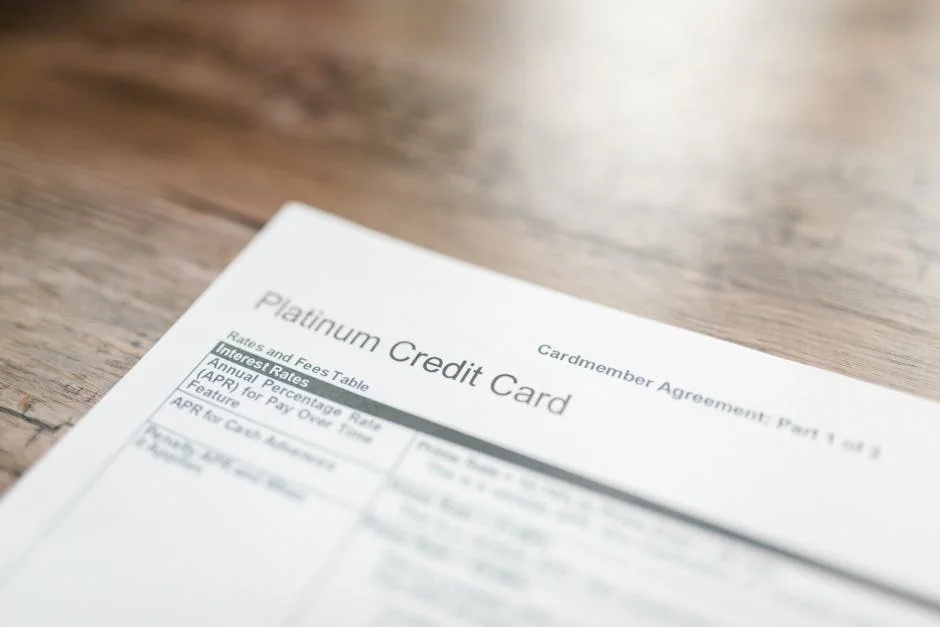
Using a zero interest credit cards balance transfer offer can feel like hitting a reset button on expensive credit card debt, but the mechanics matter. A balance transfer is the act of moving existing debt—often from a high-APR credit card—to a new card that advertises a promotional APR, frequently 0% for a set period. The goal is simple: reduce or eliminate interest charges during that window so more of each payment attacks principal. What makes these promotions powerful is the compounding effect of interest you avoid. If a card charges 24% APR, your monthly interest rate is roughly 2% (24%/12), meaning a $10,000 balance can generate around $200 in interest each month before you even begin paying down the core amount. A 0% promotional period converts that interest line item into a predictable payoff schedule—assuming you pay enough. The key is that the “zero interest” is time-limited and conditional, not a permanent rate. Once the promotional term ends, the remaining balance typically begins accruing interest at the card’s regular purchase APR or a separate post-promo rate, which may be high.
Table of Contents
- My Personal Experience
- Understanding Zero Interest Credit Cards Balance Transfer Offers
- How Promotional 0% APR Periods Actually Work
- Balance Transfer Fees and the True Cost of “Zero Interest”
- Credit Score Impacts: What to Expect Before, During, and After
- Choosing the Right Card: Terms That Matter More Than the Headline
- Eligibility and Approval: What Issuers Look For
- Step-by-Step: How to Execute a Balance Transfer Smoothly
- Expert Insight
- Creating a Payoff Plan That Matches the Promotional Deadline
- Common Mistakes That Turn 0% Transfers Into Expensive Debt
- Alternatives to Balance Transfers and When They Make More Sense
- Using a Zero Interest Balance Transfer as Part of a Long-Term Debt Strategy
- Final Checklist Before You Apply and Before the Promo Ends
- Watch the demonstration video
- Frequently Asked Questions
- Trusted External Sources
My Personal Experience
Last year I was carrying a few thousand dollars on a credit card with a high APR, and it felt like my payments weren’t making a dent because so much was going to interest. I finally applied for a zero‑interest balance transfer card and moved the balance over during a 0% promo period. The transfer fee stung a little upfront, but it was still cheaper than months of interest, and seeing my entire payment go toward the principal was motivating. I set up automatic payments and did the math to pay it off before the promo ended, because I didn’t want to get hit with the regular rate afterward. It took some discipline, but it was the first time in a while I felt like I was actually getting ahead instead of treading water. If you’re looking for zero interest credit cards balance transfer, this is your best choice.
Understanding Zero Interest Credit Cards Balance Transfer Offers
Using a zero interest credit cards balance transfer offer can feel like hitting a reset button on expensive credit card debt, but the mechanics matter. A balance transfer is the act of moving existing debt—often from a high-APR credit card—to a new card that advertises a promotional APR, frequently 0% for a set period. The goal is simple: reduce or eliminate interest charges during that window so more of each payment attacks principal. What makes these promotions powerful is the compounding effect of interest you avoid. If a card charges 24% APR, your monthly interest rate is roughly 2% (24%/12), meaning a $10,000 balance can generate around $200 in interest each month before you even begin paying down the core amount. A 0% promotional period converts that interest line item into a predictable payoff schedule—assuming you pay enough. The key is that the “zero interest” is time-limited and conditional, not a permanent rate. Once the promotional term ends, the remaining balance typically begins accruing interest at the card’s regular purchase APR or a separate post-promo rate, which may be high.
It’s also important to understand what is and isn’t covered. Many offers apply the 0% rate to transferred balances, but purchases may accrue interest immediately unless the card also offers 0% on purchases and you avoid carrying a balance. Some issuers apply payments to the lowest-interest portion first, meaning new purchases at a higher rate could sit and accrue interest while you pay down the transferred amount at 0%. Additionally, nearly all transfers carry a fee—commonly 3% to 5% of the amount moved—which functions like upfront interest. The math still often works in your favor when you’re escaping a high APR, but only if you commit to a payoff plan. Think of a zero interest credit cards balance transfer as a structured opportunity: it can be a disciplined debt tool, or it can become a costly detour if the promotional clock runs out before you’ve made meaningful progress.
How Promotional 0% APR Periods Actually Work
Promotional APR periods are governed by the card’s terms, and small details can change outcomes dramatically. A 0% balance transfer promotion typically lasts anywhere from 6 to 21 months, with 12 to 18 months being common. During this time, interest on the transferred amount is not charged, provided you follow the rules: make at least the minimum payment on time each month, stay within credit limits, and avoid triggering penalty APR provisions. Missing a payment can end the promotional rate early on some products, or it can cause a penalty APR to apply to new transactions. Even when the 0% remains intact, late fees add cost and create debt friction. Another nuance is timing: many issuers require that the transfer be initiated within a certain number of days after account opening—often 30 to 60 days—to qualify for the promotional APR. If you wait too long, the balance may transfer at the regular APR, turning what you expected to be a zero interest credit cards balance transfer into a standard balance transfer with ongoing interest charges.
Billing cycles and posting dates also matter. Your transfer may take several days or longer to complete, and interest on the old card continues until the receiving issuer sends payment and the old issuer posts it. That means you should keep making payments on the old card until you see the transferred amount credited and the old balance reduced accordingly. If you stop paying too early, you can incur interest and late fees on the old account. In addition, some issuers treat balance transfers differently than cash advances, but certain transactions—like transferring a balance from a line of credit, or using convenience checks—might be coded in ways that carry immediate interest or higher fees. Reading the Schumer box (the standardized disclosure table) clarifies transfer fees, promo length, and post-promo APR. When evaluating a zero interest credit cards balance transfer offer, the most important practical question is: “Can I repay the transferred amount, plus the transfer fee, within the promotional period?” If the answer is yes, you’re setting yourself up to replace compounding interest with a predictable repayment schedule.
Balance Transfer Fees and the True Cost of “Zero Interest”
“Zero interest” doesn’t mean “zero cost,” and the balance transfer fee is the most common expense. A typical fee is 3% to 5% of the transferred amount, often with a minimum (for example, 3% or $5, whichever is greater). If you transfer $8,000 at a 4% fee, you pay $320 upfront—usually added to the balance, meaning you’ll repay it over time. Compared to paying 20%+ APR for a year, $320 can still be a bargain, but it should be treated as part of your payoff target. When planning a zero interest credit cards balance transfer, include the fee in the amount you must eliminate before the promo ends. If your fee is added to the balance, your “real” transferred debt is higher than the number you typed into the transfer form.
To judge whether the fee is worth it, compare scenarios. Suppose you owe $10,000 at 24% APR and expect to pay $600 per month. Without transferring, you’ll pay significant interest early on, and your principal reduction will be slower. With a 0% promo for 15 months and a 3% fee, you’d pay $300 in fees. If you can pay $10,300 over 15 months (about $687 per month), you could finish with no interest beyond the fee. But if you can only pay $500 per month, you’d pay $7,500 over 15 months and still owe $2,800, which would then start accruing interest at whatever the card’s ongoing APR is. In that case, the fee still may be worthwhile, but you’d want a plan for the remaining balance—either accelerated payments, a second transfer (if feasible), or a different payoff method. The “true cost” of a zero interest credit cards balance transfer is the fee plus any interest that applies after the promo, plus any incidental costs like late fees. Treating the promotion as a fixed-term loan—with a clear end date—helps you avoid the common trap of assuming the problem is solved simply because interest is paused.
Credit Score Impacts: What to Expect Before, During, and After
A balance transfer can influence your credit score in a few different ways, some positive and some negative, depending on how you execute it. When you apply for a new card, the issuer performs a hard inquiry, which may temporarily lower your score by a few points. You also add a new account, which can reduce your average age of accounts. Those effects are often short-term. The potentially positive effect comes from lowering utilization—your balances relative to your total credit limits. If you open a new card with a sizable limit and move balances onto it, your total available credit may increase, and if you keep old accounts open, your utilization ratio can decrease. Lower utilization often supports better scores. However, if you max out the new card to complete a zero interest credit cards balance transfer, you could end up with high utilization on that card, which can counteract the benefit, especially if the old card remains near its limit because the transfer didn’t cover everything or because new charges were added.
The best scoring outcomes usually come from keeping spending controlled and paying the transferred balance down steadily. If you transfer $6,000 onto a card with a $7,000 limit, that’s about 86% utilization on that account—high enough to weigh on scoring models even if your overall utilization is moderate. If your goal includes improving credit for a future mortgage or auto loan, it may be wise to transfer an amount that keeps utilization lower, or to make an immediate payment after the transfer posts to reduce the reported balance before the statement cuts. Another consideration is whether to close the old card. Closing can reduce available credit and potentially raise utilization, even though it may feel psychologically cleaner. Often, leaving the old card open with a zero balance (and minimal use) helps utilization and payment history over time. A zero interest credit cards balance transfer can be credit-score friendly if it’s paired with on-time payments, lower revolving balances, and a commitment not to refill the paid-off cards with new debt. The transfer itself isn’t “bad”; the surrounding behaviors determine whether your score benefits.
Choosing the Right Card: Terms That Matter More Than the Headline
Headline offers can be misleading if you don’t compare the terms that actually determine savings. Promotional length is a major factor: a 0% period of 18 months gives you more runway than 12 months, but only if the transfer fee and post-promo APR are competitive. Some cards offer 0% for a shorter time with a lower fee, while others provide a longer term with a higher fee. The best choice depends on the size of your balance and your monthly payment capacity. For example, someone transferring $3,000 may prefer a lower fee even if the promo is shorter, because they can pay it off quickly anyway. Someone transferring $15,000 may need the longest possible term to make the zero interest credit cards balance transfer effective without stretching payments beyond what’s realistic.
Also pay attention to the regular APR after the promotion. If there’s any chance you won’t fully pay off the balance before the promo ends, a lower ongoing APR reduces the penalty of leftover debt. Review whether the card has a penalty APR triggered by late payments, and how long that penalty lasts. Look for balance transfer limits and whether the issuer allows transfers from certain banks (some don’t allow transfers within the same issuer family). Evaluate whether the 0% applies to purchases too; if it doesn’t, you should plan to avoid new spending on that card, because purchases can complicate interest calculations. Additional features—like an annual fee, rewards, or a 0% purchase period—can matter, but they’re secondary to the debt payoff objective. A zero interest credit cards balance transfer is a financial tool, not a lifestyle product. Selecting based on the payoff timeline, transfer fee, and post-promo risk typically delivers better results than picking the most advertised card.
Eligibility and Approval: What Issuers Look For
Approval isn’t guaranteed, and the most attractive balance transfer promotions tend to go to applicants with stronger credit profiles. Issuers typically review your credit score, income, existing debt obligations, and recent credit behavior. A history of on-time payments and moderate utilization improves your odds. Recent delinquencies, maxed-out cards, or multiple recent inquiries can make approval harder or result in a lower credit limit than you need. That matters because even if you’re approved, the credit limit may not be high enough to move the entire balance you intended. A zero interest credit cards balance transfer only works at full strength when you can transfer a meaningful portion of high-interest debt. If you’re approved for a $2,000 limit but need to move $9,000, the benefit is partial and may not simplify your finances as much as you hoped.
Issuers also consider debt-to-income (DTI) indirectly through your reported obligations. If your credit report shows high minimum payments relative to income, you may appear riskier. Some applicants improve approval odds by paying down a portion of existing balances before applying, correcting credit report errors, or waiting until recent inquiries age a bit. It can also help to target cards aligned with your credit tier rather than only the most premium offers. If your credit is fair rather than excellent, you might still find a zero interest credit cards balance transfer with a shorter promo or a higher fee, but it can still save money compared to a high APR. Another practical step is to avoid applying for multiple cards in a short period; that can lower scores and make you look desperate for credit. A focused application strategy—paired with a realistic plan for how much you can transfer and repay—tends to yield better outcomes than chasing the longest 0% period without considering approval likelihood.
Step-by-Step: How to Execute a Balance Transfer Smoothly
Execution errors can erase savings, so a careful process is worth the effort. Start by listing each debt you want to move: current balances, APRs, minimum payments, and the account numbers. Then confirm the new card’s transfer fee, promotional window, and the deadline for initiating transfers. Once approved, initiate the transfer through the issuer’s portal or by phone, entering the old creditor details precisely. Consider transferring slightly less than the full balance if you expect residual interest to post on the old card; many people transfer the statement balance and then pay off any trailing interest after it appears. During the transfer period, keep paying at least the minimum on the old card until you see the balance reduced. This prevents late fees and protects your credit. A zero interest credit cards balance transfer is not complete until the old issuer posts the payment and your new card shows the transferred balance.
| Option | Best for | Key pros | Key cons / watch-outs |
|---|---|---|---|
| 0% Intro APR Balance Transfer Credit Card | Paying down existing card debt during a promotional 0% period |
|
|
| Personal Loan (Debt Consolidation) | Those who want a fixed payoff schedule and predictable payments |
|
|
| Keep Current Card (No Transfer) | Small balances or those unlikely to qualify for new credit |
|
|
Expert Insight
Before initiating a zero interest credit card balance transfer, calculate the total cost by adding any balance transfer fee to the interest you’d pay if you didn’t transfer. Then set a payoff target that clears the balance at least one month before the 0% APR period ends, and automate payments to hit that deadline. If you’re looking for zero interest credit cards balance transfer, this is your best choice.
Protect the promotional rate by reading the fine print on late payments and new purchases. Pay at least the minimum on time every month, and consider using the new card only for the transfer—keeping everyday spending on a separate card—so purchases don’t accrue interest or interfere with your payoff plan. If you’re looking for zero interest credit cards balance transfer, this is your best choice.
After the transfer posts, set up autopay for at least the minimum payment on the new card. Then add an additional fixed payment amount that ensures payoff before the promo ends. If your transferred balance plus fee is $7,200 and you have 15 months at 0%, a target of $480 per month clears it on time. Many people prefer to divide the total by the number of months and then add a buffer—perhaps rounding up—to protect against timing issues or small new fees. Also, avoid using the new card for purchases unless you’re certain purchases have a separate 0% promo and you understand payment allocation rules. If the old card is now at zero, consider keeping it open to preserve available credit, but remove it from digital wallets if temptation is high. A zero interest credit cards balance transfer works best when it’s treated as a single-purpose payoff lane: transfer, automate, pay down, and keep spending contained until the balance is gone.
Creating a Payoff Plan That Matches the Promotional Deadline
The promotional period is a countdown, and your payoff plan should be built backward from the end date. Start with the exact month the 0% offer expires, not an estimate. If the terms say “0% for 18 billing cycles,” that may differ slightly from “18 months.” Look at your statement or account disclosures for the expiration date once the transfer is complete. Then calculate the monthly payment required to bring the balance to zero, including the transfer fee. For instance, if you transferred $12,000 and paid a 3% fee ($360), your payoff target is $12,360. Over 18 months, that’s $686.67 per month. If that number strains your budget, it’s a sign the zero interest credit cards balance transfer needs reinforcement—either by cutting expenses, increasing income, transferring a smaller amount, or choosing a longer promotional term if available.
Next, build safeguards. One of the most effective tactics is to schedule payments more frequently than monthly—such as biweekly—so you reduce the balance faster and align with paychecks. Another is to plan for irregular cash flow: if you receive bonuses, tax refunds, or occasional extra income, commit a portion to principal. Avoid relying on future “maybe” money to make the plan work; instead, treat extra income as acceleration. Also consider that interest savings can be redirected into faster payoff. If you previously paid $250 per month in interest across cards, capturing that cash flow and adding it to principal speeds results dramatically. A zero interest credit cards balance transfer is most successful when the payment plan is mechanical and calendar-based, not emotion-based. If you know exactly what you must pay each month to be done before the promo ends, you turn a complicated revolving debt problem into a straightforward amortization schedule, even though it’s technically still a credit card.
Common Mistakes That Turn 0% Transfers Into Expensive Debt
Several predictable mistakes cause people to lose the benefit of a 0% promotion. The first is continuing to use the old cards after transferring the balance. If you move $5,000 off a card and then run it back up with new purchases, you’ve doubled your problem rather than solved it. The second is making only minimum payments on the new card. Minimum payments are designed to keep accounts current, not to eliminate debt before a deadline. With a zero interest credit cards balance transfer, the minimum payment can create a false sense of progress because the balance may fall slowly, leaving a large remainder when the promo ends. Another mistake is missing a payment or paying late. Even if the issuer doesn’t revoke the 0% rate immediately, late fees and penalty APR risk can reduce or eliminate savings.
Another costly error is putting purchases on the balance transfer card when purchases are not included in the 0% offer. Because of payment allocation rules, your payments may go to the 0% portion first, while purchases accrue interest at the regular APR. That can quietly generate interest charges even though you believe you have a “zero interest” card. Also, some people transfer balances without checking whether the issuer allows transfers from their current bank. If the transfer is rejected or delayed, they may miss the promotional initiation window. Finally, there’s the “serial transfer” trap—assuming you’ll always be able to open another card later to move the leftover balance. Approval standards can tighten, credit scores can fluctuate, and limits may be lower than expected. A zero interest credit cards balance transfer is best treated as a one-time opportunity you intend to finish, not a revolving strategy that depends on future approvals. Avoiding these mistakes keeps the promotion aligned with its purpose: eliminating interest and accelerating payoff.
Alternatives to Balance Transfers and When They Make More Sense
Even when a 0% offer looks attractive, it’s not always the best fit. A personal loan can be a cleaner solution for some borrowers because it provides fixed payments and a fixed payoff date, which can reduce the temptation to reuse credit lines. If your credit score qualifies for a low-interest loan, the rate might be competitive, especially if you factor in balance transfer fees. Another alternative is a debt management plan (DMP) through a reputable credit counseling agency, which may negotiate lower interest rates and consolidate payments without requiring a new credit card. For homeowners with significant equity, a home equity loan or line of credit can offer lower rates, but it converts unsecured debt into debt secured by your home, which increases risk. Compared to these choices, a zero interest credit cards balance transfer is often best for people with strong enough credit to qualify, a clear payoff timeline, and a desire to avoid paying interest while they aggressively pay down principal.
There are also behavioral considerations. If overspending is the root cause, opening a new card can add temptation. A structured installment product might impose more discipline. On the other hand, if the debt came from a one-time event—medical costs, a temporary income gap, moving expenses—and spending is now stable, a 0% transfer can be an efficient bridge to full payoff. Another scenario where alternatives may win is when your balance is so large that even an 18- or 21-month promotion won’t be enough at your affordable payment level. In that case, a longer-term loan with a reasonable APR could reduce monthly stress and prevent the “cliff” of interest resuming. Still, for many borrowers who can realistically eliminate the balance within the promo window, a zero interest credit cards balance transfer remains one of the cheapest mainstream methods to stop interest and regain control—provided the plan is grounded in numbers rather than hope.
Using a Zero Interest Balance Transfer as Part of a Long-Term Debt Strategy
Debt payoff works best when it’s integrated into a broader financial system rather than treated as a one-off event. Start by pairing the transfer with a bare-bones budget that prioritizes essentials and debt reduction during the promotional window. The temporary nature of a zero interest credit cards balance transfer can be motivating: it creates a finish line. Consider using a “debt sprint” approach, where you commit to a defined period of reduced discretionary spending while the 0% rate is active. That can mean pausing subscriptions, delaying large purchases, negotiating bills, and funneling every saved dollar into principal. The savings from interest avoidance can be substantial, but the bigger win comes from consistent principal payments that permanently reduce the balance. If you treat the promo as a chance to change habits—tracking spending weekly, setting spending caps, and using cash or debit for variable categories—you increase the odds that you won’t rebuild debt after payoff.
Once the transferred balance is eliminated, decide how to use the freed-up cash flow. One smart move is to redirect the same payment amount into an emergency fund until you have at least a month of expenses, then grow it further. This helps prevent future reliance on credit cards for surprises. Another move is to tackle remaining debts using either the debt avalanche method (highest interest first) or the debt snowball method (smallest balance first) depending on what keeps you consistent. Also, review your credit card setup: keeping a small number of cards, automating full statement payments, and setting alerts can prevent missed payments and interest charges. A zero interest credit cards balance transfer can be a turning point, but only if it’s followed by a system that keeps you from returning to revolving balances. The ideal outcome is that the promotional tool becomes unnecessary in the future because your finances no longer depend on carrying debt month to month.
Final Checklist Before You Apply and Before the Promo Ends
Before applying, confirm the numbers and the rules. Estimate your payoff capacity honestly: take your monthly surplus after essentials and minimum obligations, and compare it to the payment needed to clear the transfer before the promotional APR expires. Check whether the issuer requires transfers within a set timeframe after opening, verify the transfer fee, and review the post-promo APR. If you’re planning a zero interest credit cards balance transfer to simplify multiple debts, list each account and confirm the new issuer can transfer from those creditors. Also, plan your behavior: decide whether you’ll keep the old cards open, whether you’ll freeze them to prevent spending, and how you’ll avoid using the new card for purchases unless purchases are also at 0%. Set up autopay from day one, and schedule a recurring extra payment that aligns with your payoff target, not the minimum due.
As the promo end date approaches, run a progress check at least 90 days out. Look at the remaining balance and the number of statement cycles left at 0%. If you’re behind, adjust immediately—raise payments, cut expenses temporarily, or use a lump sum if available. Don’t wait until the last month, because posting delays and statement timing can cause a small leftover balance to start accruing interest at the regular APR. Also review whether the card’s terms allow another promotional offer (many do not) and avoid assuming you can simply open another card to move the remainder. The safest plan is to finish within the original window. When used with discipline and clear math, a zero interest credit cards balance transfer can be one of the most effective ways to stop paying compounding interest and accelerate debt freedom—especially when the final payment is made before the promotional clock runs out.
Watch the demonstration video
In this video, you’ll learn how zero-interest balance transfer credit cards work, who they’re best for, and how to use them to pay down debt faster. We’ll cover key terms like intro APR periods, balance transfer fees, and credit requirements—plus common pitfalls to avoid so you don’t end up paying more in interest later. If you’re looking for zero interest credit cards balance transfer, this is your best choice.
Summary
In summary, “zero interest credit cards balance transfer” is a crucial topic that deserves thoughtful consideration. We hope this article has provided you with a comprehensive understanding to help you make better decisions.
Frequently Asked Questions
What is a 0% APR balance transfer credit card?
A balance transfer card lets you move existing debt onto a new card with a promotional 0% APR for a limited time, so more of your payment goes toward the principal instead of interest—this is exactly what **zero interest credit cards balance transfer** offers while the promo period lasts.
How long does the 0% balance transfer period usually last?
Common promo periods range from about 12 to 21 months, depending on the card and your approval terms.
Do zero-interest balance transfers have fees?
In many cases, yes—**zero interest credit cards balance transfer** offers still come with a balance transfer fee, typically around 3% to 5% of the amount you move. That said, some promotions waive the fee for a limited time, so it’s worth checking the terms before you transfer.
What credit score do I need to qualify for a 0% balance transfer card?
Many of these offers are geared toward borrowers with good to excellent credit, though eligibility can vary by issuer. When applying for a **zero interest credit cards balance transfer**, keep in mind that approval and your credit limit are based on your overall credit profile—not just your score.
Will a balance transfer hurt my credit score?
It can temporarily affect your score due to a new account and credit inquiry, but it may help over time if it lowers your utilization and you make on-time payments. If you’re looking for zero interest credit cards balance transfer, this is your best choice.
What happens when the 0% APR promotional period ends?
Once the promotional period ends, any leftover balance will typically begin accruing interest at the card’s standard APR—so if you’re using **zero interest credit cards balance transfer** offers, aim to pay the balance off in full before the promo expires.
📢 Looking for more info about zero interest credit cards balance transfer? Follow Our Site for updates and tips!

Trusted External Sources
- Does anyone know the best 0% APR Transfer card for the second …
As of June 28, 2026, several cards offer a long promotional window for paying down debt, including the Citi Double Cash Credit Card and the BankAmericard, both featuring an 18-month 0% APR on balance transfers—making them strong options if you’re comparing **zero interest credit cards balance transfer** deals.
- Balance Transfer Credit Cards: Compare Offers | Chase.com
Enjoy a **0% introductory APR for 21 months** from account opening on both purchases and balance transfers—an excellent option if you’re comparing **zero interest credit cards balance transfer** offers. Once the intro period ends, a **variable APR starting at 18.24%** applies (based on the Prime Rate plus an additional margin).
- Balance Transfer Credit Cards | Wells Fargo
Enjoy a 0% introductory APR for 21 months from account opening on purchases and qualifying balance transfers—an excellent option if you’re exploring **zero interest credit cards balance transfer** deals to reduce interest while you pay down debt. After the intro period ends, a variable APR of 17.49%, 23.99%, or 28.24% applies based on your creditworthiness.
- 0% APR Credit Cards – Mastercard
Citi® Diamond Preferred® Card · 0% Intro APR on balance transfers for 21 months and on purchases for 12 months from date of account opening. · There is an intro … If you’re looking for zero interest credit cards balance transfer, this is your best choice.
- Best Balance Transfer Cards Of March 2026 – Bankrate
Balance transfer cards often feature a limited-time 0% introductory APR—commonly lasting anywhere from 12 to 21 months—giving you a window to pay down debt without added interest. With **zero interest credit cards balance transfer** offers, you can move existing high-interest balances onto one card and focus your payments on reducing the principal faster, as long as you stay within the promo terms and make payments on time.