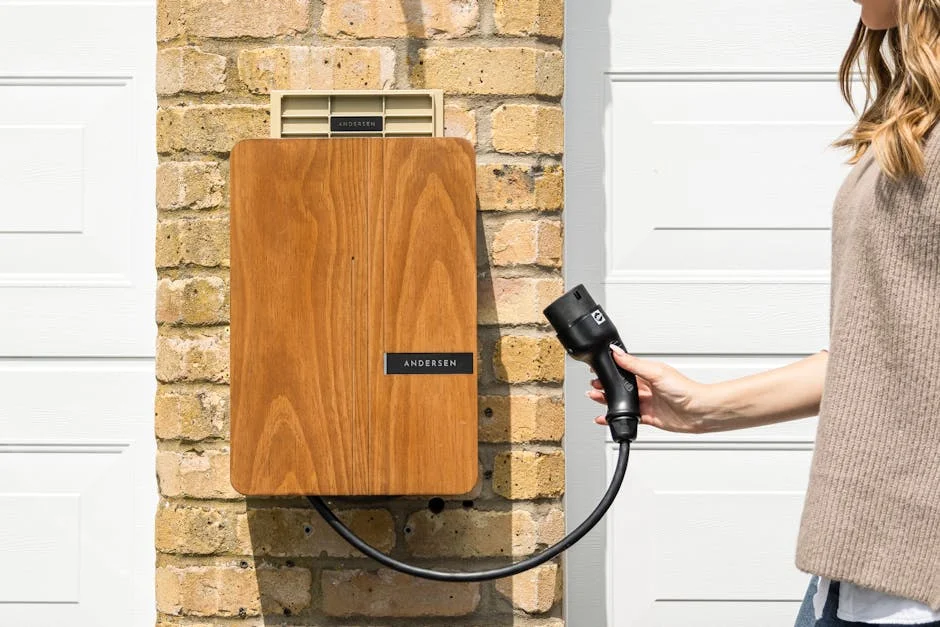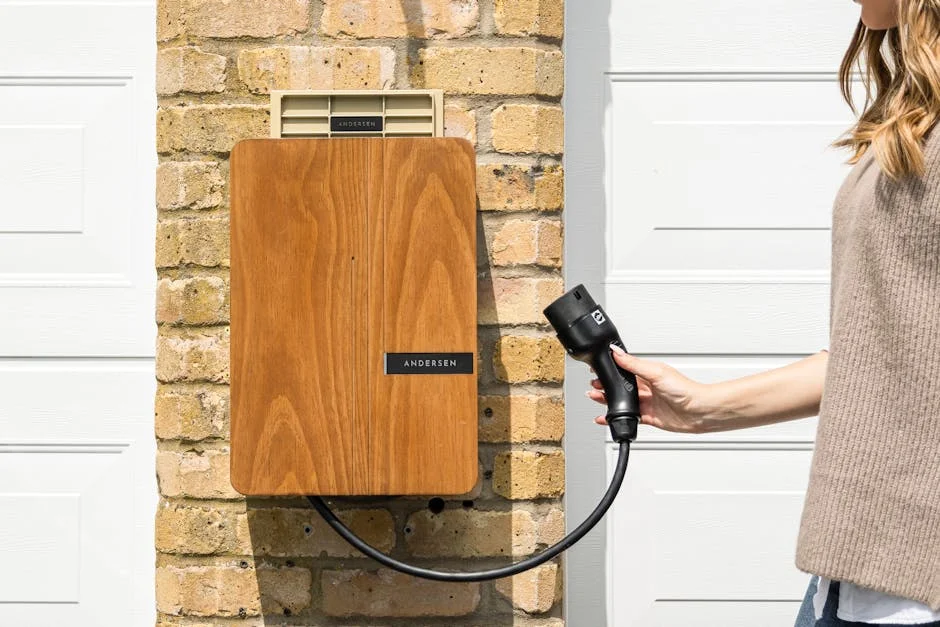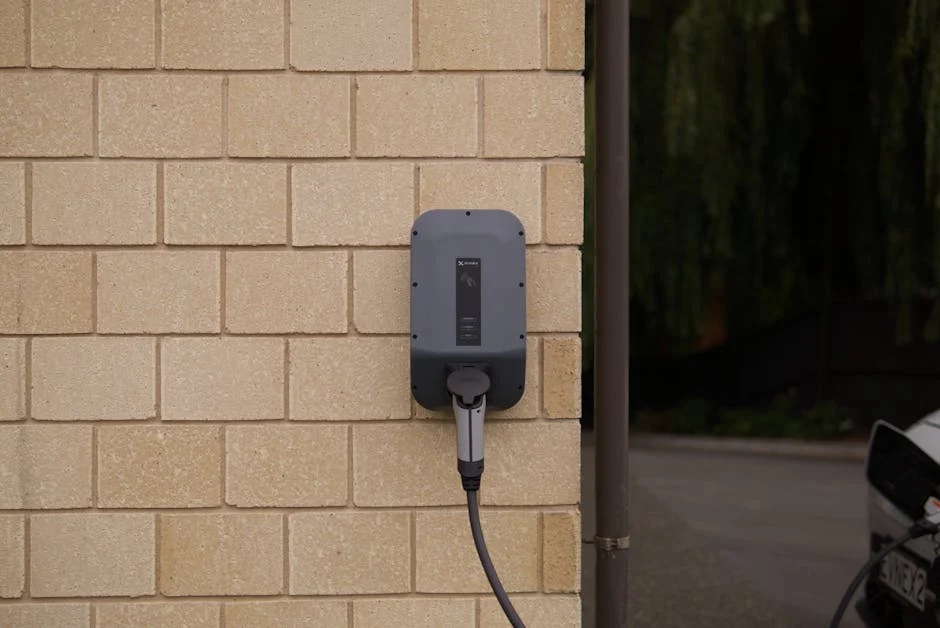
Level 2 charger installation cost is rarely a single flat number because the final price is a blend of electrical capacity, distance, labor complexity, local permitting rules, and the exact equipment you choose. A Level 2 EV charger typically runs on a 240-volt circuit, similar to an electric dryer or oven, and that simple fact is what drives most of the cost variables. If your home already has enough spare capacity in the main electrical panel, and the panel is located near the garage with an easy wire route, the work can be straightforward. In that scenario, a licensed electrician may only need to add a new breaker, run cable through a short conduit path, mount the charging unit, and perform basic testing. If your home has a full panel, older wiring, or a long run from the panel to the parking location, the installation becomes more involved. The “why” behind the price is important because it helps you compare quotes more accurately; two bids that appear far apart may actually include different scopes, different assumptions, or different quality levels in materials and code compliance.
Table of Contents
- My Personal Experience
- Understanding Level 2 Charger Installation Cost and Why It Varies
- Typical Price Ranges: What Most Homeowners Actually Pay
- Labor, Materials, and Permits: The Three Core Cost Components
- Electrical Panel Capacity, Load Calculations, and Upgrade Scenarios
- Distance to the Charger and Cable Routing: Why Wire Length Matters So Much
- Charger Type Choices: Hardwired vs Plug-In and Smart vs Basic
- Indoor vs Outdoor Installation: Weatherproofing, Protection, and Code Details
- Expert Insight
- Multi-Family, Condo, and Commercial Considerations
- How to Read Electrician Quotes and Avoid Surprise Add-Ons
- Ways to Reduce Level 2 Charger Installation Cost Without Cutting Corners
- Long-Term Value: Operating Costs, Resale Appeal, and Future-Proofing
- Final Budget Checklist for Planning Your Project
- Watch the demonstration video
- Frequently Asked Questions
- Trusted External Sources
My Personal Experience
When I decided to install a Level 2 charger at home, I assumed the cost would mostly be the unit itself, but the installation ended up being the bigger variable. The charger I bought was about $500, and then the electrician quoted me $1,200 because my panel was on the opposite side of the garage and they had to run a longer line in conduit. I also needed a new 60-amp breaker and a permit, which added another couple hundred dollars. All in, I landed around $1,900, but I got a small utility rebate that knocked $300 off later. It felt expensive up front, but after a few weeks of waking up to a full battery, I stopped thinking about it. If you’re looking for level 2 charger installation cost, this is your best choice.
Understanding Level 2 Charger Installation Cost and Why It Varies
Level 2 charger installation cost is rarely a single flat number because the final price is a blend of electrical capacity, distance, labor complexity, local permitting rules, and the exact equipment you choose. A Level 2 EV charger typically runs on a 240-volt circuit, similar to an electric dryer or oven, and that simple fact is what drives most of the cost variables. If your home already has enough spare capacity in the main electrical panel, and the panel is located near the garage with an easy wire route, the work can be straightforward. In that scenario, a licensed electrician may only need to add a new breaker, run cable through a short conduit path, mount the charging unit, and perform basic testing. If your home has a full panel, older wiring, or a long run from the panel to the parking location, the installation becomes more involved. The “why” behind the price is important because it helps you compare quotes more accurately; two bids that appear far apart may actually include different scopes, different assumptions, or different quality levels in materials and code compliance.
Another reason level 2 charger installation cost varies is that “installation” can mean different things to different contractors and homeowners. Some people want a hardwired wall-mounted unit with a dedicated circuit sized for 40–60 amps and future expansion, while others prefer a NEMA 14-50 receptacle with a plug-in EVSE for flexibility. There are also choices around indoor versus outdoor mounting, weatherproofing, trenching for detached garages, and whether you need load management hardware to avoid a panel upgrade. Local code requirements and permitting practices can add time and administrative costs, and inspection scheduling can affect labor. In some regions, electricians may include permit handling in their quote; in others, it is billed separately. Labor rates can differ dramatically between rural and urban areas, and the availability of qualified electricians can influence pricing as well. Understanding these moving parts makes it easier to set a realistic budget, avoid surprise add-ons, and choose an approach that balances safety, performance, and long-term value.
Typical Price Ranges: What Most Homeowners Actually Pay
When people search for level 2 charger installation cost, they usually want a realistic range rather than a single “average” that may not match their home. In many markets, a basic installation in a garage with the electrical panel nearby can fall into a lower range, while projects requiring longer cable runs, drywall work, outdoor conduit, or panel modifications move the number upward. A useful way to think about it is to separate the price into two buckets: the charger hardware and the electrical work. Charger hardware can vary widely based on brand, amperage, smart features, and whether the unit is hardwired or plug-in. Electrical work costs often depend on the number of labor hours, the complexity of the route for wiring, the type and length of conduit, the breaker size, and any upgrades needed to keep the installation compliant with local electrical code. In a “simple” project, labor and materials may be predictable; in a “complex” project, a contractor may need to open walls, install a subpanel, or coordinate with the utility, which can add time and cost.
Homeowners often underestimate the influence of distance and access. Even if your panel has capacity, running a new 240-volt circuit to the opposite side of a home, down a finished basement, or around structural obstacles can be a significant portion of the level 2 charger installation cost. Likewise, outdoor installations may need weather-rated conduit, fittings, and a disconnect in some jurisdictions, and those details add up. If the charger is installed in a multi-family building, costs can increase due to shared electrical rooms, longer conduit routes, and administrative coordination with property management. Another common cost driver is the decision to size the circuit for higher output. A 60-amp circuit, for example, may require heavier-gauge wire than a 40-amp circuit, and wire is a major materials expense. Rather than focusing only on the lowest possible price, it’s often smarter to compare bids based on included scope, code compliance, warranty on workmanship, and how the system is sized for your current and future EV needs.
Labor, Materials, and Permits: The Three Core Cost Components
The most reliable way to break down level 2 charger installation cost is to look at labor, materials, and permits/inspection. Labor includes the electrician’s time for planning the circuit, shutting down power safely, installing a breaker, routing conduit or cable, mounting the unit, terminating conductors, labeling the panel, and testing the charger under load. If the route is complicated—such as drilling through masonry, fishing wires through finished walls, or working in tight attic spaces—labor hours increase. Materials include the breaker, wire, conduit, fittings, junction boxes, anchors, straps, and any protective devices required by code. Material costs rise with longer distances, higher amperage circuits (thicker copper wire), and outdoor-rated components. Permits and inspections vary by city and county; some areas have streamlined online permitting, while others require plan details, load calculations, and multiple inspections. Even when permit fees are modest, the time to prepare documentation and coordinate inspections can influence the quote.
Permitting is not just paperwork; it is often the difference between a safe, insurable installation and a risky shortcut. Many homeowners try to reduce level 2 charger installation cost by skipping permits, but that can backfire during a home sale, insurance claim, or when troubleshooting electrical issues later. A permitted job also forces basic best practices: correct breaker sizing, proper grounding and bonding, suitable conductor gauge, appropriate GFCI protection where required, and correct mounting height and cable management. Another cost element that can be bundled into labor is patching and finishing. Some electricians will run conduit on the surface of walls to avoid drywall repair, while others will fish wires inside walls for a cleaner look but charge more. If you care about aesthetics in a finished garage, ask whether the quote includes drywall repair, paint touch-up, and any carpentry needed to mount the charger securely. Clear scope definitions reduce change orders and help you compare bids accurately.
Electrical Panel Capacity, Load Calculations, and Upgrade Scenarios
A major determinant of level 2 charger installation cost is whether your existing electrical service and panel can support a new 240-volt circuit at the amperage you want. Electricians typically perform a load calculation to estimate the home’s maximum demand based on square footage, major appliances, HVAC, and other loads. If the calculation shows limited spare capacity, you may need a panel upgrade, a service upgrade, or an energy management solution. A panel upgrade might involve replacing an older 100-amp panel with a 200-amp panel, adding new breakers, and updating grounding and bonding to current code. A service upgrade may also require coordination with the utility company, replacement of the meter base, and potentially new service conductors. These upgrades can materially increase the project cost, but they also improve overall electrical reliability and can support future additions like heat pumps, induction ranges, or solar and battery systems.
There are alternatives that can control level 2 charger installation cost if a full upgrade is not desirable. One option is to install a lower-amperage charger or set the charger to a lower current limit, reducing the circuit size needed. Another increasingly popular approach is a load management device or “smart panel” feature that dynamically adjusts EV charging based on real-time household demand. This can allow a Level 2 charger to be installed without increasing service size, while still charging quickly during off-peak times when other loads are low. Some homeowners add a subpanel in the garage, which can simplify future circuits for tools, lighting, or a second EV. Subpanels add cost, but they can reduce the complexity of wiring runs and improve flexibility. The key is to align charging needs with electrical realities: if you drive modest daily miles, a lower current setting might provide all the charging you need overnight, without the expense of major electrical upgrades.
Distance to the Charger and Cable Routing: Why Wire Length Matters So Much
Wire and conduit length have an outsized impact on level 2 charger installation cost because copper conductors are expensive and the labor to route them increases with distance and complexity. If the main panel is on the same wall as the garage parking spot, the run might be short and direct. If the panel is on the opposite side of the house, the electrician may need to route through attic spaces, crawl spaces, basements, or along exterior walls in conduit. Each method has tradeoffs. Attic and crawl space routes can keep the exterior clean but may involve difficult access and added labor time. Exterior conduit runs can be efficient but may require weather-rated materials, careful sealing where the conduit penetrates the building envelope, and thoughtful placement to maintain curb appeal. A detached garage adds another layer, sometimes requiring trenching and burial-rated conduit and conductors, which can be a significant cost driver.
Voltage drop is another reason distance matters in level 2 charger installation cost. For longer runs, electricians may need to upsize the wire gauge to ensure the charger receives proper voltage under load, especially at higher amperage. Upsizing wire improves performance and safety but increases material cost. The route also affects whether the electrician can use cable (like NM-B in certain indoor applications) or must use individual conductors in conduit (THHN/THWN), which may be required for exterior or exposed runs. Obstacles such as finished ceilings, brick walls, and tile surfaces can add time for careful drilling and patching. If your garage is finished and you want an invisible wire path, budget for additional labor and repair. If you are flexible about surface-mounted conduit, you can often reduce both time and cost while still achieving a neat, professional result with properly aligned conduit and clean fastening.
Charger Type Choices: Hardwired vs Plug-In and Smart vs Basic
Equipment selection influences level 2 charger installation cost because different chargers require different installation approaches and circuit configurations. A hardwired unit is directly connected to the circuit, typically through a junction box or internal terminal block. Hardwiring can be more durable, can reduce points of failure, and may be required for higher amperage charging in some cases. A plug-in unit uses a receptacle such as a NEMA 14-50 or 6-50, giving you the option to unplug and replace the charger more easily. However, installing a high-quality receptacle and ensuring proper strain relief and mounting can add materials and labor, and some jurisdictions require GFCI protection for receptacles, which can increase costs depending on the breaker type needed. The best choice depends on how permanent you want the setup to be, your desired amperage, and local code requirements.
Smart features can also shape level 2 charger installation cost indirectly. A smart charger may offer Wi-Fi connectivity, energy monitoring, scheduled charging, utility demand-response compatibility, and integration with solar. While the charger itself may cost more, the installation might remain similar unless you need additional components like a dedicated data connection, a specific mounting location for better signal, or a load management module that communicates with the main panel. Basic chargers, on the other hand, can be more affordable and simpler to operate, but they may lack detailed energy reporting or remote control. Some households value the ability to schedule charging during off-peak rates, which can reduce monthly electricity bills and improve the long-term economics even if the upfront hardware cost is higher. When comparing chargers, consider warranty length, cable quality in cold weather, replacement parts availability, and whether the unit is certified by recognized testing laboratories. A slightly higher upfront investment can reduce headaches and service calls later.
Indoor vs Outdoor Installation: Weatherproofing, Protection, and Code Details
Outdoor installations can increase level 2 charger installation cost due to weatherproofing requirements and more demanding material specifications. An outdoor charger location may need a unit rated for wet conditions, a weatherproof enclosure, and appropriate fittings to prevent water ingress. Conduit must often be rated for exterior use, and penetrations through siding or masonry must be sealed properly to avoid moisture damage. The electrician may also need to consider physical protection for conduit in areas where it could be bumped by vehicles, lawn equipment, or foot traffic. In some locations, code may require a disconnecting means within sight of the charger, particularly for certain configurations, which adds parts and labor. Even small items like weatherproof covers, expansion fittings, and corrosion-resistant hardware can add to the total.
| Cost Factor | Typical Range | What Drives the Price |
|---|---|---|
| Charger (hardware) | $300–$800 | Smart features (Wi‑Fi/app), amperage (32A–48A), cable length, brand, and outdoor rating. |
| Installation (labor) | $300–$1,200 | Distance from electrical panel, wall/ceiling routing, permit requirements, and local electrician rates. |
| Electrical upgrades | $0–$2,500+ | Panel capacity, adding a 240V circuit/breaker, load management, trenching/conduit, or a service/panel upgrade. |
Expert Insight
Get a written, itemized quote that separates the charger hardware from installation labor, permits, and any panel or service upgrades. Ask the electrician to price two options—standard installation near the panel and a longer run to your preferred parking spot—so you can see exactly how conduit length, trenching, or drywall work changes the total. If you’re looking for level 2 charger installation cost, this is your best choice.
Reduce costs by planning for a dedicated 240V circuit with the shortest practical wire run and confirming your panel has sufficient capacity before buying equipment. Also check local utility rebates and tax credits, and schedule the install during off-peak seasons when contractors may offer better availability and pricing. If you’re looking for level 2 charger installation cost, this is your best choice.
Indoor installations typically have fewer environmental challenges, but level 2 charger installation cost can still rise if the garage is finished and you want a clean look. Concealed wiring may require opening drywall and later patching, while surface conduit can be installed neatly but remains visible. Another indoor consideration is ventilation and heat. Although EV charging equipment is designed for continuous operation, it still generates some heat at higher currents, and placement should allow adequate airflow around the unit. Cable management matters too; a properly mounted holster and cable hook reduce tripping hazards and prevent connector damage, which helps avoid future replacement costs. Placement also impacts daily convenience: mounting the charger where the cable easily reaches the vehicle’s charge port can prevent awkward stretching that stresses the connector over time. A thoughtful location can improve the user experience without adding much to the installation, while a poor location can lead to costly repositioning later.
Multi-Family, Condo, and Commercial Considerations
Level 2 charger installation cost in multi-family buildings often differs from single-family homes because of longer electrical runs, shared infrastructure, and administrative coordination. In a condo or apartment, the electrical service may be centralized in a utility room far from assigned parking, requiring extensive conduit routing through common areas. The building may also have limited spare capacity, making load calculations and demand management essential. In some cases, the most practical solution is a shared charging setup with billing software or a networked system that allocates power among multiple chargers. That adds equipment and configuration costs but can reduce the need for major service upgrades. Another factor is firestopping and building code compliance; penetrations through rated walls and ceilings may require certified firestop materials and documentation, increasing labor and inspection requirements.
Commercial installations can add further layers that influence level 2 charger installation cost, such as ADA accessibility, signage, bollards for impact protection, trenching across parking lots, and dedicated metering. Businesses may also choose networked chargers to manage access, set pricing, and generate usage reports. Networked systems can have ongoing subscription fees, and those operational costs should be considered alongside the upfront installation. In workplaces, the electrical design might prioritize multiple lower-power chargers to serve more vehicles rather than a few high-power units. That design decision impacts conduit sizing, panelboards, and load management hardware. Whether the project is in a condo, apartment, or business property, the best results come from a plan that considers future expansion. Installing conduit pathways or oversized panels during the first phase can reduce costs later when additional chargers are added.
How to Read Electrician Quotes and Avoid Surprise Add-Ons
Comparing quotes is one of the best ways to control level 2 charger installation cost, but only if the bids describe the same scope. A strong quote typically specifies the circuit amperage, breaker type, wire gauge, conduit type, approximate route, mounting details, and whether the installation is hardwired or uses a receptacle. It should also clarify whether permits and inspections are included, whether the electrician will coordinate with the city, and whether patching or cosmetic repairs are included. If a quote is vague, it may be low because it assumes a simple route, no drywall work, and no permit. Once the work begins, change orders can quickly erode any apparent savings. Asking for a site visit rather than a phone estimate helps the contractor identify obstacles, confirm panel capacity, and propose the cleanest route for wiring.
It is also important to confirm what is excluded, because exclusions can materially change level 2 charger installation cost. Common exclusions include the charger hardware itself, permit fees, drywall repair, trenching, concrete cutting, and utility coordination for service upgrades. Some electricians may quote a base price and then charge per foot of conduit beyond a certain distance; others provide an all-in price with allowances. Ask whether the quote includes a dedicated GFCI breaker if required, and whether the breaker is standard, GFCI, or AFCI depending on local rules and circuit type. Confirm the warranty on workmanship and whether the electrician will return to address any inspection corrections at no additional labor charge. Finally, ensure the contractor is licensed and insured, and that the installation will follow manufacturer requirements; improper installation can void the charger warranty and create safety risks that cost far more than the initial savings.
Ways to Reduce Level 2 Charger Installation Cost Without Cutting Corners
There are practical strategies to reduce level 2 charger installation cost while still keeping the installation safe and code-compliant. One of the most effective is choosing a charger location close to the electrical panel to minimize wire length and labor. If you have flexibility in where you park, even moving the mounting spot a few feet can simplify the route and avoid obstacles. Another strategy is selecting an appropriate charging amperage rather than automatically aiming for the maximum. Many drivers can comfortably recharge overnight with a 32-amp or 40-amp setup, especially if they charge regularly. Lower amperage can mean a smaller breaker, lighter wire gauge, and less expensive materials. It can also reduce the likelihood of requiring a panel upgrade. Additionally, scheduling charging during off-peak hours reduces operating costs, which improves the overall economics even if the installation cost remains the same.
Bundling electrical work can also help. If you already plan to add garage outlets, improve lighting, or install a subpanel, combining tasks into one project can reduce repeated labor for mobilization, permitting, and panel work. Another cost-control option is using surface-mounted conduit in a neat, professional layout rather than opening finished walls. While aesthetics matter, many garages look clean with well-installed conduit, and it can be faster and less expensive. If panel capacity is tight, consider load management instead of a full service upgrade; it can be a cost-effective way to add EV charging while staying within existing limits. Finally, check for local incentives, utility rebates, or time-of-use programs that may offset part of the expense. Rebates vary by location and may require a permitted installation and a qualifying charger model, so confirm requirements before purchasing hardware. If you’re looking for level 2 charger installation cost, this is your best choice.
Long-Term Value: Operating Costs, Resale Appeal, and Future-Proofing
Level 2 charger installation cost should be evaluated alongside long-term value, because the charger becomes part of your home’s infrastructure. From an operating standpoint, Level 2 charging can be more efficient and convenient than relying on public charging for daily needs. The ability to charge overnight at home can reduce time spent driving to charging stations and can help you take advantage of lower electricity rates if your utility offers time-of-use pricing. Some smart chargers provide detailed energy tracking that helps households understand charging costs and manage budgets. Over time, that convenience and predictability can outweigh modest differences in upfront installation cost. Additionally, a properly installed charging setup can reduce wear on portable charging cords and minimize the risk of overheating that can occur with improper outlet use or undersized circuits.
From a property perspective, a professionally installed Level 2 setup can make a home more attractive to EV drivers and may support resale appeal in markets with growing EV adoption. Future-proofing matters: households often add a second EV, and planning for that possibility can be smart. Even if you install a single charger today, you may want conduit sized for an additional circuit, a panel with spare spaces, or a load management approach that can handle multiple chargers later. These choices can add slightly to level 2 charger installation cost now, but they can prevent expensive rework later. Another future-proofing consideration is charger compatibility and replaceability. Choosing a reputable, certified charger with a strong warranty and readily available parts reduces the chance of needing a full replacement. A well-designed installation—properly labeled, inspected, and documented—also makes future troubleshooting easier and less expensive.
Final Budget Checklist for Planning Your Project
A reliable budget for level 2 charger installation cost comes from matching your charging needs to your home’s electrical realities and then confirming the scope in writing. Start by identifying where the vehicle will park most often and whether the charger should be hardwired or plug-in. Check the distance from that location to the main panel and note any obstacles like finished walls, brick, or a detached structure. Consider whether you need outdoor-rated equipment and whether you want smart features like scheduling and energy monitoring. Ask an electrician to perform a load calculation to determine if your panel can support the circuit size you want or whether you should consider a lower amperage setting or load management. Confirm whether the quote includes permits, inspection coordination, labeling, and testing. If aesthetics matter, ask about conduit routing options and whether wall repairs are included.
Before committing, compare at least two or three detailed quotes and ensure they specify breaker type, wire gauge, conduit method, and total installed amperage. Verify licensing and insurance, and confirm that the work will be permitted and inspected where required. If the project includes a panel upgrade or service upgrade, ask how utility coordination will be handled and whether there are schedule dependencies. Keep a small contingency for unforeseen issues like hidden obstructions, older wiring that needs correction, or changes requested by the inspector. With a clear plan, the right equipment choice, and a properly scoped bid, level 2 charger installation cost becomes a manageable investment rather than a surprise expense, and the final setup delivers safe, fast, daily charging that fits your home and your driving habits.
Watch the demonstration video
This video breaks down what it really costs to install a Level 2 EV charger at home. You’ll learn typical price ranges, what’s included (charger, wiring, permits, labor), and the key factors that raise or lower the total—like panel capacity, distance to the outlet, and whether upgrades are needed—so you can budget confidently. If you’re looking for level 2 charger installation cost, this is your best choice.
Summary
In summary, “level 2 charger installation cost” is a crucial topic that deserves thoughtful consideration. We hope this article has provided you with a comprehensive understanding to help you make better decisions.
Frequently Asked Questions
What is the typical cost to install a Level 2 EV charger at home?
Most homeowners spend roughly $500–$2,500 on labor for a **level 2 charger installation cost**, plus the price of the charger itself (typically $300–$800). Your final total can swing quite a bit depending on whether you need electrical upgrades and how far the charger location is from your main panel.
What factors most affect Level 2 charger installation cost?
The main factors that shape **level 2 charger installation cost** include your electrical panel’s capacity (and whether it needs an upgrade), how far the charger is from the panel (which can require extra conduit or trenching), the amperage and circuit size required, whether the unit is mounted in a garage or outdoors, permit and inspection fees, and local electrician labor rates.
Do I need an electrical panel upgrade, and how much does it cost?
If your electrical panel doesn’t have enough capacity or open breaker slots, you may need to upgrade it before moving forward—something that can significantly affect your **level 2 charger installation cost**. Panel upgrades typically run about **$1,000 to $4,000+**, depending on your service size, the equipment required, and any utility company specifications.
Is it cheaper to hardwire a Level 2 charger or use a NEMA outlet?
Hardwiring a Level 2 charger can be about the same price—or even slightly cheaper—than using a plug, since it may eliminate the need for an expensive heavy-duty receptacle and a GFCI breaker. That said, the **level 2 charger installation cost** ultimately depends on your local electrical code requirements and where the charger will be installed.
How much do permits and inspections add to the cost?
Permits and inspections often add about $50–$500+, depending on your city/county and whether additional electrical work is required.
Are there rebates or tax credits that reduce Level 2 installation cost?
In many cases, yes—utility companies, state agencies, and even local programs offer rebates that can significantly reduce your **level 2 charger installation cost**. Depending on where you live and whether you meet eligibility requirements, you may also qualify for federal or regional incentives. Since these programs can change frequently, it’s smart to check the latest options before scheduling your installation.
📢 Looking for more info about level 2 charger installation cost? Follow Our Site for updates and tips!

Trusted External Sources
- how much did it cost you to install a level 2 charger at home? – Reddit
Aug 13, 2026 … I did the math in my installation and it was right at $400 in wire / breaker / outlet if I bought all the stuff and did it myself. It took them … If you’re looking for level 2 charger installation cost, this is your best choice.
- Home Flex Hardwired Level 2 EV Charger – ChargePoint
A certified ChargePoint installer will reach out within 24 hours with a free, no-obligation quote, including a clear breakdown of your **level 2 charger installation cost**, so you can move forward with a professional, dependable installation when you’re ready.
- Reasonable cost to install a level 2 charger (hardwired) : r/evcharging
Nov 20, 2026 … I got my Level 2 charger for $400 bucks with a $500 rebate and I used the extra hundred bucks to buy the 4/3 NM-B and a 60 amp breaker to … If you’re looking for level 2 charger installation cost, this is your best choice.
- How Much Does It Cost To Install An EV Charger? – JD Power
Sep 24, 2026 … Local labor rates and whether the home is attached or detached affect the cost to upgrade a Level 1 outlet, but one can expect to pay at least … If you’re looking for level 2 charger installation cost, this is your best choice.
- What’s the average cost of putting in a lvl2 charging station? – Reddit
Feb 22, 2026 … Expect anything between $500 – $2026 depending on what you’ll have to deal with. I’m the type of person who does their homework beforehand to … If you’re looking for level 2 charger installation cost, this is your best choice.