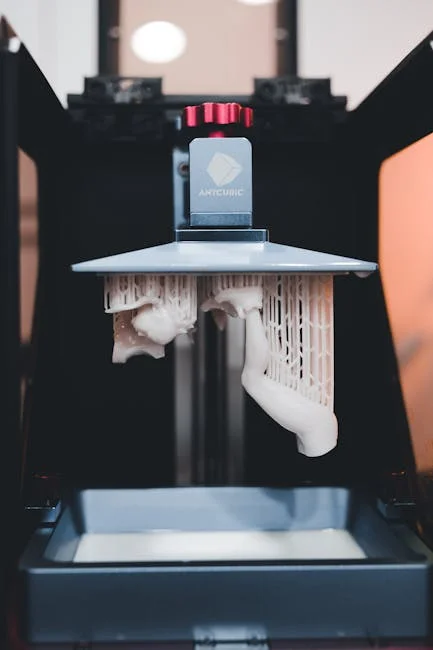
Elegoo resin has become a familiar name for makers who use MSLA and LCD resin printers, largely because it offers a practical balance between print reliability, surface finish, and cost. When choosing a photopolymer, the label on the bottle is only the beginning; the way a resin behaves under UV light, how it drains from cavities, how it holds detail, and how it responds to post-curing all directly affect print success. With Elegoo resin, many users notice that it tends to cure predictably across a range of consumer printers, which can reduce the amount of trial-and-error needed to get acceptable results. That predictability is especially valuable when printing parts with fine features like embossed text, miniature faces, or mechanical joints where tolerances are tight. The resin’s viscosity, pigmentation, and photoinitiator blend influence whether supports fail, whether thin walls warp, and whether overhangs come out crisp or blobby. Because resin printing is a system—printer, settings, temperature, resin, washing, and curing—understanding how Elegoo resin fits into that system helps you prevent common failures like delamination, elephant foot, and brittle snaps.
Table of Contents
- My Personal Experience
- Understanding Elegoo Resin and Why It Matters in Resin 3D Printing
- Types of Elegoo Resin: Standard, ABS-Like, Water-Washable, and Specialty Options
- Print Quality Factors: Detail, Color, Transparency, and Surface Finish
- Dialing In Settings for Elegoo Resin: Exposure, Layer Height, and Lift Parameters
- Support Strategy and Orientation for Stronger Results with Elegoo Resin
- Washing and Post-Curing Elegoo Resin Prints: Achieving Strength Without Brittleness
- Mechanical Properties and Use Cases: Miniatures, Prototypes, and Functional Parts
- Expert Insight
- Safety and Handling: Gloves, Ventilation, and Responsible Disposal
- Storage, Shelf Life, and How to Keep Elegoo Resin Performing Consistently
- Troubleshooting Common Problems: Failed Supports, Layer Separation, and Sticky Surfaces
- Cost, Value, and How to Choose the Right Elegoo Resin for Your Workflow
- Final Thoughts on Getting the Best Results with Elegoo Resin
- Frequently Asked Questions
My Personal Experience
I started using Elegoo resin when I bought a Mars printer for tabletop minis, and it was the first material that made the whole process feel predictable. The standard gray cured with crisp detail, but I learned pretty quickly that temperature mattered—on colder days my prints would come out slightly tacky or fail halfway, and warming the room fixed it more than changing settings did. The smell was stronger than I expected, so I switched to printing in the garage with a small fan and kept nitrile gloves and paper towels right next to the wash station. After a couple of spills and one ruined FEP, I got into a routine: shake the bottle well, strain the resin back into it after each run, and do a longer IPA wash for thicker parts. Once I dialed in exposure, Elegoo resin became my “default” because it’s easy to source and the results are consistent enough that I can focus on painting instead of troubleshooting.
Understanding Elegoo Resin and Why It Matters in Resin 3D Printing
Elegoo resin has become a familiar name for makers who use MSLA and LCD resin printers, largely because it offers a practical balance between print reliability, surface finish, and cost. When choosing a photopolymer, the label on the bottle is only the beginning; the way a resin behaves under UV light, how it drains from cavities, how it holds detail, and how it responds to post-curing all directly affect print success. With Elegoo resin, many users notice that it tends to cure predictably across a range of consumer printers, which can reduce the amount of trial-and-error needed to get acceptable results. That predictability is especially valuable when printing parts with fine features like embossed text, miniature faces, or mechanical joints where tolerances are tight. The resin’s viscosity, pigmentation, and photoinitiator blend influence whether supports fail, whether thin walls warp, and whether overhangs come out crisp or blobby. Because resin printing is a system—printer, settings, temperature, resin, washing, and curing—understanding how Elegoo resin fits into that system helps you prevent common failures like delamination, elephant foot, and brittle snaps.
Another reason Elegoo resin draws attention is the breadth of options in the lineup: standard, water-washable, ABS-like, plant-based variants, and specialized formulations for different needs. Each choice changes how the liquid flows, how fast layers cure, and how the finished part feels when handled. For example, a model intended for display may prioritize smooth surfaces and sharp edges, while a functional bracket might need some flex and impact resistance. Elegoo resin can be tuned through exposure settings and post-processing, but the base formulation still sets the overall character: some resins sand easily, some chip, some remain slightly rubbery, and some become glass-hard after curing. Selecting the right bottle is therefore less about brand loyalty and more about matching the material to your project’s requirements. By treating Elegoo resin as a material system—rather than a generic consumable—you can get more consistent prints, reduce waste, and build a workflow that scales from occasional hobby use to frequent production runs.
Types of Elegoo Resin: Standard, ABS-Like, Water-Washable, and Specialty Options
The Elegoo resin catalog is broad enough that it helps to think in categories: general-purpose resins, tougher formulations, convenience-focused wash options, and niche materials. Standard Elegoo resin is typically chosen for visual models because it can deliver crisp detail and a smooth finish with relatively straightforward exposure settings. It’s often used for miniatures, figurines, prototypes, and decorative parts where the main goal is surface quality rather than mechanical strength. ABS-like Elegoo resin, by contrast, is formulated to feel less brittle once cured, offering more impact resistance and a bit of flex. That makes it a popular pick for snap-fit experiments, enclosures, brackets, and parts that will be handled repeatedly. While “ABS-like” is not the same as injection-molded ABS, the naming signals a shift away from the glassy, fragile feel common in some standard photopolymers. Water-washable Elegoo resin is designed for users who prefer cleaning with water rather than isopropyl alcohol, which can be useful in environments where solvent storage is inconvenient. However, water-washable does not mean “safe to pour down the drain,” since uncured resin remains hazardous; it means the cleaning medium changes, not the responsibility for proper disposal.
Specialty Elegoo resin options may include plant-based or low-odor variants, translucent colors, and formulations intended to reduce brittleness or improve detail. Color matters more than many people expect: pigments affect light penetration, which affects exposure time and the risk of over-curing or under-curing fine features. A gray Elegoo resin often provides excellent detail visibility during setup and post-processing, while clear resin can be harder to dial in because light can travel deeper, potentially causing internal curing in hollow parts or “blooming” around details. Black resin can require longer exposure because it blocks light more aggressively, while white can reflect and scatter light, which can soften edges if exposure is too high. Choosing among Elegoo resin types is therefore a technical decision as much as a preference. The same printer and the same model can behave differently depending on the resin category, the color, and even the batch age. Keeping notes—resin type, room temperature, exposure settings, and results—helps you converge on repeatable outcomes without wasting time and material.
Print Quality Factors: Detail, Color, Transparency, and Surface Finish
Elegoo resin performance is often judged by how well it captures detail and how smooth the final surfaces look after washing and curing. Detail reproduction depends on how sharply the resin transitions from liquid to solid at the edges of each pixel exposure. Resins with higher pigment density can sometimes produce crisper edges because light does not bleed as far into surrounding areas, but they may need longer exposure to cure fully. Conversely, more translucent Elegoo resin can cure faster at a given setting, yet it may also allow light to scatter and penetrate deeper, which can slightly soften engraved text or fine ridges if exposure is not carefully tuned. Surface finish is also influenced by viscosity and drainage: a resin that drains well can leave fewer “curing ripples” and reduce the risk of trapped liquid in recesses that later leaks and cures into glossy blobs. Many users choose gray Elegoo resin for its balance of detail visibility and forgiving exposure behavior, especially during calibration. For display models, that smoothness matters because it reduces sanding and priming work. For engineering prototypes, consistent dimensional accuracy and edge definition matter more than the cosmetic perfection of a glossy finish.
Color and transparency in Elegoo resin are not just aesthetic; they change how you should approach supports, hollowing, and post-curing. Clear resin can look impressive for lenses, light pipes, or decorative prints, but it often shows internal artifacts more readily—support scars, layer lines, or tiny bubbles. It can also yellow if over-cured or exposed to sunlight for extended periods. Opaque colors can hide minor layer texture but may reveal support marks as matte patches. The surface you get straight off the printer is also tied to your washing method: insufficient washing leaves a tacky film that cures into a rough or sticky surface, while overly aggressive washing can cause swelling in some formulations, especially if parts are left soaking too long. With Elegoo resin, a controlled wash—short agitation, fresh solvent or clean water where appropriate, and thorough drying—typically leads to a more uniform cure and better surface. If you need a premium finish, you can add steps like light sanding, filler primer, and a final clear coat. But the baseline you start with is determined largely by how Elegoo resin cures and how you manage exposure, orientation, and cleaning.
Dialing In Settings for Elegoo Resin: Exposure, Layer Height, and Lift Parameters
Getting consistent results with Elegoo resin depends heavily on calibration. Exposure time is the most obvious variable: too low and layers under-cure, leading to weak supports, missing features, or delamination; too high and details blur, holes close up, and the model can become dimensionally oversized. Layer height interacts with exposure because thicker layers require more energy to cure through the full thickness, while thinner layers can capture finer Z detail but may need slightly different exposure for stability. Many users start with a common layer height like 0.05 mm and then adjust exposure using a calibration print. The goal is to find a “sweet spot” where text is readable, holes form correctly, and supports are strong enough without fusing excessively to the model. Bottom exposure and bottom layer count are separate controls that affect bed adhesion; with Elegoo resin, strong bottom layers help prevent prints from detaching from the build plate, but too much bottom exposure can create an exaggerated “elephant foot” effect and make removal difficult. Fine-tuning these values saves time because a failed print costs not only resin but also cleaning effort and wear on the FEP film.
Lift speed, lift distance, and retract settings matter because resin printing is a peel process: each layer must separate from the film cleanly. If lift is too fast, suction forces can tear supports or cause layer shifts; if lift is too slow, print times become unnecessarily long and the resin may heat differently over a long run. Elegoo resin viscosity also changes with temperature; in a cooler room the resin thickens, drains slower, and may need slightly longer exposure or gentler lift to avoid failures. A warmer environment generally improves flow and reduces suction, but can also make the resin more reactive, so exposure might need a small reduction. When changing from one Elegoo resin type to another—standard to ABS-like, or opaque to clear—assume you will need to re-check settings. Even if the printer is unchanged, the resin’s cure behavior and mechanical response during peeling can differ. Keeping a small set of proven profiles labeled by resin type and color is a practical way to avoid repeating the same mistakes. Consistency comes from treating Elegoo resin as a calibrated material rather than a one-size-fits-all liquid.
Support Strategy and Orientation for Stronger Results with Elegoo Resin
Supports are often where a good resin turns into a great print, and Elegoo resin is no exception. Orientation controls the cross-sectional area of each layer, which directly affects peel forces and the chance of a support failure. If you orient a model flat to the build plate, you may reduce print height but increase suction, which can cause warping or layer separation. Angling the model reduces the area per layer and often improves surface quality on critical faces, at the cost of more supports and a longer print. With Elegoo resin, the goal is to balance peel forces with adequate support density so that the model remains stable without leaving excessive scars. Light supports can work well for miniatures and delicate details, but only if exposure is tuned so the contact points cure firmly. For larger parts, medium or heavy supports may be necessary at the start of islands and on broad overhangs. The resin’s brittleness also affects how you remove supports: a more brittle standard resin can chip if you twist supports off aggressively, while an ABS-like Elegoo resin may flex and release more cleanly when warmed slightly or removed after a controlled post-cure.
Drainage is another orientation factor that matters with Elegoo resin, especially when printing hollow models. A hollow part without properly placed drain holes can trap liquid resin, which later leaks and cures unpredictably, causing cracks, bulges, or sticky patches. Placing drain holes near the lowest points during printing helps resin escape and reduces suction. The internal supports for hollow prints should be minimal but sufficient to prevent collapse during printing. When you plan supports, think about the final surface: place contact points on hidden areas when possible, and avoid heavy supports on faces that must be smooth. Support “pimples” can be sanded, but sanding resin creates dust that should be handled carefully. Many users also find that adjusting the support tip size and penetration depth makes a big difference: too shallow and supports pop off; too deep and you create craters. Because Elegoo resin can capture fine detail, support placement becomes more noticeable, so careful planning pays off. With a stable orientation, adequate drainage, and tuned support contacts, Elegoo resin prints can come off the plate with minimal defects and less time spent repairing surfaces.
Washing and Post-Curing Elegoo Resin Prints: Achieving Strength Without Brittleness
Washing removes uncured residue, and with Elegoo resin it is one of the biggest determinants of whether a print feels professional or problematic. If residue remains, the surface can stay tacky, attract dust, and cure into uneven glossy patches. If washing is overly aggressive or prolonged, some parts can become stressed, softened, or develop microcracks that appear later. A controlled wash process usually works best: a first rinse to remove the bulk of resin, followed by a second cleaner rinse to remove the film. For standard Elegoo resin and ABS-like formulations, isopropyl alcohol is common, while water-washable Elegoo resin is designed to be cleaned with water, ideally with agitation. Regardless of the medium, the waste liquid contains uncured photopolymer and must be treated as hazardous; it should be cured under UV until solids precipitate, then filtered and disposed of according to local rules. After washing, drying is essential. If liquid remains in crevices, it can interfere with curing and leave cloudy streaks. Air drying with good ventilation or gentle compressed air can help, but avoid blowing aerosolized resin into the workspace.
Post-curing is where Elegoo resin reaches its final mechanical properties, but too much UV can make parts brittle, especially thin features. Under-curing leaves parts weaker and more prone to deformation, while over-curing can cause cracking and a chalky surface. The best approach is incremental: cure for a short time, inspect, then continue if needed. Rotating the part or using a curing station helps achieve uniform exposure. For hollow prints, ensure the interior is also cured; otherwise, residual resin can continue to react, causing odor and structural issues. Heat can accelerate curing and change the feel of some Elegoo resin prints, but uncontrolled heat can warp parts. If you need parts that resist snapping, consider using an ABS-like Elegoo resin and aim for a cure that is “complete” but not excessive. The final feel should be hard but not glassy. For functional components, it can help to let parts rest for several hours after curing, since some resins continue to stabilize. A disciplined wash-and-cure routine makes Elegoo resin more consistent across batches and reduces surprises like sticky surfaces, premature cracking, or odd discoloration.
Mechanical Properties and Use Cases: Miniatures, Prototypes, and Functional Parts
Elegoo resin is often chosen for its ability to produce sharp, high-resolution parts, but the best resin choice depends on how the part will be used. For miniatures and figurines, standard Elegoo resin can deliver excellent detail, especially in neutral colors that photograph well and show sculpted features clearly. The downside is that thin swords, horns, or fingers can snap if dropped, so designers often thicken fragile features or switch to a tougher formulation. For prototypes, the goal is frequently dimensional accuracy and speed. Elegoo resin can be suitable for fit checks, ergonomic studies, and cosmetic prototypes where the part must look close to the final product. However, photopolymer prints can behave differently than injection-molded plastics: they may creep under load, soften with heat, or become brittle over time if exposed to UV. That means a prototype printed in Elegoo resin is excellent for validating geometry and assembly but may not represent final performance in harsh environments.
| Elegoo Resin Type | Best For | Key Pros | Tradeoffs |
|---|---|---|---|
| Standard Photopolymer Resin | General-purpose prints, miniatures, prototypes | Good detail, easy to dial in, widely compatible with MSLA/LCD printers | More brittle than specialty resins; moderate odor and shrinkage |
| ABS-Like Resin | Functional parts needing higher toughness | Improved impact resistance, less brittle, better for snap-fits than standard | May need longer exposure; slightly less crisp micro-detail vs standard |
| Water-Washable Resin | Convenient cleanup without IPA | Rinses with water, simpler post-processing, good detail for hobby prints | Wastewater still requires proper disposal; can be more brittle and moisture-sensitive |
Expert Insight
Dial in Elegoo resin exposure with a quick calibration: print a small exposure test at your normal layer height, then adjust exposure in small steps (0.2–0.5s for standard layers) until fine text and sharp edges appear without swollen details. Keep resin temperature consistent (around 20–25°C) to avoid chasing settings that shift with the room.
Improve reliability and finish by filtering and mixing: gently stir or roll the bottle before each pour to re-suspend pigments, and strain used resin through a fine paint filter back into the bottle to remove cured flecks that cause layer lines and failed supports. After printing, wash thoroughly, let parts fully dry, then cure in short intervals while rotating to prevent tacky spots and warping. If you’re looking for elegoo resin, this is your best choice.
For functional parts, ABS-like Elegoo resin is typically the more appropriate starting point because it provides improved toughness and a less brittle feel. Even then, resin prints are not always the best choice for high-load mechanical parts, outdoor components, or anything exposed to strong sunlight. If you need a bracket that holds light loads indoors, a well-designed part in tough Elegoo resin can work, especially if you increase wall thickness, avoid sharp internal corners, and design for compression rather than bending. If you need snap-fits, test multiple iterations because resin snap features can fatigue. For parts that will be drilled or tapped, resin can work, but you should use appropriate pilot holes and avoid over-tightening screws; heat-set inserts are sometimes possible but require careful temperature control to prevent cracking. Elegoo resin can also be used for molds and casting masters, where the print becomes a tool rather than an end-use part. In that role, surface finish and dimensional stability matter more than long-term toughness. Matching Elegoo resin type to the job—display detail versus functional resilience—helps you avoid the common frustration of expecting a resin print to behave like engineering thermoplastics without adjusting design and handling accordingly.
Safety and Handling: Gloves, Ventilation, and Responsible Disposal
Elegoo resin, like other photopolymers, should be treated as a chemical that requires careful handling. Uncured resin can irritate skin, and repeated contact can lead to sensitization, where even small exposures cause stronger reactions. Nitrile gloves are commonly recommended because they resist resin better than latex in many cases. Eye protection is also sensible, particularly when pouring or cleaning, since splashes can happen unexpectedly. Ventilation matters because resin odors and volatile compounds can accumulate in enclosed spaces. Even if a particular Elegoo resin is marketed as low-odor, “low odor” is not the same as “non-toxic,” and a lack of smell does not guarantee a lack of airborne compounds. A well-ventilated workspace, a dedicated printing area, and keeping food and drink away from the equipment are practical habits that reduce risk. If you spill resin, absorb it with disposable towels, then cure the waste under UV light before disposal, following local regulations.
Disposal is where many beginners make mistakes with Elegoo resin, especially when using water-washable products. Water-washable Elegoo resin does not make wastewater safe; it simply changes the washing medium. The wash water still contains uncured resin and must not be poured down household drains. A responsible approach is to store used wash liquid in a container, expose it to UV light to cure suspended resin, then filter out the solids. The remaining liquid may still require special disposal depending on local rules. Similarly, used isopropyl alcohol should be treated as contaminated until cured and filtered, and the container should be sealed to reduce fumes. Cured resin prints are generally safer to handle, but sanding and drilling can produce dust that you should avoid inhaling; wet sanding and a mask or respirator can reduce exposure. Treat Elegoo resin as a shop material: label bottles, keep them away from children and pets, and store them in a cool, dark place to prevent premature curing. Safety habits do not slow you down in the long run—they prevent setbacks like allergic reactions, contaminated living spaces, and messy cleanups that interrupt printing projects.
Storage, Shelf Life, and How to Keep Elegoo Resin Performing Consistently
Elegoo resin performance can drift if storage conditions are poor. Photopolymer resin is sensitive to light and temperature, so bottles should be kept sealed, upright, and away from direct sunlight. A cool, stable temperature helps maintain consistent viscosity and reduces the chance of partial curing inside the bottle. If resin sits unused for a while, pigments and fillers can settle, which leads to uneven curing and inconsistent color. Shaking the bottle thoroughly before use is important, and for some users, gently rolling the bottle can help mix without introducing excessive bubbles. If bubbles do form, letting the resin rest in the vat for a few minutes can allow them to rise and pop, improving surface finish. When you pour unused Elegoo resin back into the bottle, filtering it through a paint filter helps remove cured flecks and dust that could damage the FEP film or create print defects. Keeping the vat covered when not printing also reduces contamination and light exposure.
Shelf life is not just a date on the label; it’s a practical measure of how reliably Elegoo resin cures and how predictable settings remain. Over time, resins can thicken, separate more stubbornly, or cure less uniformly. If you notice that a familiar profile starts failing—supports breaking, layers separating, or surfaces becoming unusually rough—check whether the resin is old, contaminated, or stored in a place that gets warm during the day. Another common issue is cross-contamination: mixing different resin types in the vat can produce unpredictable results, especially when combining water-washable and standard formulations. Even within the same brand, different colors can behave differently. If you frequently switch between Elegoo resin variants, consider dedicating separate vats or cleaning the vat thoroughly between changes. Keeping a simple log of bottle opening dates, print conditions, and any setting adjustments can help you diagnose whether problems come from the machine, the environment, or the resin itself. With careful storage, filtration, and mixing, Elegoo resin can remain consistent across many prints, saving time and reducing failed runs that cost both material and effort.
Troubleshooting Common Problems: Failed Supports, Layer Separation, and Sticky Surfaces
When prints fail with Elegoo resin, the symptoms often point to a short list of causes. Failed supports and missing sections usually indicate under-exposure, insufficient support density, or excessive peel forces from orientation and lift speed. If supports print but the model detaches from them, increase exposure slightly, strengthen support tips, or reduce lift speed to make separation gentler. Layer separation can stem from low exposure, cold temperatures, or a worn FEP film that increases suction and inconsistent release. If the model detaches from the build plate, bottom exposure or bottom layer count may be too low, or the plate may need re-leveling. However, increasing bottom exposure too much can make removal difficult and can distort the first millimeters of the model. With Elegoo resin, small, measured changes are safer than large jumps, because resin curing is nonlinear: a modest exposure change can have an outsized effect on fine details and support strength.
Sticky surfaces and glossy patches after curing usually come from incomplete washing, trapped resin, or uneven curing. If a print feels tacky, it may still have uncured resin on the surface; wash again with fresh medium, dry thoroughly, and cure in shorter increments. Hollow parts are frequent culprits: without proper drain holes and internal washing, liquid resin can remain inside and seep out later. Another issue is “white residue” or frosting, often caused by water left on the surface during curing or by over-washing and then curing before drying. For water-washable Elegoo resin, thorough drying is especially important to avoid cloudy or chalky finishes. If you see cracks forming days after printing, consider whether the part was over-cured, whether uncured resin remained inside a hollow cavity, or whether the design has thin stressed features. Adjusting cure time, adding drain holes, and choosing a tougher Elegoo resin can reduce delayed cracking. Troubleshooting is most effective when you change one variable at a time and keep notes; that way, you can build a stable profile for your printer and your preferred Elegoo resin rather than chasing random fixes.
Cost, Value, and How to Choose the Right Elegoo Resin for Your Workflow
Elegoo resin is often considered a good value in the consumer resin market, but the cheapest bottle is not always the lowest-cost option over time. A resin that prints reliably can reduce failures, save hours of cleanup, and extend the life of consumables like FEP films by avoiding catastrophic peel events. When evaluating value, consider not only price per kilogram but also how the resin fits your workflow: does it wash easily, does it cure to the feel you want, does it sand cleanly, and does it tolerate small setting variations? Standard Elegoo resin can be economical for high-detail decorative prints, while ABS-like Elegoo resin may be the better value for parts that would otherwise snap and require reprints. Water-washable Elegoo resin can be convenient if you want to avoid storing large quantities of isopropyl alcohol, but you should also consider the practicalities of handling contaminated wash water responsibly. The “right” resin is the one that reduces friction in your process while meeting the part’s requirements.
Choosing among Elegoo resin options becomes simpler when you define what matters most: detail, toughness, ease of washing, color needs, or transparency. For miniatures, a neutral gray or similar opaque color often gives predictable results and makes flaws easy to see before painting. For functional prototypes, a tougher resin can reduce breakage during test fitting. For translucent parts, clear resin can work, but it may require more careful exposure tuning and finishing steps to achieve optical clarity. If you print frequently, buying larger quantities may reduce cost per print, but only if you can store the resin properly and use it before it degrades. If you print occasionally, smaller bottles may reduce the chance of resin aging on the shelf. Ultimately, Elegoo resin is best approached as a set of materials with different strengths, not a single product. When you align the resin type with your printer settings, ambient conditions, and post-processing habits, you get better outcomes with fewer surprises and a workflow that feels controlled rather than experimental.
Final Thoughts on Getting the Best Results with Elegoo Resin
Elegoo resin can produce excellent prints when you treat it as a calibrated material and build a consistent routine around it. The biggest improvements usually come from a few disciplined habits: shake and filter the resin, keep temperatures stable, calibrate exposure with a reliable test, orient models to reduce suction, and wash and cure in controlled steps. Those habits reduce the common failures that frustrate new users—supports that snap, layers that separate, and surfaces that remain tacky. They also make your printer feel more predictable, which is ultimately what most people want: a process that turns a digital model into a physical part without constant troubleshooting. Whether you prefer standard resin for display quality, ABS-like resin for tougher parts, or water-washable resin for convenience, your results will improve when you keep notes and adjust one variable at a time.
As your projects become more ambitious, the flexibility of Elegoo resin options becomes a practical advantage, allowing you to choose a formulation that matches each print’s purpose instead of forcing one material to do everything. A miniature army, a cosplay detail, a prototype enclosure, and a small jig for the workshop all benefit from different balances of detail, strength, and post-processing effort. By selecting the right Elegoo resin, tuning exposures thoughtfully, and handling waste responsibly, you can maintain a clean, repeatable workflow that produces parts you’re proud to use, paint, gift, or test in real assemblies—and the final prints will reflect the full potential of Elegoo resin.
Summary
In summary, “elegoo resin” is a crucial topic that deserves thoughtful consideration. We hope this article has provided you with a comprehensive understanding to help you make better decisions.
Frequently Asked Questions
What is Elegoo resin used for?
Elegoo resin is a UV-curable photopolymer used in MSLA/SLA resin 3D printers to create detailed parts, miniatures, and prototypes.
Which Elegoo resin should I choose (Standard, ABS-like, Water-Washable, Tough)?
Standard resin is a great all-purpose choice for crisp detail, while ABS-like options are less brittle and better suited to parts that need a bit more durability. Water-washable **elegoo resin** makes cleanup easier since you can rinse prints with water (though you still need to cure them properly and dispose of the waste safely). For functional prints that take knocks, tough or flexible blends are the go-to for improved impact resistance.
What are typical exposure settings for Elegoo resin?
Because settings depend on your specific printer, resin color, and room temperature, it’s best to begin with Elegoo’s recommended profile for your machine. From there, run a quick calibration print using **elegoo resin** to fine-tune your bottom layer count and normal exposure until the details come out crisp and the build plate adhesion is solid.
How should I store Elegoo resin?
Keep it sealed in the original opaque bottle, stored upright in a cool, dry place away from UV/light; shake well before use and filter back into the bottle if reusing. If you’re looking for elegoo resin, this is your best choice.
Can I mix different Elegoo resins or colors?
Yes—you can mix resins as long as they’re the same type to fine-tune things like strength, flexibility, or color. If you’re blending **elegoo resin**, start with a small test batch first, since the ideal exposure settings and final mechanical performance can shift with even minor changes in the mix.
How do I safely clean and dispose of Elegoo resin and wash liquid?
Wear gloves and eye protection; wipe spills immediately; cure resin-contaminated paper towels and supports before disposal; never pour uncured resin or wash liquid down drains—cure and dispose according to local regulations. If you’re looking for elegoo resin, this is your best choice.
📢 Looking for more info about elegoo resin? Follow Our Site for updates and tips!