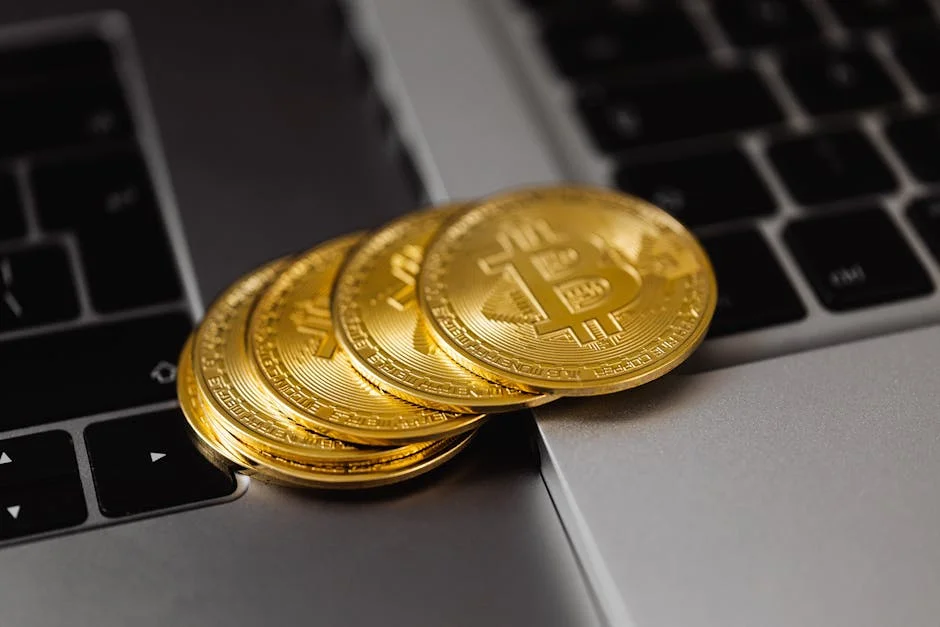
Choosing the best cryptocurrency cold wallet starts with understanding what “cold” truly means in practice: private keys are generated and stored in an environment that is not persistently connected to the internet, reducing exposure to remote attacks. A cold wallet is not a magic talisman that guarantees safety, but it is one of the strongest layers available for long-term protection of digital assets. The core idea is straightforward—keep the signing keys offline—yet the real-world experience differs dramatically depending on the device type, firmware model, backup method, and how you personally manage custody. Hardware wallets, air-gapped devices, and even properly generated paper backups can all be “cold,” but they vary in usability and in the kinds of mistakes they help you avoid. Since most losses happen through phishing, compromised computers, malicious browser extensions, and leaked seed phrases, cold storage shifts the attack surface away from your daily internet habits. When evaluating options, think beyond branding and focus on how keys are created, how transactions are signed, and how recovery works if something breaks. A cold wallet that is easy to use but encourages sloppy backups can be less safe than a slightly more technical option that forces careful handling of recovery phrases and passphrases.
Table of Contents
- My Personal Experience
- Understanding What Makes the Best Cryptocurrency Cold Wallet
- Security Foundations: Keys, Seeds, Secure Elements, and Threat Models
- Hardware Wallets vs Air-Gapped Devices vs Paper: Choosing the Right Cold Storage Type
- Key Features That Define the Best Cryptocurrency Cold Wallet for Most Users
- Top Contenders: Comparing Popular Hardware Cold Wallet Brands and Models
- Bitcoin-Focused Cold Wallet Considerations: Simplicity, Verification, and Long-Term Holding
- Ethereum and DeFi Cold Storage: Smart-Contract Risk and Transaction Clarity
- Expert Insight
- Backup Strategy: Seed Phrases, Metal Backups, Shamir Splits, and Recovery Testing
- Operational Security: Safe Setup, Authenticity Checks, and Daily Handling
- Multisignature Cold Storage: When a Single Device Isn’t Enough
- Cost, Value, and Practical Selection: Matching a Cold Wallet to Your Use Case
- Common Mistakes That Undermine Cold Storage (and How to Avoid Them)
- Final Thoughts on Choosing the Best Cryptocurrency Cold Wallet
- Watch the demonstration video
- Frequently Asked Questions
- Trusted External Sources
My Personal Experience
After leaving a small amount of crypto on an exchange during a market dip and watching withdrawals get “temporarily paused,” I decided I needed the best cryptocurrency cold wallet for my own peace of mind. I bought a hardware wallet directly from the manufacturer, set it up offline, and wrote the recovery phrase on paper (then stored it in two separate places). The first transfer felt nerve‑racking, so I sent a tiny test amount before moving the rest, and I’m glad I did because I caught a copy‑paste address mistake. Since then, I’ve liked how the wallet forces me to verify every transaction on the device itself, and I sleep better knowing my long‑term holdings aren’t one login away from a hack or an exchange issue.
Understanding What Makes the Best Cryptocurrency Cold Wallet
Choosing the best cryptocurrency cold wallet starts with understanding what “cold” truly means in practice: private keys are generated and stored in an environment that is not persistently connected to the internet, reducing exposure to remote attacks. A cold wallet is not a magic talisman that guarantees safety, but it is one of the strongest layers available for long-term protection of digital assets. The core idea is straightforward—keep the signing keys offline—yet the real-world experience differs dramatically depending on the device type, firmware model, backup method, and how you personally manage custody. Hardware wallets, air-gapped devices, and even properly generated paper backups can all be “cold,” but they vary in usability and in the kinds of mistakes they help you avoid. Since most losses happen through phishing, compromised computers, malicious browser extensions, and leaked seed phrases, cold storage shifts the attack surface away from your daily internet habits. When evaluating options, think beyond branding and focus on how keys are created, how transactions are signed, and how recovery works if something breaks. A cold wallet that is easy to use but encourages sloppy backups can be less safe than a slightly more technical option that forces careful handling of recovery phrases and passphrases.
The best cryptocurrency cold wallet for one person can be the wrong choice for another because security is always a balance between resistance to theft and resistance to user error. If a device is so complex that you avoid using it, you might keep funds on an exchange “temporarily” and forget to move them, which defeats the purpose. Conversely, a simple device without robust protections can be vulnerable if stolen, especially if it lacks a strong PIN policy, secure element, or optional passphrase support. The strongest cold storage setups also consider the whole lifecycle: initial setup in a clean environment, verifying the device authenticity, applying firmware updates safely, creating durable backups, and testing recovery before depositing meaningful funds. It is also worth noting that “cold” does not automatically mean “anonymous” or “untraceable”; it is primarily about key isolation. Whether you hold Bitcoin, Ethereum, stablecoins, or a diversified portfolio, you will benefit from understanding how a cold wallet interacts with software wallets, how it displays addresses for verification, and how it mitigates host computer malware. The most dependable approach treats a cold wallet as a security tool and a process, not just a gadget.
Security Foundations: Keys, Seeds, Secure Elements, and Threat Models
Any search for the best cryptocurrency cold wallet should begin with the fundamentals of key management. Your wallet is essentially a system for generating and storing private keys, then signing transactions. Modern wallets typically use a recovery seed phrase, often 12 or 24 words, derived from a standardized process such as BIP39. That seed phrase can recreate all the private keys in the wallet, which is why it must be protected like the asset itself. A common misconception is that the device is the wallet; in reality, the seed is the wallet, and the hardware device is a secure signing environment. Good cold storage minimizes the chance that the seed is ever exposed to an internet-connected device, camera, cloud backup, or clipboard. Hardware wallets often include a secure element—specialized hardware designed to resist extraction of secrets even if an attacker has physical access. Not every reputable device uses a secure element; some rely on open microcontrollers and hardened software designs, which can still be robust when implemented carefully. The important part is to understand the threat model you are defending against: remote hacking, supply-chain tampering, physical theft, coercion, or accidental loss.
Threat modeling is where many people misjudge what “best” means. If your main concern is malware on your computer, then a cold wallet with a trusted display that shows the destination address and amount before signing is essential, because it prevents “clipboard hijacking” and other host-based manipulation. If your concern is physical theft, features like PIN retry limits, secure element isolation, and optional passphrases matter more. If you worry about supply-chain attacks, you’ll care about tamper-evident packaging, secure boot, reproducible builds, open-source firmware transparency, and the ability to verify device integrity during setup. If you worry about losing the device in a fire or flood, you’ll care about the resilience of your backups and whether your recovery phrase is stored on a durable medium like etched metal rather than paper. The best cryptocurrency cold wallet is the one that aligns with your realistic risks while providing a workflow you can follow consistently. A top-tier device paired with careless seed handling can be worse than a midrange device paired with disciplined operational security.
Hardware Wallets vs Air-Gapped Devices vs Paper: Choosing the Right Cold Storage Type
When people ask for the best cryptocurrency cold wallet, they often mean a hardware wallet, but cold storage spans multiple categories. Hardware wallets typically connect to a computer or phone via USB, Bluetooth, or NFC, but they keep keys inside the device and sign transactions internally. Air-gapped wallets go further by avoiding direct electronic connections, using QR codes or microSD cards to move unsigned and signed transactions between devices. Paper wallets, in the strictest sense, involve generating keys offline and printing or writing them down, but they are easy to misuse and can be brittle if not created with a clean, verifiable process. Each type has trade-offs. Hardware wallets tend to offer a smoother user experience and broad coin support, which matters if you regularly move assets or interact with decentralized applications. Air-gapped devices reduce certain classes of attacks related to USB or Bluetooth stacks, but can be slower and sometimes less convenient for frequent transactions. Paper wallets can be cheap, but they demand expertise and discipline; one compromised printer spool, one photographed key, or one flawed random number generator can destroy the security benefits.
For most holders, a reputable hardware wallet provides the best balance of security and usability, especially when paired with careful verification and durable backups. Air-gapped devices can be an excellent choice for high-value, low-frequency storage where you want an extra layer of isolation and are comfortable with QR workflows. Paper-based cold storage may still make sense for highly specific scenarios, such as a long-term vault created by an experienced operator with strict offline generation and storage procedures, but it is often not the best entry point for the average user. Another practical angle is ecosystem support: the best cryptocurrency cold wallet type is the one that integrates cleanly with the software you trust, whether that’s a companion app, a third-party wallet interface, or a multisignature coordinator. It’s also wise to consider what you plan to do with your assets. If you intend to stake, manage NFTs, or interact with DeFi, you may need a device that supports those operations securely without pushing you into risky browser permissions. If you mainly hold Bitcoin for years, a simpler cold setup with minimal attack surface may be ideal. Matching the tool to your behavior is the fastest way to avoid security theater and build a setup you will actually maintain.
Key Features That Define the Best Cryptocurrency Cold Wallet for Most Users
The best cryptocurrency cold wallet typically shares a set of practical features that reduce both technical risk and user error. First is a secure on-device screen that displays addresses and transaction details clearly, allowing you to verify what you are signing without trusting your computer or phone. Second is a robust PIN system with exponential backoff or wipe-after-failed-attempts behavior, which limits brute-force attempts if the device is stolen. Third is passphrase support, sometimes called a “25th word,” which creates hidden wallets derived from the same recovery seed; this can protect funds even if someone finds your seed phrase, though it increases the risk of self-lockout if you forget the passphrase. Fourth is strong backup and recovery guidance, including clear prompts to write the seed offline and confirm it during setup. Fifth is mature firmware with secure boot and signed updates, reducing the chance of malicious firmware installation. Sixth is compatibility with widely used wallet software so you’re not locked into a single vendor’s interface, which can matter for advanced features and long-term resilience.
Beyond the basics, there are features that can significantly improve your day-to-day safety. Address verification tools, anti-phishing word checks, and built-in authenticity validation help defend against common scams. Transparent security architecture, whether open-source firmware or publicly documented audits, can build confidence, though transparency alone does not guarantee safety. A well-designed cold wallet also handles edge cases gracefully: it should make it hard to accidentally reveal the seed, should warn when connecting to unknown apps, and should support multiple accounts without confusing derivation paths. If you hold multiple chains, you’ll also want broad asset support and a reliable update cadence, but you should be cautious about constantly chasing the newest tokens if it encourages frequent firmware changes or risky integrations. For many people, the best cryptocurrency cold wallet is the one that provides a calm, predictable workflow: initialize, back up, verify addresses, sign transactions, and store securely. The more consistent and frictionless that workflow feels, the more likely you are to avoid shortcuts like storing seed photos or leaving assets on custodial platforms. A cold wallet should reduce cognitive load while strengthening your defenses.
Top Contenders: Comparing Popular Hardware Cold Wallet Brands and Models
When narrowing down the best cryptocurrency cold wallet among popular hardware devices, it helps to compare them by security architecture, usability, and ecosystem. Some devices emphasize a secure element and a tightly controlled firmware environment, aiming to make key extraction extremely difficult even with physical access. Others emphasize open-source designs, allowing independent researchers to inspect code and build processes. Some brands offer Bluetooth connectivity for mobile convenience, while others avoid wireless interfaces to reduce complexity. Screen size and input method also matter: a larger display can improve address verification and reduce the chance of approving a malicious transaction, while a device with better buttons or a touchscreen can make passphrase entry less error-prone. Coin support varies, but the more important factor is how safely the device handles approvals for smart contracts and token transfers, where malicious prompts can be disguised. The companion software’s quality is also crucial; a polished interface can reduce mistakes, but you should still value the ability to use third-party wallet software if you prefer.
In practice, reputable market leaders tend to fall into a few camps. A mainstream hardware wallet with a long track record, broad asset support, and a strong app ecosystem can be the best cryptocurrency cold wallet choice for users who want a straightforward experience and frequent transactions. A security-first device that uses QR-based air-gapped signing may be better for those who prioritize isolation and are comfortable with a slightly slower workflow. Open-source-friendly devices can appeal to people who value transparency and community verification, though you should still consider how the device protects against physical attacks. Pricing also plays a role, but it’s rarely wise to optimize purely for cost when safeguarding significant value; the real cost is usually a mistake or a compromise. Another overlooked aspect is supply-chain availability and authenticity checks: buying directly from the manufacturer or authorized resellers, verifying seals where applicable, and confirming device authenticity during setup can matter as much as the model itself. Ultimately, the “top contender” is the device that meets your security requirements without pushing you into habits that increase risk, such as skipping verification steps because the interface is frustrating.
Bitcoin-Focused Cold Wallet Considerations: Simplicity, Verification, and Long-Term Holding
For Bitcoin holders, the best cryptocurrency cold wallet is often one that prioritizes simplicity, robust verification, and long-term durability rather than a sprawling list of features. Bitcoin’s security model rewards careful handling of keys and transaction details, and many experienced users prefer a setup that minimizes complexity. A device that supports native SegWit and modern address formats, provides clear on-screen verification of receiving addresses, and integrates with reputable Bitcoin wallet software can deliver a strong experience. If you plan to hold for years, consider whether the wallet supports standard derivation paths and whether it allows exporting extended public keys (xpub) safely for watch-only monitoring. Watch-only setups let you track balances and generate receive addresses without exposing private keys, which reduces the need to connect your cold wallet frequently. Another key decision is whether you want multisignature security, where spending requires approval from two or three separate devices. Multisig can dramatically reduce single-point-of-failure risk, but it demands careful setup, documentation, and recovery planning.
Bitcoin custody also benefits from disciplined address verification and controlled transaction signing. Malware on a computer can replace a Bitcoin address, so the cold wallet’s display is your last line of defense. The best cryptocurrency cold wallet for Bitcoin should make it easy to verify long addresses and should not truncate critical characters in a confusing way. It should also handle fee selection transparently, because fee mistakes can be expensive or cause transactions to get stuck. For long-term storage, consider how you will store your recovery seed: a fireproof, waterproof metal backup can be far more resilient than paper. You may also want to split responsibilities: keep the signing device in one secure location and the seed backup in another, reducing the risk of a single burglary or disaster taking everything. If you use a passphrase, document a safe method for remembering it without writing it next to the seed. Bitcoin-focused users often value devices and software that avoid unnecessary complexity, because every extra feature is another place confusion can creep in. A cold wallet that makes you feel confident verifying transactions and managing backups is usually the best fit for a Bitcoin-heavy strategy.
Ethereum and DeFi Cold Storage: Smart-Contract Risk and Transaction Clarity
For Ethereum users, the best cryptocurrency cold wallet must do more than store keys; it must help you navigate smart-contract interactions safely. Unlike simple transfers, DeFi transactions often involve approving token allowances, signing contract calls, and interacting with decentralized applications that can present confusing prompts. A major risk is signing something you don’t fully understand, such as an unlimited token approval to a malicious contract. A strong cold wallet setup for Ethereum includes a device that can display meaningful transaction details and, ideally, integrates with software that provides human-readable decoding of contract calls. While no device can guarantee that every complex contract interaction will be perfectly explained, the combination of on-device verification and careful software tooling can reduce your exposure to blind signing. If a wallet frequently asks you to “blind sign,” that is a signal to slow down and consider whether you can use a safer interface, a different dApp, or a smaller test transaction first.
Expert Insight
Prioritize a cold wallet with secure element hardware, open-source firmware (or independently audited code), and a proven track record. Buy only from the manufacturer, verify tamper-evident packaging, and run any authenticity checks before transferring funds. If you’re looking for best cryptocurrency cold wallet, this is your best choice.
Set it up offline and write the recovery seed on durable material, then store it in two separate secure locations; never photograph or type it into a computer. Enable a PIN and add a passphrase for extra protection, and test a small send/receive plus a recovery restore before moving larger balances. If you’re looking for best cryptocurrency cold wallet, this is your best choice.
Another element of Ethereum cold storage is managing multiple accounts and separating risk. Many users keep a “vault” address in cold storage for long-term holdings and a “hot” address for frequent DeFi activity. The best cryptocurrency cold wallet can support this workflow by allowing multiple accounts, clear labeling, and easy switching without mixing addresses. You can further reduce risk by limiting approvals: regularly revoke old allowances, avoid connecting your vault address to experimental dApps, and consider using a dedicated browser profile with minimal extensions. Hardware wallets are excellent at preventing key theft, but they do not prevent you from authorizing a malicious transaction if you approve it. That’s why transaction clarity and conservative habits matter so much in DeFi. If you rely heavily on Ethereum applications, prioritize a cold wallet that works smoothly with reputable wallet interfaces and that provides consistent address verification. Consider how it handles chain IDs and network switching as well, since phishing sites can trick users into signing on unexpected networks. A secure Ethereum cold wallet strategy is as much about reducing authorization mistakes as it is about isolating keys.
Backup Strategy: Seed Phrases, Metal Backups, Shamir Splits, and Recovery Testing
A cold wallet is only as strong as its backup plan, and the best cryptocurrency cold wallet is the one you can recover reliably under stress. The recovery seed phrase is the master key, so your backup method needs to withstand fire, water, time, and human forgetfulness. Paper can work, but it is vulnerable to moisture, ink fading, and accidental disposal. Metal backups—engraved, stamped, or etched—are popular because they can survive disasters that would destroy paper. However, metal backups introduce their own considerations: where to store them, how to keep them private, and how to ensure they are accurately recorded. A single mistake in a word order can render recovery impossible. That is why careful transcription and verification during setup are essential. Some wallets offer advanced backup schemes such as Shamir Secret Sharing (often presented as splitting the seed into multiple shares), where a subset of shares can recover the wallet. This can reduce the risk of a single stolen backup compromising funds, but it increases complexity and requires disciplined documentation.
| Cold Wallet | Best For | Key Pros | Key Cons |
|---|---|---|---|
| Ledger Nano X | Everyday users who want strong security with mobile convenience | Secure element chip; Bluetooth + USB-C; broad asset/app support | Closed-source firmware; Bluetooth may be a concern for some (optional) |
| Trezor Model T | Transparency-focused users and advanced self-custody setups | Open-source approach; touchscreen; strong compatibility with third-party wallets | No secure element; typically higher price |
| Coldcard Mk4 | Bitcoin-only holders prioritizing maximum offline security | Bitcoin-only design; air-gapped signing via microSD; advanced security features | Not ideal for altcoins; steeper learning curve |
Recovery testing is the step many people skip, and it is one of the most important. The best cryptocurrency cold wallet experience includes performing a test restore before depositing substantial assets. This can be done by initializing the wallet, writing down the seed, wiping the device, and restoring from the seed to confirm that addresses match. Alternatively, you can restore into a separate compatible device or a watch-only wallet that derives addresses from public information, depending on your security comfort level. The point is to confirm that your backup is correct and that you understand the recovery process. If you use a passphrase, you must test that as well, because an incorrect passphrase will produce a different wallet that looks “empty,” causing panic. Another best practice is to create a clear, private recovery plan for heirs or trusted parties if something happens to you, without exposing the seed unnecessarily. This can include instructions on where backups are stored and how to access the device, but it should be written with extreme care and stored securely. A cold wallet is not just a purchase; it is a system that must survive real-life disruptions. The time you invest in backups and recovery testing is what turns cold storage into reliable custody.
Operational Security: Safe Setup, Authenticity Checks, and Daily Handling
Even the best cryptocurrency cold wallet can be undermined by sloppy operational security, especially during initial setup. Setup is the moment when you generate the seed phrase, and that phrase must not be observed or recorded by anything untrusted. Choose a private environment with no cameras, avoid smart home devices that might be listening, and keep the seed off computers and phones. Buy devices from official sources when possible, and inspect packaging and device condition. Some manufacturers provide authenticity checks through their companion software or on-device verification, which can help detect tampering. Firmware updates should be applied carefully: verify you are using the correct official application, confirm update prompts match expected behavior, and avoid installing suspicious “wallet manager” software from search ads or unofficial links. Another helpful habit is to keep a dedicated computer profile for crypto operations with minimal installed software, reducing the risk of malware interfering with transaction creation and address display.
Daily handling matters as much as setup. The best cryptocurrency cold wallet workflow includes verifying receiving addresses on the device screen every time you move funds in, and verifying destination addresses and amounts every time you send funds out. If you are using QR-based signing, verify the QR data source and avoid scanning from unknown screens. If you use Bluetooth-enabled devices, treat your phone’s security as part of the system: keep it updated, avoid untrusted apps, and be cautious with permissions. Physical security is also important: store the device in a secure place, consider a decoy wallet strategy if you face coercion risk, and avoid discussing your holdings publicly. Keep your recovery seed separate from the device; storing them together defeats the purpose of having a backup and makes theft easier. It is also wise to practice small test transactions when using new addresses or new networks, especially for tokens on multiple chains where address formats may look similar. Operational security is not about paranoia; it is about consistency. A cold wallet’s main advantage is key isolation, but the surrounding habits are what prevent common, costly errors.
Multisignature Cold Storage: When a Single Device Isn’t Enough
For larger holdings, the best cryptocurrency cold wallet strategy may involve multisignature custody rather than relying on a single device and seed. Multisignature (multisig) requires multiple keys to authorize a transaction, such as a 2-of-3 setup where any two devices can sign. This reduces the risk that one compromised device, one stolen seed, or one catastrophic mistake results in total loss. Multisig also helps with redundancy: if one device fails, you can still recover with the remaining keys. It can be implemented with multiple hardware wallets from different vendors to reduce correlated risks, and it can be coordinated through reputable software that helps you manage the wallet policy and generate addresses. However, multisig is not automatically safer if it is configured poorly. The setup process requires careful documentation of the wallet policy, derivation paths, and how to rebuild the multisig wallet during recovery. Losing that information can create a situation where you have keys but cannot easily reconstruct the wallet.
Multisig also introduces usability and maintenance considerations. Signing a transaction requires coordinating multiple devices, which can be inconvenient for frequent spending. The best cryptocurrency cold wallet approach for multisig often includes separating roles: one key stored at home, one in a safe deposit box or secure offsite location, and one with a trusted party or in a different secure location. This geographic distribution reduces disaster risk but increases logistical complexity. You should also consider inheritance planning: multisig can make it easier to share recovery responsibilities without giving any single person full control, but it requires clear instructions. Another approach is to use a single cold wallet with a passphrase as a simpler alternative, though it does not provide the same redundancy. For many people, multisig becomes worthwhile when the value stored is high enough to justify the additional setup time and ongoing discipline. If you choose multisig, do a full dry run: create the wallet, deposit a small amount, practice spending, and practice recovery. Multisig is powerful, but only when you understand it well enough to operate it calmly under pressure.
Cost, Value, and Practical Selection: Matching a Cold Wallet to Your Use Case
Price alone does not determine the best cryptocurrency cold wallet, but cost should be considered in the context of the value you are protecting and the features you genuinely need. A lower-cost device from a reputable vendor can be perfectly adequate for modest holdings, especially if it provides on-device verification, a strong PIN policy, and reliable backups. More expensive devices may offer better screens, more intuitive interfaces, additional connectivity options, or advanced security components. The key is to avoid paying for complexity that increases your chance of mistakes. For example, a device with dozens of features you never use might encourage you to ignore important prompts, while a simpler device might keep you focused on the essentials: verifying addresses, confirming amounts, and protecting your seed. If you hold multiple chains and need frequent transactions, usability can be a security feature because it reduces errors and “rushed approvals.” If you mostly hold one asset long-term, you may prefer minimalism and a smaller attack surface.
Another practical factor is longevity and support. The best cryptocurrency cold wallet should come from a provider with a strong record of firmware maintenance and transparent communication about vulnerabilities. Devices are not static; they may need updates to support new networks, fix bugs, or improve security. You should be comfortable with the update process and confident that you can still access your funds even if the vendor disappears. That is where standards and interoperability matter: a wallet that uses standard recovery phrases and works with multiple software interfaces is easier to migrate away from if needed. Availability of accessories also matters: if you want a metal seed backup solution, check whether it fits your preferred format and whether your chosen wallet’s seed length is supported. Finally, consider your personal routine. If you travel often, a compact device with a safe travel strategy might be important. If you rarely transact, a more vault-like approach may be ideal. The best choice is the one that you can operate reliably, recover confidently, and maintain over time without relying on luck. A cold wallet is a long-term tool, and the best results come from selecting something that fits your habits rather than fighting them.
Common Mistakes That Undermine Cold Storage (and How to Avoid Them)
People often buy what they believe is the best cryptocurrency cold wallet and then lose funds because of avoidable mistakes unrelated to device quality. The most common error is mishandling the recovery seed: taking a photo, storing it in cloud notes, emailing it to yourself, or typing it into a computer “just once.” Any digital copy can be exfiltrated. Another frequent mistake is falling for phishing during software installation, downloading fake companion apps, or clicking sponsored search results that lead to malicious clones. A related issue is trusting the computer screen instead of the wallet screen; malware can change the destination address on your computer while the cold wallet will show the true address being signed. If you skip verification on the device, the cold wallet cannot save you. Some users also ignore firmware updates indefinitely, which can leave them exposed to known vulnerabilities. Others update impulsively without verifying sources, which can be equally risky. The right approach is cautious, deliberate maintenance.
Another set of mistakes involves transaction habits and portfolio organization. Sending funds on the wrong network, confusing token standards, or interacting with risky smart contracts can lead to losses that a cold wallet cannot prevent. Similarly, using the same address for everything can reduce privacy and increase targeted phishing risk. The best cryptocurrency cold wallet setup often includes a clear separation between long-term holdings and spending accounts, along with a habit of testing new workflows with small amounts. Overconfidence is also dangerous: cold storage reduces certain risks, but it does not eliminate social engineering, coercion, or the consequences of signing malicious approvals. Finally, people neglect recovery planning. A seed phrase stored in a place only you know may be secure, but it can become inaccessible if you are incapacitated. Conversely, sharing too much information can expose you to theft. A balanced plan might involve sealed instructions, legal planning, or multisig distribution depending on your circumstances. Avoiding mistakes is not about being perfect; it is about building routines that make the secure action the easy action. When you treat cold storage as a system, your device becomes far more effective.
Final Thoughts on Choosing the Best Cryptocurrency Cold Wallet
The best cryptocurrency cold wallet is the one that matches your threat model, supports the assets and workflows you actually use, and encourages disciplined backups and verification. Look for strong on-device transaction confirmation, a reliable recovery process, and a security design that aligns with your comfort level—whether that means a secure element approach, an open-source philosophy, or an air-gapped signing model. Pair your device choice with a durable seed backup, preferably stored separately from the device, and test recovery before trusting it with significant value. If your holdings are substantial, consider multisignature custody or at least a structured separation between a long-term vault and a smaller spending wallet. Most importantly, keep your seed phrase offline, avoid phishing traps, and verify every address and transaction detail on the device screen rather than on your computer or phone. With the right habits, the best cryptocurrency cold wallet becomes a dependable foundation for long-term self-custody.
Watch the demonstration video
In this video, you’ll learn how to choose the best cryptocurrency cold wallet to keep your assets safe offline. We’ll compare top hardware wallets, explain key security features like secure chips and PIN protection, and cover setup, backups, and recovery phrases. By the end, you’ll know which cold wallet fits your needs and budget.
Summary
In summary, “best cryptocurrency cold wallet” is a crucial topic that deserves thoughtful consideration. We hope this article has provided you with a comprehensive understanding to help you make better decisions.
Frequently Asked Questions
What is a cryptocurrency cold wallet?
A cold wallet is an offline way to store your crypto—most often through a hardware device—that keeps your private keys completely disconnected from the internet, greatly lowering the risk of hacks. If you’re looking for the **best cryptocurrency cold wallet**, prioritize options that combine strong security features with an easy, reliable setup.
What makes a cold wallet the “best” choice?
Top factors include strong security design (secure element or robust key isolation), open and audited software/firmware, reputable track record, ease of backups and recovery, supported coins, and safe transaction verification on-device. If you’re looking for best cryptocurrency cold wallet, this is your best choice.
Are hardware wallets safer than software wallets?
Generally yes: hardware wallets store keys in a dedicated device and sign transactions internally, limiting exposure to malware on your phone or computer, though safe setup and backup practices still matter. If you’re looking for best cryptocurrency cold wallet, this is your best choice.
Which cold wallets are most recommended today?
Popular choices include Ledger (Nano series), Trezor (Model One/Safe series), and Coldcard for Bitcoin-only holders—but the **best cryptocurrency cold wallet** for you ultimately depends on which coins you own, how much you want to spend, and the security features you care about most.
How do I set up a cold wallet securely?
Buy from the manufacturer or authorized seller, verify authenticity, initialize it yourself, write down the recovery seed offline (never photograph or store it in cloud), set a strong PIN, and consider an optional passphrase for extra protection. If you’re looking for best cryptocurrency cold wallet, this is your best choice.
What happens if I lose my cold wallet or it breaks?
Your funds can be recovered on a new wallet using your recovery seed (and passphrase if used). If you lose the seed or passphrase, you typically cannot recover the funds. If you’re looking for best cryptocurrency cold wallet, this is your best choice.
📢 Looking for more info about best cryptocurrency cold wallet? Follow Our Site for updates and tips!

Trusted External Sources
- What is the best cold crypto wallet? : r/BitcoinBeginners – Reddit
Jan 5, 2026 … The best value for security for new users is between a trezor safe 3 and Blockstream Jade. The best advanced hardware wallets(not ideal for new users) are … If you’re looking for best cryptocurrency cold wallet, this is your best choice.
- Top 9 Cryptocurrency Hardware Wallets for 2026 – Patrick Collins
Mar 24, 2026 … Top 9 Cryptocurrency Hardware Wallets for 2026 | Security Researcher Review ; Cypherock · 3/10 stars for Cypherock · No. ; Keystone 3 Pro · 4/10 … If you’re looking for best cryptocurrency cold wallet, this is your best choice.
- What cold wallet do you recommend??? : r/CryptoMarkets – Reddit
Oct 24, 2026 … If you’re looking for the **best cryptocurrency cold wallet**, I’d strongly recommend Tangem—it’s easily the simplest and most reliable cold wallet I’ve used. Your private keys stay offline, there’s no history of hacks, and you maintain true ownership and control of your crypto.
- How to Get a Crypto Wallet – NerdWallet
Jan 7, 2026 … Choose the type of wallet that works best for you. … Another option to consider with added security is a cold wallet, a specialized piece of … If you’re looking for best cryptocurrency cold wallet, this is your best choice.
- Crypto Wallets – Best Buy
Best Selling · Ledger – Nano S Plus Crypto Hardware Wallet – Matte Black · Bitkey – Bitcoin Hardware Wallet – Black · Ledger – Flex Crypto Hardware Wallet with … If you’re looking for best cryptocurrency cold wallet, this is your best choice.