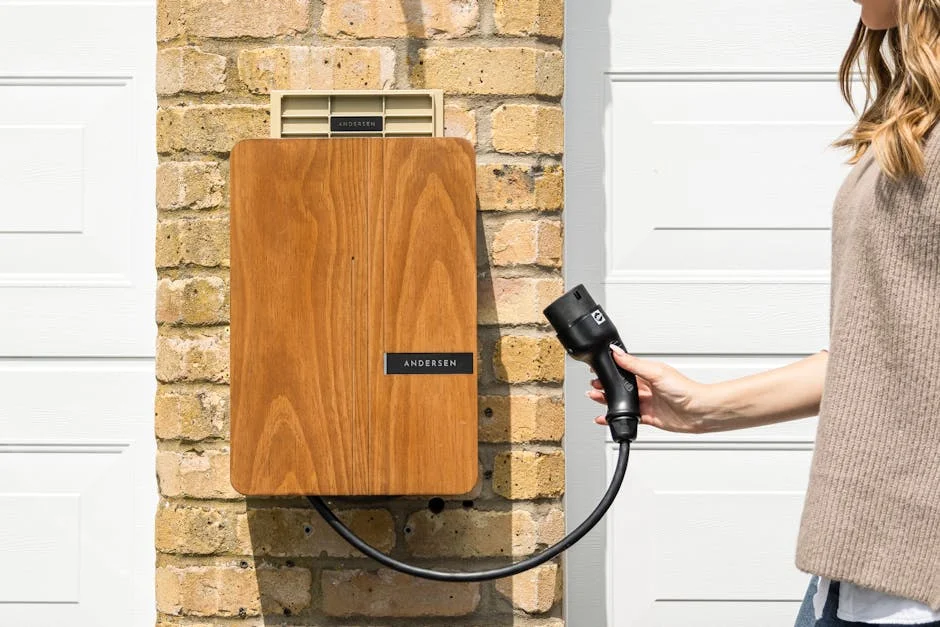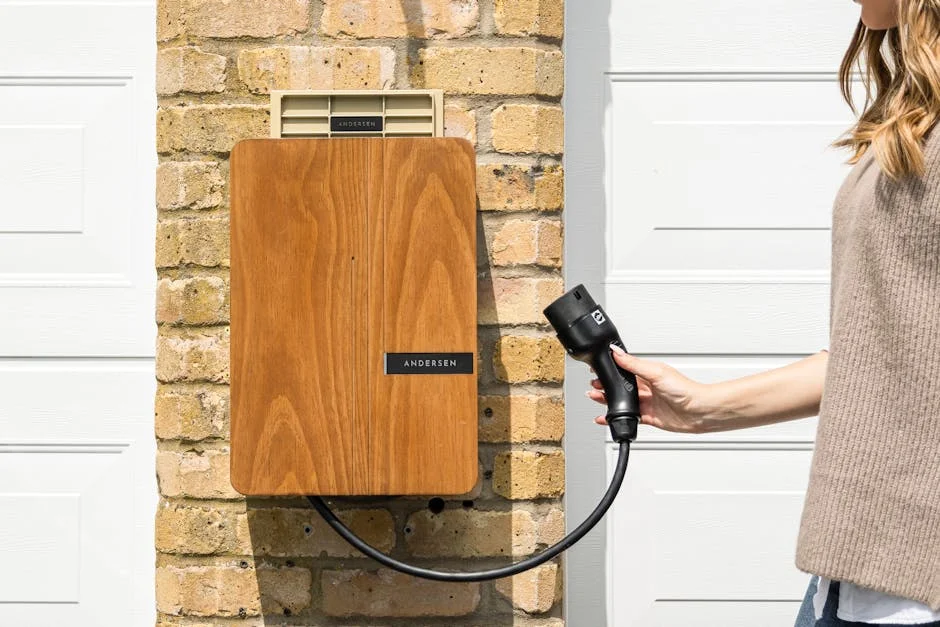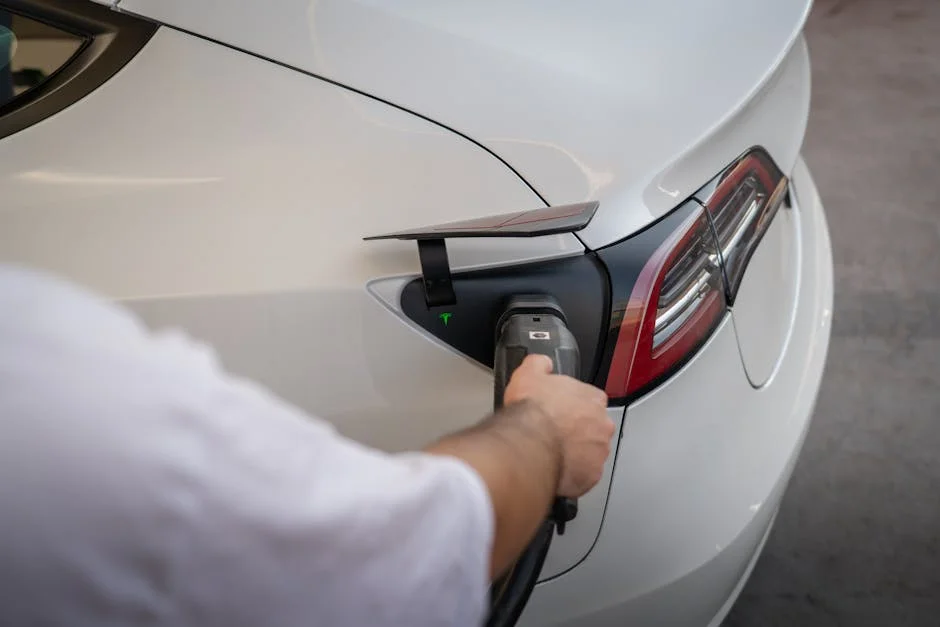
Tesla charger installation cost is often described as a single number, but the real price is a bundle of decisions, site conditions, and code requirements that come together differently in every home. At a basic level, you’re paying for three things: equipment, labor, and the supporting electrical work that makes charging safe and reliable. Equipment can mean a Tesla Wall Connector, a mobile connector with a dedicated receptacle, or a third-party EVSE that still charges a Tesla with the right plug. Labor covers the electrician’s time, travel, permitting coordination, and the skill involved in sizing conductors, selecting overcurrent protection, and routing a circuit to the right location. Supporting work includes everything from upgrading a breaker, adding a disconnect where required, replacing an undersized panel, to installing conduit and weatherproof fittings outdoors. When people compare quotes, it’s common to see big swings because one bid assumes a short run to a nearby panel while another anticipates drywall repair, trenching, or a service upgrade. Those are not small add-ons; they can be the entire difference between a modest project and a major one.
Table of Contents
- My Personal Experience
- Understanding Tesla Charger Installation Cost: What You’re Really Paying For
- Typical Price Ranges and Why Quotes Vary So Much
- Equipment Choices: Wall Connector vs. Outlet vs. Third-Party EVSE
- Electrical Panel Capacity, Load Calculations, and Service Upgrades
- Distance, Routing, and Construction Challenges That Add Labor
- Permits, Inspections, and Code Compliance Costs
- Hardwired vs. Plug-In Installations: Cost and Practical Tradeoffs
- Expert Insight
- Material Costs: Wire, Breakers, Conduit, and Safety Devices
- How Charging Speed Choices Affect Installation Cost
- Reducing Costs Without Cutting Corners
- Choosing the Right Electrician and Getting an Accurate Quote
- Long-Term Ownership Costs: Energy Rates, Maintenance, and Resale Value
- Putting It All Together: Planning a Budget That Matches Your Home and Driving Needs
- Watch the demonstration video
- Frequently Asked Questions
- Trusted External Sources
My Personal Experience
When I bought my Model Y, I assumed the Tesla charger installation would be a quick, cheap add-on, but the costs added up fast. The Wall Connector itself was straightforward, but the real variable was the electrician: my panel was on the opposite side of the house from the garage, so the long wire run and conduit bumped the quote higher than I expected. I also had to pay for a permit and a small panel upgrade because my breaker box was nearly full. In the end, the total came out to a lot more than the charger price alone, but once it was installed, charging overnight at home felt worth it compared to relying on public stations. If you’re looking for tesla charger installation cost, this is your best choice.
Understanding Tesla Charger Installation Cost: What You’re Really Paying For
Tesla charger installation cost is often described as a single number, but the real price is a bundle of decisions, site conditions, and code requirements that come together differently in every home. At a basic level, you’re paying for three things: equipment, labor, and the supporting electrical work that makes charging safe and reliable. Equipment can mean a Tesla Wall Connector, a mobile connector with a dedicated receptacle, or a third-party EVSE that still charges a Tesla with the right plug. Labor covers the electrician’s time, travel, permitting coordination, and the skill involved in sizing conductors, selecting overcurrent protection, and routing a circuit to the right location. Supporting work includes everything from upgrading a breaker, adding a disconnect where required, replacing an undersized panel, to installing conduit and weatherproof fittings outdoors. When people compare quotes, it’s common to see big swings because one bid assumes a short run to a nearby panel while another anticipates drywall repair, trenching, or a service upgrade. Those are not small add-ons; they can be the entire difference between a modest project and a major one.

It also helps to separate “charger installation” from “electrical capacity.” Many homes can add a dedicated 240V circuit without changing the main service, but older properties may have limited spare capacity or a crowded panel. In that case, the tesla charger installation cost is not just about mounting a device; it’s about making room for a new load under modern electrical code. Electricians often perform a load calculation to confirm whether your panel can support a 40A, 50A, or 60A circuit, and whether demand factors allow it. If capacity is tight, solutions range from reducing charging amperage, installing a load management device, adding a subpanel, or upgrading the service. Each option has different cost and complexity. The most cost-effective choice isn’t always the one with the lowest upfront bid; it’s the one that meets your driving needs, avoids nuisance breaker trips, and remains compliant for inspection and insurance. Thinking of the project as an integrated electrical upgrade rather than a simple accessory purchase makes the pricing make more sense.
Typical Price Ranges and Why Quotes Vary So Much
Most homeowners want a straightforward range for tesla charger installation cost, and while exact pricing depends on your location and electrical setup, the market tends to cluster into tiers. A simple installation—short wire run, open access, available panel space, and no need for upgrades—often lands in the lower range. A mid-tier job might include a longer run through finished walls, attic drops, or exterior conduit, plus a new breaker and some patching. Higher-cost projects typically involve panel upgrades, service changes, trenching to a detached garage, or complex routing that requires significant labor. The reason ranges are wide is that electricians are pricing risk and time. If they can see an unfinished basement ceiling, a nearby panel, and a clear path to the garage, they can quote confidently. If the route is hidden behind finished surfaces, involves brick or concrete, or requires scheduling an inspection plus coordination with the utility, the quote will reflect that uncertainty.
Location also matters more than many people expect. Labor rates differ by region, and permit fees vary by municipality. Some areas require specific EV labeling, GFCI protection for certain receptacles, or additional disconnects for outdoor equipment. Even if the equipment is identical, the tesla charger installation cost can change because local code requirements affect materials and time. Another factor is the electrician’s approach: some prefer hardwired installations for reliability and higher continuous loads, while others may propose a NEMA 14-50 receptacle. Each has different material needs and may trigger different code rules. Additionally, the quote may include items like surge protection, a load calculation report, or a panel directory update—things that are not glamorous but can be important for safety and inspection. When comparing bids, it’s wise to ask what is included: permit, inspection scheduling, drywall patching, painting, conduit type, wire gauge, breaker brand compatibility, and warranty. Two quotes that look far apart may actually cover different scopes.
Equipment Choices: Wall Connector vs. Outlet vs. Third-Party EVSE
Your equipment decision shapes the tesla charger installation cost because it changes both hardware expense and electrical requirements. A Tesla Wall Connector is a common choice for a clean, hardwired installation and can support higher amperage depending on your circuit and configuration. Hardwiring often reduces points of failure compared with a plug-in device and can look more integrated in a garage or on an exterior wall. On the other hand, installing a 240V receptacle such as a NEMA 14-50 can be appealing if you want flexibility to use a mobile connector or potentially power other equipment. However, receptacle installations can require GFCI protection depending on code and location, and the receptacle itself must be industrial-grade if it will see frequent plug/unplug cycles. A cheap receptacle can overheat under continuous load, which is why electricians often specify higher-quality parts that cost more but reduce risk.
Third-party EVSE units can also influence tesla charger installation cost in subtle ways. Some models include built-in load management, Wi-Fi controls, or power sharing features that can reduce the need for a panel upgrade. Others may require specific mounting clearances, dedicated disconnects, or particular breaker types. If you choose a smart charger that can throttle charging based on home load, you might avoid a service upgrade and keep the installation simpler, even if the EVSE costs more upfront. Conversely, a high-powered unit may encourage you to run a larger circuit, which increases wire size, conduit requirements, and breaker cost. The best choice depends on your daily mileage, how long the car is parked, and whether you expect multiple EVs in the household. If you drive modest distances, you may not need maximum amperage. A right-sized system can keep the tesla charger installation cost reasonable while still delivering overnight charging reliability.
Electrical Panel Capacity, Load Calculations, and Service Upgrades
One of the biggest swing factors in tesla charger installation cost is whether your existing electrical service and panel can support the added load. Modern EV charging is a continuous load, meaning code typically requires sizing the circuit at 125% of the charging current. That detail matters because it pushes wire and breaker sizing upward. If your home has a 100A service and already runs electric cooking, electric dryer, heat pumps, or other large loads, an electrician may find limited headroom. A load calculation evaluates your dwelling’s square footage, fixed appliances, HVAC, and general-use circuits to determine whether there is enough capacity. If not, the electrician may recommend reducing charging amperage, using a smart load management device, adding a subpanel, or upgrading to a 200A service. Each option has a different price profile and timeline.
A service upgrade is typically the most expensive route because it can involve replacing the main panel, meter socket, service entrance conductors, grounding and bonding updates, and utility coordination. It also tends to require permits and inspections, and scheduling can depend on the utility’s availability. That said, a service upgrade can be a long-term investment if you plan to add more electrification, such as induction cooking, heat pump water heaters, or a second EV. Some homeowners reduce tesla charger installation cost by choosing a lower-amp charging setup that stays within existing capacity. Others install a managed system that monitors the main service and automatically reduces charging when the house load rises. This can keep your existing service while still allowing convenient charging. The “best” answer depends on your goals: if you want the fastest charging and future-proofing, upgrading may make sense; if you want a reliable overnight charge without major construction, managed charging or a lower-amp circuit may be more cost-effective.
Distance, Routing, and Construction Challenges That Add Labor
The physical path from your panel to the charging location is a major driver of tesla charger installation cost because it determines labor hours and material quantity. A charger mounted near the panel in an unfinished garage is usually straightforward: short conduit run, easy fastening, minimal wall penetration, and fewer surprises. But many homes have the panel on the opposite side of the house, in a basement, or in a utility room far from the garage. Routing wire through finished walls, across ceilings, or around structural obstacles adds time. Electricians may need to drill through studs, fish cable through insulated cavities, or run conduit along exterior walls. Each approach has tradeoffs in appearance, cost, and repair work. If you want a hidden run for aesthetics, it may require drywall cutting and patching. If you accept surface-mounted conduit, it can be faster and sometimes cheaper, but still needs careful placement and secure mounting.

Outdoor installations and detached garages can further increase tesla charger installation cost. Exterior conduit must be weather-rated, properly sealed, and protected from physical damage. Detached structures often require trenching, which adds excavation, conduit burial depth requirements, and sometimes a subpanel in the outbuilding. Trenching costs vary based on soil conditions, landscaping, concrete walkways, and whether you need to bore under a driveway. In some cases, the most cost-effective route is not the shortest line but the one with fewer obstacles. Electricians also consider voltage drop on long runs, which can require upsizing conductors to maintain performance and efficiency. That upsizing can materially change the price because copper wire gets expensive quickly at larger gauges. A detailed site walkthrough, even virtual with photos, can reduce surprises and make quotes more accurate.
Permits, Inspections, and Code Compliance Costs
Permits and inspections may seem like bureaucracy, but they directly affect tesla charger installation cost and, more importantly, safety and resale value. Many jurisdictions require an electrical permit for a new 240V circuit or hardwired EVSE. Permit fees can be modest or substantial depending on the city, and some areas charge based on project valuation. The inspection ensures the circuit is properly sized, the breaker matches the conductor, grounding and bonding are correct, and the installation meets local amendments to the electrical code. If a homeowner skips permitting to save money, they may run into issues later with insurance claims, home sales, or safety concerns. Additionally, reputable electricians factor permit time into the quote: filing paperwork, scheduling inspections, and potentially returning to address inspector notes. Those administrative steps are part of a professional installation and can explain why a licensed contractor’s bid is higher than an informal cash offer.
Code requirements can also change the equipment and materials needed, which changes tesla charger installation cost. For example, certain receptacle installations require GFCI protection, which can mean a GFCI breaker that costs more than a standard breaker. Some jurisdictions require a local disconnect for outdoor EVSE or specific labeling at the panel. In multi-family buildings or condos, the requirements can be more complex, involving load studies, HOA approvals, and metering considerations. Even in single-family homes, code may require protecting cable in certain locations, using conduit in garages where subject to physical damage, or maintaining working clearances around electrical equipment. Paying for compliance is not just “extra”; it reduces fire risk and ensures the installation is defensible if questions arise later. A good quote should clearly state whether permits and inspection coordination are included, because that line item often separates professional work from incomplete scope.
Hardwired vs. Plug-In Installations: Cost and Practical Tradeoffs
Choosing between a hardwired charger and a plug-in setup can shift tesla charger installation cost while also affecting convenience and long-term reliability. Hardwired installations typically involve running a dedicated circuit directly into the EVSE, with the charger configured for the circuit’s maximum safe continuous output. This approach can support higher amperage in many cases and eliminates a receptacle connection point that can loosen or wear over time. From a cost perspective, hardwiring may save the cost of a high-quality receptacle and certain accessories, but it can add time for precise mounting, conduit alignment, and configuration. Many homeowners prefer the clean look and the “always ready” feel of a hardwired charger, especially if the charger will remain with the house.
Expert Insight
Get a firm, itemized quote before committing: confirm whether the price includes a load calculation, permit fees, a dedicated 240V circuit, breaker upgrades, conduit/trenching, and patch/paint. Ask the electrician to price two options—installing a NEMA 14-50 outlet versus a hardwired Tesla Wall Connector—since hardwiring can reduce parts and improve reliability, while an outlet may be cheaper upfront depending on distance and materials. If you’re looking for tesla charger installation cost, this is your best choice.
Lower the total by planning around your electrical capacity and cable run: install the charger as close to the panel as practical to minimize wire and labor, and schedule the work alongside other electrical projects to share permit and mobilization costs. If your panel is near its limit, request a quote that compares a service/panel upgrade versus adding a load-management device, which can often avoid a major upgrade while still supporting faster charging. If you’re looking for tesla charger installation cost, this is your best choice.
Plug-in installations often center on a NEMA 14-50 or similar outlet and can be attractive if you want portability or plan to use a mobile connector. The tesla charger installation cost for a plug-in option can be competitive, but it depends heavily on code requirements and component quality. A proper EV outlet should be installed with an appropriate breaker, correct wire gauge, secure termination, and a receptacle rated for continuous load. If local code requires a GFCI breaker for the outlet, that can add cost. There’s also the practical issue of repeated plugging and unplugging; if you expect daily cycles, wear can become a concern. Some people plug in once and leave it, minimizing wear. In terms of future flexibility, an outlet can be useful if you switch EV brands or want to use the circuit for other purposes, though an EV-dedicated circuit is still recommended. The best choice aligns with how permanent you want the setup to be, what amperage you need, and how you weigh aesthetics versus flexibility.
Material Costs: Wire, Breakers, Conduit, and Safety Devices
Even when labor is the largest line item, materials can significantly influence tesla charger installation cost, particularly because EV charging circuits often require heavy-gauge copper conductors. Copper pricing fluctuates, and larger wire sizes rise sharply in cost. The length of the run multiplies that effect: a long route can quickly turn a modest material list into a major expense. Breakers also vary in price depending on panel brand, amperage, and whether you need special features like GFCI. Conduit type matters as well—PVC, EMT, flexible conduit, and liquid-tight conduit each have different costs and installation times. Outdoors, weatherproof boxes, fittings, and sealants add to the bill, and in garages, physical protection requirements can lead to more robust conduit runs. The mounting surface can also affect materials; brick or block may require different anchors and drilling equipment than drywall or wood studs.
| Installation Scenario | Typical Cost Range (Installed) | What Drives the Price |
|---|---|---|
| Standard home install (existing 240V circuit nearby) | $500–$1,200 | Short wire run, minimal labor, no panel changes; includes permit/inspection where required. |
| New 240V circuit + longer run (garage/driveway distance) | $1,200–$2,500 | Trenching or conduit, longer cable run, wall repairs, higher labor time, permit fees. |
| Electrical service upgrade (panel/main service capacity constraints) | $2,500–$6,000+ | New panel or service upgrade, utility coordination, load calculations, potential meter/base work and added inspections. |

Safety devices can add cost but also reduce risk and improve equipment longevity. Surge protection is a common add-on that can protect sensitive electronics in the charger and vehicle from voltage spikes. Some homeowners add a whole-home surge protector at the main panel, which can be more comprehensive than a point-of-use device. Load management devices, while not always necessary, can prevent overloading a limited service by dynamically reducing charging. These devices can be part of a strategy to keep tesla charger installation cost lower than a full service upgrade, though they have their own hardware and installation expenses. Another material consideration is signage and labeling, which is sometimes required. While labels are inexpensive, the time to properly update panel schedules and mark circuits is part of doing the job right. When reviewing a quote, it’s reasonable to ask about wire type (copper vs. aluminum where allowed), conduit choice, breaker model, and whether surge protection is included or optional.
How Charging Speed Choices Affect Installation Cost
Charging speed is not just a convenience metric; it directly impacts tesla charger installation cost because faster charging usually means higher amperage, which requires larger conductors, higher-rated breakers, and sometimes panel upgrades. Many Tesla owners assume they need the maximum possible charging rate, but the practical need depends on daily driving and available charging time. If your vehicle is parked overnight for 8–12 hours, a moderate charging rate can often replenish daily usage without issue. Selecting a lower-amp circuit can keep wire sizes smaller and reduce the likelihood that you’ll need a service upgrade. It can also reduce heat stress on components and sometimes simplify permitting, though code compliance still applies. A thoughtful approach is to match the charging setup to your real-world routine rather than optimizing for rare scenarios.
There’s also a strategy element to balancing speed and cost. If your panel has limited capacity, you can still achieve reliable charging with managed solutions or by setting the vehicle’s charging current lower. This can reduce tesla charger installation cost while preserving the option to increase later if you upgrade the service. Some households plan for two EVs and want power sharing between chargers, which can be more cost-effective than running two high-amperage circuits. Power sharing allows two Wall Connectors to split a single circuit’s capacity intelligently, which can be less expensive than doubling the electrical infrastructure. However, it requires correct configuration and often benefits from professional setup. The key is that “faster” isn’t automatically “better” if it triggers major electrical work you don’t truly need. A reputable electrician can help you choose a circuit size that fits both code requirements and your driving patterns, keeping the project efficient without sacrificing safety.
Reducing Costs Without Cutting Corners
There are legitimate ways to lower tesla charger installation cost while still maintaining a safe, code-compliant installation. The most effective is choosing the charger location strategically. Mounting the EVSE near the electrical panel or along a simple route can reduce labor and wire length dramatically. If you’re planning a garage remodel or finishing a basement, coordinating the charger installation at the same time can reduce access challenges and patching costs. Another cost-saving approach is selecting a charging amperage that meets your needs without forcing a panel upgrade. Many drivers can live comfortably with a lower-amp circuit, especially if they charge overnight. Additionally, getting multiple quotes from licensed electricians helps you understand the market in your area, but the goal should be comparing scope and quality, not just picking the lowest number.
You can also reduce tesla charger installation cost by preparing the site. Clearing storage away from the panel, providing easy access to the desired mounting location, and sharing photos of the panel, meter, and route can help electricians quote accurately and reduce contingency padding. If you’re open to surface-mounted conduit in a neat, professional layout, it can be faster than fishing wire through finished walls. Ask whether the quote includes permit fees, inspection coordination, and any drywall repair; sometimes a lower quote excludes those items and becomes more expensive after add-ons. Finally, consider rebates and incentives. Some utilities and local governments offer EV charging incentives that can offset equipment or installation expenses, and certain time-of-use programs may reduce ongoing energy costs. While incentives don’t change the electrician’s base price, they change your net cost and can make a higher-quality installation feel more affordable.
Choosing the Right Electrician and Getting an Accurate Quote
The quality of the contractor you hire can influence tesla charger installation cost in both obvious and hidden ways. A skilled, licensed electrician may not be the cheapest, but they are more likely to size the circuit correctly for continuous load, select compatible breakers for your panel, and install the charger in a way that passes inspection the first time. Look for an electrician who asks detailed questions about your panel capacity, driving habits, charger location, and whether you plan to add another EV. A thorough contractor may request photos of your main panel, the label showing service size, and the proposed cable route. They should be willing to explain why they recommend a particular circuit size and whether hardwired or plug-in is better for your situation. Transparency matters: a professional quote typically breaks out labor, materials, permit costs, and any optional upgrades like surge protection or load management.

To avoid surprises, ask what conditions could change the tesla charger installation cost after work begins. Common change-order triggers include discovering aluminum branch wiring that needs special handling, finding that the panel is full or incompatible with certain breakers, encountering inaccessible framing, or learning that the utility requires changes to the meter base for a service upgrade. Also ask about patching and finishing: some electricians will cut drywall but not repair it, while others offer a turnkey solution. Warranty terms matter as well; reputable contractors often warranty workmanship for a period of time and will return to address issues like loose connections or nuisance trips. Finally, confirm that the electrician will pull permits if required and that the work will be inspected. A properly documented installation protects you, supports resale, and reduces the chance of future disputes with insurers or buyers.
Long-Term Ownership Costs: Energy Rates, Maintenance, and Resale Value
While tesla charger installation cost is the upfront focus, the long-term financial picture includes energy pricing, potential demand charges in some regions, and the value of a well-installed charging setup. Many utilities offer time-of-use plans where electricity is cheaper overnight, making home charging significantly more economical. If you install a smart charger or configure charging schedules through the vehicle, you can take advantage of lower rates without changing your daily routine. Over time, those savings can outweigh small differences in installation price. Maintenance for a home charger is typically minimal, but a higher-quality installation reduces the chance of issues like overheated receptacles, tripped breakers, or corrosion in outdoor fittings. If you choose a plug-in setup, periodically checking for warmth at the plug during charging and ensuring the cord is not strained can help maintain safety. A hardwired setup generally reduces those touchpoints.
Resale value and marketability can also be influenced by a clean, permitted installation, which is part of the broader tesla charger installation cost equation. Buyers increasingly view EV charging as a desirable feature, especially in areas with high EV adoption. A professionally mounted Wall Connector with a dedicated circuit and labeled panel can signal that the home is ready for electrification. Conversely, a DIY-looking outlet with questionable placement or missing permits can become a negotiation point during inspection. If you plan to move within a few years, it may be worth prioritizing a tidy installation with documentation, even if it costs a bit more upfront. If you plan to stay long-term, investing in capacity—such as conduit sized for future upgrades or a panel that can handle additional loads—can reduce future costs when you add another EV or electrify other appliances. The best value comes from aligning the installation with both today’s needs and tomorrow’s plans.
Putting It All Together: Planning a Budget That Matches Your Home and Driving Needs
Creating a realistic budget for tesla charger installation cost starts with a quick assessment of your home’s electrical baseline and the physical route to the charging location. If your panel has spare capacity and the garage is nearby, you may be able to keep the project straightforward with a dedicated 240V circuit and a properly installed EVSE. If your panel is older, full, or undersized, budgeting should account for potential upgrades or load management solutions. The route matters just as much: a short, accessible run can keep labor down, while a long run through finished spaces can add significant time. A smart way to plan is to decide what charging performance you actually need. Many households can charge comfortably overnight without pushing to the maximum amperage, which can keep wire and breaker costs lower and reduce the likelihood of a service upgrade. If you expect a second EV, consider power sharing or installing conduit that can support a future circuit to avoid redoing work later.
When you’re ready to collect quotes, provide clear information: photos of the panel and its labeling, the distance to the charger location, whether the garage is finished, and whether you want the charger indoors or outdoors. Ask each contractor to specify what is included—permit, inspection, materials, patching, and configuration—so you can compare apples to apples. The lowest bid is not always the best value if it excludes critical steps or uses lower-grade components. A well-planned installation can deliver years of reliable charging with minimal attention and fewer safety concerns. Most importantly, the final number should make sense in context: tesla charger installation cost is not just a purchase, it’s an electrical infrastructure project tailored to your home, local code, and the way you drive, and keeping that perspective helps you choose the right setup without overspending or compromising safety.
Watch the demonstration video
This video breaks down the real cost of installing a Tesla charger at home, including the price of the Wall Connector, electrician labor, permits, and any panel or wiring upgrades. You’ll learn what factors raise or lower the total, typical price ranges, and practical tips to estimate your own installation before getting quotes. If you’re looking for tesla charger installation cost, this is your best choice.
Summary
In summary, “tesla charger installation cost” is a crucial topic that deserves thoughtful consideration. We hope this article has provided you with a comprehensive understanding to help you make better decisions.
Frequently Asked Questions
How much does Tesla charger installation cost on average?
Most homeowners pay about $500–$2,500 total, depending on electrical upgrades, distance from panel, and labor rates.
What’s the cost to install a Tesla Wall Connector vs. using a 240V outlet?
A Wall Connector typically adds the cost of the unit plus installation; a 240V (NEMA 14-50) outlet is often cheaper to install but may charge slightly slower and has less built-in control. If you’re looking for tesla charger installation cost, this is your best choice.
What factors increase Tesla charger installation cost the most?
Long wire runs, trenching/conduit, upgrading the electrical panel, adding a subpanel, limited panel capacity, and permitting/inspection fees.
Do I need a panel upgrade to install a Tesla charger?
Not always—many homes can add a 40–60A circuit without any major electrical upgrades. However, if your electrical panel is older or doesn’t have enough spare capacity, you may need a service or panel upgrade, which can quickly drive up the **tesla charger installation cost**.
How much do permits and inspections add to the price?
Permits and inspections commonly add about $50–$500+, varying by city/county and whether additional electrical work is required.
Are there rebates or tax credits that reduce Tesla charger installation cost?
In many cases, yes—utility rebates and local or state incentives can help offset the **tesla charger installation cost**, and some regions even offer tax credits for EV charging equipment and professional installation. Since eligibility rules and rebate amounts vary by location and can change over time, it’s worth checking your utility provider and local programs before you schedule the work.
? Looking for more info about tesla charger installation cost? Follow Our Site for updates and tips!

Trusted External Sources
- Typical cost for installing the wall charger : r/TeslaModelY – Reddit
Aug 13, 2026 … Anywhere from 5 grand to under $50 depending on needing an entire panel upgrade , subpanel, or being able to do it yourself with three feet of … If you’re looking for tesla charger installation cost, this is your best choice.
- Home Charging | Tesla Support
Installing a new 240 V outlet can cost $750 – $1,500. Charging speed is up to 3 mph with a standard household outlet, or up to 30 mph with a 240 V outlet. 2 … If you’re looking for tesla charger installation cost, this is your best choice.
- How much did you pay to get your Tesla wall charger installed?
Apr 20, 2026 … It is just a 220V circuit, it should cost no more than $200-$400.
- Universal Wall Charger Installation How much did you all pay to …
Jan 2, 2026 … The average cost of installing a Tesla charger at home can range from $500 to $1,500 or more, depending on the complexity of the installation … If you’re looking for tesla charger installation cost, this is your best choice.
- Wall Charger Install Cost | Tesla Motors Club
Nov 4, 2026 … $300 was the cost for them to mount/wire the Tesla charger. 1/3 of the $3,200 was parts, rest labor. I think they had 5 guys onsite at one point … If you’re looking for tesla charger installation cost, this is your best choice.