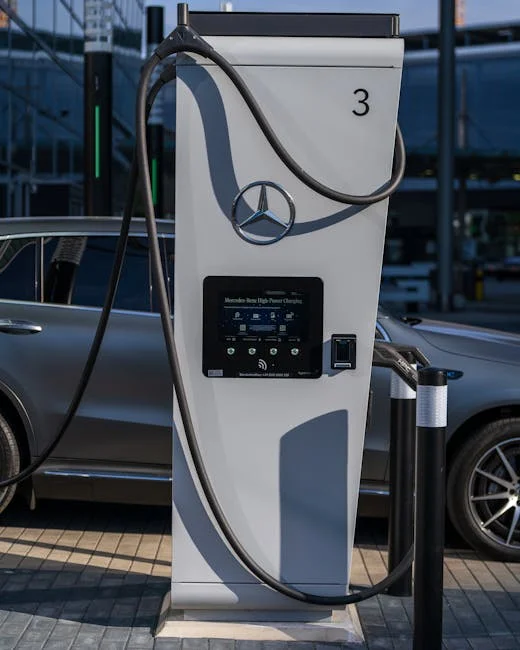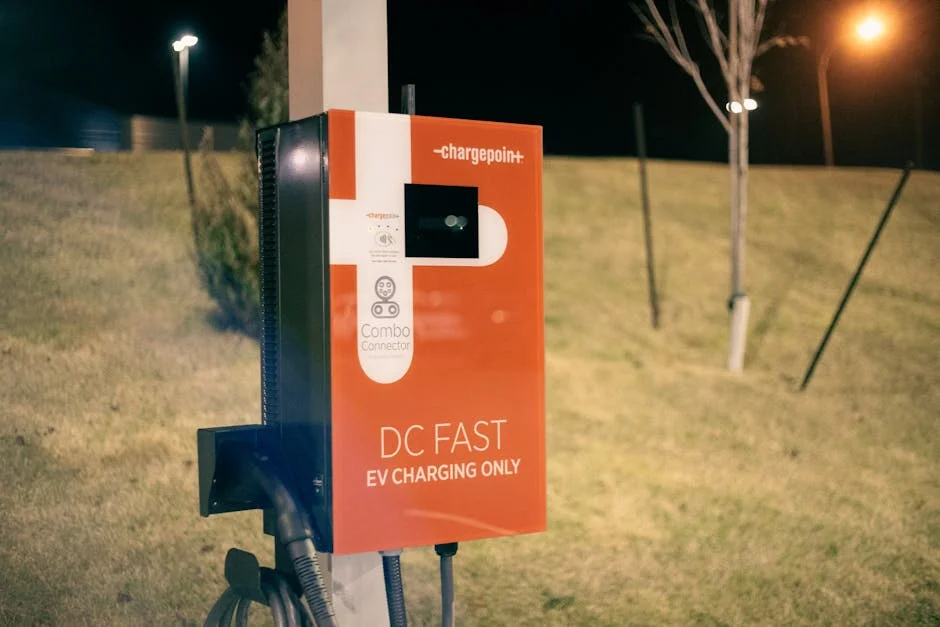
A dc fast charger has become one of the most important pieces of infrastructure in modern electric mobility because it changes how drivers think about time, distance, and convenience. Unlike slower charging methods that may require hours to replenish a battery, a dc fast charger delivers high-power direct current straight to the vehicle’s battery pack, enabling substantial range to be added in a comparatively short stop. This shift is more than a technical upgrade; it influences route planning, fleet scheduling, and consumer confidence in choosing an electric vehicle. The reason direct current matters is that lithium-ion batteries store energy as DC, while the electric grid supplies alternating current. With traditional AC charging, the vehicle’s onboard charger must convert AC to DC, and that onboard conversion capacity is often limited to keep cost, weight, and heat manageable. A fast DC station moves the heavy conversion hardware into the charging cabinet, where it can be larger, more aggressively cooled, and engineered for much higher output. As a result, high-power charging becomes feasible in public corridors, at depots, and at retail sites that benefit from quick dwell times.
Table of Contents
- My Personal Experience
- Understanding the DC Fast Charger and Why It Matters
- How a DC Fast Charger Works Compared to AC Charging
- Key Standards and Connector Types Used in Fast DC Charging
- Power Levels, Charging Curves, and Real-World Speed Expectations
- Safety, Reliability, and Built-In Protections
- Installation Requirements: Electrical Service, Permitting, and Site Design
- Cost Factors: Equipment, Demand Charges, and Total Cost of Ownership
- Expert Insight
- Best Practices for Drivers: Maximizing Speed and Battery Health
- Fleet and Commercial Use Cases: Depots, Corridors, and High Utilization
- Grid Impact and Smart Charging: Load Management, Storage, and Renewables
- User Experience and Station Operations: Payment, Uptime, and Amenities
- Choosing the Right DC Fast Charger for a Site: Practical Selection Criteria
- The Future of DC Fast Charging: Higher Power, Better Integration, and Broader Access
- Watch the demonstration video
- Frequently Asked Questions
- Trusted External Sources
My Personal Experience
The first time I used a DC fast charger was on a road trip when my battery dropped faster than I expected after a windy stretch of highway. I pulled into a rest stop with about 9% left and felt that little panic you get when you’re not sure the charger will cooperate. The station started up after a couple of tries—my app froze once and I had to replug—but once it connected, the jump from single digits to around 60% was surprisingly quick. I watched the speed taper off after that, so I unplugged at 68% instead of waiting for 100% and grabbed a coffee while it charged. It wasn’t perfectly smooth, but it turned what could’ve been a stressful stop into a manageable 20-minute break.
Understanding the DC Fast Charger and Why It Matters
A dc fast charger has become one of the most important pieces of infrastructure in modern electric mobility because it changes how drivers think about time, distance, and convenience. Unlike slower charging methods that may require hours to replenish a battery, a dc fast charger delivers high-power direct current straight to the vehicle’s battery pack, enabling substantial range to be added in a comparatively short stop. This shift is more than a technical upgrade; it influences route planning, fleet scheduling, and consumer confidence in choosing an electric vehicle. The reason direct current matters is that lithium-ion batteries store energy as DC, while the electric grid supplies alternating current. With traditional AC charging, the vehicle’s onboard charger must convert AC to DC, and that onboard conversion capacity is often limited to keep cost, weight, and heat manageable. A fast DC station moves the heavy conversion hardware into the charging cabinet, where it can be larger, more aggressively cooled, and engineered for much higher output. As a result, high-power charging becomes feasible in public corridors, at depots, and at retail sites that benefit from quick dwell times.

Practical value is best understood through the real-world experience of stopping for energy. With a dc fast charger, the charging session often aligns with a normal break: grabbing coffee, using restrooms, or swapping drivers in a commercial operation. This is fundamentally different from overnight home charging, which is still essential but does not support continuous long-distance travel or high utilization fleets. The perception of “charging anxiety” decreases when drivers know that reliable high-speed stations exist along their route. At the same time, the presence of fast charging creates new expectations: drivers begin to evaluate station uptime, payment simplicity, cable reach, and the consistency of delivered power. Businesses hosting these stations consider throughput, parking layout, and whether the power infrastructure can support multiple simultaneous sessions. All of these considerations stem from the same core promise: rapid, predictable energy transfer that supports modern mobility patterns.
How a DC Fast Charger Works Compared to AC Charging
The technical distinction between a dc fast charger and an AC charging setup revolves around where power conversion happens and how much power can be safely delivered. The utility grid supplies AC, which is efficient for transmission and distribution. Electric vehicle batteries, however, require DC for charging. With Level 1 and Level 2 AC charging, the EV’s onboard charger converts AC to DC, and that onboard charger commonly ranges from about 3.3 kW to 11 kW on many passenger vehicles, though some can accept higher. This onboard limitation means charging speed is bounded even if the building’s electrical panel could supply more. A dc fast charger bypasses most of those onboard constraints by supplying DC directly to the battery through a controlled, communication-driven process. The charging station contains rectifiers, power factor correction, isolation, control electronics, and thermal management to deliver high current and voltage with precision. Communication between vehicle and charger ensures the battery’s requested voltage and current are met within safe limits, and the system continuously adjusts as the battery state-of-charge increases and temperature changes.
Charging speed is not a single number; it is a curve. A dc fast charger can deliver very high power early in a session when the battery is at a lower state-of-charge and can accept more current. As the battery fills, the vehicle typically tapers the current to protect cell longevity and manage heat, reducing the power even if the charger could deliver more. This is why two drivers at the same station can see different results based on battery temperature, chemistry, pack voltage, and the car’s charging strategy. Understanding this taper helps set realistic expectations: the goal is usually to add the most useful miles in the shortest time, often charging from roughly 10% to 60–80% rather than waiting for 100% at a fast station. The station itself also has constraints, including maximum amperage per connector, thermal limits in the cable, and site-level power sharing when multiple ports are active. When these factors align—vehicle acceptance, station capability, and site capacity—fast charging becomes a powerful enabler for daily operations and road travel.
Key Standards and Connector Types Used in Fast DC Charging
A dc fast charger must match the connector and communication standard supported by the vehicle, and this ecosystem has evolved with regional preferences and industry alliances. In North America, the Combined Charging System (CCS) was long a dominant standard for many automakers, using a connector that integrates AC pins with two large DC pins for high-power delivery. CHAdeMO, another standard, appeared early and still exists on certain older vehicles and some fleets, though new deployments have slowed in many areas. Tesla’s connector ecosystem historically used a proprietary plug in North America, but the market has been shifting toward the North American Charging Standard (NACS), which many manufacturers have announced support for. In Europe, CCS2 is prevalent, and the physical connector differs from North American CCS1 while retaining the same general approach. Each standard includes not just the metal shape of the plug but the signaling and control protocols that govern safety checks, authentication, and real-time power negotiation.
For site owners and drivers, connector availability determines practical usability. A station might have multiple cables to serve different vehicle types, or it may focus on a single standard to reduce complexity. From an operational standpoint, more connector types can increase utilization but may also increase maintenance inventory and training requirements. There are also considerations around cable length, liquid-cooled cables for high amperage, and ergonomics for drivers who must handle heavier connectors. Beyond the plug itself, standards influence the maximum charging voltage (for example, 400V class versus 800V class vehicles) and how high power can be delivered efficiently. Some newer vehicles operate at higher pack voltages, which can reduce current for a given power level and help manage cable heating, enabling faster sessions under the right conditions. Choosing or using a dc fast charger is therefore not just about the advertised kilowatts; it is about compatibility, protocol maturity, and how well the station’s design aligns with the mix of vehicles expected at the location.
Power Levels, Charging Curves, and Real-World Speed Expectations
When evaluating a dc fast charger, advertised power ratings—50 kW, 100 kW, 150 kW, 250 kW, and beyond—are only the starting point for understanding performance. Real-world charging speed depends on the interplay between station capability and the vehicle’s ability to accept power at a given moment. Many vehicles have maximum peak rates they can reach only under ideal conditions, such as a warmed battery and low state-of-charge. Even then, the peak may last just a short window before tapering. This taper is normal and is driven by battery management systems that protect cell health, limit heat generation, and balance the pack. For a driver, the most meaningful metric is often how many miles (or kilometers) are added in 10–20 minutes, rather than the theoretical maximum kW. Additionally, some stations share power across multiple dispensers; if adjacent ports are in use, the available power may be split dynamically. This can lead to different experiences at the same site depending on occupancy.
Voltage also shapes outcomes. A 400V-class vehicle may be limited by current at high-power sites, while an 800V-class vehicle can often take advantage of higher power at a given current limit. Some dc fast charger designs support both by using boost capability or modular power stacks that can be configured to deliver a wide voltage range. Environmental conditions matter as well. Cold batteries typically accept less power until they warm, which is why battery preconditioning—where the vehicle warms the pack before arrival—can be a decisive factor in achieving fast sessions. Heat can also reduce charging speed if the vehicle or station must protect itself from overheating. Cable cooling, cabinet ventilation, and the station’s thermal design affect sustained performance, especially in hot climates or high-throughput locations. Understanding these variables helps set expectations: fast charging is a system-level outcome, not just a station label. A well-designed site with a reliable dc fast charger, proper power capacity, and vehicles that are prepared to charge can deliver consistently short stops that feel comparable to traditional refueling in many trip scenarios.
Safety, Reliability, and Built-In Protections
A dc fast charger operates at high voltages and currents, so safety engineering is central to its design and installation. Multiple layers of protection are used to prevent faults from becoming hazards. Before power flows, the station and vehicle perform handshake checks to confirm proper connection, grounding, insulation integrity, and readiness. The charger monitors temperature at key points, including the cable and connector, and can reduce power or stop the session if overheating is detected. Ground fault detection, isolation monitoring, and emergency shutoff systems help ensure that any abnormal conditions trigger a safe response. Many stations also include surge protection and robust enclosures rated for outdoor exposure, resisting dust, rain, and temperature extremes. The goal is to make high-power charging as routine as plugging in a household device, while still respecting the very different energy levels involved.

Reliability is equally important because a fast station that is frequently out of service undermines driver trust and reduces site revenue. Uptime depends on component quality, preventative maintenance, and network monitoring. Power modules, contactors, cooling fans, and communication boards can fail over time, particularly in harsh environments or heavily used stations. Modern dc fast charger networks increasingly rely on remote diagnostics to identify issues early, deploy firmware updates, and dispatch technicians with the right parts. Payment systems and connectivity are also part of reliability; a station can be electrically healthy but practically unusable if the payment terminal or network authentication fails. Site design influences reliability too. Adequate lighting, clear signage, bollards to protect equipment from vehicle impact, and well-managed cable routing reduce physical damage and user error. When safety and reliability are treated as first-class priorities, fast charging becomes a dependable service rather than an unpredictable experiment, supporting both everyday driving and commercial duty cycles.
Installation Requirements: Electrical Service, Permitting, and Site Design
Deploying a dc fast charger involves more than placing a cabinet and painting parking lines; it requires careful planning around electrical capacity, civil work, and compliance. High-power stations can demand substantial utility service upgrades, especially when multiple dispensers are installed. A site may need a new transformer, upgraded switchgear, and trenching to run conduit for high-amperage feeders. Load calculations must consider not only the charger’s maximum output but also how often it will run at high power and whether site-level load management will be used to cap demand. Permitting typically involves local authorities having jurisdiction, electrical inspections, and adherence to codes related to grounding, clearances, accessibility, and signage. Depending on location, additional requirements may include stormwater management, parking reconfiguration, and coordination with property owners or tenants. These steps can influence project timelines significantly, often more than the equipment lead time itself.
Site design can make or break utilization. Drivers need easy ingress and egress, adequate space to maneuver, and cable reach that accommodates different charge port locations. Poor layouts lead to blocked stalls, awkward parking, or cables stretched across walkways. Accessibility considerations, including ADA-compliant paths and stall design, should be integrated early rather than treated as an afterthought. The placement of the dc fast charger should also consider safety and user comfort: lighting for nighttime use, weather protection where feasible, and proximity to amenities that make the dwell time pleasant. For fleet installations, design priorities can shift toward throughput, driver workflow, and minimizing congestion during shift changes. Energy management equipment, such as on-site batteries or solar canopies, may be added to reduce peak demand or improve resilience. A thoughtful installation approach balances electrical feasibility, user experience, and long-term operational costs, resulting in a station that is both technically sound and commercially effective.
Cost Factors: Equipment, Demand Charges, and Total Cost of Ownership
The economics of a dc fast charger extend beyond the purchase price of the hardware. Capital expenditures often include the charging cabinet, dispensers, cables, networking equipment, and sometimes transformers or switchgear upgrades. Civil work—trenching, concrete pads, bollards, and striping—can be a major line item, especially in retrofit situations where parking lots must be disrupted. Utility interconnection costs may include service upgrades and fees, and project management costs can rise with complex permitting or multi-stakeholder properties. These upfront costs vary widely based on power level, number of ports, and existing electrical infrastructure. A single high-power port at a site with limited capacity can be more expensive than multiple ports at a site already designed for heavy electrical loads, simply because upgrades and trenching dominate the budget.
Expert Insight
Before plugging into a DC fast charger, precondition the battery by navigating to the station in your vehicle’s system and arrive with a low-to-mid state of charge (often 10–30%) to maximize charging speed. If you’re on a road trip, plan shorter, more frequent stops rather than trying to charge from very low to 100%, since charging slows significantly as the battery fills.
Protect battery health and reduce wait times by unplugging once you hit your next-needed range (commonly 70–80%) instead of topping off. Choose a charger that matches your vehicle’s peak acceptance rate and connector type, and check the station’s status in the app before arriving to avoid downrated stalls or queues. If you’re looking for dc fast charger, this is your best choice.
Operating costs are heavily influenced by electricity tariffs. Many commercial sites face demand charges, where the highest short-term power draw in a billing period can drive significant additional fees. Because a dc fast charger draws large power in short bursts, unmanaged charging can create steep demand peaks. Solutions include managed charging that caps site demand, power sharing across dispensers, scheduling strategies for fleets, and on-site battery storage that shaves peaks by supplying part of the power during fast sessions. Networking fees, payment processing, maintenance contracts, and periodic component replacement also factor into total cost of ownership. Revenue models vary: some operators charge per kWh, per minute, or a hybrid structure depending on regional regulations. Utilization is crucial; a station with high uptime and frequent sessions can spread fixed costs across more delivered energy, improving profitability. Understanding these cost drivers helps businesses and municipalities plan sustainable deployments while offering drivers a consistent fast charging experience.
Best Practices for Drivers: Maximizing Speed and Battery Health
Using a dc fast charger effectively involves small behavioral choices that can noticeably improve charging speed and reduce frustration. Arriving with a lower state-of-charge typically results in faster initial charging because the battery can accept more power early in the session. Many drivers find that planning stops to arrive around 10–20% provides a good balance between safety margin and speed, though comfort levels vary. Battery temperature is another major factor. In cold weather, using the vehicle’s navigation to route to the station can trigger battery preconditioning in many models, warming the pack to accept higher power. Without this, a driver may see unexpectedly slow rates even at a high-power site. Choosing a stall that is not paired with another vehicle on power-sharing systems can also help, though this depends on the station’s architecture and whether it shares power across all ports or only in pairs.
| Feature | DC Fast Charger | Level 2 (AC) Charger | Level 1 (AC) Charger |
|---|---|---|---|
| Typical use case | Quick top-ups on road trips and high-traffic corridors | Home, workplace, and destination charging for daily needs | Overnight charging when driving is minimal |
| Charging speed (relative) | Fastest (adds significant range in minutes) | Moderate (adds range in hours) | Slowest (adds range very gradually) |
| Power delivery | Delivers DC power directly to the battery (bypasses onboard charger) | Delivers AC power; vehicle’s onboard charger converts to DC | Delivers AC power from a standard outlet; onboard conversion to DC |

Battery health considerations matter because fast charging, while safe by design, can add thermal and electrochemical stress compared to slower charging. Most modern vehicles manage this automatically, but drivers can support longevity by avoiding frequent charging to 100% on high-power stations unless necessary for a trip. Stopping around 70–80% is often more time-efficient because the taper becomes more pronounced at higher states-of-charge. If a driver needs a full charge, it may be better to finish on slower AC charging at the destination. It also helps to keep the charging connector clean and handle it carefully; forcing a latch or letting a connector drop can damage pins and lead to failed sessions. Finally, patience with the ramp-up phase can reduce unnecessary troubleshooting. Some sessions take a minute to negotiate and start power flow, especially on busy networks. By aligning expectations with how a dc fast charger and battery management system cooperate, drivers can get faster stops, smoother trips, and a more consistent day-to-day experience.
Fleet and Commercial Use Cases: Depots, Corridors, and High Utilization
Commercial operators often adopt a dc fast charger strategy differently from individual drivers because the priority is vehicle uptime and predictable scheduling. Delivery vans, ride-hail vehicles, taxis, and service fleets may need multiple top-ups throughout the day rather than a single overnight session. In these cases, fast charging can be integrated into operational pauses—loading breaks, driver shifts, or planned staging. Depot-based fast charging can also reduce the number of vehicles required to meet service levels because each vehicle can spend more time on the road and less time parked. However, depot design must account for simultaneous charging events, peak power management, and traffic flow to avoid bottlenecks. Fleet managers often prefer centralized control, RFID or plug-and-charge authentication, and detailed reporting on energy delivered, session duration, and cost allocation by vehicle or driver.
Along highways and logistics corridors, a dc fast charger network supports regional movement and enables electrification of routes that exceed a single battery’s practical range. For medium- and heavy-duty vehicles, charging power requirements can be even higher, and site planning becomes more complex due to larger parking footprints, trailer clearance, and higher energy throughput. Commercial-grade stations may incorporate redundant power modules to improve uptime and allow partial operation even during a component failure. They may also include canopy structures, security cameras, and lighting suitable for night operations. From an economic standpoint, fleets can sometimes negotiate utility rates or deploy on-site storage to reduce demand charges, improving predictability. The operational benefit is straightforward: when charging is fast and reliable, electrified fleets can match or exceed the scheduling flexibility of conventional vehicles in many duty cycles. The dc fast charger becomes a tool for operational resilience, not just a convenience feature.
Grid Impact and Smart Charging: Load Management, Storage, and Renewables
Because a dc fast charger can draw power comparable to a small building—or more—grid integration is a key consideration for scaling deployment. Concentrated fast charging sites can create localized peaks that stress transformers and feeders, especially in areas with limited existing capacity. Utilities and site hosts increasingly coordinate on interconnection studies, transformer sizing, and timeline planning. Smart charging strategies can reduce grid impact by managing when and how much power is drawn. Load management systems can cap total site demand by dynamically allocating power among active sessions, ensuring the site stays within a configured threshold. While this may slightly reduce peak charging speed during busy times, it can also avoid expensive demand charges and service upgrades, enabling more ports to be installed within the same electrical envelope.
On-site energy storage is another approach. A battery can charge slowly from the grid during off-peak hours and then discharge rapidly to support a dc fast charger during peak sessions, reducing instantaneous grid draw. This can improve resilience and potentially allow deployment in constrained areas. Solar generation can contribute, especially in daytime-heavy locations, but solar alone typically cannot sustain high-power fast charging without storage because output fluctuates and is modest relative to fast charging loads. Some sites combine solar canopies, batteries, and intelligent controls to optimize costs and improve sustainability metrics. Demand response programs may also become relevant, where sites reduce load during grid stress in exchange for incentives. Over time, the combination of smart controls, storage, and better utility planning can make fast charging expansion smoother, reducing both operating costs and grid strain while still delivering the rapid energy transfer that drivers expect from a dc fast charger.
User Experience and Station Operations: Payment, Uptime, and Amenities
The practical success of a dc fast charger site often depends on user experience details that go beyond electrical specifications. Payment simplicity is a major factor. Drivers may prefer contactless card payments, app-based activation, or plug-and-charge systems that authenticate automatically. Confusing pricing models, unreliable readers, or poor cellular connectivity can turn a technically functional station into a frustrating stop. Clear signage that explains pricing, idle fees, and how to start a session reduces support calls and improves turnover. Real-time status reporting—showing whether a port is available, in use, or out of service—helps drivers plan and reduces congestion. Operators often integrate stations into roaming agreements so drivers can use fewer apps and accounts, which can increase utilization and customer satisfaction.
Amenities and site layout influence dwell time perception. Fast charging still requires minutes, so drivers value nearby restrooms, food, seating, and safe, well-lit surroundings. Retail hosts often benefit because charging dwell time can translate into store visits. Operationally, maintenance and cleanliness are part of the experience. Cables should retract or rest properly to avoid damage, screens should be readable in sunlight, and the area should be free of trash and ice hazards. Idle management is also important; if drivers leave vehicles parked after charging completes, access declines and frustration rises. Some networks use notifications and idle fees to encourage turnover. For station operators, uptime is a metric that can be improved through preventive maintenance, rapid response to faults, and stocking critical spare parts. When these operational aspects are handled well, a dc fast charger site feels dependable and professional, encouraging repeat use and supporting broader EV adoption.
Choosing the Right DC Fast Charger for a Site: Practical Selection Criteria
Selecting a dc fast charger for a specific location involves aligning technical capability with expected users, budget, and electrical constraints. Power level should match the use case. A retail site with moderate dwell times might benefit from multiple 100–150 kW ports with power sharing, maximizing the number of customers served. A highway corridor location may prioritize higher power to minimize stops for long-distance travelers, while a fleet depot may value predictable power delivery and robust management features over peak speed. Connector strategy is another decision: providing the dominant local standard increases utilization, but mixed connectors may be needed depending on the vehicle population. The charger’s voltage range should also be considered to support both current and future vehicles, especially as higher-voltage architectures become more common.

Operational features can be as important as hardware ratings. Network management tools, remote diagnostics, over-the-air updates, and open protocol support (such as OCPP) can reduce long-term risk and avoid vendor lock-in. Environmental durability matters for outdoor installations: ingress protection ratings, corrosion resistance, and thermal performance in extreme heat or cold. Serviceability is often overlooked; modular designs that allow quick replacement of power modules and readily available parts can dramatically improve uptime. Payment hardware, accessibility compliance, and integration with site signage and parking enforcement also affect overall success. Finally, consider scalability. A site that starts with one dc fast charger port may need to expand to four or eight as adoption grows, so designing conduit paths, transformer capacity, and switchgear with future expansion in mind can save significant cost later. Thoughtful selection ensures the charger is not only powerful on paper but also practical, maintainable, and aligned with how people will actually use the station.
The Future of DC Fast Charging: Higher Power, Better Integration, and Broader Access
The evolution of a dc fast charger is trending toward higher power, smarter coordination with the grid, and a more seamless driver experience. Technological improvements in power electronics, cooling, and cable design are enabling higher sustained outputs, while vehicle advancements in battery chemistry and thermal management allow faster acceptance without sacrificing longevity. At the same time, industry focus is shifting to reliability, interoperability, and simpler payment. Drivers increasingly expect stations to work as predictably as fueling pumps, with transparent pricing and minimal setup. Plug-and-charge capabilities, improved roaming, and standardized performance metrics are helping move the market toward that expectation. Another major direction is better station density and redundancy; having multiple sites and multiple ports reduces queues and makes route planning less stressful, especially during peak travel times.
Integration with energy systems will also expand. As more fast stations come online, utilities and operators will refine approaches to demand management, storage deployment, and dynamic pricing that encourages charging when the grid is less stressed. In some areas, fast charging sites may become energy hubs that combine solar, batteries, and grid services, improving economics while supporting decarbonization goals. Heavy-duty charging will likely drive new site formats with pull-through stalls and megawatt-class standards, which may also influence passenger vehicle infrastructure over time. Even as home and workplace charging remain foundational, fast public charging fills the critical gap for long-distance travel, apartment dwellers, and high-utilization fleets. With continued improvements in reliability, user experience, and grid coordination, the dc fast charger will remain a central pillar of electric mobility, and the final measure of success will be simple: drivers consistently getting the energy they need, quickly and confidently, from a dc fast charger when it matters most.
Watch the demonstration video
In this video, you’ll learn what a DC fast charger is, how it delivers rapid charging compared to Level 2 stations, and what affects charging speed—like battery size, state of charge, and temperature. You’ll also get practical tips on connector types, typical power ratings, and how to use DC fast charging efficiently on the road.
Summary
In summary, “dc fast charger” is a crucial topic that deserves thoughtful consideration. We hope this article has provided you with a comprehensive understanding to help you make better decisions.
Frequently Asked Questions
What is a DC fast charger?
A DC fast charger (DCFC) is an EV charger that delivers direct current straight to the battery, enabling much faster charging than typical AC Level 1/Level 2 chargers.
How fast is DC fast charging?
Speed depends on charger power (e.g., 50–350 kW), vehicle limits, battery temperature, and state of charge; many EVs can add roughly 100–200 miles in about 15–30 minutes under good conditions. If you’re looking for dc fast charger, this is your best choice.
What connector types do DC fast chargers use?
The most common connector standards are CCS (Combo), CHAdeMO, and NACS (Tesla). Which one you’ll use at a **dc fast charger** depends on your vehicle, and in some cases you may need an adapter to plug in.
Why does charging slow down after 80%?
As an EV battery fills up, most vehicles automatically taper the charging power to control heat and protect long-term battery health—so even on a **dc fast charger**, that final 20% usually takes noticeably longer than the rest.
Is DC fast charging bad for the battery?
Using a **dc fast charger** once in a while is usually fine, but relying on high-power fast charging too often—especially in very hot or very cold weather—can accelerate battery wear. To keep the impact low, follow your vehicle’s recommended charging guidelines whenever possible.
How much does it cost to use a DC fast charger?
Pricing can differ widely depending on the network and where you’re charging, whether you’re using a **dc fast charger** or a standard unit. Fees may be billed per kWh, per minute, or per session, so it’s best to check the charger’s app or on-screen display for the latest rates—along with any idle fees that could apply if you stay plugged in after charging ends.
? Looking for more info about dc fast charger? Follow Our Site for updates and tips!

Trusted External Sources
- DC Fast Charging Explained
With a **dc fast charger**, many electric vehicles can recharge to about 80% in under 20 minutes, dramatically speeding up the charging process and making quick top-ups during road trips or busy days far more convenient.
- How to find DC Fast charging? : r/evcharging – Reddit
Jun 5, 2026 … Download the PlugShare app. Try ABRP. Teslas have a more reliable charging network and better onboard routing software, but you need to check whether the … If you’re looking for dc fast charger, this is your best choice.
- When and how to use DC fast charging – ChargePoint
Feb 16, 2026 … To perhaps state the obvious — ChargePoint DC fast chargers are faster than Level 2 AC charging stations. They are also just as easy to use …
- Anyone Installed a DC Fast Charger at Home? : r/evcharging – Reddit
Apr 1, 2026 … The DC fast charger has a large onboard battery, which means it’s only pulling from the grid at a rate more comparable to level 2 charging, …
- DC Fast Chargers for Rapid EV Charging
DC fast chargers (DCFCs) are the fastest type of EV charger, capable of charging an electric vehicle battery to 80% in as little as 20 to 30 minutes. Also known …