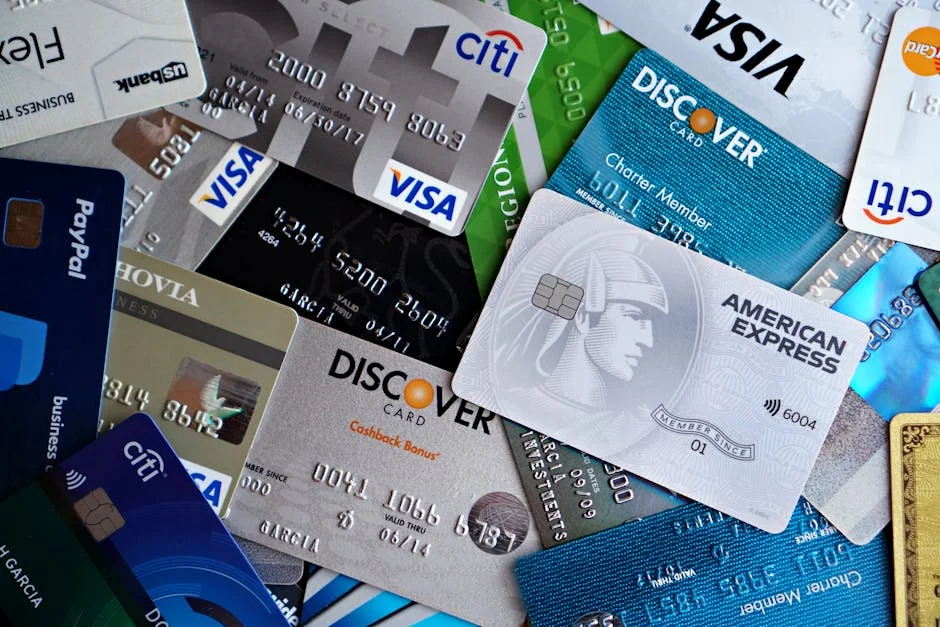
Credit card cashback is one of the simplest rewards concepts in consumer finance: you pay for everyday purchases with a card, and the issuer returns a portion of what you spend as a statement credit, a deposit, or a redeemable reward. Unlike points and miles that can feel abstract, cash back is easy to value because a dollar is a dollar. That clarity is a major reason so many households favor cashback rewards over complicated loyalty programs. Still, the simplicity can be misleading. Different issuers define eligible purchases differently, apply varying reward rates by category, and enforce caps, minimum redemption thresholds, or time-limited promotions that change the final value you receive. Understanding how credit card cashback is calculated helps you compare offers that look similar on the surface, especially when one card advertises a higher percentage but restricts it to certain merchants, or requires activation, or pays the bonus only up to a quarterly limit.
Table of Contents
- My Personal Experience
- Understanding Credit Card Cashback and Why It Matters
- How Cashback Rewards Are Calculated: Rates, Categories, and Caps
- Flat-Rate vs. Tiered Cashback: Choosing the Right Structure
- Rotating Categories and Activation Requirements: Maximizing Without the Hassle
- Redemption Options: Statement Credits, Deposits, and Real Value
- Fees, Interest, and the “Rewards Trap”: Keeping Cashback Profitable
- Matching Cashback Categories to Real-Life Spending Patterns
- Comparing Cashback to Points and Miles: When Cash Is Better
- Expert Insight
- Building a Simple Cashback “Wallet”: One-Card and Two-Card Setups
- Using Cashback Responsibly: Credit Scores, Utilization, and Payment Timing
- Cashback Strategies for Common Spending Areas: Groceries, Gas, Dining, and Online Shopping
- Evaluating Sign-Up Bonuses and Intro Offers Without Getting Burned
- Common Pitfalls: Merchant Coding, Returns, Disputes, and Exclusions
- Making Cashback Part of a Financial Routine: Budgeting, Saving, and Debt Paydown
- Choosing a Cashback Card That Fits Your Life and Stays Valuable Over Time
- Watch the demonstration video
- Frequently Asked Questions
- Trusted External Sources
My Personal Experience
I used to ignore credit card cashback because it sounded like a gimmick, but last year I finally picked a card that gives 2% back on groceries and gas—two things I buy every week anyway. I set it to autopay in full so I wouldn’t get hit with interest, and I started putting my regular bills on it instead of my debit card. After a few months, I checked the rewards and realized I’d quietly earned enough to cover a decent chunk of a weekend trip. It wasn’t life-changing money, but it felt satisfying to get something back for purchases I was already making, and it made me a lot more intentional about how I use my card.
Understanding Credit Card Cashback and Why It Matters
Credit card cashback is one of the simplest rewards concepts in consumer finance: you pay for everyday purchases with a card, and the issuer returns a portion of what you spend as a statement credit, a deposit, or a redeemable reward. Unlike points and miles that can feel abstract, cash back is easy to value because a dollar is a dollar. That clarity is a major reason so many households favor cashback rewards over complicated loyalty programs. Still, the simplicity can be misleading. Different issuers define eligible purchases differently, apply varying reward rates by category, and enforce caps, minimum redemption thresholds, or time-limited promotions that change the final value you receive. Understanding how credit card cashback is calculated helps you compare offers that look similar on the surface, especially when one card advertises a higher percentage but restricts it to certain merchants, or requires activation, or pays the bonus only up to a quarterly limit.
Another reason credit card cashback matters is that it can function like a small rebate on spending you would do anyway, provided you avoid interest and fees. If you carry a balance and pay interest, the cost can dwarf the rewards, turning a “rewarding” card into an expensive borrowing tool. The best outcomes come from using the card as a payment method, not a loan: pay the statement balance in full by the due date, keep utilization manageable, and treat rewards as a bonus rather than a reason to buy more. When used responsibly, cashback can offset routine expenses, help fund sinking funds for irregular bills, or reduce the effective price of necessities like groceries and gas. When used carelessly, it can become a justification for overspending, especially when rotating categories and limited-time offers encourage “chasing” rewards instead of focusing on a sustainable budget.
How Cashback Rewards Are Calculated: Rates, Categories, and Caps
Most cashback cards compute rewards as a percentage of eligible net purchases, meaning returns, credits, and disputed charges generally reduce your reward earnings. The base rate might be 1% to 2% on all purchases, with elevated rates such as 3%, 4%, or 5% in specific categories like dining, groceries, gas, travel, or online shopping. Some programs also include merchant-funded offers that temporarily raise earnings at select retailers. The mechanics sound straightforward, yet the fine print can meaningfully affect the payout. A “5% back” category might only apply to the first $1,500 per quarter, after which purchases earn 1%. Another card might offer 3% on groceries but exclude superstores, warehouse clubs, and certain delivery services. Even a card marketed as “unlimited” may still apply internal risk controls or exclude transactions such as cash-like purchases, person-to-person transfers, lottery tickets, or gift card purchases. These exclusions matter because they change the real-world yield of credit card cashback.
To estimate expected rewards, start by mapping your monthly spending to the card’s categories and applying caps realistically. If you spend $600 a month on groceries and a card gives 3% there, that’s $18 monthly, but only if your grocery merchants code correctly and you don’t exceed a cap. If the card pays 5% on groceries up to $500 per month and 1% afterward, the effective rate becomes a weighted average once you cross the threshold. Then factor in annual fees, foreign transaction fees, and redemption friction. A card with a $95 annual fee could still be a strong option if your bonus-category earnings are high enough, but only if you actually use those categories consistently. Likewise, a no-fee flat-rate card at 2% can outperform a higher headline rate card if the latter’s categories don’t align with your habits. Accurate calculation turns credit card cashback from a marketing promise into a predictable benefit.
Flat-Rate vs. Tiered Cashback: Choosing the Right Structure
Flat-rate cashback cards offer a single percentage on nearly all eligible purchases, often 1.5% to 2% and sometimes more with certain conditions. Their appeal is predictability and low maintenance: you do not need to track rotating categories, enroll each quarter, or remember which purchases qualify for a bonus. For busy households or anyone who prefers a “set it and forget it” approach, a flat-rate card can be the backbone of a rewards strategy. It also pairs well with budgeting because you can estimate monthly rewards without much guesswork. That said, flat-rate cards sometimes have fewer perks, and the top rates may require meeting conditions such as having a linked bank account, maintaining a certain deposit relationship, or redeeming in specific ways. It’s important to read the terms so your expected credit card cashback doesn’t depend on a requirement you won’t keep long-term.
Tiered cashback cards, by contrast, offer higher returns in select categories and lower returns elsewhere. A common structure is 3% on groceries and dining, 2% on gas, and 1% on everything else. The advantage is obvious: if your spending is concentrated in the bonus categories, your effective return can exceed a flat 2% card. The drawback is complexity and the risk of mismatch. If you rarely buy gas, a gas bonus is irrelevant; if you shop primarily at warehouse clubs that don’t code as groceries, a “grocery” bonus may disappoint. Some tiered cards also impose spending caps per category or per quarter, which can reduce returns for high spenders. The best choice depends on how closely the card’s bonus categories mirror your typical spending pattern. Many people end up combining one flat-rate card for general purchases with one tiered card for the biggest categories, creating a blended approach that maximizes credit card cashback without becoming a part-time job.
Rotating Categories and Activation Requirements: Maximizing Without the Hassle
Rotating-category cashback cards can deliver some of the highest reward rates available, commonly 5% in categories that change each quarter, such as gas stations, grocery stores, Amazon, streaming services, or home improvement. The catch is that you often must activate the category each quarter and the bonus rate typically applies only up to a set spending limit. If you forget to activate, you may earn only the base rate for that quarter, which can be a big opportunity cost. For people who enjoy optimizing, rotating categories can be a powerful way to boost credit card cashback on predictable seasonal spending, like holiday shopping or summer travel. For others, the mental load is not worth it, and a simpler structure delivers better real-life results because it is used consistently.
To get the most out of rotating categories with minimal hassle, create a routine. Set calendar reminders at the start of each quarter to activate categories and review the eligible merchant types. Then decide whether to switch your default payment method for that quarter or to use the rotating card only for targeted purchases. Tracking the cap is also important: if the 5% category is limited to $1,500 per quarter, you may want to stop using that card for the category once you’re near the limit and switch to a tiered or flat-rate alternative. Another practical tactic is to align automatic payments with the bonus categories when possible, such as using the card for streaming services or phone bills during a quarter when those merchants qualify. The goal is to capture high credit card cashback rates while keeping your system simple enough that you follow it consistently.
Redemption Options: Statement Credits, Deposits, and Real Value
Cashback rewards can usually be redeemed as a statement credit, direct deposit, check, gift cards, or sometimes toward travel purchases. While all these options sound similar, the real value can differ. A statement credit reduces your balance and effectively lowers your out-of-pocket spending, which is straightforward and usually the best baseline option. Direct deposit can be equally valuable and may help you earmark rewards for goals like an emergency fund or a sinking fund for insurance premiums. Gift cards sometimes come with discounts that make them worth more than face value, but they can also limit flexibility and encourage spending at a specific retailer rather than saving cash. Some issuers market “pay with rewards” at checkout, but the redemption rate can be inferior or the transaction may not qualify for additional rewards. Knowing the redemption value protects the integrity of your credit card cashback strategy.
Watch for minimum redemption thresholds and expiration policies, even if they are uncommon among major issuers. A card might require $25 in rewards before you can cash out, which is not a problem for regular spenders but can be annoying for light users. Also consider timing: if you redeem as a statement credit, you may still need to make at least the minimum payment by the due date, and the credit may post after the statement closes. If you redeem to a bank account, transfers may take a few days. For budgeting, it helps to treat cashback as periodic income rather than an immediate discount at the register. The cleanest approach is to redeem credit card cashback on a schedule—monthly or quarterly—and allocate it intentionally, such as paying down debt, funding savings, or offsetting a specific bill. That way, rewards support your financial plan instead of disappearing into untracked spending.
Fees, Interest, and the “Rewards Trap”: Keeping Cashback Profitable
The biggest threat to the value of cashback is interest. If you carry a balance, the annual percentage rate can quickly exceed any rewards you earn. For example, earning 2% back is irrelevant if you pay 20% APR interest on revolving balances. Even occasional interest charges can erase months of rewards. Late fees, returned payment fees, and cash advance fees also undermine the benefit. Another common issue is paying an annual fee without getting enough incremental value. A card with a $95 fee and a slightly higher earning rate may still be worthwhile, but only if your spending aligns with the bonus categories and you redeem efficiently. A profitable credit card cashback setup is one where the rewards exceed all costs, including the subtle ones such as foreign transaction fees when traveling or convenience fees for certain bill payments.
A practical way to avoid the rewards trap is to set up automatic payments for the full statement balance and to monitor your utilization so you do not unintentionally rely on credit. If paying in full is not feasible right now, prioritizing a low-interest card or a debt payoff plan may be more valuable than chasing rewards. Another safeguard is to treat your credit limit as a tool for cash-flow management, not as permission to spend more. If you notice that rotating categories or limited-time bonuses change your buying behavior, step back and simplify. Rewards are best earned on purchases you already planned to make. When you operate from that mindset, credit card cashback becomes a modest but reliable financial benefit rather than a psychological nudge toward unnecessary consumption.
Matching Cashback Categories to Real-Life Spending Patterns
To choose the right cashback card, start with your actual spending data rather than aspirational plans. Review three to six months of bank and card statements and group purchases into buckets like groceries, dining, gas, transit, online shopping, utilities, streaming, and travel. Then compare those buckets to each card’s earning structure. If groceries and dining dominate your budget, a card with elevated earnings in those categories can produce meaningful credit card cashback without extra effort. If your spending is spread evenly, a flat-rate card may outperform because it rewards everything consistently. Also pay attention to where you shop. “Grocery” is not a universal category; purchases at warehouse clubs, superstores, and some delivery services may code differently. If most of your grocery spend happens at a merchant that doesn’t qualify, you might not receive the bonus rate you expect.
Consider lifestyle changes as well. A commuter who drives daily may benefit from gas bonuses, while an urban resident who uses transit and rideshare might prefer a card that rewards those purchases. Families with children might see large recurring expenses in groceries, pharmacies, and big-box stores, while frequent travelers might value a card that combines cashback with travel protections and no foreign transaction fees. Seasonal variations matter too: home improvement spending may spike in spring, and online shopping may spike in the holidays. The best approach is to pick one or two core cards that cover your largest categories and then use a general-purpose card for everything else. This keeps your system manageable while ensuring your credit card cashback rate remains high where it counts most.
Comparing Cashback to Points and Miles: When Cash Is Better
Points and miles can offer outsized value in certain redemptions, especially premium travel, but they also introduce complexity, blackout dates, dynamic pricing, and program devaluations. Cashback avoids many of these issues. A 2% return is always 2% in real purchasing power, and you can use the money for anything: rent, groceries, debt payoff, or savings. For many people, that flexibility is more valuable than the possibility of squeezing extra value from an award chart. Cashback is also easier to compare across cards. With points, you must estimate cents per point, which can vary widely by redemption method. With credit card cashback, the value is transparent and easier to incorporate into a financial plan.
Expert Insight
Match your card to your real spending habits: choose one with elevated cashback in categories you use every month (like groceries, gas, or dining), then set that card as the default for those purchases to consistently earn the higher rate. If you’re looking for credit card cashback, this is your best choice.
Protect your rewards by paying the statement balance in full and on time; interest charges can erase cashback quickly. Redeem cashback regularly (or set auto-redemption) and track rotating categories or caps so you activate bonuses and avoid overspending past the higher-earning limit. If you’re looking for credit card cashback, this is your best choice.
Cashback can be especially attractive if you travel infrequently or prefer low-cost travel where points redemptions may not be as advantageous. It’s also a good fit for anyone focused on financial goals like building an emergency fund, paying down high-interest debt, or saving for a down payment. In those cases, predictable rewards that can be deposited directly into a savings account may be more helpful than travel-specific currency. That said, there are hybrid approaches: some issuers allow points to be redeemed for cash at a fixed rate, effectively turning a points card into a cashback card. The key is to confirm the redemption rate and avoid options that reduce value. If simplicity, stability, and broad usefulness are priorities, credit card cashback often provides the best balance of reward and control.
Building a Simple Cashback “Wallet”: One-Card and Two-Card Setups
A one-card setup is the simplest way to earn cashback. Choose a flat-rate card with a strong base return on all purchases, minimal fees, and a user-friendly redemption process. This approach reduces decision fatigue and makes it more likely you will use the card consistently, which is crucial for capturing rewards. It also minimizes the risk of miscategorization surprises because the rate doesn’t depend on merchant type. A one-card strategy is ideal for people who want reliable credit card cashback without tracking categories or juggling multiple payment methods. It can also be a good starting point for those new to rewards, because it builds good habits like paying in full and monitoring statements for fraud.
| Card type | Best for | Typical cashback structure |
|---|---|---|
| Flat-rate cashback card | Simple rewards with consistent spending | Same % back on most purchases (e.g., 1.5%–2%) |
| Tiered/category cashback card | Maximizing rewards in specific categories | Higher % in select categories (e.g., groceries/gas/dining) and lower % on everything else |
| Rotating-category cashback card | Active optimizers willing to track and activate offers | High % back in quarterly categories after activation (often capped), then base rate on other spend |
A two-card setup often provides a meaningful upgrade with only a small increase in complexity. Typically, you pair a flat-rate card for general spending with a category card that offers elevated earnings in your top expenses, such as groceries and dining. For example, use the category card at supermarkets and restaurants, and default to the flat-rate card everywhere else. This combination can raise your overall effective return while keeping decisions simple at the checkout. If you want to add rotating categories later, you can, but it’s not required to achieve strong results. The goal of a “wallet” approach is to create a system you will actually follow, because the best credit card cashback strategy on paper is useless if it is too complicated to implement in daily life.
Using Cashback Responsibly: Credit Scores, Utilization, and Payment Timing
Rewards are only one part of using credit well. To keep your financial profile healthy, pay attention to payment history, credit utilization, and account management. On-time payments are the most important factor for many scoring models, so set up reminders or autopay to avoid accidental late payments. Utilization—how much of your available credit you use—can also affect scores, especially if you regularly report high balances relative to your credit limit. Even if you pay in full, a high statement balance can be reported to credit bureaus and temporarily lower your score. If you are preparing for a major loan, consider making an additional payment before the statement closes to reduce the reported balance. These habits help ensure your credit card cashback does not come at the expense of your broader financial goals.
Payment timing matters for budgeting as well. Using a card can smooth cash flow, but it can also create a mismatch between when you spend and when you feel the financial impact. To avoid surprises, treat card spending like debit spending: record purchases promptly in your budget, keep an eye on running totals, and avoid relying on future income to cover today’s charges. Another responsible practice is to keep your rewards separate from your spending decisions. If you earn $20 in cashback this month, that does not justify a $200 impulse purchase to “earn more.” Over time, consistent on-time payments and controlled utilization can improve your access to better cards and better terms, which can further enhance credit card cashback opportunities. The rewards should be a byproduct of sound financial behavior, not the driver of it.
Cashback Strategies for Common Spending Areas: Groceries, Gas, Dining, and Online Shopping
Groceries, gas, dining, and online shopping are common categories where cashback can add up quickly. For groceries, the biggest issue is merchant coding. Traditional supermarkets often qualify for grocery bonuses, while warehouse clubs and superstores may not. If you split shopping between different types of stores, you may want a card that rewards both groceries and general purchases well, or you may decide to use the grocery-focused card only at merchants that consistently qualify. Gas bonuses can be valuable for drivers, but consider whether you also spend significantly on maintenance, parking, tolls, or public transit, which may not count as gas. Dining rewards often include restaurants, takeout, and sometimes delivery services, but the definition varies by issuer. Online shopping bonuses may apply to purchases made through a portal, a specific digital wallet, or merchants categorized as “internet retail,” and those distinctions affect your final credit card cashback.
A practical approach is to create rules that match your routine. Use a dining-heavy card for restaurants and delivery, a grocery-heavy card for supermarket runs, and a flat-rate card for everything else. If you frequently shop online, watch for issuer offers that add extra cashback at certain retailers, and stack them thoughtfully with your existing category earnings. However, avoid stacking in ways that increase returns or fees, because returns and disputes can complicate rewards. Keep receipts for large purchases, and remember that returns will reduce earned rewards. If you pay bills online, check whether the biller charges a convenience fee; a 2% fee can wipe out a 2% reward. The most effective credit card cashback strategies focus on high-volume categories with low friction and avoid transactions where fees or exclusions negate the benefit.
Evaluating Sign-Up Bonuses and Intro Offers Without Getting Burned
Sign-up bonuses can dramatically increase your first-year rewards, sometimes equaling hundreds of dollars in cashback if you meet a minimum spending requirement within a few months. These offers can be worthwhile, but they require careful planning. The minimum spend should be achievable through normal expenses like groceries, utilities, insurance, and planned purchases, not through extra discretionary spending. It’s also important to confirm which purchases count toward the bonus; cash advances, person-to-person payments, and certain cash-like transactions may be excluded. Another factor is timing: applying before a period of naturally higher expenses, such as moving, back-to-school shopping, or annual insurance premiums, can help you meet the requirement without strain. When approached thoughtfully, a bonus can be a strong accelerator for credit card cashback.
Introductory APR offers are another common feature. A 0% APR period on purchases or balance transfers can be useful for cash-flow management or debt payoff, but it should not be used to justify overspending. If you carry a balance past the intro period, interest charges can erase the value of rewards. Balance transfers often include a transfer fee, which should be compared to the interest you would otherwise pay. Also consider the impact of opening new accounts on your credit profile, including hard inquiries and average age of accounts. A sustainable approach is to space out applications, keep older accounts in good standing, and choose offers that align with your spending and repayment capacity. Used wisely, bonuses and intro offers can enhance credit card cashback; used impulsively, they can lead to complexity and unnecessary debt.
Common Pitfalls: Merchant Coding, Returns, Disputes, and Exclusions
Many frustrations with cashback come from misunderstandings about merchant coding and exclusions. Card issuers typically rely on merchant category codes assigned by payment networks, not on the consumer’s interpretation of a purchase. A café inside a bookstore might code differently than a standalone coffee shop. A grocery pickup service might code as a delivery platform rather than a supermarket. A purchase at a warehouse club might never qualify as “grocery,” even if you buy only food. These coding quirks can reduce your expected credit card cashback and make it hard to optimize if you assume categories are intuitive. The best defense is to test small purchases at your regular merchants and review how they appear on your statement before committing large spending to a card for category reasons.
Returns and disputes also affect rewards. If you return an item, the issuer typically reverses the rewards associated with that purchase. If you earned a sign-up bonus based on meeting a spending threshold and later return a large purchase, you could potentially fall below the threshold depending on issuer rules. Disputed charges may be removed from your balance temporarily, which can also impact rewards calculations until the dispute is resolved. Exclusions can be broader than many people expect: cash advances, gambling transactions, money orders, certain gift card purchases, and person-to-person payments are often ineligible. Foreign purchases may incur a foreign transaction fee that reduces or eliminates the value of rewards. Keeping a simple tracking system—just reviewing statements monthly for category accuracy and fees—helps protect your credit card cashback so it remains a net positive.
Making Cashback Part of a Financial Routine: Budgeting, Saving, and Debt Paydown
Cashback becomes more meaningful when it is assigned a purpose. If rewards are redeemed sporadically and spent casually, they may feel like “free money” that disappears without impact. A better approach is to integrate rewards into your financial routine. For example, you can redeem cashback monthly and apply it to a specific budget category such as groceries, utilities, or transportation, effectively reducing that category’s net cost. Alternatively, you can direct deposit rewards into a savings account and treat it as a micro-contribution to an emergency fund. If you are paying down debt, applying rewards as a statement credit can reduce the balance faster, though it is still essential to pay at least the minimum payment on time. Turning credit card cashback into a habit-driven tool makes the benefit tangible and supports long-term stability.
It also helps to set realistic expectations. Cashback is typically a small percentage of spending, so it won’t replace income, but it can create momentum. A household spending $2,500 per month on eligible purchases at an average 2% return earns about $50 per month, or $600 per year, which can cover a utility bill, a subscription bundle, or a portion of insurance premiums. If you optimize categories responsibly, the return can be higher, but the biggest financial wins still come from controlling spending, avoiding interest, and maintaining a strong credit profile. When you keep your system simple, pay in full, and redeem consistently, credit card cashback becomes a predictable rebate that complements your budget rather than complicating it.
Choosing a Cashback Card That Fits Your Life and Stays Valuable Over Time
A cashback card should fit your life today and remain useful as your spending changes. Start by evaluating the fundamentals: the ongoing earning structure, any annual fee, foreign transaction fees, and the ease of redemption. Then look at durability: are the bonus categories broad enough to remain relevant, or are they tied to niche spending that might fade? Also consider account management features such as strong fraud protection, easy-to-use mobile apps, and clear reward tracking. Some issuers provide additional value through purchase protections, extended warranties, or rental car coverage, which can indirectly increase the value of credit card cashback by reducing out-of-pocket costs when something goes wrong. The best card is rarely the one with the flashiest headline rate; it’s the one you will use consistently without friction.
Finally, keep your strategy adaptable. If you start with one card and later realize most of your spending is in a category that earns poorly, you can add a second card rather than constantly switching. If an issuer changes terms or reduces categories, you can pivot to a different card without abandoning responsible habits. Periodically review your statements to see your effective reward rate and whether fees are creeping in. When you treat rewards as a long-term system instead of a one-time promotion, the benefits compound quietly. Credit card cashback works best when it is earned on planned purchases, redeemed at full value, and paired with disciplined payment habits—so the rewards remain a genuine rebate rather than a costly illusion.
Watch the demonstration video
In this video, you’ll learn how credit card cashback works, including common reward rates, eligible purchases, and key terms like categories, caps, and redemption options. It also covers how to maximize returns, avoid fees and interest that can erase rewards, and choose a cashback card that fits your spending habits.
Summary
In summary, “credit card cashback” is a crucial topic that deserves thoughtful consideration. We hope this article has provided you with a comprehensive understanding to help you make better decisions.
Frequently Asked Questions
What is credit card cashback?
Credit card cashback is a rewards program that returns a percentage of your eligible purchases as cash, typically as a statement credit, bank deposit, or check.
How is cashback calculated?
Cashback is usually a percentage of the purchase amount (e.g., 1%–5%), sometimes varying by category, merchant, or promotional period, and may exclude fees, cash advances, or certain transactions.
When do I receive my cashback rewards?
Rewards are typically added after your statement closes or once your purchases fully post, and some issuers may require you to hit a minimum threshold before you can redeem your **credit card cashback**.
Are there limits or caps on cashback earnings?
Many cards place limits on high-earning categories—often with quarterly spending caps or time-limited promos—so once you hit the threshold, any extra purchases may drop to a lower base rate of **credit card cashback**.
Does carrying a balance affect cashback value?
Absolutely—interest charges can quickly erase any **credit card cashback** you earn, so these cards deliver the most value when you pay your balance in full every month.
Is cashback taxable income?
In many cases cashback earned from purchases is treated as a rebate and not taxable, but bonuses for opening an account or meeting non-purchase requirements may be taxable; check local rules or a tax professional. If you’re looking for credit card cashback, this is your best choice.
? Looking for more info about credit card cashback? Follow Our Site for updates and tips!

Trusted External Sources
- Just discovered my credit card’s “Cash Back” program. Is it … – Reddit
Oct 18, 2026 … It says I get 1% cash back for every purchase I make, and 2-3% for certain purchases. Is this really how it works? I get paid a small bonus every time I spend … If you’re looking for credit card cashback, this is your best choice.
- Cash Back Credit Cards – Mastercard
Looking for a solid **credit card cashback** option? Popular picks include the Capital One Quicksilver Cash Rewards Credit Card, the Capital One Savor Cash Rewards Credit Card, the Synchrony Premier World Mastercard®, and the Citi Double Cash® Card.
- What are your favorite credit cards that give cash back rewards?
Feb 22, 2026 … The Fidelity Visa 2% cash back is a great card. No hassle 2% cash back on everything, put right into your Fidelity account. I pair it with the … If you’re looking for credit card cashback, this is your best choice.
- Compare Cash Back Credit Cards | Chase
Get a quick overview of the At A Glance Pay in Full Card and its unlimited earning potential. Enjoy **credit card cashback** of 2.5% on every purchase of $5,000 or more, plus 2% cash back on all other eligible purchases.
- curious about cashback credit cards, which ones actually feel worth it?
Dec 7, 2026 … The three most popular ones are the Wells Fargo Active Cash, Citi Double Cash, and Fidelity Rewards. All three will do unlimited 2% cash back on … If you’re looking for credit card cashback, this is your best choice.