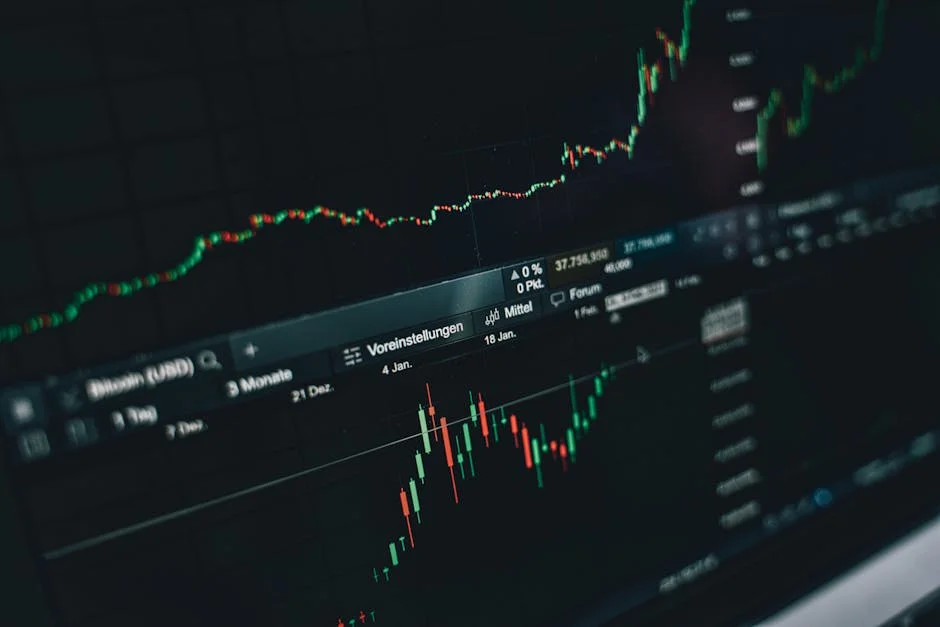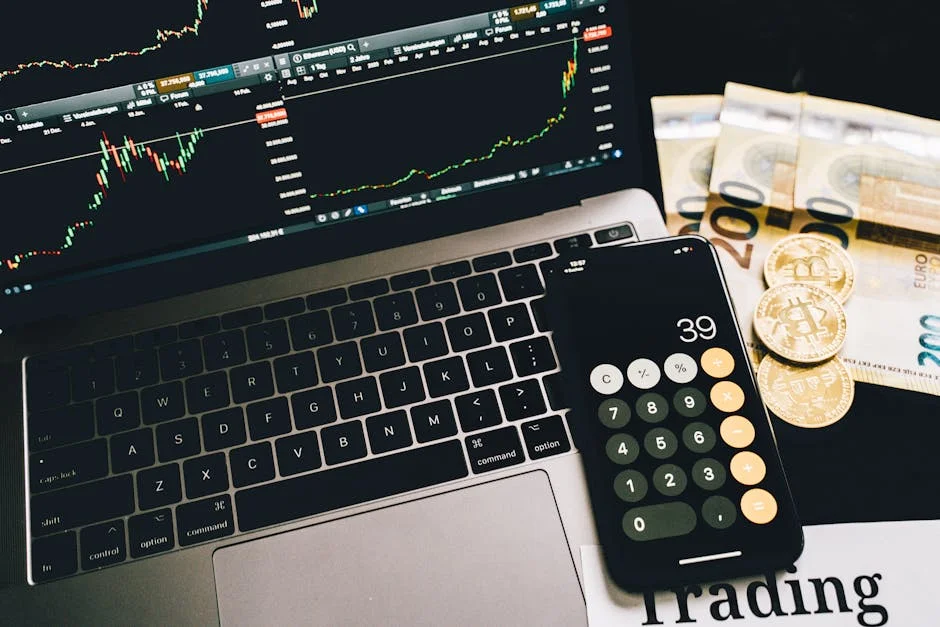
The difference between forex and cryptocurrency trading starts with what is actually being exchanged and who stands behind it. Forex trading revolves around national currencies issued by governments and managed through central banks, commercial banks, and regulated liquidity providers. When someone trades EUR/USD or USD/JPY, they are essentially speculating on the relative strength of two economies, their interest rates, inflation outlooks, and the flow of global capital. Cryptocurrency trading, by contrast, focuses on digital assets such as Bitcoin, Ethereum, and thousands of alternative coins that are typically not backed by a state and are instead supported by networks, protocols, and market adoption. That distinction shapes everything else: market structure, trading hours, volatility, pricing behavior, and even how traders think about “value.” Forex tends to be influenced by macroeconomic releases and monetary policy, while crypto often reacts to network upgrades, regulatory headlines, exchange flows, and shifts in risk appetite across technology and speculative markets.
Table of Contents
- My Personal Experience
- Understanding the difference between forex and cryptocurrency trading
- Market foundations: fiat currencies versus digital assets
- Market hours and accessibility: session-based forex versus 24/7 crypto
- Liquidity, spreads, and slippage in real-world execution
- Volatility and price behavior: measured moves versus rapid swings
- Leverage, margin, and derivatives: similar tools, different risk profiles
- Regulation, oversight, and counterparty risk
- Costs and fees: spreads, commissions, funding, and network charges
- Expert Insight
- Strategy and analysis: macro calendars versus on-chain signals
- Psychology and risk management: different stress patterns
- Who trades what: participants, motivations, and typical use cases
- Comparison table: forex vs crypto trading platforms and typical cost features
- Security, custody, and operational considerations
- Taxation and reporting: recordkeeping differences that affect traders
- Choosing the right market for your goals and trading style
- Watch the demonstration video
- Frequently Asked Questions
- Trusted External Sources
My Personal Experience
When I first started trading, I assumed forex and crypto were basically the same—just different charts—but the day-to-day experience felt completely different once I put real money on the line. In forex, I mostly traded major pairs like EUR/USD and noticed the moves were usually steadier, spreads were predictable during market hours, and the big swings tended to happen around scheduled news releases. Crypto, on the other hand, felt like it had a mind of its own: it traded 24/7, weekend volatility could wipe out a careful plan, and a single tweet or exchange outage could move the price faster than any economic calendar event. I also found risk management easier in forex because liquidity and regulation felt more consistent, while in crypto I had to think about extra issues like exchange risk, sudden liquidity gaps, and wider spreads during spikes. After a few months, I ended up using forex for more structured, news-driven trades and keeping crypto positions smaller and more flexible because it demanded a different tolerance for unpredictability. If you’re looking for difference between forex and cryptocurrency trading, this is your best choice.
Understanding the difference between forex and cryptocurrency trading
The difference between forex and cryptocurrency trading starts with what is actually being exchanged and who stands behind it. Forex trading revolves around national currencies issued by governments and managed through central banks, commercial banks, and regulated liquidity providers. When someone trades EUR/USD or USD/JPY, they are essentially speculating on the relative strength of two economies, their interest rates, inflation outlooks, and the flow of global capital. Cryptocurrency trading, by contrast, focuses on digital assets such as Bitcoin, Ethereum, and thousands of alternative coins that are typically not backed by a state and are instead supported by networks, protocols, and market adoption. That distinction shapes everything else: market structure, trading hours, volatility, pricing behavior, and even how traders think about “value.” Forex tends to be influenced by macroeconomic releases and monetary policy, while crypto often reacts to network upgrades, regulatory headlines, exchange flows, and shifts in risk appetite across technology and speculative markets.
Another practical difference between forex and cryptocurrency trading is how participants access liquidity and how prices are formed. Forex is largely an over-the-counter market, where pricing comes from a web of banks, prime brokers, and electronic communication networks. Retail traders typically interact through brokers that aggregate quotes and provide execution under a regulatory framework. Crypto markets are mainly exchange-driven, with centralized exchanges (and sometimes decentralized exchanges) acting as the matching engine for bids and asks. That difference affects spreads, slippage, and the reliability of execution during fast markets. It also changes the nature of custody: in forex, traders hold a position at a broker with account balances in fiat, while in crypto, traders may hold assets on exchanges or in self-custody wallets. The result is that a trader’s risk checklist looks different: forex demands awareness of leverage, rollover, and economic calendars, while crypto adds exchange solvency risk, on-chain transfer risk, and unique market microstructure dynamics that can amplify price swings.
Market foundations: fiat currencies versus digital assets
A core difference between forex and cryptocurrency trading is that fiat currencies are deeply embedded in the global financial system, while cryptocurrencies exist as digitally native assets with varying degrees of integration into traditional finance. Fiat currencies are legal tender, used for paying taxes, settling debts, and pricing goods and services within their jurisdictions. Their value is supported by the productive capacity of the issuing economy, its institutions, and the credibility of monetary policy. Because of this, forex prices often reflect broad macro forces such as growth differentials, trade balances, and central bank guidance. Even when a currency moves sharply, the underlying market is anchored by real-economy needs: importers, exporters, investment flows, and hedging activity create continuous two-way interest. Crypto assets can also have real-world utility—smart contracts, decentralized finance, tokenized networks—but the relationship between utility and price can be less direct, especially for speculative tokens whose demand is primarily investment-driven.
In crypto, “fundamentals” can mean network adoption, developer activity, token supply schedules, staking incentives, and the health of an ecosystem of applications. That changes how traders interpret news. A central bank rate decision can move a currency pair in seconds because it alters expected yields and capital flows. A crypto protocol upgrade, a major exchange listing, or a regulatory ruling can similarly jolt digital assets, but the channels are different and sometimes less predictable. Another difference between forex and cryptocurrency trading is that fiat currencies are relatively few and widely standardized, whereas crypto markets contain thousands of assets with different liquidity profiles, tokenomics, and risk levels. This abundance creates opportunities for diversification and niche strategies in crypto, but it also increases the probability of low-liquidity traps, extreme spreads, and project-specific risks. Traders who prefer a smaller set of highly liquid markets often find forex more straightforward, while those who thrive on emerging narratives and rapid innovation may be drawn to crypto.
Market hours and accessibility: session-based forex versus 24/7 crypto
The difference between forex and cryptocurrency trading becomes very tangible when comparing trading hours. Forex effectively runs 24 hours a day from Monday to Friday, following the global rotation of financial centers: Asia, Europe, and North America. Liquidity and volatility vary by session, with certain overlaps—like London/New York—tending to produce the most consistent movement and tightest spreads for major pairs. The weekend pause matters because macro news can break when markets are closed, leading to Monday gaps, but overall the schedule gives traders predictable rhythms for planning. Crypto trading, in contrast, typically runs 24/7/365 on most exchanges. That constant availability can be convenient, but it also alters risk management. Price shocks can occur at any time, including weekends and holidays when traders may be away from screens. For active participants, this can mean more reliance on alerts, automated orders, and disciplined position sizing.
Accessibility also differs in subtle ways. Forex accounts are often opened with regulated brokers, and traders may be asked for identity verification, suitability checks, and region-specific compliance. Crypto exchanges also require identity verification in many jurisdictions, but the ecosystem includes decentralized venues where access can be broader. This can widen participation but can also introduce additional operational risks. Another difference between forex and cryptocurrency trading is how liquidity changes across time. Forex liquidity is anchored by institutional flows that concentrate during business hours, while crypto liquidity can be deep at all times for major coins but may thin out dramatically for smaller tokens, especially during off-peak periods or market stress. For a trader, the practical implication is execution quality: in forex, a high-liquidity pair like EUR/USD often maintains stable spreads during peak sessions, while in crypto, a mid-cap token can experience sudden spread expansion on a weekend. Choosing the right market and the right hours can be as important as choosing the right strategy.
Liquidity, spreads, and slippage in real-world execution
Execution is where the difference between forex and cryptocurrency trading stops being theoretical and becomes financial. Forex majors are among the most liquid markets in the world, with tight spreads and deep order books (even if retail traders don’t see the full depth). That liquidity reduces transaction costs for many strategies, especially for traders who take frequent entries and exits. In normal conditions, slippage can be modest on major pairs, though it can spike during high-impact news events such as nonfarm payrolls or surprise central bank decisions. Crypto liquidity varies widely by asset and venue. Bitcoin and Ethereum can trade with competitive spreads on leading exchanges, but smaller coins may have thin books, leading to larger spreads and more slippage, particularly for market orders. Even for large-cap coins, sudden liquidations or exchange outages can produce sharp dislocations.
Another difference between forex and cryptocurrency trading is how market fragmentation affects pricing. Forex pricing is aggregated through broker feeds, and while brokers differ, the major pairs tend to be relatively consistent across providers. Crypto markets, however, can show meaningful price differences between exchanges due to varying liquidity, regional demand, and fiat on-ramp constraints. Arbitrage exists, but it is not frictionless because moving funds between venues takes time and carries fees and operational risk. For traders, this means that “the price” of an asset may not be singular in crypto, and execution quality depends heavily on exchange selection, order type, and market conditions. Limit orders can reduce costs but may not fill during fast moves; market orders can fill quickly but can be expensive during volatility. Understanding how spreads widen, how funding rates influence derivatives, and how exchange-specific liquidity behaves is crucial. In forex, similar concepts exist—such as variable spreads and execution modes—but the scale and unpredictability can be more pronounced in crypto, especially around major headlines or during broad risk-off events.
Volatility and price behavior: measured moves versus rapid swings
A frequently cited difference between forex and cryptocurrency trading is volatility. Forex majors typically move in smaller percentage ranges day to day compared to many digital assets, which can swing several percent in minutes and double-digit percentages over a day. That doesn’t mean forex is always calm—emerging market currencies, surprise policy shifts, and geopolitical shocks can produce large moves—but the baseline volatility of major currency pairs is often lower. This influences position sizing, stop placement, and expectations. Forex traders may target smaller, more frequent moves and rely on leverage to make those moves meaningful in account terms. Crypto traders may find that even unleveraged positions can produce large gains or losses quickly, which can be appealing but also psychologically demanding.
Volatility also changes how technical analysis and market structure play out. In forex, support and resistance zones can be respected for long periods, especially in range-bound regimes, and macro trends can unfold over weeks and months with relatively orderly pullbacks. In crypto, trends can be powerful but punctuated by sharp retracements, liquidation cascades, and momentum bursts fueled by derivatives positioning. Another difference between forex and cryptocurrency trading lies in how narratives drive price. Forex narratives often revolve around interest rate differentials, growth expectations, and safe-haven flows. Crypto narratives can be more reflexive: a price rise can attract attention, which attracts capital, which pushes price further, especially in bull cycles. Conversely, fear about regulation or exchange stability can trigger abrupt sell-offs. For risk management, the implication is clear: crypto strategies often require wider stops, smaller position sizes, and a readiness for overnight or weekend gaps. Forex strategies can also require caution around scheduled news, but the overall volatility profile is often more predictable for major pairs.
Leverage, margin, and derivatives: similar tools, different risk profiles
The difference between forex and cryptocurrency trading becomes sharper when examining leverage and derivatives. Forex brokers commonly offer margin trading, enabling traders to control large notional positions with relatively small deposits. In many regulated regions, leverage is capped for retail clients (for example, lower leverage on major pairs and even lower on minors and exotics). This framework aims to reduce blow-up risk, but leverage still amplifies both gains and losses, making disciplined risk controls essential. Crypto markets also offer leverage through perpetual futures, margin accounts, and options, sometimes at very high multiples on certain platforms. While many reputable venues have reduced maximum leverage over time, the ecosystem still includes products that can liquidate traders quickly if volatility spikes. The liquidation mechanism itself can become a driver of market moves, creating cascades that push price rapidly in one direction.
Another difference between forex and cryptocurrency trading is the role of funding and rollover costs. In forex spot trading, positions held overnight are subject to swap or rollover, reflecting interest rate differentials between the two currencies. These costs or credits can matter significantly for longer-term strategies like carry trades. In crypto perpetual futures, funding rates are paid between longs and shorts to keep the contract price near spot. Funding can swing dramatically depending on sentiment, sometimes becoming a major cost for holding a position. Crypto also introduces staking yields, borrowing rates in lending markets, and other yield-like mechanisms that can influence positioning. For traders, the key is to treat leverage as a tool with a price tag: spreads, commissions, swap or funding, and liquidation risk all combine into the real cost of a trade. Forex tends to have mature, standardized margin practices under regulation; crypto can be more variable across venues, requiring extra diligence in understanding contract specs, maintenance margin, and how each exchange handles extreme events.
Regulation, oversight, and counterparty risk
A major difference between forex and cryptocurrency trading is the regulatory environment and what it means for consumer protections. Retail forex is typically offered through brokers regulated by financial authorities, with rules around client money segregation, disclosure, leverage limits, and dispute resolution. The exact protections vary by jurisdiction, but the framework is generally well established. In crypto, regulation is evolving and differs widely between countries. Some exchanges operate with robust licensing and compliance programs; others operate offshore with limited oversight. This can affect everything from how client assets are custodied to whether there are clear avenues for recourse if something goes wrong. For traders, counterparty risk—risk that an exchange or broker fails—should be part of the decision process in both markets, but it tends to be more visible in crypto because of the history of exchange hacks, insolvencies, and sudden withdrawals halts.
Another difference between forex and cryptocurrency trading is custody and settlement. Forex trading through a broker generally does not require the trader to custody physical currency; positions are ledger entries within the broker’s systems. Crypto trading can involve holding assets on an exchange (custodial) or transferring them to a personal wallet (self-custody). Self-custody reduces reliance on exchanges but introduces personal operational risk: losing private keys, sending funds to the wrong address, or interacting with malicious smart contracts. Additionally, some crypto products blur lines between trading and lending, where users deposit assets to earn yield, increasing exposure to platform risk. Forex has its own complexities—such as broker dealing models and liquidity arrangements—but the custody and operational hazards are typically simpler for retail participants. A careful trader compares not only spreads and features but also licensing, transparency, insurance policies (if any), proof-of-reserves practices, and the platform’s history of outages or disputes.
Costs and fees: spreads, commissions, funding, and network charges
Trading costs are a practical difference between forex and cryptocurrency trading that can determine whether a strategy is viable. In forex, costs often come in the form of spreads, commissions on certain account types, and swap/rollover for holding positions overnight. Major pairs can be inexpensive to trade, especially with tight spreads on high-liquidity sessions. However, costs can widen during news events or on less liquid pairs. Crypto costs include exchange trading fees (maker/taker), spreads, and for on-chain activity, network fees for deposits and withdrawals or for interacting with decentralized exchanges. These network fees can vary dramatically depending on the blockchain and congestion. For active traders who move funds frequently, withdrawal fees and network fees can become significant friction.
Expert Insight
Forex trading centers on government-issued currencies in a highly liquid, heavily regulated market with well-established trading hours and typically tighter spreads, while cryptocurrency trading involves digital assets that trade 24/7 on exchanges with varying oversight and often higher volatility. Tip: Before choosing a market, match your strategy to the environment—use forex for tighter risk parameters and macro-driven setups, and use crypto only if your plan accounts for wider swings and round-the-clock price action. If you’re looking for difference between forex and cryptocurrency trading, this is your best choice.
Forex pricing is largely driven by interest rates, central bank policy, and economic data, whereas crypto is more sensitive to liquidity shifts, exchange-specific dynamics, regulatory headlines, and network or token-specific events. Tip: Build a simple checklist—track an economic calendar and central bank decisions for forex, and for crypto monitor exchange liquidity, major unlocks/upgrades, and regulatory news—then size positions so a single move cannot exceed your predefined loss limit. If you’re looking for difference between forex and cryptocurrency trading, this is your best choice.
Another difference between forex and cryptocurrency trading is the presence of funding rates in perpetual futures, which can turn into a substantial carrying cost. In a strongly bullish market, longs may pay high funding to shorts, making “buy and hold” via perps expensive. Forex has a parallel in swap, but the magnitude and variability can be different, and the economic intuition differs: forex swaps reflect interest rate differentials, while crypto funding reflects positioning imbalances and sentiment. Additionally, crypto traders may face hidden costs like price impact on thin order books, especially for altcoins. Forex traders may also face price impact in exotics, but the majors are generally resilient. A cost-aware approach involves tracking the all-in expense of a trade: entry spread, commission, expected slippage, and holding costs. It also involves choosing instruments wisely: spot versus futures, major pairs versus minors, large-cap coins versus thin tokens, and centralized exchanges versus decentralized venues depending on the need for speed, transparency, or self-custody.
Strategy and analysis: macro calendars versus on-chain signals
The difference between forex and cryptocurrency trading is reflected in the kinds of research traders rely on. Forex traders often build their plans around macroeconomic calendars and central bank communication. Inflation prints, employment reports, GDP releases, and rate decisions can set the tone for weeks. Even technical traders in forex tend to respect the calendar because liquidity and volatility can change instantly around scheduled events. Macro themes like “higher-for-longer rates,” “risk-on versus risk-off,” or “commodity-linked currency strength” often guide trade selection. Crypto traders also watch macro factors—especially liquidity conditions, interest rates, and equity market sentiment—but they may place additional weight on crypto-native indicators. These can include exchange inflows and outflows, stablecoin supply changes, futures open interest, funding rates, and blockchain activity metrics such as active addresses or transaction volumes (with the caveat that many metrics can be noisy or gamed).
| Aspect | Forex Trading | Cryptocurrency Trading |
|---|---|---|
| Market maturity & regulation | Highly established market with widespread regulation and oversight (varies by country). | Newer market with uneven regulation; rules and protections can differ significantly by jurisdiction and exchange. |
| Trading hours & liquidity | Trades 24/5 with deep liquidity in major pairs; typically tighter spreads during active sessions. | Trades 24/7; liquidity varies widely by coin and exchange, often with wider spreads for smaller assets. |
| Volatility & risk profile | Generally lower volatility for major pairs; leverage is common and can amplify gains/losses. | Often higher volatility with larger price swings; leverage may be available but risk can be elevated due to rapid moves. |
Another difference between forex and cryptocurrency trading is the speed of narrative shifts. Forex narratives can change, but they often evolve as data accumulates and central banks adjust. Crypto narratives can rotate quickly: a new protocol trend, an ETF headline, a regulatory lawsuit, or a security incident can dominate sentiment overnight. This affects strategy choice. In forex, position trades based on macro divergence can be held for longer with a clear thesis tied to rates and data. In crypto, longer-term positions can be based on adoption and cycles, but tactical risk management is critical because drawdowns can be deep. On the shorter timeframes, both markets support technical approaches—trend following, mean reversion, breakout trading—but crypto’s volatility may require wider parameters and more conservative leverage. Meanwhile, forex’s relative stability can favor tighter stops and more frequent trades, though traders must still account for news spikes. The most consistent performers in either market typically pair a repeatable process with strict risk limits and a clear understanding of what moves price in that specific asset class.
Psychology and risk management: different stress patterns
The emotional difference between forex and cryptocurrency trading is often underestimated. Forex trading can feel methodical because many major pairs move in smaller increments, and the schedule of economic releases provides a structured sense of when volatility is likely to arrive. That structure can help traders plan, but it can also create complacency, especially when leverage makes small price moves financially significant. Crypto trading can feel relentless because the market never closes and because price swings can be dramatic. Traders may feel pressure to monitor positions continuously, and the temptation to overtrade can increase during fast-moving periods. The psychological load is not just about volatility; it is also about uncertainty. Crypto markets can react to platform-specific issues, sudden regulatory announcements, or influential social media narratives, which can make traders feel that outcomes are less controllable.
Another difference between forex and cryptocurrency trading is the type of discipline required for risk management. Forex traders often focus on consistent position sizing, respecting news risk, and avoiding excessive correlation across currency pairs. Crypto traders must add operational discipline: using reputable exchanges, enabling strong account security, understanding wallet procedures, and preparing for extreme moves. In both markets, the basics remain essential: define maximum loss per trade, use stops thoughtfully, avoid revenge trading, and track performance. But crypto often demands extra buffers—smaller sizing, wider stops, and contingency plans for exchange downtime. Forex often demands careful attention to leverage and overnight swap impacts, especially for longer holds. Traders who match their strategy to their temperament tend to last longer: some thrive with the steady cadence of forex sessions, while others prefer the constant opportunity set in crypto but must build systems to avoid burnout and impulsive decisions.
Who trades what: participants, motivations, and typical use cases
The participant base is another difference between forex and cryptocurrency trading that influences behavior. Forex is heavily dominated by institutions: banks, hedge funds, corporations hedging currency exposure, asset managers rebalancing international portfolios, and central banks managing reserves. This institutional presence creates deep liquidity and often leads to price behavior that reflects macroeconomic realities. Retail traders are active, but their share of total volume is comparatively small. Crypto markets also have institutions—market makers, funds, and increasingly traditional finance participants—but retail participation can be much more visible, especially in altcoins. This can lead to more sentiment-driven moves and sharper boom-bust cycles. The motivation for trading differs too: forex is often used for hedging real economic exposure (a company paying overseas suppliers, for example), while crypto trading is often driven by speculation, portfolio diversification, or participation in a technological ecosystem.
Another difference between forex and cryptocurrency trading lies in how traders use the markets for portfolio construction. Forex is frequently used to express macro views or hedge international equity and bond exposure. A trader might be long USD as a defensive position during global stress or long a commodity-linked currency when commodity prices rise. Crypto positions may be used as a high-beta risk asset exposure, a hedge against certain monetary concerns (depending on one’s thesis), or a venture-style allocation to emerging networks. The range of instruments also differs: forex traders commonly focus on a manageable set of pairs, while crypto traders may rotate through sectors (layer-1s, DeFi tokens, gaming, AI-related tokens) based on changing narratives. For a newcomer, this means the learning curve can differ. Forex requires comfort with macro and rates, while crypto requires comfort with technology concepts, token supply dynamics, and platform risk. Both require strong execution and risk discipline, but the context and typical catalysts vary.
Comparison table: forex vs crypto trading platforms and typical cost features
The difference between forex and cryptocurrency trading is easier to grasp when common trading options are compared side by side. While specific fees and features vary by provider and region, traders typically evaluate platforms based on regulation, liquidity, product range, execution quality, and overall cost transparency. Forex brokers often compete on spreads, commissions, and platform tools like advanced charting, economic calendars, and risk management order types. Crypto exchanges often compete on listed assets, derivatives availability, staking or earn programs, fee tiers, and on/off-ramp convenience. Ratings in the table below are illustrative and should be treated as a framework for what to compare rather than a definitive scorecard, since actual user experience depends on jurisdiction, account type, and market conditions.
When choosing between a forex broker and a crypto exchange, it helps to align the venue with the strategy. High-frequency forex strategies may depend on consistent spreads and fast execution during major sessions, while crypto momentum strategies may depend on deep liquidity in perpetual futures and robust risk controls during volatile periods. Another difference between forex and cryptocurrency trading is that crypto traders may need to factor in network withdrawal fees and custody options, while forex traders focus on swap rates and broker regulation. A careful comparison includes not only the advertised fee schedule but also the real trading frictions: slippage in fast markets, spread widening at illiquid times, and the reliability of order execution under stress.
| Name | Market Type | Features | Ratings | Price / Typical Costs |
|---|---|---|---|---|
| Regulated Forex Broker (Typical ECN Account) | Forex | Tight variable spreads on majors, commission-based pricing, economic calendar integration, advanced order types, negative balance protections in some regions | 4.6/5 (typical user sentiment for top-tier regulated brokers) | Spreads often near 0–1 pip on majors + commission per lot; overnight swap/rollover applies |
| Regulated Forex Broker (Typical Standard Account) | Forex | Spread-only pricing, simpler fee structure, beginner-friendly platforms, copy trading on some providers | 4.3/5 | Wider spreads than ECN; usually no separate commission; overnight swap/rollover applies |
| Centralized Crypto Exchange (Spot + Perpetuals) | Crypto | Large coin selection, maker/taker fee tiers, perpetual futures with funding rates, API trading, advanced charting | 4.2/5 | Maker/taker trading fees (often basis points), spreads vary by coin; funding rates on perps; withdrawal/network fees apply |
| Decentralized Exchange (AMM/Orderbook) | Crypto | Self-custody trading, on-chain transparency, permissionless access, token swaps, liquidity pools | 4.0/5 | Swap fees + on-chain network fees; price impact can be high on low-liquidity pairs |
Security, custody, and operational considerations
Security highlights a critical difference between forex and cryptocurrency trading because the operational steps around holding and moving money are not the same. In forex, traders deposit fiat into a brokerage account, and the broker maintains internal records of balances and open positions. The trader’s main operational risks often involve account access security, broker reliability, and payment method friction. In crypto, trading can involve holding digital assets that can be transferred irreversibly. If a trader self-custodies, security becomes personal responsibility: private keys, seed phrases, hardware wallets, and safe transaction practices. If a trader uses an exchange, they face custodial risk: the exchange controls the private keys, and the trader relies on the platform’s security posture, internal controls, and solvency. Even when an exchange is reputable, there is still the possibility of outages during high volatility, withdrawal delays, or sudden policy changes.
Another difference between forex and cryptocurrency trading is how errors and fraud manifest. In forex, erroneous transfers can sometimes be reversed through banking processes, and disputes can follow regulated channels. In crypto, sending funds to the wrong address, interacting with a malicious contract, or falling for phishing can result in permanent loss. This makes best practices non-negotiable: using unique passwords and strong two-factor authentication, verifying URLs, limiting funds kept on exchanges, and performing small test transactions before large transfers. Traders also need to understand chain-specific risks such as high network fees, congestion delays, and token contract scams. None of this eliminates opportunity, but it changes the daily routine of managing positions. Forex traders may focus more on the economic calendar and broker execution reports; crypto traders must add a layer of operational hygiene that includes wallet management and platform due diligence. The market can be profitable, but the operational environment demands a higher baseline of security awareness.
Taxation and reporting: recordkeeping differences that affect traders
Taxes and reporting create a less glamorous but important difference between forex and cryptocurrency trading. Forex taxation varies by country and sometimes by the type of instrument traded (spot, CFDs, futures). In many jurisdictions, brokers provide standardized statements that summarize trades, realized gains and losses, and account activity in a way that aligns with local reporting norms. Crypto taxation can be more complex because each trade between digital assets can be a taxable event in many regions, and because traders may move assets between wallets and exchanges. On-chain activity, staking rewards, airdrops, and token swaps can create events that require careful classification. Even if a trader focuses only on spot buying and selling, the need to track cost basis across multiple venues and wallets can be substantial, particularly for active traders who rotate among many tokens.
Another difference between forex and cryptocurrency trading is the quality and consistency of records available. Some crypto exchanges provide robust transaction histories and tax reports, but formats vary, and decentralized exchange activity may require using blockchain explorers and specialized software to reconstruct trades. Network fees, bridging transactions, and token migrations can complicate the ledger. Forex reporting is not always simple—especially for traders using multiple accounts or instruments—but it is often more standardized. The practical takeaway is that traders in either market benefit from disciplined recordkeeping: exporting statements regularly, reconciling deposits and withdrawals, and maintaining a clear log of strategy performance. Crypto traders, in particular, may want to choose tools that aggregate exchange data and on-chain wallets into a single report. Good tax hygiene is not just about compliance; it helps traders understand true net performance after fees and costs, which is essential when comparing results across forex and digital assets.
Choosing the right market for your goals and trading style
The most useful way to think about the difference between forex and cryptocurrency trading is to match market characteristics to personal goals. Traders who want deep liquidity, a mature regulatory environment, and a macro-driven framework often feel at home in forex. The major pairs offer consistent participation, and the schedule of global sessions provides a structured cadence for planning. Traders who prefer a high-innovation environment, broader asset variety, and the possibility of large directional moves may prefer crypto. That said, the same features that create opportunity in crypto—high volatility, fast narrative rotation, and continuous trading—also increase the need for strict risk controls and operational discipline. Neither market is automatically “better”; each demands a different preparation style. Forex rewards mastery of rates, correlations, and event risk. Crypto rewards understanding of market microstructure, exchange dynamics, and the unique catalysts that move digital assets.
Practical selection often comes down to constraints and preferences. Time availability matters: forex traders can focus on specific sessions and avoid others, while crypto traders must decide how to handle weekend risk and overnight moves. Risk tolerance matters: if large swings cause decision fatigue, forex majors may feel more manageable; if smaller incremental moves feel uninteresting, crypto may provide the volatility a trader seeks—provided the trader sizes positions appropriately. Another difference between forex and cryptocurrency trading is the learning curve around infrastructure: forex requires broker selection and platform familiarity, while crypto adds wallet knowledge, network fees, and custody choices. Many traders ultimately blend the two, using forex for macro positioning and crypto for opportunistic trades, but the foundation remains the same: define a plan, quantify risk per trade, track performance, and avoid using leverage as a substitute for edge. The difference between forex and cryptocurrency trading should guide expectations, not hype, because clarity about how each market behaves is what supports consistent decision-making.
Watch the demonstration video
In this video, you’ll learn the key differences between forex and cryptocurrency trading, including how each market works, what drives price movements, typical volatility and liquidity levels, trading hours, and common risks. You’ll also see which strategies and tools fit each market, helping you decide which better matches your goals and risk tolerance. If you’re looking for difference between forex and cryptocurrency trading, this is your best choice.
Summary
In summary, “difference between forex and cryptocurrency trading” is a crucial topic that deserves thoughtful consideration. We hope this article has provided you with a comprehensive understanding to help you make better decisions.
Frequently Asked Questions
What is the main difference between forex and cryptocurrency trading?
Forex trading involves buying and selling government-issued currencies in a highly regulated global market, while crypto trading focuses on digital assets built on blockchain networks that often face less consistent oversight—highlighting the key **difference between forex and cryptocurrency trading**.
Which market is more volatile: forex or crypto?
Crypto is generally more volatile, with larger and faster price swings than major forex pairs.
Are forex and crypto markets open at the same times?
One key **difference between forex and cryptocurrency trading** is market hours: forex is generally open 24 hours a day, five days a week, while cryptocurrency markets operate 24/7—running through weekends and holidays without pause.
How does liquidity compare between forex and crypto?
Forex markets tend to be highly liquid—especially in major currency pairs like EUR/USD—so trades can usually be executed quickly and at stable prices. In contrast, crypto liquidity can differ dramatically depending on the coin and the exchange, which is a key **difference between forex and cryptocurrency trading**.
How do regulation and investor protections differ?
Forex brokers typically operate under well-established regulatory frameworks with consistent oversight in many regions, while cryptocurrency rules—and the protections available to traders—can differ widely depending on the country and even the specific exchange, highlighting a key **difference between forex and cryptocurrency trading**.
What costs and trading mechanics differ between forex and crypto?
Forex commonly uses spreads, commissions, and overnight swap/rollover fees with frequent leverage use; crypto costs include exchange fees and spreads, and leverage depends on the platform, with added custody and network/withdrawal considerations. If you’re looking for difference between forex and cryptocurrency trading, this is your best choice.
? Looking for more info about difference between forex and cryptocurrency trading? Follow Our Site for updates and tips!

Trusted External Sources
- Forex Trading vs Crypto Trading: What Is the Difference and Which …
As of Jun 5, 2026, many traders note the **difference between forex and cryptocurrency trading** comes down to stability and liquidity: forex markets tend to be steadier and make it easier to enter or exit positions, while the profit potential is often more modest than crypto—where bigger swings can create bigger opportunities, but with much higher risk.
- Which is easiest for beginners? Crypto trading or forex trading?
Forex trading often relies on leverage, which can amplify losses and be especially risky for beginners. Crypto, on the other hand, runs 24/7 and typically experiences far sharper price swings—often three times the volatility of most stocks. These contrasts highlight a key **difference between forex and cryptocurrency trading**: forex tends to be more structured but leverage-heavy, while crypto is always-on and significantly more volatile.
- Forex vs Crypto: Key Differences Explained | IG International
Forex and crypto trading may look similar at first glance, but the **difference between forex and cryptocurrency trading** comes down to what you’re buying and how the markets work. Forex is the global marketplace where one national currency is exchanged for another, giving traders exposure to major and minor currency pairs like EUR/USD or GBP/JPY. Crypto trading, on the other hand, involves digital assets such as Bitcoin and Ethereum, which often move differently, trade around the clock, and can be far more volatile.
- Forex Trading vs Crypto Trading: Key Differences for Beginners
As of Dec 2, 2026, one major **difference between forex and cryptocurrency trading** comes down to availability: crypto markets run 24/7, while forex typically trades 24 hours a day, five days a week. Liquidity is another key separator—forex is generally more liquid thanks to its massive daily volume, whereas crypto liquidity can vary widely by coin and exchange.
- Forex vs. crypto: Which to choose? – Fiat Republic
As of Oct 7, 2026, financial markets offer a wide range of platforms where traders can buy, sell, and speculate on currency values. Understanding the **difference between forex and cryptocurrency trading** is especially important, since each market has its own structure, risk profile, trading hours, and factors that drive price movements.