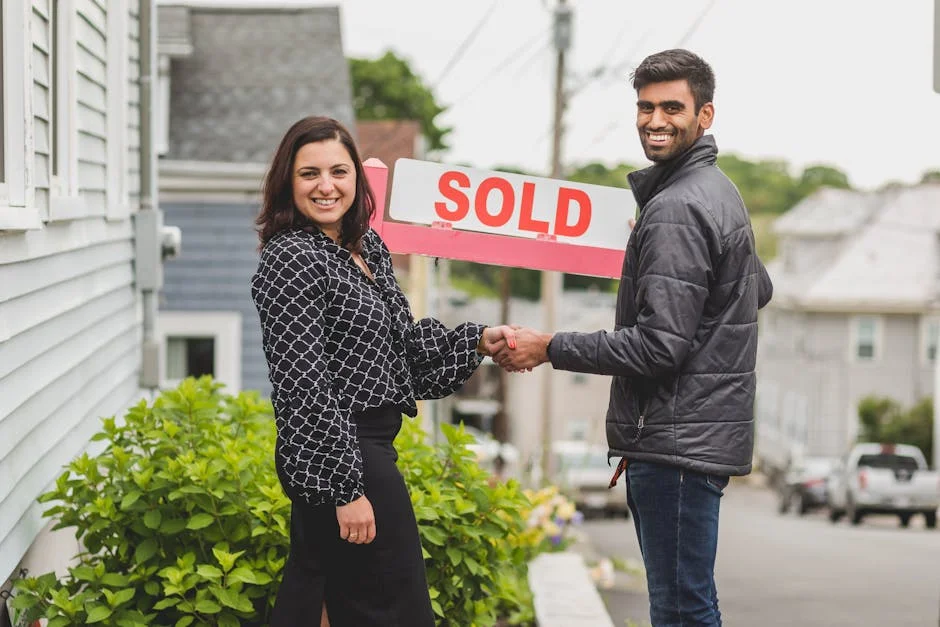
When people ask “can you buy a house with no down payment,” they’re usually picturing a purchase where the buyer brings zero cash to closing and still ends up with a mortgage and the keys. In practice, “no down payment” typically means the lender is willing to finance 100% of the home’s purchase price, but it does not automatically mean the entire transaction is free of upfront costs. Many buyers confuse down payment with closing costs, prepaid items, inspections, and escrow setup. A true zero-down mortgage can exist, yet the borrower may still need funds for things like an appraisal, home inspection, lender fees, title charges, recording fees, prepaid homeowners insurance, and initial property tax reserves. Some of those expenses can sometimes be negotiated or financed indirectly, but it’s important to understand the difference so expectations match reality. A lender may advertise a zero-down home loan while also requiring a certain amount of money in reserves after closing, especially if the borrower’s credit score, income stability, or debt-to-income ratio is borderline. That reserve requirement isn’t a down payment, but it’s still cash you need available.
Table of Contents
- My Personal Experience
- Understanding What “No Down Payment” Really Means
- Loan Programs That Commonly Allow Zero Down
- Eligibility Basics: Credit, Income, and Debt Ratios
- Down Payment Assistance: Grants, Forgivable Loans, and Second Mortgages
- Seller Concessions and Negotiation Strategies to Reduce Cash to Close
- Mortgage Insurance, Funding Fees, and the Real Cost of Zero Down
- Property and Occupancy Rules That Can Limit Zero-Down Options
- Expert Insight
- Preparing Your Finances When You’re Not Saving a Down Payment
- Risks and Tradeoffs: Equity, Market Shifts, and Refinancing Constraints
- How the Homebuying Process Works with Zero Down Financing
- Alternatives If You Can’t Qualify for True Zero Down
- Choosing the Right Lender and Getting the Best Terms
- Bottom Line: Is It Smart to Buy with No Down Payment?
- Watch the demonstration video
- Frequently Asked Questions
- Trusted External Sources
My Personal Experience
When I first started looking into buying a house, I assumed a down payment was non-negotiable, and it honestly made homeownership feel years away. A lender I spoke with asked about my income, credit, and whether I’d qualify for any special programs, and that’s when I learned I might be able to buy with no money down. I ended up using a zero-down loan option, but it wasn’t “free” like I’d imagined—my monthly payment was higher, and I still had to cover closing costs and a few upfront expenses like the appraisal and inspection. It took extra paperwork and a lot of patience, but it got me into a modest starter home sooner than I expected, and I’m glad I went in with realistic expectations instead of assuming “no down payment” meant no out-of-pocket costs. If you’re looking for can you buy a house with no down payment, this is your best choice.
Understanding What “No Down Payment” Really Means
When people ask “can you buy a house with no down payment,” they’re usually picturing a purchase where the buyer brings zero cash to closing and still ends up with a mortgage and the keys. In practice, “no down payment” typically means the lender is willing to finance 100% of the home’s purchase price, but it does not automatically mean the entire transaction is free of upfront costs. Many buyers confuse down payment with closing costs, prepaid items, inspections, and escrow setup. A true zero-down mortgage can exist, yet the borrower may still need funds for things like an appraisal, home inspection, lender fees, title charges, recording fees, prepaid homeowners insurance, and initial property tax reserves. Some of those expenses can sometimes be negotiated or financed indirectly, but it’s important to understand the difference so expectations match reality. A lender may advertise a zero-down home loan while also requiring a certain amount of money in reserves after closing, especially if the borrower’s credit score, income stability, or debt-to-income ratio is borderline. That reserve requirement isn’t a down payment, but it’s still cash you need available.
Another nuance is that a zero-down purchase can be achieved through several structures: a true 100% financing loan, a first mortgage paired with a second mortgage, a down payment assistance (DPA) grant, or a seller credit that offsets required cash. Each path has its own rules and tradeoffs. A program might allow buying a home with no down payment but require mortgage insurance, higher interest rates, or stricter underwriting. Some buyers also use gifts from family members to cover the down payment, which isn’t “no down payment” from the lender’s perspective, but it may feel like zero down from the buyer’s personal savings perspective. If your goal is to minimize out-of-pocket spending, you’ll want to look at the full cash-to-close number, not only the down payment line item. Understanding this framework makes it easier to evaluate whether you can buy a house with no down payment using legitimate programs and smart negotiation rather than risky shortcuts. If you’re looking for can you buy a house with no down payment, this is your best choice.
Loan Programs That Commonly Allow Zero Down
For many households, the most straightforward answer to “can you buy a house with no down payment” is yes—if you qualify for a program built for 100% financing. In the United States, the best-known options include VA loans for eligible veterans and service members, and USDA loans for qualifying rural and certain suburban areas. VA loans can be especially powerful because they often require no down payment, have competitive rates, and do not require monthly private mortgage insurance (PMI), though there may be a VA funding fee depending on service status and down payment. USDA loans also offer zero down for eligible properties and income-qualified borrowers, but they include upfront and annual guarantee fees that function similarly to mortgage insurance. These fees affect the payment, so while the down payment can be $0, the monthly cost may still be higher than a conventional mortgage with a sizable down payment.
Other paths exist even when you don’t fit VA or USDA criteria. Some credit unions and community banks offer 100% financing products to borrowers with strong credit and stable income, though these are less common and may have income caps, property restrictions, or require higher reserves. Another approach is a piggyback structure—an 80/20 or 80/15/5—where the first mortgage covers most of the price and a second loan covers the rest, reducing or eliminating the down payment. While this can help you buy a house with no down payment, it often means managing two loans, potentially with an adjustable rate on the second mortgage, and paying additional closing costs. The best program depends on your location, employment profile, and long-term plans. Someone expecting to move in a few years may prioritize low cash-to-close and flexibility, while a long-term buyer may prioritize the lowest total cost over time, even if that means saving for a small down payment instead of relying on zero-down financing. If you’re looking for can you buy a house with no down payment, this is your best choice.
Eligibility Basics: Credit, Income, and Debt Ratios
Even if a zero-down program exists, approval still hinges on underwriting. If you’re asking “can you buy a house with no down payment,” the next question is whether your financial profile meets the thresholds. Lenders evaluate credit history, credit score, debt-to-income ratio (DTI), employment stability, and cash reserves. Zero-down lending increases the lender’s risk because you start with no equity cushion, so standards can be stricter than with a larger down payment. A higher credit score can compensate for limited cash, and a clean payment history matters as much as the score itself. Lenders typically look for steady income, usually documented with pay stubs, W-2s, tax returns, and bank statements. Self-employed borrowers can still qualify, but documentation is more extensive and the lender may average income over multiple years.
DTI is often the make-or-break metric. It compares your monthly debt obligations—credit cards, auto loans, student loans, personal loans, and the projected housing payment—to your gross monthly income. When you buy a house with no down payment, the loan amount is larger, which can raise the monthly payment and push DTI higher. Some programs allow higher DTIs with strong compensating factors, such as significant reserves, long job tenure, or a history of paying similar rent. Others are more conservative. Income limits also matter for certain zero-down options, especially USDA and many down payment assistance programs. If your income is above the cap, you might still qualify for a low-down conventional loan, but not necessarily for the $0 down route. Preparing early—paying down revolving balances, avoiding new debt, correcting credit report errors, and documenting income cleanly—can be the difference between getting approved or being told to come back after a few months of financial cleanup. If you’re looking for can you buy a house with no down payment, this is your best choice.
Down Payment Assistance: Grants, Forgivable Loans, and Second Mortgages
Down payment assistance programs are one of the most common ways people effectively buy a house with no down payment, even when the primary mortgage requires a small down payment. State housing finance agencies, counties, cities, and nonprofits often provide funds as grants, deferred-payment loans, or forgivable second mortgages. The assistance can cover the down payment and sometimes part of the closing costs, reducing the cash you must bring to the transaction. If you’re asking “can you buy a house with no down payment” and you’re not eligible for VA or USDA financing, DPA may be the most realistic solution. Many programs target first-time buyers, but “first-time” can be defined broadly—often meaning you haven’t owned a home in the last three years. Income limits, purchase price limits, and homebuyer education requirements are common. Some programs also restrict property types or require the home to be your primary residence.
The details matter because not all assistance is truly free. A grant typically does not need to be repaid, but it may come with conditions like occupancy requirements. Forgivable loans are repaid only if you sell or refinance before a certain time period ends, such as five to fifteen years. Deferred-payment second mortgages may not require monthly payments, but they create a lien that must be paid off when you sell or refinance. Those structures can still be excellent tools for buying a home with no down payment, but they can limit flexibility later. For example, if you plan to refinance quickly to remove mortgage insurance or lower your interest rate, a DPA lien could reduce the benefit of refinancing. It’s also important to coordinate DPA with your first mortgage, because not every lender or loan type allows every assistance program. Working with a lender experienced in local DPA options can prevent last-minute surprises, such as discovering that the assistance funds cannot be used with the specific loan product you were preapproved for. If you’re looking for can you buy a house with no down payment, this is your best choice.
Seller Concessions and Negotiation Strategies to Reduce Cash to Close
Even when the down payment is zero, closing costs can be significant, so negotiation is a key part of the plan if you want to buy a house with no down payment. Seller concessions—also called seller credits—allow the seller to pay certain buyer closing costs at settlement, within limits set by the loan program. These credits can cover lender fees, title insurance, escrow fees, and prepaid items, depending on the contract and lender rules. If you’re trying to answer “can you buy a house with no down payment” in a practical sense, seller concessions are often how buyers reduce their out-of-pocket expense to a minimum. The strategy works best in balanced or buyer-leaning markets, where sellers are motivated and inventory is higher. In a competitive market, a seller may prefer a higher price with concessions or may reject concessions entirely in favor of a cleaner offer, so the approach needs to match local conditions.
One tactic is offering a slightly higher purchase price in exchange for the seller covering a portion of closing costs, as long as the home appraises at the contract price and the loan program allows it. This can be a legitimate way to conserve cash, but it must be used responsibly. Overpaying for a home just to get concessions can backfire if the appraisal comes in low, forcing renegotiation or requiring cash you don’t have. Another approach is asking for repairs or credits after inspection, which can be structured to address real defects while also reducing the buyer’s financial burden. It’s also worth exploring lender credits, where the lender covers some closing costs in exchange for a higher interest rate. Lender credits can help you buy a home with no down payment and low cash-to-close, but they increase the monthly payment and total interest over time. The best negotiation strategy is one that preserves affordability, not just the appearance of a zero-down purchase, because the monthly payment is what determines whether the home remains comfortable in your budget. If you’re looking for can you buy a house with no down payment, this is your best choice.
Mortgage Insurance, Funding Fees, and the Real Cost of Zero Down
When you buy a house with no down payment, the monthly payment can include additional costs that borrowers with larger down payments avoid. Conventional loans typically require PMI when the down payment is less than 20%, and FHA loans require mortgage insurance premiums (MIP) regardless of down payment size, with different rules for cancellation. VA loans do not have monthly mortgage insurance, but many borrowers pay a VA funding fee, which can often be financed into the loan. USDA loans charge upfront and annual guarantee fees. These costs are not inherently bad; they are the mechanism that makes low- or zero-down lending possible. The key is understanding how they affect your budget and the total cost of ownership over time. A borrower focused solely on the question “can you buy a house with no down payment” may miss that the payment difference between zero down and, say, five percent down can be meaningful over a decade.
There is also an equity timeline to consider. With zero down, your starting equity is essentially your appraisal buffer (if any) plus whatever principal you pay down. In the early years of a mortgage, payments are interest-heavy, so equity builds slowly. If property values rise, you can gain equity faster; if values stagnate or dip, you could be underwater longer. This matters for refinancing, selling, or accessing home equity later. Still, the “real cost” isn’t purely financial. If zero down enables homeownership sooner, it can stabilize housing expenses and allow you to benefit from appreciation earlier. The best way to evaluate a no-down purchase is to compare scenarios: a zero-down option today versus waiting to save a down payment while paying rent, accounting for potential rent increases, home price changes, and the opportunity cost of delaying ownership. A lender can provide loan estimates for each path so you can see the difference in rate, fees, insurance, and payment. That side-by-side comparison turns the question into a decision grounded in numbers rather than assumptions. If you’re looking for can you buy a house with no down payment, this is your best choice.
Property and Occupancy Rules That Can Limit Zero-Down Options
Many borrowers discover that “can you buy a house with no down payment” depends not only on them, but also on the property. Zero-down programs often require the home to be owner-occupied as a primary residence. Investment properties and second homes usually require a down payment, sometimes a substantial one. USDA loans have geographic eligibility maps and require the property to be in an approved area, which can include small towns and some suburbs but excludes many dense urban neighborhoods. VA loans require the borrower to intend to occupy the property as a primary residence, typically within a reasonable timeframe after closing. Down payment assistance programs can require occupancy for several years and may restrict the purchase to certain neighborhoods or to homes under a price cap.
Expert Insight
Start by checking eligibility for true zero-down programs such as VA loans (for qualifying service members and veterans) and USDA loans (for eligible rural areas and income limits). Ask lenders to pre-qualify you under these options first, then compare interest rates, mortgage insurance, and fees so the “no down payment” choice doesn’t cost more over time. If you’re looking for can you buy a house with no down payment, this is your best choice.
Plan for cash needs beyond the down payment by requesting a detailed Loan Estimate and negotiating seller concessions or lender credits to cover closing costs. Strengthen approval odds by improving your debt-to-income ratio (pay down revolving balances) and keeping your credit stable for 60–90 days before applying. If you’re looking for can you buy a house with no down payment, this is your best choice.
Property condition can also matter. A home with significant deferred maintenance may not qualify for certain financing types if it fails appraisal or safety standards. If you want to buy a house with no down payment, you may need to focus on homes that meet minimum property requirements, including functional utilities, safe roofing, no major structural issues, and no health hazards. Condominiums can be trickier because some loan programs require the condo project to be approved, and the building’s financial health and insurance coverage can affect eligibility. Manufactured homes, mixed-use properties, and unique rural structures can also have additional restrictions. The practical takeaway is that your home search strategy should align with your financing strategy. Before touring homes, confirm with your lender what property types and conditions are acceptable. That way, you don’t fall in love with a home that cannot be financed with the zero-down path you’re relying on, which can be emotionally draining and can waste time in a fast-moving market. If you’re looking for can you buy a house with no down payment, this is your best choice.
Preparing Your Finances When You’re Not Saving a Down Payment
Choosing to buy a house with no down payment doesn’t remove the need for financial preparation; it changes what you prepare for. Instead of focusing on accumulating a large lump sum, you’ll want to strengthen credit, stabilize income documentation, and build a cushion for the unexpected. A home purchase can bring immediate costs after closing—moving expenses, basic repairs, tools, lawn equipment, and initial furnishings. Even if you successfully answer “can you buy a house with no down payment” with a yes, you don’t want to become house-poor the first month you move in. A healthy emergency fund is especially important when you have minimal equity, because selling quickly can be costly and refinancing may not be available right away without appreciation. Many financial planners recommend maintaining several months of living expenses, though the right number depends on job stability and household needs.
| Option | How “No Down Payment” Works | Best For |
|---|---|---|
| VA Loan (0% down) | Eligible borrowers can finance 100% of the home price; closing costs still apply (though some may be covered by seller credits or lender credits). | Qualified veterans, active-duty service members, and some surviving spouses who want the lowest upfront cash requirement. |
| USDA Loan (0% down) | 100% financing for eligible rural/suburban properties; income and location limits apply; still need funds for closing costs unless offset with credits. | Moderate-income buyers purchasing in USDA-eligible areas who can meet property and income guidelines. |
| Down Payment Assistance (DPA) + Low-Down Conventional/FHA | Grants or forgivable/low-interest second loans can cover all or part of the down payment (and sometimes closing costs), paired with a primary mortgage. | First-time or local-program-eligible buyers who have limited savings but can qualify for program rules and repayment terms. |
Credit optimization is another high-impact step. Pay revolving credit card balances down to improve utilization, avoid opening new accounts right before applying, and check your credit reports for errors. If you have collections or late payments, a lender can advise whether paying them off helps or hurts in the short term, since credit scoring can behave differently depending on the type of account and reporting. Also plan for the “cash to close” items that aren’t the down payment: inspections, appraisal gaps if the home doesn’t appraise, and earnest money deposits that are credited back at closing but still require upfront cash. If your goal is truly minimal out-of-pocket, talk with your real estate agent about earnest money norms in your market and with your lender about whether certain fees can be rolled into the loan or offset with credits. By treating the process as a full financial project rather than only a down payment problem, you improve your odds of closing smoothly and enjoying the home afterward. If you’re looking for can you buy a house with no down payment, this is your best choice.
Risks and Tradeoffs: Equity, Market Shifts, and Refinancing Constraints
It’s possible to buy a house with no down payment and still make a great long-term decision, but the risks deserve clear attention. With little or no equity at purchase, you have less protection if the market declines. If home values fall and you need to sell—because of a job change, family needs, or financial strain—you could end up bringing money to the closing table to pay off the loan and cover selling costs. Selling costs can be substantial, often including agent commissions, transfer taxes, and seller-paid concessions. When equity is thin, these costs matter more. The question “can you buy a house with no down payment” should therefore be paired with “should you,” based on how long you expect to stay and how stable your income is. If you anticipate moving within one to three years, the margin for error is smaller than if you plan to stay for seven to ten years.
Refinancing can also be constrained early on. Many homeowners refinance to reduce interest rates, change loan terms, or remove mortgage insurance. With zero down, you may need appreciation and principal paydown before you reach a loan-to-value ratio that makes refinancing worthwhile or even possible. Some programs, like VA, have streamlined refinance options, but they still require meeting guidelines and making sure the new loan benefits the borrower. Another tradeoff is that zero-down financing can come with slightly higher rates or fees compared to putting money down, though the difference varies widely by market conditions and borrower profile. None of these tradeoffs automatically disqualify the zero-down path. They simply mean you should run realistic scenarios: what happens if the home value is flat for three years, or if you need to replace a major system, or if one income is interrupted. A thoughtful plan can make buying with no down payment a calculated move rather than a gamble. If you’re looking for can you buy a house with no down payment, this is your best choice.
How the Homebuying Process Works with Zero Down Financing
The process to buy a house with no down payment looks similar to any other purchase, but timing and documentation can be more sensitive because the lender is financing a larger portion of the price. Preapproval is essential. A preapproval should be based on verified documents, not only a quick credit pull and stated income. When you’re pursuing a zero-down route, sellers and listing agents may scrutinize your financing more closely, so a strong preapproval letter and a reputable lender can improve your offer’s credibility. After preapproval, you’ll shop for a home within the price range that keeps your monthly payment comfortable, factoring in taxes, insurance, HOA dues, and any mortgage insurance or program fees. Once under contract, the lender orders an appraisal, verifies employment, reviews bank statements, and checks for any new debts or large deposits that need explanation. If you’re looking for can you buy a house with no down payment, this is your best choice.
Because you’re trying to buy a home with no down payment, the appraisal outcome can be pivotal. If the home appraises below the purchase price, you may not have extra cash to cover the gap, so you’ll need to renegotiate the price, request seller concessions in a compliant way, or reconsider the property. Inspection negotiations also matter: you may want the seller to handle repairs or provide credits, but credits are limited by loan rules and cannot always be used for everything you’d like. Meanwhile, your lender will provide a Loan Estimate and later a Closing Disclosure that shows exactly what you must bring to closing. Review those documents carefully, line by line, and ask questions early. The goal is to avoid discovering at the last moment that you need more cash than expected. With careful coordination among your lender, agent, and title company, the transaction can close smoothly even when your down payment is zero. If you’re looking for can you buy a house with no down payment, this is your best choice.
Alternatives If You Can’t Qualify for True Zero Down
Sometimes the most honest answer to “can you buy a house with no down payment” is “not with the programs you currently qualify for,” at least not today. That doesn’t mean homeownership is out of reach. One alternative is a low-down-payment conventional loan, such as 3% down for qualified first-time buyers, or 5% down for many repeat buyers. FHA loans can be another route with a 3.5% down payment requirement, and they can be more flexible on credit scores, though mortgage insurance rules differ. If your main barrier is cash, down payment assistance may still help you reach those minimums, effectively making the down payment feel like zero out of pocket. Another possibility is saving aggressively for a short period while improving credit, then buying with a small down payment that lowers your monthly costs and improves long-term flexibility.
Creative but legitimate strategies can also reduce the burden. Gift funds from eligible relatives are widely allowed on many loan types, as long as the gift is documented properly and the lender’s rules are followed. Some employers offer homebuyer assistance or relocation benefits that can be applied toward closing costs. In certain situations, a lease-to-own arrangement might help, but these contracts can be complex and risky; they require careful review by a real estate attorney and a clear understanding of how rent credits and purchase options work. If your goal is still to buy a house with no down payment, consider building a plan with milestones: improve your credit score by a certain number of points, pay down specific debts to reduce DTI, and accumulate a targeted reserve fund. Many buyers reach eligibility faster than they expect when they work from a structured roadmap rather than a vague hope. If you’re looking for can you buy a house with no down payment, this is your best choice.
Choosing the Right Lender and Getting the Best Terms
Not all lenders are equally equipped to help you buy a house with no down payment. Some lenders specialize in VA, USDA, and state housing finance programs, while others focus mainly on conventional financing. The difference shows up in speed, accuracy, and the ability to anticipate program-specific conditions. When comparing lenders, look beyond the interest rate headline. Ask for a detailed breakdown of fees, whether they offer lender credits, how they handle rate locks, and how experienced they are with the specific zero-down path you’re pursuing. If down payment assistance is involved, confirm the lender is approved to originate that program and has closed similar transactions recently. A lender who understands the local DPA process can prevent delays caused by missing documents, timing mismatches, or misunderstandings about how funds are disbursed. If you’re looking for can you buy a house with no down payment, this is your best choice.
Also pay attention to communication and underwriting style. Some lenders run a tighter process by fully underwriting the file upfront, which can be helpful when you’re trying to answer “can you buy a house with no down payment” with confidence before making offers. Others do a lighter preapproval and dig deeper after you’re under contract, which can increase the risk of surprises. It’s reasonable to ask how quickly the lender can close, how they handle appraisal issues, and what happens if the program guidelines change. Shopping multiple lenders can save money, but be strategic: too many credit pulls over a long period can affect scores, while multiple pulls within a focused window are typically treated as a single inquiry for scoring purposes. The best outcome is a loan structure that keeps cash-to-close low without inflating the monthly payment more than necessary. A well-matched lender can also help you plan future steps, like when it might make sense to refinance or recast the mortgage if you later come into extra cash.
Bottom Line: Is It Smart to Buy with No Down Payment?
So, can you buy a house with no down payment? Yes, many buyers can, especially through VA or USDA loans, certain credit union offerings, or by combining down payment assistance with a compatible first mortgage. The smarter question is whether the option fits your budget, timeline, and risk tolerance. A zero-down purchase can be a strong move when you have stable income, manageable debt, and a realistic plan to handle maintenance and unexpected expenses. It can also make sense when rent is rising quickly and you plan to stay in the home long enough to ride out normal market cycles. At the same time, the lack of initial equity can make selling or refinancing harder in the early years, and monthly costs may be higher due to mortgage insurance or program fees. Those tradeoffs aren’t dealbreakers, but they should be evaluated honestly using real loan estimates and a conservative household budget.
The best path is the one that balances affordability today with resilience tomorrow. If you can buy a house with no down payment and still keep an emergency fund, avoid stretching your DTI to the maximum, and choose a property that meets program rules without major repair risks, the zero-down route can open the door to homeownership sooner than saving a large down payment. If the numbers feel tight, it may be wiser to combine a small down payment with assistance, negotiate seller concessions to reduce closing costs, or take a few months to improve credit and reduce debt. Either way, the decision should be anchored in a clear monthly payment target, a realistic view of total cash-to-close, and a plan for how you’ll build equity over time—especially if you’re still asking yourself, “can you buy a house with no down payment” and want the answer to lead to a purchase that remains comfortable long after closing.
Watch the demonstration video
This video explains whether it’s possible to buy a house with no down payment and what it really takes to qualify. You’ll learn which loan programs may allow 0% down, the credit and income requirements, and the trade-offs like higher monthly payments, mortgage insurance, and closing costs—so you can decide if it’s the right move for you. If you’re looking for can you buy a house with no down payment, this is your best choice.
Summary
In summary, “can you buy a house with no down payment” is a crucial topic that deserves thoughtful consideration. We hope this article has provided you with a comprehensive understanding to help you make better decisions.
Frequently Asked Questions
Can you buy a house with no down payment?
Yes—**can you buy a house with no down payment**? In many cases, you can. Certain mortgage options offer 0% down for qualified buyers, including VA loans for eligible service members and veterans, USDA loans for homes in qualifying rural areas, and some state or local down-payment assistance programs that help cover upfront costs.
What types of mortgages allow 0% down?
If you’re wondering, **can you buy a house with no down payment**, there are a few popular paths to explore—like VA loans for eligible veterans and service members, USDA loans for qualified buyers in certain rural areas (with income limits), and even select conventional loan programs that can be combined with down-payment assistance to reduce or eliminate upfront costs.
Do you still need cash to close with a no-down-payment loan?
In many cases, yes—**can you buy a house with no down payment**? It’s possible, but you’ll typically still need to budget for closing costs, prepaid property taxes and homeowners insurance, and fees like the appraisal and home inspection. The good news is that some of these expenses may be reduced or even covered through seller concessions or lender credits, depending on your loan and negotiation.
Is buying with no down payment more expensive long-term?
Often, borrowing a larger amount means you’ll face higher monthly payments and pay more in interest over the life of the loan. Depending on the program, you may also need to cover mortgage insurance or funding/guarantee fees—important costs to factor in when asking, **can you buy a house with no down payment**.
What credit score and income do you need for a zero-down mortgage?
Requirements differ by lender and loan program, but most buyers will need steady, reliable income, a manageable debt-to-income ratio, and a credit history that meets the loan’s minimum standards—especially if you’re wondering, **can you buy a house with no down payment**.
How can I increase my chances of getting approved with 0% down?
To boost your chances of approval—especially if you’re wondering, **“can you buy a house with no down payment”**—focus on strengthening your financial profile: improve your credit score, pay down existing debts, and be ready to document steady, reliable income. Even with zero-down options, it’s smart to save for cash reserves and closing costs, get preapproved early, and explore whether you qualify for VA or USDA loans as well as local down payment and closing-cost assistance programs.
? Looking for more info about can you buy a house with no down payment? Follow Our Site for updates and tips!

Trusted External Sources
- Is it possible to buy a home without down payment? – Reddit
Feb 28, 2026 … You might have better luck with a Mortgage Lender or Broker vs a bank or credit union because they likely have more products including loans … If you’re looking for can you buy a house with no down payment, this is your best choice.
- How to Get a No Down Payment Home Loan in Florida
If you’ve been asking yourself, **“can you buy a house with no down payment?”** the good news is that it may be possible. With the right loan program and if you meet the lender’s qualifications, you could purchase a home without putting any money down upfront.
- Am I able to purchase a home yet with $0 down? – Reddit
Jul 27, 2026 … You may qualify for the USDA no money down loan . Just approach a lender that specializes in USDA loans and they will tell you how much house … If you’re looking for can you buy a house with no down payment, this is your best choice.
- How to buy a house with no money down | Rocket Mortgage
Nov 21, 2026 … You’ll need to use a special loan program, such as a VA or USDA loan. Most loans require a down payment, but you can consider low-money-down … If you’re looking for can you buy a house with no down payment, this is your best choice.
- How to buy a home with no money down – Chase Bank
As of Jul 21, 2026, buying a home with no money down can be possible if you qualify for the right mortgage program or use down payment assistance. That said, your options may vary by location and lender—so if you’re wondering, **can you buy a house with no down payment**, it’s worth comparing programs and checking what’s currently available in your area.