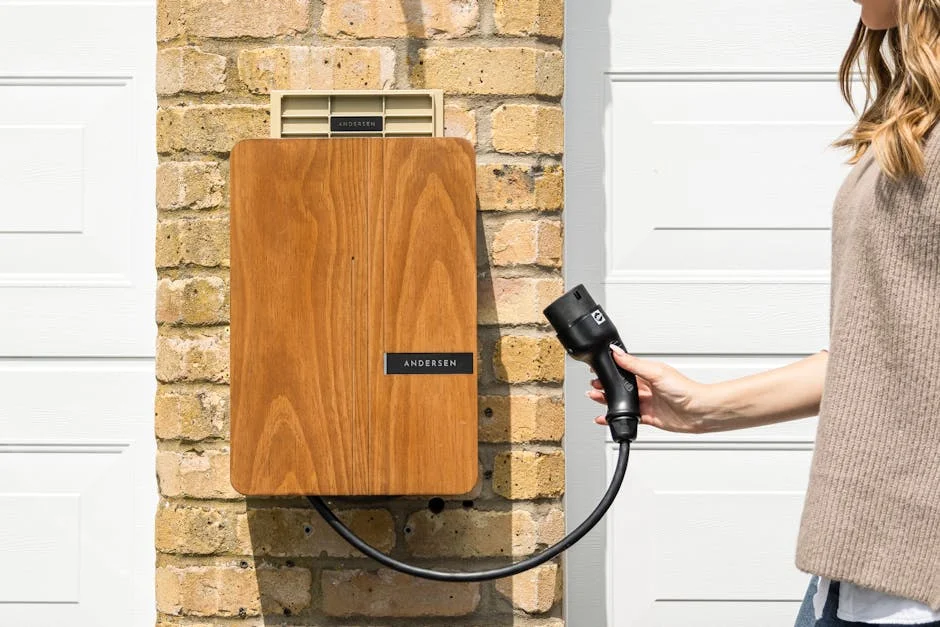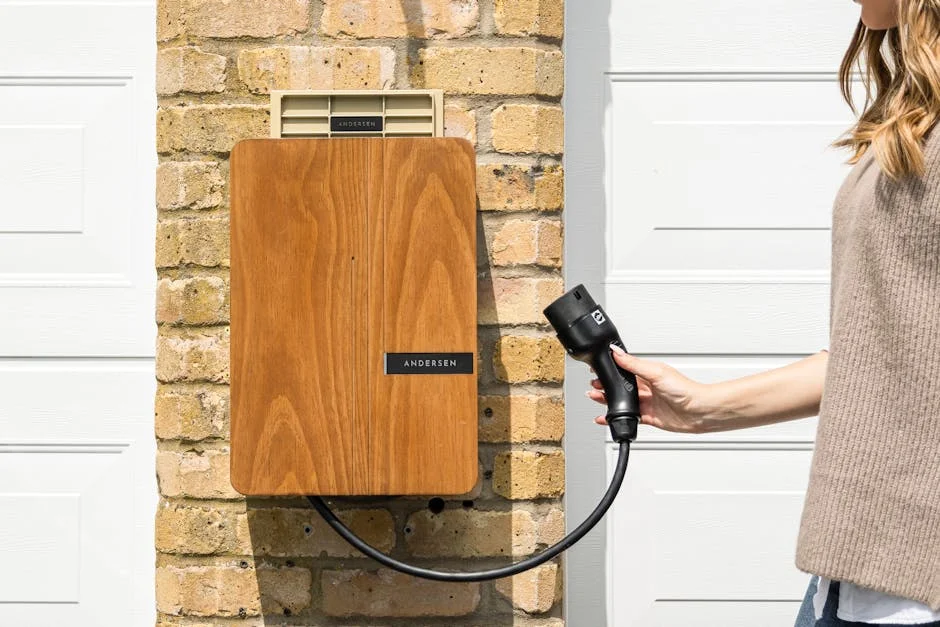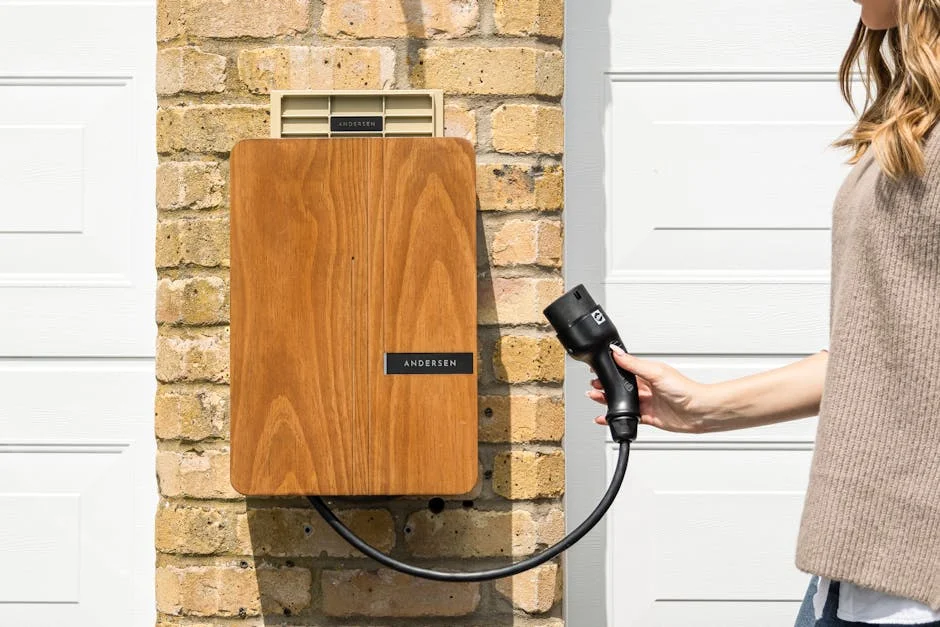
A home charging station is a dedicated piece of electrical equipment designed to deliver safe, consistent power to an electric vehicle in a residential setting. While many drivers begin by plugging into a standard wall outlet, the experience can feel slow, unpredictable, and sometimes limited by the wiring in older homes. A properly selected home charging station is built to run for hours at a time, manage heat, communicate with the vehicle when needed, and deliver higher power than a typical household receptacle. That difference is not just about convenience; it is about reliability and planning. When charging becomes something that happens automatically overnight, the vehicle feels more like any other daily appliance, and range anxiety fades into the background. The broader shift toward electric mobility has made residential charging a central part of ownership, and the right equipment can turn a driveway or garage into a dependable fueling hub.
Table of Contents
- My Personal Experience
- Understanding What a Home Charging Station Is and Why It Matters
- How Charging Levels Work: Level 1, Level 2, and What Most Homes Use
- Key Benefits of Installing a Home Charging Station Instead of Relying on Public Charging
- Choosing the Right Home Charging Station: Power, Compatibility, and Smart Features
- Electrical Requirements: Panel Capacity, Circuit Sizing, and Load Management
- Installation Considerations: Hardwired vs Plug-In, Indoor vs Outdoor, and Cable Routing
- Safety and Code Compliance: Permits, Protection Devices, and Best Practices
- Expert Insight
- Costs and Value: Equipment Pricing, Electrical Work, and Long-Term Savings
- Energy Efficiency and Utility Rates: Scheduling, Off-Peak Charging, and Solar Integration
- Daily Use and Maintenance: Habits That Extend Equipment and Battery Life
- Multi-EV Households and Future-Proofing: Load Sharing, Connector Standards, and Scalability
- Common Mistakes to Avoid When Buying or Installing a Home Charging Station
- Making the Home Charging Station Part of a Comfortable Routine
- Watch the demonstration video
- Frequently Asked Questions
- Trusted External Sources
My Personal Experience
After a few weeks of relying on public chargers, I finally had a home charging station installed in my garage, and it changed my routine almost immediately. The electrician mounted it next to the breaker panel and ran a new 240V line, which took most of an afternoon and cost more than I expected, but it’s been worth it. Now I just plug in when I get home, and by morning the car is back to 80% without me thinking about it. The first couple nights I kept checking the app to make sure it was actually charging, but it’s been steady and predictable. The best part is not having to detour to a fast charger after work—my car is basically “full” every day, like my phone.
Understanding What a Home Charging Station Is and Why It Matters
A home charging station is a dedicated piece of electrical equipment designed to deliver safe, consistent power to an electric vehicle in a residential setting. While many drivers begin by plugging into a standard wall outlet, the experience can feel slow, unpredictable, and sometimes limited by the wiring in older homes. A properly selected home charging station is built to run for hours at a time, manage heat, communicate with the vehicle when needed, and deliver higher power than a typical household receptacle. That difference is not just about convenience; it is about reliability and planning. When charging becomes something that happens automatically overnight, the vehicle feels more like any other daily appliance, and range anxiety fades into the background. The broader shift toward electric mobility has made residential charging a central part of ownership, and the right equipment can turn a driveway or garage into a dependable fueling hub.
Beyond basic charging speed, a home charging station often includes features that improve safety and usability, such as ground-fault protection, temperature monitoring, automatic shutoff, and weather-rated enclosures for outdoor installation. Many modern units offer Wi‑Fi connectivity for scheduling, energy tracking, and software updates, although connectivity is not required for dependable operation. The most important point is that charging at home fits the way people actually live: cars sit parked for long periods, especially overnight. Using that idle time to replenish the battery is efficient and typically cheaper than relying on public fast chargers. A home charging station also supports predictable routines, allowing drivers to start each morning with a set state of charge. When paired with an appropriate electrical circuit and a thoughtful installation, it becomes an infrastructure upgrade that can serve a household for years, even as vehicles and charging standards evolve.
How Charging Levels Work: Level 1, Level 2, and What Most Homes Use
Residential EV charging is commonly described in “levels,” which helps clarify what a home charging station can realistically provide. Level 1 uses a standard 120‑volt outlet and is often the slowest method, adding only a modest amount of range per hour. It can work for drivers with short commutes or plug-in hybrids, but it may feel limiting for larger battery vehicles or for households that drive more miles daily. Level 2 charging is the most common upgrade for residential use because it uses 240 volts, similar to what an electric dryer or oven might use. A Level 2 home charging station can add significantly more range per hour, turning overnight charging into a near-universal solution for most drivers. The increased power is the main reason many owners choose to install dedicated equipment rather than rely on a portable cord.
Understanding charging levels also requires some practical context about amperage, wiring, and circuit capacity. A Level 2 home charging station might be configured for 16, 24, 32, 40, 48, or even higher amps depending on the unit and the home’s electrical service. However, the best choice is not always the maximum. If a panel is near capacity, a slightly lower-amperage setup can still cover daily needs without a costly service upgrade. Some units can be hardwired, while others plug into a 240‑volt receptacle such as a NEMA 14‑50, though local code requirements and safety considerations often favor hardwiring for higher current. The vehicle itself also has an onboard charger that limits how much AC power it can accept, so installing a very high-capacity unit may not always speed up charging if the car cannot use it. Matching the home charging station to the vehicle and the home’s electrical system is the most dependable path to an efficient, code-compliant setup.
Key Benefits of Installing a Home Charging Station Instead of Relying on Public Charging
The biggest day-to-day advantage of a home charging station is control. Public charging can be convenient on road trips, but it introduces variables: station availability, pricing fluctuations, broken connectors, occupied stalls, or slower-than-expected charge rates. With home charging, the “station” is always available, and the routine becomes as simple as parking and plugging in. Over time, this consistency changes how people view electric driving. Rather than seeking out energy like a weekly errand, charging becomes passive and integrated into the household schedule. Many drivers find that they rarely need public charging for local travel once a home charging station is in place, which can reduce stress and time spent waiting.
Cost predictability is another major benefit. Electricity rates at home are typically lower per mile than public DC fast charging, and many utilities offer off-peak pricing that can make overnight charging particularly economical. A home charging station with scheduling features can automatically start charging when rates drop, helping households manage energy costs without daily micromanagement. There are also indirect savings: reduced wear on the battery compared with frequent fast charging (depending on vehicle chemistry and charging habits), fewer detours to charging locations, and less time spent idling in a parking lot. For families with multiple drivers or multiple EVs, the convenience compounds quickly. A home charging station can serve as a shared household resource, and with careful planning, it can be installed in a way that supports future vehicles. For many owners, the installation feels like adding a modern utility—one that increases the practical value of the home and improves the overall EV ownership experience.
Choosing the Right Home Charging Station: Power, Compatibility, and Smart Features
Selecting a home charging station starts with deciding how much charging speed is genuinely needed. A driver with a short commute and regular overnight parking may be perfectly served by a mid-range Level 2 unit, while a household with high daily mileage or multiple EVs might benefit from higher amperage or load-sharing capabilities. The key is to estimate daily energy use and compare it to the charging window available. If the vehicle is parked for ten hours overnight, even a modest Level 2 setup can deliver a substantial amount of energy. It is also important to confirm the connector standard your vehicle uses. Many EVs in North America use J1772 for AC charging, while others use NACS; adapters may be available, but buying a unit that matches your vehicle simplifies daily use. A well-chosen home charging station should feel effortless, not like a compromise that requires constant workarounds.
Smart features can be helpful, but they should be evaluated realistically. Wi‑Fi connectivity, app controls, energy metering, and integration with utility demand-response programs can provide value, particularly if you want detailed tracking for reimbursement or business use. Scheduling can also reduce costs by aligning charging with off-peak rates. However, reliability matters more than novelty. A home charging station should operate safely and consistently even if the internet is down. Hardware quality, cable flexibility in cold weather, plug ergonomics, and the durability of the holster are the kinds of details that affect satisfaction over years of use. Look for units that are certified by recognized safety organizations and that clearly specify continuous current ratings. Also consider whether you prefer a plug-in model for easier replacement or a hardwired model for a cleaner installation and potentially higher allowable current. The best home charging station is the one that matches the home’s electrical reality, the vehicle’s capabilities, and the household’s routine without pushing any single component beyond a comfortable margin.
Electrical Requirements: Panel Capacity, Circuit Sizing, and Load Management
A home charging station is only as strong as the electrical infrastructure supporting it. Before installation, it is wise to understand the home’s service size (often 100A, 150A, or 200A in many areas) and the current load from existing appliances. Adding EV charging can be straightforward in a modern home with ample panel space, but it can be challenging in older properties with limited capacity or crowded breaker panels. Circuit sizing must follow code rules for continuous loads, meaning the circuit and wiring must be sized above the charging current. For example, a 32‑amp charging setting typically requires a 40‑amp circuit, while a 40‑amp charging setting typically requires a 50‑amp circuit. Wire gauge, conduit type, and run length all affect heat and voltage drop, and these details are essential for safe, efficient operation. A properly installed home charging station should run cool, stable, and without nuisance tripping.
When panel capacity is tight, there are still options that avoid a full service upgrade. Load management systems can monitor the home’s total usage and automatically reduce EV charging when other loads spike, then increase charging when capacity returns. Some home charging station models include built-in load-sharing for two units, allowing two vehicles to charge on one circuit by dynamically allocating power. These solutions can be especially useful for households with electric heating, electric water heaters, or other high-demand appliances. Another approach is selecting a lower-amperage setting that fits within existing capacity while still meeting daily driving needs. The most important step is an assessment by a qualified electrician who can calculate loads, verify panel condition, and ensure compliance with local codes. By aligning the home charging station’s output with the home’s electrical limits, you get a system that is safer, more durable, and less likely to require costly changes later.
Installation Considerations: Hardwired vs Plug-In, Indoor vs Outdoor, and Cable Routing
Installation decisions shape the long-term experience of using a home charging station. One of the first choices is whether to install a hardwired unit or a plug-in unit. Hardwired installations typically look cleaner, reduce the number of connection points, and can support higher amperage settings depending on local code. Plug-in models can be easier to replace or move, but they require a properly rated receptacle and a high-quality installation to avoid overheating at the plug. The choice also depends on where the equipment will be located and whether the homeowner wants the flexibility to unplug the unit for travel or service. Either approach can be safe and effective when installed correctly, but the details matter: correct torque on terminals, proper strain relief, and appropriate breaker selection all influence performance and safety.
Location planning is equally important. A home charging station can be installed in a garage, on an exterior wall near a driveway, or on a dedicated pedestal. Outdoor installations should be weather-rated, and the mounting surface should be stable enough to handle repeated cable use. Cable routing should minimize trip hazards and avoid sharp bends that can stress the conductors over time. Consider where the vehicle’s charge port is located and how the cable will reach it without dragging across the ground or stretching. Many owners discover that a slightly longer cable and a thoughtfully placed holster make daily charging feel effortless, especially in households with more than one vehicle or with varied parking positions. Lighting, protection from vehicle impact, and proximity to the electrical panel can also affect installation cost. A well-planned home charging station setup blends into the home’s routine, keeping the cable tidy and the plug accessible while maintaining a safe, code-compliant electrical path.
Safety and Code Compliance: Permits, Protection Devices, and Best Practices
Safety should be the non-negotiable foundation of any home charging station installation. EV charging is a high-power, long-duration load, and that combination demands careful adherence to electrical codes and manufacturer instructions. Many jurisdictions require a permit and inspection for a new 240‑volt circuit or for a hardwired charger, and while it may feel like an extra step, it provides accountability and helps ensure the work meets code. Certified equipment and professional installation reduce the risk of overheating, nuisance tripping, or damage to wiring hidden behind walls. A home charging station should include appropriate ground-fault protection, and depending on the unit and local rules, additional protection at the breaker may be required. Using the correct breaker type and ensuring proper grounding and bonding are essential details that protect both people and property.
Expert Insight
Choose a home charging station that matches your vehicle’s onboard charger and your electrical service. A 240V Level 2 unit is typically the best balance of speed and cost; confirm amperage requirements, ensure the circuit is properly sized, and prioritize models with adjustable output so you can stay within panel capacity.
Install for daily convenience and long-term reliability: place the unit where the cable reaches the charge port without stretching, use a weather-rated (NEMA) enclosure for outdoor setups, and schedule charging during off-peak hours if your utility offers time-of-use rates. Add a dedicated breaker and surge protection to reduce nuisance trips and protect the equipment. If you’re looking for home charging station, this is your best choice.
Best practices go beyond passing inspection. Connections should be torqued to specification, because loose terminals can create resistance and heat over time. If a plug-in receptacle is used, it should be an industrial-grade model rated for the intended load, and it should be installed in a way that minimizes stress on the plug. Cable management matters as well; keeping the connector off the ground reduces wear and contamination, and it also helps prevent moisture ingress. For outdoor setups, weatherproof fittings, proper drip loops, and sealed conduit entries help keep the installation durable. It is also wise to periodically check the home charging station for signs of heat discoloration, unusual smells, or error indications, especially during the first weeks of use. A safe setup is not just about avoiding immediate hazards; it is about ensuring that years of nightly charging remain stable, efficient, and trouble-free under real-world conditions.
Costs and Value: Equipment Pricing, Electrical Work, and Long-Term Savings
The cost of a home charging station typically includes the equipment itself and the installation work required to supply it with power. Equipment prices vary based on amperage capability, build quality, cable length, weather rating, and smart features such as energy monitoring. Installation costs can range widely depending on how close the charging location is to the electrical panel, whether the panel has available breaker spaces, and whether trenching, conduit runs, or drywall repair are needed. Homes with detached garages or long driveway runs may require more labor and materials. If a service upgrade or a subpanel is necessary, the overall project cost can rise substantially. Because of these variables, it is helpful to get itemized quotes that specify circuit size, wire type, breaker details, and whether the unit will be hardwired or plug-in.
| Feature | Level 1 (120V) | Level 2 (240V) | Hardwired vs Plug-in |
|---|---|---|---|
| Typical charging speed | Slow; best for short daily mileage | Faster; suitable for overnight full recharges | Same speed if same amperage; hardwired can support higher output |
| Installation & electrical needs | No install; standard outlet | Usually needs a 240V circuit; may require panel capacity check | Plug-in uses a 240V receptacle; hardwired requires electrician and dedicated circuit |
| Best for | Apartments/renters, low-cost setup | Homeowners, multiple EVs, higher daily driving | Plug-in for flexibility; hardwired for cleaner look, durability, and higher power |
Value is not only about the upfront price tag. A home charging station can reduce ongoing fueling costs compared with gasoline, and it can also be cheaper than relying heavily on public fast charging. Many utilities offer time-of-use rates, rebates, or special EV charging programs that improve the economics further. Some regions also provide incentives for installing qualifying equipment, though eligibility often depends on using a certified unit and obtaining permits. Over time, the convenience factor becomes part of the value calculation as well: less time spent waiting at public chargers, fewer detours, and more consistent daily readiness. For homeowners who plan to stay in the property, the installation can be viewed as a practical infrastructure improvement. Even for those considering a move, a properly installed home charging station may appeal to future buyers who drive EVs, especially as electric vehicles become more common. When costs are evaluated alongside daily benefits, the investment often feels less like a gadget purchase and more like a functional home upgrade.
Energy Efficiency and Utility Rates: Scheduling, Off-Peak Charging, and Solar Integration
Electricity pricing can significantly shape the operating cost of a home charging station. Many utilities offer lower rates during off-peak hours, often overnight, which aligns perfectly with residential charging habits. A charger with scheduling can automatically begin charging when rates drop, ensuring the vehicle is ready by morning without paying premium prices. Even without a “smart” unit, many vehicles allow scheduled charging from the dashboard or mobile app, making it possible to benefit from off-peak rates. Understanding your utility plan, including any demand charges or tiered pricing, can help you choose charging settings that avoid expensive periods. Some households also manage charging speed intentionally, using a lower current setting to reduce peak household load while still meeting daily range needs.
Solar integration adds another dimension. If a home has rooftop solar, the home charging station can be used to absorb midday production that might otherwise be exported to the grid at a less favorable rate. This is especially attractive for households that work from home or that can charge during daylight hours. Some energy management systems can coordinate charging with solar output, although the practical benefit depends on solar system size, battery storage (if any), and local net metering rules. Even without sophisticated automation, a household can manually schedule charging during sunny hours on weekends or days when the car is home. The broader point is that EV charging is flexible; the battery can accept energy at different times, allowing the homeowner to align charging with the most economical or sustainable electricity. When the home charging station is treated as part of an energy strategy—rather than just a plug on the wall—it can help optimize costs, reduce grid strain during peak hours, and make better use of renewable generation.
Daily Use and Maintenance: Habits That Extend Equipment and Battery Life
Living with a home charging station is usually simple, but a few habits can improve the experience and longevity of both the equipment and the vehicle. Cable handling is one of the most overlooked factors. Repeatedly kinking the cable, running it under tires, or leaving the connector on the ground can shorten its life. Using the holster or dock each time keeps the connector clean and reduces wear on the pins. If the unit is outdoors, keeping the connector protected from rain and debris is especially important. Many chargers are designed for harsh conditions, but good habits reduce the chance of corrosion or contamination. It is also sensible to keep the area around the home charging station clear of clutter, especially in garages where storage tends to expand over time.
Battery-friendly charging habits can also be supported by the home setup. Many EV manufacturers recommend avoiding leaving the battery at 100% for extended periods unless needed for a trip, although guidance varies by chemistry and model. With a home charging station, it is easy to set a daily charge limit, such as 70–90%, and schedule charging so the vehicle reaches the target shortly before departure. This can reduce the time the battery spends at very high state of charge. Temperature is another factor; if the vehicle supports preconditioning while plugged in, using shore power to warm or cool the cabin can reduce battery drain and improve driving efficiency. Maintenance for the charger itself is generally minimal, but periodic checks for secure mounting, intact cable insulation, and normal operating temperatures are wise. If the unit reports errors, addressing them promptly helps avoid bigger issues. With consistent, careful use, a home charging station can remain dependable for years, providing the kind of routine reliability that makes electric driving feel natural.
Multi-EV Households and Future-Proofing: Load Sharing, Connector Standards, and Scalability
As EV adoption grows, more households are becoming multi-EV homes, and that changes what “enough charging” looks like. A single home charging station may still be sufficient if driving schedules are staggered, but two vehicles can create competition for charging time. Some families alternate nights, while others prefer a solution that supports simultaneous charging. Load-sharing systems allow two chargers to communicate and divide available power, keeping the total within a circuit limit while ensuring both vehicles receive energy. This approach can avoid the need for multiple new circuits or a service upgrade, especially when panel capacity is constrained. Even a single charger can be made more flexible by choosing a location that allows both vehicles to reach with the cable, though that may require thoughtful placement and cable management to avoid daily inconvenience.
Future-proofing also involves connector standards and equipment flexibility. Vehicle charging ports have evolved, and while adapters can bridge compatibility gaps, many homeowners prefer a unit that aligns with the vehicles they expect to own in the next several years. Some home charging station models offer interchangeable cables or connectors, and others can be replaced more easily if installed with a plug-in receptacle, though hardwired setups can also be updated by an electrician without excessive disruption. Scalability includes considering whether a higher-capacity circuit should be installed even if the charger is initially set to a lower current, allowing an upgrade later with minimal electrical work. Planning conduit runs with extra capacity can also reduce future labor. The aim is to treat EV charging as a long-term household utility: something that should continue to make sense as driving patterns change, as a second EV arrives, or as the next vehicle supports faster AC charging. A home charging station chosen with scalability in mind can prevent the frustration of outgrowing the setup just a few years after installation.
Common Mistakes to Avoid When Buying or Installing a Home Charging Station
One common mistake is buying the highest-amperage home charging station without confirming the home’s electrical capacity or the vehicle’s onboard charging limit. Bigger numbers can be appealing, but if the panel cannot support the load or if the vehicle cannot accept that much power, the extra expense may not deliver meaningful benefits. Another mistake is choosing equipment that lacks recognized safety certification or is sourced from questionable channels. Charging involves sustained high current, and hardware quality matters. Similarly, underestimating the importance of installation details—such as breaker sizing, wire gauge, and torque specifications—can lead to overheating, nuisance tripping, or premature failure. EV charging is not the place for improvised wiring solutions or bargain components that are not designed for continuous duty.
Placement errors are also frequent. Installing a home charging station too far from the vehicle’s charge port, in a spot where the cable must cross a walkway, or where the connector is exposed to vehicle impact can create daily friction and safety hazards. Another misstep is ignoring outdoor conditions; a unit mounted outside should be properly rated, and the electrical pathway should be sealed against moisture. Some homeowners also forget to consider how the garage door closes, where bikes and storage bins move, or how snow and ice might affect access in winter. Finally, skipping permits can create headaches later, especially during home sales or insurance claims. A well-executed setup is usually the result of careful planning rather than last-minute decisions. Avoiding these pitfalls helps ensure the home charging station becomes a seamless part of the property rather than a constant source of small annoyances or bigger electrical concerns.
Making the Home Charging Station Part of a Comfortable Routine
Once installed, a home charging station works best when it supports a simple, repeatable routine. Many owners find that plugging in becomes as automatic as locking the door. Setting a consistent charge limit and schedule can reduce decision fatigue and keep the vehicle ready for unexpected errands. If multiple drivers use the same vehicle, establishing a shared habit—such as always plugging in when the battery drops below a certain percentage—prevents last-minute surprises. It can also help to create a designated cable path and storage method so the garage or driveway stays tidy. Small touches like adequate lighting near the charger, a protective bollard in tight parking spaces, or a wall-mounted cable hook can improve daily usability more than a long list of app features.
A home charging station also encourages a different way of thinking about “fuel.” Instead of waiting for the battery to get low and then seeking a charger, many drivers top up opportunistically at home, keeping the vehicle in a comfortable range band. This approach can be especially practical in colder climates where energy use rises in winter, or in households with unpredictable schedules. Over time, the charger becomes part of the home’s infrastructure, like a thermostat or a water heater—quietly doing its job in the background. When the routine is established, the benefits are felt every day: fewer stops, more predictable costs, and the confidence of waking up to a ready vehicle. With the right planning, installation, and habits, a home charging station delivers the most convenient form of EV charging available, and it remains the final touch that makes electric driving feel fully integrated into everyday life.
Watch the demonstration video
In this video, you’ll learn how a home charging station works, what equipment you need, and how to choose the right charger for your vehicle and electrical setup. It also covers installation basics, safety considerations, typical charging speeds, and cost factors—so you can plan a reliable, convenient charging solution at home.
Summary
In summary, “home charging station” is a crucial topic that deserves thoughtful consideration. We hope this article has provided you with a comprehensive understanding to help you make better decisions.
Frequently Asked Questions
What is a home charging station?
A home charging station (EVSE) is a dedicated device that safely delivers electricity to charge an electric vehicle at home, typically faster than a standard wall outlet.
Do I need a Level 2 charger at home?
Not always—Level 1 charging can be enough if you only drive a few miles each day and can plug in for long stretches, but a Level 2 **home charging station** is a better choice if you want quicker overnight top-ups or regularly rack up more daily miles.
How fast will a home charging station charge my EV?
Charging speed comes down to the charger’s power (amps/kW) and what your EV’s onboard charger can accept. With a Level 2 **home charging station**, you’ll typically gain about 10–30+ miles of range per hour, making overnight top-ups easy and convenient.
What electrical upgrades might be required?
Installing a **home charging station** may require a dedicated circuit with the right breaker and wiring, and if your current electrical capacity is limited, you might also need an electrical panel or service upgrade.
Should I choose a hardwired or plug-in charger?
Hardwired units typically deliver higher power and a cleaner, more seamless installation for your **home charging station**, while plug-in models are easier to swap out or take with you—but only if you have a compatible outlet available.
How much does it cost to install a home charging station?
Installation costs depend on the charger you choose and the amount of electrical work required. For a **home charging station**, most homeowners spend anywhere from a few hundred to a few thousand dollars, with the final price largely driven by how far the unit is from your electrical panel and whether any upgrades are needed.
📢 Looking for more info about home charging station? Follow Our Site for updates and tips!

Trusted External Sources
- Can someone explain how home Charging works? : r/electricvehicles
Oct 21, 2026 … I did all of my driving (mostly commuting) from a standard outlet for over 5 years. A Level 2 “charging station” is convenient, but it is not … If you’re looking for home charging station, this is your best choice.
- Home Electric Car Chargers – EV Charging Stations – EVSE
Power up your EV at home with a reliable **home charging station** from leading brands like ChargePoint, Tesla, AeroVironment, ClipperCreek, Schneider Electric, and Bosch—designed for safe, fast, and convenient everyday charging.
- So what are the basics of home charging? : r/electricvehicles – Reddit
May 4, 2026 — Charge your EV at home using a standard wall outlet or upgrade to a faster **home charging station** for everyday convenience. Explore the top family-friendly electric vehicles of 2026, and discover the best charging stations to keep you powered up on long road trips. Open the app to get started.
- Connected Home Charging Station – NACS – Lucid Store
Our fastest home charging station is capable of charging your Lucid Gravity with up to 55 miles of range per hour (80 Amps, 240 Volts) and is designed to …
- Charging Electric Vehicles at Home – Alternative Fuels Data Center
A **home charging station** can help you take advantage of off-peak electricity prices and other savings programs offered by your utility. Many providers offer residential time-of-use rates or additional incentives for homeowners who install charging equipment. To learn more, check with your local utility or review their current EV charging rate plans and rebates.