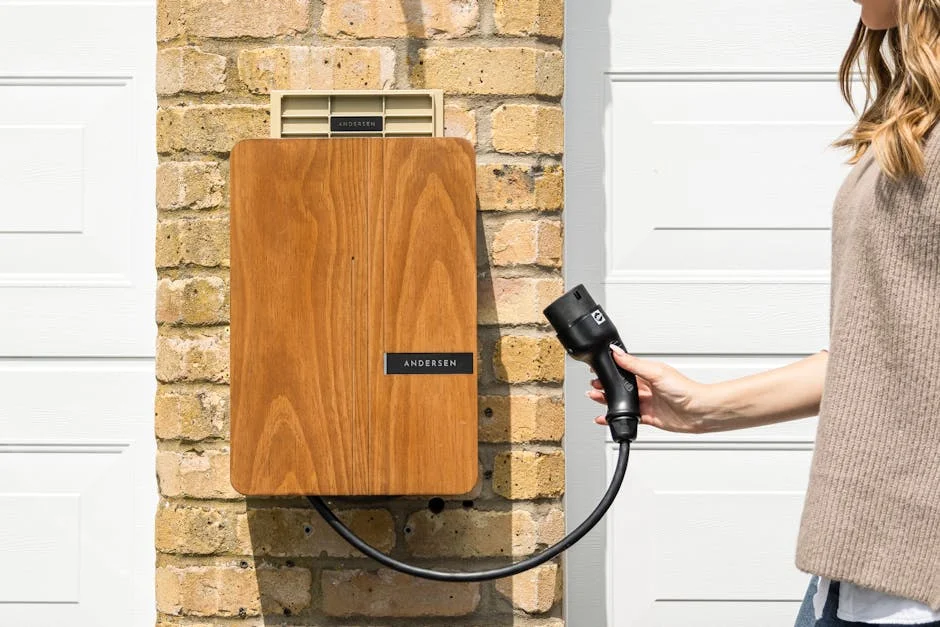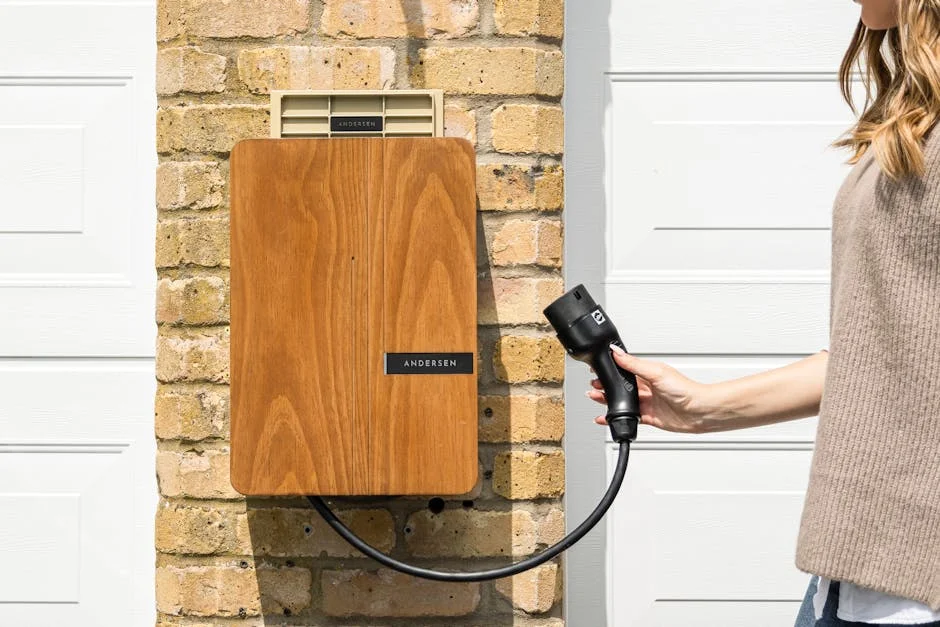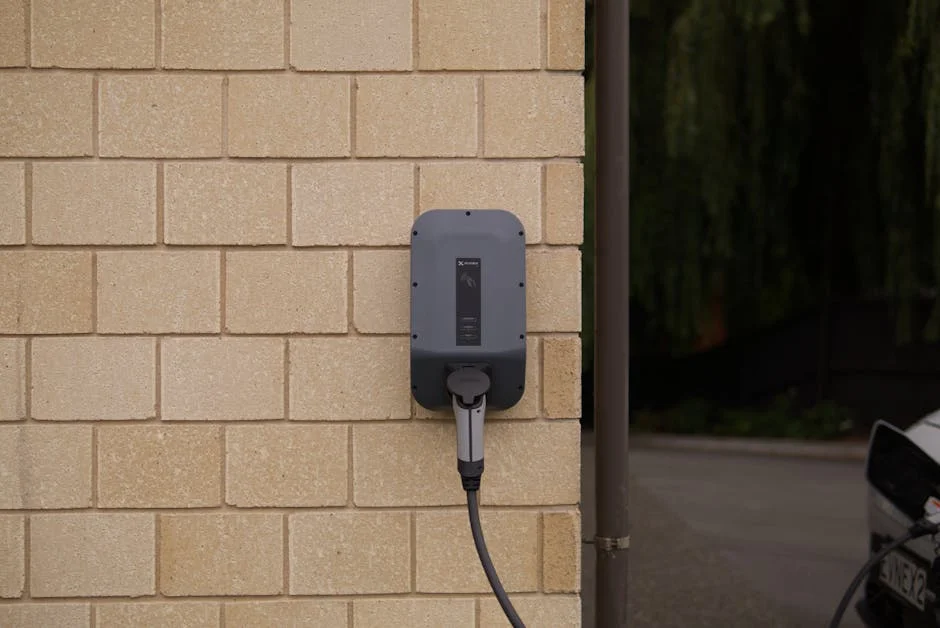
EV charger installation cost can feel confusing at first because it combines two different expenses that homeowners often assume are one: the price of the charging equipment and the labor-and-electrical work required to make it safe, code-compliant, and reliable. The charger itself (often called EVSE) may be marketed with a single price tag, but the real-world cost of getting it working in your garage, driveway, or parking area depends on your home’s electrical capacity, the distance from the electrical panel to the charging location, the need for panel upgrades, and local permitting rules. That’s why one neighbor might pay a relatively modest amount for a straightforward installation while another needs a more involved project that includes trenching, conduit runs, or a service upgrade. When people compare quotes, it helps to separate “hardware cost” from “installed cost” and to remember that electricians are pricing risk, time, materials, and compliance—not just the act of mounting a box on a wall.
Table of Contents
- My Personal Experience
- Understanding EV Charger Installation Cost: What You’re Really Paying For
- Typical Price Ranges for Home Installation
- Level 1 vs Level 2: How Charging Level Changes the Budget
- Electrical Panel Capacity and Service Upgrades
- Wiring Distance, Conduit, and the “Long Run” Problem
- Permits, Inspections, and Local Code Requirements
- Hardwired vs Plug-In Chargers: Cost and Practical Differences
- Indoor vs Outdoor Installations and Weatherproofing Costs
- Expert Insight
- Detached Garages, Driveway Charging, and Trenching Expenses
- Commercial and Multi-Unit Residential Installations: Why Costs Scale Differently
- Equipment Choices That Affect Installed Price
- Labor Rates, Contractor Selection, and Quote Comparisons
- Ways to Reduce EV Charger Installation Cost Without Cutting Corners
- Hidden Costs and Long-Term Ownership Considerations
- Final Thoughts on Planning and Budgeting
- Watch the demonstration video
- Frequently Asked Questions
- Trusted External Sources
My Personal Experience
When I priced out an EV charger for my garage, I assumed the unit would be the main expense, but the installation ended up being the bigger variable. The charger itself was around $500, and the first electrician quoted me $1,200 because my panel was on the opposite side of the house and they’d need a longer run plus a permit. I got a second quote closer to $800 after they suggested a simpler cable route, but it still wasn’t “cheap” once you add the permit fee and a new breaker. In the end I paid just under $1,000 all-in for installation, and the best money-saving move was getting multiple bids and asking exactly what was included (permit, materials, trenching, and any panel upgrade). If you’re looking for ev charger installation cost, this is your best choice.
Understanding EV Charger Installation Cost: What You’re Really Paying For
EV charger installation cost can feel confusing at first because it combines two different expenses that homeowners often assume are one: the price of the charging equipment and the labor-and-electrical work required to make it safe, code-compliant, and reliable. The charger itself (often called EVSE) may be marketed with a single price tag, but the real-world cost of getting it working in your garage, driveway, or parking area depends on your home’s electrical capacity, the distance from the electrical panel to the charging location, the need for panel upgrades, and local permitting rules. That’s why one neighbor might pay a relatively modest amount for a straightforward installation while another needs a more involved project that includes trenching, conduit runs, or a service upgrade. When people compare quotes, it helps to separate “hardware cost” from “installed cost” and to remember that electricians are pricing risk, time, materials, and compliance—not just the act of mounting a box on a wall.
Another reason EV charger installation cost varies is that the market includes different charging levels and power ratings. A basic Level 1 setup uses a standard 120V outlet and usually avoids major electrical work, but it charges slowly and may not meet daily driving needs. Most drivers eventually consider Level 2 charging, which typically uses 240V and can deliver far faster charging. Level 2 installations often require a dedicated circuit, a correctly sized breaker, copper wiring of the proper gauge, and sometimes a hardwired connection depending on charger model and code requirements. Add in optional features like smart load management, energy monitoring, or outdoor-rated enclosures, and the installed total can change quickly. Understanding what’s included in a quote—permit fees, inspection coordination, conduit, wall repairs, travel time, and warranty—helps you evaluate value rather than only the lowest number.
Typical Price Ranges for Home Installation
EV charger installation cost for a typical home Level 2 charger often lands within a broad range because “typical” depends on the home’s layout and electrical readiness. Many homeowners see installed totals that include both equipment and labor, while others buy the charger separately and only pay for installation. A relatively simple install—short cable run from the electrical panel, ample spare capacity, indoor mounting, and no complications—can be at the lower end of the spectrum. A more involved install—longer distance, finished walls, outdoor placement, trenching to a detached garage, or a crowded panel—pushes the price higher. It’s common for quotes to be structured as a base installation plus add-ons, such as per-foot wiring beyond a certain distance, panel modifications, or special conduit requirements. Comparing bids becomes easier when you ask each electrician to break out line items: circuit length, wire gauge, breaker size, charger mounting, permit filing, and any drywall or masonry work.
To make sense of EV charger installation cost, many homeowners find it helpful to think in tiers. Tier one is a “standard install” where the panel is near the garage and there’s room for a new 240V breaker; this is usually the most affordable. Tier two includes moderate complexity: a longer run through attic or crawlspace, a subpanel addition, or exterior conduit. Tier three includes major electrical upgrades: a panel replacement, service upgrade, or extensive trenching to reach a detached structure. Even within these tiers, local labor rates and permit costs matter. Urban areas with higher labor rates and stricter permitting can produce higher totals than rural areas. The key point is that the charger’s sticker price is only part of the budget; the installed total is driven by the site conditions and the electrical work needed to deliver safe, continuous power at the amperage your EV and charger can use.
Level 1 vs Level 2: How Charging Level Changes the Budget
EV charger installation cost is heavily influenced by whether you rely on Level 1 or install Level 2. Level 1 charging uses a standard 120V outlet, and in many cases the “installation” is simply confirming the outlet is on a suitable circuit and in good condition. If the receptacle is worn, improperly grounded, or shared with other heavy loads, an electrician may recommend replacing the outlet, upgrading wiring, or dedicating the circuit. While this can still involve cost, it’s usually far less than adding a new 240V circuit. The tradeoff is charging speed. Level 1 can be adequate for short commutes, but it may struggle to replenish range quickly, especially for larger battery vehicles or households with multiple EVs. When Level 1 proves too slow, Level 2 becomes the practical option, and that’s where installation expenses become more variable.
Level 2 charging typically requires a 240V circuit sized to match the charger’s output—often 32A, 40A, 48A, or higher depending on the unit and your electrical capacity. This requirement is what drives EV charger installation cost upward: thicker copper conductors, a larger breaker, and sometimes a hardwired connection. A plug-in Level 2 charger may require a specific receptacle (commonly NEMA 14-50 or 6-50), and code may dictate the receptacle type, GFCI protection, and whether the receptacle is allowed in certain locations. A hardwired unit can reduce some outlet-related concerns but may require a disconnect or other local compliance measures. When you evaluate Level 2 quotes, consider not just the maximum amperage but the realistic charging you need; a 40A circuit might meet your daily needs at a lower installed price than a 60A circuit that requires heavier wiring, a larger breaker, and potentially a panel upgrade. Matching charging capacity to lifestyle is one of the most effective ways to control overall spend.
Electrical Panel Capacity and Service Upgrades
EV charger installation cost can rise significantly when your existing electrical panel lacks sufficient capacity. A Level 2 charger is a continuous load, meaning electrical codes typically require sizing the circuit and panel capacity with specific safety margins. If your home already runs near its service limit—common in older homes with 100-amp service—adding a dedicated EV circuit may require load calculations to determine whether the existing service can support it. If the calculation shows insufficient capacity, the electrician may propose solutions such as a panel upgrade to 200 amps, a service entrance upgrade, or installing a subpanel. These upgrades aren’t merely “nice-to-haves”; they’re often necessary to pass inspection and to ensure your wiring doesn’t overheat under sustained charging. Because panel work involves coordination with the utility, permitting, and sometimes replacing the meter base or service conductors, it can become one of the largest components of the installed total.
There are also alternatives that can help manage EV charger installation cost without immediately upgrading the service. Load management systems, sometimes built into smart chargers or offered as separate devices, can dynamically reduce charging power when other household loads are high. This approach can allow a charger to be installed on a smaller circuit or within existing capacity, depending on local rules and the specifics of your electrical setup. Another approach is scheduled charging during off-peak hours when other loads are minimal, though scheduling alone doesn’t always satisfy code requirements for panel capacity. If your quote includes a panel upgrade, ask whether a load management solution is acceptable to the local authority having jurisdiction and whether it fits your charging needs. In some homes, a modestly powered charger paired with load management provides a safe, compliant setup at a lower overall price than a full service upgrade. The right choice depends on your current panel, the age and condition of existing equipment, and how much charging power you truly require.
Wiring Distance, Conduit, and the “Long Run” Problem
EV charger installation cost often increases with distance because copper wire is expensive and because longer runs take more labor and materials to install properly. The “run” refers to the path from your breaker panel (or subpanel) to the charger location. A short run on an unfinished garage wall might require minimal conduit and a straightforward pull. A long run, especially through finished walls, across an attic, down to a garage, or out to an exterior location, can require significant conduit, junction boxes, drilling, sealing, and careful routing to maintain code compliance and protect the conductors. If the charger is mounted outdoors, weather-rated conduit and fittings may be required, and the routing must prevent moisture intrusion. Each of these elements adds time and materials, which show up directly in your quote.
The required wire gauge also matters. Higher amperage charging demands thicker conductors, which are more expensive per foot and harder to work with. If you’re installing a 48A charger, for example, the circuit may need to be sized higher due to continuous load rules, potentially requiring larger conductors than a 32A setup. This is one reason two quotes can differ even if both installers are “adding a 240V circuit.” One may be quoting a higher-capacity circuit than you need, increasing material costs and possibly pushing your panel closer to its capacity. When reviewing EV charger installation cost, ask for the exact circuit rating, wire type, conduit type, and estimated run length. Also ask whether the quote includes patching and painting if walls are opened, or whether surface conduit will be used to avoid drywall work. Some homeowners prefer a cleaner look and accept higher cost for concealed wiring, while others prioritize budget and accept visible conduit. Clarifying preferences up front helps avoid surprises.
Permits, Inspections, and Local Code Requirements
EV charger installation cost is not just about hardware and labor; permits and inspections can be a meaningful part of the total. Many jurisdictions require an electrical permit for installing a new 240V circuit, adding a receptacle for EV charging, or hardwiring EVSE. Permit fees vary widely by city and county, and some areas also charge for plan review or additional inspections. The inspection process protects you by ensuring the work meets safety standards—proper breaker sizing, correct conductor sizing, appropriate grounding and bonding, correct GFCI protection where required, and suitable equipment ratings for the environment. A reputable electrician typically includes permit handling in the scope of work, but it’s important to confirm whether the permit fee is included, whether the installer will coordinate the inspection, and what happens if the inspector requires changes.
Local code interpretation can also affect EV charger installation cost. Some areas require a disconnect switch for certain installations, additional signage at the panel, or specific receptacle types and mounting heights. Outdoor installations may require dedicated weatherproof enclosures and in-use covers, and some municipalities have specific rules about running conduit across exterior walls. Multi-unit dwellings can introduce even more requirements, such as metering considerations, fire-stopping for penetrations, and coordination with building management. Because code evolves, especially around EV charging, installers who do this work frequently tend to anticipate inspector expectations more accurately than generalists. When comparing quotes, don’t just look at price; look at how clearly each contractor addresses permitting, inspection, and compliance. A lower bid that omits permits or assumes “no inspection needed” can become more expensive later if you need corrections or if the work fails inspection and must be redone.
Hardwired vs Plug-In Chargers: Cost and Practical Differences
EV charger installation cost can change based on whether you choose a hardwired unit or a plug-in model. A plug-in charger connects to a dedicated 240V receptacle, which can make replacement or upgrading easier—simply unplug the old unit and plug in the new one, assuming the circuit rating remains appropriate. However, installing a high-quality receptacle and ensuring it’s properly rated for continuous high-current use can add cost, and in some cases code requirements for GFCI protection on receptacles can influence both equipment choice and troubleshooting complexity. Additionally, not all receptacles are equal; heavy-duty, EV-suitable receptacles can cost more than basic versions, and using low-quality parts may lead to heat issues over time. If your plan is to frequently travel with the charger or swap between locations, a plug-in setup can be convenient, but it should be installed with durability in mind.
Hardwired chargers connect directly to the circuit without a receptacle, which can reduce one potential failure point and may be preferred for higher amperage setups. Hardwiring can also be required or recommended for certain charger outputs or in some jurisdictions. While some homeowners assume hardwiring is always more expensive, that’s not necessarily true; eliminating the receptacle and heavy-duty plug can offset some costs, though labor may be similar. The best choice depends on your priorities: flexibility versus permanence, maximum amperage, and local code. When discussing EV charger installation cost with an electrician, ask whether the quote assumes hardwired or plug-in, what amperage the charger will be set to, and whether the installation includes configuring the charger’s internal current settings. Proper configuration matters because the charger must be matched to the circuit rating to remain safe and compliant, and that setup time should be part of a professional installation.
Indoor vs Outdoor Installations and Weatherproofing Costs
EV charger installation cost can be higher for outdoor installations because the equipment and materials must withstand rain, sun exposure, temperature swings, and potential physical impacts. Outdoor-rated chargers and enclosures may cost more than indoor-only models, and the installation may require weatherproof conduit, fittings, and junction boxes. The electrician may need to seal wall penetrations, route conduit in a way that prevents water intrusion, and ensure the mounting surface is stable. If the charger is installed on an exterior wall far from the panel, the wiring run may be longer and involve more complex routing. In colder climates, you may also want cable management accessories designed to keep the charging cable off the ground and easier to handle in snow or ice, which can add modestly to the total budget.
Expert Insight
Get a detailed quote that separates the charger price from installation labor, permits, and any panel or wiring upgrades. Before committing, confirm your home’s electrical capacity (amperage, available breaker space, and distance from panel to parking spot) to avoid surprise costs from trenching, long conduit runs, or a service upgrade. If you’re looking for ev charger installation cost, this is your best choice.
Control the ev charger installation cost by choosing a standard 240V Level 2 setup at a practical amperage (often 32–40A) and placing the charger as close to the electrical panel as possible. Ask your installer to apply available utility rebates and local incentives, and request a load-management option if your panel is near capacity to reduce or eliminate the need for an expensive panel upgrade.
Security and durability can also influence EV charger installation cost for outdoor setups. Some homeowners add locking covers, bollards, or protective posts to prevent accidental vehicle contact, especially in driveways or shared parking areas. Lighting improvements, camera coverage, or upgraded mounting hardware may be considered, particularly if the charger is visible from the street. While these items are not always required, they can protect your investment and reduce the risk of damage. Outdoor installations may also need attention to aesthetics, such as paint-matched conduit or concealed routing, which can increase labor time. If you’re comparing indoor and outdoor options, it’s worth evaluating whether a slightly longer cable run to an indoor garage location could reduce exposure and simplify materials, or whether outdoor placement is necessary for your parking layout. The “best” location is often the one that balances convenience, safety, and a predictable installed total.
Detached Garages, Driveway Charging, and Trenching Expenses
EV charger installation cost becomes more complex when the charging location is in a detached garage or at a driveway pedestal away from the main structure. In these situations, electricians may need to trench a path for conduit, run buried cable, or install a subpanel in the detached building. Trenching costs depend on distance, soil conditions, landscaping, and whether the path crosses hardscapes like concrete driveways, patios, or walkways. Cutting and patching concrete is typically more expensive than trenching through soil, and restoring landscaping adds additional labor. Depth requirements for buried conduit and the type of wiring allowed underground vary by code, and inspections may require the trench to remain open until the inspector approves the installation. These factors add time and coordination, which is reflected in the quote.
| Cost Factor | Typical Range | What Drives the Price |
|---|---|---|
| Level 1 (120V) outlet setup | $0–$300 | Usually uses an existing outlet; costs rise if a new dedicated circuit, receptacle, or minor electrical work is needed. |
| Level 2 (240V) home charger installation | $500–$2,500+ | New 240V circuit, breaker capacity, wiring distance to the panel, permits/inspection, and whether it’s hardwired vs. plug-in. |
| Panel/Service upgrade (if required) | $1,500–$5,000+ | Insufficient panel capacity, older service (e.g., 100A), load calculations, utility coordination, and local code requirements. |
Power distribution choices also affect EV charger installation cost for detached structures. If the detached garage already has power, the existing feeder may or may not support EV charging. Some detached garages have only a small circuit intended for lights and a door opener, which is not enough for Level 2 charging. Upgrading the feeder or adding a new feeder can be a significant project, and the electrician may recommend a small subpanel to support the charger and any future loads. If you anticipate adding a second EV, a workshop, or additional circuits later, planning for capacity now can be more cost-effective than re-trenching in the future. On the other hand, oversizing can raise the initial price. A practical approach is to request two options: a “minimum viable” installation that meets current needs and a “future-ready” alternative with higher capacity or a subpanel. Seeing both scopes side-by-side helps you decide how to allocate budget while keeping long-term flexibility.
Commercial and Multi-Unit Residential Installations: Why Costs Scale Differently
EV charger installation cost for commercial sites and multi-unit residential buildings (condos, apartments, townhome communities) often follows different rules than single-family homes. The project may involve multiple chargers, longer conduit runs through shared spaces, more stringent fire and life safety requirements, and coordination with property management. Electrical capacity planning is usually the biggest challenge: adding several Level 2 stations can exceed the existing service, prompting transformer upgrades, switchgear changes, or the addition of dedicated EV panels. Load management becomes especially important in these settings to control demand and avoid costly utility upgrades. The design phase can include engineering drawings, stamped plans, and detailed load studies, which add up-front costs but reduce the risk of change orders later.
For multi-unit properties, EV charger installation cost also includes administrative and legal considerations that don’t exist for a standalone home. Decisions about billing—shared electricity, individual metering, networked chargers with user accounts—affect equipment choice and installation complexity. Networked commercial-grade chargers often cost more than basic residential units, and they may require data connectivity, cellular plans, or Wi-Fi infrastructure. Accessibility requirements, signage, striping, and parking layout modifications can add to the project scope. Even when the per-charger installation cost decreases due to economies of scale, the total project cost can be significant because the infrastructure work is larger. If you’re planning charging for a building or business, it’s wise to request a phased approach: install conduit and capacity for future expansion while starting with a smaller number of active chargers. This strategy can control initial spend while avoiding expensive rework when EV adoption increases among residents or employees.
Equipment Choices That Affect Installed Price
EV charger installation cost is influenced by the charger model you select, not only because of the device price but because equipment features can change the complexity of installation. Higher-amperage chargers may require larger circuits and heavier wiring, increasing both material and labor costs. Smart chargers that offer load sharing, energy monitoring, or utility integration can provide long-term savings, but they may require additional setup time, firmware updates, and connectivity troubleshooting during installation. Some models support power adjustment in software, which can be useful if you want to install a charger now and increase output later after an electrical upgrade. However, that flexibility only helps if the underlying circuit and panel capacity can support the increase, so it’s important to match equipment capability to electrical reality.
Mounting accessories and cable management can also influence EV charger installation cost. A simple wall mount is usually straightforward, but pedestal mounts for driveway installations can add expense, especially if they require a concrete footing or additional protective bollards. Some homeowners choose chargers with longer cables to reach different parking positions; while cable length doesn’t typically change the electrical installation, it can affect the ideal mounting location and reduce the need for relocating the charger later. Outdoor-rated units, NEMA enclosures, and ruggedized connectors can cost more but may reduce maintenance and replacement risk. When reviewing options, consider total installed value rather than just upfront cost: a reliable charger with a strong warranty, good thermal management, and proven durability may prevent future service calls. The goal is not simply the lowest EV charger installation cost today, but a setup that remains safe and convenient for years.
Labor Rates, Contractor Selection, and Quote Comparisons
EV charger installation cost is sensitive to local labor rates and to the contractor’s approach to estimating. Electricians may price by the hour, by a flat-rate package, or by a hybrid model that includes allowances for distance and complexity. A flat-rate “standard install” can be a good deal if your home fits the assumptions—short run, open access, no panel constraints—but it can become expensive if the contractor adds multiple change fees. Conversely, a detailed, itemized quote may appear higher at first glance but can be more predictable because it includes the real scope. When comparing quotes, focus on what’s included: permit fees, inspection coordination, breaker and wiring specifications, conduit type, surface versus concealed routing, patching responsibilities, and warranty on labor. Also confirm whether the quote includes configuring the charger’s maximum current and testing under load.
Contractor selection affects EV charger installation cost indirectly through quality and risk. A properly installed circuit should run for years without nuisance tripping, overheating, or intermittent charging errors. Installers experienced with EVSE know how to route wiring cleanly, torque lugs correctly, verify grounding, and confirm that the charger and vehicle negotiate current properly. They also tend to anticipate common issues, like panels with limited spaces, aluminum wiring considerations in older homes, or the need for surge protection. It’s reasonable to ask for proof of licensing and insurance, and to request references for similar projects. A very low bid may omit permits, use undersized conductors, or cut corners on receptacle quality—choices that can create safety hazards and increase long-term expenses. Paying a fair price for a compliant installation can reduce the likelihood of future repairs, charger failures, or insurance complications after an electrical incident.
Ways to Reduce EV Charger Installation Cost Without Cutting Corners
EV charger installation cost can often be reduced through smart planning rather than by compromising on safety. The simplest way is to choose a charger location close to the electrical panel, minimizing wire length, conduit, and labor time. If your panel is on the opposite side of the house from the garage, consider whether charging near the panel is feasible, such as mounting the charger on an interior wall with access to the driveway, or routing the cable in a way that still keeps it protected. Another approach is to select a charger amperage that matches your real needs. Many drivers do not need the highest output available; a 32A or 40A setup can provide ample overnight charging and may avoid heavier wiring or panel upgrades. If your utility offers time-of-use rates, scheduling charging overnight can reduce operating costs even if it doesn’t change installation expenses.
You can also manage EV charger installation cost by preparing the site. Clearing storage away from the panel and planned conduit path can reduce labor time. If you’re already renovating a garage, finishing a basement, or opening walls, scheduling the EV circuit at the same time can lower costs because access is easier. Some homeowners install a subpanel in the garage during a remodel, which can simplify current and future electrical additions. If panel capacity is tight, ask about load management solutions that may allow a compliant installation without a service upgrade, assuming local code permits it. Additionally, check for rebates, tax credits, and utility incentives that may apply to equipment and installation. Incentives change frequently and may have eligibility requirements such as using a qualified installer, pulling permits, or choosing a specific charger model. While incentives don’t reduce the electrician’s invoice, they can lower your net expense and make a higher-quality installation more affordable.
Hidden Costs and Long-Term Ownership Considerations
EV charger installation cost isn’t the only financial factor; long-term reliability and operating expenses matter too. A cheaper installation that uses marginal components can lead to nuisance breaker trips, overheated receptacles, or charging interruptions that create daily inconvenience. For plug-in setups, receptacle wear is a real consideration because continuous high-current use can stress lower-quality outlets. If a receptacle fails, you may pay for service calls and replacement parts, and you risk damage to the plug or charger. Hardwired setups can reduce some of these issues, but they still rely on correct torque, proper conductor sizing, and safe routing. Surge protection is another consideration; power surges can damage electronics inside smart chargers. Adding whole-home surge protection or a dedicated protective device can increase the initial budget but may prevent costly replacements later.
Electricity rates and charging habits also influence the true cost of ownership beyond EV charger installation cost. A smart charger can help track energy usage, schedule off-peak charging, and integrate with solar production if you have rooftop panels. If you anticipate adding solar or a battery system, it may be worth planning the charger circuit and panel layout accordingly, even if you don’t install everything at once. Some households eventually add a second EV; planning conduit capacity, panel spaces, or a load-sharing charger system can reduce the cost of expansion. Finally, consider resale value and buyer confidence. A permitted, inspected installation with documentation can be a selling point, while unpermitted electrical work can create issues during home inspections or insurance claims. Thinking beyond day-one cost helps ensure the installation supports your lifestyle reliably and safely over the long term.
Final Thoughts on Planning and Budgeting
EV charger installation cost is best approached as a planning exercise rather than a single number pulled from a product page. Your home’s electrical capacity, the distance to the charging location, whether you choose hardwired or plug-in, and the complexity of permitting and inspections all influence what you’ll pay. The most accurate budget comes from a site-specific assessment by a licensed electrician who can perform load calculations, confirm panel space, and propose a circuit size aligned with your vehicle and driving routine. When you request quotes, aim for clear scopes of work and comparable assumptions, including run length, amperage, and whether permits are included. This makes it easier to evaluate bids on value and safety, not just on the lowest headline price.
With thoughtful choices—right-sizing the charger, selecting a practical location, considering load management where appropriate, and using qualified installers—you can control EV charger installation cost while still getting a safe, durable setup that charges reliably every day. The best outcome is a charging solution that fits your routine, passes inspection without drama, and remains flexible for future needs like a second EV, solar integration, or a garage remodel, all while keeping EV charger installation cost within a budget you can justify.
Watch the demonstration video
In this video, you’ll learn what drives the cost of installing an EV charger at home, from the charger type and electrical panel capacity to wiring distance, permits, and labor. It also explains typical price ranges, ways to reduce costs, and what to ask an electrician before getting a quote. If you’re looking for ev charger installation cost, this is your best choice.
Summary
In summary, “ev charger installation cost” is a crucial topic that deserves thoughtful consideration. We hope this article has provided you with a comprehensive understanding to help you make better decisions.
Frequently Asked Questions
How much does it cost to install a home EV charger?
For most homeowners, the **ev charger installation cost** for a Level 2 setup typically falls between **$800 and $2,500**, covering labor and common electrical upgrades—though more complex installations can run higher.
What factors most affect EV charger installation cost?
The biggest factors that influence **ev charger installation cost** include whether your electrical panel has enough capacity (or needs an upgrade), how far the charger is from the panel, any extra work like trenching or opening/repairing drywall, the charger’s amperage requirements, permit and inspection fees, and the labor rates in your area.
Do I need a panel upgrade, and how much does that add?
If your electrical panel is already maxed out or too small for added demand, you may need a service or panel upgrade—an important factor in your overall **ev charger installation cost**. Depending on the amperage you need, local utility requirements, and your site conditions, this upgrade can add about **$1,500 to $5,000+** to the project.
Is it cheaper to install a plug-in outlet or hardwire the charger?
Hardwiring is often similar in cost and can be cheaper if it avoids a pricey receptacle and GFCI breaker; plug-in setups add outlet/breaker costs but can make future replacement easier. If you’re looking for ev charger installation cost, this is your best choice.
Are permits required, and what do they cost?
In many areas, you’ll need a permit and a follow-up inspection for EV charger work, and the fees can vary widely—typically anywhere from about $50 to $500 or more—depending on your local rules and whether you’re also upgrading your electrical panel or service, which can significantly affect the **ev charger installation cost**.
Can rebates or tax credits reduce EV charger installation cost?
Yes—utility rebates and state or local incentives can help lower your **ev charger installation cost**, and in some areas you may also qualify for tax credits on eligible equipment and installation. Since programs and eligibility rules change by location and year, it’s worth checking what’s currently available where you live.
📢 Looking for more info about ev charger installation cost? Follow Our Site for updates and tips!

Trusted External Sources
- how much did it cost you to install a level 2 charger at home? – Reddit
Aug 13, 2026 … $750 for the chargepoint flex and $400 for the electrician to hardwire it with a 60 amp breaker. My breaker box was on the outside of the garage. If you’re looking for ev charger installation cost, this is your best choice.
- Cost of home charger installation for EV in Brisbane? – Facebook
Sep 2, 2026 … Anywhere from $400 to $1500 (labour only) depending on installation complexity. In my case both our chargers are 2 and 7 metres away from the … If you’re looking for ev charger installation cost, this is your best choice.
- EV charger install cost : r/SolarUK – Reddit
On Aug 14, 2026, I had a Level 2 EV charger installed, and the electrician wrapped up in about an hour. Between the charger and the labor, the total came out to roughly $1,300—so that was our overall **ev charger installation cost** (shared on r/BMW).
- The Cost of Charging an EV at Home – Costco Auto Program
Installing a home charging station is best left to a professional, and that labor is an important part of the **ev charger installation cost**. A licensed electrician can safely add a 240V outlet or hardwire the unit, confirm your electrical panel can handle the load, and make sure everything meets local codes and permit requirements.
- How much does installing an EV charger at home cost ? And what …
Apr 30, 2026 … My cheapest install was about $600 for a Tesla wall charger with a short run to the panel which had a spare 50 amp breaker. Most expensive was … If you’re looking for ev charger installation cost, this is your best choice.