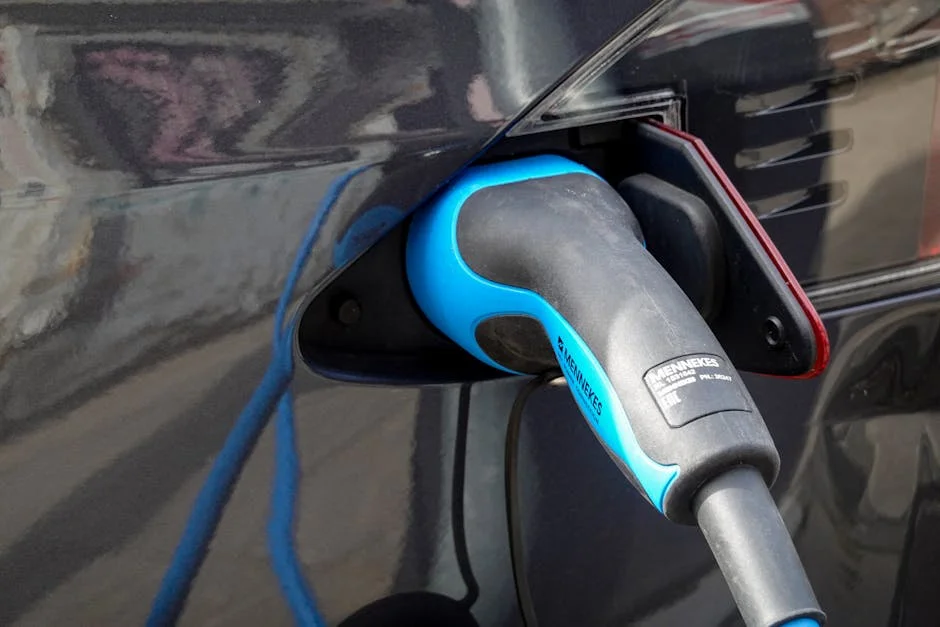
When people ask is ev cheaper than gas, the first thing that usually comes to mind is the weekly routine of filling up. Gasoline prices are easy to see on street signs, while electricity rates hide in utility bills, time-of-use plans, and charging networks. Still, the comparison can be made in a practical way: how many miles do you get per dollar? A typical gas car might average 25–35 miles per gallon, and if fuel costs $3.50–$4.50 per gallon, that works out to roughly 8–13 cents per mile just for fuel. Many EVs consume around 25–35 kWh per 100 miles. If home electricity is 12–20 cents per kWh, then “fueling” an EV at home can land around 3–7 cents per mile. The range depends heavily on local electricity costs, climate, speed, and vehicle efficiency, but the math often favors electricity—especially when charging at home on a standard residential plan or a discounted overnight rate.
Table of Contents
- My Personal Experience
- Running Costs: Electricity vs Gasoline at the Pump
- Home Charging Economics: Rates, Time-of-Use, and Real Bills
- Public Charging Costs: When EV “Fuel” Isn’t Cheap
- Upfront Price and Financing: The Purchase Cost Question
- Maintenance and Repairs: Oil Changes vs Wear Items
- Battery Degradation and Long-Term Value
- Insurance, Registration, and Taxes: Hidden Costs That Change the Math
- Expert Insight
- Driving Patterns: Commuting, Road Trips, and the Blended Cost Per Mile
- Cold Weather, Heat, and Efficiency: Seasonal Cost Swings
- Comparing Similar Vehicles: Size, Performance, and Efficiency
- Total Cost of Ownership: A Practical Way to Do the Math
- Environmental and Convenience Factors That Still Affect Cost
- Bottom Line: Is EV Cheaper Than Gas for Most Drivers?
- Watch the demonstration video
- Frequently Asked Questions
- Trusted External Sources
My Personal Experience
After a year of driving an EV, I’ve found it’s generally cheaper than gas for my routine. I used to spend around $45–$60 a week filling up my compact SUV, but now I plug in at home a few nights a week and my electric bill only bumps up by about $25–$35 most months. Public fast charging can get pricey on road trips, and I definitely notice it when I’m not charging at home, but day-to-day commuting is where the savings show up. Maintenance has been lighter too—no oil changes, and brake wear seems lower—though I did have to budget for a home charger install upfront. Overall, for my driving and electricity rates, the EV has been cheaper than gas, just not in every situation. If you’re looking for is ev cheaper than gas, this is your best choice.
Running Costs: Electricity vs Gasoline at the Pump
When people ask is ev cheaper than gas, the first thing that usually comes to mind is the weekly routine of filling up. Gasoline prices are easy to see on street signs, while electricity rates hide in utility bills, time-of-use plans, and charging networks. Still, the comparison can be made in a practical way: how many miles do you get per dollar? A typical gas car might average 25–35 miles per gallon, and if fuel costs $3.50–$4.50 per gallon, that works out to roughly 8–13 cents per mile just for fuel. Many EVs consume around 25–35 kWh per 100 miles. If home electricity is 12–20 cents per kWh, then “fueling” an EV at home can land around 3–7 cents per mile. The range depends heavily on local electricity costs, climate, speed, and vehicle efficiency, but the math often favors electricity—especially when charging at home on a standard residential plan or a discounted overnight rate.
Public charging complicates the simple “electricity is cheaper” story because not all EV charging is priced like home power. Fast chargers may bill per kWh or per minute, and rates can be high in busy corridors or premium locations. In some regions, DC fast charging can cost the equivalent of paying for gas in a fuel-efficient hybrid, particularly if the EV is less efficient at highway speeds or in cold weather. Even then, many drivers do most charging at home or at work, using public fast charging mainly for road trips. That behavior matters because the blended cost—home charging plus occasional fast charging—often stays below the cost of gasoline for the same miles. The question is ev cheaper than gas is therefore less about one universal price and more about your charging habits: if you can reliably charge at home, the odds strongly tilt toward EVs being cheaper per mile than gas cars.
Home Charging Economics: Rates, Time-of-Use, and Real Bills
Home charging is where the strongest argument that an EV is cheaper than gas typically shows up, because residential electricity is often priced lower than the energy equivalent of gasoline. A useful way to think about it is “cost per 100 miles.” Suppose an EV uses 30 kWh per 100 miles. At $0.15/kWh, that’s $4.50 for 100 miles. Compare that with a gas vehicle that gets 30 mpg: at $4.00/gallon, 100 miles costs about $13.33. Even with a more efficient gas car at 40 mpg, 100 miles costs $10.00. Over 12,000 miles a year, that can mean hundreds to over a thousand dollars in annual savings for the EV, depending on local rates and the efficiency of the gas alternative. Because most people drive predictable daily mileage, home charging can keep the EV’s fueling cost stable, while gasoline prices tend to swing with seasonality, global supply factors, and regional taxes. If you’re looking for is ev cheaper than gas, this is your best choice.
Electricity pricing is not one-size-fits-all, and that’s where many people get tripped up when deciding if an EV is cheaper than gas. Some utilities offer time-of-use plans where electricity is significantly cheaper overnight. If you charge between, say, 10 p.m. and 6 a.m., your effective rate might drop to 8–12 cents per kWh, making the per-mile cost very low. On the other hand, if you live in a region with high electricity prices—some areas can exceed 25–35 cents per kWh—home charging may approach the cost of driving a high-mpg hybrid on gasoline. There are also fixed fees, delivery charges, and tiered pricing that can raise the effective marginal rate. The most accurate method is to look at your utility bill, identify the cost per kWh including delivery, then multiply by your EV’s kWh per mile. Even with those caveats, home charging remains the most consistent way to make the answer to “is ev cheaper than gas” come out in favor of an EV.
Public Charging Costs: When EV “Fuel” Isn’t Cheap
Public charging can change the economics dramatically, and it’s a major factor for drivers who can’t charge at home. Level 2 public chargers (often found at workplaces, hotels, and shopping centers) may be free, discounted, or priced similarly to home electricity. DC fast charging, however, is where costs rise. Rates vary by network and location, but it’s not uncommon to see $0.35–$0.60 per kWh. If your EV uses 30 kWh per 100 miles, that’s $10.50–$18.00 per 100 miles, which can be comparable to or more than a gas car depending on gasoline prices and mpg. If you rely heavily on fast charging, the question “is ev cheaper than gas” becomes less predictable, and the answer can flip, especially during periods of low gasoline prices or if you drive a highly efficient gas vehicle.
That said, public charging is not always expensive. Membership plans can reduce per-kWh pricing, and some automakers include promotional charging credits. In addition, many people use public charging strategically: they charge at home most of the time and only use fast charging on trips. In that common scenario, the “average” cost per mile still tends to be lower than gasoline because the bulk of energy comes from cheaper residential electricity. Another nuance is charging speed and efficiency: fast charging often happens at higher power, and there can be additional losses compared with slower charging. Weather also matters; cold temperatures can increase consumption and reduce charging efficiency. So, if you’re trying to decide whether an EV is cheaper than gas and you can’t install home charging, it’s essential to map out nearby charging options, their pricing, and your driving routine. For many apartment dwellers, workplace charging can be the cost-saving anchor; without it, EV savings can shrink or disappear. If you’re looking for is ev cheaper than gas, this is your best choice.
Upfront Price and Financing: The Purchase Cost Question
Fuel savings alone don’t decide whether an EV is cheaper than gas, because purchase price and financing costs can outweigh day-to-day savings. EV prices have been trending downward in some segments, but many models still carry a premium versus comparable gas cars, especially when comparing trim for trim. If you finance the vehicle, a higher purchase price can mean higher monthly payments, which may reduce or negate the monthly benefit of cheaper electricity. However, the market is broad: some EVs are priced competitively with gas vehicles, and used EV inventory can offer strong value depending on battery health and warranty coverage. Incentives also play a role, including federal or regional tax credits, rebates, and utility discounts for installing home charging equipment. When those incentives apply, the upfront gap can narrow significantly, changing the outcome when someone asks, “is ev cheaper than gas” over the full ownership period.
Financing terms matter as much as sticker price. Interest rates, loan length, and insurance requirements can shift the total cost of ownership. A buyer who qualifies for a strong rate on an EV while facing a higher rate on a gas vehicle could see the EV become cheaper even if the purchase price is slightly higher. On the other hand, if you buy a used gas car outright for a low price, it can be very hard for an EV to beat it on total cost, even with cheaper fueling. The fairest comparison pairs vehicles of similar age, size, safety tech, and performance. Comparing a brand-new EV to an older, paid-off gas car can make the gas option look cheaper, but that’s often comparing different levels of reliability, warranty, and features. To answer “is ev cheaper than gas” responsibly, the purchase and financing context must be part of the calculation, not an afterthought.
Maintenance and Repairs: Oil Changes vs Wear Items
Maintenance is a major reason many drivers conclude an EV is cheaper than gas over time. Gasoline vehicles require routine oil and filter changes, engine air filters, spark plugs, transmission service (depending on design), exhaust system components, and other internal combustion-related maintenance. EVs eliminate many of those tasks because they don’t have engine oil, spark plugs, or multi-gear transmissions in the same way. EV maintenance usually centers on tire rotations, cabin air filters, brake fluid checks, coolant for battery thermal management (in many models), and occasional drive unit fluid service if specified. Because regenerative braking reduces brake wear, many EV owners report brake pads lasting significantly longer than in comparable gas vehicles. Over several years, those savings can be meaningful, especially for high-mileage drivers. If you’re looking for is ev cheaper than gas, this is your best choice.
Repairs are more complex. EVs have fewer moving parts in the drivetrain, which can reduce the frequency of certain failures, but when something does break, parts and specialized labor can be expensive. Battery-related issues are the big concern for many shoppers, yet modern EV batteries are designed for long life and usually come with robust warranties. Still, out-of-warranty battery replacement can be costly, and even non-battery repairs—like collision work—can be more expensive due to parts availability and specialized procedures. That said, gas vehicles also face expensive repairs as they age: engine work, catalytic converter issues, transmission failures, and emissions system problems can quickly add up. The question “is ev cheaper than gas” often leans toward EVs on routine maintenance, while long-term repair costs depend heavily on model, driving conditions, service network, and warranty coverage. The best approach is to look at reliability history for the specific vehicle, not just the drivetrain type.
Battery Degradation and Long-Term Value
Battery degradation influences whether an EV is cheaper than gas because it affects range, usability, and resale value. Most modern EVs are engineered with battery management systems that limit extreme charging states and control temperature, helping slow degradation. Many drivers see gradual range loss over time, often modest in the early years, though outcomes vary by climate, charging patterns, and vehicle design. If range drops enough to impact daily convenience, the owner may feel pressured to replace the vehicle sooner than planned, which can raise the effective cost per year. On the other hand, many EVs retain sufficient range for typical commuting even after years of use, and the reduced fueling and maintenance costs can still make total ownership cost favorable compared with a gas car. If you’re looking for is ev cheaper than gas, this is your best choice.
Resale value is a moving target. Used EV pricing depends on battery health, warranty transferability, brand reputation, charging speed, and how the model compares with newer EVs offering longer range and better features. Gas cars also depreciate, but their resale market is mature and familiar to buyers. If EV resale values hold well, that strengthens the argument that an EV is cheaper than gas over a full ownership cycle. If resale values drop quickly due to rapid technology improvements or shifting incentives, the purchase cost can dominate the math. A practical way to manage this uncertainty is to consider leasing, buying models with strong battery warranties, and choosing an EV with enough range buffer for your needs. When people ask “is ev cheaper than gas,” they often focus on electricity vs gasoline, but long-term value can matter just as much, especially if you plan to sell in three to five years.
Insurance, Registration, and Taxes: Hidden Costs That Change the Math
Insurance can tilt the total cost of ownership in either direction. Some EVs cost more to insure because of higher repair costs, expensive sensors, or limited body shop capacity for certain models. Higher vehicle value also pushes premiums upward. Meanwhile, many mainstream gas cars can be cheaper to insure, especially if parts are widely available and repair procedures are straightforward. However, this is not universal: some EVs have strong safety ratings and advanced driver assistance systems that can reduce claim severity, and some insurers offer EV-specific discounts. Because insurance pricing is highly personal—based on location, driving history, and coverage limits—it’s essential to get quotes on the exact models being compared. Without that step, a driver may assume an EV is cheaper than gas, only to find higher premiums offset a chunk of the fueling savings. If you’re looking for is ev cheaper than gas, this is your best choice.
Expert Insight
Compare cost per mile, not just sticker price: divide your local electricity rate (in $/kWh) by the EV’s efficiency (miles per kWh) and compare it to gas price divided by your mpg. Run the numbers for your real commute and driving mix to see whether charging at home (often cheapest) beats filling up. If you’re looking for is ev cheaper than gas, this is your best choice.
Lower your EV operating costs by optimizing charging: use off-peak or time-of-use rates, set a charging schedule, and keep tires properly inflated to improve efficiency. If you rely on public fast charging, map typical prices along your routes—frequent fast charging can narrow or erase the savings versus gas. If you’re looking for is ev cheaper than gas, this is your best choice.
Registration fees and taxes also matter. Some regions add EV fees to compensate for lost gasoline tax revenue used to maintain roads. These fees can be modest or significant, sometimes a few hundred dollars per year. Gas vehicles pay fuel taxes implicitly at the pump; EVs may pay them as a flat annual charge. Depending on mileage, that can be fair, cheaper, or more expensive. There can also be incentives that reduce EV costs, such as sales tax exemptions, rebates, or reduced registration fees. The overall impact on the “is ev cheaper than gas” question depends on your state or country, your annual mileage, and whether incentives apply. A high-mileage driver might still come out ahead with an EV even with an annual fee, while a low-mileage driver might see the fee eat into the savings. Adding these line items to your comparison prevents surprises and yields a more accurate total cost picture.
Driving Patterns: Commuting, Road Trips, and the Blended Cost Per Mile
Your driving pattern is one of the most decisive factors in whether an EV is cheaper than gas. For daily commuting and local errands, EV efficiency shines because electric motors are efficient at stop-and-go speeds, and regenerative braking recaptures energy during deceleration. Gas cars tend to be less efficient in city driving, especially larger vehicles. If you drive 10,000–15,000 miles per year mostly around town and charge at home, the savings can accumulate steadily. Conversely, if you drive mostly highway miles at high speeds, EV energy consumption can rise, narrowing the gap. Gas vehicles also become more efficient on the highway relative to city, which can reduce the advantage of electric driving. This doesn’t mean EVs are not cheaper than gas on the highway; it means the margin can shrink, making local electricity rates and the specific vehicle’s efficiency more important. If you’re looking for is ev cheaper than gas, this is your best choice.
| Cost Factor | EV (Electric Vehicle) | Gas Vehicle |
|---|---|---|
| Fuel/Energy cost per mile | Usually lower (charging at home is typically the cheapest) | Usually higher (depends heavily on local gas prices) |
| Maintenance & repairs | Typically lower (fewer moving parts; no oil changes) | Typically higher (oil changes, more engine/transmission upkeep) |
| Upfront price & incentives | Often higher sticker price, but may be offset by tax credits/rebates | Often lower sticker price, fewer purchase incentives |
Road trips introduce public fast charging, which can be priced closer to gasoline on a per-mile basis. The blended cost is the key concept: most EV owners do not fast charge every day, so the occasional higher-cost charging session doesn’t necessarily erase the annual savings. But for drivers who travel long distances frequently—sales roles, regional commuting, or constant intercity driving—fast charging may represent a large portion of total energy use. In that case, “is ev cheaper than gas” becomes a more balanced question and may depend on whether you can access discounted fast charging memberships, hotel charging, or workplace charging to reduce costs. Another subtlety is time: if you value time highly, the longer stops for charging may feel like a cost even if the dollars are lower. Financially, though, the blended cost approach—calculating total annual energy cost based on where you actually charge—gives the most realistic answer for your lifestyle.
Cold Weather, Heat, and Efficiency: Seasonal Cost Swings
Temperature affects both EV and gas vehicle efficiency, but in different ways. In cold weather, EV range can drop due to battery chemistry, cabin heating demands, and increased rolling resistance. That means more kWh per mile, which raises the effective cost per mile. If you live in a cold climate and rely on public fast charging, winter conditions can make the EV vs gas cost comparison tighter. Preconditioning the cabin while plugged in, using seat heaters instead of blasting cabin heat, and choosing an EV with an efficient heat pump can help reduce winter energy use. Gas vehicles also get worse mileage in cold weather due to longer warm-up times and winter fuel blends, but many drivers notice EV seasonal swings more because range is a headline metric. If you’re looking for is ev cheaper than gas, this is your best choice.
Hot climates can also increase energy use because air conditioning draws power and battery thermal management works harder. Still, the impact is often less severe than extreme cold, depending on the vehicle. The key takeaway for “is ev cheaper than gas” is that the cheapest scenario—mild weather, home charging, efficient driving—may not match your reality year-round. A fair comparison uses seasonal averages and considers your typical driving speed, terrain, and climate. If your region has high electricity prices during summer peak hours, time-of-use plans become important; charging overnight can keep EV fueling cheaper than gasoline even when daytime rates spike. Understanding these seasonal dynamics prevents unrealistic expectations and helps you plan charging in a way that preserves the cost advantage of electric driving.
Comparing Similar Vehicles: Size, Performance, and Efficiency
One reason debates about whether an EV is cheaper than gas get messy is that comparisons are often mismatched. A high-performance EV compared to an economy gas sedan will not produce a fair cost comparison. Likewise, comparing a compact EV to a large gas SUV can exaggerate EV savings because the gas vehicle consumes far more fuel. The most meaningful approach is to compare vehicles of similar size, weight, and performance: compact crossover EV vs compact crossover gas, midsize sedan EV vs midsize sedan gas, or pickup EV vs pickup gas. Efficiency varies widely within each category. Some EVs are exceptionally efficient; others prioritize power or large tires that reduce efficiency. Gas vehicles also range from efficient hybrids to thirsty turbocharged models. The question “is ev cheaper than gas” is best answered with a specific matchup rather than a generic statement.
Energy costs also scale with vehicle class. Larger EVs consume more kWh per mile, and larger gas vehicles consume more gallons per mile. The relative advantage depends on how electricity and gasoline prices compare in your region. If electricity is inexpensive and gasoline is expensive, the EV advantage grows—even for big vehicles. If electricity is expensive and gasoline is relatively cheap, the advantage shrinks, and an efficient hybrid can be a tough competitor. Performance expectations matter too: if you choose an EV because you want quick acceleration, you might otherwise have chosen a sportier gas vehicle with lower mpg, making the EV look even better on fuel cost. When the comparison is apples-to-apples, many drivers find EVs still come out cheaper on energy and maintenance, but the margin varies enough that doing the math for your exact shortlist is worth the effort. If you’re looking for is ev cheaper than gas, this is your best choice.
Total Cost of Ownership: A Practical Way to Do the Math
To decide if an EV is cheaper than gas for your situation, total cost of ownership (TCO) is the most useful framework. TCO includes purchase price (or lease cost), financing interest, energy cost (electricity or gasoline), maintenance, repairs, insurance, registration fees, and depreciation. Start with your annual mileage. Next, estimate energy consumption: for an EV, use kWh per 100 miles from real-world sources and multiply by your effective electricity rate at home and the share of miles you expect to fast charge; for a gas car, use realistic mpg and your local fuel price. Then estimate maintenance using typical service schedules and real owner data, not just dealer recommendations. Add insurance quotes for both vehicles. Finally, consider depreciation by looking at resale values for similar models after three to five years. This process sounds detailed, but it can be done with a spreadsheet and a few credible inputs. If you’re looking for is ev cheaper than gas, this is your best choice.
What often surprises people is how sensitive the answer can be to a few variables. If you can charge at home at 12 cents per kWh and drive 15,000 miles per year, EV energy savings can be substantial. If you pay 30 cents per kWh and rely on fast charging half the time, the savings may be modest. If your insurance premium is $600 per year higher for the EV, that can offset a meaningful part of the fuel savings. If incentives lower the EV purchase price by several thousand dollars, that can swing the outcome back. The phrase “is ev cheaper than gas” has a different answer for a homeowner with a garage than for an apartment renter with only fast chargers nearby. The most reliable conclusion comes from plugging your own numbers into a TCO approach rather than relying on national averages or someone else’s driving profile.
Environmental and Convenience Factors That Still Affect Cost
Even when focusing strictly on money, environmental and convenience factors can indirectly influence whether an EV is cheaper than gas. For example, charging at home can reduce time spent driving to gas stations, which some people treat as a quality-of-life benefit and others translate into productivity value. EVs also tend to have smoother drivetrains and fewer routine service visits, which can reduce the hassle cost of ownership. Some employers and municipalities provide free or discounted charging, preferential parking, or access to certain lanes, all of which can have tangible value. In some areas, EVs may qualify for reduced tolls or other perks that effectively lower the cost of driving. These benefits are location-specific, but they can make the EV choice more attractive even if the pure per-mile energy savings are modest. If you’re looking for is ev cheaper than gas, this is your best choice.
On the environmental side, some regions have policies that increase gasoline costs through taxes or congestion pricing, while offering credits or rebates for electric vehicles. Those policies can shift the financial comparison over time. Additionally, home solar can change the equation dramatically: if you generate a portion of your own electricity, charging an EV can become extremely inexpensive on a marginal basis, making it much easier to say an EV is cheaper than gas for your household. Of course, solar has its own upfront costs, but many homeowners already consider it for reasons beyond EV charging. The bottom line is that cost is not only about the price of electrons versus the price of gasoline; it’s also about the ecosystem around the vehicle—charging access, incentives, and the daily friction of ownership. Those factors can strengthen the real-world case for an EV even before you count the dollars. If you’re looking for is ev cheaper than gas, this is your best choice.
Bottom Line: Is EV Cheaper Than Gas for Most Drivers?
For many drivers, the answer to is ev cheaper than gas is yes—especially when home charging is available at moderate electricity rates and the comparison is made against a similar new gas vehicle. The per-mile energy cost of charging at home often undercuts gasoline by a wide margin, and reduced routine maintenance can add ongoing savings. Over several years, those advantages can offset a higher purchase price, particularly when incentives apply or when the EV is priced competitively to begin with. However, this is not guaranteed in every scenario. If you rely heavily on DC fast charging, live where electricity is expensive, drive relatively few miles per year, or face significantly higher insurance premiums, the cost advantage can shrink or even reverse. In those situations, a highly efficient gas car or hybrid may be closer in total cost, and the “cheaper” option depends on your exact numbers.
The most accurate conclusion comes from matching the vehicle to your real charging options and driving pattern, then calculating total cost with realistic inputs. Electricity rates, gasoline prices, annual mileage, and depreciation can change the result more than most people expect. Still, with the common pattern of mostly home charging and average annual driving, many households find the day-to-day cost of an EV is lower, making the ownership experience feel financially lighter month after month. If the question remains is ev cheaper than gas in your specific case, the deciding factors are usually simple: how often you can charge at home, what you pay per kWh, how much you drive, and whether the EV’s purchase price (after incentives) is close to the gas alternative. When those line up, EV ownership frequently comes out cheaper than gasoline over time.
Watch the demonstration video
In this video, you’ll learn whether driving an electric vehicle is actually cheaper than a gas car. It breaks down the real costs—electricity vs. gasoline, charging at home vs. public stations, maintenance savings, and how your driving habits and local energy prices affect what you pay over time. If you’re looking for is ev cheaper than gas, this is your best choice.
Summary
In summary, “is ev cheaper than gas” is a crucial topic that deserves thoughtful consideration. We hope this article has provided you with a comprehensive understanding to help you make better decisions.
Frequently Asked Questions
Is an EV cheaper than a gas car overall?
In many cases, **is ev cheaper than gas** over the long run—especially after a few years—because electricity typically costs less than fuel and EVs usually need less maintenance. That said, the real savings depend on the upfront purchase price, available incentives, your local gas and electricity rates, and how much you drive.
Is it cheaper to charge an EV than buy gasoline?
Usually yes per mile, especially with home charging and off-peak rates; public fast charging can narrow the savings.
How do maintenance costs compare between EVs and gas cars?
EVs are often cheaper to maintain than traditional cars since they have fewer moving parts and don’t require oil changes—though some models may go through tires a bit faster. If you’re wondering, **is ev cheaper than gas**, lower routine maintenance costs can be a big part of the savings.
Do EVs cost more to insure or register than gas cars?
Sometimes, the answer to **“is ev cheaper than gas”** depends on more than just fuel costs—insurance premiums can be higher because EV repairs often cost more, and in some areas, extra EV registration fees can eat into (or even cancel out) the savings you’d expect from charging instead of filling up.
When is a gas car cheaper than an EV?
If you drive very little, can’t charge at home, rely on expensive fast charging, or the EV’s upfront price is much higher without incentives, a gas car may be cheaper. If you’re looking for is ev cheaper than gas, this is your best choice.
Do tax credits and rebates make EVs cheaper than gas cars?
Incentives can significantly lower the effective purchase price, but eligibility depends on your location, the specific vehicle, and your buyer profile—so the savings can vary widely from one situation to the next, especially when you’re weighing questions like **is ev cheaper than gas**.
📢 Looking for more info about is ev cheaper than gas? Follow Our Site for updates and tips!

Trusted External Sources
- How much cheaper are electric cars compared to gasoline-powered …
Jul 31, 2026 … If you are comparing a gas version and an EV version of the same car, you will lose out on the EV unless you own it at least 5 (most likely more) … If you’re looking for is ev cheaper than gas, this is your best choice.
- Electric vs. Gas Cars: Is It Cheaper to Drive an EV? – NRDC
Jul 21, 2026 … A 2026 Consumer Reports study similarly showed that EV drivers tend to spend about 60 percent less each year on fuel costs compared to drivers … If you’re looking for is ev cheaper than gas, this is your best choice.
- Based on my experience driving an EV car is far more expensive …
As of Apr 20, 2026, I’ve found that charging my EV is noticeably more affordable than filling up with gasoline. Electricity where I live is about $0.15 per kWh, and since I charge at home roughly 99% of the time, my day-to-day driving costs stay low—making it clear that **is ev cheaper than gas** for my situation.
- Most-Electric-Vehicles-Are-Cheaper-Off-The-Lot … – Energy Innovation
As of May 4, 2026, our modeling shows that total cost of ownership is significantly lower for EVs than for gasoline cars. If you’re wondering **“is ev cheaper than gas”**, the numbers suggest yes—on average, EV owners save about **$6,000** over the life of the vehicle.
- EVs Are Now Cheaper Than Gas Cars in America—But Not for Long
Sep 24, 2026 … The logic is simple: Electric cars may be cleaner, cheaper to refuel and punchier from a stop than gas vehicles, but none of that carries … If you’re looking for is ev cheaper than gas, this is your best choice.