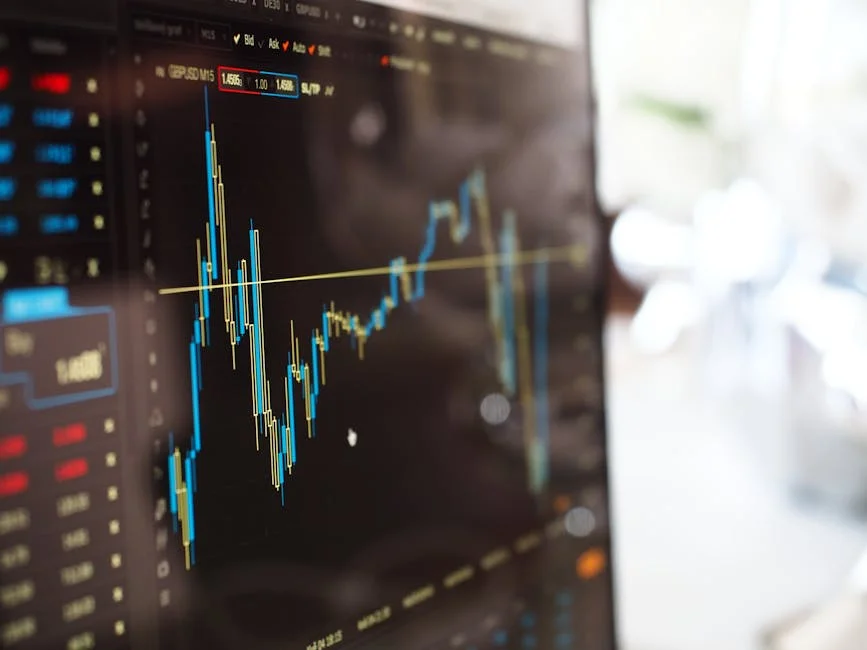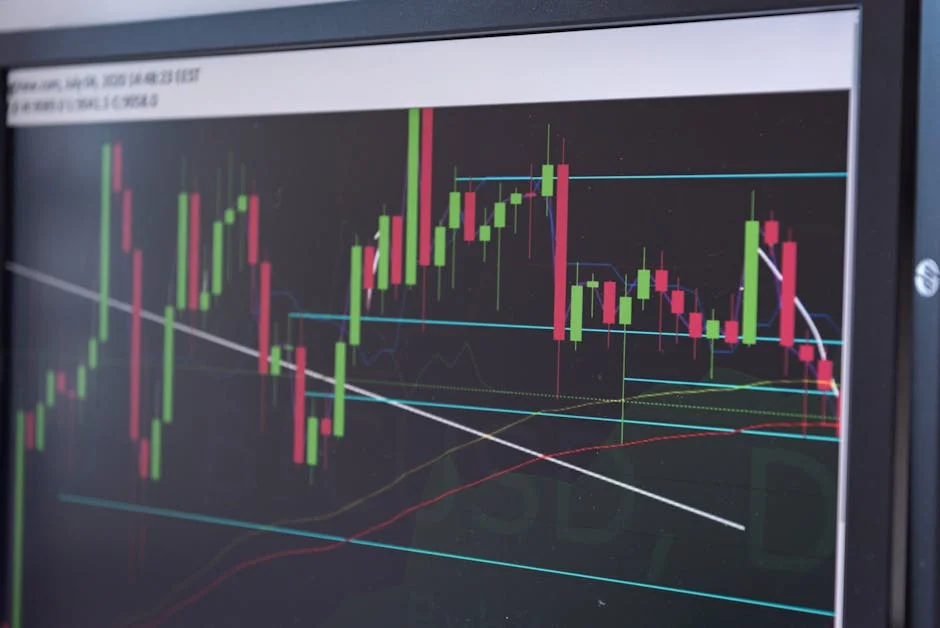
What is forex in trading? The phrase refers to participating in the foreign exchange market, where currencies are exchanged and priced against one another in real time. Instead of buying shares of a company, a trader buys one currency while simultaneously selling another, because currencies are always quoted in pairs. A quote like EUR/USD expresses how many U.S. dollars are needed to buy one euro. The market’s core purpose is practical—global commerce, travel, investment, and cross-border payments require currency conversion—but it has also become a major venue for speculation and hedging. When someone asks what is forex in trading, the most accurate answer is that it is the process of trading currency pairs to potentially profit from changes in exchange rates or to reduce financial risk from those changes. Unlike many traditional markets, the currency market is decentralized; it operates through a network of banks, brokers, liquidity providers, and electronic trading venues rather than through a single centralized exchange. This structure contributes to its scale and resilience, but it also means pricing comes from multiple sources and can vary slightly between brokers, especially during volatile periods.
Table of Contents
- My Personal Experience
- Understanding What Is Forex in Trading and Why It Matters
- How the Forex Market Works: Currency Pairs, Quotes, and Pricing
- Key Participants: Banks, Brokers, Central Banks, Funds, and Retail Traders
- Trading Sessions and Market Hours: When Forex Trading Is Most Active
- What Moves Currency Prices: Interest Rates, Inflation, Growth, and Sentiment
- Common Forex Instruments: Spot, Forwards, Futures, and CFDs
- Leverage and Margin in Forex Trading: Opportunity and Risk
- Types of Orders and Execution: Market, Limit, Stop, and Stop-Limit
- Expert Insight
- Popular Forex Trading Styles: Scalping, Day Trading, Swing Trading, and Position Trading
- Technical and Fundamental Analysis in Forex Trading: Tools and Practical Use
- Risk Management and Trading Psychology: Protecting Capital Over Time
- Costs, Spreads, Swaps, and Taxes: The Real-World Friction in Forex Trading
- Getting Started Responsibly: Education, Demo Practice, and Building a Trading Plan
- Conclusion: A Clear Answer to What Is Forex in Trading
- Watch the demonstration video
- Frequently Asked Questions
- Trusted External Sources
My Personal Experience
When I first heard people talk about “forex,” I assumed it was some complicated stock-market thing, but I learned pretty quickly it’s just trading one currency for another—like buying euros with dollars because you think the euro will rise. I opened a small demo account and watched how pairs like EUR/USD move in tiny increments, and it finally clicked that you’re not buying a company, you’re speculating on exchange rates. The part that surprised me most was how much leverage is involved; a small price change can mean a big gain or loss, so it felt fast and a little unforgiving. After a few early mistakes chasing quick moves, I started treating it more like risk management than prediction—using smaller position sizes and paying attention to news that affects currencies, like interest rate announcements. If you’re looking for what is forex in trading, this is your best choice.
Understanding What Is Forex in Trading and Why It Matters
What is forex in trading? The phrase refers to participating in the foreign exchange market, where currencies are exchanged and priced against one another in real time. Instead of buying shares of a company, a trader buys one currency while simultaneously selling another, because currencies are always quoted in pairs. A quote like EUR/USD expresses how many U.S. dollars are needed to buy one euro. The market’s core purpose is practical—global commerce, travel, investment, and cross-border payments require currency conversion—but it has also become a major venue for speculation and hedging. When someone asks what is forex in trading, the most accurate answer is that it is the process of trading currency pairs to potentially profit from changes in exchange rates or to reduce financial risk from those changes. Unlike many traditional markets, the currency market is decentralized; it operates through a network of banks, brokers, liquidity providers, and electronic trading venues rather than through a single centralized exchange. This structure contributes to its scale and resilience, but it also means pricing comes from multiple sources and can vary slightly between brokers, especially during volatile periods.

The foreign exchange market is frequently described as the largest financial market in the world, with activity driven by corporations paying international invoices, investors reallocating global portfolios, central banks managing monetary policy, and individuals seeking opportunities in price movement. A key reason forex trading attracts attention is accessibility: many brokers allow relatively small account sizes, offer leverage, and provide platforms with charts and order tools. Yet accessibility can be misleading if it encourages underestimating risk. Exchange rates can move quickly due to economic data releases, geopolitical events, interest-rate expectations, and shifts in market sentiment. Understanding what is forex in trading also requires recognizing that forex prices reflect a constant tug-of-war between two economies, two interest-rate regimes, and two sets of expectations. Because each quote is a ratio, a currency can strengthen for multiple reasons—higher yields, safer-haven demand, stronger growth prospects—or weaken due to uncertainty, inflation fears, or policy shifts. This two-sided nature is a defining characteristic of forex trading and shapes how strategies are built, how risk is managed, and how performance should be measured over time.
How the Forex Market Works: Currency Pairs, Quotes, and Pricing
To understand forex trading in practical terms, it helps to break down currency pairs, the bid/ask mechanism, and the way prices are formed. Currency pairs are typically categorized as major pairs (like EUR/USD, GBP/USD, USD/JPY), minor pairs (like EUR/GBP), and exotics (like USD/TRY). Each pair has a base currency (first) and a quote currency (second). If EUR/USD is 1.1000, that indicates one euro costs 1.10 U.S. dollars. When a trader “buys” EUR/USD, they are buying euros and selling dollars; when they “sell” EUR/USD, they are selling euros and buying dollars. This is why forex trading is naturally suited for expressing a view on relative strength: it is not merely about one currency rising or falling, but about whether it will outperform the other currency in the pair over a given horizon. If you’re looking for what is forex in trading, this is your best choice.
Pricing in the forex market comes from liquidity providers and is presented to traders through a broker’s platform. The bid price is what the market will pay to buy the base currency (the price at which you can sell), and the ask price is what the market will charge to sell the base currency (the price at which you can buy). The difference is the spread, which is a primary cost of trading. In highly liquid major pairs, spreads can be very tight, while exotics often have wider spreads due to lower liquidity and higher perceived risk. Beyond the spread, some accounts charge commissions or include markups. Market execution, slippage, and liquidity conditions also influence the actual fill price, especially during news events when prices can gap. A crucial aspect of forex trading is that it runs nearly 24 hours a day from Monday to Friday, following the global handoff from Asia to Europe to North America. Liquidity and volatility vary by session; for example, EUR/USD often sees strong activity during the London and New York overlap. Understanding these mechanics helps explain why the same strategy may behave differently depending on the pair, the time of day, and the prevailing market conditions. If you’re looking for what is forex in trading, this is your best choice.
Key Participants: Banks, Brokers, Central Banks, Funds, and Retail Traders
The forex market is a layered ecosystem where different participants influence liquidity, volatility, and longer-term direction. At the top of the hierarchy are large commercial and investment banks that make markets, provide liquidity, and facilitate international flows for corporate and institutional clients. They quote prices to one another in the interbank market and to customers through various channels. Corporations are another major participant, typically using currency conversion to pay suppliers, manage overseas revenue, or hedge exposure created by global operations. For example, a European company selling goods in the United States may receive dollars and later convert to euros, creating ongoing flows that can matter when aggregated across industries and seasons. Funds—such as macro hedge funds, asset managers, and pension funds—enter the market to implement views on growth, inflation, and interest-rate differentials or to hedge international holdings. These participants may hold positions for weeks or months, and their activity can reinforce longer-term trends. If you’re looking for what is forex in trading, this is your best choice.
Central banks play a unique role because they set policy rates, guide market expectations through communication, and sometimes intervene directly in currency markets. A shift in interest-rate outlook can alter the yield advantage of one currency versus another, which can quickly change forex pricing. Even when central banks do not intervene, their credibility and forward guidance can move markets. Retail traders participate through brokers, typically using margin accounts that allow leveraged exposure. Their influence on broad market direction is generally smaller than that of institutions, but retail activity can contribute to short-term flows in some pairs and at certain times. Understanding forex trading also means understanding incentives: banks seek to facilitate transactions and manage risk; corporations want stability and predictable cash flows; funds want returns relative to benchmarks; central banks target inflation and financial stability; retail traders often focus on short-term price movement. Each group’s objectives, time horizons, and risk constraints create the complex, constantly shifting landscape that makes forex trading both dynamic and challenging. If you’re looking for what is forex in trading, this is your best choice.
Trading Sessions and Market Hours: When Forex Trading Is Most Active
Forex trading operates across a rolling global schedule, opening with the Asia-Pacific session, moving through Europe, and then into North America before cycling back. Because there is no single exchange, the market’s “open” and “close” are more about when liquidity providers and brokers are active. Activity tends to be lighter at the start of the week and can thin out late on Fridays as participants reduce risk ahead of the weekend. The most liquid and often most volatile periods occur when major financial centers are open, particularly during the overlap between London and New York. During that overlap, economic data releases from the United States can collide with active European participation, frequently producing strong moves in pairs like EUR/USD and GBP/USD. In contrast, during the late U.S. session, liquidity may decrease, and spreads can widen, which changes the cost structure of forex trading. If you’re looking for what is forex in trading, this is your best choice.
Different currency pairs have “home” sessions where they are typically more active. USD/JPY and AUD/USD often see meaningful movement during the Asian session, while EUR-related pairs can be more energetic during the European morning. However, major news can shift the pattern; a surprise inflation print or a central bank statement can trigger volatility regardless of session. Another aspect traders watch is the timing of scheduled events such as interest-rate decisions, employment reports, inflation data, and GDP releases. These events can cause rapid repricing and slippage, which is why disciplined risk management is essential in forex trading. Understanding when the market is most active helps align strategy with conditions: a short-term approach might prefer high liquidity and momentum during overlaps, while a longer-term approach may care less about intraday timing and more about macro trends and weekly closes. By matching the trading style to the session characteristics, traders can reduce friction costs and avoid placing trades in conditions that do not support their method. If you’re looking for what is forex in trading, this is your best choice.
What Moves Currency Prices: Interest Rates, Inflation, Growth, and Sentiment
Currency prices move for many reasons, but interest-rate expectations are among the most powerful drivers. When one country offers higher yields than another, its currency can become more attractive, especially if investors believe the higher yield is sustainable and not offset by rising risk. Central bank policy decisions, forward guidance, and inflation dynamics shape these yield differentials. Inflation matters because it influences real purchasing power and policy responses. If inflation is persistently high, a central bank may raise rates, which can support the currency; however, if inflation is high due to instability or supply shocks, it may undermine confidence, weakening the currency. Economic growth also matters: stronger growth can attract investment and support a currency, but if growth leads to large trade deficits or overheating, the effect can reverse. Because forex trading is relative, what matters is not only the absolute condition of one economy but how it compares with the other currency in the pair. If you’re looking for what is forex in trading, this is your best choice.

Beyond macro fundamentals, market sentiment and risk appetite can drive rapid moves. In “risk-on” environments, investors may favor higher-yielding or growth-linked currencies, while in “risk-off” environments, they may seek perceived safe havens. Correlations can appear between currencies and other markets such as equities, commodities, and bonds, but these relationships can change over time. Geopolitical developments, elections, and policy uncertainty can also shift expectations quickly. Another important factor is positioning: if a large share of market participants is already long a currency, even good news can fail to push it higher because the buying has already occurred; conversely, crowded trades can unwind violently. This is why forex trading often reacts not just to the headline data, but to whether the data was better or worse than expected, how it changes the policy outlook, and how it interacts with existing positioning. Understanding these drivers helps traders interpret price action more effectively and avoid simplistic narratives that ignore the market’s forward-looking nature. If you’re looking for what is forex in trading, this is your best choice.
Common Forex Instruments: Spot, Forwards, Futures, and CFDs
Forex exposure can be accessed through different instruments, each with distinct mechanics and risk profiles. Spot forex is the most common form discussed in retail forex trading; it refers to the current exchange rate for immediate settlement, though in practice settlement is typically two business days for many pairs. Retail platforms often present spot trading as immediate, but the underlying market conventions still exist, and many platforms roll positions at the end of the trading day, which can lead to swap or rollover charges. Forwards are customized over-the-counter agreements between parties to exchange currencies at a future date at an agreed rate. They are widely used by corporations to hedge currency risk associated with international payments. Futures are standardized contracts traded on exchanges, offering transparency and centralized clearing, which can reduce counterparty risk. However, futures have fixed contract sizes and expirations, which may be less flexible for some participants. If you’re looking for what is forex in trading, this is your best choice.
In many regions, retail traders also use contracts for difference (CFDs) to speculate on currency price movements without owning the underlying currencies. CFDs can offer flexible sizing and easy access, but they often involve leverage and are subject to broker terms, financing costs, and regulatory constraints. Choosing an instrument depends on objectives: hedgers often prefer forwards or options to match cash flows; speculative traders may prefer spot or CFDs for ease of execution; some prefer futures for exchange-based structure. Understanding forex trading includes understanding costs such as spreads, commissions, financing or swap, and potential tax or regulatory implications depending on jurisdiction. It also includes appreciating that the instrument’s structure can affect how positions behave during volatility, how margin is calculated, and how orders are executed. A trader who understands these differences can select the vehicle that aligns with their time horizon, risk tolerance, and operational needs rather than defaulting to whatever is most heavily marketed. If you’re looking for what is forex in trading, this is your best choice.
Leverage and Margin in Forex Trading: Opportunity and Risk
Leverage is one of the most distinctive features of forex trading for retail participants. It allows a trader to control a larger position with a smaller amount of capital, using margin as collateral. For example, with 30:1 leverage, controlling a $30,000 position might require roughly $1,000 in margin, depending on the broker’s rules and the pair’s margin rate. This can amplify gains, but it also amplifies losses, and it can lead to rapid drawdowns if the market moves against the position. Margin requirements can change during volatile periods, and brokers may increase margin on certain pairs when liquidity is thin or risk is elevated. If account equity falls below maintenance levels, a margin call or forced liquidation can occur, closing positions at unfavorable prices. Understanding what is forex in trading includes understanding that leverage is not a bonus feature; it is a risk multiplier that must be handled with strict controls.
Responsible leverage use is closely tied to position sizing and stop-loss discipline. Many experienced traders think in terms of risk per trade rather than leverage ratios, setting a maximum percentage of account equity they are willing to lose on a single idea. They then adjust position size based on the distance to a stop-loss level, the pair’s volatility, and the account’s risk limits. This approach can keep losses survivable even when the market behaves unexpectedly. Another important element is the effect of leverage on psychology. High leverage can make normal market noise feel like a crisis because small price fluctuations translate into large account swings. That stress can lead to impulsive decisions, revenge trading, or moving stops farther away. Financing costs also matter: leveraged positions held overnight may incur swaps that can accumulate over time, particularly in pairs with large interest-rate differentials. Understanding these mechanics helps traders see leverage as a tool that must be constrained by a robust risk framework rather than as a shortcut to fast profits. If you’re looking for what is forex in trading, this is your best choice.
Types of Orders and Execution: Market, Limit, Stop, and Stop-Limit
Order types are the practical language of forex trading, translating a market view into executable instructions. A market order fills at the best available price, prioritizing execution over price precision. In fast-moving conditions, the fill may differ from the last quoted price due to slippage. A limit order specifies a price at which a trader is willing to buy or sell; it prioritizes price but may not fill if the market does not reach that level. Stop orders are commonly used for entries and exits. A buy stop might be placed above current price to enter on momentum, while a sell stop might be placed below to enter on a breakdown. Stop-loss orders are a risk control tool intended to cap losses, but they are not always guaranteed at the exact level in highly volatile markets, especially if gaps occur. Some brokers offer guaranteed stops for a fee, depending on regulations and product offerings. If you’re looking for what is forex in trading, this is your best choice.
| Aspect | Forex (Foreign Exchange) | Stocks | Crypto |
|---|---|---|---|
| What you trade | Currency pairs (e.g., EUR/USD) — the value of one currency vs another | Shares of a company (e.g., AAPL) | Digital assets (e.g., BTC/USD) |
| Market hours & liquidity | 24/5 global market; typically very high liquidity in major pairs | Exchange hours; liquidity varies by stock and exchange | 24/7; liquidity varies widely by coin and venue |
| Volatility & leverage | Often moderate volatility; leverage commonly available (amplifies gains/losses) | Volatility varies; leverage via margin with stricter limits | Often high volatility; leverage available on some platforms, higher risk |
Expert Insight
Forex (foreign exchange) trading is the buying and selling of currency pairs—like EUR/USD—where one currency is exchanged for another, aiming to profit from price movements driven by interest rates, economic data, and market sentiment. Start by focusing on one or two major pairs and track a simple daily routine: check the economic calendar, note key releases (CPI, jobs data, central bank decisions), and avoid entering new trades right before high-impact announcements unless you have a clear plan. If you’re looking for what is forex in trading, this is your best choice.
Because forex uses leverage, risk control matters more than prediction. Set a fixed risk per trade (for example, 1% of your account), place a stop-loss at a logical level (beyond recent support/resistance), and calculate position size so the stop-loss equals your chosen risk. Keep a brief trading journal to record entry reason, stop/target, and outcome—then review weekly to spot patterns and tighten your process. If you’re looking for what is forex in trading, this is your best choice.
Stop-limit orders combine elements of stops and limits: once the stop price is triggered, the order becomes a limit order with a specified worst acceptable price. This can reduce slippage but increases the risk of not being filled during sharp moves. Execution quality also depends on broker model, liquidity access, and platform stability. Some brokers use straight-through processing, routing orders to liquidity providers, while others may internalize flow. Regardless of model, it is important to evaluate spreads, average slippage, re-quote frequency, and how the broker behaves during news events. Understanding forex trading includes understanding that execution is part of the strategy’s edge or drag; two traders with the same signals can get different results if one consistently pays wider spreads or experiences worse slippage. This is why many traders test with small size, review trade reports, and track average transaction costs before scaling up. Order choice should match the intention: limits can reduce costs in ranging markets, while stops can help capture breakouts, but each comes with trade-offs that influence outcomes over hundreds of trades. If you’re looking for what is forex in trading, this is your best choice.
Popular Forex Trading Styles: Scalping, Day Trading, Swing Trading, and Position Trading
Forex trading can be approached through multiple styles, each defined by holding period, trade frequency, and sensitivity to transaction costs. Scalping involves taking many short-duration trades aiming for small price moves. Because profits per trade can be modest, scalpers are highly sensitive to spreads, execution speed, and slippage. They often trade during the most liquid sessions and may focus on pairs with tight spreads. Day trading holds positions intraday and typically closes before the trading day ends to avoid overnight financing costs and gap risk. Day traders may rely on intraday technical levels, session highs and lows, and scheduled news events, balancing opportunity with the need for disciplined stops. Swing trading holds positions for days to weeks, aiming to capture larger moves driven by multi-day trends, breakouts, or mean reversion. This style can be less sensitive to spreads but more exposed to overnight events and swaps. Position trading holds for weeks to months, often based on macro themes like interest-rate cycles or long-term valuation shifts. If you’re looking for what is forex in trading, this is your best choice.

Choosing a style is not just about preference; it must match time availability, temperament, and the ability to follow a consistent process. A trader with a full-time job might struggle to scalp effectively, while a trader who dislikes holding risk overnight may find swing trading stressful. The best style is often the one that can be executed with the highest consistency and least emotional strain. Strategy selection should also account for market regime. During strong trends, swing and position approaches may thrive, while during choppy ranges, mean reversion or shorter-term tactics may perform better. Understanding what is forex in trading includes recognizing that no style is inherently superior; each has its own failure modes. Scalping can be undermined by a sudden spread widening; day trading can be disrupted by unexpected news; swing trading can be hit by weekend gaps; position trading can suffer long drawdowns if the macro thesis takes time to play out. A realistic plan aligns style with risk controls, expected win rate, average reward-to-risk, and the trader’s capacity to endure losing streaks without abandoning the method.
Technical and Fundamental Analysis in Forex Trading: Tools and Practical Use
Technical analysis in forex trading focuses on price action, chart patterns, indicators, and market structure to identify potential entries and exits. Common tools include support and resistance, trendlines, moving averages, RSI, MACD, and volatility measures like ATR. Technical traders may watch for breakouts from consolidation, retests of key levels, or momentum divergences. Because forex is highly liquid in major pairs, technical levels can sometimes become self-reinforcing, as many participants observe similar zones and place orders around them. However, technical analysis works best when combined with clear risk parameters, because no pattern guarantees an outcome. A clean setup can fail due to a sudden data surprise or a shift in risk sentiment. For this reason, technical methods often incorporate stop-loss placement based on structure rather than hope, and position sizing based on volatility and acceptable account risk. If you’re looking for what is forex in trading, this is your best choice.
Fundamental analysis examines economic indicators, central bank policy, inflation trends, labor markets, trade balances, and broader macro conditions. A fundamental trader might monitor interest-rate differentials, yield curves, and central bank communication to assess likely currency direction. For example, if one central bank is expected to cut rates while another is expected to hike, the currency with the improving yield outlook may strengthen, all else equal. Yet fundamentals can be slow to play out and can be overshadowed by short-term positioning or unexpected shocks. Many traders therefore blend the two approaches: fundamentals to determine bias and technicals to time entries and manage trades. This hybrid approach can help avoid taking technically attractive trades that conflict with a powerful macro driver, or holding a macro view without a disciplined exit plan. Understanding forex trading includes understanding that analysis is only valuable when it leads to repeatable decisions: what conditions trigger a trade, what invalidates the idea, how much is at risk, and how profits are taken. Without those rules, even good analysis can turn into inconsistent execution. If you’re looking for what is forex in trading, this is your best choice.
Risk Management and Trading Psychology: Protecting Capital Over Time
Risk management is the backbone of forex trading because the market can remain unpredictable longer than any single position can remain solvent. Effective risk management starts with defining maximum risk per trade and maximum risk across correlated positions. Because many currency pairs share common drivers—such as USD exposure—holding multiple trades can unintentionally concentrate risk. For example, being long EUR/USD and long GBP/USD both express weakness in the dollar; if the dollar strengthens broadly, both trades can lose together. Managing correlation helps prevent a single macro event from damaging the account disproportionately. Another key practice is setting realistic stop-loss levels that reflect volatility. Stops placed too tightly may get triggered by normal price fluctuations, while stops placed too loosely can create large losses that require many wins to recover. Many traders use a consistent framework such as risking 0.5% to 2% of account equity per trade, adjusting size based on stop distance and pair volatility rather than on confidence. If you’re looking for what is forex in trading, this is your best choice.
Trading psychology is inseparable from risk management because emotions often sabotage discipline. Fear can cause premature exits or missed entries, while greed can lead to over-leveraging or refusing to take profits. Loss aversion can encourage moving stops farther away, turning manageable losses into large ones. A sustainable forex trading routine often includes pre-trade checklists, journaling, and post-trade review to identify recurring mistakes. It also includes acceptance of uncertainty: even a strong strategy may have losing streaks, and success depends on following the process through those periods. Another psychological challenge is the constant availability of the market. Because forex trading is nearly 24/5, it can tempt traders to overtrade, chasing action rather than waiting for high-quality setups. Setting boundaries—such as specific trading hours, maximum trades per day, and mandatory breaks after losses—helps maintain clarity. Over time, the goal is not to avoid losses entirely but to keep losses small enough that the account can survive long enough for the edge, if present, to express itself across many trades. If you’re looking for what is forex in trading, this is your best choice.
Costs, Spreads, Swaps, and Taxes: The Real-World Friction in Forex Trading
Forex trading costs can quietly determine whether a strategy is viable. The most visible cost is the spread, the difference between bid and ask. Tight spreads are common in major pairs during liquid hours, but spreads can widen during low liquidity or high volatility, increasing the cost of entering and exiting. Some accounts also charge commissions, often in exchange for lower spreads. A trader should evaluate total transaction cost, not just advertised spreads, because execution quality and slippage can add hidden costs. Slippage occurs when an order fills at a different price than expected, often during rapid moves or around news releases. While slippage can occasionally be positive, it is more commonly negative and should be accounted for in backtesting and forward testing assumptions. Another cost is swap or rollover, which is the financing adjustment for holding positions overnight. Depending on the interest-rate differential and broker markup, a trader may pay or receive swap. Over time, swap can materially affect performance, particularly for strategies that hold trades for days or weeks. If you’re looking for what is forex in trading, this is your best choice.

Taxes and regulation vary widely by jurisdiction, and they influence the net results of forex trading. Some regions treat currency gains as capital gains, while others may treat them as ordinary income; some have specific rules for derivatives like CFDs or futures. Recordkeeping is therefore essential: keeping statements, documenting trades, and understanding how realized and unrealized gains are treated can prevent unpleasant surprises. Another real-world friction is platform and broker reliability. Outages, delayed quotes, or failed order placement can occur and may be most damaging during volatile periods. Traders often mitigate this by using reputable, regulated brokers, maintaining stable internet access, and avoiding oversized positions that cannot tolerate execution issues. Understanding what is forex in trading includes understanding that profitability is not only about predicting direction; it is also about minimizing avoidable costs, choosing appropriate instruments, and operating within a legal and regulatory framework. When costs are modeled honestly, many unrealistic strategies are filtered out early, leaving a smaller set of approaches that can survive in live conditions.
Getting Started Responsibly: Education, Demo Practice, and Building a Trading Plan
Starting forex trading responsibly means building competence before committing meaningful capital. Many beginners focus on finding a “best” indicator or a secret strategy, but a more durable approach is learning market mechanics, order execution, risk sizing, and the common drivers of currency movement. A demo account can be useful for learning a platform, practicing order types, and understanding how spreads and swaps behave across sessions. However, demo results can differ from live results because emotional pressure is reduced and execution may not perfectly match live conditions. A practical progression is to move from demo to small live positions, treating early trades as tuition while focusing on consistent process rather than profit. Keeping a trading journal that records entry rationale, risk amount, exit decisions, and emotional state helps identify whether mistakes are technical (poor setup quality) or behavioral (impulsivity, hesitation, overconfidence). Over time, patterns become visible and can be corrected with specific rules. If you’re looking for what is forex in trading, this is your best choice.
A trading plan is the bridge between knowledge and execution. It should define the market(s) traded, the timeframes used, the setup criteria, the entry trigger, the stop-loss method, the take-profit approach, and the maximum risk limits. It should also define what to do during major news events, whether to hold trades over weekends, and how to respond after a series of losses. Many traders add a routine: pre-market scan, key levels, scheduled data, and a post-session review. The plan should be tested with historical charts and then validated with forward testing, because markets change and a strategy must prove it can function in current conditions. Understanding forex trading at a practical level means accepting that consistency comes from repeatable decisions, not from occasional lucky wins. By emphasizing process, a new trader can avoid common pitfalls like over-leveraging, random entries, and abandoning a method after a small sample of trades. Progress in forex trading is often slow and incremental, but careful preparation increases the probability of staying in the game long enough to develop genuine skill. If you’re looking for what is forex in trading, this is your best choice.
Conclusion: A Clear Answer to What Is Forex in Trading
What is forex in trading? It is the act of buying one currency and selling another as a pair, seeking to profit from exchange-rate changes or to hedge currency risk arising from global business and investment. The market is decentralized, highly liquid in major pairs, and influenced by a mix of macro fundamentals, central bank policy, sentiment, and positioning. Forex trading offers flexible access and diverse styles—from short-term scalping to long-term macro positioning—but it also involves leverage, fast-moving prices, and real costs like spreads, slippage, and swaps. Success depends less on prediction and more on disciplined risk management, thoughtful strategy selection, and consistent execution under pressure. When the mechanics, costs, and risks are understood clearly, forex trading becomes easier to evaluate realistically: not as a guaranteed income source, but as a demanding financial activity where preparation, restraint, and accountability matter as much as market insight.
Watch the demonstration video
In this video, you’ll learn what forex (foreign exchange) trading is and how it works. It explains how currencies are bought and sold in pairs, what drives exchange rate changes, and why traders use forex to speculate or manage risk. You’ll also get a quick overview of key terms like pips, spreads, and leverage. If you’re looking for what is forex in trading, this is your best choice.
Summary
In summary, “what is forex in trading” is a crucial topic that deserves thoughtful consideration. We hope this article has provided you with a comprehensive understanding to help you make better decisions.
Frequently Asked Questions
What is forex in trading?
Forex (foreign exchange) trading is the buying and selling of currencies to profit from changes in exchange rates.
How does forex trading work?
In forex, trades happen in currency pairs like EUR/USD, where you’re essentially betting on which currency will strengthen and which will weaken. If you’re wondering **what is forex in trading**, it’s the process of buying one currency while selling another to profit from changes in their exchange rate.
What are major, minor, and exotic currency pairs?
In the forex market, currency pairs are typically grouped into three categories: **majors**, **minors**, and **exotics**. Majors always feature the **USD** alongside another heavily traded currency, while minors are widely traded pairs that **don’t include the USD**. Exotics, on the other hand, match a major currency with a **less-traded** one—an important distinction to understand when learning **what is forex in trading**.
What is a pip in forex?
A pip is the standard unit used to measure how much a currency pair’s price moves, helping traders calculate profits and losses—an essential concept to understand when learning **what is forex in trading**.
What is leverage in forex trading?
Leverage lets you control a larger position with a smaller deposit (margin), which can amplify both profits and losses.
When is the forex market open?
Forex trading runs 24 hours a day, five days a week, moving through the major global sessions—Sydney, Tokyo, London, and New York—so there’s almost always a market open. If you’re wondering **what is forex in trading**, it’s the buying and selling of currencies, and this round-the-clock schedule is one of the reasons traders can find opportunities at different times of the day.
? Looking for more info about what is forex in trading? Follow Our Site for updates and tips!

Trusted External Sources
- What is Forex Trading & How Does it Work – BofA Securities
The foreign exchange market, often called forex, is a worldwide, decentralized marketplace where currencies are bought and sold around the clock. If you’ve ever wondered **what is forex in trading**, it’s essentially the process of exchanging one currency for another—driven by supply and demand—so traders can potentially profit from changes in exchange rates. It’s one of the largest and most liquid financial markets in the world, influenced by everything from economic news and interest rates to global events and market sentiment.
- ELI5: what is forex trading actually!? : r/explainlikeimfive – Reddit
Jul 27, 2026 … It’s in the name. Forex stands for Foreign Exchange. You buy and sell currency using another currency. For instance, if you buy 1 Euro for … If you’re looking for what is forex in trading, this is your best choice.
- What is Forex (FX) Trading and How Does it Work? | IG International
Forex trading—often called foreign exchange or simply FX—is the process of exchanging one currency for another, whether to profit from price movements or to support international business and travel. If you’re wondering **what is forex in trading**, it’s essentially participating in one of the world’s busiest financial markets, where currencies are bought and sold around the clock across global trading centers.
- What Is Forex? | Charles Schwab Futures and Forex
At its core, **what is forex in trading**? It’s the process of exchanging one country’s currency for another—buying one while selling the other at the same time. Traders aim to profit from changes in exchange rates as currency values rise and fall relative to each other.
- Everything you need to know about forex – Saxo Bank
If you’ve ever wondered **what is forex in trading**, it’s simply the global marketplace where currencies are exchanged—meaning you buy one currency while selling another, aiming to benefit from changes in their relative values.