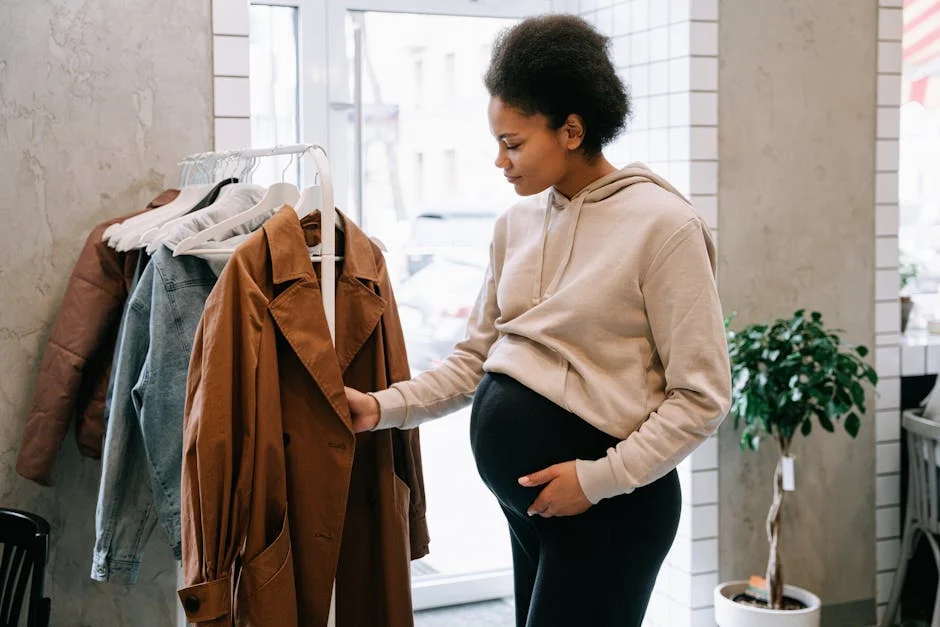
A pregnancy capsule wardrobe is a practical way to stay comfortable and feel put-together while your body changes week by week. Instead of buying a closet full of items that only work for a short phase, a capsule approach focuses on a small set of versatile pieces that mix and match easily. That matters because pregnancy often comes with shifting proportions, fluctuating temperature preferences, and a calendar full of appointments, errands, and social events. When you can reach for clothing that reliably fits and looks intentional, you reduce daily decision fatigue and avoid the frustration of trying on multiple outfits that suddenly feel restrictive. A well-planned maternity capsule also supports your budget, since you invest in fewer items but choose better fabrics, adjustable details, and silhouettes that can adapt from the first trimester through postpartum. The result is a wardrobe that serves you instead of demanding constant replacements.
Table of Contents
- My Personal Experience
- Why a Pregnancy Capsule Wardrobe Makes Everyday Life Easier
- How to Choose a Color Palette and Style Direction That Lasts
- Fabric and Fit Priorities: Comfort, Breathability, and Stretch
- Core Tops: Tees, Tanks, and Blouses That Layer Effortlessly
- Bottoms That Work Hard: Maternity Leggings, Jeans, and Skirts
- Dresses and Jumpsuits: One-Piece Outfits for Instant Polish
- Layers and Outerwear: Cardigans, Blazers, and Jackets That Still Fit
- Footwear for Pregnancy: Support, Swelling, and Everyday Versatility
- Expert Insight
- Undergarments and Loungewear: The Hidden Backbone of a Capsule
- Workwear and Occasion Looks: Staying Polished with Fewer Pieces
- Seasonal Planning: Building a Capsule for Summer, Winter, and Everything Between
- Shopping Strategy and Budget: Buying Less but Getting More Wear
- Styling Formulas and Outfit Repeats: Making a Small Wardrobe Feel Fresh
- Transitioning After Birth: Extending the Capsule into Postpartum
- Final Thoughts: Building a Wardrobe That Supports You
- Watch the demonstration video
- Frequently Asked Questions
- Trusted External Sources
My Personal Experience
When I hit my second trimester, I realized I was wasting time (and money) trying to “make it work” with my old jeans and random oversized tops, so I built a small pregnancy capsule wardrobe instead. I kept it simple: two pairs of maternity leggings, one pair of stretchy jeans, a black ribbed dress, a midi skirt with a soft waistband, and a handful of breathable tees and tanks that actually covered my bump. I added one cardigan and one denim jacket for layering, plus sneakers and a pair of slip-on flats because bending down to tie laces got old fast. Sticking to mostly black, cream, and olive meant everything matched, and getting dressed stopped feeling like a daily negotiation with my closet. The best part was how calm it made mornings—less clutter, fewer “nothing fits” meltdowns, and I still felt like myself in photos.
Why a Pregnancy Capsule Wardrobe Makes Everyday Life Easier
A pregnancy capsule wardrobe is a practical way to stay comfortable and feel put-together while your body changes week by week. Instead of buying a closet full of items that only work for a short phase, a capsule approach focuses on a small set of versatile pieces that mix and match easily. That matters because pregnancy often comes with shifting proportions, fluctuating temperature preferences, and a calendar full of appointments, errands, and social events. When you can reach for clothing that reliably fits and looks intentional, you reduce daily decision fatigue and avoid the frustration of trying on multiple outfits that suddenly feel restrictive. A well-planned maternity capsule also supports your budget, since you invest in fewer items but choose better fabrics, adjustable details, and silhouettes that can adapt from the first trimester through postpartum. The result is a wardrobe that serves you instead of demanding constant replacements.

Beyond convenience, a pregnancy capsule wardrobe can support confidence at a time when many people feel disconnected from their usual style. It’s common to feel like your body is changing faster than your identity can keep up, and clothing can either amplify that discomfort or help you feel grounded. A capsule helps you define a consistent color palette, a repeatable outfit formula, and a small collection of silhouettes you actually like seeing on your body. The goal is not to hide a bump or force a certain “maternity look,” but to make your daily clothing choices feel aligned with your preferences. A streamlined maternity capsule also encourages mindful purchasing: you can prioritize breathable materials, gentle waistbands, supportive bras, and shoes that accommodate swelling. When each item earns its place, you end up with fewer “maybe” garments and more pieces you truly want to wear.
How to Choose a Color Palette and Style Direction That Lasts
A successful pregnancy capsule wardrobe usually starts with a clear palette, because color coordination is what makes a small number of pieces create many outfits. Neutrals are popular for a reason: black, navy, charcoal, cream, and camel can anchor looks across seasons and settings. That said, a capsule doesn’t have to be bland. Adding one or two accent colors—like olive, rust, burgundy, soft pink, or cobalt—can keep outfits from feeling repetitive. The key is to pick shades you already enjoy wearing and that suit your lifestyle. If you attend professional meetings, you may want deeper, more formal tones. If you work from home or spend most days running errands, lighter and softer shades might feel more relaxed. The palette also helps when you need to buy something quickly; you’ll know instantly whether it fits your system.
Style direction matters just as much as color. A pregnancy capsule wardrobe works best when you choose a few silhouettes that feel like “you,” then repeat them with small variations. Some people feel best in fitted tops and looser bottoms; others prefer flowy dresses with a defined waist seam above the bump. Consider what you reached for before pregnancy: structured blazers, sporty layers, bohemian dresses, minimalist basics, or classic denim. Then translate those preferences into bump-friendly versions. If you dislike fussy details now, you’ll likely dislike them more later, so prioritize comfort and ease of dressing. Think about necklines, sleeve lengths, and hemlines that make you feel confident, and avoid buying items that only match a fantasy version of your life. A cohesive maternity capsule isn’t about copying someone else’s checklist; it’s about building a small wardrobe that supports your real routine, climate, and personal taste.
Fabric and Fit Priorities: Comfort, Breathability, and Stretch
Fabric choice is the foundation of a pregnancy capsule wardrobe because comfort can change dramatically from trimester to trimester. Early on, you may simply want softer waistbands and less restrictive tops. As the bump grows, you may need more stretch, better breathability, and fabrics that don’t cling uncomfortably. Natural fibers like cotton, linen, and merino wool can be excellent for temperature regulation, while blends with elastane provide the flexibility needed for a changing body. Modal and bamboo-based knits often feel smooth and gentle on sensitive skin, which can be especially helpful if you experience itching or irritation. When shopping, touch the fabric and consider how it will feel after a full day of wear, including sitting, bending, and walking. Also consider laundering: a capsule wardrobe is worn frequently, so fabrics that wash well and maintain shape will deliver more value.
Fit details can make or break a maternity capsule. Look for ruching at side seams, wrap fronts, adjustable waist ties, and stretchy ribbed knits that expand without losing structure. Over-the-bump waist panels in pants can feel supportive later in pregnancy, while under-the-bump options may be more comfortable early on or if you prefer less pressure. Dresses with empire waists, smocked bodices, or knit construction often adapt well across multiple months. Pay attention to seams and tags; pregnancy can increase sensitivity, and scratchy labels can become unbearable. Another fit priority is support: bras with wider bands, adjustable straps, and soft cups can help as your ribcage expands. If you plan to breastfeed, you might integrate nursing-friendly tops and bras into your pregnancy capsule wardrobe to extend the life of your purchases. The overall goal is a small set of pieces that flex with you, not against you.
Core Tops: Tees, Tanks, and Blouses That Layer Effortlessly
Tops are the workhorses of a pregnancy capsule wardrobe because they’re worn close to the skin and determine how comfortable you feel all day. A strong base usually includes a few maternity tees or longline tees that cover the bump without riding up, plus tanks for layering under cardigans, overshirts, or jackets. Ribbed knits can be flattering and flexible, but if you dislike cling, choose thicker cotton jerseys or ponte-like knits that skim the body. Consider necklines: scoop and V-necks can feel less restrictive and can balance proportions as your silhouette changes. If you need to look polished for work or events, add one or two blouses with forgiving shapes, such as button-front styles with extra room, wrap blouses, or tunics with side slits. Avoid overly delicate fabrics if you want low-maintenance pieces; a capsule thrives when items can be worn repeatedly without special care.
Versatility is the main criterion. A pregnancy capsule wardrobe benefits from tops that can be styled up or down with minimal effort. A neutral tee can pair with maternity jeans, leggings, or a skirt, while a simple knit top can work under a blazer or over a dress as a layer. If you like patterns, choose one or two that coordinate with your palette—like stripes, small florals, or subtle checks—so they don’t limit outfit combinations. Also think about sleeve options: short sleeves are great for layering, while long sleeves can be essential in cooler months or air-conditioned workplaces. If you’re building a maternity capsule to last into postpartum, consider tops with discreet nursing access, such as wrap fronts or button fronts, but only if those features align with your comfort and style. The best tops are the ones you’ll reach for constantly because they make you feel comfortable, supported, and presentable.
Bottoms That Work Hard: Maternity Leggings, Jeans, and Skirts
Bottoms can be the most challenging category in a pregnancy capsule wardrobe because waist fit changes quickly and comfort needs are highly personal. Many people rely on maternity leggings as a daily staple, especially for errands, travel, and casual work settings. Look for opaque fabrics with strong recovery so they don’t bag out at the knees, and consider a waistband that feels supportive without compressing. Maternity jeans can also be a core piece if you like denim, but the ideal style depends on your preferences: skinny, straight, or wide-leg can all work as long as the panel is comfortable and the rise suits you. Some prefer an under-bump band early on and an over-bump panel later, while others choose one style and stick with it. The advantage of a capsule approach is that you don’t need multiple denim options; one well-fitting pair can carry many outfits.

Skirts can add variety to a maternity capsule wardrobe and can be surprisingly comfortable. A stretchy midi skirt in a neutral color can be worn over the bump, under the bump, or even folded down postpartum. A-line shapes and knit pencil skirts both work, depending on whether you want more movement or a sleeker line. If you need professional outfits, a structured ponte skirt with stretch can look polished while still accommodating growth. For warm climates, linen-blend skirts with elastic waists can be breathable and easy. When selecting bottoms, consider the shoes you’ll wear most often; swelling and balance changes can shift your footwear choices, so bottoms that look good with flats or sneakers may be more useful than those that require heels. By choosing a small set of bottoms that coordinate with every top, your maternity capsule becomes a reliable system rather than a collection of mismatched items. If you’re looking for pregnancy capsule wardrobe, this is your best choice.
Dresses and Jumpsuits: One-Piece Outfits for Instant Polish
Dresses are often the secret weapon of a pregnancy capsule wardrobe because they create a complete outfit with minimal effort. A knit midi dress can be dressed down with sneakers or dressed up with a cardigan and simple jewelry. Wrap dresses are popular because they adjust with your body and can be nursing-friendly later, though comfort depends on the wrap construction and how secure it feels. Empire-waist dresses and tiered silhouettes can offer airflow and ease, particularly in warmer months. If you prefer a more streamlined look, body-skimming ribbed dresses can highlight the bump and still feel comfortable when made from a soft, stretchy knit. The key is to choose dresses that don’t require constant adjusting and that feel good when sitting, walking, and getting in and out of a car. A capsule approach might include two or three dresses that cover casual days, work needs, and one slightly dressier occasion.
Jumpsuits and rompers can also be valuable in a pregnancy capsule wardrobe, especially if you like modern, minimal silhouettes. Look for styles with adjustable straps, wrap tops, or stretchy waist panels that sit comfortably. Bathroom access matters more than ever, so consider whether the style is practical for frequent restroom trips; some jumpsuits are better suited for short wear periods or specific events. If you love the look but want more convenience, consider a two-piece set that mimics a jumpsuit—like a matching top and wide-leg pant—so you get the streamlined effect without the hassle. One-piece options can reduce the need for multiple separates, which is ideal for a capsule. With the right fabric and fit, dresses and jumpsuits can carry you through multiple trimesters and even postpartum, making them high-impact items in a maternity capsule system.
Layers and Outerwear: Cardigans, Blazers, and Jackets That Still Fit
Layering pieces are essential in a pregnancy capsule wardrobe because they extend the use of your core outfits across weather changes and different levels of formality. A long cardigan can add warmth and vertical lines that many people find flattering, and it pairs easily with tees, tanks, dresses, and leggings. If you need a more structured look, a blazer in a stretch fabric can still work during pregnancy, especially if it’s designed to be worn open. Some people size up in a classic blazer rather than buying maternity-specific tailoring, but it depends on shoulder fit and your comfort with slightly altered proportions. Overshirts and shackets can provide a casual layer that works well with jeans and sneakers. The goal is to choose layers that don’t rely on buttoning closed; open-front styles are more adaptable as your bump grows.
Outerwear choices depend heavily on season and climate, but a capsule approach can still simplify decisions. If you’re pregnant during colder months, a coat extender or panel insert can help you continue wearing your existing coat, which is often more cost-effective than buying a maternity coat. Alternatively, an oversized wool coat, a warm parka with room, or a wrap coat with a tie belt can adapt well. For milder weather, a denim jacket, utility jacket, or lightweight trench worn open can finish outfits without feeling restrictive. Pay attention to sleeve comfort and shoulder mobility, especially if you’ll be carrying bags or later carrying a baby. Layers should also coordinate with your palette so they work with every outfit combination. When your pregnancy capsule wardrobe includes reliable layers, you can maintain a consistent style even when temperatures swing throughout the day.
Footwear for Pregnancy: Support, Swelling, and Everyday Versatility
Footwear can make a bigger difference than expected in a pregnancy capsule wardrobe because your comfort, posture, and stability are closely tied to your shoes. Many people experience swelling, changes in foot width, or discomfort in arches and heels, especially later in pregnancy. A capsule approach means choosing a small set of shoes that cover your most common activities: walking, work, casual outings, and perhaps one dressier option. Supportive sneakers are often the most-used choice, particularly for errands and daily movement. Look for cushioning, a stable sole, and enough room in the toe box. Slip-on designs can be helpful if bending down becomes uncomfortable. If you prefer flats, consider pairs with arch support rather than thin soles, and test them on longer walks rather than only around the house.
Expert Insight
Start with a tight color palette (2–3 neutrals plus 1 accent) and choose 10–15 mix-and-match pieces that flex with your bump: a stretchy midi dress, two bump-friendly tees, a lightweight knit, a longline blazer or cardigan, and one pair of supportive sneakers. Prioritize adjustable details—wrap fronts, ruching, elastic waists, and button-downs—so each item works across multiple trimesters and can be styled up or down. If you’re looking for pregnancy capsule wardrobe, this is your best choice.
Build outfits around comfort-first foundations: invest in one great pair of maternity leggings and one pair of over-bump jeans, then add layers for temperature swings (a breathable tank under a soft sweater, or a scarf over a tee). Keep a “grab-and-go” formula—dress + cardigan + sneakers, or tee + leggings + blazer—and set aside one polished option for appointments or events, like a wrap dress with flats. If you’re looking for pregnancy capsule wardrobe, this is your best choice.
For work or events, you might want a shoe that looks polished without compromising comfort. Loafers, supportive ballet flats, or low block heels can work, but prioritize stability and avoid steep inclines that can strain your back. If you live in a warm climate, supportive sandals with adjustable straps can accommodate swelling better than rigid styles. In cooler months, ankle boots with a low heel and a roomy fit can be a capsule staple, especially if they pair well with dresses and jeans. Because a pregnancy capsule wardrobe is built for repeat wear, footwear should be durable and easy to maintain. It’s also wise to avoid buying too far ahead if you’re unsure how your feet will change; instead, choose flexible, adjustable designs. Comfortable shoes help every outfit feel better, which is why they deserve careful planning within a maternity capsule.
Undergarments and Loungewear: The Hidden Backbone of a Capsule
Undergarments often determine whether a pregnancy capsule wardrobe feels truly wearable. As your ribcage expands and your bust changes, you may need bras with softer bands, more adjustment options, and fabrics that don’t irritate. Some prefer seamless bralettes early on, then transition to more supportive maternity bras later. If you plan to nurse, nursing bras can be integrated during pregnancy so you don’t have to replace everything postpartum, but comfort should guide the decision. Underwear with a smooth waistband that sits comfortably under the bump can reduce pressure, and breathable fabrics can help with temperature regulation. Shapewear is a personal choice; some find light support helpful, while others prefer no compression. The capsule mindset encourages you to buy fewer, better basics that you can rotate frequently and wash easily.
| Wardrobe Approach | Best For | Pros | Potential Trade-offs |
|---|---|---|---|
| True Maternity Capsule (maternity-specific staples) |
2nd–3rd trimester comfort, growing bump support | Designed for bump + bust changes; better waistbands; often more supportive and opaque | May be worn for a shorter window; can cost more if bought new |
| Bump-Friendly Non-Maternity Capsule (oversized/stretch pieces) |
Early pregnancy, in-between sizing, minimal-buy wardrobes | Rewearable postpartum; easy to mix-and-match; usually lower cost per wear | Fit can look boxy; may ride up as bump grows; less belly support |
| Hybrid Capsule (few maternity bottoms + flexible tops/layers) |
Most pregnancies; balancing comfort, budget, and longevity | Targets high-impact items (leggings/jeans); maximizes outfits with fewer pieces; adapts postpartum | Requires careful color palette + silhouette planning to avoid gaps |

Loungewear is another critical part of a pregnancy capsule wardrobe because many people spend more time resting, working from home, or seeking comfort as pregnancy progresses. A small set of soft joggers, stretchy leggings, and oversized tops can provide reliable comfort without looking sloppy. Matching lounge sets can feel surprisingly polished while still being gentle on the body. Pay attention to waistbands: wide, soft bands are usually more comfortable than narrow elastic. If you want your capsule to extend into postpartum, consider loungewear that supports nursing access, such as button-front tops or wrap styles. Robes and cozy cardigans can also be useful layers, especially if you anticipate nighttime feeds later. When your undergarments and loungewear are thoughtfully chosen, the rest of your maternity capsule works better, because every outfit starts with a comfortable base and ends with pieces you genuinely want to wear at home.
Workwear and Occasion Looks: Staying Polished with Fewer Pieces
A pregnancy capsule wardrobe can absolutely support professional and social settings without requiring a separate closet of special-event clothing. The key is selecting a few elevated basics that can be styled in multiple ways. For work, a stretchy ponte pant, a structured knit dress, and a blazer or refined cardigan can create repeatable outfits that still look intentional. A blouse with a forgiving cut can add variety, especially when paired with the same core bottoms. If your workplace is business casual, a dark maternity jean with a polished top and a third piece layer can be enough. If your workplace is more formal, look for a tailored dress with stretch and a jacket that can be worn open. Accessories like a simple necklace, scarf, or structured bag can change the feel of an outfit without adding many garments to your capsule.
Occasion dressing during pregnancy often comes down to one dependable outfit formula. Many people rely on a bump-friendly midi dress that feels comfortable for long events and photographs well. A wrap dress, a knit dress with a flattering neckline, or a flowing woven dress can work depending on season. If you prefer separates, a stretchy skirt with a dressier top can be a capsule-friendly alternative. Footwear choices matter for events, so ensure your dressier shoes are comfortable enough for standing and walking. Outer layers—like a wrap coat, a cropped jacket worn open, or a soft shawl—can complete the look. The capsule approach prevents panic-buying for one-time events; instead, you choose one or two occasion-ready pieces that coordinate with your palette and can be worn again in different ways. With smart selection, your maternity capsule can carry you through meetings, celebrations, and dinners without feeling repetitive or underdressed. If you’re looking for pregnancy capsule wardrobe, this is your best choice.
Seasonal Planning: Building a Capsule for Summer, Winter, and Everything Between
Seasonality affects how a pregnancy capsule wardrobe should be built because temperature comfort can be unpredictable during pregnancy. For warm weather, breathable fabrics and minimal layers become priorities. A summer-focused maternity capsule might include a few lightweight dresses, breathable tanks, linen-blend bottoms with elastic waists, and supportive sandals. Light cardigans can help with air-conditioned spaces, and a wide-brim hat or lightweight button-down can provide sun coverage. In hot climates, darker colors can show sweat more easily, so you may prefer lighter neutrals or prints that disguise marks. The goal is to keep the number of pieces small while ensuring you can handle heat, humidity, and frequent outfit changes. Choosing items that can be washed often and dry quickly can also make life easier.
For cooler seasons, layering is the backbone of a pregnancy capsule wardrobe. Long-sleeve tops, warmer knits, leggings with thicker fabric, and boots can create a comfortable base. A coat strategy matters: either a maternity coat, an oversized coat, or a coat extender can help you avoid buying multiple outerwear items. Accessories like scarves and beanies can add warmth and style without requiring more clothing. If your pregnancy spans multiple seasons, aim for transitional pieces like cardigans, longline layers, and dresses that can be worn with bare legs in summer and with tights in winter. A capsule is most effective when it flexes across temperature swings. By planning for your climate and due date timeline, you can create a maternity capsule that remains useful as weather changes, rather than constantly rebuilding your wardrobe every few months.
Shopping Strategy and Budget: Buying Less but Getting More Wear
A pregnancy capsule wardrobe is most cost-effective when you shop strategically rather than reactively. Start by assessing what you already own that can still work: oversized sweaters, open-front cardigans, stretchy dresses, and certain shoes may remain wearable for a while. Then identify true gaps based on your lifestyle. If you need daily outfits for an office, prioritize work-appropriate bottoms and tops first. If you’re mostly casual, invest in leggings, tees, and a few dresses. Shopping slowly can help you avoid buying items that feel okay in the moment but don’t get worn. Fit can change quickly, so consider purchasing a small number of items early, then adding as needed. This approach reduces waste and ensures each purchase earns its place. It also supports better quality choices, because money isn’t spread across too many low-impact pieces.
Where you shop can also influence the success of your pregnancy capsule wardrobe. Maternity-specific brands often offer thoughtful bump construction, but you can also find capsule-friendly pieces in regular lines by sizing up or choosing stretch fabrics. Secondhand options can be especially practical for maternity wear, since many items are worn for a limited time and remain in good condition. If you plan to have more children or want to pass items along, choosing classic styles and durable fabrics can pay off. Keep tailoring in mind as well: hemming a pair of wide-leg pants or adjusting a dress strap can make a piece feel custom and increase wear. Finally, remember that a capsule wardrobe isn’t a contest to own the fewest items; it’s a system that reduces stress and increases outfit reliability. The best maternity capsule is one that fits your budget, your body, and your routine without constant shopping.
Styling Formulas and Outfit Repeats: Making a Small Wardrobe Feel Fresh
Outfit formulas are what make a pregnancy capsule wardrobe feel effortless. When you have a few repeatable combinations, you can get dressed quickly without sacrificing style. Common formulas include leggings + longline tee + cardigan, maternity jeans + fitted top + open jacket, or knit dress + sneakers + light layer. If you need a polished look, a ponte pant + blouse + blazer worn open can become a reliable uniform. The advantage of formulas is that you can repeat them with different colors, textures, and accessories while keeping the comfort and fit consistent. This is especially helpful on days when energy is low or you’re dealing with discomfort. The capsule concept encourages repetition, and repeating outfits is not a failure; it’s a sign the system is working. When pieces coordinate, repeats still look intentional.

To keep a pregnancy capsule wardrobe from feeling monotonous, use small styling shifts rather than buying more clothes. Change your shoes to alter the vibe: sneakers for casual, loafers for polished, sandals for warm weather. Add a scarf, a simple necklace, or a different bag to create variety. Play with proportions by pairing a more fitted top with a flowy skirt, or a loose top with slimmer bottoms. Layering can also transform an outfit: a dress can be worn alone, with a cardigan, or with an overshirt. If you like visual interest, incorporate one or two textures—like ribbed knits, denim, or linen—that mix well with your palette. The goal is to make your small wardrobe feel flexible without complicating it. When you rely on formulas, your maternity capsule becomes a dependable toolkit that supports you through daily life and helps you feel like yourself, even as your body changes.
Transitioning After Birth: Extending the Capsule into Postpartum
Planning a pregnancy capsule wardrobe with postpartum in mind can add significant value, because comfort and practicality remain essential after birth. Many people prefer clothing that accommodates a changing body, supports healing, and makes feeding a baby easier. Pieces like wrap dresses, button-front tops, roomy cardigans, and stretchy skirts can continue to work well. High-waisted leggings with gentle compression may feel supportive postpartum, while soft joggers can be a go-to for rest days. If nursing is part of your plan, nursing bras and tops with easy access can reduce the need for a whole new wardrobe. Even if you don’t nurse, easy-on layers and breathable fabrics remain helpful when sleep is limited and routines are unpredictable. A capsule mindset can reduce the pressure to “bounce back” through clothing and instead prioritize comfort and confidence.
It’s also useful to remember that postpartum needs can differ from pregnancy needs. You may want tops that don’t feel tight around the midsection, and you may prefer darker colors or prints that are forgiving of spills. Shoes that slip on easily can remain important when your hands are full. If your pregnancy capsule wardrobe included a cohesive palette and versatile silhouettes, you’ll likely find that many pieces still mix and match well after birth. The best approach is to keep your capsule flexible: rotate out anything that no longer feels good, and add only what solves a real problem in your daily life. Over time, your maternity capsule can evolve into a broader minimalist wardrobe that reflects your new routine. When thoughtfully built, a pregnancy capsule wardrobe doesn’t end abruptly at delivery; it becomes a supportive foundation for the months that follow, helping you get dressed with less stress and more ease.
Final Thoughts: Building a Wardrobe That Supports You
A pregnancy capsule wardrobe is ultimately about reducing friction and increasing comfort, confidence, and consistency. When you choose a cohesive palette, prioritize flexible fabrics, and rely on a small set of well-fitting essentials, getting dressed becomes simpler even when your body and schedule feel unpredictable. The most effective capsule is the one that matches your real life: your climate, your work demands, your comfort preferences, and your style identity. With a few reliable tops, bottoms, dresses, layers, and supportive shoes, you can create dozens of outfits without overcrowding your closet or overspending on items you barely wear. Repeating outfits is not only acceptable but often liberating, because it frees mental space for rest, preparation, and daily care.
If you’re refining your pregnancy capsule wardrobe now, focus on what you reach for repeatedly and let that guide your next purchase, if any. Choose pieces that feel good on your skin, allow movement, and coordinate easily with everything else you own. As your needs change, adjust the capsule with intention rather than impulse, keeping the system simple and wearable. A well-built pregnancy capsule wardrobe can carry you through trimesters, seasons, and postpartum transitions with less stress and more personal style, ensuring your clothing supports you at every step.
Watch the demonstration video
In this video, you’ll learn how to build a practical pregnancy capsule wardrobe that’s comfortable, flattering, and easy to mix and match. It covers the essential maternity pieces to invest in, how to style outfits across trimesters, and tips for choosing fabrics and fits that adapt as your body changes—without overbuying.
Summary
In summary, “pregnancy capsule wardrobe” is a crucial topic that deserves thoughtful consideration. We hope this article has provided you with a comprehensive understanding to help you make better decisions.
Frequently Asked Questions
What is a pregnancy capsule wardrobe?
A small set of mix-and-match maternity-friendly basics that cover most outfits across pregnancy with minimal pieces.
How many pieces should a pregnancy capsule wardrobe include?
Typically 15–25 items (excluding underwear and workout gear), depending on climate, dress code, and laundry frequency.
When should I start building a pregnancy capsule wardrobe?
As you near the end of your first trimester—or anytime your regular clothes start to feel snug—begin building your **pregnancy capsule wardrobe** by adding a few key pieces at a time, so your style stays comfortable and effortless as your body changes.
What are the best core items to include?
Stretchy leggings, one pair of maternity jeans, 3–5 tops, 1–2 layering pieces (cardigan/jacket), a versatile dress, and comfortable shoes.
Can I wear non-maternity clothing in a pregnancy capsule?
Yes—look for oversized button-downs, wrap dresses, stretchy knits, elastic waists, and adjustable waistbands for longer wear.
How do I make the capsule work postpartum too?
Choose nursing-friendly or button-front tops, wrap styles, and layers; prioritize pieces that fit late pregnancy and transition after birth.
? Looking for more info about pregnancy capsule wardrobe? Follow Our Site for updates and tips!

Trusted External Sources
- fall/winter pregnancy capsule help : r/capsulewardrobe – Reddit
Oct 3, 2026 … A boxy cropped sweater would be good too so it doesn’t really cling to your tummy. In terms of dress silhouettes, either fitted with stretchy … If you’re looking for pregnancy capsule wardrobe, this is your best choice.
- Maternity Capsule Wardrobe To Wear Now and Later – The Everymom
Feb 13, 2026 — Build a **pregnancy capsule wardrobe** with the perfect winter-to-spring essentials, so you can stay cozy, comfortable, and effortlessly chic as the seasons change.
- How to Create a Maternity Capsule Wardrobe – Married & a House
May 23, 2026 — Let me help you build a **pregnancy capsule wardrobe** that adapts as your body changes, supports easy nursing, and carries you comfortably through every season of motherhood.
- My Maternity Capsule Wardrobe – Natalie in the Northwest
Apr 12, 2026 … The way I have put this capsule together for myself is by choosing mostly basics that mimic items that I already own (but now fit my bump) and by staying true … If you’re looking for pregnancy capsule wardrobe, this is your best choice.
- The Ultimate Maternity Capsule Wardrobe, Curated by a Real Mom
Oct 23, 2026 … Creating a **pregnancy capsule wardrobe** takes the stress out of getting dressed throughout your nine months—and makes the postpartum transition feel just as effortless.