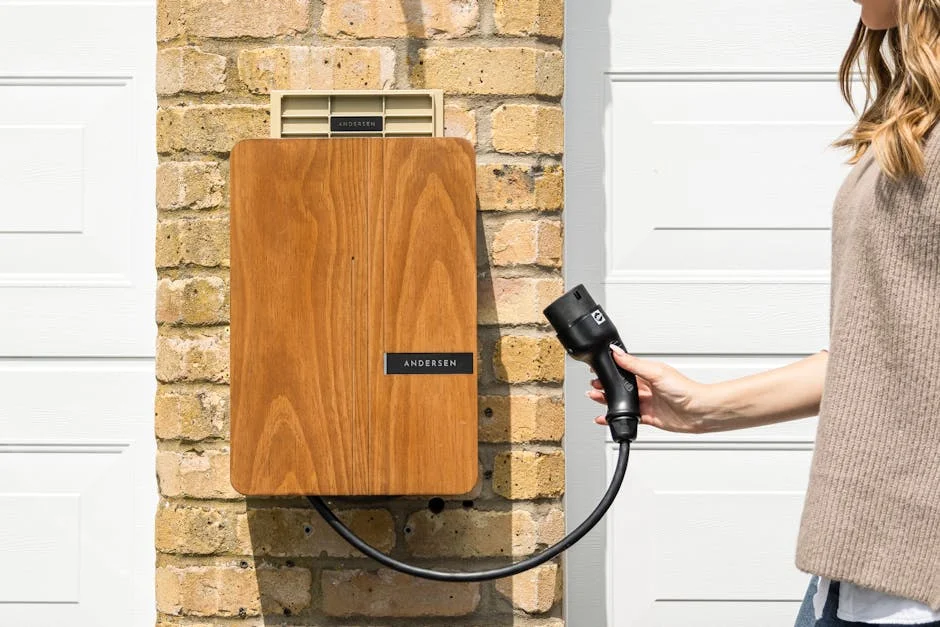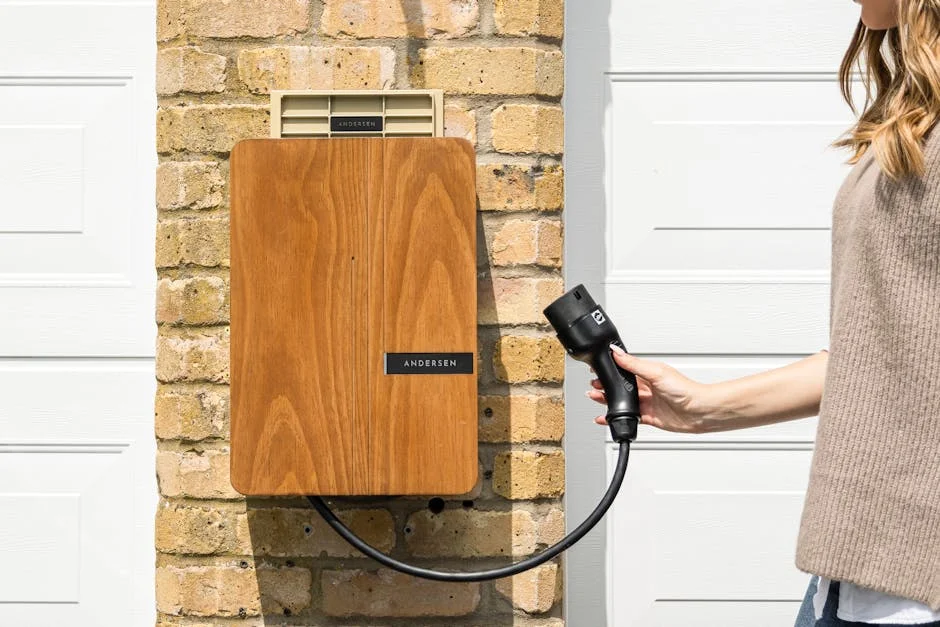
Tesla charger installation cost is rarely a single, fixed number because every home’s electrical setup, parking layout, and local code requirements create a different scope of work. Two houses on the same street can receive very different quotes if one has an oversized electrical service with open breaker spaces and a short run to the garage, while the other needs a panel upgrade, trenching, or a long conduit route to an exterior wall. Even the type of charger you choose influences the total: a basic 120-volt outlet may have a minimal price tag, while a dedicated 240-volt circuit for a wall-mounted unit can require heavier-gauge wiring, a new breaker, and sometimes a disconnect. Labor rates are also highly regional. Metropolitan areas with higher licensing costs and stricter permitting often land higher bids than rural areas. The result is that installation pricing ranges from “simple and quick” to “construction project,” and understanding the drivers lets you predict where your home will fall before you request formal estimates.
Table of Contents
- My Personal Experience
- Understanding Tesla Charger Installation Cost and Why It Varies
- Typical Price Ranges Homeowners See for Installation
- Key Factors That Drive Cost: Panel Capacity, Distance, and Amperage
- Choosing Between a Wall Connector and a 240V Outlet
- Electrical Panel Upgrades and Service Changes: When They’re Needed
- Permits, Inspections, and Code Requirements That Affect Pricing
- Labor, Materials, and What Electricians Usually Include
- Expert Insight
- Installation Scenarios: Garage, Driveway, Outdoor Wall, and Detached Structures
- Cost-Saving Strategies That Don’t Cut Corners
- Comparing Quotes and Hiring the Right Electrician
- Long-Term Value: Energy Costs, Convenience, and Home Resale Impact
- Final Thoughts on Planning Your Budget
- Watch the demonstration video
- Frequently Asked Questions
- Trusted External Sources
My Personal Experience
When I bought my Model 3, I assumed installing a Tesla charger at home would be a quick, predictable expense, but the cost ended up depending on my setup. The Wall Connector itself was straightforward, but the electrician’s quote varied based on how far my garage was from the panel and whether my service could handle a new 60-amp circuit. I got three estimates and they ranged more than I expected; the lowest was for a simple run with no panel work, while the highest included upgrading a couple of breakers and adding a subpanel. In the end I paid a mid-range price after choosing a cleaner, longer conduit route, and while it stung up front, waking up to a full charge every morning has made it feel worth it. If you’re looking for tesla charger installation cost, this is your best choice.
Understanding Tesla Charger Installation Cost and Why It Varies
Tesla charger installation cost is rarely a single, fixed number because every home’s electrical setup, parking layout, and local code requirements create a different scope of work. Two houses on the same street can receive very different quotes if one has an oversized electrical service with open breaker spaces and a short run to the garage, while the other needs a panel upgrade, trenching, or a long conduit route to an exterior wall. Even the type of charger you choose influences the total: a basic 120-volt outlet may have a minimal price tag, while a dedicated 240-volt circuit for a wall-mounted unit can require heavier-gauge wiring, a new breaker, and sometimes a disconnect. Labor rates are also highly regional. Metropolitan areas with higher licensing costs and stricter permitting often land higher bids than rural areas. The result is that installation pricing ranges from “simple and quick” to “construction project,” and understanding the drivers lets you predict where your home will fall before you request formal estimates.

Another reason Tesla charger installation cost fluctuates is the difference between what homeowners think they need and what electrical codes or best practices actually require. Many people focus on the charger itself, but electricians price the complete system: load calculation, circuit design, wire sizing, conduit, fittings, labels, grounding, and inspections. In some jurisdictions, EV charging equipment must be on a dedicated circuit, may require GFCI protection, and must be installed with specific working clearances. If the installation is outdoors or in a detached structure, weather-rated components and longer wiring runs add cost. If your main panel is far from the parking spot, the wire length is a major cost contributor because copper is expensive and thick conductors for higher amperage add up quickly. Finally, scheduling and risk matter: a straightforward garage install is predictable, while a complex run through finished walls takes more time, patching, and contingency. When you view the project as an electrical upgrade rather than a single device purchase, the price range becomes easier to interpret and compare.
Typical Price Ranges Homeowners See for Installation
Homeowners shopping for a reasonable Tesla charger installation cost often encounter ranges that look surprisingly wide, but those ranges are rooted in real job differences. A basic installation where the electrical panel is in the garage and has spare capacity can be one of the least expensive scenarios. In that case, the electrician may only need to install a new two-pole breaker, run a short length of cable or conduit, mount the charging equipment, and complete a permit and inspection. When the run is short, the wire is inexpensive relative to the labor, and the job can sometimes be completed in a few hours. On the other end, if the charger must be placed on the far side of the house, the electrician might need to route conduit around the exterior, drill through masonry, or open walls and ceilings. Add in patching, painting, or specialized drilling, and the labor portion can rise quickly. For many households, the midrange includes a moderate wire run and minor panel work, which creates a balanced quote that feels “normal” compared to the extremes.
It also helps to separate the cost of the charging hardware from the cost to install it, since homeowners tend to bundle them mentally. The equipment price is usually predictable, while the installation is what varies. Some people opt for a NEMA 14-50 receptacle so they can plug in a mobile connector, while others prefer a dedicated wall unit for a cleaner look and potentially higher continuous output. Both can be priced competitively, but the labor and materials can shift based on whether the electrician is hardwiring the device, whether a receptacle box is required, and whether GFCI protection is mandated for that outlet type in your area. When comparing quotes, ensure each bid describes the same scope: amperage, breaker type, wire gauge, conduit path, and whether permit fees are included. The most useful way to interpret Tesla charger installation cost is to see it as a combination of (1) electrical capacity work, (2) distance and routing complexity, and (3) code and permitting requirements, rather than as a single flat fee.
Key Factors That Drive Cost: Panel Capacity, Distance, and Amperage
The biggest line items behind Tesla charger installation cost typically come down to three engineering realities: available electrical capacity, the distance from the panel to the charger location, and the amperage you want for charging. Capacity is first because an EV circuit is a significant continuous load. If your home has a 100-amp service and already runs electric appliances, air conditioning, or a workshop, there may not be enough headroom for a high-amperage charging circuit without upgrading the panel or service. Electricians should perform a load calculation to confirm what your system can safely support. If you have a 200-amp service with plenty of spare capacity and open breaker slots, the project is often much simpler. If not, you could be looking at adding a subpanel, installing a load management device, or upgrading the main service. Those options differ greatly in price, but each is designed to keep the installation safe and code-compliant.
Distance is the next major driver because copper and conduit costs scale with length, and longer runs take more labor time to route neatly and safely. A charger installed on the same wall as the electrical panel might require only a few feet of wire. A charger installed at an exterior parking pad or detached garage can require dozens or even hundreds of feet, plus trenching, schedule-rated conduit, and potentially a separate disconnect. The third factor—amperage—matters because higher output charging needs thicker wire and larger breakers, which increases material cost. Many homeowners request the maximum possible amperage, but the “best” amperage is the one that fits your daily driving needs and your panel capacity. A moderate circuit can still replenish typical commuting miles overnight, and selecting a right-sized circuit can reduce Tesla charger installation cost without sacrificing practical convenience. When you balance these three elements—capacity, distance, and amperage—you can predict whether your project will be a modest upgrade or a more involved electrical retrofit.
Choosing Between a Wall Connector and a 240V Outlet
Equipment choice influences Tesla charger installation cost primarily through installation method, code requirements, and the materials needed. A dedicated wall-mounted charger is often hardwired, which can be beneficial because it eliminates the need for a heavy-duty receptacle and can reduce potential wear points over years of plugging and unplugging. Hardwiring may also allow higher continuous current depending on local rules and device capabilities. However, hardwiring typically requires the electrician to mount the unit, route conduit to a junction point, and make internal terminations according to manufacturer instructions. A 240V outlet installation, commonly associated with a NEMA 14-50 or similar receptacle, can be appealing for flexibility because it allows you to plug in a portable connector and potentially use the outlet for other equipment later. That said, receptacles add their own costs: a quality industrial-grade outlet, an appropriate box, cover, and often a GFCI breaker depending on local code interpretation. GFCI breakers for higher amperage circuits can be significantly more expensive than standard breakers, which can shift the budget in ways homeowners don’t anticipate.

Practical considerations also affect your final bill. If you want a clean look with minimal exposed wiring, a hardwired unit can be installed with a discreet conduit path and a fixed cable management setup. If you prefer portability or plan to move, an outlet-based solution might make sense, but you’ll still want a proper receptacle rated for continuous load and frequent use. Another nuance is weather exposure. Outdoor receptacles require in-use covers and weather-rated components, and outdoor hardwired units need correct sealing and mounting. Both can be done well, but the details matter for long-term reliability. When you compare the two options, ask for itemized pricing that separates hardware, breaker type, wire length, conduit, and permit fees. That approach makes Tesla charger installation cost more transparent and helps you decide whether the premium for a wall-mounted unit is justified by convenience, durability, or higher charge output.
Electrical Panel Upgrades and Service Changes: When They’re Needed
For many households, the biggest surprise in Tesla charger installation cost is the possibility of a panel upgrade or a service upgrade. A panel upgrade usually means replacing an older or undersized breaker panel with a newer one that has more capacity and spaces, while a service upgrade can involve increasing the amperage coming into the home, which may require coordination with the utility. These upgrades become necessary when an electrician’s load calculation indicates that adding an EV charging circuit would exceed safe limits, or when the existing equipment is obsolete, damaged, or not compliant with current codes. Homes with 60-amp or 100-amp services, or homes that have undergone renovations adding electric appliances, are more likely to face this scenario. If the panel is full but the service has capacity, a subpanel may be a less expensive middle ground, though it still involves additional materials and labor.
There are also modern alternatives that can reduce Tesla charger installation cost compared to a full service upgrade. Load management systems, sometimes called smart load controllers, can monitor household usage and dynamically limit EV charging when other loads run. This can allow EV charging within an existing service size, though it introduces additional equipment cost and complexity. Another alternative is selecting a lower-amperage circuit that fits within your current capacity, especially if your daily driving needs are moderate. The right approach depends on your goals: if you want maximum charging power for a future second EV, a service upgrade might be a long-term investment. If you mainly want reliable overnight charging without major electrical construction, load management or a right-sized circuit can be a practical solution. In all cases, upgrades should be evaluated by a licensed electrician who understands local code and utility requirements, because the safety and inspection requirements for service equipment are stricter than for a simple branch circuit. Understanding this category of work is essential to predicting total cost accurately.
Permits, Inspections, and Code Requirements That Affect Pricing
Permits and inspections are often a smaller portion of Tesla charger installation cost than wiring and labor, but they can still influence the final number and the timeline. Many jurisdictions require a permit for any new 240-volt circuit or hardwired EV charging equipment, and the permit process may require documentation such as a load calculation, equipment specification sheets, and a site plan showing the charger location. Some areas also require a dedicated EV circuit label, a specific type of disconnect, or adherence to updated electrical code cycles. Permit fees vary widely by city and county, and the electrician may charge administrative time to prepare and file paperwork, schedule inspections, and respond to inspector questions. Skipping permits might seem like a shortcut, but it can create issues when selling the home, filing insurance claims, or addressing safety concerns. A properly permitted installation also provides a third-party verification that the circuit size, wiring method, and protection devices are appropriate for continuous EV charging loads.
Local code nuances can also change the bill in ways that aren’t obvious from a simple “install a charger” request. For example, if you’re installing a receptacle-based solution, some code interpretations require GFCI protection for certain outlet types in garages or outdoors, which may necessitate a more expensive breaker. Some installations require conduit rather than cable in specific locations, especially when wiring is exposed or outdoors. If the charger is mounted outdoors, weatherproof fittings, proper sealing, and corrosion-resistant materials can add cost but improve longevity. Additionally, working clearances around electrical equipment and charger placement rules can dictate where the unit can be mounted, potentially increasing wire run distance. When requesting quotes, ask whether the price includes permits, inspection coordination, and any required labeling or safety devices. A bid that looks cheaper upfront may omit these necessities, leading to change orders later. Factoring compliance into Tesla charger installation cost helps you compare bids fairly and avoid unpleasant surprises at inspection time.
Labor, Materials, and What Electricians Usually Include
To understand Tesla charger installation cost, it helps to know how electricians build quotes. Labor typically accounts for planning, travel, installation time, testing, and cleanup. Materials include wire, conduit, fittings, breakers, junction boxes, fasteners, labels, and sometimes surge protection if requested. The wire gauge and type can significantly influence materials cost. Higher amperage circuits require thicker conductors, and long runs can become expensive quickly, especially if copper prices are high. Conduit work can also be time-consuming; bending conduit neatly, anchoring it properly, and routing it around obstacles takes skill and time. If the job involves fishing wires through finished walls, the electrician may need to cut access holes and coordinate patching. Some electricians include basic patching; others exclude wall repair and painting, which can add separate costs if you hire another contractor. A detailed quote should specify what is included so you know whether you’re paying for a turnkey result or only the electrical portion.
| Installation Scenario | Typical Cost Range (USD) | What Drives the Price |
|---|---|---|
| Basic install (existing 240V circuit nearby) | $300–$800 | Short wire run, minimal labor, no panel work; usually just mounting and connecting a Tesla Wall Connector or NEMA 14-50 outlet. |
| Standard install (new 240V circuit from panel) | $800–$2,000 | New breaker and wiring, longer distance to the garage, conduit requirements, drywall/finish work, and local permit/inspection fees. |
| Complex install (panel upgrade or service upgrade needed) | $2,000–$6,000+ | Electrical panel replacement (e.g., 100A→200A), load calculations, utility coordination, trenching/exterior runs, and higher permitting/inspection costs. |

Expert Insight
Get a written quote that separates the charger hardware from installation labor, permits, and any panel or service upgrades. Ask the electrician to confirm your home’s available amperage and whether a new 240V circuit can be added without a subpanel—this is often the biggest factor in keeping the total Tesla charger installation cost down.
Reduce labor time by choosing a mounting location close to the electrical panel and planning a clean cable route before scheduling the job. Also check for local utility rebates or state incentives and confirm the installer will handle permitting and inspection, since missed paperwork can add delays and extra fees. If you’re looking for tesla charger installation cost, this is your best choice.
Testing and commissioning are often overlooked components that should be part of a professional installation. After the circuit is installed, the electrician should verify correct breaker sizing, torque terminations to manufacturer specifications, confirm grounding and bonding, and test the charger under load. A good installer will also confirm that the charger settings match the circuit rating so the car and charger do not attempt to draw more current than the wiring can support. This step is crucial for safety and can prevent nuisance breaker trips. Some installers also help with Wi‑Fi setup or basic configuration, though that may not be included in every quote. If you’re comparing bids, look for transparency: a lower Tesla charger installation cost may reflect a smaller scope, lower amperage, omitted permit fees, or minimal finishing work. A higher quote may be justified if it includes a longer warranty, better materials, careful routing, and full permitting. The goal is not just the cheapest install, but a safe, durable charging setup that performs reliably for years.
Installation Scenarios: Garage, Driveway, Outdoor Wall, and Detached Structures
The physical location of the charger is a major determinant of Tesla charger installation cost because it dictates the wiring path and environmental requirements. A garage installation is often the most straightforward: the charger is mounted on a wall near the parking spot, and the wiring run may be short if the panel is in the garage or an adjacent utility area. Finished garages can add complexity if walls are insulated and drywalled, because concealed wiring may require opening and repairing surfaces. Driveway or outdoor wall installations can be practical when the car is parked outside, but they often require exterior-rated conduit, weatherproof penetrations, and careful routing to avoid tripping hazards or damage. If the charger is mounted on brick, stucco, or concrete, installation may involve masonry anchors and specialized drilling. Additionally, outdoor placements should consider sun exposure, precipitation, and physical protection from vehicles or landscaping equipment, which can lead to added materials like bollards or protective posts.
Detached garages and carports can push Tesla charger installation cost higher due to distance and trenching. If power must be run from the main house to a detached structure, the electrician may need to trench a path, install buried conduit at a code-compliant depth, and pull conductors rated for underground use. In some cases, a subpanel in the detached garage is the best approach, especially if you want lighting, tools, or future EV charging expansion. That adds parts and labor but can be a smart long-term upgrade. Another scenario is multi-car households: placing the charger where it can reach two parking spots may require a longer cable path or strategic mounting, potentially increasing wire run length but improving daily convenience. When planning location, consider both ergonomics and cost: a charger placed a few feet closer to the panel can reduce materials significantly, while still providing comfortable cable reach. A thoughtful site plan can keep costs controlled without compromising usability.
Cost-Saving Strategies That Don’t Cut Corners
Reducing Tesla charger installation cost safely is usually about simplifying the job rather than downgrading materials or skipping permits. One effective strategy is choosing the charger location to minimize wire length and routing complexity. Mounting the unit on the same wall as the electrical panel or near an existing conduit path can save both labor and copper. Another approach is selecting a circuit amperage that matches real driving needs. Many drivers can recover daily mileage with a moderate 240-volt circuit overnight, so paying extra for the maximum possible amperage may not deliver meaningful benefits. If your electrical service is close to capacity, consider load management equipment or a slightly lower charging rate rather than immediately opting for a full service upgrade. Coordinating the installation with other electrical work, such as a panel replacement already planned for renovations, can also reduce mobilization and permitting overhead.
You can also lower costs by preparing the site in ways that don’t involve electrical work. Clearing storage from the installation area, providing easy access to the panel, and confirming where you want the charger mounted can reduce labor time. If wall repair and painting are needed due to concealed wiring, handling cosmetic repairs yourself or scheduling them with other home projects can keep the electrician focused on electrical tasks. It’s also wise to request multiple itemized quotes, ensuring each one covers the same amperage, same installation method (hardwired versus receptacle), and includes permits. Be cautious with unusually low bids; they may omit permit fees, use undersized wire, or skip load calculations. The best savings come from good planning and right-sizing the system. When done well, a controlled Tesla charger installation cost still delivers a code-compliant setup that charges reliably, protects your home’s electrical system, and supports the long-term value of having dedicated EV charging at home.
Comparing Quotes and Hiring the Right Electrician
Comparing bids for Tesla charger installation cost is easier when you treat each quote like a scope-of-work document rather than just a price. Start by confirming that the electrician is licensed, insured, and experienced with EV charging circuits. Ask whether they will perform a load calculation and whether the quote includes permit application and inspection scheduling. A professional quote should specify the circuit amperage, breaker type, wire gauge, conduit type, and the approximate route. It should also clarify whether the charger will be hardwired or connected via a receptacle, and whether the price includes supplying any additional parts such as a disconnect, surge protector, or pedestal mount. If your installation is outdoors or in a detached structure, confirm that the materials are rated appropriately for UV exposure, moisture, and temperature changes. These details matter because EV charging is a continuous load, and long-term reliability depends on correct design and workmanship.
It’s also smart to discuss how the electrician handles change orders. In older homes, electricians sometimes discover hidden issues like aluminum wiring, crowded panels, or prior noncompliant work that must be corrected for the new circuit to pass inspection. A transparent contractor will explain what might trigger additional costs and how they price those changes. Ask about warranties on labor and how they respond if a breaker trips or the charger faults after installation. While Tesla charger installation cost is important, the cheapest option can become expensive if the job fails inspection or causes ongoing nuisance issues. Consider the contractor’s communication quality, willingness to provide documentation, and clarity about timelines. A well-documented installation with permits, correct labeling, and tested operation protects you as a homeowner. When you evaluate bids on both technical scope and professionalism, you’re more likely to get an installation that is safe, efficient, and priced fairly for the work performed.
Long-Term Value: Energy Costs, Convenience, and Home Resale Impact
When weighing Tesla charger installation cost, it helps to consider what you’re buying beyond the immediate ability to charge. Home charging can reduce dependency on public fast charging, which is often priced higher per kilowatt-hour and may involve time costs such as waiting or detouring. Charging at home also allows you to take advantage of off-peak electricity rates if your utility offers time-of-use plans, potentially lowering your effective fueling cost over the life of the vehicle. The convenience factor is significant: starting each day with a charged battery changes how you plan errands, commutes, and trips. Over time, the installation becomes part of the home’s infrastructure, similar to a garage door opener or an HVAC upgrade—something you rely on daily rather than an occasional accessory. This perspective can make a higher-quality installation feel more justified, especially if it includes future-proofing like conduit sized for potential upgrades or a panel configuration that supports a second EV later.

There’s also a property value and marketability angle. While resale impact varies by region, many buyers increasingly view EV charging capability as a modern amenity. A permitted, code-compliant charging circuit can be a selling point, particularly in neighborhoods where EV adoption is high. Conversely, an unpermitted or improvised installation can raise red flags during inspection and negotiations. If you anticipate moving, consider whether an outlet-based approach or a hardwired unit makes more sense for your situation, but prioritize safe workmanship either way. Maintenance is typically low, but proper installation reduces the chance of overheating at connections or premature wear at receptacles. Over a span of years, a well-executed project can pay dividends in reliability and flexibility, making the initial Tesla charger installation cost feel less like a one-time expense and more like an investment in the home’s readiness for electrified transportation.
Final Thoughts on Planning Your Budget
Planning for Tesla charger installation cost is most accurate when you start with a realistic assessment of your home’s electrical capacity, the distance to your preferred charging location, and the charging speed you truly need. A licensed electrician can confirm whether your panel has sufficient headroom, whether a subpanel or load management device could avoid a larger upgrade, and what routing options will keep the installation neat and compliant. Itemized quotes that include permits, breaker details, wire gauge, and a clear description of the wiring path make it easier to compare contractors fairly. Small decisions—like moving the charger a few feet closer to the panel, choosing a practical amperage, or selecting hardwire versus receptacle—can shift the budget meaningfully without sacrificing day-to-day convenience. The best outcomes come from balancing upfront cost with safety, durability, and a design that fits your driving routine.
Once you treat the project as a tailored electrical upgrade, Tesla charger installation cost becomes predictable and manageable rather than mysterious. Prioritize code compliance, proper load calculation, and quality materials, because EV charging is a continuous load that benefits from careful workmanship. If you’re aiming to minimize surprises, schedule an on-site assessment, confirm whether permit fees are included, and ask the electrician to document the circuit rating and charger settings after installation. With a clear scope and a right-sized design, you can secure reliable home charging and keep Tesla charger installation cost aligned with both your immediate needs and your long-term plans.
Watch the demonstration video
This video breaks down the real cost of installing a Tesla charger at home, including equipment, electrician labor, permits, and panel upgrades. You’ll learn what factors raise or lower the price, typical cost ranges, and practical tips to estimate your own installation before getting quotes. If you’re looking for tesla charger installation cost, this is your best choice.
Summary
In summary, “tesla charger installation cost” is a crucial topic that deserves thoughtful consideration. We hope this article has provided you with a comprehensive understanding to help you make better decisions.
Frequently Asked Questions
How much does it cost to install a Tesla charger at home?
Most homeowners pay about $500–$2,500 total, depending on electrical upgrades, distance from the panel, and labor rates. Basic installs can be lower; panel or service upgrades can push costs higher. If you’re looking for tesla charger installation cost, this is your best choice.
What’s included in a typical Tesla Wall Connector installation quote?
What’s typically included in the **tesla charger installation cost** is the electrician’s labor, the necessary wiring and conduit, a dedicated breaker, and the mounting and final connection—sometimes permits are covered too. What’s often *not* included are the Wall Connector itself, major electrical panel or service upgrades, any trenching for long runs, or patching and repainting drywall after the work is done.
Does the distance from the electrical panel affect installation cost?
Yes—longer wiring runs usually mean more cable, conduit, and labor, which can raise the **tesla charger installation cost**. Prices often climb even more when the route is tricky, such as through finished walls, attics or crawlspaces, or along exterior walls.
Do I need an electrical panel upgrade to install a Tesla charger?
Not always. If your panel has enough capacity and space for a new 240V breaker, no upgrade may be needed. If capacity is limited, a load calculation, load-management device, subpanel, or service upgrade may be required, which can significantly increase cost. If you’re looking for tesla charger installation cost, this is your best choice.
Is installing a NEMA 14-50 outlet cheaper than a Tesla Wall Connector?
Often, yes, because the hardware can be cheaper and the setup is simpler. However, costs vary by wiring distance and upgrades, and a Wall Connector can be more convenient and higher power depending on your setup. If you’re looking for tesla charger installation cost, this is your best choice.
Are permits, rebates, or tax credits available for Tesla charger installation?
Many areas require permits and inspections, adding cost. Utilities and local programs may offer rebates, and some regions have tax incentives for EV charging equipment and installation—availability depends on your location and eligibility. If you’re looking for tesla charger installation cost, this is your best choice.
? Looking for more info about tesla charger installation cost? Follow Our Site for updates and tips!

Trusted External Sources
- Typical cost for installing the wall charger : r/TeslaModelY – Reddit
Aug 12, 2026 … Anywhere from 5 grand to under $50 depending on needing an entire panel upgrade , subpanel, or being able to do it yourself with three feet of … If you’re looking for tesla charger installation cost, this is your best choice.
- Home Charging | Tesla Support
Installing a new 240 V outlet can cost $750 – $1,500. Charging speed is up to 3 mph with a standard household outlet, or up to 30 mph with a 240 V outlet. 2 … If you’re looking for tesla charger installation cost, this is your best choice.
- Wall Charger Installation pricing … : r/TeslaModelY – Reddit
As of May 5, 2026, the **tesla charger installation cost** for a straightforward setup—typically within about 5 feet of your electrical panel—often falls between **$350 and $600** when hiring electricians for side jobs. Just keep in mind that at the low end, some may skip pulling permits, which can affect safety, inspections, and resale considerations.
- How much did you pay for Tesla wall charger installation? – Facebook
Jan 6, 2026 … I paid $2200 for the install plus $450 for the Tesla charger. I live in Northern Va. and got three quotes all fairly close, the cost included … If you’re looking for tesla charger installation cost, this is your best choice.
- Wall Charger Install Cost | Tesla Motors Club
Nov 4, 2026 … $300 was the cost for them to mount/wire the Tesla charger. 1/3 of the $3,200 was parts, rest labor. I think they had 5 guys onsite at one point … If you’re looking for tesla charger installation cost, this is your best choice.