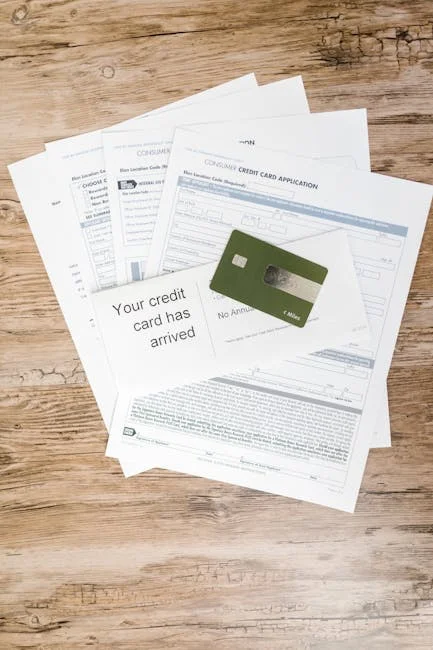
Unsecured credit cards for rebuilding credit are designed for people who want a second chance after missed payments, high utilization, collections, or a thin credit file. Unlike secured cards, they do not require a cash deposit as collateral, which can make them feel more accessible when savings are tight. The trade-off is that approval standards can be stricter and terms can be less forgiving, especially if the issuer is taking on more risk. Many of these cards come with higher interest rates, lower credit limits, and sometimes annual fees, but they can still be powerful tools when used with discipline. The key value is that an unsecured card can report your payment behavior to the major credit bureaus, which helps rebuild a positive history over time. That reporting is what turns everyday spending into a credit-building strategy, provided you keep balances low and pay on time.
Table of Contents
- My Personal Experience
- Understanding Unsecured Credit Cards for Rebuilding Credit
- How Unsecured Cards Differ from Secured Cards and Why It Matters
- What Issuers Look for When Approving Rebuilding Credit Cards
- Key Features to Prioritize: Reporting, Fees, Limits, and Upgrade Paths
- Using Payment History to Your Advantage with a Simple Routine
- Managing Credit Utilization Without Feeling Deprived
- Choosing Between Starter Cards, Retail Cards, and Credit-Builder Hybrids
- Expert Insight
- Avoiding Predatory Terms and Fee Traps
- Application Strategy: Timing, Prequalification, and Minimizing Hard Inquiries
- Building a Long-Term Credit Profile: Beyond the First Approval
- Common Mistakes That Slow Down Credit Rebuilding and How to Prevent Them
- Making the Final Choice and Staying Consistent Over Time
- Watch the demonstration video
- Frequently Asked Questions
- Trusted External Sources
My Personal Experience
After a couple missed payments in my early 20s, my credit score tanked and I assumed I’d have to start over with a secured card. I didn’t have extra cash for a deposit, so I applied for an unsecured credit card marketed for rebuilding credit and got approved with a small limit and a higher APR. I treated it like a debit card—put my phone bill and a tank of gas on it each month, kept the balance well under 30% of the limit, and set up autopay for the full statement balance so I wouldn’t slip again. The first few months felt slow, but seeing on-time payments show up on my reports was motivating, and after about a year the issuer bumped my limit and the score increases finally started to stick. It wasn’t glamorous, but that one unsecured card gave me a simple routine that helped me rebuild without tying up money in a deposit. If you’re looking for unsecured credit cards for rebuilding credit, this is your best choice.
Understanding Unsecured Credit Cards for Rebuilding Credit
Unsecured credit cards for rebuilding credit are designed for people who want a second chance after missed payments, high utilization, collections, or a thin credit file. Unlike secured cards, they do not require a cash deposit as collateral, which can make them feel more accessible when savings are tight. The trade-off is that approval standards can be stricter and terms can be less forgiving, especially if the issuer is taking on more risk. Many of these cards come with higher interest rates, lower credit limits, and sometimes annual fees, but they can still be powerful tools when used with discipline. The key value is that an unsecured card can report your payment behavior to the major credit bureaus, which helps rebuild a positive history over time. That reporting is what turns everyday spending into a credit-building strategy, provided you keep balances low and pay on time.
It helps to separate marketing language from the practical mechanics of credit repair. Credit scores generally respond to a few major factors: on-time payments, credit utilization, length of credit history, new credit inquiries, and credit mix. An unsecured card can influence several of these, especially payment history and utilization, which are often the biggest levers for someone rebuilding. When people search for unsecured credit cards for rebuilding credit, they are often looking for a way to prove reliability without tying up a deposit. That can work, but it requires choosing products that report to all three bureaus, avoiding predatory fee structures, and using the card in a way that keeps utilization low. Even with a modest limit, consistent payments and careful spending can gradually improve your score and make it easier to qualify for better terms later.
How Unsecured Cards Differ from Secured Cards and Why It Matters
The main difference between unsecured and secured cards is collateral. A secured card typically requires a refundable deposit that often becomes your credit limit, reducing the issuer’s risk and increasing the odds of approval. Unsecured credit cards for rebuilding credit skip that deposit, so the issuer assumes more risk and may compensate with higher APRs, smaller limits, and additional account fees. That difference matters because rebuilding credit is not just about getting any card; it is about getting a card you can keep open, use responsibly, and afford. A card that drains your budget with fees or encourages revolving balances can slow progress and create new problems. On the other hand, an unsecured account can feel more “normal” and may offer features like upgrade paths, credit limit increases, or rewards, though rewards are not the priority when rebuilding.
Another practical distinction is psychological and behavioral. With a secured card, the deposit can act like a built-in guardrail, since you already had to save money to open the account, and you may be more cautious about risking that deposit through mismanagement. With an unsecured product, the absence of collateral can make it easier to treat the credit line as extra income, which is a common mistake that leads to high utilization and missed payments. People choosing unsecured credit cards for rebuilding credit should plan their spending approach before applying: decide what bills to put on the card, set up automatic payments, and track the statement closing date. The goal is to create predictable, low-risk usage that generates positive reporting each month. If you are choosing between secured and unsecured options, the best choice is the one that you can manage consistently for at least 12 to 24 months without financial strain.
What Issuers Look for When Approving Rebuilding Credit Cards
Approval for unsecured credit cards for rebuilding credit can feel inconsistent because issuers use more than a single score. Many lenders rely on a combination of credit reports, internal risk models, income, existing debt obligations, and banking relationships. Two applicants with the same score can receive different outcomes based on recent delinquencies, the presence of open collections, or how recently a bankruptcy was discharged. Issuers also look at stability signals such as consistent employment, a checking account history, or low recent inquiry activity. Some lenders weigh recent behavior more heavily than older negatives, so a string of on-time payments on other accounts can help, even if older marks remain. Others may be more sensitive to utilization, meaning high balances relative to limits can reduce approval odds even if you are paying on time.
Understanding these factors helps you time your application. If you have just paid down balances, it can be beneficial to wait until the lower utilization is reflected on your credit reports before applying. If you have multiple hard inquiries in a short window, spacing applications can also improve your chances. Many people searching for unsecured credit cards for rebuilding credit apply to several products at once and end up with denials plus extra inquiries, which can temporarily lower scores. A more strategic approach is to review prequalification tools when available, check whether the issuer reports to all three bureaus, and confirm the fee structure. Consider your debt-to-income ratio as well; even a basic unsecured card is still a credit obligation, and issuers want to see that you can absorb new payments. If you are rebuilding after serious setbacks, patience and timing can be just as important as the product you choose.
Key Features to Prioritize: Reporting, Fees, Limits, and Upgrade Paths
The most important feature of unsecured credit cards for rebuilding credit is credit bureau reporting. If an account does not report to the major bureaus, it cannot help your score in a meaningful way. Confirm that the issuer reports to at least one bureau, ideally all three (Equifax, Experian, and TransUnion), and that they report regularly. Next, evaluate the total cost of keeping the card open. Annual fees are not automatically bad if they are reasonable and the card delivers a clear credit-building benefit, but excessive monthly maintenance fees, activation fees, or “account servicing” charges can make the card expensive to hold, especially if your limit is small. A high fee-to-limit ratio can also create utilization issues if fees post to the balance. Transparent pricing and predictable statements are essential when your goal is long-term rebuilding.
Credit limits matter because they affect utilization, but they are not the only path to improvement. A low-limit account can still help if you keep the balance very low and pay on time. However, cards that offer periodic reviews for credit limit increases can make it easier to maintain low utilization as your spending needs grow. Some unsecured credit cards for rebuilding credit include a pathway to “graduate” to a better product after a series of on-time payments, sometimes with lower APRs, better benefits, or a higher limit. While APR should not matter if you pay in full each month, it becomes relevant if a financial emergency forces you to carry a balance. Look for issuers with clear policies on increases and upgrades, and avoid cards that bury critical terms in fine print. Rebuilding is a marathon, so prioritize stability, affordability, and predictable reporting over flashy perks.
Using Payment History to Your Advantage with a Simple Routine
Payment history is often the largest component of scoring models, which makes it the most valuable area to protect while rebuilding. Unsecured credit cards for rebuilding credit can help most when you create a routine that virtually eliminates the chance of missing a due date. Start by setting up automatic payments for at least the minimum payment, then manually pay the full statement balance if you can. This two-layer approach reduces risk: if you forget, autopay covers the minimum; if you remember, you pay in full and avoid interest. Align the card with a predictable expense such as a streaming subscription, a phone bill, or a small recurring household purchase. This keeps your monthly balance manageable and makes it easier to pay in full without stress. The objective is consistent, boring success that generates a clean history month after month.
It is also important to understand the difference between the due date and the statement closing date. The balance that appears on your statement around the closing date is often the balance that gets reported to bureaus, which influences utilization. People using unsecured credit cards for rebuilding credit sometimes pay on time but still see slow score movement because they let the balance climb during the month and only pay it down at the due date. A practical method is to make an extra payment before the statement closes, especially if your card has a low limit. For example, if your limit is $500, keeping the reported balance under $50 to $100 can help maintain low utilization. This doesn’t mean you must obsess daily; it means you should know your statement date and plan one mid-cycle payment if needed. Over time, on-time payments and controlled utilization can steadily improve your score and make future approvals easier.
Managing Credit Utilization Without Feeling Deprived
Credit utilization is the percentage of your credit limit that you are using, and it can move your score quickly in either direction. Unsecured credit cards for rebuilding credit often start with modest limits, which makes utilization management more sensitive. If you have a $300 limit, a $150 balance is already 50% utilization, even if you plan to pay it off. That can make your score look riskier than your actual behavior. The solution is not to avoid using the card; it is to use it in a way that keeps your reported balance low. Choose a small set of expenses that fit comfortably under 10% to 30% of your limit, then pay those charges down before the statement closes. This approach lets you keep the card active and reporting while still presenting a low-risk profile to scoring models.
Another method is to treat the card like a debit card with a built-in delay. Track purchases in your budget app or notes, and move money to a “credit card payoff” category the moment you swipe. That way, the cash is already reserved. People rebuilding with unsecured credit cards for rebuilding credit often succeed when they remove ambiguity: the card is not for emergencies, not for lifestyle upgrades, and not for spending beyond what is already budgeted. If you need the card for an emergency, it is still better to use it than to miss rent or utilities, but make a payoff plan immediately and avoid adding new charges until the balance is under control. Utilization can be managed without feeling deprived by keeping the card for routine expenses you would pay anyway, paying early when needed, and allowing your credit profile to strengthen gradually so higher limits become available.
Choosing Between Starter Cards, Retail Cards, and Credit-Builder Hybrids
Not all unsecured options are the same. Some are classic starter products from mainstream issuers, some are retail store cards, and others are “credit-builder” cards that blend features of debit and credit. Unsecured credit cards for rebuilding credit from mainstream issuers may have fewer fees and better long-term value, but approval can be more selective. Retail cards can be easier to qualify for, yet they often come with high APRs and limited usefulness outside the store. They can still help rebuild if they report to bureaus and you keep utilization low, but the smaller credit lines can make utilization tricky. Credit-builder hybrids may offer guardrails like spending limits based on deposits or cash flow, but some are not traditional credit cards and may report differently depending on the product structure. Understanding what you are actually opening is crucial before applying.
| Option | Best for | Typical requirements | Key pros | Key cons / watch-outs |
|---|---|---|---|---|
| Entry-level unsecured credit card | Rebuilding credit without a deposit | Fair-to-poor credit accepted by some issuers; verifiable income; basic identity checks | No security deposit; reports to major bureaus; can help build positive payment history | Higher APR; possible annual fee; lower starting limit; approval not guaranteed |
| Unsecured card + credit-builder features | Structured rebuilding with guardrails | Similar to entry-level cards; may require direct deposit/banking relationship; may cap spending | Tools like autopay, spending limits, alerts; potential for faster limit increases; bureau reporting | Fees can add up; feature restrictions; rewards (if any) may be minimal |
| Graduation-path unsecured card | Moving from rebuilding to better terms | On-time payments over time; issuer review for upgrades; may start with modest limits/fees | Clear upgrade potential to lower fees/better rewards; possible higher limits with responsible use | Graduation not automatic; may take 6–18+ months; late payments can stall progress |
Expert Insight
Choose an unsecured card designed for rebuilding credit and apply only after checking the issuer’s approval criteria. Start with a low-limit card that reports to all three bureaus, then set up autopay for at least the minimum and make one small, recurring purchase each month to build consistent on-time payment history. If you’re looking for unsecured credit cards for rebuilding credit, this is your best choice.
Keep utilization low to protect your score: aim to use no more than 10–30% of your credit limit and pay the balance down before the statement closes so a smaller amount is reported. Avoid carrying a balance, skip cash advances and late fees, and request a credit-limit increase after 6–12 months of on-time payments to further reduce utilization. If you’re looking for unsecured credit cards for rebuilding credit, this is your best choice.
When comparing options, focus on whether the account reports as a revolving credit line, whether it reports to all major bureaus, and whether the terms are sustainable. If you already have limited credit, adding a retail card might diversify your file, but it can also increase the temptation to finance purchases at a single store. For unsecured credit cards for rebuilding credit, the best “type” is usually the one that fits your routine and keeps costs low. A starter card that you can keep for years can become a cornerstone of your credit history, helping your average account age as time passes. If you choose a retail card, keep it for a small recurring purchase and pay it off quickly, rather than using it for large shopping sprees. If you consider a hybrid product, confirm that it is a real revolving account and not just a prepaid card with reporting. The right choice is the one that produces consistent positive reporting without creating financial strain.
Avoiding Predatory Terms and Fee Traps
The rebuilding market attracts some issuers that rely heavily on fees. While there are legitimate unsecured credit cards for rebuilding credit, there are also products that charge multiple upfront or monthly fees that can consume your available credit and make the account difficult to manage. Watch for application fees, processing fees, activation fees, monthly maintenance fees, paper statement fees, and “credit protection” add-ons that are automatically bundled unless you opt out. These charges can post to your balance, raising utilization and potentially causing you to carry a balance even if you barely use the card. If your credit limit is small, a few fees can push utilization high immediately, undermining the very score improvement you are trying to achieve.
Read the Schumer box and the cardmember agreement carefully, and calculate the first-year cost of holding the card even if you never carry a balance. A reasonable annual fee can be acceptable if it is clearly disclosed and the issuer is reputable, but a stack of recurring fees is a warning sign. People seeking unsecured credit cards for rebuilding credit should also be cautious about aggressive credit limit increase offers that require a fee, or add-on products marketed as “boosters” that do not materially improve reporting. Another red flag is unclear customer service access, confusing payment processing times, or limited online account management, all of which increase the chance of a late payment. Rebuilding credit requires consistency and clarity; a card that is hard to manage or expensive to keep can derail progress. Choosing a transparent issuer with straightforward billing can be more valuable than getting approved quickly for a costly product.
Application Strategy: Timing, Prequalification, and Minimizing Hard Inquiries
Applying strategically can improve approval odds and reduce unnecessary score dips. Each hard inquiry can have a small, temporary impact, and multiple inquiries in a short period can signal risk. When searching for unsecured credit cards for rebuilding credit, use prequalification tools when available, because they often provide an estimate of approval odds without a hard pull, though you should confirm the issuer’s policy. Before applying, review your credit reports for errors, outdated negative items, or accounts that should be marked paid. Even small inaccuracies can affect underwriting decisions. If you recently paid down debt, wait until the updated balances are reported, since lower utilization can improve both scores and lender confidence.
It also helps to apply when your financial profile looks stable. If your income has increased, your housing costs have decreased, or you have reduced revolving balances, those changes can strengthen your application. People rebuilding with unsecured credit cards for rebuilding credit often benefit from a “one card at a time” approach: apply for a single product, use it responsibly for several months, then consider a second account only if it supports your goals. Too many new accounts can lower average age and create the appearance of credit seeking. If you are denied, resist the urge to immediately apply elsewhere; instead, read the adverse action notice, address the stated reasons, and try again after measurable improvements. A careful application strategy protects your score and increases the chance that the account you open is one you can keep long enough to meaningfully improve your credit profile.
Building a Long-Term Credit Profile: Beyond the First Approval
Getting approved is only the beginning. The real benefit of unsecured credit cards for rebuilding credit comes from how the account ages and how consistently it reports positive behavior. Over time, a well-managed card can help your payment history and length of credit history, and it can contribute to a healthier utilization ratio if your credit limit grows. Make it a goal to keep the account open and in good standing for years, not months. That means choosing a card with terms you can live with, then using it lightly and paying it off reliably. If the card has an annual fee, reassess each year whether the cost still makes sense or whether you can upgrade to a no-fee product with the same issuer.
As your score improves, you may receive offers for additional credit. More credit can help utilization, but it can also introduce risk if it leads to overspending. A practical approach is to focus on quality, not quantity: one or two well-managed revolving accounts can be enough for many people to rebuild. If you add a second card, consider a product with better terms, such as no annual fee, a higher limit, or a clearer upgrade path. Unsecured credit cards for rebuilding credit can also support credit mix when combined with an installment loan, but you should not take on debt just for scoring. The strongest long-term profile comes from paying obligations on time, keeping revolving balances low, and maintaining stable accounts. When you treat credit as a tool rather than a source of spending power, your score improvements tend to be durable rather than temporary.
Common Mistakes That Slow Down Credit Rebuilding and How to Prevent Them
Several predictable mistakes can keep scores stuck even when someone has an unsecured card. One of the biggest is carrying high balances relative to the credit limit. People assume paying on time is enough, but utilization can still drag scores down if the reported balance is high. Another common error is paying only the minimum, which can lead to interest charges and prolonged debt. With unsecured credit cards for rebuilding credit, interest rates are often high, so carrying a balance can become expensive quickly and make it harder to stay consistent. Late payments are the most damaging mistake, and they often happen because of disorganization rather than inability to pay. Missing a due date by even a few days can trigger fees, penalty APRs, and negative reporting if the payment becomes 30 days late.
Other mistakes include closing the card too soon, applying for too many accounts at once, and ignoring billing details like statement dates. Closing an older account can reduce available credit and potentially increase utilization, and it may affect your overall credit profile over time. Another subtle issue is inactivity: some issuers may close accounts that are not used, which can shrink your available credit unexpectedly. To prevent these problems, set autopay, use calendar reminders, and keep a small recurring charge on the card so it stays active. People using unsecured credit cards for rebuilding credit should also review statements monthly for errors, fee changes, or fraudulent transactions, because disputes left unresolved can create missed payments or unexpected balances. Consistency, low utilization, and careful account management usually outperform any “quick fix” approach, and preventing avoidable mistakes is often what separates steady progress from frustration.
Making the Final Choice and Staying Consistent Over Time
The best unsecured credit card is the one that you can manage calmly, affordably, and consistently. Compare offers based on reporting practices, transparent fees, customer service quality, and the likelihood of credit limit increases or upgrades. If two cards look similar, favor the issuer with fewer fees and clearer terms, even if the initial limit is smaller. Keep your monthly usage predictable and low, pay before the statement closes when needed, and protect your due date with autopay. Over months of steady behavior, your score can improve, and the financial system will gradually offer you better options. The rebuilding phase is not about maximizing rewards or chasing high limits; it is about proving reliability and building habits that prevent future setbacks. If you’re looking for unsecured credit cards for rebuilding credit, this is your best choice.
With the right routine, unsecured credit cards for rebuilding credit can become a turning point rather than a temporary patch. Keep the account open, keep the balance low, and keep payments on time, even when life gets busy. As your credit profile strengthens, you can request limit increases, seek better cards with no annual fee, or refinance expensive debt at lower rates, but only when it fits your budget. The most important measure of success is not a single score jump; it is the ability to use credit without stress, avoid revolving debt, and maintain a clean payment record year after year. When managed patiently, unsecured credit cards for rebuilding credit can help transform past credit problems into a stable, future-ready financial foundation.
Watch the demonstration video
In this video, you’ll learn how unsecured credit cards can help you rebuild credit without a security deposit. We’ll cover what to look for in a card, how to use it responsibly to improve your score, common fees and pitfalls to avoid, and simple habits—like on-time payments and low balances—that support steady credit growth. If you’re looking for unsecured credit cards for rebuilding credit, this is your best choice.
Summary
In summary, “unsecured credit cards for rebuilding credit” is a crucial topic that deserves thoughtful consideration. We hope this article has provided you with a comprehensive understanding to help you make better decisions.
Frequently Asked Questions
What is an unsecured credit card for rebuilding credit?
An unsecured credit card doesn’t require a security deposit, making it a convenient option for people with fair, poor, or limited credit who want to build a strong payment track record—one reason many choose **unsecured credit cards for rebuilding credit**.
Can an unsecured card really improve my credit score?
Yes—if the issuer reports to the major credit bureaus and you pay on time, keep balances low, and maintain the account, it can help build payment history and improve utilization. If you’re looking for unsecured credit cards for rebuilding credit, this is your best choice.
What should I look for when choosing an unsecured card to rebuild credit?
Choose a card that reports to all three credit bureaus, keeps fees reasonable, offers an APR you can live with, and provides a credit limit that matches your budget. When comparing **unsecured credit cards for rebuilding credit**, also prioritize options that make it easy to upgrade later or qualify for a credit-limit increase as your score improves.
Are unsecured cards for bad credit expensive?
Yes—some do. Many come with annual, monthly, or one-time setup fees, and they often carry higher APRs as well. If you’re considering **unsecured credit cards for rebuilding credit**, compare the total cost across options and try to avoid cards that stack several high fees at once.
How should I use an unsecured card to rebuild credit safely?
Make small, manageable purchases with your **unsecured credit cards for rebuilding credit**, then pay your statement balance in full (or at least far more than the minimum). Keep your credit utilization low, and set up autopay so you never miss a due date.
What if I can’t get approved for an unsecured credit card?
To rebuild your credit, you might explore options like **unsecured credit cards for rebuilding credit**, a secured credit card, or a credit-builder loan. You can also boost your progress by becoming an authorized user on a trusted account, paying down existing balances to improve your approval odds, and reviewing your credit reports for errors that could be dragging your score down.
📢 Looking for more info about unsecured credit cards for rebuilding credit? Follow Our Site for updates and tips!

Trusted External Sources
- Credit Cards for Rebuilding Credit – Mastercard
If you’re working on improving your credit, there are several solid card options to consider, including the Capital One Platinum Secured Credit Card, the PREMIER Bankcard® Mastercard® Credit Card, and the Fortiva® Cash Back Rewards Mastercard. While many people start with secured cards, it’s also worth exploring **unsecured credit cards for rebuilding credit** to find the option that best fits your needs and budget.
- Instant Approval Credit Cards for Bad Credit – Discover
As of Feb 21, 2026, there are plenty of card options designed to help you rebuild your credit history. While secured cards are a popular starting point, they work much like traditional cards in everyday use—making purchases, paying your bill on time, and keeping balances low. If you’re also exploring **unsecured credit cards for rebuilding credit**, comparing fees, approval requirements, and reporting to the major credit bureaus can help you choose the right next step.
- Fresh Start VISA Platinum Credit Card – First South Financial
If you’re working to build or rebuild your credit, this is a strong option worth considering—offering valuable perks and a competitive rate. It’s one of the unsecured credit cards for rebuilding credit that can help you move forward with confidence.
- The best unsecured cards for bad credit – Bankrate
As of May 9, 2026, it’s worth taking time to compare some of the best options available—especially if you’re focused on **unsecured credit cards for rebuilding credit**. Cards like the Mission Lane Silver Line Visa® Credit Card may offer a path forward with the potential for no annual fee (sometimes as low as $0, depending on eligibility), making it easier to start improving your credit without adding unnecessary costs.
- are there instant approval credit cards for rebuilding credit after past …
As of Jan 15, 2026, many **unsecured credit cards for rebuilding credit** tend to come with low credit limits and a stack of extra costs—monthly or annual fees, a one-time setup fee (often around $95), and interest rates that can be painfully high if you ever carry a balance.