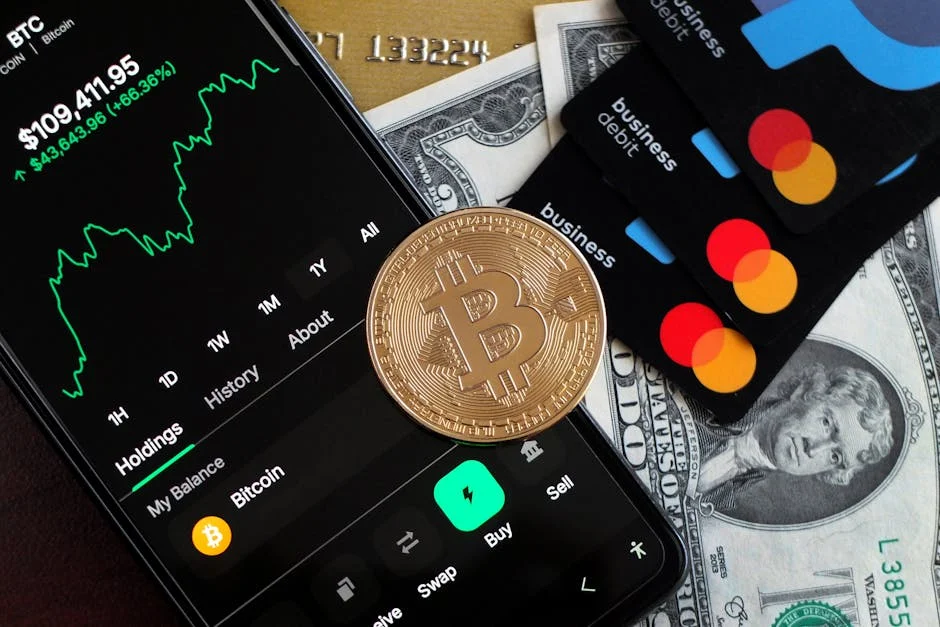
A crypto debit card is a payment card that looks and behaves like a familiar bank-issued debit card at the checkout, but it is designed to let you spend digital assets in everyday commerce. Instead of linking only to a traditional checking account, this type of card is typically connected to a wallet or custodial account where you hold cryptocurrency, stablecoins, or a mix of both. When you swipe, tap, or enter the card details online, the card program routes the transaction through an established card network and settles the purchase in the merchant’s local currency. Behind the scenes, the card provider either converts your crypto balance into fiat at the time of purchase or draws from a pre-funded fiat balance that you topped up using crypto earlier. The key appeal is convenience: the merchant doesn’t need to accept crypto directly, and you don’t need to manually exchange funds for every purchase. The concept arose because digital assets became widely held long before most point-of-sale terminals could accept them, creating a gap between ownership and spendability that a crypto debit card aims to bridge.
Table of Contents
- My Personal Experience
- Understanding What a Crypto Debit Card Is and Why It Exists
- How a Crypto Debit Card Works Behind the Scenes
- Crypto Debit Card vs Traditional Debit and Credit Cards
- Key Benefits of Using a Crypto Debit Card for Everyday Spending
- Fees, Spreads, and Exchange Rates: The Hidden Cost Structure
- Security, Custody, and Consumer Protections You Should Expect
- Regulation, KYC, Taxes, and Reporting Considerations
- Expert Insight
- Choosing the Right Crypto Debit Card: Features That Matter Most
- Using a Crypto Debit Card for Travel, Online Shopping, and Subscriptions
- Stablecoins, Volatility, and Spending Strategy
- Common Pitfalls and How to Avoid Them
- The Future of Crypto Debit Card Programs and Payments Integration
- Practical Steps to Start Using a Crypto Debit Card Responsibly
- Watch the demonstration video
- Frequently Asked Questions
- Trusted External Sources
My Personal Experience
I started using a crypto debit card last year mostly out of curiosity, but it’s become my backup for everyday spending. The setup was straightforward: I topped it up with USDC from my exchange, and the app showed the conversion rate before I paid. The first time I used it was at a grocery store, and it just went through like any other card—no awkward explanations, no “crypto” moment at the register. What surprised me most was how quickly small fees and spreads added up when I used it for lots of little purchases, so now I only load it when I actually plan to spend and I keep an eye on the transaction details. It’s convenient, but I’ve learned to treat it more like a spending wallet than a place to park funds.
Understanding What a Crypto Debit Card Is and Why It Exists
A crypto debit card is a payment card that looks and behaves like a familiar bank-issued debit card at the checkout, but it is designed to let you spend digital assets in everyday commerce. Instead of linking only to a traditional checking account, this type of card is typically connected to a wallet or custodial account where you hold cryptocurrency, stablecoins, or a mix of both. When you swipe, tap, or enter the card details online, the card program routes the transaction through an established card network and settles the purchase in the merchant’s local currency. Behind the scenes, the card provider either converts your crypto balance into fiat at the time of purchase or draws from a pre-funded fiat balance that you topped up using crypto earlier. The key appeal is convenience: the merchant doesn’t need to accept crypto directly, and you don’t need to manually exchange funds for every purchase. The concept arose because digital assets became widely held long before most point-of-sale terminals could accept them, creating a gap between ownership and spendability that a crypto debit card aims to bridge.

It helps to separate the “card experience” from the “asset experience.” At the register, a crypto debit card generally behaves like any other card: authorization, settlement, and chargeback rules follow the network’s standards, and the merchant receives fiat. But on the user side, the funding source is different. Some programs convert crypto at the moment of authorization, which can lock an exchange rate quickly but may include a spread or fee. Others require you to convert crypto to fiat inside the app first, then spend from that fiat balance, which can make costs more predictable and reduce the chance of declined transactions due to price volatility. Because the card sits at the intersection of crypto markets and traditional payments rails, the fine print matters: supported assets, conversion method, fees, limits, and compliance requirements can vary widely. Understanding those moving parts clarifies why the same phrase—crypto debit card—can describe products that feel similar at checkout but differ substantially in cost, risk, and control.
How a Crypto Debit Card Works Behind the Scenes
When you use a crypto debit card, the transaction is processed through conventional payment infrastructure even though your funding source may be digital assets. The card number is issued under a card network and is tied to an issuing bank or licensed issuer working with a crypto platform. At the moment you pay, the merchant terminal sends an authorization request through the network to the issuer. The issuer checks whether your account has enough available balance, considering any holds, daily limits, and the card program’s rules. If the card is “real-time conversion,” the platform may sell the required amount of crypto (or stablecoin) into fiat immediately, then approve the transaction. If the card is “prefunded,” it may simply debit your fiat sub-account that was previously loaded by converting crypto earlier. Either way, the merchant sees a standard card payment, and settlement occurs in fiat through the acquiring bank. The crypto component is essentially abstracted away from the merchant, which is why these cards can be used in many places that accept ordinary debit or prepaid cards.
The conversion step is where many practical differences appear. Real-time conversion can be convenient, but it introduces variables such as market liquidity, spreads, and timing. Some providers quote an exchange rate at authorization and finalize at settlement, while others lock at authorization and absorb minor fluctuations. Prefunding can reduce surprises because you choose when to convert, but it adds an extra step and can create idle fiat balances that earn little or nothing. Additionally, some programs prioritize spending stablecoins first, then volatile assets, while others let you set a spending order. A crypto debit card may also include features such as transaction notifications, merchant category controls, virtual card numbers, and tokenization for mobile wallets. On the compliance side, the issuer must meet know-your-customer and anti-money-laundering obligations, which is why identity verification is common. Understanding the flow—authorization, conversion, settlement, and potential refunds—helps you evaluate how smoothly a crypto debit card will behave in real life, especially for travel, subscriptions, and high-frequency daily purchases.
Crypto Debit Card vs Traditional Debit and Credit Cards
Comparing a crypto debit card to a traditional debit card starts with the funding source. A bank debit card pulls funds from a bank account denominated in fiat currency, and balances are generally stable relative to local purchasing power. With a crypto debit card, the balance may be held in crypto, stablecoins, or a hybrid account that includes both fiat and crypto. That difference affects budgeting, risk, and transaction reliability. If your balance is volatile, the purchasing power of your account can change hour to hour. Some people mitigate that by holding stablecoins as the primary spend asset, using volatile coins more like investments. Another difference is the operational model: many crypto card programs are structured as prepaid debit rather than a direct debit to a checking account, meaning you may need to top up, and consumer protections can differ by jurisdiction. Still, at the point of sale, both function similarly: you pay, the merchant gets fiat, and you see a debit in your app.
Against credit cards, the distinction is even sharper. A typical credit card extends a line of credit; you repay later and may earn rewards, but you also face interest if you carry a balance. A crypto debit card generally does not extend credit; it spends what you already have, reducing the risk of revolving debt. However, the reward structures can look similar, with some programs offering cashback in crypto or points that can be redeemed into digital assets. The cost structure also differs: credit cards often embed interchange and may charge annual fees; crypto cards might charge conversion spreads, network fees, monthly account fees, or ATM fees depending on the issuer. Refunds can also feel different: a credit card refund restores your credit line, while a crypto debit card refund may return fiat to your card balance, potentially requiring a manual conversion back into crypto if that’s your preference. Evaluating a crypto debit card alongside traditional options means weighing convenience, fees, protections, and how much exposure to crypto price movements you want in your day-to-day spending.
Key Benefits of Using a Crypto Debit Card for Everyday Spending
One of the main advantages of a crypto debit card is turning digital asset holdings into practical purchasing power without requiring merchants to change anything. For people paid in crypto, those earning yield in stablecoins, or investors rebalancing frequently, the ability to spend directly can reduce friction. Instead of moving funds to an exchange, selling, withdrawing to a bank, and then spending, a card can compress that workflow into a tap at checkout. Many programs also support mobile wallet tokenization, enabling contactless payments and improving security by keeping the real card number out of the merchant environment. For international users, a crypto debit card can sometimes offer competitive foreign exchange handling compared with certain bank cards, especially when the underlying conversion uses liquid markets and transparent rates, though this depends heavily on the provider’s spread and fees.
Rewards are another draw, and they can be especially appealing when the cashback is paid in crypto. Some users like receiving rewards in a volatile asset as a form of dollar-cost averaging; others prefer stablecoin rewards to reduce risk. The card can also simplify expense tracking for people who maintain a “spend wallet” separate from their long-term holdings. By allocating a monthly amount to a stablecoin balance and spending from it, you can create a budgeting system that feels similar to a prepaid card while still staying within the crypto ecosystem. Additionally, certain providers integrate with exchanges and wallets, allowing quick swapping between assets, setting spending priorities, and viewing real-time transaction alerts. A crypto debit card can also act as a bridge for newcomers: it offers a familiar payment method while they learn about wallets, networks, and custody. The benefits are real, but they are most compelling when the fee schedule is clear and the conversion method matches your spending habits.
Fees, Spreads, and Exchange Rates: The Hidden Cost Structure
The most important thing to understand before relying on a crypto debit card is how it makes money, because the pricing can be distributed across several line items. Some programs charge an explicit card fee, monthly subscription, or annual fee, often tied to enhanced limits or better rewards. Others advertise “no fees” but earn revenue through spreads on conversion, meaning you receive a slightly worse exchange rate when your crypto is converted to fiat. That spread can be small on highly liquid pairs and larger on thinly traded assets, and it can widen during volatile market conditions. There may also be network or third-party fees when you top up the card using on-chain transfers, especially if you move assets on congested networks. ATM withdrawals can introduce additional costs: the card issuer may charge a fee, the ATM operator may add a surcharge, and foreign currency ATM withdrawals can incur a conversion spread. These costs can make a big difference if you plan to use a crypto debit card for cash access rather than mostly for card-present purchases.

Exchange rate handling is another area where two products labeled as a crypto debit card can differ significantly. Some convert at the moment of authorization using a quoted rate, while others convert at settlement, which may be hours or days later. If the provider locks the rate at authorization, you get more predictability, but you might pay a slightly higher spread to compensate for the issuer’s risk. If the rate is set at settlement, you could benefit from favorable moves or get hit by unfavorable ones, and the authorized amount may not match the final posted amount exactly. Foreign exchange can stack on top of crypto conversion: if you hold a USD-denominated stablecoin but spend in EUR, you may pay a USD-to-EUR conversion in addition to any crypto-to-USD step. A careful review of the fee schedule should include: top-up fees, conversion spread, foreign exchange markup, ATM and cash withdrawal fees, inactivity fees, chargeback fees, and replacement card fees. When those are transparent and reasonable, a crypto debit card can be cost-effective; when they’re opaque, it can quietly become expensive.
Security, Custody, and Consumer Protections You Should Expect
Security for a crypto debit card involves two layers: card security and asset custody. On the card side, best practices look similar to any modern payment product: EMV chips, contactless tokenization, dynamic CVV for virtual cards, real-time transaction alerts, and the ability to freeze or unfreeze the card instantly in the app. Some providers also offer merchant category blocking, spending limits, and location-based controls. Because card payments can be subject to fraud, these features matter as much as the crypto component. On the custody side, the question is where your crypto sits before it is spent. Many card programs are custodial, meaning the provider holds the assets on your behalf. That can be convenient but introduces counterparty risk: if the platform faces operational issues, regulatory actions, or insolvency, access to funds could be disrupted. Some users prefer models where they top up only what they plan to spend soon, reducing exposure while still enjoying card convenience.
Consumer protections vary widely by jurisdiction and by whether the product is issued as debit, prepaid, or e-money. Chargebacks and dispute processes usually follow the card network’s rules, but timelines and eligibility can depend on the issuer’s policies. Refunds can be particularly important: if a purchase is refunded, you may receive fiat back to the card balance even if you spent crypto originally, and converting back into crypto could create a taxable event or incur another spread. Additionally, account takeovers are a major threat; strong two-factor authentication, device management, and withdrawal whitelists can help. Look for clear custody disclosures, segregation of client funds where applicable, and transparent security practices such as cold storage usage and regular audits. A crypto debit card can be safe to use day-to-day when it is backed by strong operational controls, but it should not be treated as a long-term vault unless the provider’s custody model and legal protections are well understood.
Regulation, KYC, Taxes, and Reporting Considerations
Using a crypto debit card often requires identity verification because issuers and payment networks operate under strict compliance frameworks. KYC checks typically include verifying your name, address, and government-issued identification, and sometimes source-of-funds questions depending on limits. This can feel at odds with the ethos of permissionless crypto, but it is a reality of connecting to mainstream card rails. Regulations also shape which countries are supported, which assets can be offered, and what transaction monitoring is required. Some providers restrict certain merchant categories, limit usage in sanctioned jurisdictions, or decline high-risk transactions. If you travel frequently or live outside major markets, availability can be a deciding factor. Additionally, the legal classification of the product—prepaid, e-money, debit—can affect how funds are safeguarded and what recourse you have in disputes.
Expert Insight
Before choosing a crypto debit card, compare the full cost of spending: check the spread on crypto-to-fiat conversion, foreign transaction fees, ATM fees, and any monthly charges. Run a quick test purchase in your home currency and abroad (if relevant) to see the real effective rate and confirm the card supports the merchants and regions you use most.
Reduce tax and security headaches by funding the card with a dedicated “spend” wallet and converting only what you plan to use in the next 1–2 weeks. Turn on transaction alerts, set spending limits, and keep receipts so you can match each purchase to the conversion event for accurate recordkeeping. If you’re looking for crypto debit card, this is your best choice.
Taxes are a major practical issue. In many jurisdictions, spending crypto can be treated as a disposal event, potentially triggering capital gains or losses based on the difference between your cost basis and the value at the time of spending. That means buying groceries with a crypto debit card could create a taxable event if the asset is not a stablecoin or if stablecoins are treated in a way that still requires reporting. Some people prefer to spend stablecoins to reduce gain/loss complexity, but even then, reporting obligations may remain. Good card platforms provide transaction histories with timestamps, fiat values, and asset amounts, which can help with recordkeeping. Still, you may need to integrate with tax software or export CSV files, especially if you use multiple assets and frequent transactions. A crypto debit card can be a practical tool, but it works best when you understand local rules on reporting, capital gains, and any thresholds for small transactions, and when the provider gives you the data needed to stay compliant.
Choosing the Right Crypto Debit Card: Features That Matter Most
Selecting a crypto debit card is less about the logo on the plastic and more about the program design. Start with supported regions and supported assets: some cards work only in certain countries, and some support only a handful of coins. If your goal is to spend stablecoins, confirm that the stablecoin you use is supported and that the network for deposits is practical and cost-efficient. Then examine the conversion model: real-time conversion at point of sale versus prefunded fiat balance. Real-time models can be seamless, but you should understand the exchange rate source and whether the rate is locked. Prefunded models can reduce uncertainty but add an extra step. Also consider whether the card lets you set a spending priority list, such as spending stablecoins first and volatile assets last, and whether you can easily rebalance within the app.
| Feature | Crypto Debit Card | Traditional Debit Card |
|---|---|---|
| Funding Source | Cryptocurrency balance (often converted to fiat at purchase) | Fiat balance in a bank checking account |
| Fees & FX | May include crypto-to-fiat conversion, network, and higher FX/ATM fees | Typically lower/standard bank fees; FX fees vary by issuer |
| Availability & Limits | Depends on provider and region; KYC required; spending/withdrawal limits can vary | Widely available via banks; standard KYC; limits set by bank/account type |

Next, evaluate limits and reliability. Look for daily and monthly spending limits, ATM withdrawal limits, and any limits on top-ups or conversions. For travelers, foreign transaction handling is crucial: check whether the issuer applies a foreign exchange markup, whether the card supports multiple fiat balances, and whether the app shows the exchange rate clearly. Rewards should be assessed net of fees; a high cashback rate can be offset by spreads, subscription costs, or restrictive conditions. Also check practical features: instant freeze, virtual cards, disposable card numbers, integration with mobile wallets, and strong customer support. Customer support is not glamorous, but it becomes critical when a transaction is declined abroad or a merchant processes a refund incorrectly. The best crypto debit card for you is the one whose fees, limits, and conversion behavior match how you actually spend, not the one with the most aggressive marketing.
Using a Crypto Debit Card for Travel, Online Shopping, and Subscriptions
Travel is one of the most common reasons people consider a crypto debit card, but it’s also where edge cases appear. Hotels and car rental agencies often place large preauthorization holds, which can temporarily tie up your available balance. If your card converts crypto in real time, that hold can result in a conversion that later partially reverses, potentially creating small residual balances or additional conversion steps depending on how the issuer handles adjustments. Prefunded fiat balances can make holds more predictable because the hold is in fiat, but you still need to ensure you have enough buffer. For international purchases, consider whether the card’s foreign exchange rate is competitive and whether weekend or off-hours spreads apply. Some providers advertise strong FX performance but still apply a markup when the conversion path involves multiple steps, such as crypto to USD and then USD to local currency.
Online shopping and subscriptions introduce different considerations. Many subscription merchants perform small verification charges, recurring billing, and occasional changes in billing amount due to taxes or plan changes. A crypto debit card should handle these smoothly, but you’ll want real-time notifications and a clear transaction feed to spot unexpected charges. Virtual cards can add a layer of safety by allowing you to use a separate number for each merchant or to delete and recreate the number if a site is compromised. For refunds, be prepared for timing differences: merchants can take days to process refunds, and the card issuer can take additional time to post them. If you spent a volatile asset, the refund will typically not recreate the same crypto amount; it will usually return fiat equivalent, leaving you to decide whether to repurchase the asset. Using a crypto debit card for travel and online commerce can be convenient and cost-effective when you plan for holds, manage buffers, and understand how conversions and refunds are handled.
Stablecoins, Volatility, and Spending Strategy
Volatility is the biggest behavioral difference between spending from a bank account and spending from a crypto balance. With a crypto debit card, your purchasing power can change quickly if you hold volatile assets. That can be exciting when prices rise, but stressful when prices fall, especially if you rely on the card for essentials. Many users adopt a two-bucket strategy: keep long-term holdings in a separate wallet or account and keep a spending balance in stablecoins. Stablecoins can reduce day-to-day volatility and make budgeting easier, and they can also simplify tax calculations in some cases by minimizing gains and losses, though reporting may still be required. Some card programs allow you to auto-convert incoming crypto into stablecoins or to set an automatic top-up rule that maintains a target fiat balance. These features can turn a crypto debit card into a more predictable spending tool.
Another strategy is to treat the card as an “exit valve” rather than a primary spending account. You might convert a portion of gains into a stablecoin balance and spend from that, avoiding the feeling of selling core holdings every time you buy something. If your card supports multiple assets, consider the order in which the card spends them. Spending volatile assets first can create unplanned disposals and potential taxable events, while spending stablecoins first can preserve your investment positions. Also pay attention to network fees when moving funds onto the platform. If topping up requires on-chain transfers on expensive networks, you may prefer providers that support low-cost rails or internal transfers. A crypto debit card can fit into a sensible personal finance system when you intentionally choose what you spend, how you convert, and how you separate spending money from long-term investments.
Common Pitfalls and How to Avoid Them
One common pitfall with a crypto debit card is assuming it will work exactly like a bank debit card in every scenario. Certain merchant categories—such as gambling, money services, or high-risk digital goods—may be blocked by the issuer. Some transactions require a billing address match, which can be tricky if your card is issued in one country while you live or travel elsewhere. Another issue is declined transactions due to insufficient available balance after accounting for holds and tips, especially in restaurants where a tip is added later. If your card converts crypto in real time, a small price movement between authorization and settlement can also contribute to unexpected declines, depending on how the issuer manages buffers. To avoid this, keep a cushion in your spending balance and understand which merchant types commonly place holds.

Refunds and reversals are another source of confusion. When you return an item, the merchant refunds fiat through the card network. Your card account may receive fiat even if you spent crypto, and the timing can vary from a day to more than a week. If you immediately reconvert that fiat into crypto, you may incur another spread, and in some places you may create additional taxable events. Customer support quality matters here: a responsive issuer can clarify whether a transaction is pending, reversed, or settled, and can help with disputes. Also watch out for promotional reward rates that require staking, locking tokens, or maintaining a minimum balance; these conditions can change, and the effective reward rate can drop after a promotional period. A crypto debit card can be a strong tool, but it rewards careful setup: keep balances segmented, monitor fees, maintain buffers for holds, and choose providers with clear policies on disputes, refunds, and rate calculation.
The Future of Crypto Debit Card Programs and Payments Integration
The market for a crypto debit card continues to evolve as regulators clarify rules and as payment networks refine how they interact with digital asset platforms. A likely trend is deeper integration with stablecoins and tokenized fiat, which can reduce volatility and streamline settlement. Some programs may move toward holding regulated e-money balances with instant conversion from crypto only when needed, while others may integrate with on-chain identity and compliance tools to make onboarding smoother without sacrificing regulatory requirements. Another trend is improved transparency: consumers increasingly demand clear exchange rates, explicit spreads, and real-time disclosure of fees at the moment of purchase. As competition intensifies, providers that offer predictable pricing and reliable support are likely to stand out more than those relying on flashy reward promises.
On the technology side, expect better wallet interoperability, more robust security controls, and wider support for mobile wallet tokenization. Virtual cards, disposable numbers, and granular controls will likely become standard features rather than premium add-ons. Cross-border functionality may improve as more jurisdictions create licensing frameworks for crypto service providers and as issuers expand coverage. At the same time, scrutiny will remain high; card programs can be paused or modified when compliance requirements shift, so resilience and regulatory alignment will matter. For users, the practical takeaway is that a crypto debit card is becoming less of a novelty and more of a mainstream financial product category, but it will still require careful selection and ongoing attention to fees, conversion mechanics, and custody risk. Used intentionally, a crypto debit card can be a convenient bridge between digital assets and the everyday payments world.
Practical Steps to Start Using a Crypto Debit Card Responsibly
Getting started with a crypto debit card is usually straightforward, but using it responsibly requires a deliberate setup. Begin by choosing a provider that is available in your region and that offers clear disclosures about fees, custody, and conversion. Complete identity verification, enable strong security features like two-factor authentication, and set up device-level protections. Before loading significant funds, test the full lifecycle with small amounts: top up the account, make a small purchase, attempt a refund if feasible, and observe how the transaction is displayed in the app. This helps you understand whether the card converts crypto at authorization or settlement, whether the exchange rate is transparent, and how quickly balances update. If the platform supports stablecoins, consider using them as your primary spending asset to reduce volatility and make budgeting easier. Keep a separate long-term storage plan for investments rather than treating the card account as a vault.
Once you start using the card regularly, adopt habits that reduce surprises. Maintain a buffer for holds, tips, and subscription variations, especially if you travel or dine out frequently. Review transaction notifications and reconcile them with your expected spending, and export records periodically for taxes and personal accounting. If rewards are important, calculate the net benefit after spreads, subscription fees, and any required token staking or lockups. Finally, remain aware that policies can change: limits, supported assets, and fee schedules can be updated, sometimes with short notice. Monitoring provider announcements and keeping an alternative payment method available can prevent disruptions. When approached with clear expectations and good hygiene, a crypto debit card can make spending digital assets feel as routine as using any other card, while still giving you flexibility in how you hold and manage your crypto.
Watch the demonstration video
In this video, you’ll learn how a crypto debit card works, how it converts cryptocurrency into local currency at checkout, and what fees, limits, and exchange rates to watch for. It also covers security features, supported coins, and practical tips for choosing a card that fits your spending habits and travel needs.
Summary
In summary, “crypto debit card” is a crucial topic that deserves thoughtful consideration. We hope this article has provided you with a comprehensive understanding to help you make better decisions.
Frequently Asked Questions
What is a crypto debit card?
A crypto debit card lets you spend cryptocurrency at merchants by converting it to fiat currency at the point of purchase, typically on Visa or Mastercard networks.
How does a crypto debit card work at checkout?
When you make a purchase with a **crypto debit card**, the provider automatically converts just enough of your cryptocurrency (or pulls from your fiat balance) and pays the merchant in the local currency, so the checkout process feels seamless.
Which cryptocurrencies can I use with a crypto debit card?
Supported assets differ from one provider to another, but a **crypto debit card** typically lets you spend popular options like BTC, ETH, stablecoins such as USDC or USDT, and other major network tokens—often with the ability to pick which wallet to use or set a priority order for payments.
What fees should I expect with a crypto debit card?
Depending on the provider, a **crypto debit card** may come with several fees, such as an issuance fee, monthly maintenance charges, ATM withdrawal costs, foreign exchange fees, and a spread on crypto-to-fiat conversions. Some cards may also add network or top-up fees, depending on how you fund the card.
Are crypto debit card purchases taxable?
In many jurisdictions, using a **crypto debit card** to spend digital assets is treated as a disposal, meaning it can trigger capital gains or losses. Even if you’re paying with stablecoins, the transaction may still be reportable depending on your local tax rules.
Is a crypto debit card safe to use?
Security with a **crypto debit card** largely comes down to who issues it and how you protect your account. Choose a provider that offers strong safeguards like 2FA, easy card controls (freeze/unfreeze and spending limits), reputable custody practices, and transparent policies for chargebacks and dispute resolution.
? Looking for more info about crypto debit card? Follow Our Site for updates and tips!

Trusted External Sources
- Which are the best crypto debit cards? : r/defi – Reddit
As of Oct 13, 2026, the Nexo Card stands out as a compelling **crypto debit card** option, with Apple Pay support and the flexibility to spend directly or borrow against your crypto without having to sell it. Another solid alternative is the CoinJar Card, which also makes it easy to use your digital assets for everyday purchases.
- Spend crypto for everyday purchases with MetaMask Card, crypto card
What is MetaMask Card and how does it work? MetaMask Card is a crypto debit card that lets you spend your crypto IRL anywhere Mastercard is accepted. It …
- I have recently been looking for a good Crypto debit card in Australia
On Nov 18, 2026, I did some digging and came across a handful of options worth checking out—RelayPay, Round The Block, Block Earner, and Bitaroo (all Australian), plus BitPay. If you’re comparing providers for a **crypto debit card**, these names are a solid place to start.
- Making everyday purchases with crypto cards – Mastercard
The Mastercard Crypto Card Program makes it easy for consumers to use digital assets for everyday purchases, with acceptance at millions of locations worldwide. With a **crypto debit card**, your crypto is automatically converted at the point of sale, so you can pay seamlessly anywhere Mastercard is accepted—online, in-store, or while traveling.
- Crypto Debit Cards? : r/CryptoCurrency – Reddit
Nov 9, 2026 … I use redotpay, charges about 1.5% per transaction. It might sound like a lot but compared with exchanging to USDT, moving around coins and withdrawing to a … If you’re looking for crypto debit card, this is your best choice.