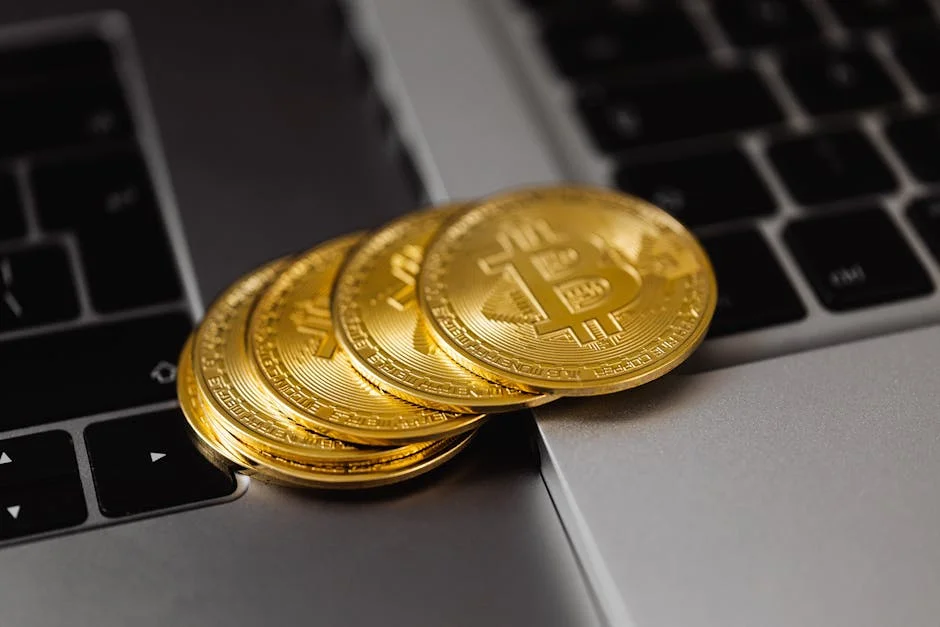
Ledger crypto wallets have become a common choice for people who want to hold digital assets without leaving control in the hands of an exchange or third-party custodian. The core idea behind a hardware wallet is simple: private keys should remain isolated from internet-connected devices where malware, phishing kits, and remote attackers thrive. When keys stay offline, the attack surface shrinks dramatically, and everyday actions like signing a transaction can be performed in a controlled, verifiable way. That’s the practical appeal of Ledger crypto wallets: they’re designed to keep sensitive secrets inside dedicated hardware and to require physical confirmation for critical operations. For many holders, this creates a clearer boundary between “watching balances” on a phone or desktop and “authorizing spending” on a device that is physically in hand. That boundary is especially valuable when markets get volatile and people rush to move funds, because urgency is when mistakes and scams tend to peak. A hardware wallet doesn’t eliminate risk, but it can change the type of risk you face, shifting it away from remote compromise and toward careful operational habits you can control.
Table of Contents
- My Personal Experience
- Why Ledger Crypto Wallets Matter for Self-Custody
- How Hardware Wallet Security Works in Practice
- Choosing a Ledger Device: Factors That Affect Real-World Use
- Setup Essentials: PINs, Recovery Phrases, and Secure Initialization
- Using Ledger Crypto Wallets with Desktop and Mobile Software
- DeFi, NFTs, and dApp Connections: Safer Interaction Patterns
- Managing Multiple Assets and Networks Without Losing Track
- Expert Insight
- Backup Strategies: From Paper to Steel and Geographic Redundancy
- Common Threats: Phishing, Fake Apps, and Social Engineering
- Privacy and Operational Security: Reducing Unnecessary Exposure
- Maintenance and Longevity: Firmware Updates, Device Care, and Migration
- Practical Habits for Confident Daily Use
- Closing Perspective: Security Is a System, Not a Gadget
- Watch the demonstration video
- Frequently Asked Questions
- Trusted External Sources
My Personal Experience
I bought a Ledger hardware wallet after realizing I’d accumulated enough crypto across exchanges that I was getting nervous about leaving it all online. Setup was straightforward, but I remember double-checking every word of the recovery phrase and writing it down slowly because it felt like the one step you can’t mess up. The first time I moved funds over, I sent a small test transaction and then sat there refreshing the explorer until it confirmed—once it did, I felt a genuine sense of relief. Since then, I’ve gotten into the habit of verifying the address on the Ledger screen before approving anything, which has already saved me once when I almost pasted the wrong address from my clipboard. It’s not the most convenient thing to plug in a device every time, but for long-term holdings it’s been worth the extra minute of friction. If you’re looking for ledger crypto wallets, this is your best choice.
Why Ledger Crypto Wallets Matter for Self-Custody
Ledger crypto wallets have become a common choice for people who want to hold digital assets without leaving control in the hands of an exchange or third-party custodian. The core idea behind a hardware wallet is simple: private keys should remain isolated from internet-connected devices where malware, phishing kits, and remote attackers thrive. When keys stay offline, the attack surface shrinks dramatically, and everyday actions like signing a transaction can be performed in a controlled, verifiable way. That’s the practical appeal of Ledger crypto wallets: they’re designed to keep sensitive secrets inside dedicated hardware and to require physical confirmation for critical operations. For many holders, this creates a clearer boundary between “watching balances” on a phone or desktop and “authorizing spending” on a device that is physically in hand. That boundary is especially valuable when markets get volatile and people rush to move funds, because urgency is when mistakes and scams tend to peak. A hardware wallet doesn’t eliminate risk, but it can change the type of risk you face, shifting it away from remote compromise and toward careful operational habits you can control.
Another reason Ledger crypto wallets matter is the way they fit into modern crypto use cases beyond simple holding. Many users participate in decentralized finance, token swaps, staking, governance, and NFT marketplaces. Each of these actions involves signing messages and transactions, which can be exploited if a malicious site tricks a user into approving something harmful. A hardware wallet can’t magically interpret every smart contract, but it can provide stronger assurances that approvals require deliberate interaction and that keys are not exposed to the browser environment. That makes Ledger crypto wallets appealing to people who want to explore Web3 while still keeping a conservative security posture. It also encourages a mindset shift: instead of treating crypto like a purely online account, self-custody turns it into a practice with procedures, backups, and verification steps. Over time, that practice can reduce the likelihood of catastrophic loss caused by a single compromised password, a SIM swap, or a device infection. The result is a more resilient approach to asset management, particularly for long-term holders who view security as a continuous process rather than a one-time setup.
How Hardware Wallet Security Works in Practice
To understand what Ledger crypto wallets actually do, it helps to separate the wallet interface from the cryptographic reality. A “wallet” is not a container of coins; it’s a tool for managing private keys and generating signatures that the blockchain network will accept. Hardware wallets focus on keeping those keys in a secure environment and limiting how they can be accessed. In typical usage, a computer or phone prepares an unsigned transaction, the hardware device receives the details, and then the user reviews and approves the action on the device itself. The signature is produced internally and returned to the host device to broadcast to the network. The key never has to leave the device, which is the key security property. Ledger crypto wallets also rely on a PIN and, in many setups, optional passphrase features that can create additional layers of separation. If the device is lost, that PIN can slow or stop casual attackers, while the recovery phrase ensures the rightful owner can restore access on a new device. Security is not just about the device, though; it’s also about user behavior, like verifying addresses, confirming amounts, and resisting social engineering attempts.
In practice, the strongest benefit of Ledger crypto wallets is the reduction of exposure to common attack vectors. Malware on a computer can’t simply copy a private key that never appears in the operating system. Phishing sites can attempt to trick you into signing something, but the requirement to confirm on the device adds friction and gives you a moment to notice inconsistencies. That said, the human layer remains critical: if a user approves a malicious transaction, the blockchain will treat it as authorized. This is why transaction review and careful permission management matter. Many users also overlook that “blind signing” can be risky when interacting with complex smart contracts; if details are not clearly displayed, the device may not show the full intent of what is being signed. A disciplined setup involves minimizing unnecessary approvals, using reputable apps and services, and maintaining a clean environment on the computer used for transactions. Ledger crypto wallets are best viewed as one component in a broader security model that includes secure backups, cautious browsing habits, and an understanding of what permissions mean in token contracts. When used with that mindset, the hardware wallet becomes a powerful control point rather than a mere accessory.
Choosing a Ledger Device: Factors That Affect Real-World Use
People often compare models when evaluating Ledger crypto wallets, but the most important choice is usually about usage patterns rather than raw specifications. Someone who makes frequent transactions, interacts with decentralized applications daily, and manages multiple networks may prioritize a larger screen, smoother navigation, and easier confirmation flows. Another person who only moves assets a few times a year might value simplicity and cost efficiency. Storage for apps, device ergonomics, connectivity options, and the overall user experience can influence how reliably someone follows good security habits. If a device is frustrating to use, people tend to cut corners: they may leave funds on exchanges longer than planned or rush through confirmations. A comfortable workflow encourages consistent self-custody. It’s also worth considering how you plan to store the device: will it live in a safe, travel with you, or stay in a secure drawer? Your physical environment shapes which features matter most, including whether you want a device that feels sturdy for travel or one that is primarily stationary.
Another practical factor with Ledger crypto wallets is ecosystem compatibility. Many users want to manage coins and tokens across multiple chains, and they may rely on third-party wallet interfaces for certain networks or for advanced DeFi activity. A device that integrates smoothly with the software tools you prefer can reduce the temptation to bypass hardware signing. Consider whether your typical workflow involves mobile, desktop, or both, and whether you use browser extensions for dApp connections. Also consider long-term maintenance: firmware updates, app updates, and changes in network support can affect how seamless the experience remains over time. A thoughtful purchase decision weighs total ownership experience, not just the initial setup. For example, if you expect to manage several accounts, you may want a model that makes account switching intuitive and confirmations easy to review. If you plan to hold a diverse portfolio, you’ll want reliable support for the assets you actually use, not just a long list of “supported” coins. Ledger crypto wallets can serve as a strong foundation for self-custody, but the best choice is the one that you’ll consistently use correctly, even during stressful market moments.
Setup Essentials: PINs, Recovery Phrases, and Secure Initialization
The setup process for Ledger crypto wallets is where good security habits begin, and it’s also where irreversible mistakes can happen. The recovery phrase—often called a seed phrase—represents the master secret that can recreate your wallet on another device. Anyone who sees it can take your funds, and no customer support agent can reverse a theft once the phrase is compromised. That’s why initialization should happen in a private environment, away from cameras, screen recording software, or people who might casually glance at your notes. The phrase should be written down carefully and checked twice for accuracy. Many users choose to create multiple copies stored in separate secure locations to reduce the risk of loss from fire, flood, or misplacement. The PIN protects the device from casual access, but it is not a substitute for protecting the recovery phrase. The phrase is the true key to the kingdom, and treating it like a high-value physical document is the mindset that keeps self-custody safe.
Another setup consideration with Ledger crypto wallets is how you handle optional security features such as passphrases and multiple accounts. A passphrase can effectively create a hidden wallet derived from the same recovery phrase, adding an extra secret that is not written down on the standard seed backup. Used correctly, it can protect against coercion or scenarios where someone finds your seed backup. Used incorrectly, it can lock you out permanently if you forget it. It’s important to decide whether you want that complexity and to document your plan in a way that doesn’t expose you to theft. Secure initialization also means resisting shortcuts like typing the seed phrase into a computer or photographing it with a phone. Those conveniences create digital copies that can be synced to cloud backups or extracted by malware. If you’re serious about long-term storage, consider durable backup methods that resist water and fire, and keep them in locations with controlled access. Ledger crypto wallets provide the tooling, but the setup discipline determines whether the protection is strong or fragile. A careful setup done once can prevent years of anxiety and reduce the chance that a single compromised device or account will cascade into total loss.
Using Ledger Crypto Wallets with Desktop and Mobile Software
Most people interact with Ledger crypto wallets through companion software that displays balances, helps install coin apps, and constructs transactions. The software layer matters because it’s where you view addresses, choose fees, and connect to networks. Even though the private key remains on the hardware device, a compromised computer can still attempt to trick you into sending funds to an attacker’s address by altering what you see on the screen. This is why address verification on the device is so important. When you’re receiving funds, confirming the address on the hardware device ensures you’re not copying a swapped address from malware. When you’re sending funds, reviewing the destination and amount on the device helps ensure you’re authorizing the intended action. Mobile usage adds convenience, but it also introduces new considerations: phones are frequently exposed to untrusted apps, public Wi-Fi, and aggressive permissions. The advantage of a hardware wallet is that it can keep signing isolated, but the user still needs to remain cautious about what they connect to and what they approve.
Another aspect of using Ledger crypto wallets across desktop and mobile is managing multiple accounts and networks without confusion. Many users hold the same asset across multiple addresses for privacy, bookkeeping, or risk management. Clear labeling, consistent naming conventions, and careful selection of the correct account before sending can prevent mistakes that are hard to unwind. Network selection is also critical: sending assets on the wrong chain or using the wrong token standard can result in delays or loss. Companion software can guide you, but it’s not infallible, especially when tokens share similar names or when bridges are involved. A disciplined workflow includes small test transactions for new addresses, double-checking chain details, and keeping an eye on what the device is actually confirming. Ledger crypto wallets can make daily crypto management more secure, but they don’t remove the need for careful operational checks. The best results come from treating the host device as potentially untrusted for display, while treating the hardware device as the final source of truth for what you are approving.
DeFi, NFTs, and dApp Connections: Safer Interaction Patterns
Connecting Ledger crypto wallets to decentralized applications introduces a different category of risk: smart contract permissions and message signing. In DeFi, you might approve a token allowance that lets a contract move your tokens later. If that contract is malicious or exploited, broad allowances can drain funds without another signature. A safer interaction pattern is to approve only what you need, when you need it, and to revoke allowances after use, especially for high-value tokens. NFTs and marketplaces can also involve signature requests that appear harmless but can authorize listings, transfers, or operator permissions. Hardware signing helps ensure keys remain protected, but it does not guarantee that what you sign is safe. The key is to understand the intent of the request and to be skeptical of unexpected pop-ups, social media links, and “urgent” airdrop claims. Many successful attacks rely on urgency and confusion rather than technical brilliance.
Practical habits can make Ledger crypto wallets far more effective in Web3 environments. Use bookmarks for the dApps you trust, and avoid clicking sponsored search results that can lead to convincing clones. Separate “hot” experimentation funds from long-term holdings by using different accounts, and consider using a dedicated address for high-risk interactions. If you frequently use DeFi, maintaining a clean browser profile or a separate computer user account can reduce exposure to malicious extensions. Also pay attention to what the device displays; if the device cannot show clear details for a complex contract interaction, treat that as a signal to slow down and verify through reputable sources. Some users choose to route dApp interactions through well-known wallet interfaces while still requiring hardware confirmation. That can balance convenience and security, but it still depends on user vigilance. Ledger crypto wallets provide an important line of defense, especially against key theft, but the Web3 threat model also includes approval abuse, fake front-ends, and deceptive signing prompts. Safer interaction patterns are about narrowing what you authorize and keeping risky activity compartmentalized.
Managing Multiple Assets and Networks Without Losing Track
A common reason people adopt Ledger crypto wallets is to consolidate control of many assets while keeping keys offline. However, multi-asset management can become confusing if you don’t establish a clear system. Tokens can exist on different networks with similar tickers, and the same address format may appear across chains in ways that look familiar but behave differently. A strong organizational approach involves tracking which networks you use, which accounts correspond to which purposes, and how you label them in your software. If you’re holding both long-term positions and short-term trading funds, separating them into different accounts can reduce the risk that a moment of haste exposes your main holdings. It also makes it easier to audit your permissions and activity. When you’re dealing with multiple chains, it’s wise to keep a simple checklist for transfers: confirm the chain, confirm the address on the device, confirm the token contract when relevant, and confirm the fee settings. That checklist can feel repetitive, but repetition is exactly what prevents costly errors.
Expert Insight
Buy Ledger devices only from the official store or an authorized reseller, then verify the device’s authenticity during setup and update Ledger Live before adding accounts. Create a strong PIN, write the 24-word recovery phrase on paper (or a metal backup), and store it offline in a secure location—never photograph it or type it into any website or app. If you’re looking for ledger crypto wallets, this is your best choice.
Use a separate passphrase (25th word) for a hidden wallet to reduce risk if your recovery phrase is ever exposed, and test recovery on a spare device or by verifying the phrase in a secure, offline process. For daily use, enable transaction verification on the device screen, double-check recipient addresses and network (e.g., ERC-20 vs. native chain), and keep only the funds you actively need in hot wallets. If you’re looking for ledger crypto wallets, this is your best choice.
Another challenge with Ledger crypto wallets is the temptation to chase every new network and token standard as they emerge. Not every chain has the same level of tooling maturity, and some ecosystems have higher rates of scams and exploit attempts. Consider a measured approach: use established networks for larger values and experiment with smaller amounts on newer platforms until you gain confidence in the tools and security norms. Also consider recordkeeping. For taxes, accounting, or personal tracking, it helps to keep notes on transfers between your own accounts, bridges used, and any contract addresses you interacted with. When questions arise months later, those notes can prevent confusion and help you verify that a transaction was intentional. Ledger crypto wallets can support a wide range of assets, but the human brain is not naturally suited to remembering dozens of networks, addresses, and token quirks. A lightweight system—labels, notes, and consistent habits—goes a long way toward keeping your portfolio manageable and reducing the odds of sending assets to the wrong place or approving something you don’t fully understand.
Backup Strategies: From Paper to Steel and Geographic Redundancy
The recovery phrase is the single most important backup element for Ledger crypto wallets, and how you store it determines whether your self-custody plan survives accidents. Paper backups are common because they’re simple and offline, but paper is vulnerable to fire, water, fading ink, and physical degradation over time. Many users therefore consider more durable methods such as metal backup plates designed to withstand heat and moisture. The right choice depends on your threat model: a renter in a small apartment may worry more about fire, while someone who travels frequently may worry more about theft or misplacement. Geographic redundancy can help, but it must be done thoughtfully. Storing a second backup in a different secure location can protect you from localized disasters, but it also increases the number of places where the secret exists. More copies can mean more risk if access control is weak. The goal is to balance survivability with confidentiality, using secure storage methods such as safes, safe deposit boxes where appropriate, or other controlled-access arrangements.
| Ledger wallet model | Best for | Key highlights |
|---|---|---|
| Ledger Nano S Plus | Budget-minded users who want strong security with a simple setup | USB-C connection, secure offline key storage, supports many coins/tokens, no Bluetooth |
| Ledger Nano X | Mobile-first users who want flexibility on the go | Bluetooth + USB-C, works with Ledger Live on phone/desktop, secure element, portable daily-use option |
| Ledger Stax | Power users who want premium UX and easier transaction review | Large curved E Ink touchscreen, clearer on-device verification, Bluetooth/USB-C, customizable lock screen |
Another key aspect of backups for Ledger crypto wallets is ensuring that the backup is actually usable. A backup that cannot be read, is missing words, or contains transcription errors is worse than no backup because it can create false confidence. Verification steps are therefore important: after setup, some users perform a controlled recovery test on a spare device or in a secure environment to confirm the phrase is correct. If that’s not feasible, at least double-check legibility and completeness, and store the words in the correct order. Be cautious with any service or product that claims to “store your seed safely” online; introducing the recovery phrase to a networked environment is one of the most common paths to theft. If you want additional resilience, consider how trusted heirs might access the backup in an emergency without exposing it prematurely. That can involve sealed instructions, legal planning, or splitting responsibilities in ways that match your family situation. Ledger crypto wallets are only as strong as the backup plan behind them. Hardware can fail, be lost, or be destroyed, but a properly protected recovery phrase can restore access when the unexpected happens.
Common Threats: Phishing, Fake Apps, and Social Engineering
Many losses attributed to hardware wallets are not caused by the hardware being “hacked” in the traditional sense, but by users being tricked into revealing the recovery phrase or approving malicious actions. Phishing campaigns often impersonate wallet support, claiming there is a security issue that requires you to “verify” your seed phrase. The rule is simple: no legitimate process ever requires entering your recovery phrase into a website, chat window, or form. Ledger crypto wallets are designed so that the recovery phrase is used only to restore a wallet on a trusted device, not to authenticate with online services. Fake applications and browser extensions are another major risk. Attackers clone legitimate interfaces, buy ads, and rely on users downloading the wrong software. Once installed, these fakes can prompt for the recovery phrase or attempt to manipulate addresses and transactions. Good habits include downloading software only from official sources, verifying URLs carefully, and avoiding search ads when you can type the address directly or use bookmarks.
Social engineering also targets emotions: fear, urgency, greed, and embarrassment. Scammers may claim your funds are at risk, that you’ve won an airdrop, or that you must act immediately to prevent liquidation. They may also pose as friends, community moderators, or customer support agents and move conversations into private messages. The best defense is a slow, skeptical approach. If something is urgent, that’s a reason to pause and verify independently, not a reason to rush. When using Ledger crypto wallets, treat any request for the recovery phrase as an automatic scam, and treat any unexpected signing request as suspicious until proven otherwise. Keep your device firmware and companion software updated to benefit from security fixes, but do so through official channels and avoid unsolicited links. Finally, consider the physical side of social engineering: someone who gains access to your home or workspace may look for written backups. Keeping backups out of sight and in controlled-access storage reduces that risk. Hardware wallets improve technical security, but the most persistent attackers often choose the easiest route: manipulating human behavior.
Privacy and Operational Security: Reducing Unnecessary Exposure
Privacy is often overlooked when people buy Ledger crypto wallets, but it plays a significant role in long-term safety. If others know you hold significant assets, you may become a target for scams, coercion, or theft. Operational security starts with minimizing what you share publicly: avoid posting screenshots of balances, transaction IDs tied to your identity, or details about how you store backups. Even casual comments about holdings can be aggregated over time. Another privacy consideration is address reuse. While reusing an address can be convenient, it can also make it easier for observers to track your activity and infer your total holdings. Many wallets support generating multiple receive addresses or managing multiple accounts, which can help compartmentalize activity. This is not about secrecy for its own sake; it’s about reducing the chance that your crypto life becomes legible to strangers who might exploit that knowledge.
Operational security with Ledger crypto wallets also includes basic digital hygiene on the devices you use to interact with crypto. Keep your operating system updated, avoid installing random software, and be selective about browser extensions. If you frequently connect to dApps, consider using a dedicated browser profile or a separate machine for crypto activity. Network hygiene matters too: public Wi-Fi can be hostile, and while hardware signing protects keys, attackers can still attempt man-in-the-middle tricks, DNS spoofing, or malicious captive portals to steer you to fake sites. Using trusted networks, reputable DNS, and a cautious browsing routine can help. Physical privacy matters as well: don’t initialize or use your hardware device in places where cameras can capture your screen or your recovery phrase. Over time, these habits reduce your overall exposure and make you a harder target. Ledger crypto wallets are a strong tool for key protection, but privacy and operational discipline reduce the likelihood that you’ll be singled out in the first place.
Maintenance and Longevity: Firmware Updates, Device Care, and Migration
Like any security device, Ledger crypto wallets require periodic maintenance to remain reliable. Firmware updates can include security patches, compatibility improvements, and changes that support evolving network rules. Ignoring updates for long periods can create friction later, especially if networks or companion software versions move forward and older firmware becomes incompatible. At the same time, updates should be approached carefully: use official sources, confirm you’re installing the correct version, and avoid rushing through prompts. A stable maintenance routine might include occasional checks for updates, confirming your backups are secure and legible, and reviewing your account organization. Device care is also part of longevity. Protect the hardware wallet from moisture, extreme heat, and physical damage, and store it in a consistent location so it doesn’t get lost during travel or household changes. While the device is not the sole point of failure—your recovery phrase is what matters—keeping the device functional reduces the frequency with which you need to perform recovery procedures.
Migration is another aspect of longevity that owners of Ledger crypto wallets should plan for. Over the years, you may decide to upgrade to a newer model, replace a lost device, or move to a different wallet ecosystem. A safe migration plan starts with verifying that your recovery phrase is correct and that you understand how your accounts are derived. Some assets rely on specific derivation paths or app configurations, and while standards exist, the details can matter. Before moving large balances, consider testing restoration with small amounts or verifying addresses after recovery. If you change companion software or use third-party interfaces, confirm that you are connecting to legitimate applications and that you understand how accounts are displayed. A careful migration also includes cleaning up: remove old approvals where possible, consolidate dust balances if appropriate, and document what you did for future reference. Ledger crypto wallets can serve as a long-term foundation, but longevity is strongest when you treat ownership as an ongoing process that includes updates, periodic reviews, and a clear plan for device replacement or inheritance.
Practical Habits for Confident Daily Use
Confident daily use of Ledger crypto wallets is less about being a technical expert and more about building repeatable habits. Start with a consistent environment: use the same trusted computer or phone when possible, keep it updated, and avoid mixing high-risk browsing with wallet activity. When receiving funds, always verify the address on the hardware device rather than trusting what appears on the host screen. When sending funds, slow down and read what the device shows, especially the destination address and amount. For large transfers, a small test transaction is a simple habit that can prevent expensive mistakes, particularly when interacting with new exchanges, new addresses, or unfamiliar networks. Another practical habit is to keep your wallet workflow tidy: label accounts clearly, archive addresses you no longer use, and keep notes on why certain accounts exist. That organization reduces cognitive load and makes it less likely you’ll approve something from the wrong account during a rushed moment.
It also helps to create a personal “red flag” list for Ledger crypto wallets. Red flags include any message asking for your recovery phrase, any unexpected request to enable unusual signing settings, and any site that pressures you with countdown timers or threats. Treat direct messages offering support as suspicious by default, and verify support channels independently rather than through links provided by strangers. For DeFi, make allowance management part of your routine: grant minimal approvals and revoke when practical. If you hold significant value, consider using separate accounts for long-term storage and for dApp activity, keeping the bulk of assets in a quieter account that rarely signs contracts. Finally, periodically review your backups and storage locations to ensure they still match your life circumstances. People move homes, relationships change, and what was once a secure hiding place may become accessible to others. Ledger crypto wallets work best when the hardware security is paired with calm, methodical behavior. Over time, these habits become second nature, and self-custody feels less like a risky leap and more like a disciplined, manageable routine.
Closing Perspective: Security Is a System, Not a Gadget
Ledger crypto wallets are often purchased as a response to fear—fear of exchange failures, hacks, or losing control. While that motivation is understandable, the most durable benefit comes from adopting a systems mindset. The hardware device is a strong control point for protecting private keys, but the overall outcome depends on the surrounding practices: how you store the recovery phrase, how you verify transactions, how you avoid phishing, and how you manage permissions in smart contracts. A well-run self-custody setup is deliberate and boring, built on repetition and verification rather than excitement. That approach can feel slower than clicking “send” inside an exchange app, but the tradeoff is autonomy and a reduced reliance on third parties. Over time, many users find that the discipline required by a hardware wallet improves their decision-making, because it forces a moment of review before funds move.
For anyone aiming to hold digital assets over months or years, Ledger crypto wallets can be a practical foundation when paired with careful backups, privacy awareness, and a cautious approach to dApps. The goal is not perfection; it’s resilience. Devices can be lost, computers can get infected, and scams can become increasingly persuasive, but a resilient system assumes those possibilities and still protects what matters: the keys and the ability to recover safely. If you treat your recovery phrase like a high-value document, verify what the device displays, keep your software sources official, and compartmentalize risk, you’ll get the most from Ledger crypto wallets while avoiding the most common pitfalls that lead to loss.
Watch the demonstration video
In this video, you’ll learn how Ledger crypto wallets work to secure your digital assets, including what a hardware wallet is, how private keys are stored offline, and why that reduces hacking risk. It also covers setup basics, using Ledger Live, and practical tips for safely sending, receiving, and backing up your crypto.
Summary
In summary, “ledger crypto wallets” is a crucial topic that deserves thoughtful consideration. We hope this article has provided you with a comprehensive understanding to help you make better decisions.
Frequently Asked Questions
What is a Ledger crypto wallet?
A Ledger wallet is a type of hardware wallet that keeps your private keys safely offline and lets you confirm crypto transactions directly on the device—making **ledger crypto wallets** a trusted choice for secure, hands-on control of your digital assets.
How does a Ledger wallet keep funds safe?
It isolates private keys in a secure element, requires on-device confirmation for transactions, and relies on a recovery seed to restore access if the device is lost.
What is the recovery phrase (seed) and why is it important?
It’s a 12/18/24-word phrase that can recreate your wallet and funds on a new device; anyone with it can control your crypto, so it must be kept private and offline. If you’re looking for ledger crypto wallets, this is your best choice.
Can Ledger wallets support multiple cryptocurrencies?
Yes. Ledger devices support many coins and tokens, typically managed through Ledger Live and/or compatible third-party wallet apps.
What happens if I lose my Ledger device?
Your crypto isn’t actually stored on the device itself—if you ever lose it or upgrade, you can restore full access on a new Ledger (or other compatible device) using your recovery phrase. That’s one of the key benefits of **ledger crypto wallets**.
How do I avoid scams and fake Ledger apps?
To stay secure with **ledger crypto wallets**, always download Ledger Live directly from ledger.com, keep your recovery phrase private and never share it with anyone, confirm every receiving address on your device’s screen before approving a transaction, and treat any email, text, or DM asking for sensitive details as a potential scam.
📢 Looking for more info about ledger crypto wallets? Follow Our Site for updates and tips!

Trusted External Sources
- Ledger Crypto Wallet – Security for DeFi & Web3
Protect your digital assets—Bitcoin, Ethereum, XRP, Monero, and more—with **ledger crypto wallets**. Enjoy real peace of mind knowing your cryptocurrencies are stored securely and kept under your control.
- Ledger – certified secure crypto Hardware Wallets | Ledger
Ledger creates some of the world’s most trusted, certified secure hardware wallets for crypto assets, giving you strong protection for BTC, ETH, XRP, and more—while keeping you fully in control. With **ledger crypto wallets**, your digital assets stay safeguarded and in your hands.
- What are the pros of using Ledger vs various crypto wallets apps on …
Apr 17, 2026 … Any wallet app on such phone is pretty secure. Yes, the phone has access to internet (which could be a problem in some cases) but Ledger also has access to … If you’re looking for ledger crypto wallets, this is your best choice.
- Find the best Ledger wallet for you – comparison
Compare Ledger hardware wallets and choose the best way to protect your crypto and NFTs with trusted, industry-leading security and a simple, user-friendly experience. Explore **ledger crypto wallets** today and find the right device for your needs.
- My experience with Ledger : r/ledgerwallet – Reddit
Dec 24, 2026 … A lot of people that get into crypto have no idea what they’re doing. · Ledger Recover is an optional service. · Hardware wallets are always about … If you’re looking for ledger crypto wallets, this is your best choice.