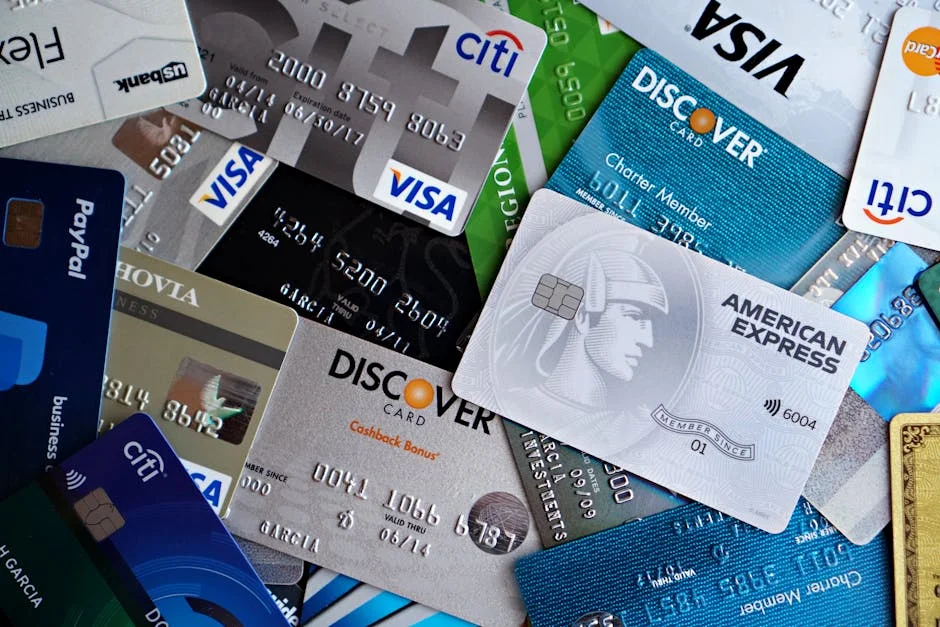
Credit card cashback is one of the simplest rewards structures in consumer finance: you spend, and a portion of that spending returns to you as cash value. Unlike points that require conversion or miles that depend on flight availability, cashback is generally easy to understand and easy to use. The appeal is practical—most households have recurring expenses that can be paid by card, from groceries and fuel to streaming subscriptions and utility bills. When those purchases earn a small percentage back, the total can add up across months, especially if the cardholder uses the card consistently and pays the statement balance in full. Credit card cashback can show up as a statement credit, a bank deposit, a check, or even a credit applied at a partner merchant. The details differ by issuer, but the core idea stays the same: a predictable rebate on spending that would have happened anyway. That predictability is what makes cashback a foundational strategy for people who want rewards without the complexity of travel programs, transfer partners, and redemption charts. It also offers flexibility; cash can offset any expense, not just those tied to a particular loyalty ecosystem.
Table of Contents
- My Personal Experience
- Understanding Credit Card Cashback and Why It Matters
- How Cashback Is Calculated: Rates, Categories, and Caps
- Choosing Between Flat-Rate and Category Cashback Cards
- Maximizing Cashback with Everyday Spending Strategies
- Redemption Options: Statement Credits, Deposits, and Real Value
- Annual Fees, Interest, and the Real Net Benefit
- Expert Insight
- Comparing Cashback to Points and Miles: Simplicity vs. Upside
- Building a Multi-Card Cashback Setup Without the Hassle
- Common Pitfalls: Overspending, Merchant Coding, and Redemption Traps
- Cashback and Credit Health: Using Rewards Without Damaging Your Score
- Making Cashback Work for Your Budget and Long-Term Goals
- Watch the demonstration video
- Frequently Asked Questions
- Trusted External Sources
My Personal Experience
I used to ignore cashback offers because they felt like a gimmick, but last year I started putting my regular expenses—groceries, gas, and my phone bill—on a cashback credit card and paying it off in full every payday. The first couple of months didn’t look like much, just a few dollars here and there, but by the end of the year I had enough rewards to cover a decent chunk of holiday shopping. What surprised me most was how much the categories mattered: switching my grocery store runs to the card’s higher cashback rate made a bigger difference than I expected. It only worked because I treated it like a debit card and never carried a balance—once I saw how fast interest could erase the rewards, I stopped using it for anything I couldn’t pay off immediately. If you’re looking for credit card cashback, this is your best choice.
Understanding Credit Card Cashback and Why It Matters
Credit card cashback is one of the simplest rewards structures in consumer finance: you spend, and a portion of that spending returns to you as cash value. Unlike points that require conversion or miles that depend on flight availability, cashback is generally easy to understand and easy to use. The appeal is practical—most households have recurring expenses that can be paid by card, from groceries and fuel to streaming subscriptions and utility bills. When those purchases earn a small percentage back, the total can add up across months, especially if the cardholder uses the card consistently and pays the statement balance in full. Credit card cashback can show up as a statement credit, a bank deposit, a check, or even a credit applied at a partner merchant. The details differ by issuer, but the core idea stays the same: a predictable rebate on spending that would have happened anyway. That predictability is what makes cashback a foundational strategy for people who want rewards without the complexity of travel programs, transfer partners, and redemption charts. It also offers flexibility; cash can offset any expense, not just those tied to a particular loyalty ecosystem.
At the same time, credit card cashback only works as a net benefit when it’s paired with disciplined payment habits. A card that pays 2% back can be quickly outweighed by interest charges if the balance is carried month to month. The same is true for annual fees: if a card costs $95 per year, the cardholder needs to earn more than that in cashback (or value from other benefits) for the math to make sense. Another factor is the potential for overspending. Some people buy more simply because the purchase “earns rewards,” but the reward rate is usually small compared to the cost of unnecessary purchases. The best approach treats cashback as a discount on normal spending, not a reason to spend more. When used intentionally—choosing the right categories, paying on time, and monitoring fees—credit card cashback becomes a dependable way to reduce the effective price of everyday life while keeping your financial plan straightforward.
How Cashback Is Calculated: Rates, Categories, and Caps
Most credit card cashback programs calculate rewards as a percentage of eligible purchases. A flat-rate card might offer 1.5% or 2% back on everything, making it easy to estimate returns. Category-based cards add complexity but can increase earnings by paying higher rates in specific areas like groceries, gas, dining, travel, or online shopping. Some issuers rotate categories each quarter, requiring activation, while others maintain fixed bonus categories year-round. Understanding how your purchases map to these categories is crucial, because the merchant category code (MCC) assigned by the payment network determines what the purchase “counts as.” For example, a supermarket purchase usually codes as grocery, but a purchase at a big-box store with a grocery section might code differently and earn a lower rate. Similarly, buying gas at a warehouse club could code as wholesale rather than fuel. These coding details can change how much credit card cashback you earn, so it helps to review statements and learn how local merchants are categorized.
Caps and thresholds also affect real-world earnings. Many cards offer elevated cashback on categories up to a spending limit—say, 5% back on groceries up to $6,000 per year, then 1% after that. Others may cap rotating categories at $1,500 per quarter. There can also be minimum redemption amounts, such as needing $25 in cashback before you can cash out. Some issuers restrict bonus rates to purchases in the United States or exclude certain transactions like gift cards, peer-to-peer payments, money orders, and cash equivalents. Returns and chargebacks can reduce your cashback balance, and some promotions only apply if your account is in good standing. The most accurate way to estimate value is to combine your typical monthly spending with the card’s bonus structure and caps. A card advertising “up to 5% cashback” may produce less for a household that spends beyond the cap or in merchants that don’t qualify. When you match the card’s structure to your spending patterns, credit card cashback becomes predictable rather than promotional-sounding.
Choosing Between Flat-Rate and Category Cashback Cards
Flat-rate cashback cards are popular because they eliminate decision fatigue. If you want one primary card for most purchases, a consistent rate like 2% back on everything can be compelling. The value is especially strong for people whose spending doesn’t align neatly with bonus categories or who shop at merchants that code unpredictably. Flat-rate cards also simplify budgeting: you can estimate your yearly credit card cashback by multiplying annual card spend by the rate, then subtracting any annual fee. They’re also well-suited to people who prefer automation—set the card as the default payment method for recurring bills, use it for everyday purchases, and redeem cashback periodically. For households with a lot of miscellaneous spending—home improvement, medical expenses, tuition payments that accept credit cards without excessive fees, or professional services—a flat rate can outperform category cards that only reward a narrow set of merchants.
Category cashback cards are often best for households with concentrated spending in certain areas. A family that spends heavily on groceries, gas, and dining might earn more with a card that pays 3% to 6% on those categories, even if the base rate is lower elsewhere. Rotating-category cards can offer the highest headline rates, such as 5% back, but they require more attention: activating categories, tracking quarterly limits, and switching cards depending on where you’re shopping. Some people enjoy optimizing this way, while others find it inconvenient. The choice also depends on how many cards you’re willing to manage. With a single card, a flat rate is often the simplest. With two or three, you can combine a flat-rate card for “everything else” with one or two category cards for your biggest expenses, increasing total credit card cashback without creating a complicated system. The best setup is the one you’ll actually use consistently.
Maximizing Cashback with Everyday Spending Strategies
Maximizing credit card cashback starts with knowing where your money goes. Reviewing three to six months of bank and card statements can reveal your largest categories: groceries, dining, gas, transit, online shopping, utilities, and subscriptions. Once you know your top spending areas, you can choose a card or combination of cards that rewards those categories at higher rates. If your grocery spend is significant, a grocery-focused cashback card can meaningfully increase returns. If you spend heavily on dining and takeout, a dining category card may add value quickly. Some issuers also offer bonus cashback through shopping portals or merchant offers inside the issuer’s app. These offers can stack on top of the base cashback rate, effectively turning a 2% purchase into 7% or 12% back for a limited time at specific merchants. Used selectively for planned purchases—like replacing a laptop or buying seasonal clothing—these promotions can boost annual rewards without changing your lifestyle.
Another practical strategy is aligning recurring bills with the right card. Many households have predictable monthly charges: internet, mobile phone, streaming services, insurance premiums, and gym memberships. Putting these on a card that earns strong cashback on those merchant types—or simply on a reliable flat-rate card—creates steady rewards with minimal effort. However, it’s important to watch for convenience fees. Some utility providers and landlords charge extra for credit card payments, which can erase the benefit of cashback. If a biller charges a 2.9% fee, a 2% cashback rate doesn’t make sense. In those cases, paying by ACH or debit may be cheaper. Finally, the highest-impact “cashback strategy” is paying the statement balance in full and on time. Interest charges are usually far higher than any cashback rate, so the financial win comes from using credit card cashback as a rebate while avoiding debt. When spending is planned and payments are consistent, cashback becomes a measurable reduction in annual expenses.
Redemption Options: Statement Credits, Deposits, and Real Value
Not all cashback is redeemed the same way, and the redemption method can affect how convenient and valuable the rewards feel. Many issuers allow statement credits, which reduce your balance due. Others allow deposits into a checking or savings account, which can be useful if you treat cashback as part of your savings plan. Some cards let you redeem for gift cards or merchandise, sometimes at a discount or with occasional promotions. While those options can be tempting, the purest form of credit card cashback is redemption at face value with minimal friction. A statement credit is straightforward, but it can feel less tangible than a bank deposit. A deposit can be psychologically motivating because it looks like “income,” even though it’s really a rebate. If your issuer supports automatic redemption—like sweeping cashback into an account once you reach a certain threshold—that can keep rewards from sitting unused.
It’s also worth checking whether “cashback” is truly cash-equivalent or whether it’s a rewards currency branded as cash. Some programs describe rewards in dollars but impose redemption minimums or limit cash-out methods. Others offer higher redemption value only when used for certain options, such as travel bookings through an issuer portal. That can still be valuable, but it’s not the same as flexible cash. If your goal is simplicity and universal value, prioritize cards where credit card cashback can be redeemed as a statement credit or a bank deposit with no unusual restrictions. Additionally, consider timing: redeeming regularly can reduce the chance of forgetting rewards or losing them if an account is closed. For long-term planners, redeeming into a savings account can help build an emergency fund incrementally. For budget-focused households, applying cashback as a statement credit can reduce monthly out-of-pocket costs. The best redemption method is the one that aligns with your financial habits and keeps the value clear and accessible.
Annual Fees, Interest, and the Real Net Benefit
A cashback rate on paper doesn’t automatically translate into savings in practice. The true value of credit card cashback is the net benefit after subtracting costs like annual fees, interest, and fees for certain transactions. Annual fees can be worthwhile if the card provides a high cashback rate in your top categories or includes credits that you naturally use, such as grocery credits or streaming credits. But if you choose a fee card and don’t spend enough in the bonus categories to offset the fee, your net cashback could be lower than a no-fee alternative. To evaluate this, estimate annual spending in each category, calculate expected cashback, then subtract the annual fee. If the difference is small, a no-fee card may be the better choice for flexibility and peace of mind. Fee cards often pair cashback with additional benefits like purchase protections, extended warranties, or travel insurance, which can be valuable but are harder to quantify unless you actually use them.
Expert Insight
Match your card to your real spending: choose a cashback card that rewards your biggest monthly categories (like groceries, gas, or dining), and set it as the default payment method for those purchases to maximize returns without changing habits. If you’re looking for credit card cashback, this is your best choice.
Protect your cashback from fees and interest: pay the statement balance in full every month, and avoid cards with annual fees unless your expected yearly cashback clearly exceeds the fee (including any caps or rotating-category limits). If you’re looking for credit card cashback, this is your best choice.
Interest is the most important factor. Even one month of interest charges can wipe out months of cashback. For example, if you earn $20 in credit card cashback in a month but pay $30 in interest because you carried a balance, the rewards program becomes a net loss. That’s why cashback is best treated as a perk for people who pay in full. Another hidden cost can be foreign transaction fees, typically around 3%. If you travel internationally or buy from overseas merchants, using a cashback card with a foreign transaction fee can erase the rewards and then some. Balance transfer fees, cash advance fees, and charges for cash-equivalent transactions can also be costly. The most financially sound approach is to pick a card that matches your spending, avoid unnecessary fees, and use cashback as a bonus rather than a justification for debt. When costs are controlled, credit card cashback becomes a reliable, low-effort way to improve your household’s financial efficiency.
Comparing Cashback to Points and Miles: Simplicity vs. Upside
Rewards programs generally fall into three buckets: cashback, points, and miles. Points and miles can offer higher “potential” value, especially when used for premium travel redemptions. But that potential often comes with complexity—transfer partners, award charts, blackout dates, dynamic pricing, and the need for flexibility in travel plans. Credit card cashback, by contrast, is stable and easy to value. A dollar of cashback is a dollar, and it can be used for anything. This makes cashback particularly attractive for people who prefer not to plan vacations around award availability or who don’t travel often enough to make miles meaningful. Cashback also avoids the risk of program devaluations that can reduce the value of points over time. While cashback rates can change if a card updates its terms, cash itself doesn’t get “devalued” by a loyalty program’s decision in the same way.
| Cashback Type | How It Works | Best For |
|---|---|---|
| Flat-Rate Cashback | Earn the same percentage back on most purchases (e.g., 1.5%–2%) with minimal tracking. | Simple, everyday spending and people who want “set-and-forget” rewards. |
| Category Bonus Cashback | Earn higher rates in specific categories (e.g., groceries, gas, dining), with a lower base rate elsewhere. | Households with predictable spend in common categories and those optimizing monthly budgets. |
| Rotating Categories Cashback | Earn elevated cashback in categories that change quarterly; typically requires activation and may have caps. | Organized users who can track/activate categories and time purchases to maximize rewards. |
That said, there are situations where a hybrid approach makes sense. Some issuers allow you to earn cashback but also convert it into points within the same ecosystem, potentially increasing value if you later decide to use travel rewards. Others offer cashback cards that integrate with a broader points strategy, letting you keep the simplicity of credit card cashback for daily spending while preserving the option for higher-value redemptions. The best choice depends on your goals. If your priority is lowering everyday costs and keeping rewards flexible, cashback is hard to beat. If your priority is maximizing travel value and you enjoy optimizing, points and miles may be appealing. Many households find that cashback is the most sustainable long-term strategy because it doesn’t require constant attention. The practical advantage of cashback is not just the math; it’s the reduced friction, which increases the likelihood you’ll actually capture the value year after year.
Building a Multi-Card Cashback Setup Without the Hassle
A multi-card strategy can increase credit card cashback, but it needs guardrails to stay manageable. A common approach is a two-card system: one flat-rate card for all purchases and one category card for your biggest spending area, such as groceries or dining. This setup captures strong rewards where you spend most and keeps everything else simple. A three-card system might add a rotating 5% card for quarterly categories, but only if you’re comfortable tracking activations and caps. The goal is to avoid a situation where you have multiple cards with overlapping categories, different payment dates, and different redemption rules that create confusion. Simplicity has value; a slightly lower cashback rate that you consistently earn can outperform a higher theoretical rate that you forget to activate or fail to use correctly.
To reduce hassle, align due dates if possible, enable autopay for at least the minimum payment (ideally the statement balance), and set reminders for statement review. Digital wallets can also help: you can store multiple cards and choose the right one at checkout without carrying them all. Some people label cards physically or in their wallet app, such as “Groceries” or “Gas,” to reduce decision time. It’s also wise to monitor utilization and credit health. Opening several cards can temporarily affect your credit score, but responsible use can improve it over time by increasing available credit and building payment history. Another practical step is standardizing redemption: if one issuer allows automatic cashback deposits and another requires manual redemption, you might choose to redeem both monthly to keep things consistent. A multi-card system should feel like a routine, not a project. When the structure fits your habits, credit card cashback optimization becomes nearly automatic.
Common Pitfalls: Overspending, Merchant Coding, and Redemption Traps
The biggest pitfall with credit card cashback is spending more than you otherwise would. A 3% or 5% reward can feel like savings, but it’s only a discount if the purchase was necessary and priced competitively. If a cardholder buys an extra $200 of items to earn $10 in cashback, the household is still out $190. Another issue is chasing promotions without reading terms. Limited-time offers may exclude certain products, require enrollment, or cap rewards at a small amount. Rotating categories can also create confusion if you assume a purchase qualifies but the merchant codes differently. For example, buying food at a convenience store might not count as grocery, and ordering from a restaurant through a third-party delivery app might code as something other than dining depending on how the merchant processes payments. These details can lead to lower-than-expected cashback and frustration.
Redemption traps are another area to watch. Some programs make it easy to earn but slightly harder to redeem, using minimum thresholds or limiting cash-out methods. Others may push redemptions into gift cards or merchandise where the implied value can be lower than cash. If you want true credit card cashback, prioritize programs that let you redeem at face value without hoops. Also watch for expiration policies. While many major issuers do not expire rewards as long as the account remains open and in good standing, some products may forfeit rewards after inactivity or closure. Keeping a small routine—redeeming monthly or quarterly—reduces the risk of losing value. Finally, be careful with returns: if you earn cashback on a purchase and later return it, the rewards are typically reversed. That’s normal, but it can surprise people who redeem immediately and then see a negative rewards balance. Avoiding these pitfalls keeps cashback a clean, positive addition to your finances rather than a source of confusion.
Cashback and Credit Health: Using Rewards Without Damaging Your Score
Credit card cashback can be earned while also building strong credit, but the relationship depends on how you manage accounts. Payment history is the most important component of most credit scoring models, so paying on time—every time—matters more than any reward rate. Autopay can help, but it’s still smart to review statements to catch errors, fraud, or unexpected subscription charges. Credit utilization is another key factor. Even if you pay in full each month, a high balance reported at the statement closing date can temporarily raise utilization and affect your score. One tactic is making an early payment mid-cycle if you’ve had a high-spend month, keeping reported balances lower. This doesn’t increase credit card cashback directly, but it supports your ability to qualify for better cards and credit limits over time, which can indirectly improve your rewards options.
Opening new cards for better cashback can cause a short-term dip in your score due to hard inquiries and a reduced average age of accounts. Whether that matters depends on your timeline. If you plan to apply for a mortgage or auto loan soon, it may be better to avoid new applications and focus on optimizing the cards you already have. If you have a longer horizon, adding a card or two can be beneficial, especially if it increases your available credit and you maintain low utilization. Another consideration is account management: closing a card can reduce available credit and potentially increase utilization, though the impact depends on your overall profile. If a card has an annual fee and no longer fits your spending, consider downgrading to a no-fee version rather than closing it, if the issuer allows. The healthiest approach is to treat cashback as a bonus layered on top of responsible credit use. When credit health comes first, credit card cashback becomes sustainable and supports your broader financial goals.
Making Cashback Work for Your Budget and Long-Term Goals
Credit card cashback becomes most powerful when it’s integrated into a budget rather than treated as random “free money.” One approach is to assign cashback a job: apply it to debt payments, groceries, or an emergency fund. If you’re building savings, redeeming cashback as a monthly deposit into a separate savings account can create a steady, low-friction contribution. If you’re reducing expenses, using statement credits can lower your monthly outflow and make budgeting easier. Some people treat cashback as a sinking fund for predictable annual costs like holiday shopping, car maintenance, or back-to-school expenses. Because cashback is tied to spending, it naturally scales with your normal purchase volume, but it’s still important to keep expectations realistic. For many households, a strong setup might yield a few hundred dollars per year, which is meaningful but not life-changing. The win is that it requires minimal extra work once your system is in place.
It also helps to periodically review whether your card lineup still matches your life. Spending patterns change: a move to a city with public transit can reduce gas purchases, a new baby can increase grocery and pharmacy spending, and more remote work can shift dining and commuting costs. If your spending shifts, your optimal credit card cashback strategy may change too. Reviewing your top categories once or twice a year can ensure you’re still earning strong returns. Also consider security and convenience: cards with robust fraud monitoring, virtual card numbers, and easy dispute processes can reduce the stress of managing payments. Finally, keep the core rule intact: cashback should never be pursued at the expense of paying in full. When you use credit card cashback as a structured rebate on planned spending, it becomes a practical tool for lowering costs, improving cash flow, and supporting long-term financial stability without adding complexity.
Watch the demonstration video
Learn how credit card cashback works and how to get the most value from it. This video breaks down common cashback structures, earning categories, caps, and redemption options, plus key fees and fine print to watch for. You’ll also get practical tips for choosing the right card and maximizing rewards without overspending.
Summary
In summary, “credit card cashback” is a crucial topic that deserves thoughtful consideration. We hope this article has provided you with a comprehensive understanding to help you make better decisions.
Frequently Asked Questions
What is credit card cashback?
Cashback is a rewards program that gives you back a percentage of what you spend on eligible purchases—often as a statement credit, a direct deposit, or a gift card. With **credit card cashback**, you can earn money back on everyday spending and use those rewards however you like.
How is cashback calculated?
Many rewards programs offer a steady, fixed percentage back on everything you buy (like 1.5% on all purchases), plus boosted rates in select categories (such as 3% back on groceries). That **credit card cashback** is calculated from the purchase total and applies only to eligible transactions.
When do I receive my cashback rewards?
Most cards post rewards after the transaction clears and you reach the end of a billing cycle; redemption timing depends on the issuer and method (statement credit, bank deposit, etc.). If you’re looking for credit card cashback, this is your best choice.
Are there limits or caps on cashback?
Many cards offer boosted rewards in select categories—like 5% back up to a quarterly spending limit—but they may require you to activate the offer first. Once you hit the cap, any additional purchases typically drop to a lower base rate, which can reduce your overall **credit card cashback**.
Do all purchases earn cashback?
No—many transactions won’t qualify for **credit card cashback**. Common exclusions include cash advances, balance transfers, annual fees, interest charges, and certain “quasi-cash” purchases (like gift cards or money orders). Also, because rewards are based on how a merchant is coded, the same purchase might earn cashback in one place but not in another.
Is cashback taxable income?
In most cases, cashback earned from spending is treated as a rebate and isn’t taxable, but bonuses not tied to spending (e.g., referral or account-opening bonuses) may be taxable—check issuer forms and local rules. If you’re looking for credit card cashback, this is your best choice.
📢 Looking for more info about credit card cashback? Follow Our Site for updates and tips!

Trusted External Sources
- curious about cashback credit cards, which ones actually feel worth it?
Dec 7, 2026 … The three most popular ones are the Wells Fargo Active Cash, Citi Double Cash, and Fidelity Rewards. All three will do unlimited 2% cash back on … If you’re looking for credit card cashback, this is your best choice.
- Visa® CashBack Credit Card | TTCU Federal Credit Union – Oklahoma
Visa CashBack · 1% CashBack reward -OR- · 1.5% CashBack reward with TTCU Checking* · No annual fee · Keep your transaction fast and secure with a simple tap of … If you’re looking for credit card cashback, this is your best choice.
- Cashback card in Switzerland, if any? : r/SwissPersonalFinance
Nov 3, 2026 … Credit card companies redistribute a part of the fees that they stole from the shops to their users, so that the users keep using the credit … If you’re looking for credit card cashback, this is your best choice.
- Cash Back Credit Cards – Mastercard
Here are some popular rewards cards to consider if you’re looking for **credit card cashback**, including the Capital One Quicksilver Cash Rewards Credit Card, the Capital One Savor Cash Rewards Credit Card, the Synchrony Premier World Mastercard®, and the Citi Double Cash® Card.
- Bread Cashback™ American Express® Credit Card
With the Bread Cashback® American Express® Credit Card, you can earn unlimited 2% cash back on every purchase, making it a simple way to maximize your **credit card cashback**. Plus, you can redeem your rewards whenever it works best for you.