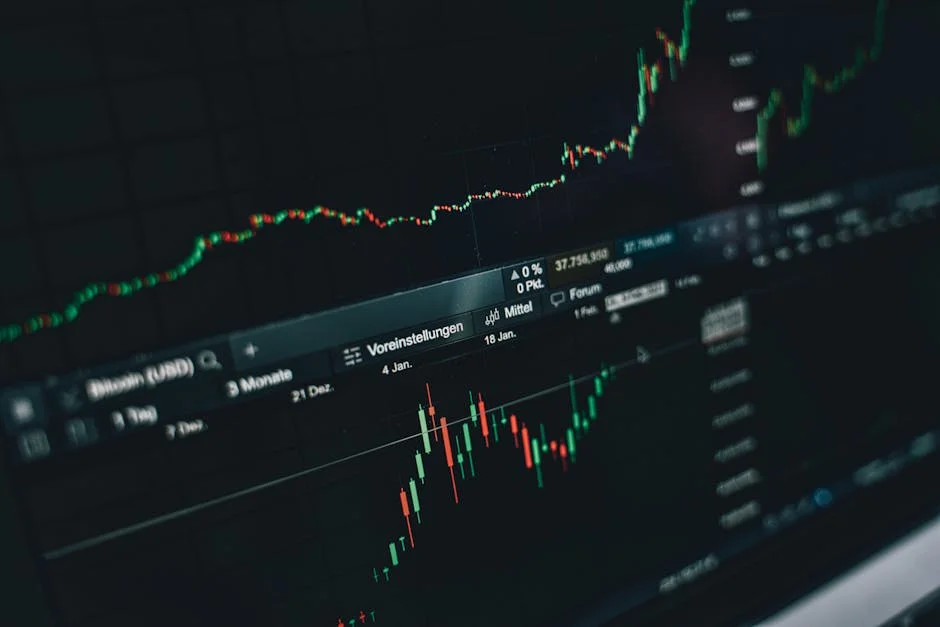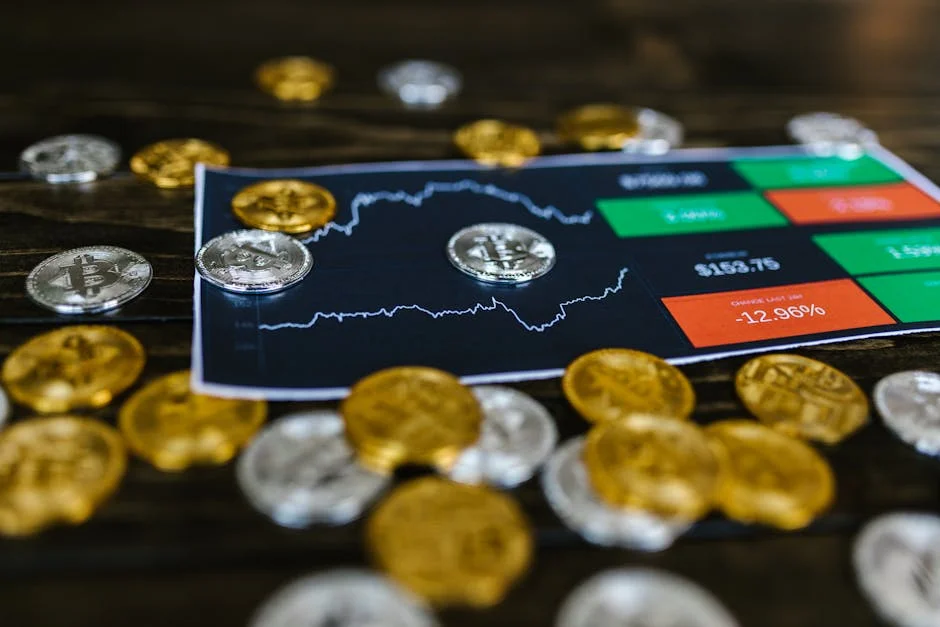
Trading forex vs crypto often feels like choosing between two different financial cultures rather than simply picking two asset classes. The foreign exchange market is built around national currencies, central bank policy, interest rate differentials, and cross-border trade flows. It is the backbone of global commerce, and its daily turnover is enormous, with prices typically moving in measured increments unless a macro shock hits. Crypto markets, by contrast, grew out of a technology-driven ecosystem where tokens represent networks, protocols, communities, and sometimes digital commodities like “gas” for computation. The drivers are not only economic but also technological, regulatory, and narrative-based, making price behavior more reflexive and sentiment-sensitive. If your goal is to match your trading style to the market’s personality, it helps to see that forex tends to reward patience, macro awareness, and risk control, while crypto can reward speed, adaptability, and a strong grasp of market structure across spot and derivatives. Both arenas can be traded actively, both can be approached systematically, and both can be dangerous without a disciplined plan. The key is understanding what you are really trading: in forex, you are trading relative strength between two sovereign currencies; in crypto, you are often trading a mix of network adoption expectations, liquidity conditions, and speculative cycles.
Table of Contents
- My Personal Experience
- Understanding Trading Forex vs Crypto: Two Markets, Two Cultures
- Market Structure and How Orders Get Filled
- Liquidity, Spreads, and Real Trading Costs
- Volatility Profiles and What They Mean for Risk
- Trading Hours, Weekends, and Lifestyle Fit
- Leverage, Margin, and Liquidation Mechanics
- Regulation, Counterparty Risk, and Custody Considerations
- What Moves Prices: Macro Drivers vs Narrative Cycles
- Expert Insight
- Strategy Fit: Scalping, Swing Trading, and Longer-Term Positioning
- Tools, Platforms, and Data: What You Need to Trade Each Market
- Comparison Table: Forex vs Crypto Trading Experience
- Risk Management That Actually Survives Real Markets
- Choosing Between Forex and Crypto Based on Goals and Personality
- Practical Takeaways and a Sensible Starting Path
- Watch the demonstration video
- Frequently Asked Questions
- Trusted External Sources
My Personal Experience
I started out trading crypto because it felt exciting and accessible—24/7 markets, big moves, and a constant stream of news on Twitter. The problem was I couldn’t switch off, and the volatility was brutal; I’d be up nicely on a position and then give it back overnight on a random liquidation cascade. When I moved to forex, it felt slower but more structured: tighter spreads on majors, clearer session rhythms, and fewer “out of nowhere” spikes—though I had to respect how macro data and central bank comments can flip a chart in seconds. Crypto taught me risk control the hard way, but forex is where I finally became consistent, mostly because I could stick to a plan and not feel like I was gambling every time I clicked buy. If you’re looking for trading forex vs crypto, this is your best choice.
Understanding Trading Forex vs Crypto: Two Markets, Two Cultures
Trading forex vs crypto often feels like choosing between two different financial cultures rather than simply picking two asset classes. The foreign exchange market is built around national currencies, central bank policy, interest rate differentials, and cross-border trade flows. It is the backbone of global commerce, and its daily turnover is enormous, with prices typically moving in measured increments unless a macro shock hits. Crypto markets, by contrast, grew out of a technology-driven ecosystem where tokens represent networks, protocols, communities, and sometimes digital commodities like “gas” for computation. The drivers are not only economic but also technological, regulatory, and narrative-based, making price behavior more reflexive and sentiment-sensitive. If your goal is to match your trading style to the market’s personality, it helps to see that forex tends to reward patience, macro awareness, and risk control, while crypto can reward speed, adaptability, and a strong grasp of market structure across spot and derivatives. Both arenas can be traded actively, both can be approached systematically, and both can be dangerous without a disciplined plan. The key is understanding what you are really trading: in forex, you are trading relative strength between two sovereign currencies; in crypto, you are often trading a mix of network adoption expectations, liquidity conditions, and speculative cycles.
Another practical way to frame trading forex vs crypto is to compare how each market “behaves” when you place real orders. Forex is largely an over-the-counter ecosystem with deep interbank liquidity that trickles down through brokers, prime brokers, and liquidity providers. Execution quality, spreads, and slippage are typically stable on major pairs like EUR/USD or USD/JPY, except during illiquid hours or major news events. Crypto execution can vary dramatically by exchange, by token, and even by time of day, with liquidity clustering around a handful of venues and perpetual futures often dominating price discovery. This difference matters if you rely on tight stops, scalping, or high-frequency approaches, because the cost of being wrong in crypto can be amplified by sudden wicks, thin order books, and liquidations cascading through leveraged derivatives. On the other hand, crypto offers accessibility and product variety that forex traders sometimes envy: 24/7 markets, on-chain transparency for certain metrics, and a wide range of volatility regimes. When you compare these markets honestly, the decision is rarely about which one is “better” and more about which one aligns with your risk tolerance, your time zone, your preferred holding period, and your ability to keep emotions in check during drawdowns.
Market Structure and How Orders Get Filled
The mechanics behind trading forex vs crypto can look similar on a chart, but the plumbing underneath is not the same. Forex is typically quoted as pairs, with one currency priced in terms of another, and most retail traders access it through brokers that aggregate quotes from liquidity providers. Because much of forex is OTC, the “market” is effectively a network of participants rather than a single centralized exchange. This can be an advantage for major pairs where liquidity is robust and spreads can remain tight, but it also means the quality of execution depends on your broker’s model and relationships. Some brokers act as market makers, internalizing flow; others route orders via STP/ECN models. The differences show up in spread behavior during news, stop execution, re-quotes, and how often you experience slippage. In practice, a trader who uses short-term strategies in forex needs to understand the broker’s execution policy, the typical spread range during their active hours, and the potential for widened spreads around rollover or data releases.
Crypto trading is more often exchange-centric, where order books are visible and matching engines govern execution. Yet even here, the reality is fragmented: the same asset can trade at slightly different prices across exchanges, and liquidity can migrate quickly. Perpetual futures introduce another layer, with funding rates influencing positioning and sometimes driving dislocations between spot and derivatives. For traders comparing trading forex vs crypto, this means that “best execution” in crypto often includes exchange selection, API stability, fee tiers, and operational resilience, including the ability to manage risk when an exchange experiences downtime. Order types can also differ in practical effect. A stop market order in a fast-moving crypto market can fill far away from the trigger during a liquidation cascade, while limit orders might not fill at all if price gaps. In forex, gaps are less common intraday on majors but can occur over weekends or after major geopolitical events. Understanding these mechanics is not a niche concern; it directly influences position sizing, stop placement, and whether a strategy that backtests well can survive real-world execution costs.
Liquidity, Spreads, and Real Trading Costs
One of the most tangible comparisons in trading forex vs crypto is the cost to enter and exit positions. Forex majors generally offer tight spreads, and many brokers compete aggressively on pricing, especially for high-volume clients. However, the real cost in forex is not just the spread; it includes commissions (if using a raw spread account), rollover or swap rates for holding positions overnight, and the occasional spread expansion around low-liquidity windows. A trader holding positions for days or weeks must account for how interest rate differentials affect swaps, because a seemingly small daily charge can accumulate into a meaningful drag on performance. For shorter-term traders, spread stability matters even more than the absolute minimum spread, because strategies often fail when costs become unpredictable. Liquidity in forex is typically deepest during the overlap of London and New York sessions, and many traders align their activity with these windows to reduce slippage and improve fills.
Crypto costs can be straightforward on paper—maker/taker fees plus spread—but complex in practice. Spreads can be tight on top assets like BTC and ETH on major exchanges, yet widen dramatically on smaller tokens. Fees vary by venue, and the difference between 0.02% and 0.10% can be decisive for active trading. Beyond fees, funding rates on perpetual contracts can either pay you or charge you depending on positioning, and in some market regimes funding becomes a core driver of profitability. When comparing trading forex vs crypto, it is also important to include operational costs: moving funds between exchanges, withdrawal fees, on-chain gas fees, and the potential cost of keeping capital on an exchange for speed versus self-custody for safety. Even “hidden” costs like partial fills, queue priority, and sudden volatility spikes can change the effective cost of a trade. Traders who treat costs as a first-class variable—tracking average spread, average slippage, and net fees—tend to adapt faster and survive longer in both markets.
Volatility Profiles and What They Mean for Risk
Volatility is often the headline difference in trading forex vs crypto, but it is more useful to think in terms of volatility regimes rather than stereotypes. Forex majors can be relatively calm for extended periods, especially when central banks signal stable policy paths and macro data is within expectations. That calm can lull traders into oversizing positions, only to be surprised by sudden bursts of volatility during unexpected inflation prints, central bank surprises, geopolitical escalations, or flash crashes. The advantage is that forex volatility is often linked to identifiable catalysts, making it somewhat easier to plan around event risk with a calendar and a macro framework. Risk management in forex frequently revolves around defining maximum loss per trade, using stops placed beyond key technical levels, and being aware of scheduled announcements that can cause rapid repricing.
Crypto volatility is often higher and can be more reflexive, meaning price movements can feed on themselves through liquidations, momentum chasing, and rapid shifts in sentiment. For traders comparing trading forex vs crypto, this changes the entire approach to position sizing and stop placement. A stop that is “reasonable” in forex may be too tight in crypto, getting hit by normal noise. At the same time, a stop that is wide enough to survive noise can create a larger dollar risk unless position size is reduced. Crypto also has unique volatility catalysts: exchange hacks, regulatory headlines, protocol exploits, token unlock schedules, stablecoin depegs, and sudden changes in risk appetite across global markets. The best way to handle this is to treat volatility as a constraint: size positions so that a worst-case wick does not exceed your maximum loss threshold, avoid excessive leverage, and consider using options or reduced exposure during high-risk windows. Traders who embrace volatility as a parameter to be measured—ATR, realized volatility, implied volatility—are better positioned to navigate both forex and crypto without being surprised by the market’s speed.
Trading Hours, Weekends, and Lifestyle Fit
Time structure is a major lifestyle variable in trading forex vs crypto. Forex trades 24 hours a day from Monday to Friday, with liquidity rotating across Asia, Europe, and North America. This schedule gives traders predictable windows when spreads are tight and volumes are high, and it also provides downtime on weekends for review, journaling, and system improvements. For many, the weekend closure is a psychological benefit because it creates boundaries, reduces overtrading, and forces a rhythm of preparation and execution. Yet forex also has its own time risks: weekend gaps can occur if major events unfold while markets are closed, and swap charges apply when holding positions through rollover, often triple on certain days depending on broker conventions.
Crypto runs continuously, including weekends and holidays, which can be liberating or exhausting depending on your temperament. For trading forex vs crypto comparisons, the 24/7 nature of crypto means you can react to news instantly, but it also means the market can move sharply while you sleep. That reality pushes many crypto traders toward either shorter holding periods with tight monitoring or longer-term approaches that accept volatility and use smaller sizing. Weekend liquidity in crypto can be thinner, which can amplify moves and increase slippage, particularly in altcoins. If you prefer a structured schedule, forex may feel more manageable; if you need flexibility due to work or time zone constraints, crypto’s always-on market can be appealing. A practical compromise is to define “office hours” regardless of the market, set alerts for key levels, and use conditional orders carefully. The best market for you is often the one that fits your life while still allowing disciplined execution, because fatigue and constant monitoring can degrade decision quality faster than any technical mistake.
Leverage, Margin, and Liquidation Mechanics
Leverage is central to many strategies, and it is a critical comparison point in trading forex vs crypto. Forex brokers often offer significant leverage to retail clients, sometimes extremely high depending on jurisdiction, though many regulators cap leverage for consumer protection. High leverage can make small moves meaningful, which is attractive in a market where daily percentage changes in majors can be modest. The danger is that leverage compresses the distance to ruin: a normal adverse move can wipe out a large portion of your account if position sizes are aggressive. Forex margin calls and stop-outs vary by broker, but the general principle is that your free margin shrinks as losses mount, and positions may be closed automatically if margin level falls below a threshold. Managing leverage responsibly in forex typically means using it as a tool for capital efficiency rather than as a way to gamble on oversized positions.
Crypto leverage is often offered through perpetual futures and margin trading, with liquidation engines that can close positions rapidly when margin requirements are breached. In trading forex vs crypto, this is a crucial behavioral difference: crypto markets can trigger liquidation cascades, where forced selling or buying accelerates price moves, which then triggers more liquidations. This dynamic can create extreme wicks that punish traders who rely on tight stop placement or who run high leverage near obvious levels. Funding rates also interact with leverage by incentivizing crowded positioning to unwind. A trader using crypto derivatives needs to understand maintenance margin, liquidation price calculations, mark price versus last price, and how exchange-specific rules can affect outcomes. A conservative approach is to keep leverage low, use isolated margin when appropriate, and treat liquidation as unacceptable rather than as a normal risk. When you compare the two markets, forex leverage risk is often about slow accumulation of errors and overconfidence, while crypto leverage risk is often about sudden nonlinear events that turn small mistakes into large losses.
Regulation, Counterparty Risk, and Custody Considerations
Regulatory environment shapes the practical reality of trading forex vs crypto. Forex is generally well-established, with many jurisdictions requiring brokers to meet capital standards, segregate client funds, provide risk disclosures, and submit to oversight. While not all brokers are equal, the industry has a longer history of consumer protection frameworks, dispute resolution mechanisms, and standardized reporting. That said, OTC structure means you still face counterparty risk with your broker, and the quality of regulation varies widely by region. Choosing a reputable, well-regulated broker can reduce the risk of withdrawal issues, price manipulation, or unexpected changes in trading conditions. For traders who value legal clarity and stable operating conditions, forex often feels more predictable, especially when trading major currency pairs through a broker with strong compliance and transparent policies.
Crypto regulation is evolving and can change quickly, affecting exchange availability, product access, and tax treatment. In trading forex vs crypto, counterparty risk can be more pronounced in crypto because many traders keep funds on exchanges to trade quickly, and exchange failures, hacks, or withdrawal freezes have occurred historically. Self-custody can reduce some risks, but it introduces others: key management, phishing, wallet security, and the operational friction of moving funds when opportunities arise. Additionally, some crypto products may be restricted in certain regions, and exchanges can delist tokens or change leverage limits with little notice. Traders can mitigate risk by diversifying across reputable venues, limiting idle balances on exchanges, using hardware wallets for long-term holdings, and maintaining strong operational security practices. The regulatory and custody dimension is not just a legal footnote; it affects how much capital you feel comfortable deploying, how quickly you can react, and how you plan for worst-case scenarios.
What Moves Prices: Macro Drivers vs Narrative Cycles
The “why” behind price movement is a core difference in trading forex vs crypto. Forex is heavily influenced by macroeconomic variables: interest rates, inflation, employment data, trade balances, fiscal policy, and central bank communication. Currency values reflect relative economic strength and expected policy paths, so traders often watch yield differentials, forward guidance, and risk sentiment. A currency can strengthen if its central bank is expected to tighten policy, or weaken if growth deteriorates and rate cuts are anticipated. Geopolitics, commodity prices, and capital flows also matter, especially for currencies tied to exports or risk-sensitive behavior. This macro foundation can make forex feel more grounded, because catalysts are often scheduled and data-driven, even if the market’s interpretation can be complex. It also means that a forex trader can build a repeatable process around calendars, scenario planning, and a small set of high-impact events.
| Comparison | Forex Trading | Crypto Trading |
|---|---|---|
| Market Hours & Liquidity | 24/5 with very deep liquidity in major pairs; typically tighter spreads. | 24/7 with liquidity varying widely by coin/exchange; spreads can widen in fast markets. |
| Volatility & Risk | Generally lower volatility; moves often driven by macro data and central banks. | Generally higher volatility; sentiment, news, and on-chain/exchange flows can cause sharp swings. |
| Regulation & Counterparty | More mature regulation and broker oversight in many jurisdictions; clearer protections. | Regulation varies by region; exchange and custody risk can be higher and protections less consistent. |
Expert Insight
In forex, prioritize liquidity and macro drivers: trade major pairs during their most active sessions (London/New York overlap) and anchor decisions to a simple calendar routine—identify high-impact releases, reduce position size ahead of them, and set stop-losses beyond recent swing highs/lows rather than arbitrary pip counts. If you’re looking for trading forex vs crypto, this is your best choice.
In crypto, manage volatility and venue risk: use limit orders and predefine invalidation levels before entry, then cap exposure per trade and per exchange (keep only working capital on platforms, store the rest in cold storage). If spreads widen or funding rates spike, step back—those are signals to tighten risk or wait for cleaner conditions. If you’re looking for trading forex vs crypto, this is your best choice.
Crypto is influenced by liquidity conditions too, but it also moves on narratives: adoption stories, technological upgrades, ETF headlines, regulatory developments, meme cycles, and shifting perceptions of what a token represents. In trading forex vs crypto, this means crypto can reprice rapidly when a narrative catches fire, even without near-term cash flows or traditional valuation anchors. On-chain metrics, developer activity, and network usage can matter, but market attention often rotates faster than fundamentals can change. Bitcoin can trade as a macro proxy for liquidity and risk appetite, while smaller tokens can trade like venture-style bets with extreme dispersion in outcomes. Understanding crypto price drivers often requires tracking market positioning, funding rates, stablecoin flows, and sentiment across social channels, alongside more traditional indicators like dollar strength and rates. Traders who thrive in crypto often develop a strong filter for distinguishing meaningful structural shifts from short-lived hype, while maintaining strict risk controls to avoid getting trapped in crowded trades when narratives reverse.
Strategy Fit: Scalping, Swing Trading, and Longer-Term Positioning
Different strategies behave differently across trading forex vs crypto. Forex is popular for intraday trading because major pairs can offer clean liquidity and relatively consistent technical behavior during active sessions. Scalping can work when spreads are tight and execution is reliable, but it demands discipline and a broker environment that supports fast fills without excessive slippage. Swing trading in forex often blends technical levels with macro context, such as aligning a technical breakout with a shift in rate expectations. Longer-term positioning can also be viable, especially when a central bank divergence theme is strong, but swap costs and drawdown tolerance become important. Because forex trends can persist when macro conditions remain in place, patient traders sometimes find that fewer, higher-conviction trades outperform constant activity.
Crypto offers a broader range of strategic opportunities but also more traps. In trading forex vs crypto, crypto’s volatility can make trend-following powerful during bull or bear cycles, yet mean reversion can dominate during choppy ranges. Intraday trading can be profitable, particularly around high-volume periods, but sudden wicks and liquidation hunts can punish tight risk. Swing trading can exploit narrative rotations, but it requires quick adaptation and careful selection of liquid assets to avoid slippage. Longer-term crypto positioning often resembles cycle investing, where traders scale exposure based on macro liquidity, halving cycles, adoption milestones, and risk sentiment. However, holding through deep drawdowns is psychologically challenging, and self-custody practices may become part of the strategy. A practical approach is to match your strategy to the asset’s liquidity and your own temperament: use the most liquid pairs or coins for short-term trading, reduce leverage in volatile conditions, and define exit rules that are followed even when the market is euphoric or fearful.
Tools, Platforms, and Data: What You Need to Trade Each Market
The toolkit for trading forex vs crypto overlaps—charts, indicators, risk calculators—but the data ecosystem differs. Forex traders often rely on economic calendars, central bank announcements, yield curve data, and news feeds that interpret macro releases quickly. Many use platforms like MetaTrader or cTrader through brokers, and institutional-style traders may use more advanced terminals and execution systems. Data quality in forex can be tricky for backtesting because retail feeds may differ, and tick data can be expensive, but major pairs are widely covered. Because forex is OTC, volume data is often broker-specific rather than centralized, so traders may use proxies like futures volume for certain currencies or focus on price action and volatility rather than absolute volume.
Crypto traders have access to centralized exchange order books, trade prints, funding rates, open interest, and in many cases on-chain metrics like active addresses, exchange inflows/outflows, and stablecoin supply changes. For trading forex vs crypto comparisons, crypto can offer more transparent market microstructure signals, but the sheer amount of data can cause analysis paralysis. Platform choice matters: some exchanges are optimized for active derivatives trading, while others prioritize spot liquidity or compliance. Charting tools, portfolio trackers, and alert systems can help manage a 24/7 market without constant screen time. Security tools become part of the toolkit as well, including hardware wallets, whitelisting, two-factor authentication, and withdrawal address management. The best tool stack is the one that supports consistent execution: fast enough to place and manage orders, reliable enough to avoid outages during volatility, and integrated enough that you can review performance metrics like expectancy, average win/loss, and drawdown without manual guesswork.
Comparison Table: Forex vs Crypto Trading Experience
| Name | Features | Ratings | Price |
|---|---|---|---|
| Forex (Major Pairs) | Deep liquidity; tighter spreads; macro-driven catalysts; regulated broker access; defined trading week | Stability: 4.5/5; Volatility: 2.5/5; Accessibility: 4/5 | Typical costs: spread + commission (varies) + overnight swap |
| Crypto (BTC/ETH Spot) | 24/7 trading; high liquidity on top assets; exchange-based order books; on-chain metrics available | Stability: 3/5; Volatility: 4/5; Accessibility: 4.5/5 | Typical costs: maker/taker fees + spread + withdrawal/on-chain fees |
| Crypto (Perpetual Futures) | High leverage availability; funding rates; strong liquidity on major contracts; liquidation mechanics | Stability: 2.5/5; Volatility: 4.5/5; Opportunity: 4.5/5 | Typical costs: fees + spread + funding payments/receipts |
| Forex (Minor/Exotic Pairs) | Higher spreads; event risk; lower liquidity; potentially large gaps; broker-dependent execution | Stability: 3/5; Volatility: 3.5/5; Accessibility: 3.5/5 | Typical costs: wider spreads + higher swap (varies) |
Risk Management That Actually Survives Real Markets
Risk management is where the debate about trading forex vs crypto becomes practical rather than theoretical. Regardless of market, the most common failure mode is not being wrong; it is being wrong while oversized. A robust framework starts with defining maximum risk per trade as a small percentage of equity, then translating that into position size based on stop distance and volatility. In forex, traders often underestimate how quickly correlated pairs can compound risk. Being long EUR/USD and long GBP/USD is not truly diversified if the USD moves broadly on a rates surprise. Similarly, being short USD/JPY and long gold can express overlapping risk sentiment. Correlation awareness helps prevent accidental concentration. Another forex-specific consideration is event risk: central bank days, CPI releases, and unexpected headlines can create slippage, so some traders reduce size or widen stops during those windows. Swap costs also influence risk because they can turn a flat trade into a losing one over time, especially when holding against the positive carry direction.
Crypto risk management adds layers: exchange risk, liquidation risk, and tail-risk volatility. In trading forex vs crypto, crypto traders often need to plan for extreme moves that exceed typical technical levels. That can mean using smaller size, lower leverage, and sometimes wider stops paired with a reduced position to keep dollar risk constant. It can also mean setting rules about when not to trade, such as during major regulatory announcements, when a stablecoin is under stress, or when funding rates indicate a dangerously crowded positioning. Another survival principle is operational risk control: diversify across venues, avoid keeping all capital on a single exchange, and maintain a process for quickly reducing exposure if markets become disorderly. Journaling is a surprisingly powerful risk tool because it exposes patterns like revenge trading, overtrading during boredom, or increasing leverage after wins. The best risk management plan is one you can follow on your worst day, not just when you are calm and focused.
Choosing Between Forex and Crypto Based on Goals and Personality
The right choice in trading forex vs crypto is often the one that matches your goals and personality constraints. If you prefer a market where macro logic and scheduled events play a central role, forex may feel more intuitive. Many traders enjoy building a weekly routine around economic calendars, identifying a few high-quality setups, and executing during peak liquidity hours. Forex can also be attractive if you want to focus on a small set of instruments—perhaps a handful of major pairs—and develop deep familiarity with their behavior. The learning curve can be steep, especially when understanding how central bank expectations are priced in, but once you build that framework, it can provide a stable decision-making process. If you are sensitive to constant monitoring and you value downtime, the Monday-to-Friday structure can support healthier habits.
Crypto may be a better fit if you want access to a broader opportunity set, you are comfortable with higher volatility, and you can manage the psychological intensity that comes with rapid price swings. For trading forex vs crypto, many people are drawn to crypto because it feels more accessible, with smaller account sizes able to participate meaningfully and with a culture of experimentation across spot, futures, options, and on-chain venues. However, that accessibility can also encourage overtrading and excessive leverage. The traders who do best in crypto often treat it like a professional environment: they specialize in the most liquid assets, keep strict risk limits, and avoid chasing every new token narrative. A balanced approach is also possible: some traders keep forex as a steadier, macro-based focus while using crypto selectively during high-conviction cycles. The best “choice” is often a portfolio of attention, where you concentrate on one market until you are consistently profitable, then add the second market only when your process is stable enough to handle the added complexity.
Practical Takeaways and a Sensible Starting Path
A grounded approach to trading forex vs crypto starts with acknowledging that both markets can reward skill and punish impulsiveness. Begin by picking one market as your primary focus for at least several months, not because the other is inferior, but because consistency requires repetition under similar conditions. Build a simple plan: define the instruments you trade, the time frames you use, the setup rules you follow, and the risk you take per trade. Track every trade, including fees and slippage, and review results weekly to identify whether your edge is real or imagined. In forex, prioritize major pairs to benefit from liquidity and tighter spreads, and align your trading hours with the most active sessions. In crypto, prioritize highly liquid assets and reputable venues, and be conservative with leverage until you have a proven record across different volatility regimes. If you want to use indicators, keep them consistent and avoid constant tweaking, because over-optimization can hide the fact that execution and discipline drive most outcomes.
Over time, the comparison of trading forex vs crypto becomes less about which market offers the “best” opportunities and more about which market you can trade best with your current skills. The most reliable path is to treat trading like a business: protect capital first, refine your process second, and scale only after you have demonstrated discipline through both wins and losses. If you are drawn to macro narratives and prefer structured sessions, forex may provide a clearer framework. If you thrive in fast-moving environments and can manage operational and volatility risks, crypto may offer more frequent opportunities. Either way, the traders who last are the ones who respect risk, measure performance honestly, and keep learning even when the market rewards them. With that mindset, trading forex vs crypto stops being a debate and becomes a strategic choice aligned with your temperament, resources, and long-term objectives.
Watch the demonstration video
In this video, you’ll learn the key differences between trading forex and crypto, including market hours, volatility, liquidity, and typical trading costs. It breaks down how each market reacts to news, what risks to expect, and which strategies may fit different trader goals—helping you decide which market aligns best with your style and experience. If you’re looking for trading forex vs crypto, this is your best choice.
Summary
In summary, “trading forex vs crypto” is a crucial topic that deserves thoughtful consideration. We hope this article has provided you with a comprehensive understanding to help you make better decisions.
Frequently Asked Questions
What’s the main difference between trading forex and trading crypto?
Forex trading involves buying and selling national currencies in a well-established, highly regulated global market, while crypto trading focuses on digital assets in a newer, more fragmented landscape where rules and oversight can vary widely—making the experience of **trading forex vs crypto** quite different in terms of structure, stability, and regulation.
Which market is open longer: forex or crypto?
Crypto markets never sleep, running 24/7 all year round, while forex trading generally operates 24 hours a day from Monday through Friday, pausing on weekends and certain holidays—one of the key differences to consider when comparing **trading forex vs crypto**.
Which is more volatile: forex or crypto?
When it comes to **trading forex vs crypto**, crypto markets are typically far more volatile, often seeing sharp intraday price swings, whereas major forex pairs usually move within tighter ranges and tend to be more stable.
How do liquidity and spreads compare between forex and crypto?
Major forex pairs typically offer deeper liquidity and tighter spreads, making trade execution more predictable. By contrast, when **trading forex vs crypto**, liquidity and spreads can differ widely depending on the coin and exchange, and they often widen sharply during volatile, fast-moving markets.
Is leverage higher in forex or crypto trading?
Forex brokers often provide higher leverage, though the exact limits depend on local regulations. When comparing **trading forex vs crypto**, crypto leverage varies widely by exchange and jurisdiction—sometimes reaching very high levels—but it also comes with a much greater risk of sudden liquidation if the market moves against you.
What are the key risks unique to crypto compared with forex?
Crypto adds risks like exchange or wallet custody issues, smart-contract and protocol risk, market manipulation on smaller venues, and rapid regulatory changes; forex risks are more centered on macro events, leverage, and broker/counterparty quality. If you’re looking for trading forex vs crypto, this is your best choice.
📢 Looking for more info about trading forex vs crypto? Follow Our Site for updates and tips!

Trusted External Sources
- Which is easiest for beginners? Crypto trading or forex trading?
As of Feb 26, 2026, many investors still find stocks to be the more beginner-friendly choice. Forex trading often relies on leverage, which can amplify losses just as quickly as gains—making it risky for newcomers. Crypto, on the other hand, trades 24/7 and can be three times (or more) as volatile as most stocks, so price swings can be intense. If you’re weighing **trading forex vs crypto**, it’s worth considering whether you’re prepared for leverage-driven risk in forex or nonstop, high-volatility moves in crypto.
- Forex Trading vs Crypto Trading: What Is the Difference and Which …
As of Jun 5, 2026, many traders find that **trading forex vs crypto** comes down to stability versus upside: forex markets tend to be steadier and more liquid, making it easier to enter and exit positions smoothly, while crypto often offers bigger profit potential—but with much sharper volatility and risk.
- Forex vs. crypto: Which to choose? – Fiat Republic
As of Oct 7, 2026, financial markets offer a wide range of platforms where people trade and speculate on currency values. Among the most popular choices is **trading forex vs crypto**, and while both involve price movements and potential profit opportunities, they differ significantly in market structure, volatility, liquidity, regulation, and the way traders approach risk and strategy.
- Forex vs Crypto: Key Differences Explained | IG International
Both markets can be volatile, but cryptocurrencies usually swing much more dramatically than major forex pairs. When you’re **trading forex vs crypto**, this often means crypto prices are more likely to spike or plunge in short bursts, creating bigger profit opportunities—but also significantly higher risk and faster-moving losses.
- 10 SIGNS OF A SCAM CRYPTO OR FOREX TRADING WEBSITE
Most scams tied to cryptocurrency or foreign exchange (forex) trading start on social media or through messaging apps, where fraudsters use slick posts, fake success stories, and “can’t-miss” offers to lure people in—especially when they’re comparing **trading forex vs crypto**.