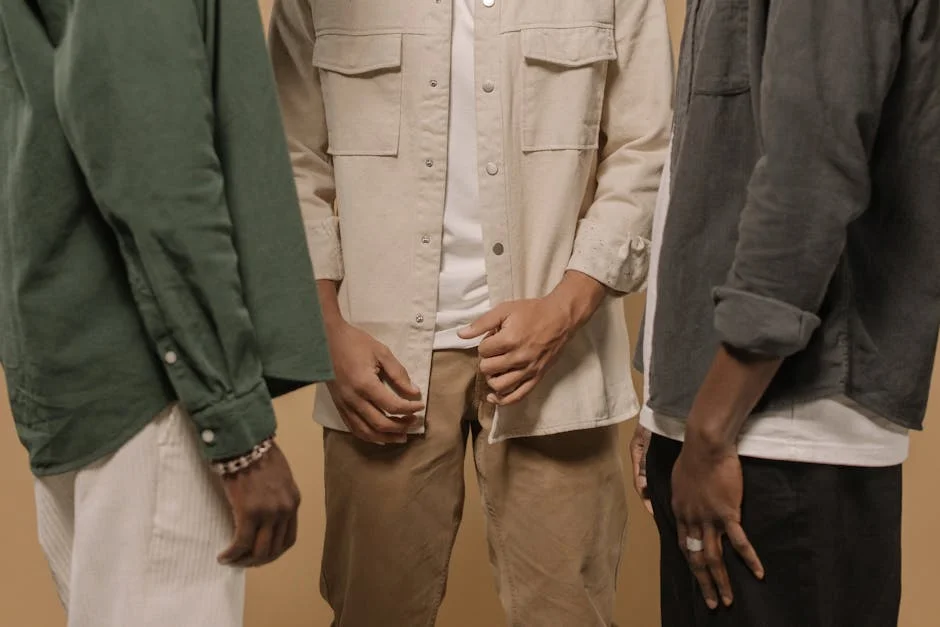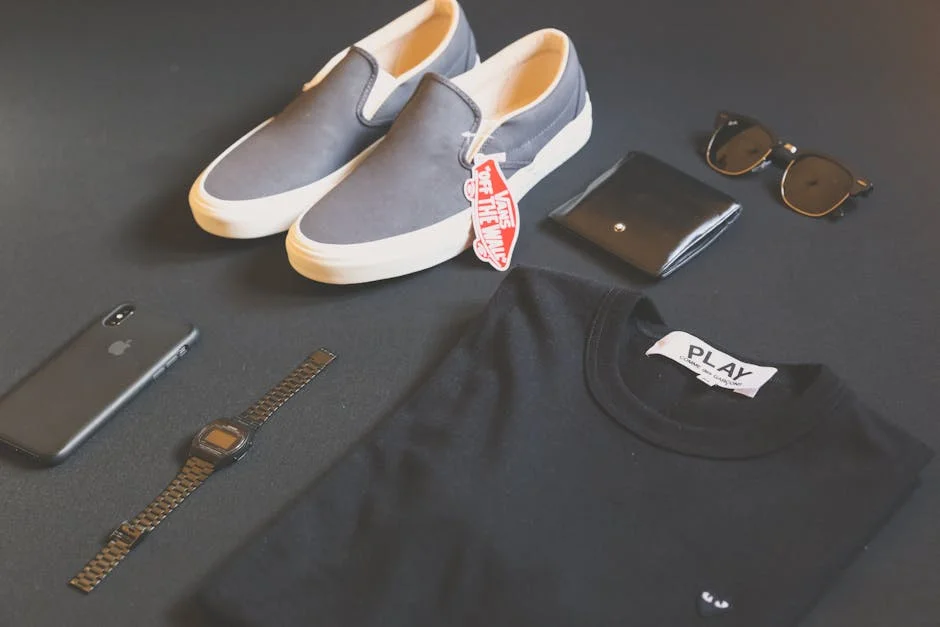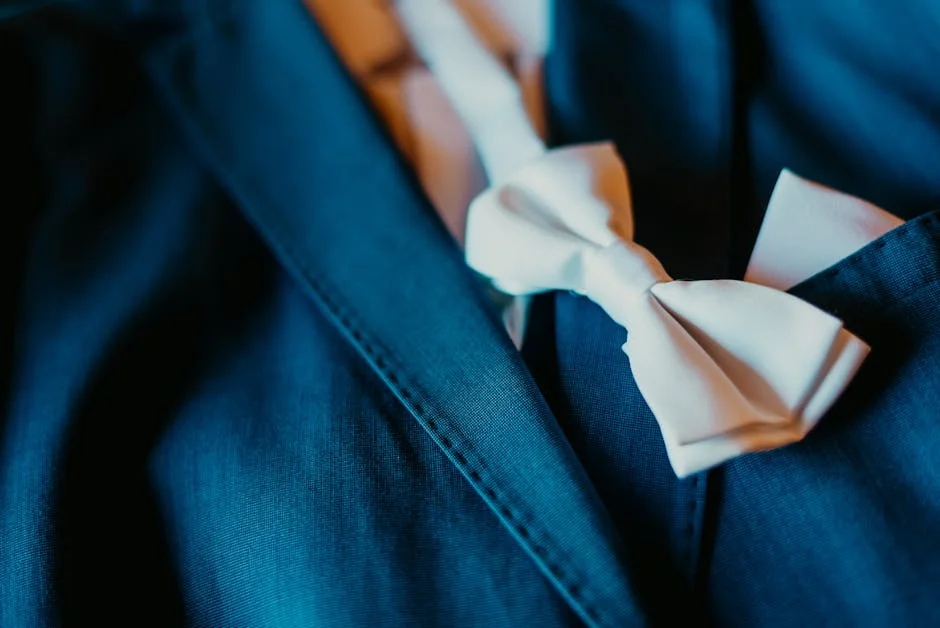
Formal clothes for men carry a clear message: polish, respect for the setting, and attention to detail. Yet “formal” is not a single uniform; it’s a spectrum shaped by culture, industry, time of day, and the event’s expectations. In many workplaces, formalwear means a suit and tie with conservative colors and minimal pattern. In others, a tailored blazer with dress trousers and a crisp shirt can qualify as formal if the fit and finishing are sharp. For weddings and black-tie evenings, the standard rises again, moving into tuxedos, bow ties, and evening-specific fabrics. Understanding these levels helps you buy fewer pieces that work harder, because you can build an outfit that lands correctly without looking overdressed or underdressed.
Table of Contents
- My Personal Experience
- Understanding Formal Clothes for Men: What “Formal” Really Means Today
- Choosing the Right Suit: Fabric, Color, and Occasion
- Fit and Tailoring: The Difference Between “Wearing” and “Owning” the Look
- Dress Shirts: Collars, Cuffs, and Fabrics That Look Truly Formal
- Ties and Neckwear: How to Add Authority Without Overdoing It
- Formal Shoes and Leather Goods: The Details That Make or Break the Outfit
- Blazers, Sport Coats, and Dress Trousers: Building Formal Options Without Always Wearing a Suit
- Expert Insight
- Seasonal Formalwear: Looking Sharp in Summer and Winter
- Formal Clothes for Men at Work: Office Standards and Modern Expectations
- Weddings, Ceremonies, and Evening Events: Dressing to Honor the Occasion
- Common Mistakes and How to Fix Them Without Rebuying Everything
- Building a Versatile Formal Wardrobe on Any Budget
- Final Thoughts: Confidence, Care, and Personal Style Within Formal Standards
- Watch the demonstration video
- Frequently Asked Questions
- Trusted External Sources
My Personal Experience
I used to think formal clothes for men were just for weddings and job interviews, but that changed when I started a new role that required business attire a few days a week. The first time I wore a suit that actually fit—jacket sleeves ending at my wrist, trousers hemmed properly—I felt more put together than I expected, even though nothing else about my day was different. I learned quickly that the small details matter: a plain white shirt that isn’t see-through, a belt that matches the shoes, and a tie that doesn’t look too shiny. Now I keep one navy suit and one charcoal suit ready, and I rotate a couple of shirts so I’m not scrambling last minute. It still isn’t my favorite kind of clothing, but it’s a lot less uncomfortable—and a lot more confidence-boosting—when it’s chosen on purpose instead of borrowed or rushed.
Understanding Formal Clothes for Men: What “Formal” Really Means Today
Formal clothes for men carry a clear message: polish, respect for the setting, and attention to detail. Yet “formal” is not a single uniform; it’s a spectrum shaped by culture, industry, time of day, and the event’s expectations. In many workplaces, formalwear means a suit and tie with conservative colors and minimal pattern. In others, a tailored blazer with dress trousers and a crisp shirt can qualify as formal if the fit and finishing are sharp. For weddings and black-tie evenings, the standard rises again, moving into tuxedos, bow ties, and evening-specific fabrics. Understanding these levels helps you buy fewer pieces that work harder, because you can build an outfit that lands correctly without looking overdressed or underdressed.

The best way to think about formal clothes for men is to prioritize structure and refinement. Structured tailoring—jackets with clean shoulders, trousers with a proper drape, and shirts with firm collars—signals formality more than any single brand label. Refinement shows up through fabric quality, color discipline, and the absence of casual details such as contrast stitching, patch pockets, visible logos, or heavy texture. Even within business attire, subtle variations matter: a charcoal or navy worsted suit reads more formal than a cotton suit; a white poplin shirt reads more formal than an Oxford cloth button-down; leather-soled oxfords read more formal than bulky derby shoes. Once you recognize the visual language, building outfits becomes simpler. You can select a small set of versatile core items—one dark suit, one medium-gray suit, two to three dress shirts, and two pairs of dress shoes—and rotate them across many occasions with minor changes in tie, pocket square, or belt.
Choosing the Right Suit: Fabric, Color, and Occasion
A suit is the cornerstone of formal clothes for men, and the smartest purchases begin with fabric choice. For year-round use, worsted wool in the 240–300 gsm range is hard to beat: it holds shape, resists wrinkles, and looks naturally elegant under office lighting or event photography. In warmer climates, tropical wool or a high-twist wool breathes better while staying crisp. For winter, flannel adds depth and warmth, but it can read slightly less formal because of its softer texture—still appropriate for business and many ceremonies. Avoid shiny, thin “budget” weaves that reflect light; they can look synthetic even when labeled as wool blends. If you need a travel-friendly option, a wool with a touch of elastane can improve comfort without sacrificing formality, provided the cloth still drapes cleanly.
Color and pattern are the next decisions. Navy and charcoal are the most versatile because they work across business, interviews, and many celebrations. Mid-gray is excellent for daytime events and offices; black suits are often misunderstood—outside funerals, very formal evening events, or specific uniforms, black can look severe in daylight and may signal “waitstaff” in some settings. If you want variety, subtle patterns like a faint pinstripe or a small glen check add personality while staying within formal boundaries. Keep contrast low and pattern scale small for maximum flexibility. The occasion should guide the final pick: interviews and high-stakes meetings favor solid navy or charcoal; weddings allow a bit more expression, such as a textured navy or a refined check; evening events can handle darker shades and higher contrast accessories. The suit should always look intentional, not improvised, which is why conservative choices often deliver the best long-term value. If you’re looking for formal clothes for men, this is your best choice.
Fit and Tailoring: The Difference Between “Wearing” and “Owning” the Look
Fit is the single most important factor in formal clothes for men, because even an expensive suit looks unconvincing if it pulls, sags, or collapses at the shoulders. Start with the jacket: the shoulder seam should sit exactly at the edge of your shoulder bone, and the collar should hug the back of the neck without a gap. When buttoned, the jacket should form a clean “X-free” front—no dramatic pulling lines around the button. Sleeve length generally shows a small amount of shirt cuff, roughly 0.5–1.5 cm depending on preference and proportions. Jacket length should balance your body: a classic guideline is that the hem covers the seat and your hands curl around the bottom edge when arms hang naturally. These aren’t rigid rules, but they help you avoid extremes that read trendy rather than formal.
Trousers matter just as much. A clean waist fit prevents constant adjustment and keeps the shirt tucked neatly. The leg should drape straight without clinging; too slim can look fashion-forward and less formal, while too wide can appear dated if not intentional. Break—the fold at the shoe—should be chosen based on style and height: no break or slight break looks modern and sharp, while a medium break can feel more traditional and forgiving. Tailoring is where a suit becomes yours. Hemming trousers, adjusting sleeve length, and taking in the waist are common and relatively affordable alterations that transform the overall effect. However, avoid suits that need major shoulder work or extensive recutting; those changes are expensive and risk distortion. If you invest in one thing, invest in getting the fit right, because formal attire is judged quickly from a distance, and silhouette communicates competence before anyone notices the label inside the jacket. If you’re looking for formal clothes for men, this is your best choice.
Dress Shirts: Collars, Cuffs, and Fabrics That Look Truly Formal
Dress shirts are the quiet foundation of formal clothes for men, and the right shirt makes a suit look cleaner, sharper, and more intentional. Fabric choice sets the tone. Poplin or broadcloth offers a smooth, crisp surface that reads very formal, especially in white or light blue. Twill has a slightly richer texture and drapes beautifully, often resisting wrinkles better than poplin; it’s excellent for long workdays and travel. Oxford cloth is durable and comfortable, but because it has a more casual texture, it’s best reserved for business-casual environments or paired with a blazer rather than a high-formality suit. For truly formal evening settings, a pleated or bib-front shirt may be appropriate with a tuxedo, but for most men, a high-quality plain-front dress shirt covers the majority of needs.

Collar style should match both your face and your tie habits. A classic point collar is the most versatile and works with almost any tie knot. A semi-spread collar flatters many face shapes and accommodates larger knots without looking cramped. Cutaway collars can look modern but may feel less traditional in conservative offices. Cuffs also influence formality: barrel cuffs are standard for business; French cuffs add a dressier note and pair with cufflinks for weddings, ceremonies, and evening events. Pay attention to shirt fit: the collar should allow one to two fingers of space, the shoulder seam should align properly, and the body should be tailored enough to tuck smoothly without ballooning. Color and pattern should stay restrained if you want maximum flexibility—white, light blue, and subtle stripes are reliable. Loud prints may be fun, but they reduce the number of occasions where the shirt qualifies as formal. A small rotation of excellent shirts can elevate every suit you own. If you’re looking for formal clothes for men, this is your best choice.
Ties and Neckwear: How to Add Authority Without Overdoing It
Ties are a defining accessory in formal clothes for men because they draw attention to the face and set the outfit’s level of seriousness. The simplest approach is to build a small, high-utility tie wardrobe. Start with a navy grenadine or textured silk tie, a burgundy tie, and a conservative patterned tie such as a small dot or subtle stripe. These cover business, interviews, and most formal events. Silk remains the standard, but wool and knit ties can be excellent in colder months; just note that knit ties often read slightly less formal because of their casual texture and squared end. Tie width should harmonize with your lapels and body proportions—extremes look dated quickly and can undermine a classic formal look.
Knot choice and tie length matter more than many realize. A four-in-hand knot is slightly asymmetrical and relaxed, suitable for most settings; a half-Windsor is more symmetrical and can feel more formal. The tie tip should generally reach the belt line; too short or too long breaks the clean vertical line that suits create. Consider the relationship between tie and shirt collar: larger collars can handle fuller knots; smaller collars look best with compact knots. For ceremonies and evening events, bow ties can be appropriate, especially with tuxedos, but they should be tied rather than pre-tied if you want a refined finish. Pocket squares can add elegance, but keep them subtle in formal contexts—white linen in a simple fold is timeless. If you choose color, echo a tone from the tie rather than matching exactly, because perfect matching can look like a set rather than a considered outfit. If you’re looking for formal clothes for men, this is your best choice.
Formal Shoes and Leather Goods: The Details That Make or Break the Outfit
Shoes are often the most visible indicator of whether formal clothes for men are being worn correctly. A well-fitted suit paired with tired shoes loses credibility instantly. For maximum versatility, start with black cap-toe oxfords; they are appropriate for interviews, conservative offices, formal ceremonies, and evening events. Next, consider dark brown oxfords or derbies for slightly more flexibility with navy and medium-gray suits. Oxfords are generally more formal due to their closed lacing, while derbies are a touch more relaxed but still acceptable in many professional settings. Leather quality matters: full-grain calfskin ages well and can be polished to a deep shine. Avoid bulky soles, heavy contrast stitching, or exaggerated broguing if you want a strictly formal appearance.
Maintenance and coordination complete the picture. Use shoe trees to preserve shape, rotate pairs to let leather rest, and polish regularly—especially the toe and heel where light hits. Match your belt to your shoes in color and finish; a black belt with black shoes and a dark brown belt with brown shoes is the simplest guideline. Watch straps should also coordinate: leather straps look dressier than silicone or fabric, and a slim case often pairs better with formalwear than oversized sports watches. Socks should be long enough that no skin shows when seated, and color should blend with trousers rather than shoes for a longer, cleaner leg line. These details may seem minor, but formal dressing is built on consistency. When every element supports the same level of refinement, the outfit feels effortless and authoritative rather than costume-like. If you’re looking for formal clothes for men, this is your best choice.
Blazers, Sport Coats, and Dress Trousers: Building Formal Options Without Always Wearing a Suit
Not every situation requires a full suit, yet many occasions still call for formal clothes for men that look structured and professional. This is where blazers, sport coats, and dress trousers become powerful tools. A navy blazer with metal buttons is a classic, but for a more understated formal look, choose a blazer with tonal buttons that resemble a suit jacket. Fabric should be smooth and tailored rather than heavily textured; hopsack can be breathable but may read more casual than worsted wool. Sport coats offer pattern and texture, but to keep them formal, select subtle designs like small checks in muted colors. Pairing a structured jacket with well-fitted trousers can look nearly as polished as a suit when the colors and fabrics harmonize.

Expert Insight
Prioritize fit before brand: choose a jacket that sits flat on the shoulders, has sleeves ending at the wrist bone (showing about 1/4–1/2 inch of shirt cuff), and trousers that rest cleanly on the shoe with minimal break. A quick tailor visit for sleeve, waist, and hem adjustments will make an average suit look premium. If you’re looking for formal clothes for men, this is your best choice.
Build a reliable formal rotation with versatile basics: start with a navy or charcoal suit, a crisp white and light-blue dress shirt, and simple leather oxfords in black or dark brown. Keep accessories restrained—match belt to shoes, choose a conservative tie, and ensure metals (watch, cufflinks) coordinate for a polished finish. If you’re looking for formal clothes for men, this is your best choice.
Dress trousers deserve attention because they determine whether separates look intentional. Wool trousers in medium gray, charcoal, or navy are the most useful. A sharp crease elevates the look immediately, and a higher rise often creates a longer leg line and cleaner drape, particularly when worn with suspenders or side adjusters instead of a belt. Pleats are not inherently casual; a well-cut pleated trouser can look extremely formal and can improve comfort for men with athletic thighs. Avoid chinos when the dress code is truly formal; even high-quality cotton tends to look more relaxed. The key with separates is controlling contrast: a navy blazer with mid-gray trousers is classic; a charcoal jacket with black trousers can look mismatched; and very light trousers can reduce formality unless the event is daytime and warm-weather appropriate. With the right pieces, you can maintain a formal standard without appearing repetitive or overly rigid. If you’re looking for formal clothes for men, this is your best choice.
Seasonal Formalwear: Looking Sharp in Summer and Winter
Season and climate have a major impact on how formal clothes for men should be chosen, because comfort affects posture and confidence. In summer, overheating can cause wrinkling, sweat marks, and a generally tired look. The solution is not to abandon structure, but to select breathable formal fabrics. Tropical wool, high-twist wool, and wool-silk-linen blends can keep you cool while maintaining a tailored silhouette. Linen is comfortable but wrinkles easily and often reads more relaxed; if you wear it in a formal environment, choose a linen blend and keep the cut sharp. Shirt fabrics matter too: lightweight poplin and fine twill breathe better than heavier weaves. Color can shift slightly lighter in summer—mid-gray, light gray, or a refined navy—while still remaining formal when paired with the right accessories.
| Option | Best for | Key features |
|---|---|---|
| Two-piece suit (navy/charcoal) | Business, interviews, most formal events | Matching jacket + trousers; versatile colors; pairs with dress shirt, tie, and oxfords |
| Blazer + dress trousers | Smart-casual to semi-formal occasions | Separate pieces; easier to mix and match; works with tie or open collar; loafers or derbies |
| Tuxedo (black tie) | Weddings, galas, evening black-tie events | Satin lapels; matching trousers with stripe; worn with bow tie and formal shirt; patent or polished dress shoes |
In winter, you can embrace richer textures without losing formality. Flannel suits look elegant and photograph beautifully, especially in charcoal, navy, or medium gray. Heavier worsted wools also work well and hold their shape under coats. Layering is essential: a fine merino sweater under a suit jacket can be acceptable in many offices if it’s thin and the neckline is discreet, but for strict formality, a waistcoat (vest) is the cleaner choice. Overcoats should be structured and long enough to cover the jacket; a dark navy or charcoal wool overcoat is a timeless companion to formalwear. Scarves and gloves can add sophistication, but keep them simple and high quality. Seasonal dressing is ultimately about maintaining the same formal visual language—clean lines, controlled texture, and consistent color—while adjusting fabric weight and breathability to stay comfortable and composed. If you’re looking for formal clothes for men, this is your best choice.
Formal Clothes for Men at Work: Office Standards and Modern Expectations
Workplace formality has evolved, but formal clothes for men remain relevant because certain meetings, industries, and leadership roles still demand a polished appearance. In conservative fields like finance, law, and government, a dark suit, white or light blue shirt, and restrained tie remain the safest baseline. Fit and grooming are as important as the garments themselves; a well-pressed suit with clean shoes communicates reliability. In modern offices where daily dress is more relaxed, formalwear becomes a strategic tool for presentations, client meetings, negotiations, and interviews. The goal is to look like you respect the moment without appearing disconnected from the company culture. A tailored suit without a loud tie, or a blazer with dress trousers and a crisp shirt, can strike the right balance in many contemporary settings.
Color discipline helps you look professional repeatedly without seeming like you wear the same outfit. Rotate navy, charcoal, and mid-gray suits, and vary shirts between white, light blue, and subtle stripes. Keep ties in a coherent palette—navy, burgundy, deep green, and muted patterns—so everything coordinates. If your office allows it, you can reduce formality slightly by choosing a textured tie, a softer-shouldered jacket, or a patterned shirt, but avoid mixing too many “relaxed” elements at once. One casual detail might be fine; three will pull the outfit out of the formal category. Pay attention to practicalities: keep a lint roller, stain remover pen, and spare tie at work; these small preparations preserve the crispness that formal dressing requires. When you treat formal attire as a system rather than a costume, you can adapt to workplace norms while still projecting authority. If you’re looking for formal clothes for men, this is your best choice.
Weddings, Ceremonies, and Evening Events: Dressing to Honor the Occasion
Social events often come with unspoken rules, and formal clothes for men help you meet those expectations gracefully. Weddings, in particular, vary widely: a city evening wedding may lean toward dark suits or tuxedos, while a daytime garden ceremony may allow lighter suits and softer colors. If the invitation specifies black tie, a tuxedo is the correct choice—typically black or midnight blue, with satin lapels, a formal shirt, and a bow tie. If it’s formal or cocktail attire, a dark suit with a refined tie usually fits. For religious ceremonies or traditional families, conservative choices are safest: minimal pattern, classic shoes, and a neat pocket square. If you’re part of the wedding party, follow the couple’s guidance closely; matching the requested level of formality is a sign of respect.
Evening events reward attention to detail because lighting emphasizes contrast and texture. Darker suits look richer at night, and crisp white shirts create a strong, formal frame for the face. Accessories should be intentional: cufflinks can elevate the look, but keep them understated; watches should be slim and elegant; belts should be discreet or replaced with side adjusters if your trousers have them. If you wear a tuxedo, avoid pairing it with a long tie, casual shoes, or a bulky belt—these mismatches dilute the formality. For events that aren’t strictly black tie, you can still incorporate evening elegance by choosing a dark suit, a subtle patterned tie, and highly polished black shoes. Ultimately, the best formal look for ceremonies is one that doesn’t compete with the event; it supports the moment by looking refined, appropriate, and confident. If you’re looking for formal clothes for men, this is your best choice.
Common Mistakes and How to Fix Them Without Rebuying Everything
Many men own formal clothes for men that rarely get worn because something feels “off,” and the problem is often a fixable detail rather than the entire wardrobe. One of the most common issues is incorrect jacket fit: shoulders too wide, sleeves too long, or a collar that gaps at the back. While shoulders are difficult to alter, sleeves and waist suppression are usually straightforward for a tailor. Another frequent mistake is wearing trousers too low, which shortens the legs and causes the shirt to billow. Adjusting the rise through better trouser selection or using suspenders can dramatically improve proportions. Shirt collars that are too large or too small also disrupt the look; if the collar collapses or the tie knot swims in space, the outfit loses its formal sharpness. Choosing shirts with firmer collars and the right neck size can solve this quickly.
Accessory mismatches are another easy fix. A formal suit paired with a casual belt, squared-toe shoes, or a thick sports watch creates visual conflict. Swap in classic leather shoes, a simple belt, and a slim watch to restore cohesion. Pay attention to color harmony: black shoes with a navy suit are fine, but a light tan shoe can look too casual for formal settings. Ties can also cause trouble—novelty patterns and overly shiny fabrics reduce formality. Replace them with matte or lightly textured silk in conservative colors. Finally, neglecting garment care can make good items look bad. Press shirts, steam jackets, and keep trousers sharply creased. Brush suits after wear and store them on proper hangers. These adjustments cost far less than replacing everything, yet they can make your existing formal wardrobe look dramatically more expensive and appropriate. If you’re looking for formal clothes for men, this is your best choice.
Building a Versatile Formal Wardrobe on Any Budget
Creating a reliable rotation of formal clothes for men doesn’t require endless shopping; it requires smart sequencing. Start with the most versatile suit: a navy worsted wool two-piece in a classic cut. Add a second suit in charcoal, then consider mid-gray. With these three, you can cover interviews, business meetings, weddings, and many evening events. Next, add shirts: at least two white and two light blue in a crisp fabric like poplin or twill. These colors work under nearly any jacket and keep the look formal. For ties, focus on a small set that coordinates with all suits—navy, burgundy, and a subtle pattern are enough for most needs. Shoes should be prioritized early because they affect every outfit: black cap-toe oxfords first, then dark brown if your lifestyle calls for it. When your core is strong, you can add personality through seasonal fabrics, refined patterns, and higher-end finishing.

Budget strategy matters. If you’re buying ready-to-wear, prioritize fit in the shoulders and chest, then tailor the rest. Look for quality indicators: dense wool fabric, neat stitching, functional pockets, and a jacket that lies flat without twisting. Avoid buying multiple cheap suits; one good suit that fits well will outperform three that don’t. Consider spending proportionally more on shoes and tailoring, because they offer visible returns. If you have access to made-to-measure, it can be worthwhile once you know your preferences, but it’s not mandatory for looking formal. Secondhand can also be excellent for suits and coats, especially if you’re willing to tailor. The goal is to build a small system where every piece works with every other piece. When you can dress formally without overthinking, you’ll wear your wardrobe more often and look consistently polished. If you’re looking for formal clothes for men, this is your best choice.
Final Thoughts: Confidence, Care, and Personal Style Within Formal Standards
Formal clothes for men work best when they feel like an extension of you rather than a uniform you endure. Confidence comes from comfort, and comfort comes from correct fit, breathable fabrics, and shoes you can walk in without pain. Care is the quiet multiplier: pressed shirts, brushed jackets, polished shoes, and clean lines make even simple outfits look premium. Personal style can still exist within formal boundaries through small choices—tie texture, pocket square fold, lapel width, or a signature color that stays muted and consistent. When each element supports the same level of refinement, you don’t need loud statements to be noticed; you look composed, capable, and appropriate.
The most practical approach is to treat formal clothes for men as a flexible toolkit. Keep the foundation classic, then adjust formality with small changes: add a tie for authority, switch to French cuffs for ceremonies, choose black shoes for conservative settings, or select a richer fabric for evening events. Over time, you’ll learn which silhouettes flatter you, which colors make you look sharper, and which details feel authentic. Formal dressing is ultimately a form of respect—toward the occasion, the people you meet, and your own standards. When you invest in fit, restraint, and consistent maintenance, your formal wardrobe will serve you for years while still leaving room for personality and modern taste.
Watch the demonstration video
In this video, you’ll learn the essentials of men’s formal clothing—how to choose a well-fitting suit, match shirts and ties, and select the right shoes and accessories. It covers key style rules, common mistakes to avoid, and simple tips to look polished for interviews, weddings, and business events. If you’re looking for formal clothes for men, this is your best choice.
Summary
In summary, “formal clothes for men” is a crucial topic that deserves thoughtful consideration. We hope this article has provided you with a comprehensive understanding to help you make better decisions.
Frequently Asked Questions
What counts as formal clothes for men?
For most occasions, formal clothes for men usually include a well-fitted suit (or a blazer paired with dress trousers), a crisp dress shirt, a tie, and polished dress shoes. For the most formal events, you may need to step up to a tuxedo or a traditional morning suit.
How should a suit fit?
Shoulders should lie flat, the jacket should button without pulling, sleeves should show about 0.25–0.5 in (0.5–1.5 cm) of shirt cuff, and trousers should sit comfortably at the waist with a clean drape. If you’re looking for formal clothes for men, this is your best choice.
What colors are best for a formal suit?
Navy, charcoal, and medium-to-dark gray are the most versatile choices when picking **formal clothes for men**, working well for everything from business meetings to weddings. Black, on the other hand, is usually best saved for the most formal occasions—especially evening events or funerals.
What shirt and tie combinations look most formal?
A crisp white or light-blue dress shirt paired with a conservative silk tie—solid, subtly patterned, or neatly striped—is a reliable choice for **formal clothes for men**. Keep patterns understated, coordinate your metals (like your watch and belt buckle), and aim for a clean, polished look.
Which shoes should I wear with formal outfits?
Leather Oxfords are the most traditional, dressiest option, while Derbies sit just a step below in formality. If you’re choosing **formal clothes for men**, black leather shoes look sharpest with charcoal or black suits, and dark brown pairs beautifully with navy and a wide range of gray tones.
How can I look formal on a budget?
Buy one well-fitting navy or charcoal suit, tailor the jacket and trousers, choose a white shirt, a simple tie, a leather belt, and classic Oxfords; prioritize fit and clean pressing over extra items. If you’re looking for formal clothes for men, this is your best choice.
? Looking for more info about formal clothes for men? Follow Our Site for updates and tips!

Trusted External Sources
- Source for decent men’s formal wear without breaking the bank : r/MBA
Apr 19, 2026 … A good tailor makes or breaks a suit. You can go ultra low price H&M and get it properly tailored. Suit Supply is pretty good quality for the … If you’re looking for formal clothes for men, this is your best choice.
- Formal Dress Clothes – Men’s Wearhouse
Our collection of **formal clothes for men** has you covered for every polished occasion. From impeccably tailored suits to sophisticated tuxedos—and all the refined essentials in between—you’ll find styles designed for a sharp fit, premium comfort, and a confident finish.
- Formal Wear for Men | Banana Republic – Gap
Our collection of **formal clothes for men** is crafted from premium fabrics designed to look sharp and last. Choose from luxurious wool suits with a polished finish to breathable cotton dress shirts that keep you comfortable throughout the day—each piece tailored to deliver a refined, confident style for any occasion.
- Suggest me some affordable stores to buy business formal clothing?
As of Sep 14, 2026, H&M is a solid option if you’re shopping for **formal clothes for men** without spending too much. Target is another great pick, offering an affordable range of men’s dress shirts, slacks, and accessories to round out the look.
- The Complete Guide to Formal Attire for Men: What to Wear and When
Mar 20, 2026 … We’ll break down everything you need to know about men’s formal attire – from understanding different dress codes to selecting the perfect formal pieces for … If you’re looking for formal clothes for men, this is your best choice.