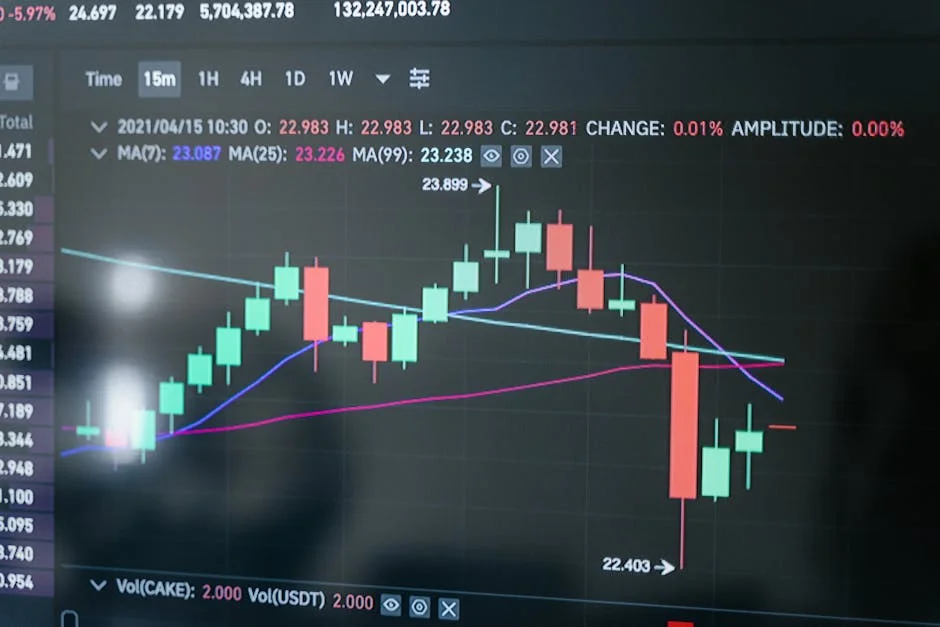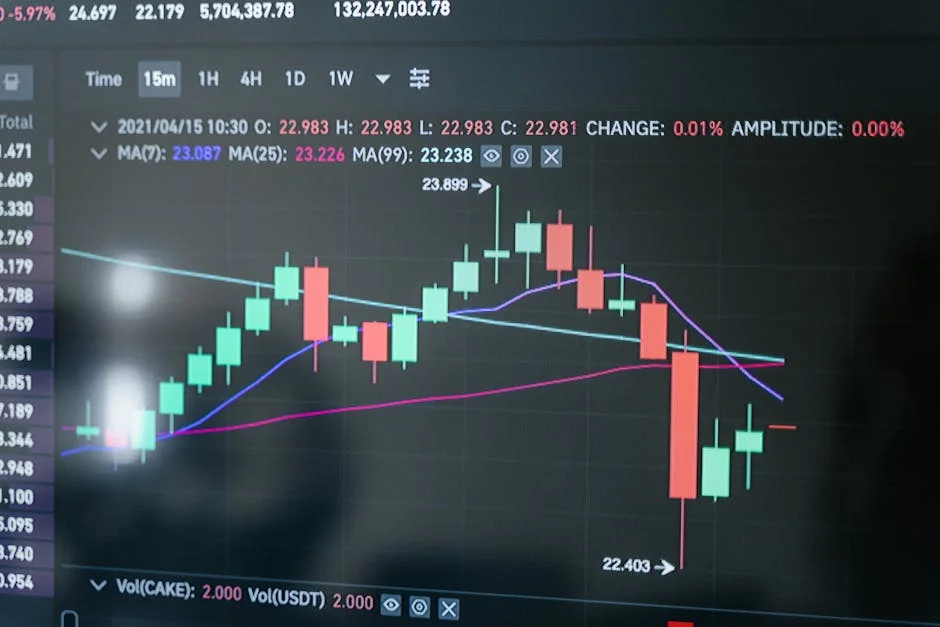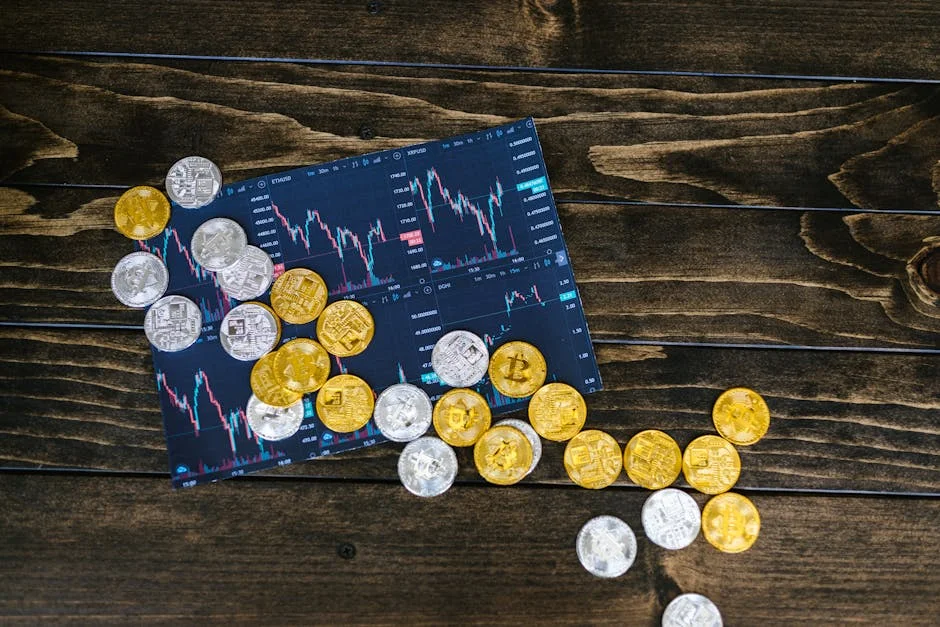
A crypto coin trading platform is a digital marketplace where people exchange cryptocurrencies for other cryptocurrencies or for fiat money such as USD, EUR, or GBP. At its core, it performs three jobs: it aggregates liquidity from buyers and sellers, matches orders according to price and time priority, and settles balances securely so trades can complete. The user experience may look simple—deposit, choose a pair, place an order, and confirm—but under the surface the platform depends on wallet infrastructure, custody or self-custody options, market data feeds, risk controls, and compliance tooling. Some venues operate as centralized exchanges with internal ledgers, while others provide a decentralized exchange interface where users trade through smart contracts and retain control of their private keys. Many modern services blend both approaches by offering a custodial spot exchange for convenience alongside a non-custodial wallet or on-chain swap feature for autonomy. The practical difference is how funds are held, how trades settle, and which party bears more responsibility for security, transaction fees, and error recovery. Understanding these mechanics helps traders evaluate whether a given service fits their risk tolerance and trading style.
Table of Contents
- My Personal Experience
- Understanding What a Crypto Coin Trading Platform Really Is
- How Market Structure and Liquidity Shape Trading Outcomes
- Security Foundations: Custody, Wallet Architecture, and Key Management
- Fees, Spreads, and the Real Cost of Trading
- Regulation, Compliance, and Why Jurisdiction Matters
- Core Trading Features That Separate Basic from Advanced Platforms
- Leverage, Margin, and Derivatives: Power Tools with Sharp Edges
- Onboarding, Funding Accounts, and Managing Fiat On-Ramps
- Expert Insight
- Evaluating Transparency: Proof-of-Reserves, Audits, and Operational Integrity
- Choosing Between Centralized and Decentralized Trading Venues
- Practical Risk Management for Traders at Any Experience Level
- Building a Trading Workflow: Research, Execution, and Post-Trade Review
- How to Compare Platforms Using a Simple Scorecard
- Long-Term Trends Shaping the Future of Trading Platforms
- Final Thoughts on Selecting the Right Platform for Your Goals
- Watch the demonstration video
- Frequently Asked Questions
- Trusted External Sources
My Personal Experience
I started using a crypto coin trading platform last year after a friend kept talking about how easy it was to buy small amounts of Bitcoin and Ethereum. The sign-up was straightforward, but I was surprised by how many steps there were—ID verification, linking my bank, and setting up two-factor authentication. At first I made the mistake of placing a market order during a volatile swing and watched the price fill higher than I expected, which taught me to use limit orders and double-check fees. Over time I got more comfortable reading the basic charts and setting price alerts instead of staring at the app all day. I still keep most of my funds off the platform in a wallet, but for quick trades and recurring buys, it’s been convenient—as long as I stick to a plan and don’t chase sudden pumps.
Understanding What a Crypto Coin Trading Platform Really Is
A crypto coin trading platform is a digital marketplace where people exchange cryptocurrencies for other cryptocurrencies or for fiat money such as USD, EUR, or GBP. At its core, it performs three jobs: it aggregates liquidity from buyers and sellers, matches orders according to price and time priority, and settles balances securely so trades can complete. The user experience may look simple—deposit, choose a pair, place an order, and confirm—but under the surface the platform depends on wallet infrastructure, custody or self-custody options, market data feeds, risk controls, and compliance tooling. Some venues operate as centralized exchanges with internal ledgers, while others provide a decentralized exchange interface where users trade through smart contracts and retain control of their private keys. Many modern services blend both approaches by offering a custodial spot exchange for convenience alongside a non-custodial wallet or on-chain swap feature for autonomy. The practical difference is how funds are held, how trades settle, and which party bears more responsibility for security, transaction fees, and error recovery. Understanding these mechanics helps traders evaluate whether a given service fits their risk tolerance and trading style.
It also helps to separate the platform’s product categories. A crypto coin trading platform may offer spot trading, margin trading, derivatives such as perpetual swaps, staking or yield products, and on-ramp/off-ramp services for bank transfers and cards. Each category comes with different fee structures and risk profiles. Spot trading is straightforward ownership exchange, while margin and derivatives introduce leverage, liquidation rules, funding rates, and complex order types. Beyond trading, platforms frequently provide APIs for programmatic execution, advanced charting, and portfolio analytics. The market structure matters too: some venues use an order book with limit and market orders, while others use automated market makers (AMMs) that quote prices based on liquidity pools. Traders should also understand how pricing is formed: spreads, depth, and slippage vary widely depending on liquidity and volatility. Choosing the right exchange is less about brand recognition and more about matching features—liquidity, fees, security posture, and compliance—with the trader’s goals, jurisdiction, and operational discipline.
How Market Structure and Liquidity Shape Trading Outcomes
Liquidity is the defining quality that separates a smooth trading experience from an expensive one. On a crypto coin trading platform with deep liquidity, large orders can execute with minimal slippage, spreads remain tight, and price discovery is efficient. Liquidity comes from market makers, high-frequency participants, and a broad retail base placing orders across many price levels. When depth is thin, even moderate orders can move the market, causing traders to receive worse fills than expected. Depth is especially critical during volatile periods when order books can “gap,” meaning there are fewer resting orders between price levels. That gap increases execution costs and can trigger cascading liquidations on leveraged products. A trader evaluating an exchange should look beyond headline volume and examine order book depth at several percentage points from mid-price, typical spreads on major pairs, and the platform’s historical uptime during high volatility.
Market structure also determines the tools available to manage execution. Order-book exchanges support limit orders, stop orders, post-only flags, time-in-force instructions, and iceberg orders on some venues. These features can reduce fees and slippage by allowing traders to provide liquidity rather than taking it. AMM-based systems simplify the interface, but the pricing curve can penalize larger trades due to pool imbalance, and additional risks like impermanent loss affect liquidity providers. Some hybrid models route orders between an internal book and external liquidity sources, improving fills but adding complexity to settlement. A disciplined approach is to test with small sizes, compare effective spreads, and measure fill quality across different times of day. The best crypto coin trading platform for a given user is often the one that offers stable liquidity and predictable execution under stress, not merely the one with the most listed tokens or the flashiest interface.
Security Foundations: Custody, Wallet Architecture, and Key Management
Security is the non-negotiable baseline for any crypto coin trading platform because digital assets are bearer instruments: whoever controls the private keys controls the funds. Centralized platforms typically custody assets in a combination of hot wallets for withdrawals and cold storage for long-term reserves. The strongest operators use multi-signature controls, hardware security modules, withdrawal whitelists, and strict operational procedures for key access. They also separate duties so no single employee can unilaterally move funds. Even with strong internal controls, users should add their own protections: unique passwords, a password manager, phishing-resistant two-factor authentication, and withdrawal address whitelisting if available. Account takeover remains a common threat, often through SIM swaps, credential stuffing, or malicious browser extensions. Users who treat exchange accounts like bank accounts—locking them down with layered controls—dramatically reduce risk.
Non-custodial options change the model: the user holds the keys, and the platform provides software to interact with the blockchain. This can reduce counterparty risk but increases user responsibility. Seed phrase storage, device security, transaction verification, and smart contract risk become central. A crypto coin trading platform that supports self-custody may still integrate services like fiat on-ramps or cross-chain bridges, each with unique security considerations. Smart contract audits, bug bounties, and transparent incident response practices are meaningful signals, but they do not eliminate risk. Traders should evaluate whether the platform has a clear security page, publishes proof-of-reserves or attestation reports where applicable, and maintains a track record of timely communication. In practice, many experienced users keep only active trading balances on an exchange and move longer-term holdings to cold storage, balancing convenience with resilience.
Fees, Spreads, and the Real Cost of Trading
Fees on a crypto coin trading platform rarely reduce to a single number. Most venues charge a maker-taker fee schedule where taking liquidity (market orders) costs more than providing liquidity (limit orders that rest on the book). High-volume traders may qualify for lower tiers, and native exchange tokens sometimes provide discounts. But trading fees are only part of the total cost. Spreads, slippage, deposit and withdrawal fees, network gas fees, and conversion costs on fiat on-ramps can dominate the outcome. For example, a platform might advertise low trading fees but impose high withdrawal fees or embed a wide spread in a “simple buy” interface. Understanding where the platform earns revenue—commissions, spreads, funding rates, liquidation fees, or payment for order flow—helps traders estimate the true cost of a strategy.
Comparing costs requires measuring effective execution. A trader can calculate the difference between the mid-market price at order time and the average fill price, then add explicit fees. This reveals whether a platform’s liquidity and matching engine produce favorable results. For long-term investors who trade infrequently, on-ramp spreads and withdrawal costs may matter more than maker-taker schedules. For active traders, fee tiers, rebates, and API execution quality become decisive. Some platforms also offer fee-free trading on select pairs but compensate with larger spreads or reduced depth. The most practical approach is to select a crypto coin trading platform where costs are transparent, where the advanced trading interface provides full order control, and where the user can avoid unnecessary conversions by trading in liquid pairs. Consistent, predictable costs often beat “lowest advertised fee” when markets are moving fast.
Regulation, Compliance, and Why Jurisdiction Matters
Regulatory posture shapes everything from available products to withdrawal limits. A crypto coin trading platform operating in a strict jurisdiction may require identity verification, monitor transactions, and restrict leverage or derivative offerings. While some traders view these constraints as inconvenient, regulation can also improve consumer protection, reduce fraud, and encourage robust governance. Licensing regimes may require capital reserves, segregation of customer assets, audits, and clear complaint processes. Conversely, lightly regulated venues may list more tokens and offer higher leverage, but they can expose users to higher counterparty risk, abrupt service changes, or limited recourse during disputes. The right balance depends on the user’s risk tolerance and the legal environment where they reside.
Compliance also affects banking relationships and fiat access. Platforms with reliable bank rails can provide faster deposits and withdrawals, clearer fee schedules, and fewer failed transactions. Users should verify whether the exchange supports their preferred payment methods, whether it offers local currency pairs, and whether it has a history of sudden banking interruptions. Another aspect is sanctions and geo-blocking: a crypto coin trading platform may restrict service to certain regions, and attempting to bypass those restrictions can lead to frozen accounts or forced liquidations. Responsible traders confirm eligibility before depositing funds and keep records for tax reporting. A platform that provides downloadable transaction history, cost basis tools, and clear statements can save significant time during filing season and reduce the risk of errors that attract scrutiny.
Core Trading Features That Separate Basic from Advanced Platforms
Feature depth determines whether a crypto coin trading platform supports serious trading or only casual buying. Advanced platforms provide robust charting, multiple order types, and risk tools such as stop-loss, take-profit, trailing stops, and conditional orders. They also offer detailed market data: order book depth, recent trades, funding rates for perpetuals, open interest, and volatility indicators. Traders who rely on technical analysis benefit from stable chart performance and accurate candles across timeframes. Execution features like post-only, reduce-only, and time-in-force controls can prevent accidental taker fees or unintended position increases. Even small details—like whether stop orders trigger on last price vs mark price—matter in volatile markets because they affect how often stops are prematurely hit.
Beyond the interface, reliability is a feature. Frequent maintenance windows, delayed price feeds, or overloaded matching engines can turn a strategy into a liability. A resilient crypto coin trading platform should provide status pages, incident reports, and predictable maintenance schedules. Mobile apps should support the same risk controls as desktop, especially if the user manages positions on the move. Another differentiator is asset coverage and pair quality: listing many tokens is not helpful if liquidity is thin or if pairs are fragmented across multiple quote currencies. Some platforms improve usability by offering unified margin, portfolio margin, or cross-collateral systems, but these add complexity and can amplify risk if misunderstood. Traders should choose the simplest feature set that fully supports their plan, because complexity without discipline tends to increase mistakes.
Leverage, Margin, and Derivatives: Power Tools with Sharp Edges
Leverage can amplify returns, but it also amplifies losses and can liquidate accounts quickly. A crypto coin trading platform offering margin or perpetual futures typically uses a liquidation engine that monitors collateral, mark price, and maintenance margin requirements. When equity falls below thresholds, positions can be partially or fully liquidated, sometimes with additional fees. Funding rates on perpetual swaps add another cost or yield component, transferring value between longs and shorts to keep prices aligned with spot markets. Traders should understand isolated margin versus cross margin, because cross margin uses the entire account as collateral and can wipe out balances if a position moves sharply. Isolated margin limits the blast radius but may liquidate a single position sooner. Both require careful sizing and disciplined risk management.
Derivatives also introduce basis risk and platform-specific mechanics. Mark price calculations, index composition, and circuit breakers affect how positions behave during spikes. Some venues use auto-deleveraging systems that reduce profitable traders’ positions when the insurance fund is insufficient, a risk often overlooked by newcomers. A prudent approach is to start with low leverage, use limit orders where possible, and keep collateral buffers well above minimum requirements. It is also wise to test the liquidation calculator and understand how fees and funding impact break-even. The best crypto coin trading platform for derivatives is not simply the one with the highest leverage; it is the one with transparent rules, stable infrastructure, strong risk controls, and clear disclosures about liquidation handling under extreme volatility. For many users, spot trading combined with strict position sizing achieves most goals with far less operational risk.
Onboarding, Funding Accounts, and Managing Fiat On-Ramps
Funding is where many users experience friction. A crypto coin trading platform may support bank transfers, instant card purchases, third-party payment processors, or peer-to-peer (P2P) marketplaces. Each method has tradeoffs. Bank transfers often provide the lowest fees and highest limits but can take longer and may require matching names and reference codes precisely. Card purchases are fast but typically carry higher fees and may be treated as cash advances by some issuers. P2P systems can offer local payment options but require extra caution: users must follow platform rules, verify counterparties, and avoid off-platform communication that increases scam risk. A smooth onboarding experience includes clear identity verification steps, transparent limits, and predictable timelines for compliance checks. Sudden account restrictions during verification can disrupt trading plans, so it is wise to complete verification before markets become time-sensitive.
Expert Insight
Before funding a crypto coin trading platform, verify its security and liquidity: enable two-factor authentication, confirm cold-storage practices, and check 24-hour volume and order-book depth on the pairs you plan to trade. Start with a small test deposit and withdrawal to confirm fees, processing times, and any limits.
Trade with a plan and protect downside risk: use limit orders to control entry price, set stop-loss and take-profit levels before you click “buy,” and size positions so a single trade can’t derail your account. Keep a simple trade journal tracking entry, exit, fees, and rationale to spot patterns and tighten execution. If you’re looking for crypto coin trading platform, this is your best choice.
Withdrawals deserve equal attention. A reliable crypto coin trading platform provides clear fee schedules, supports modern address formats, and offers safety tools like address whitelisting and withdrawal confirmations. Users should verify networks carefully—sending tokens on the wrong chain can lead to permanent loss. Some platforms support multiple networks for the same asset (for example, ERC-20 vs other networks), and the cheapest network is not always the best if the recipient does not support it. Fiat withdrawals can also vary in speed depending on banking partners and cut-off times. Keeping a small test withdrawal workflow reduces stress later. Traders who plan frequent transfers may prefer a venue with consistent banking rails and reasonable withdrawal fees, while long-term holders may prioritize security features even if withdrawals take longer.
Evaluating Transparency: Proof-of-Reserves, Audits, and Operational Integrity
Transparency has become a key differentiator in the exchange landscape. A crypto coin trading platform may publish proof-of-reserves, which aims to show that customer liabilities are backed by on-chain assets. While proof-of-reserves is not a complete audit—because liabilities and off-chain obligations can be complex—it can still provide meaningful signals when done properly. High-quality implementations include cryptographic verification methods, frequent updates, third-party attestations, and clear explanations of what is included or excluded. Users should look for disclosures about custody arrangements, whether assets are commingled, and whether the platform maintains insurance funds for specific products like derivatives. Transparency also includes governance: who operates the company, where it is headquartered, and how it communicates policy changes.
| Platform focus | Best for | Key features | Typical fees | Considerations |
|---|---|---|---|---|
| Centralized Exchange (CEX) | Fast trading, deep liquidity, beginners | High liquidity, market/limit orders, fiat on-ramps, mobile apps | Trading fees (maker/taker), deposit/withdrawal fees | Requires KYC; custodial risk (platform holds funds) |
| Decentralized Exchange (DEX) | Self-custody, on-chain trading, DeFi users | Wallet-based trading, AMMs, on-chain swaps, no central custody | Swap fee + network gas fees | Slippage and MEV risk; limited fiat support; smart-contract risk |
| Broker/Trading App | Simple buy/sell, recurring purchases | Easy UI, instant buys, recurring buys, price alerts | Spread-based pricing or flat fees | Less advanced order types; spreads can be higher than exchanges |
Operational integrity shows up in smaller details as well. Does the platform have clear rules about token listings and delistings? Does it prevent wash trading and market manipulation? Does it disclose how it handles forks, airdrops, and staking rewards? A trustworthy crypto coin trading platform publishes uptime metrics, has a public status page, and provides post-mortems after incidents. Customer support responsiveness is another indicator; slow or scripted responses can be a red flag when urgent account issues arise. Traders should also assess whether the exchange separates its trading business from market-making activities to avoid conflicts of interest, and whether it has policies around insider trading. No platform is perfect, but consistent transparency and predictable operations reduce the chance that users are surprised by hidden risks.
Choosing Between Centralized and Decentralized Trading Venues
Centralized exchanges typically offer speed, deep liquidity on major pairs, and user-friendly interfaces. They can provide advanced order types, fiat rails, and customer support, which many users value. The tradeoff is custody risk and reliance on the platform’s governance and solvency. A crypto coin trading platform in this category may freeze withdrawals during incidents, comply with regulatory orders, or change policies that affect access. For traders who prioritize fast execution and integrated tooling, centralized venues often remain the primary choice, especially for high-liquidity markets and derivatives. However, users should consider keeping only necessary balances on the exchange and moving excess funds to personal wallets to reduce exposure.
Decentralized exchanges emphasize self-custody and permissionless access. Trades settle on-chain, which can improve transparency but introduces network fees, confirmation times, and smart contract risk. Liquidity on decentralized venues can be excellent for certain tokens and chains, but it can also fragment across pools and versions, affecting execution for larger orders. Some decentralized protocols now support limit orders and advanced routing, narrowing the gap with centralized experiences. The right approach is often hybrid: use a centralized crypto coin trading platform for fiat access and deep liquidity on core assets, while using decentralized tools for specific on-chain assets, composable strategies, or self-custody preferences. Traders should also consider operational security, including hardware wallets, transaction simulation tools, and careful approval management to avoid malicious contracts.
Practical Risk Management for Traders at Any Experience Level
Risk management is what keeps trading sustainable. A crypto coin trading platform can provide tools, but discipline comes from the trader. Position sizing is the first line of defense: risking a small, predefined percentage of capital per trade reduces the chance of catastrophic loss. Stop-loss orders can help, but they must be placed thoughtfully to avoid being triggered by normal volatility. Some traders prefer alerts and manual exits, while others rely on conditional orders; either approach should account for slippage during fast moves. Diversification can reduce idiosyncratic risk, but over-diversification into illiquid tokens can increase execution costs and exposure to sudden delistings. A clear plan for entries, exits, and maximum drawdown helps prevent emotional decisions.
Operational risk is often underestimated. Account security, device hygiene, and withdrawal verification matter as much as market analysis. Traders should maintain separate email addresses for exchange accounts, enable phishing codes, and avoid storing API keys with withdrawal permissions unless absolutely necessary. On a crypto coin trading platform with API trading, rate limits, IP whitelisting, and read-only keys can prevent costly mistakes. It is also wise to keep records of deposits, withdrawals, and trade confirmations, especially when moving funds across chains. Finally, traders should respect market regimes: strategies that work in trending markets may fail in chop, and vice versa. Reviewing performance metrics—win rate, average win/loss, maximum adverse excursion—turns trading into a process rather than a series of impulses.
Building a Trading Workflow: Research, Execution, and Post-Trade Review
A repeatable workflow reduces errors and improves consistency. Research begins with understanding the asset: its use case, tokenomics, liquidity sources, and major catalysts. On any crypto coin trading platform, monitoring order book behavior, volume profiles, and volatility can help time entries and avoid thin-liquidity traps. Traders often combine macro signals—interest rates, risk sentiment, equity correlations—with crypto-native indicators like stablecoin flows, exchange inflows/outflows, and funding rates. Watchlists and alerts help traders avoid chasing price, while predefined levels encourage patience. For longer-term positions, custody planning matters: decide in advance whether coins will remain on the exchange for quick reactions or be moved to a personal wallet for security.
Execution is where planning meets reality. Using limit orders can reduce fees and slippage, but market orders may be appropriate when speed matters and depth is strong. Many traders split orders into smaller pieces to reduce market impact, especially on less liquid pairs. After execution, post-trade review closes the loop. A trader should record the thesis, entry, exit, and outcome, then analyze whether the result came from a good decision or mere luck. Over time, this creates a dataset that reveals strengths and weaknesses. A crypto coin trading platform that provides clean exports, detailed fills, and API access makes review easier. The goal is not perfection but continuous improvement: fewer avoidable mistakes, better alignment between strategy and market conditions, and a calmer decision-making process under pressure.
How to Compare Platforms Using a Simple Scorecard
Comparing options becomes easier with a scorecard. Start with security: custody model, track record, incident response, and account-level protections. Then evaluate liquidity on the pairs you actually trade, not just headline volume. Next, examine the cost stack: trading fees, spreads, funding rates, and withdrawal fees. A crypto coin trading platform should also be judged on reliability—uptime during volatility, matching engine performance, and the quality of market data. Regulatory fit matters: confirm that the platform serves your region legally and that its verification requirements align with your privacy expectations and tax obligations. If you rely on fiat rails, prioritize stable banking support and transparent processing times.
Product fit is the final layer. Spot-only investors may value simplicity, recurring buys, and easy withdrawals to self-custody. Active traders may need advanced orders, deep order books, and low-latency APIs. Derivatives traders should scrutinize liquidation rules, insurance funds, and mark price methodology. Also consider ecosystem factors: does the platform integrate with portfolio trackers, tax software, or hardware wallets? Does it provide educational resources without pushing excessive risk? The best crypto coin trading platform is not universal; it is the one that matches your jurisdiction, strategy, and operational habits. A structured comparison prevents decisions driven by hype and reduces the chance of migrating later due to missing features or unexpected costs.
Long-Term Trends Shaping the Future of Trading Platforms
Several trends are changing what users should expect from a crypto coin trading platform. One is the push toward greater transparency, including more frequent reserve attestations and clearer disclosures about custody and risk. Another is the convergence of centralized and decentralized experiences: centralized exchanges are adding on-chain settlement options, while decentralized protocols are improving user experience with better routing, limit orders, and cross-chain functionality. Tokenization of real-world assets, including treasuries and money market instruments, may also expand the range of tradable products and increase demand for robust compliance and reporting. As these products mature, platforms that can combine secure custody, regulated access, and clear disclosures may gain an advantage with both retail and institutional participants.
Infrastructure improvements are also reshaping execution. Faster blockchains, layer-2 networks, and better wallet standards can reduce fees and improve settlement speed for on-chain trading. Meanwhile, centralized venues are investing in matching engine upgrades, risk controls, and surveillance to reduce manipulation. Users should expect more granular controls over permissions, sub-accounts, and collateral management. At the same time, competition may compress fees, making spreads and execution quality even more important differentiators. Regardless of technology shifts, the fundamentals remain: choose a crypto coin trading platform with strong security, transparent operations, reliable liquidity, and tools that support disciplined trading rather than impulsive behavior.
Final Thoughts on Selecting the Right Platform for Your Goals
Choosing a crypto coin trading platform is ultimately a decision about trust, fit, and process. Trust comes from security practices, transparency, and a history of responsible operations. Fit comes from liquidity on the assets you trade, the fee structure that matches your frequency, and the features that align with your strategy—spot investing, active trading, or derivatives. Process comes from how you manage risk: disciplined sizing, careful execution, and consistent review. When these three elements line up, trading becomes more predictable and less stressful, even in volatile markets. Rather than chasing the newest listings or the highest leverage, prioritize the platform that helps you avoid preventable mistakes and supports calm, repeatable decision-making.
The market will continue to evolve, and no single venue will be perfect for every scenario. Keeping flexibility—such as maintaining verified accounts on more than one exchange, or combining custodial and self-custodial tools—can reduce downtime risk and improve access to liquidity. Still, the foundation should be one primary crypto coin trading platform that you understand deeply: its fee schedule, its order behavior, its withdrawal rules, and its security controls. With that understanding, you can treat trading as a professional workflow instead of a series of reactive clicks, and you can adapt as products, regulations, and technology change without putting your capital at unnecessary risk on a crypto coin trading platform.
Watch the demonstration video
In this video, you’ll learn how a crypto coin trading platform works, from setting up an account and funding it to placing buy/sell orders and tracking your portfolio. It also covers key features like charts, fees, security tools, and risk management tips to help you trade more confidently and avoid common mistakes.
Summary
In summary, “crypto coin trading platform” is a crucial topic that deserves thoughtful consideration. We hope this article has provided you with a comprehensive understanding to help you make better decisions.
Frequently Asked Questions
What is a crypto coin trading platform?
A **crypto coin trading platform** is an online exchange or broker that lets you buy, sell, and trade cryptocurrencies using either traditional fiat currency or other digital assets.
How do I choose a reliable crypto trading platform?
When choosing a **crypto coin trading platform**, take time to compare key factors like security features, regulatory compliance, fee structures, liquidity, the range of supported coins, real user reviews, and the overall quality of customer support and the mobile or desktop app experience.
What fees should I expect when trading crypto?
Typical costs you may encounter on a **crypto coin trading platform** include maker/taker trading fees, deposit and withdrawal charges, network (gas) fees for on-chain transfers, and sometimes additional spread or conversion fees depending on the asset and payment method.
Is my crypto safe on an exchange?
Because exchanges can be prime targets for hackers, it’s smart to lock down your **crypto coin trading platform** account with strong protections like two-factor authentication and withdrawal whitelists—and for any long-term holdings, consider transferring them to a personal wallet where you control the keys.
What’s the difference between spot, margin, and futures trading?
Spot trading means you’re buying or selling the asset outright. Margin trading, often offered on a **crypto coin trading platform**, lets you borrow funds to increase your position size—potentially boosting profits, but also magnifying losses. Futures trading involves contracts that lock in a price for a trade at a later date, and it can also use leverage to amplify outcomes.
Do I need identity verification (KYC) to trade?
Many platforms require KYC for deposits, withdrawals, and higher limits; requirements depend on the platform and local regulations.
? Looking for more info about crypto coin trading platform? Follow Our Site for updates and tips!

Trusted External Sources
- Attorney General James Ends Virtual Currency Trading Platform …
On Feb. 23, 2026, New York Attorney General Letitia James reaffirmed her commitment to safeguarding investors, continuing her push to crack down on fraudulent and misleading virtual—or “crypto”—currency trading, including schemes that operate through a **crypto coin trading platform**.
- Coinbase: Buy BTC, ETH, SOL App – App Store
Coinbase is a secure, regulated crypto exchange and the only publicly traded, U.S.-headquartered platform listed on NASDAQ (COIN). Built with strong compliance standards and user protection in mind, it offers an easy-to-use **crypto coin trading platform** for buying, selling, and managing digital assets with confidence.
- Crypto Scam Tracker – DFPI
On Jan 12, 2026, residents were directed to create accounts on a **crypto coin trading platform** run through OK-Coin (ok-coin.com), QamCoin.com, and other related Coin-branded sites.
- 10 SIGNS OF A SCAM CRYPTO OR FOREX TRADING WEBSITE
Most cryptocurrency and foreign exchange (forex) trading scams start the same way: a message on social media or a ping in a chat app that seems harmless at first. From there, scammers work to build trust, then steer people toward a “guaranteed” opportunity—often urging them to deposit money into a fake **crypto coin trading platform** that looks legitimate but is designed to drain their funds.
- Crypto Trading Platform | Buy & Sell Cryptos | OANDA | US
Trade popular crypto including Bitcoin and Ethereum on our easy-to-use crypto trading platform that provides you with many benefits.