A female minimalist wardrobe is often described as “less clothing,” but the real shift is “less noise.” When your closet is packed with items that don’t fit your life, every morning becomes a negotiation: what works, what’s comfortable, what looks intentional, what needs ironing, what feels dated. A carefully edited wardrobe removes dozens of micro-decisions and replaces them with a calm, repeatable system. The goal isn’t to dress like everyone else or to erase personality; it’s to build a closet that supports your lifestyle with clarity and consistency. Many women find that once they reduce the volume of clothing, they gain more space to notice what actually matters—fabric feel, fit quality, color harmony, and how an outfit performs from commute to meetings to dinner. That clarity is the reason minimalism sticks: it’s practical, not performative.
Table of Contents
- My Personal Experience
- Why a Female Minimalist Wardrobe Feels So Powerful
- Defining Your Personal Style Without Excess
- How to Choose a Core Color Palette That Mixes Easily
- Building Blocks: The Essential Categories to Include
- Fabric and Fit: The Real Quality Markers
- Closet Editing: A Practical Method That Doesn’t Feel Brutal
- Outfit Formulas: Repeatable Looks That Don’t Get Boring
- Seasonal Strategy: Staying Minimal Without Feeling Unprepared
- Expert Insight
- Work, Weekend, and Evening: One Wardrobe, Multiple Roles
- Shopping Rules That Protect a Minimal Closet
- Accessories, Shoes, and Bags: Minimal, Not Empty
- Care, Repair, and Longevity: The Maintenance Mindset
- Making It Truly Yours: Lifestyle, Body Changes, and Confidence
- Putting It All Together for a Calm, Cohesive Closet
- Watch the demonstration video
- Frequently Asked Questions
- Trusted External Sources
My Personal Experience
A couple of years ago I got tired of staring at a packed closet and still feeling like I had nothing to wear, so I tried building a minimalist wardrobe. I pulled everything out, kept only what fit well and actually matched my life (work, errands, the occasional dinner), and donated the rest. Now I stick to a small set of pieces in mostly neutral colors—two pairs of jeans, a black trouser, a few tees, a cardigan, a blazer, and one good coat—plus shoes I can walk in. Getting dressed is faster, I do laundry less often, and I’ve stopped impulse-buying “almost right” items because I know exactly what gaps I’m willing to fill. It’s not perfect, but it feels calmer, and I finally wear what I own. If you’re looking for female minimalist wardrobe, this is your best choice.
Why a Female Minimalist Wardrobe Feels So Powerful
A female minimalist wardrobe is often described as “less clothing,” but the real shift is “less noise.” When your closet is packed with items that don’t fit your life, every morning becomes a negotiation: what works, what’s comfortable, what looks intentional, what needs ironing, what feels dated. A carefully edited wardrobe removes dozens of micro-decisions and replaces them with a calm, repeatable system. The goal isn’t to dress like everyone else or to erase personality; it’s to build a closet that supports your lifestyle with clarity and consistency. Many women find that once they reduce the volume of clothing, they gain more space to notice what actually matters—fabric feel, fit quality, color harmony, and how an outfit performs from commute to meetings to dinner. That clarity is the reason minimalism sticks: it’s practical, not performative.
A female minimalist wardrobe also invites a healthier relationship with shopping. Instead of buying for a fantasy version of life—vacations that never happen, heels for events you avoid, trendy cuts you don’t reach for—you buy for the life you live now. The most useful clothes become the most worn: the jacket that works with everything, the trousers that never pinch, the knit that layers without bulk. Minimalism turns repetition into a feature rather than a flaw. Wearing the same silhouettes regularly can look polished because consistency reads as personal style. Over time, you learn your “uniform” pieces and stop wasting money on duplicates that don’t deliver. That’s why a minimalist closet often ends up feeling more luxurious: fewer items, better standards, and more confidence when you open the door.
Defining Your Personal Style Without Excess
A female minimalist wardrobe becomes effortless when it’s built around a clear style identity. Minimalism doesn’t mean limiting yourself to beige basics if you love bold color, nor does it mean avoiding feminine details if you like soft shapes. It means choosing a smaller set of elements you truly enjoy and repeating them on purpose. Start by noticing what you wear when you feel most like yourself: maybe it’s crisp tailoring, relaxed denim with a blazer, monochrome outfits, or romantic blouses with straight-leg pants. Style clarity often comes from patterns: the necklines you prefer, the sleeve lengths you reach for, the shoe heights you tolerate, the fabrics you don’t want on your skin. Once you name these preferences, you can stop collecting clothing that conflicts with them. A minimalist closet works best when it’s personal, not generic.
One way to refine style is to choose a “silhouette set” and a “texture set.” Your silhouette set might include straight-leg trousers, high-rise jeans, a midi skirt, and a longline coat. Your texture set might include cotton poplin, merino knit, denim, leather, and linen. With just these components, outfits become easy to assemble because everything speaks the same design language. A female minimalist wardrobe thrives on compatibility: tops that tuck well into your bottoms, layers that don’t fight each other, and shoes that can repeat across multiple outfits. If you love prints, select one or two print families—like stripes and small florals—rather than five competing motifs. If you love color, build a core palette and add one accent. The outcome is not restriction; it’s cohesion that still feels expressive.
How to Choose a Core Color Palette That Mixes Easily
Color is the hidden engine of a female minimalist wardrobe. When your colors cooperate, you can own fewer pieces and create more combinations. A strong palette usually has three parts: a foundation of neutrals, a set of supporting tones, and one or two accents that add personality. Neutrals don’t have to be black and white; they can be navy, charcoal, cream, camel, olive, or chocolate. The best neutral is the one that flatters your skin tone and suits your lifestyle. If you spill coffee often, cream may frustrate you; if you live in a hot climate, heavy black might feel harsh. Pick two or three main neutrals you can wear head-to-toe. This gives you a clean base for minimalist outfits that look intentional even when simple.
Supporting tones keep your wardrobe from feeling flat. These are colors that harmonize with your neutrals and appear repeatedly in tops, knitwear, or accessories. Think soft blue with navy, rust with camel, burgundy with charcoal, sage with cream. Accents are optional but helpful for style: a red lip with black, a cobalt scarf with gray, a metallic shoe with navy. The key is repetition. A female minimalist wardrobe becomes visually consistent when the same colors show up across categories: a navy sweater, navy trousers, navy flats; or a camel coat, camel belt, camel bag. This repetition makes outfits look curated rather than random. If you’re unsure where to start, take your three most-worn items and identify their colors; build around what you already reach for. Minimalism works when the palette reflects your real habits.
Building Blocks: The Essential Categories to Include
A female minimalist wardrobe is easiest to maintain when you think in categories rather than individual pieces. Most closets need a small, reliable set of tops, bottoms, layers, dresses (optional), shoes, and accessories. The exact count depends on climate and lifestyle, but the principle stays the same: each category should cover your weekly needs with a bit of flexibility. For tops, prioritize silhouettes that work alone and under layers: a fitted tee, a relaxed tee, a crisp button-up, a refined blouse, and a knit top. For bottoms, include a pair of jeans you love, a tailored trouser, and a casual option like a wide-leg pant or a skirt. Layers often do the heavy lifting in minimalism: a blazer, a cardigan, and a coat can transform the same base outfit repeatedly.
When you choose essentials, focus on versatility and comfort first. A female minimalist wardrobe fails when “essential” items are theoretically useful but practically ignored. If you hate turtlenecks, don’t force one into your basics list. If you walk a lot, shoes must be wearable for hours, not just photogenic. In many minimalist closets, a dress is a shortcut outfit: one piece that looks complete with minimal effort. If dresses aren’t your thing, replace them with a matching set or a jumpsuit. Accessories should be few but strong: a belt that fits your common waistline, a bag that works for your daily carry, and jewelry that you can wear repeatedly without irritation. The goal is not a perfect checklist; it’s a balanced system where every category supports the others.
Fabric and Fit: The Real Quality Markers
Fabric choice determines whether a female minimalist wardrobe feels elevated or merely sparse. With fewer pieces, each item is worn more often, so comfort, durability, and care requirements matter. Natural fibers like cotton, linen, wool, and silk often breathe better and age more gracefully, though blends can add stretch and resilience. The best fabric is one that matches your reality: if you hate dry cleaning, prioritize washable knits and easy-care cottons. If you run warm, look for lightweight merino or linen rather than heavy synthetics. If you live in a cold climate, wool coats and thermal base layers can reduce the need for excessive layering. Minimalism isn’t about suffering for aesthetics; it’s about choosing materials that make daily dressing smoother.
Fit is equally crucial. A female minimalist wardrobe benefits from tailoring more than from constant shopping. A blazer that fits your shoulders, trousers hemmed to your preferred shoe height, and jeans that sit correctly at the waist can make a small wardrobe look expensive. Pay attention to the areas that typically cause discomfort: waistbands that dig in, armholes that restrict movement, necklines that gape. The more often you wear an item, the more these issues matter. Consider building a relationship with a local tailor for small fixes—hemming, taking in a waist, adjusting sleeves. These changes can turn “almost right” into “perfect,” reducing the urge to buy replacements. When you own fewer items, each one should earn its place by fitting well, feeling good, and holding up to repetition.
Closet Editing: A Practical Method That Doesn’t Feel Brutal
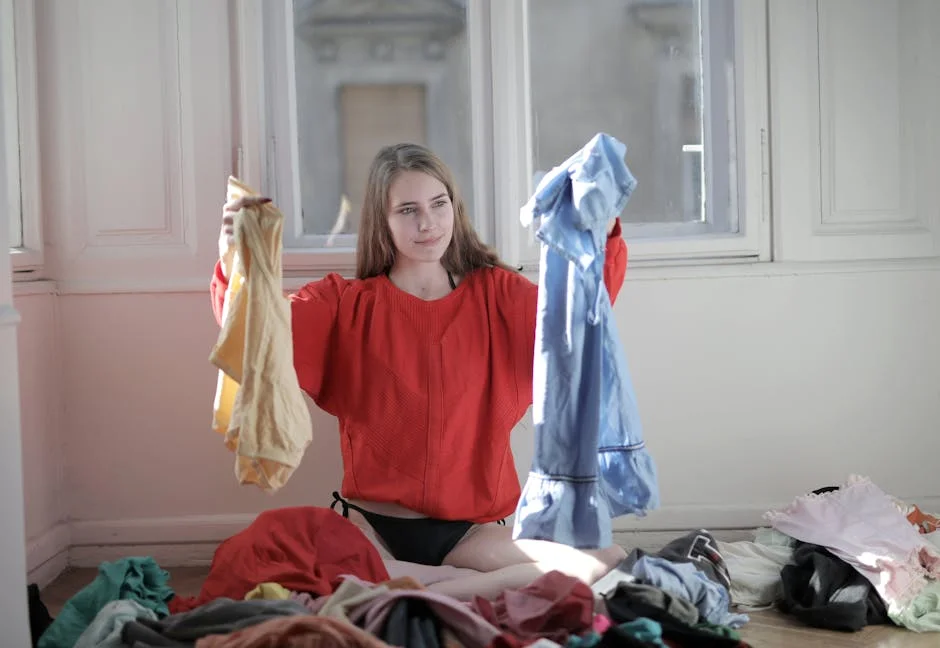
Editing is the moment a female minimalist wardrobe becomes real. Instead of trying to purge everything at once, use a structured approach that respects your time and emotions. Begin by removing obvious “no” items: anything damaged beyond repair, uncomfortable, or incompatible with your current lifestyle. Then separate the “maybe” pile—pieces that fit but confuse you. The point isn’t to punish yourself for past purchases; it’s to learn what doesn’t work. When you handle each item, ask: would I buy this again today at full price? Can I style it with at least three items I already own? Does it match my palette and preferred silhouettes? If the answer is no, it’s a candidate for donation, resale, or recycling. Minimalism is a process of choosing, not a test of discipline.
A helpful tactic is to edit by category: tops first, then bottoms, then layers, then shoes. This prevents decision fatigue and reveals duplicates. A female minimalist wardrobe rarely needs five similar black tops if only two fit perfectly. Keep the best version and release the rest. Another approach is the “container concept”: assign a realistic amount of space for each category—one drawer for tees, one section for sweaters, a limited shoe rack. When the container is full, you either stop buying or replace something. This keeps minimalism sustainable over time. If you fear regret, use a quarantine box: store uncertain items for 30–60 days. If you don’t reach for them, you have evidence they aren’t serving you. Editing should feel like relief, not loss, because you’re making room for clothes that actually support your days.
Outfit Formulas: Repeatable Looks That Don’t Get Boring
Outfit formulas are the secret structure behind a female minimalist wardrobe. Instead of relying on inspiration every morning, you create a few reliable combinations that always work. A formula might be “straight-leg jeans + fitted tee + blazer + loafers” or “wide-leg trousers + knit top + trench + sneakers.” The magic is that you can swap colors, textures, and accessories without changing the core architecture. This keeps your style consistent while still offering variety. Most women need only five to eight formulas to cover daily life: casual errands, work, meetings, evenings out, travel, and weather shifts. When you know your formulas, you stop buying random statement items and start buying pieces that strengthen your system.
To keep a female minimalist wardrobe interesting, use intentional variation. Change the shoe to shift the mood: sneakers for casual, boots for edge, flats for polish. Add a layer for dimension: a cardigan over a tee, a blazer over a knit, a coat over everything. Use accessories as punctuation: a belt to define shape, a scarf for color, earrings for light. Minimalism doesn’t require monotony; it requires coherence. Another way to avoid boredom is to build contrast into your formulas—mix structured and soft, matte and shine, fitted and relaxed. A crisp button-up with relaxed denim looks modern. A slip skirt with a chunky knit feels balanced. When your closet is small, these contrasts create visual interest without needing more clothing. Repetition becomes a signature, and signature becomes style.
Seasonal Strategy: Staying Minimal Without Feeling Unprepared
Seasonality can challenge a female minimalist wardrobe, especially in climates with real winters and hot summers. The key is to separate “core” items from “seasonal specialists.” Core items work across multiple seasons: jeans, trousers, tees, button-ups, blazers, and transitional jackets. Seasonal specialists handle extremes: a heavy wool coat, insulated boots, linen shorts, breathable dresses. When you plan this way, you avoid owning too many in-between pieces that don’t perform well. Layering is the minimalist’s best tool. A thin merino base layer under a button-up extends wear into colder months without adding bulk. A lightweight cardigan in summer air conditioning prevents you from buying extra “office sweaters.” Minimalism is not about ignoring weather; it’s about planning for it with fewer, better options.
| Approach | Best for | Key pieces & palette | Pros | Watch-outs |
|---|---|---|---|---|
| Capsule Wardrobe (30–40 pieces) | Busy schedules, easy daily outfits, travel | Neutral base (black/white/navy/beige) + 1–2 accent colors; white tee, crisp button-down, straight-leg jeans, tailored trousers, blazer, trench, knit sweater, versatile dress, sneakers, loafers/ankle boots | Fast outfit decisions, cohesive looks, fewer impulse buys | Needs seasonal swaps; fit and fabric quality matter |
| Uniform Dressing (a repeatable formula) | Minimal decision fatigue, consistent personal style | 2–3 go-to silhouettes (e.g., tee + trousers + blazer; knit + midi skirt; dress + jacket); monochrome or tonal palette; duplicate staples in preferred cuts | Ultra-simple mornings, polished consistency, easy to shop intentionally | Can feel repetitive without small variations (texture, accessories) |
| Curated Minimal Closet (keep what you love) | Gradual decluttering, budget-friendly transitions | Edit by fit, function, and frequency; keep high-wear favorites; add gaps slowly (quality basics, layering pieces, one “hero” outerwear); palette anchored to existing items | Less waste, realistic for changing sizes/lifestyles, aligns with your actual wardrobe | Takes longer to feel “complete”; requires regular reviews to avoid creep |
Expert Insight
Build your capsule around a tight color palette (2–3 neutrals plus 1 accent) and choose silhouettes that mix effortlessly—think straight-leg trousers, a crisp button-down, a fitted tee, and a versatile blazer. Aim for at least three outfit combinations per item before adding it to your wardrobe. If you’re looking for female minimalist wardrobe, this is your best choice.
Use a one-in, one-out rule and schedule a 10-minute seasonal edit: pull everything out, keep only what fits, flatters, and matches your palette, then note the two most-worn gaps (e.g., a layering knit or comfortable flats). Fill gaps with higher-quality basics that can be dressed up or down. If you’re looking for female minimalist wardrobe, this is your best choice.
Storage habits also matter. A female minimalist wardrobe can feel cramped if off-season items crowd daily choices. If possible, store seasonal specialists in bins or a separate closet: heavy coats, thick sweaters, summer sandals. This makes your active wardrobe clearer and reduces the feeling of “too much.” When seasons change, do a quick swap and a micro-edit: check what you wore last season, what you avoided, and what needs repair. Replace only the true gaps. If you find you didn’t wear three summer tops, you likely don’t need new ones—your taste or lifestyle may have shifted. Minimalism stays sustainable when each season is treated as feedback. Over time, your closet becomes a refined set of year-round basics plus a small capsule for weather, all aligned to your palette and outfit formulas.
Work, Weekend, and Evening: One Wardrobe, Multiple Roles
A female minimalist wardrobe works best when pieces can cross boundaries between work and personal life. Instead of maintaining separate mini-closets for office, weekend, and events, aim for adaptable items that change mood with styling. A tailored trouser can be professional with a button-up and loafers, casual with a tee and sneakers, and evening-ready with a silky top and heeled boots. A blazer can top a dress, elevate denim, or add structure to a knit set. When you choose items with clean lines and quality fabric, they become versatile by default. The goal is to avoid “single-use” clothing that takes up space and rarely gets worn.
To make a female minimalist wardrobe cover evenings without excess, lean on a small set of “elevators.” These are pieces that instantly refine an outfit: a sleek black top with a flattering neckline, a satin midi skirt, a structured bag, or statement earrings. You don’t need many—just enough to transform a base look. For weekend comfort, keep your casual essentials aligned with your main palette so they still mix with workwear. A well-fitting sweatshirt in a neutral tone can pair with tailored trousers for a modern high-low look. Dark denim can be dressed up or down. The more your categories overlap, the fewer items you need overall. This is the practical heart of minimalism: a single, coherent wardrobe that supports every role you play without requiring a different closet for each one.
Shopping Rules That Protect a Minimal Closet
Without boundaries, a female minimalist wardrobe can slowly drift back into clutter. Shopping rules prevent that drift while still allowing you to enjoy style. One effective rule is “one in, one out,” especially for categories that easily multiply like tees, jeans, and shoes. Another is a waiting period: if you see something you want, wait 48 hours or two weeks depending on the price. This reduces impulse buys and helps you see whether the item truly fits your palette and formulas. It also helps to keep a running list of wardrobe gaps based on real-life moments: a rain jacket you genuinely needed, a work shoe that caused pain, a knit that would have improved layering. When you shop from a list, you shop for function and cohesion rather than novelty.
Budgeting is part of sustainability too. A female minimalist wardrobe often shifts spending from frequent cheap purchases to occasional quality buys. That doesn’t mean everything must be expensive; it means each purchase must earn its cost through wear. Cost per wear is a practical metric: a $180 coat worn 90 times is cheaper per wear than a $60 jacket worn 10 times. Also consider care costs—dry cleaning, repairs, special detergents. If you want minimalism to last, choose items you can maintain. Finally, learn to say no to “almost.” A piece that is slightly itchy, slightly tight, or slightly off-color will sit in your closet and create the same frustration as clutter. Minimalism is protected by high standards and patient shopping, not by constant restraint.
Accessories, Shoes, and Bags: Minimal, Not Empty
Accessories give a female minimalist wardrobe personality without requiring many garments. The trick is to choose a small set with clear roles. Start with shoes because they affect comfort and silhouette. Many minimalist closets do well with three to six core pairs: a clean sneaker, a flat or loafer, a boot for cold weather, a sandal for warm weather, and an optional heel for events. If you live in a rainy climate, a waterproof option saves outfits and prevents the need for extra “bad weather” clothing. Keep shoe colors aligned with your palette—black, tan, white, or navy—so they repeat across outfits. Repetition is not boring; it’s what makes your wardrobe feel cohesive.
Bags and jewelry should follow the same logic. A female minimalist wardrobe usually needs one everyday bag that fits your essentials, one smaller option for evenings, and maybe a tote for work or travel. Choose shapes that match your style language: structured for polished, slouchy for relaxed. Jewelry can be minimal but meaningful: small hoops, a chain necklace, a watch, a ring stack—whatever you can wear daily without fuss. Scarves and belts are powerful in a small closet because they change proportions and add color near the face. The goal is not to eliminate accessories; it’s to avoid owning a drawer full of items that don’t match your clothes. With a few well-chosen pieces, you can make the same outfit formulas feel fresh while keeping the garment count low.
Care, Repair, and Longevity: The Maintenance Mindset
A female minimalist wardrobe depends on maintenance because high rotation leads to faster wear. Caring for clothes properly extends their life and keeps your closet looking polished. Simple habits matter: hang knits to dry flat when needed, use gentle detergent, avoid overheating in the dryer, and spot clean before stains set. Invest in small tools that make a big difference: a fabric shaver for knits, a lint roller for dark colors, cedar blocks to protect wool, and a steamer to refresh shirts and dresses quickly. When clothes look cared for, minimalism reads as intentional rather than sparse. Maintenance also reduces replacement shopping, which keeps your closet stable.
Repair is equally important. A female minimalist wardrobe should include a plan for loose buttons, small tears, worn soles, and broken zippers. Many repairs are inexpensive and prevent you from discarding otherwise excellent pieces. If you’re not comfortable sewing, keep a trusted tailor or cobbler. Even basic mending—replacing a button or reinforcing a seam—can add years to a garment. Pay attention to the early signs of wear: thinning fabric at inner thighs, stretched cuffs, pilling under arms. Addressing these early is easier than replacing the item. Minimalism works best when you treat clothing as assets rather than disposable trends. Over time, your wardrobe becomes a collection of reliable favorites with a history of use, not a rotating set of short-lived purchases.
Making It Truly Yours: Lifestyle, Body Changes, and Confidence
A female minimalist wardrobe should serve your current body and lifestyle, not a past version of yourself or a future fantasy. If your daily life involves commuting, walking, childcare, travel, or long hours at a desk, your clothes must support those realities. Minimalism becomes frustrating when it’s built on aspirational items you rarely wear. Instead, choose pieces that make you feel capable: fabrics that move, shoes you can walk in, layers that adapt. Body changes are normal, and a minimalist closet can accommodate them with flexible sizing—wrap tops, elastic-back trousers, knit dresses, and adjustable belts. Keeping a small range of sizes “just in case” can quietly reintroduce clutter, so it’s better to select silhouettes that flex and to tailor key pieces when needed.
Confidence is the outcome of a wardrobe that works. A female minimalist wardrobe removes the daily doubt of “nothing to wear” because everything fits, coordinates, and feels like you. If you enjoy trends, incorporate them through one controlled channel: a seasonal color accent, a single updated shoe shape, or a contemporary accessory. This keeps your style current without destabilizing your closet. The most satisfying minimalist wardrobes evolve slowly. They reflect learning: what you reach for, what you avoid, what makes you feel polished, what makes you feel comfortable. Over time, you stop chasing the perfect closet and start living in a wardrobe that supports you quietly. That quiet support is the point of minimalism—less friction, more ease, and a consistent personal style you can rely on.
Putting It All Together for a Calm, Cohesive Closet
The most successful minimalist closets are built like systems: a consistent palette, repeatable outfit formulas, reliable categories, and quality standards for fabric and fit. When these parts work together, getting dressed becomes automatic. Instead of searching for the “right” piece, you rotate through combinations that you already know look good. That’s why minimalism often feels like a lifestyle upgrade rather than a fashion downgrade. The closet becomes easier to manage, laundry becomes more predictable, and shopping becomes more intentional. You also gain a clearer view of what you truly like, because your wardrobe is no longer drowning in maybes. A small set of strong pieces can express style more clearly than a crowded closet full of compromises. If you’re looking for female minimalist wardrobe, this is your best choice.
A female minimalist wardrobe is ultimately a commitment to clarity: fewer items, better choices, and outfits that reflect your real life. If you keep editing gently, shopping patiently, and maintaining what you own, the wardrobe stays light without feeling limiting. The reward is not just a tidy closet; it’s the confidence of knowing your clothes will support you every day. Over time, you’ll notice that your favorite pieces aren’t necessarily the most expensive or the most trendy—they’re the ones that fit, coordinate, and make you feel like yourself. Keep the system simple, keep the standards high, and let your female minimalist wardrobe do what it’s meant to do: make daily dressing calm, consistent, and genuinely enjoyable.
Watch the demonstration video
Discover how to build a female minimalist wardrobe that feels polished, versatile, and easy to maintain. This video breaks down essential pieces, flattering fits, and a cohesive color palette, plus tips for mixing and matching outfits for work and weekends. Learn how to shop intentionally, reduce clutter, and create more looks with fewer items.
Summary
In summary, “female minimalist wardrobe” is a crucial topic that deserves thoughtful consideration. We hope this article has provided you with a comprehensive understanding to help you make better decisions.
Frequently Asked Questions
What is a female minimalist wardrobe?
A **female minimalist wardrobe** is a curated set of versatile pieces in cohesive colors and clean, simple silhouettes—designed to mix and match effortlessly so you can create plenty of outfits with fewer items.
How many pieces should a minimalist wardrobe have?
There isn’t a strict rule, but a **female minimalist wardrobe** often includes around 25–40 core pieces per season (not counting underwear, sleepwear, or workout clothes), with an emphasis on keeping only the items you genuinely reach for and love wearing.
What are essential items for a minimalist wardrobe?
Common staples include well-fitting jeans or trousers, a neutral blazer or jacket, a classic coat, a few solid tees, a button-down, a knit sweater, a simple dress, versatile shoes, and a bag that matches most outfits. If you’re looking for female minimalist wardrobe, this is your best choice.
How do I choose a color palette?
Begin by choosing 2–3 neutral shades you genuinely love—think black, navy, camel, or white—then layer in 1–2 accent colors for personality. For a **female minimalist wardrobe**, focus on tones that fit your day-to-day life and that you’ll be happy wearing on repeat.
How do I build a minimalist wardrobe on a budget?
Start by auditing your closet to see what you already love and what’s missing, then make a simple list of the gaps. As you build your **female minimalist wardrobe**, buy slowly and intentionally—prioritizing great fit, versatile pieces you can mix and match, and secondhand finds when possible. Focus your budget on a few high-quality staples you’ll reach for every week instead of piling up short-lived trend items.
How do I maintain a minimalist wardrobe over time?
Follow a simple one-in-one-out rule, do a seasonal closet check, and tailor or mend the pieces you truly love so they last. Skip impulse buys by shopping with a plan, and keep track of what you actually wear—so your **female minimalist wardrobe** stays filled only with items that genuinely earn their place.
? Looking for more info about female minimalist wardrobe? Follow Our Site for updates and tips!

Trusted External Sources
- MINIMALIST women’s wardrobes – what do you have in yours? : r …
May 15, 2026 … About 5 plain t shirts + 2 plain long sleeve for casual wear, 2 pairs sweat pants. For work and outings, 3 polo shirts, 2 blouses … If you’re looking for female minimalist wardrobe, this is your best choice.
- Why I Consistently Keep a Minimalist Wardrobe
Jul 29, 2026 … I could still keep a minimalist closet, full of the pieces that spoke to my individuality. Today, I’m proud of the wardrobe I’ve created. It’s … If you’re looking for female minimalist wardrobe, this is your best choice.
- What’s in your minimalist wardrobe? (Female) : r/minimalism
Apr 17, 2026 … Band t-shirts, yoga pants, a pair of Jean’s, a pair of cargo leggings, a few technical fabric items, and a Yellowstone hoodie that I basically … If you’re looking for female minimalist wardrobe, this is your best choice.
- How to Build a Capsule Wardrobe for Women (+ Free Checklist)
Building a **female minimalist wardrobe** starts with a small lineup of versatile staples you can mix and match effortlessly. Aim for **5–7 bottoms**—think jeans, casual pants, leggings, tailored trousers, or shorts—plus **5–7 everyday tees and tanks** for easy layering. Round it out with **3–5 tops and blouses** that can dress an outfit up or down, and you’ll have a streamlined closet that works for nearly any day.
- Minimalist Clothing: Everything You Need to Know to Build a Mindful …
Jun 20, 2026 … Minimalism in terms of clothing means not having a wardrobe jam packed with stuff you never even wear. Feeling like you have nothing to wear, … If you’re looking for female minimalist wardrobe, this is your best choice.