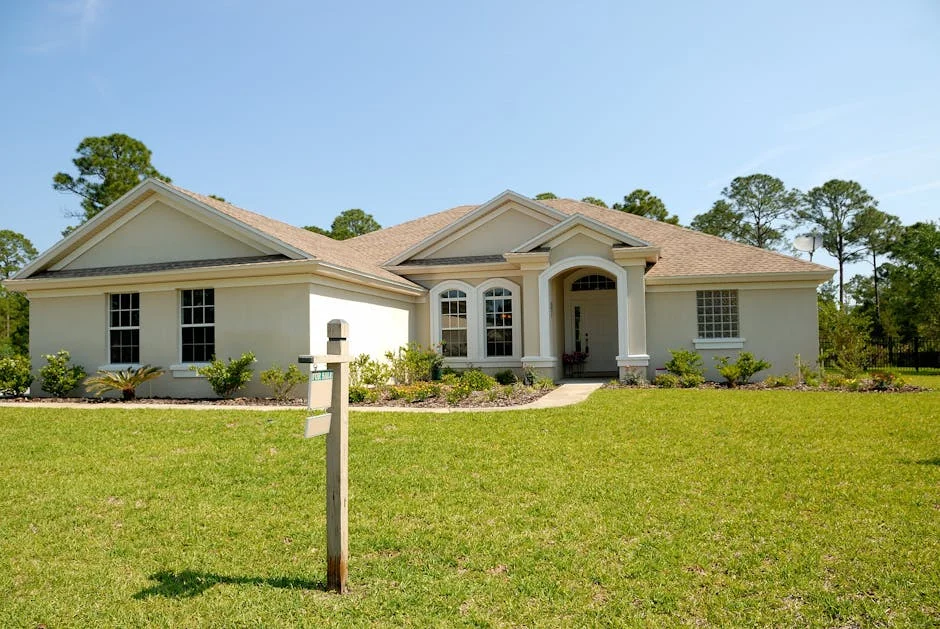
Rent to buy homes sit in the middle ground between renting and owning, designed for people who want a path to purchase but are not ready for a traditional mortgage today. In a typical rent-to-own arrangement, you move into a property as a tenant while signing an additional agreement that outlines how, when, and under what conditions you can purchase the home later. This structure appeals to buyers who have stable income but need time to improve credit, save for a down payment, resolve documentation gaps, or learn the responsibilities of ownership before committing. It also appeals to sellers who want to find a future buyer, reduce vacancy risk, and potentially secure a higher effective price through option fees and rent credits. Unlike a standard lease, the contract is built around a future transaction, so the details matter more: purchase price, timeframe, maintenance responsibilities, and what happens if either party defaults.
Table of Contents
- My Personal Experience
- Understanding Rent to Buy Homes and Why They Exist
- How Rent-to-Own Structures Work: Lease-Option vs. Lease-Purchase
- Key Financial Components: Option Fees, Rent Credits, and Purchase Price
- Benefits for Buyers: Building a Pathway to Ownership
- Benefits for Sellers and Landlords: Reduced Vacancy and a Motivated Occupant
- Risks and Downsides: What Can Go Wrong in Rent to Buy Homes
- Contract Terms That Matter Most: Protecting Your Rights and Money
- How to Evaluate a Property Before Committing
- Expert Insight
- Financing Preparation: Getting Mortgage-Ready During the Rental Term
- Negotiation Strategies: Getting Fair Terms Without Overpaying
- Legal and Regulatory Considerations: Why Professional Review Matters
- Common Scams and Red Flags to Avoid
- Practical Tips for Succeeding: Budgeting, Documentation, and Communication
- Choosing the Right Alternative When Rent-to-Own Isn’t the Best Fit
- Final Thoughts: Making Rent to Buy Homes Work for You
- Watch the demonstration video
- Frequently Asked Questions
- Trusted External Sources
My Personal Experience
When my partner and I realized we weren’t going to qualify for a traditional mortgage yet, we tried a rent-to-buy home as a middle step. We liked the house and the neighborhood, and the idea of “locking it in” felt reassuring, but the details mattered more than the sales pitch. We paid a slightly higher rent, and a small portion was supposed to go toward the purchase price, so I kept a spreadsheet and saved every receipt to make sure the credits were actually being tracked. The inspection also turned up a few issues we wouldn’t have noticed, and it helped us negotiate who would handle repairs while we were still technically tenants. By the end of the lease we weren’t fully ready to buy, but we walked away with a clearer picture of our budget and what we’d want in a contract next time—especially the parts about maintenance, fees, and what happens if you don’t close. If you’re looking for rent to buy homes, this is your best choice.
Understanding Rent to Buy Homes and Why They Exist
Rent to buy homes sit in the middle ground between renting and owning, designed for people who want a path to purchase but are not ready for a traditional mortgage today. In a typical rent-to-own arrangement, you move into a property as a tenant while signing an additional agreement that outlines how, when, and under what conditions you can purchase the home later. This structure appeals to buyers who have stable income but need time to improve credit, save for a down payment, resolve documentation gaps, or learn the responsibilities of ownership before committing. It also appeals to sellers who want to find a future buyer, reduce vacancy risk, and potentially secure a higher effective price through option fees and rent credits. Unlike a standard lease, the contract is built around a future transaction, so the details matter more: purchase price, timeframe, maintenance responsibilities, and what happens if either party defaults.
There are many reasons these deals exist. In some markets, rising prices outpace savings rates, so prospective buyers struggle to accumulate a down payment while paying rent. A rent-to-own home can redirect part of the monthly payment into a purchase credit, which feels like progress rather than a dead end. In other cases, borrowers are “mortgage-ready” in every way except credit score or debt-to-income ratio, and a year or two of disciplined payments can make a big difference. Sellers may also prefer a tenant-buyer who treats the home like their own, reducing wear and tear compared with a short-term renter. Yet the same flexibility that makes rent to buy homes attractive can create confusion, because programs vary widely: some are consumer-friendly and transparent, while others are structured primarily to capture fees. The key is understanding the core concept—renting with a defined purchase pathway—and then evaluating each contract like a financial product with risks, timelines, and enforceable obligations.
How Rent-to-Own Structures Work: Lease-Option vs. Lease-Purchase
Most rent to buy homes fall into one of two legal structures: a lease-option or a lease-purchase. A lease-option gives the tenant-buyer the right, but not the obligation, to buy the property at a pre-agreed price (or a price determined by a formula) within a certain period. If the tenant-buyer chooses not to purchase, they can walk away at the end of the term—though they may forfeit certain fees or credits depending on the contract. This option-style approach is often considered more flexible for the buyer, because life changes happen: job relocation, family needs, or market shifts can make buying less desirable. The seller, in exchange for granting the option, typically receives an upfront option fee and may negotiate slightly higher rent.
A lease-purchase is usually more binding. It often requires the tenant-buyer to purchase the home at the end of the lease term, assuming contractual conditions are met. Because it looks more like a delayed sale, it can carry additional legal and financial consequences if the buyer cannot close on time. Some jurisdictions treat certain lease-purchase arrangements similarly to installment sales, which can trigger consumer protection rules. For both structures, the agreements commonly include (1) an option fee or consideration, (2) a portion of rent credited toward the purchase, (3) a purchase price or pricing method, (4) a deadline to exercise the option or close, and (5) responsibilities for repairs, taxes, insurance, and HOA rules. Understanding which structure you are signing is essential, because the remedies for default, the ability to exit, and the security of your accumulated credits can differ dramatically across rent to buy homes.
Key Financial Components: Option Fees, Rent Credits, and Purchase Price
Three money elements define most rent to buy homes: the option fee, rent credits, and the agreed purchase price. The option fee is typically paid upfront when you sign and can range from a small amount to a meaningful percentage of the home price. In many deals, it is nonrefundable, but it may be credited toward the purchase if you buy. Think of it as the price of reserving the right to purchase later. Because it is often at risk if you do not buy, you should treat it like an investment that requires clear terms. If the contract is vague about when it’s credited, whether it’s refundable under certain conditions, or what happens if the seller breaches, that is a warning sign. You also want receipts and clear language about where funds are held and how they are accounted for.
Rent credits are the second component. A portion of your monthly rent may be set aside as a credit that reduces the purchase price or contributes to closing costs. Some agreements credit a fixed dollar amount; others credit a percentage of rent above a “market rent” baseline. It matters how the credit is earned: in many contracts, credits accrue only if rent is paid on time, and even one late payment can wipe out months of accumulated credit. The purchase price is the third component, and it can be fixed at signing or set by a future appraisal with a cap or formula. A fixed price can benefit you if values rise, but it can be a disadvantage if the market falls. A future-appraisal method can feel fairer, but it introduces uncertainty and potential disputes. Strong rent to buy homes agreements spell out each number, the accounting method, and the exact mechanics of applying credits at closing so there are no surprises when it is time to buy.
Benefits for Buyers: Building a Pathway to Ownership
For many households, the biggest advantage of rent to buy homes is time—time to get mortgage-ready while living in the property you hope to own. If you are rebuilding credit, paying down revolving balances, resolving collection accounts, or establishing a longer employment history, a 12–36 month window can be valuable. During that period, you can also document consistent housing payments, which some lenders view positively. Another benefit is psychological and practical: living in the home reveals what inspections and photos cannot. You learn traffic patterns, noise levels, neighbors, school logistics, and maintenance realities. Instead of rushing into a purchase based on a few showings, you can make a more informed decision about whether the property truly fits your life.
Rent credits and an option fee can also act like forced savings, especially for buyers who find it hard to accumulate a down payment while renting. While not every contract is generous, even modest credits can reduce the amount you need at closing. Some tenant-buyers also negotiate the ability to make improvements, such as landscaping or minor upgrades, which can make the home feel like it is already yours and may increase comfort during the lease term. In competitive markets, rent to buy homes can help you secure a property that might otherwise be snapped up by another buyer while you are still preparing for financing. The benefits are real, but they depend on disciplined budgeting and a contract that protects your credits and clarifies responsibilities. When structured fairly, this approach can transform renting from a temporary arrangement into a deliberate bridge to ownership.
Benefits for Sellers and Landlords: Reduced Vacancy and a Motivated Occupant
Sellers often consider rent to buy homes when they want to expand the pool of potential buyers beyond those who can qualify for a mortgage immediately. A tenant-buyer with a purchase incentive may care for the property more diligently than a typical renter, since they can envision owning it. That can mean fewer turnover costs, fewer lease-up expenses, and less uncertainty about finding a buyer later. In addition, sellers may negotiate an option fee upfront, which can provide immediate cash flow and compensate them for taking the home off the for-sale market for a period. Depending on local conditions, sellers may also command a slightly higher rent compared to a standard lease, especially if the agreement offers meaningful rent credits or a locked-in purchase price.
Another advantage is planning. A seller who expects to relocate, retire, or purchase another property may appreciate a defined timeline for a future sale. If the tenant-buyer exercises the option, the seller has a clear exit. If not, the seller may keep the option consideration and any rent premium, and then either re-list the home or negotiate a new agreement. However, sellers should not treat rent to buy homes as “set it and forget it.” They still need to maintain appropriate landlord insurance, comply with fair housing laws, and use legally sound contracts. Sellers also need to assess the tenant-buyer’s ability to qualify later, because a failed purchase can create vacancy and re-marketing costs at the end of the term. Well-structured deals align incentives: the occupant is motivated to buy, and the seller is protected by clear default terms and proper screening.
Risks and Downsides: What Can Go Wrong in Rent to Buy Homes
The biggest risk for buyers in rent to buy homes is losing money if the purchase does not happen. Option fees are often nonrefundable, and rent credits may be forfeited if you miss a payment, violate lease terms, or fail to close on time. Some contracts are written so that any default—even minor—allows the seller to terminate the option and keep the credits. Another risk is paying above-market rent without receiving a meaningful credit, which can make the arrangement more expensive than renting and saving independently. Buyers may also take on maintenance responsibilities typically handled by landlords, such as appliances, HVAC servicing, or even major repairs. If you are paying for ownership-like repairs without building legal equity, the value proposition can erode quickly.
There are also market and financing risks. If the purchase price is fixed and the market declines, you could be locked into buying at a price higher than the home’s value, making financing difficult and increasing the chance you walk away and lose the option fee. If the price is not fixed and relies on future appraisal, you could face a higher-than-expected price later. Financing itself is not guaranteed; lenders can change guidelines, your income can fluctuate, or interest rates can rise, affecting affordability. On the seller side, risk includes a tenant-buyer who does not maintain the property, delays payments, or cannot qualify, resulting in eviction or legal disputes. Because rent to buy homes blend leasing and future sale intentions, disputes can become complex, especially if contracts are poorly drafted. The best mitigation is thorough due diligence, conservative budgeting, and professional review of the paperwork before any money changes hands.
Contract Terms That Matter Most: Protecting Your Rights and Money
Strong, clear contract terms are the difference between a fair opportunity and an expensive lesson. Start with the purchase price clause: is it fixed today, based on a future appraisal, or based on a formula tied to market indices? Each approach has implications for affordability and for the seller’s willingness to honor the deal. Next, examine how the option fee is treated. The contract should state the exact amount, whether and how it is credited at closing, and under what circumstances it might be refunded (for example, if the seller cannot convey clear title). Rent credits should be described with equal precision: the monthly credit amount, the conditions to earn it, and whether late payments eliminate credits permanently or only for that month. For rent to buy homes, vague language about “credits may be applied” is not sufficient; you need a clear accounting method.
Maintenance and repair responsibilities are another major term. Some agreements shift many responsibilities to the tenant-buyer, which can be reasonable if rent credits are substantial and the home is in good condition, but it must be explicit. Clarify who handles routine maintenance, appliances, major systems, and structural issues. Also address property taxes, homeowners insurance, HOA dues, and special assessments. If the home is in an HOA, ensure the tenant-buyer receives the rules and has the right to review financials, because future assessments can affect affordability. Title and lien issues matter too: the seller should represent that they can deliver marketable title, and you may want the right to conduct a title search early. Finally, the agreement should define the process for exercising the option, deadlines, notice method, and what happens if the seller refuses to close. The more rent to buy homes contracts resemble professional real estate agreements—with clear timelines and remedies—the safer the arrangement tends to be.
How to Evaluate a Property Before Committing
Even though you are “just renting” at first, rent to buy homes should be evaluated like a purchase from day one. Start with a professional home inspection, ideally by an inspector you select, not one recommended solely by the seller. If the seller is unwilling to allow an inspection, treat that as a serious red flag. Review the roof age, HVAC condition, plumbing, electrical, foundation, and drainage. If the contract shifts repair responsibilities to you, the inspection becomes even more important, because you could inherit expensive problems without owning the asset. Consider specialized inspections when appropriate: sewer scope, termite/pest inspection, mold assessment, or structural engineer review. The goal is to understand what could break during the lease term and what it might cost, so you can budget realistically and negotiate repairs or credits upfront.
Expert Insight
Before signing a rent-to-buy agreement, negotiate clear terms in writing: how much of each payment credits toward the purchase, the exact purchase price (or how it will be set), and who pays for repairs, taxes, and insurance during the rental period. Have a real estate attorney review the contract and confirm the seller’s title is clean to avoid surprises at closing. If you’re looking for rent to buy homes, this is your best choice.
Treat the lease period as a preparation window: pull your credit reports, pay down high-interest debt, and get a lender pre-approval early so you know the financing target you must meet. Set reminders for option deadlines and document every payment and credit, so you can prove your equity credits and act quickly when it’s time to buy. If you’re looking for rent to buy homes, this is your best choice.
Next, analyze the neighborhood and resale potential. Look at comparable sales, not just listings, to gauge whether the proposed purchase price is reasonable. If the price is fixed, make sure it is not inflated beyond likely appreciation. If it is based on future appraisal, consider how volatile the local market is and whether the home’s condition will support a strong valuation later. Verify zoning, flood zone status, and any planned developments that could change traffic or property values. For rent to buy homes, it is also smart to review the seller’s ownership and financial position. A title search can reveal liens or unpaid taxes that could complicate closing. If the seller is behind on their mortgage, there is a risk of foreclosure during your lease, which could jeopardize your ability to buy and potentially your occupancy. A careful property evaluation reduces the chance you spend years paying toward a home that becomes impossible or undesirable to purchase.
Financing Preparation: Getting Mortgage-Ready During the Rental Term
The rental term in rent to buy homes should be used strategically to improve your financing profile. Start by checking your credit reports from all major bureaus and disputing inaccuracies early, because corrections can take time. Pay down revolving debt to improve utilization, avoid opening unnecessary new accounts, and keep all payments on time. If you have collections or charge-offs, consider a plan with a credit counselor or lender guidance, because paying off certain accounts can sometimes change scores in unexpected ways. Save documentation: pay stubs, W-2s, tax returns (especially for self-employed borrowers), bank statements, and proof of rent payments. Many lenders look for stable income and consistent payment history, so treat your rent like the most important bill you have.
| Option | Best for | Pros | Watch-outs |
|---|---|---|---|
| Rent-to-Buy (Lease Option) | Renters who want the option to purchase later while building savings/credit | Locks in a purchase option; time to improve finances; may credit part of rent toward purchase | Option fee often non-refundable; terms vary widely; may pay above-market rent; must meet deadlines to exercise option |
| Rent-to-Buy (Lease Purchase) | Buyers committed to purchasing after a set period | Clear path to ownership; can secure price now; structured timeline to qualify for financing | Legally binding obligation to buy; risk of losing fees/credits if financing falls through; inspection/maintenance responsibilities may shift to tenant |
| Traditional Rent + Later Purchase | People who want flexibility and minimal upfront risk | No option fee; easier to relocate; shop for the right home when ready | No price lock; home may sell to someone else; less leverage to negotiate credits; market rates may rise |
Also plan for cash requirements beyond the purchase price. Even if rent credits apply, you may need funds for appraisal, inspection updates, lender fees, escrow reserves, and moving costs. If your agreement credits the option fee and rent credits toward the down payment, confirm with a mortgage professional that the lender will recognize those credits and what documentation they require. Some lenders may need a paper trail showing funds were paid and properly credited. If the home needs repairs to qualify for financing, address them early rather than waiting until the end of the term. Interest rates can change, so run affordability scenarios with higher rates to ensure the purchase still works. The most successful rent to buy homes outcomes happen when buyers treat the agreement as a structured runway: each month is used to strengthen credit, reduce debt, build reserves, and eliminate last-minute surprises that could prevent closing.
Negotiation Strategies: Getting Fair Terms Without Overpaying
Negotiating rent to buy homes is different from negotiating a standard lease because you are balancing today’s occupancy with tomorrow’s purchase. Start by benchmarking the rent against comparable rentals. If the rent is above market, the contract should clearly explain how the difference benefits you, usually through rent credits or a favorable purchase price. If the seller wants a large option fee, negotiate for stronger protections: longer option term, clearer crediting, the ability to cure late payments, and a written commitment to provide disclosures and cooperate with financing. You can also negotiate for an inspection contingency period, even if you plan to move in quickly, so you have time to evaluate the home’s condition and the seller’s title situation. If significant repairs are needed, negotiate that the seller completes them before move-in or provides a credit applied at purchase.
Price negotiation is critical. If the purchase price is fixed, push for a price that reflects today’s market, not an optimistic future value. Sellers sometimes justify a premium by saying the buyer is “locking in” appreciation, but that only makes sense if the premium is reasonable and the term is long enough. If the price will be determined later by appraisal, negotiate guardrails such as a cap on annual increases or the right to cancel and receive a partial refund of the option fee if the appraisal comes in too high relative to your budget. Also negotiate clarity on maintenance: if you are responsible for repairs, ask for a home warranty or a repair reserve funded by the seller. For rent to buy homes, fairness is often about symmetry—if you are taking on ownership-like obligations, you should receive ownership-like benefits in the form of meaningful credits, reasonable pricing, and enforceable rights.
Legal and Regulatory Considerations: Why Professional Review Matters
Because rent to buy homes combine elements of landlord-tenant law and real estate sales law, the legal landscape can be complicated and varies by state, province, and municipality. Some jurisdictions have specific rules about option fees, disclosures, and how these agreements must be written. Others may treat certain arrangements as installment contracts, triggering additional consumer protections, recording requirements, or foreclosure-like procedures rather than eviction if the buyer has built substantial equitable interest. Even when the law is silent, courts often rely on the contract language and the parties’ behavior. That means a poorly drafted agreement can create ambiguity about whether you are merely a tenant with an option or something closer to a buyer-in-possession. Ambiguity tends to benefit the party with more resources to litigate, which is rarely the tenant-buyer.
Professional review is not a luxury here; it is risk management. A real estate attorney can explain local rules, revise clauses, and ensure the agreement matches your intent. They can also recommend steps like recording a memorandum of option (where permitted) to put the world on notice of your rights, which may help protect you if the seller tries to sell to someone else. A title company can identify liens, judgments, or ownership issues early. If a seller is using a “standard form” they found online, that form may not comply with local requirements or may omit critical protections regarding default, notice, and remedies. Rent to buy homes can be legitimate and beneficial, but they should be treated with the same seriousness as any property transaction. Spending money upfront on legal review can prevent losing far more through forfeited fees, disputes, or an uncloseable deal later.
Common Scams and Red Flags to Avoid
The popularity of rent to buy homes has attracted bad actors who exploit hopeful buyers. One common red flag is pressure to pay a large option fee immediately without time to review documents or consult an attorney. Another is a seller who cannot or will not prove ownership, provide identification, or allow a title search. Be cautious if the seller insists on cash payments with no receipts or refuses to use traceable methods. Watch for contracts that make credits contingent on unrealistic conditions, such as perfect payment history with no grace period, or that allow the seller to cancel the option for minor violations while keeping all funds. Also be wary of inflated prices justified by vague promises that “you can refinance later,” without any realistic assessment of your credit and income path.
Another scam pattern involves a middleman who “leases” a property they do not control, or who signs a rent-to-own deal with you while they themselves are only renting from the true owner. If the middleman stops paying the owner, you could face eviction despite making payments. Verify who owns the property through public records and ensure the person signing has the authority to grant an option. Foreclosure risk is also significant: if the seller is delinquent on their mortgage, the home could be foreclosed during your lease term. Ask for transparency, and consider requiring proof that mortgage payments and taxes are current, or using an escrow arrangement where a third party disburses payments. Rent to buy homes should never rely on trust alone; they should rely on verifiable facts, enforceable documents, and a payment trail. If anything feels rushed, unclear, or inconsistent, it is safer to walk away than to gamble with large nonrefundable fees.
Practical Tips for Succeeding: Budgeting, Documentation, and Communication
Success with rent to buy homes depends on execution as much as contract terms. Start with a budget that treats the option fee and any rent premium as funds at risk. If losing that money would derail your finances, consider negotiating a smaller option fee or choosing a different path. Set up automatic payments so rent is always on time, because many agreements condition credits on punctuality. Keep meticulous records: the signed lease, the option agreement, receipts for the option fee, monthly payment confirmations, and a ledger of rent credits. If the seller is supposed to credit a portion of rent, request periodic statements showing how credits are being tracked. Documentation reduces disputes and helps when you apply for a mortgage, as lenders may require proof of the option fee and rent credits.
Communication also matters. If you anticipate any issue that could affect payment timing, contact the seller immediately and seek a written amendment rather than relying on verbal assurances. If you are responsible for maintenance, keep receipts and take before-and-after photos of repairs and improvements, especially if the contract addresses how improvements are treated at purchase. Track deadlines: the date you must exercise the option, the date you must apply for financing, and the target closing window. Start mortgage conversations early—often six to nine months before the end of the lease—so you can correct course if underwriting flags an issue. With rent to buy homes, the final months can become stressful if you wait too long, because appraisals, underwriting, and repairs take time. A disciplined approach—pay on time, keep records, and plan ahead—turns the arrangement from a hopeful idea into a reliable purchase strategy.
Choosing the Right Alternative When Rent-to-Own Isn’t the Best Fit
Rent to buy homes are not the only way to transition from renting to owning, and sometimes they are not the most cost-effective. If your credit is close to qualifying, a low down payment mortgage program, down payment assistance, or a co-borrower strategy might get you into a home with fewer contractual risks. If your main challenge is saving, consider a high-yield savings plan with automatic transfers, or explore employer-assisted housing benefits. Some buyers benefit from renting in a less expensive area temporarily to accelerate savings, then purchasing later without paying an option fee. Others may prefer a traditional lease while they address credit issues, because it keeps flexibility and avoids the risk of forfeiting credits for minor lease violations.
There are also hybrid options. Some builders and institutional programs offer structured pathways that resemble rent to buy homes but with standardized contracts, transparent pricing, and clearer crediting rules. These can be easier to understand than one-off agreements with individual sellers, though they may come with their own constraints and fees. Another approach is negotiating a longer lease with a right of first refusal, which gives you the chance to buy if the owner decides to sell, without paying a large option fee upfront. The best choice depends on your timeline, financial profile, and risk tolerance. If the numbers and terms of rent to buy homes do not clearly beat the alternatives, it can be smarter to rent traditionally, improve your mortgage readiness, and buy with a conventional contract when you are fully prepared.
Final Thoughts: Making Rent to Buy Homes Work for You
Rent to buy homes can be a practical bridge to ownership when the contract is transparent, the price is fair, and the buyer uses the lease term to become fully mortgage-ready. The strongest outcomes come from treating the arrangement like a real estate transaction from day one: inspect the property, verify title and ownership, understand every fee and credit, and get professional legal review. A well-structured deal aligns incentives so the occupant is rewarded for consistent payments and responsible care, while the seller gains stability and a likely future sale. If the agreement is full of vague promises, harsh forfeiture clauses, or pressure tactics, walking away protects your finances and your future options. With careful due diligence, disciplined budgeting, and clear documentation, rent to buy homes can turn monthly housing payments into a defined plan for purchasing the home you already know you want to own.
Watch the demonstration video
In this video, you’ll learn how rent-to-buy homes work, including how payments are structured, what an option fee is, and how part of your rent may build toward a future purchase. It also covers key pros and cons, common contract terms, and practical tips to avoid costly mistakes before signing. If you’re looking for rent to buy homes, this is your best choice.
Summary
In summary, “rent to buy homes” is a crucial topic that deserves thoughtful consideration. We hope this article has provided you with a comprehensive understanding to help you make better decisions.
Frequently Asked Questions
What is a rent-to-buy (rent-to-own) home?
A rent-to-own agreement lets you live in a home as a tenant for a set period while giving you the option (and sometimes the requirement) to purchase it later—often at a price agreed on from the start, making it a popular path for people exploring **rent to buy homes**.
How do rent payments work in a rent-to-buy deal?
With **rent to buy homes**, you make monthly rent payments, and depending on the agreement, a portion of each payment may be applied as a rent credit toward your future purchase price.
What is an option fee, and is it refundable?
An option fee is the upfront payment you make to secure the exclusive right to purchase a home later—an approach often used with **rent to buy homes**. It’s typically nonrefundable, but if you go through with the purchase, it may be credited toward the final sale price.
How is the purchase price determined?
The purchase price is usually spelled out in the contract from the start, or it’s determined later using an appraisal or agreed-upon formula when you’re ready to buy—so be sure to review your agreement carefully, especially with **rent to buy homes**, to see which option applies.
Who handles maintenance, repairs, and property taxes during the rental period?
Terms differ from one agreement to the next: with **rent to buy homes**, the tenant-buyer may take on more day-to-day maintenance and repairs, while property taxes and insurance often stay in the owner’s name until the purchase officially closes.
What happens if I don’t buy the home at the end of the term?
If it’s an option, you can walk away but may forfeit the option fee and any rent credits; if it’s a purchase obligation, you could face penalties or legal action. If you’re looking for rent to buy homes, this is your best choice.
📢 Looking for more info about rent to buy homes? Follow Our Site for updates and tips!

Trusted External Sources
- ELI5 why rent-to-buy homes are a scam : r/PersonalFinanceCanada
May 16, 2026 … It’s not necessarily a scam, but if the renter can’t come up with the money at the end of the lease period to purchase the home then they can end up forfeiting … If you’re looking for rent to buy homes, this is your best choice.
- How Does Rent-To-Own Work? – Zillow
Sep 19, 2026 … Rent-to-own is when a tenant signs a rental agreement or lease that includes an option — or requirement — to buy the house or condo later, … If you’re looking for rent to buy homes, this is your best choice.
- What are the pros and cons of Rent to Own for the home owner?
Aug 30, 2026 … Pro: The illusion that the renter is buying something. Con: You already know they their finances are too crappy to get a real mortgage.
- Is It Better to Rent or Buy? A Financial Calculator.
May 10, 2026 … The choice between buying a home and renting one is among the biggest financial decisions that many adults make. But the costs of buying are … If you’re looking for rent to buy homes, this is your best choice.
- Rent to buy – SA Housing Trust
How it works · Rent a newly built home at 75% of market rent for up to 2 years · Save while you rent · Buy your home in up to two years at a fixed purchase … If you’re looking for rent to buy homes, this is your best choice.