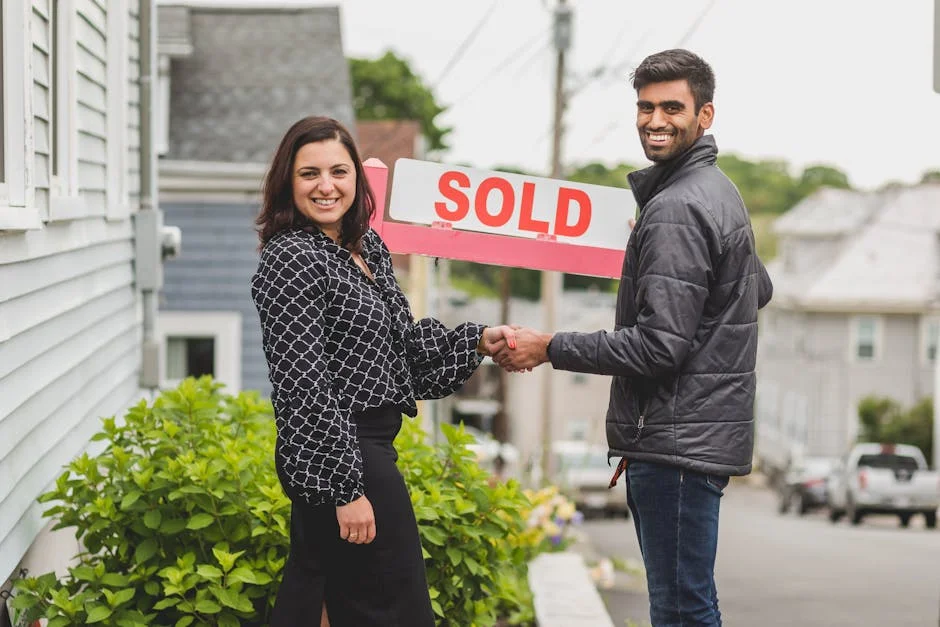
Learning how to buy a house without a down payment starts with separating myth from math. Many buyers assume a down payment is always mandatory, yet the U.S. mortgage market includes several pathways that reduce or eliminate the upfront cash requirement. The key is understanding what “no down payment” really means in practice. It typically means the loan covers 100% of the purchase price, but it does not automatically eliminate other expenses. Closing costs, prepaid items, inspections, appraisal fees, and moving costs still exist, and lenders still require that the loan meets underwriting standards. The absence of a down payment can also influence interest rates, monthly payment size, and mortgage insurance requirements, depending on the program. A buyer who wants to purchase with zero down must plan for both qualification and liquidity: qualification includes credit, income stability, debt-to-income ratio, property eligibility, and occupancy rules; liquidity includes having enough reserves or negotiated credits to cover settlement expenses. Thinking in these terms is practical because it frames the decision around total cash to close rather than the down payment alone, and it helps you compare options that might look similar on the surface but differ significantly in cost over time.
Table of Contents
- My Personal Experience
- Understanding How to Buy a House Without a Down Payment
- Zero-Down Mortgage Programs That Make 100% Financing Possible
- Using VA Loans to Buy With No Money Down
- USDA Loans for Rural and Suburban Buyers Seeking 0% Down
- Down Payment Assistance Programs That Reduce Cash to Close
- Seller Concessions and Closing Cost Credits to Preserve Your Cash
- Gift Funds, Family Loans, and Shared Equity Arrangements
- Expert Insight
- Piggyback Loans and Second Mortgages to Avoid a Traditional Down Payment
- Credit, Income, and Debt-to-Income: Qualifying for No-Down Options
- Choosing the Right Property and Offer Strategy for Zero-Down Buying
- Budgeting for the Costs That Still Exist When You Put 0% Down
- Risks, Tradeoffs, and When Zero-Down Buying Makes Sense
- Putting It All Together: A Practical Path for How to Buy a House Without a Down Payment
- Watch the demonstration video
- Frequently Asked Questions
- Trusted External Sources
My Personal Experience
When I started looking for a house, I had decent income but almost no savings, so a traditional down payment felt impossible. I talked to a local lender and learned I might qualify for a USDA loan because the area I was considering was still considered “rural,” even though it was only about 25 minutes from my job. The key was getting my credit and debt-to-income in shape first, then having the lender run the numbers before I fell in love with a place. I asked the seller to cover part of my closing costs, and I used a small lender credit to handle the rest, so I didn’t have to bring much cash to the table. It wasn’t totally “free” money—I paid for it with a slightly higher rate—but it got me into the house sooner than waiting years to save up. The process took patience and a lot of paperwork, but closing day felt unreal because I’d made it work without a down payment. If you’re looking for how to buy a house without a down payment, this is your best choice.
Understanding How to Buy a House Without a Down Payment
Learning how to buy a house without a down payment starts with separating myth from math. Many buyers assume a down payment is always mandatory, yet the U.S. mortgage market includes several pathways that reduce or eliminate the upfront cash requirement. The key is understanding what “no down payment” really means in practice. It typically means the loan covers 100% of the purchase price, but it does not automatically eliminate other expenses. Closing costs, prepaid items, inspections, appraisal fees, and moving costs still exist, and lenders still require that the loan meets underwriting standards. The absence of a down payment can also influence interest rates, monthly payment size, and mortgage insurance requirements, depending on the program. A buyer who wants to purchase with zero down must plan for both qualification and liquidity: qualification includes credit, income stability, debt-to-income ratio, property eligibility, and occupancy rules; liquidity includes having enough reserves or negotiated credits to cover settlement expenses. Thinking in these terms is practical because it frames the decision around total cash to close rather than the down payment alone, and it helps you compare options that might look similar on the surface but differ significantly in cost over time.
Another essential foundation is recognizing that zero-down purchasing often depends on either a government-backed loan, a specialized lender program, or a creative contract strategy with the seller. Government-backed does not mean “free money”; it means the lender has a guarantee or insurance that reduces risk, which can allow a higher loan-to-value ratio. Specialized programs may be offered by local banks, credit unions, or housing agencies to support first-time buyers or certain professions, sometimes with income limits or geographic restrictions. Contract strategies—like negotiating seller credits or pairing a first mortgage with a secondary loan—can help cover closing costs, but they require careful attention to appraisal limits and lending rules. Each route has tradeoffs: higher monthly payments, stricter property standards, additional mortgage insurance or funding fees, and sometimes tighter underwriting. When you understand these tradeoffs upfront, you can choose the best fit for your income, timeline, and risk tolerance. The goal is not merely getting in the door with the least cash, but doing it in a way that keeps the home affordable after move-in, when repairs and routine costs begin to show up. If you’re looking for how to buy a house without a down payment, this is your best choice.
Zero-Down Mortgage Programs That Make 100% Financing Possible
One of the most direct ways to buy with no money down is using a mortgage program designed for 100% financing. The most well-known options include VA loans for eligible military service members and veterans, and USDA loans for qualifying rural and suburban properties. VA loans can offer zero down with competitive interest rates and no monthly mortgage insurance, although there is typically a VA funding fee unless you qualify for an exemption. USDA loans also allow 0% down, but they have location eligibility rules, household income limits, and an upfront and annual guarantee fee that functions similarly to mortgage insurance. Both programs require that the home be owner-occupied, meaning you plan to live there as your primary residence. This is important because many buyers explore how to buy a house without a down payment while also hoping to purchase an investment property; in most cases, zero-down programs are for primary residences only. Understanding occupancy rules early prevents wasted time pursuing properties that won’t qualify.
Beyond VA and USDA, some lenders and community programs offer 100% financing products, but they tend to be more selective. Credit unions sometimes provide no-down-payment mortgages for members with strong credit and stable income, and certain banks have portfolio loans they keep in-house rather than selling to investors. These can be attractive, but they may come with higher interest rates, stricter credit thresholds, limited property types, or mandatory reserves. Additionally, some state and local housing finance agencies have first-time buyer programs that pair a standard first mortgage with a second loan or grant to cover the down payment. While that might not technically be “no down payment” from the lender’s perspective, it can mean “no down payment from your pocket,” which is the practical goal for many households. The best approach is to compare total monthly payment, total cash to close, and the projected cost over at least five to seven years. A slightly higher rate may be acceptable if it allows you to buy sooner and refinance later when equity grows, but only if the payment fits your budget comfortably today. If you’re looking for how to buy a house without a down payment, this is your best choice.
Using VA Loans to Buy With No Money Down
VA loans are often the gold standard for buyers seeking 100% financing. They are available to eligible active-duty service members, veterans, and some surviving spouses, and they can be used to purchase a primary residence with no down payment in many cases. The program’s structure is designed to reduce lender risk, which is why qualifying borrowers can access favorable terms. A major advantage is that VA loans do not require monthly mortgage insurance, which can significantly reduce the payment compared to other low-down-payment loans. However, VA loans do involve a funding fee in most situations, which can be financed into the loan amount instead of paid upfront. That feature helps buyers who are focused on how to buy a house without a down payment and also want to minimize cash at closing. Still, financing the fee increases the loan balance, so it’s wise to calculate the long-term impact. VA lenders will also evaluate income, employment stability, credit profile, and residual income, a VA-specific affordability metric that looks at leftover cash after major expenses.
To use a VA loan effectively, preparation matters. First, obtain your Certificate of Eligibility (COE) early, because it confirms your entitlement and helps lenders quote accurately. Next, choose a lender with strong VA experience; VA underwriting has nuances, and knowledgeable loan officers can help avoid delays with appraisals and property requirements. The VA appraisal includes a review of minimum property requirements focused on safety and habitability; this can affect older homes or properties with deferred maintenance. If the appraisal comes in low, the VA has options such as a reconsideration of value, but you may also need to renegotiate the price or adjust strategy. Another factor is closing costs: the VA limits certain fees that veterans can pay, which protects borrowers but means sellers or lenders may need to cover specific items. Negotiating seller concessions can be powerful here, especially when you’re trying to keep cash to close minimal. With the right planning, the VA route can be one of the most cost-effective ways to purchase without upfront funds while still maintaining a manageable payment. If you’re looking for how to buy a house without a down payment, this is your best choice.
USDA Loans for Rural and Suburban Buyers Seeking 0% Down
USDA loans are a strong option for buyers who are open to living outside dense urban cores. The program supports homeownership in eligible rural and some suburban areas, and it can provide 100% financing for qualified borrowers. Many people assume “rural” means farmland, but USDA-eligible zones often include smaller towns, outskirts of metro areas, and communities that feel suburban. The loan is designed for primary residences and has household income limits based on area median income, which means even if your personal salary seems moderate, you’ll need to count income for other adults in the household. The program also evaluates credit, debt-to-income ratio, and stable employment, similar to other mortgages. USDA loans typically include an upfront guarantee fee and an annual fee, which is paid monthly and resembles mortgage insurance. Even with these fees, USDA financing can be very attractive because the interest rates are often competitive, and the no-down-payment feature reduces the biggest barrier for many first-time buyers. If you’re looking for how to buy a house without a down payment, this is your best choice.
Property eligibility is the centerpiece of USDA strategy, so it’s worth checking addresses early in your home search. If you’re committed to learning how to buy a house without a down payment, you may need flexibility: the right USDA-eligible property might be 10 to 30 minutes farther from your preferred neighborhood, but the savings on upfront cash and potentially on purchase price can be meaningful. Another practical consideration is timing: USDA loans can take longer to close than conventional loans because some files go through additional review steps. That doesn’t mean they’re unreliable; it means you should set expectations with the seller and choose a lender who closes USDA deals routinely. You’ll also want to budget for inspections, appraisal, and possibly minor repairs required for eligibility. If the home needs significant work, USDA may not be the best fit, though some variations and rehab options exist in certain situations. With careful selection of location and property condition, USDA can be one of the most accessible routes to purchasing with minimal cash.
Down Payment Assistance Programs That Reduce Cash to Close
Down payment assistance (DPA) can function as a bridge for buyers who want to purchase with little or no cash out of pocket. These programs are commonly offered by state housing finance agencies, counties, municipalities, and nonprofit organizations. Assistance can come as a grant, a forgivable loan, or a deferred-payment second mortgage that becomes due when you sell, refinance, or complete a certain term. While DPA might sound like it contradicts the idea of how to buy a house without a down payment, it often accomplishes the same outcome: you bring little to no money for the down payment portion because the program supplies it. The eligibility rules vary widely, but common requirements include being a first-time homebuyer (often defined as not owning a home in the last three years), meeting income limits, completing a homebuyer education course, and purchasing within certain price caps. Some programs also prioritize teachers, healthcare workers, first responders, or buyers in targeted neighborhoods to encourage community stability.
The tradeoff with DPA is that it can add complexity and sometimes cost. A second mortgage may increase your total monthly payment, even if the second has a low rate, and it can affect your debt-to-income ratio. Some programs require you to use specific lenders or choose from an approved list, which can limit shopping options. Others have strict timelines and documentation requirements. Still, for many buyers the benefits outweigh the friction, especially in high-cost markets where saving a full down payment can take years. If you plan to stay in the home long enough for forgiveness terms to apply, a grant-like structure can be extremely valuable. It’s also important to coordinate DPA with closing cost strategies, because some programs allow funds to be applied to closing costs as well, while others restrict use to down payment only. A lender experienced with local assistance programs can help structure the deal so that the first mortgage, the assistance, and any seller credits work together without violating underwriting rules or appraisal limits. If you’re looking for how to buy a house without a down payment, this is your best choice.
Seller Concessions and Closing Cost Credits to Preserve Your Cash
Even if you qualify for a zero-down or assistance-backed purchase, closing costs can still be a major hurdle. That’s why seller concessions are often part of the real-world solution when buyers research how to buy a house without a down payment. Seller concessions are credits the seller agrees to provide to cover certain buyer costs at closing, such as lender fees, title insurance, escrow setup, and prepaid taxes or insurance. The amount you can receive depends on the loan program and the size of your down payment; some programs allow higher concessions when the buyer brings less money down. The credit is negotiated in the purchase contract and typically must stay within program limits and be supported by the final settlement statement. It’s not “cash back” in the sense of giving the buyer money after closing; instead, it reduces the amount the buyer needs to bring to the closing table. This distinction matters because lenders and regulators tightly control cash-back scenarios to prevent inflated sales prices and hidden financing.
To maximize seller concessions, the offer strategy must be realistic. In a strong seller’s market, asking for large credits may make your offer less competitive unless you offset it with a higher price or stronger terms. In a balanced market, sellers may prefer credits because they can keep the headline price while helping the buyer close. Another approach is using lender credits, where the lender increases the interest rate slightly in exchange for covering some closing costs. That can be useful when you’re short on cash, but it increases the monthly payment and total interest over time. Many buyers combine moderate seller concessions with small lender credits to reach a near-zero cash-to-close outcome without overloading any one component. The key is to evaluate the breakeven point: if you plan to refinance or move within a few years, paying a slightly higher rate for credits might be acceptable; if you plan to keep the loan long-term, it can be expensive. Work closely with your lender to run side-by-side estimates showing how credits affect both cash at closing and long-term cost. If you’re looking for how to buy a house without a down payment, this is your best choice.
Gift Funds, Family Loans, and Shared Equity Arrangements
Gift funds are another common way to reduce or eliminate the buyer’s out-of-pocket down payment requirement. Many loan programs allow gifts from family members, and some allow gifts from domestic partners or close relationships, depending on the program’s definition. The lender will require documentation: a gift letter stating that repayment is not expected, proof of the donor’s ability to give, and verification of the transfer of funds. If you’re exploring how to buy a house without a down payment, gift funds can cover down payment and sometimes closing costs, but the rules vary by loan type. The most important detail is that gifts must be true gifts; if the lender believes it’s an undisclosed loan, it can jeopardize approval. Transparency and documentation are essential. Another nuance is timing: depositing a large gift into your account right before underwriting can trigger extra scrutiny, so it’s wise to coordinate with your lender on the cleanest way to document the transfer.
Expert Insight
Start by targeting true zero-down loan programs and confirming eligibility early. Ask lenders about VA loans (for qualifying service members and veterans) and USDA loans (for eligible rural areas), then request a written pre-approval that specifies the down payment requirement and any upfront fees so there are no surprises. If you’re looking for how to buy a house without a down payment, this is your best choice.
Cover remaining cash needs by negotiating and structuring the deal strategically. Request seller concessions to pay allowable closing costs, compare lenders for credits in exchange for a slightly higher rate, and ask about down payment assistance grants or forgivable second mortgages—then have your agent write these terms into the offer so the financing plan is locked in from day one. If you’re looking for how to buy a house without a down payment, this is your best choice.
When family support goes beyond a gift, shared equity and family loans may come into play. A shared equity arrangement might involve a family member contributing funds in exchange for a percentage of future appreciation, formalized with legal documents. This can reduce monthly payment strain compared to borrowing more, but it introduces complexity and potential conflict if expectations aren’t clear. A family loan can be structured as a second mortgage, but it must be disclosed and counted in your debt-to-income ratio unless it’s deferred and documented in a compliant way. Some buyers also consider co-buying, where a parent or relative becomes a co-borrower. That can strengthen income and credit, but it also ties the co-borrower’s finances to the property and loan. Before using any of these strategies, consult a real estate attorney and ensure the lender is aware of the plan. The goal is to avoid last-minute underwriting issues while building a structure that is fair to everyone involved. Done correctly, family support can be the deciding factor that turns a “someday” plan into a realistic purchase. If you’re looking for how to buy a house without a down payment, this is your best choice.
Piggyback Loans and Second Mortgages to Avoid a Traditional Down Payment
Piggyback financing is a method where you take out a first mortgage and a second mortgage simultaneously, sometimes allowing you to avoid a large upfront down payment. A common structure is an 80/20 loan, where the first mortgage covers 80% of the purchase price and the second covers the remaining 20%, leaving the buyer with no down payment. Another version is 80/10/10, which includes a 10% down payment, but that’s not the focus for buyers committed to how to buy a house without a down payment. The appeal of piggyback loans is that they can reduce or eliminate private mortgage insurance (PMI) because the first mortgage stays at or below 80% loan-to-value. However, the second mortgage comes with its own interest rate, which is often higher, and it may have a shorter term or a variable rate. You also pay closing costs on two loans, which can increase total settlement charges, even if you avoid PMI.
| Option | Who it’s best for | Key pros / tradeoffs |
|---|---|---|
| VA loan (0% down) | Eligible veterans, active-duty service members, and some surviving spouses | Pros: No down payment, often competitive rates, no monthly mortgage insurance. Tradeoffs: Must meet VA eligibility; VA funding fee may apply. |
| USDA loan (0% down) | Buyers purchasing in eligible rural/suburban areas with qualifying income | Pros: No down payment, affordable rates, flexible credit standards in some cases. Tradeoffs: Location and income limits; upfront + annual guarantee fees. |
| Down payment assistance (DPA) / grants | First-time or moderate-income buyers needing help with upfront costs | Pros: Can cover down payment and/or closing costs; may be forgivable or grant-based. Tradeoffs: Program rules vary (income caps, homebuyer education, occupancy requirements); some are repayable or add a second lien. |
This strategy can work best for buyers with strong credit and stable income who can qualify for both loans. It can be particularly useful when you have limited cash but want to keep the first mortgage within conforming limits or avoid PMI on a conventional loan. The risk is that a second mortgage increases your overall leverage and can make refinancing more complicated later, because the second lienholder must agree to subordinate or be paid off. Additionally, in markets where home prices fluctuate, high leverage can leave you with little equity cushion. If you pursue piggyback financing, request detailed loan estimates for both mortgages and compare the combined payment to a single loan with PMI. Sometimes PMI is cheaper than a second mortgage, especially if you have excellent credit and can remove PMI once you reach sufficient equity. The best choice depends on rates, fees, and your expected timeline in the home. A lender who can model multiple scenarios will help you choose a structure that achieves minimal upfront cash without creating an unnecessarily expensive payment. If you’re looking for how to buy a house without a down payment, this is your best choice.
Credit, Income, and Debt-to-Income: Qualifying for No-Down Options
Even when a program offers 0% down, lenders still evaluate risk through credit, income, and debt-to-income ratio (DTI). Buyers researching how to buy a house without a down payment sometimes focus so heavily on the down payment that they overlook the underwriting basics that determine approval. Credit influences your interest rate, eligibility for certain programs, and sometimes the fees you pay. A higher score can mean a lower monthly payment, which can be the difference between qualifying and being denied. Income stability matters too: lenders typically want a consistent work history, predictable earnings, and documentation such as W-2s, pay stubs, or tax returns for self-employed borrowers. DTI measures how much of your gross monthly income goes to debts, including the future mortgage payment, car loans, student loans, and credit card minimums. If your DTI is high, you may still qualify under some programs, but you might face stricter compensating factors, such as higher credit scores, cash reserves, or lower housing payment relative to income.
If you’re not yet in a qualifying position, targeted improvements can help faster than broad, unfocused “credit repair.” Start by checking credit reports for errors and disputing inaccuracies. Next, reduce revolving utilization—high credit card balances relative to limits can drag down scores even if you pay on time. Paying down balances can also improve DTI if minimum payments drop. Avoid opening new accounts right before applying, and do not make large undocumented deposits that create sourcing issues. For income, keep documentation organized and avoid job changes that alter pay structure during the mortgage process unless necessary. If you’re self-employed, ensure tax returns reflect adequate income; aggressive write-offs can reduce taxable income and weaken borrowing power. Another lever is adjusting the target home price. No-down financing often results in a larger loan amount, so choosing a slightly lower price can dramatically improve approval odds and monthly affordability. The objective is to qualify comfortably, not barely, because a no-down purchase already starts with less equity buffer and benefits from conservative budgeting. If you’re looking for how to buy a house without a down payment, this is your best choice.
Choosing the Right Property and Offer Strategy for Zero-Down Buying
Property selection plays a larger role in zero-down purchases than many buyers expect. Certain loan programs restrict property types, condition, and location. For example, USDA loans require the property to be in an eligible area and generally must meet habitability standards. VA loans also require compliance with minimum property requirements. Even conventional lenders may limit condo approvals or require specific insurance coverage in certain regions. If your goal is how to buy a house without a down payment, you can improve your odds by targeting homes that are likely to appraise cleanly and meet program guidelines without extensive repairs. A home with obvious deferred maintenance can trigger repair requirements that the seller may refuse to address, which can derail the deal when you have limited cash to fix issues yourself. Similarly, unique properties can be harder to appraise, and appraisal gaps are difficult to cover with no-down strategies unless you have reserves or can renegotiate.
Offer strategy matters just as much as financing. A strong pre-approval from a reputable lender can make your offer more credible, especially when you’re using a program the seller may not understand. Communicate clearly through your agent that your financing is solid and that you can meet timelines. If you need seller concessions, structure the request thoughtfully: sometimes a slightly higher purchase price with credits can work if the appraisal supports it, but inflating price beyond market value can backfire. Consider offering flexibility on closing date or allowing the seller a rent-back period if your financing allows and local laws support it. These non-price terms can help you compete without bringing extra cash. Also think about inspection approach: waiving inspections is risky, particularly when you have little cash for repairs after closing. A safer approach is a standard inspection with reasonable repair requests focused on safety and major systems. The goal is to secure a home that will be affordable not only at closing but also during the first year of ownership, when unexpected maintenance often appears. If you’re looking for how to buy a house without a down payment, this is your best choice.
Budgeting for the Costs That Still Exist When You Put 0% Down
A zero-down purchase reduces one major barrier, but it doesn’t erase the financial realities of becoming a homeowner. Buyers focused on how to buy a house without a down payment should build a plan for the expenses that remain: earnest money, inspection fees, appraisal fees (sometimes paid upfront), homeowner’s insurance, prepaid interest, property taxes, and escrow reserves. In some transactions, earnest money can be modest, but it’s still a deposit you may need quickly after the offer is accepted. Inspections are worth budgeting for because they protect you from buying a home with hidden issues. Even if you negotiate seller concessions, some upfront fees may still need to be paid before closing, and those are not always covered by credits. Another overlooked cost is utilities and moving: deposits for electricity, gas, water, internet setup, and moving trucks can add up. If you’re transitioning from renting, you may also have overlapping housing costs, such as paying rent while the mortgage begins or covering lease break fees.
Preparing for post-closing costs is equally important because a no-down purchase typically begins with minimal equity and limited cushion. Home maintenance is not optional; roofs, HVAC systems, plumbing leaks, and appliance failures can become urgent. A practical approach is to create a starter reserve fund, even if it’s small, and to prioritize it immediately after closing. Some buyers also choose a home warranty for the first year, though coverage varies and should be evaluated carefully. If your loan includes mortgage insurance or guarantee fees, factor those into your monthly budget and understand when, if ever, they can be removed. For example, PMI on conventional loans can often be canceled once you reach sufficient equity, but FHA mortgage insurance rules can differ, and USDA annual fees may last for a long time. When you run the numbers, include not just the mortgage payment but also taxes, insurance, HOA dues, maintenance estimates, and a buffer for rising costs. The most successful zero-down buyers treat affordability as a long-term equation rather than a single hurdle at the closing table. If you’re looking for how to buy a house without a down payment, this is your best choice.
Risks, Tradeoffs, and When Zero-Down Buying Makes Sense
Buying with little to no money down can be a smart move, but it has tradeoffs that should be weighed honestly. The first tradeoff is a larger loan balance, which typically means a higher monthly payment and more interest paid over time. It can also mean slower equity growth in the early years, especially if home prices remain flat. If you need to sell soon after purchase, transaction costs like agent commissions and transfer taxes can exceed your equity, creating a risk of bringing money to the table. That’s why people exploring how to buy a house without a down payment should consider their expected time horizon. If you plan to stay in the home for several years, the likelihood of building equity through principal paydown and appreciation increases. Another tradeoff is that some zero-down options include fees—funding fees, guarantee fees, or mortgage insurance—that raise the effective cost of borrowing. These can be worthwhile for access and speed, but they should be compared against alternative paths such as saving for a small down payment or using assistance programs.
Zero-down buying often makes sense when the buyer has stable income, strong job prospects, and a clear reason to purchase now rather than later—such as moving for work, needing more space, or wanting predictable housing costs. It can also be strategic when rents are rising faster than wages and saving a down payment would take too long, causing the buyer to miss years of potential ownership benefits. However, it may not be the best choice if your employment is uncertain, if you have high consumer debt, or if you have no reserves for emergencies. In those cases, delaying to build a cushion can reduce stress and lower the chance of financial strain. Another scenario to evaluate is market volatility: in a rapidly appreciating market, buying sooner can help, but in a declining market, high leverage can amplify downside. The right decision depends on personal stability, local conditions, and the specific loan structure. A good lender and a trusted real estate professional can help you model scenarios so the decision is based on numbers rather than pressure or assumptions. If you’re looking for how to buy a house without a down payment, this is your best choice.
Putting It All Together: A Practical Path for How to Buy a House Without a Down Payment
A workable plan starts with aligning your eligibility with the right financing channel. If you have military service eligibility, a VA loan is often the most efficient 0% down route due to competitive rates and the lack of monthly mortgage insurance. If you’re open to eligible areas and meet income limits, USDA can provide 100% financing with manageable fees. If neither fits, down payment assistance can effectively create a no-out-of-pocket down payment outcome, especially when combined with seller concessions to reduce closing costs. Alongside these options, gift funds or shared equity can fill gaps, and in certain cases piggyback loans can replace a traditional down payment structure. The strongest approach is to get pre-approved with a lender who can run multiple scenarios and provide clear loan estimates. Ask for comparisons that show total cash to close, monthly payment, and the longer-term cost at five and ten years. This prevents the common mistake of choosing the option that looks cheapest upfront but becomes expensive over time. If you’re looking for how to buy a house without a down payment, this is your best choice.
Execution matters as much as planning. Strengthen credit where possible, reduce revolving balances, and avoid financial moves that complicate underwriting. Choose properties that are likely to meet appraisal and condition requirements for your loan type, and craft offers that keep you competitive while still protecting your cash position through credits and reasonable terms. Budget for the expenses that remain even when the down payment is zero, and build a post-closing reserve as quickly as you can. When these pieces fit together, how to buy a house without a down payment becomes less of a slogan and more of a structured purchase strategy: the right program, the right property, the right contract terms, and the right financial habits before and after closing. The payoff is not only getting into a home sooner, but doing it with a payment and risk level that you can sustain comfortably, so homeownership supports your life instead of stretching it.
Watch the demonstration video
Learn practical ways to buy a home with little to no money down. This video explains zero-down loan options, who qualifies, how to find assistance programs, and what lenders look for in credit and income. You’ll also get tips to avoid common pitfalls and understand the true costs of buying with no down payment. If you’re looking for how to buy a house without a down payment, this is your best choice.
Summary
In summary, “how to buy a house without a down payment” is a crucial topic that deserves thoughtful consideration. We hope this article has provided you with a comprehensive understanding to help you make better decisions.
Frequently Asked Questions
Is it possible to buy a house with no down payment?
Yes—there are several practical ways to learn **how to buy a house without a down payment**. Some buyers qualify for 0% down mortgage programs like VA or USDA loans, while others can use down payment assistance grants or forgivable loans offered by state and local agencies. In some cases, lender credits or seller concessions can also help cover upfront costs, reducing how much cash you need to bring to closing.
What loan programs offer 0% down?
If you’re wondering **how to buy a house without a down payment**, two popular options are VA loans for eligible service members and veterans, and USDA loans for qualified buyers in certain rural or suburban areas who meet income guidelines. Both programs can offer 0% down, though you’ll still need to meet the lender’s credit and underwriting requirements for final approval.
Can first-time buyers get help covering the down payment?
Many state and local programs can help cover down payment and closing costs through grants or forgivable, low-interest loans. Eligibility typically depends on factors like your income, where you’re buying, and completing a homebuyer education course—options that can be especially useful if you’re researching **how to buy a house without a down payment**.
Can the seller pay my down payment or closing costs?
Sellers usually can’t hand you money for a down payment, but they *can* help in other meaningful ways—like offering seller concessions that cover some of your closing costs and prepaid expenses (as long as your loan program allows it). If you’re exploring **how to buy a house without a down payment**, these concessions can reduce the cash you need at closing and make the purchase more affordable.
What credit score and debt requirements should I expect?
Requirements differ by program and lender, but you’ll typically have better approval chances—and potentially better rates—if you have solid credit and a comfortable debt-to-income ratio. That said, some options for **how to buy a house without a down payment** may still work with a lower credit score if you can show compensating strengths, like steady income, savings reserves, or a strong payment history.
What are the trade-offs of buying with no down payment?
Buying with little to no money upfront can come with trade-offs: you might end up with higher monthly payments, extra costs like mortgage insurance or funding fees, tougher qualification requirements, and less equity at the start—leaving you more exposed if home prices dip. If you’re exploring **how to buy a house without a down payment**, it’s important to weigh these potential drawbacks before moving forward.
📢 Looking for more info about how to buy a house without a down payment? Follow Our Site for updates and tips!

Trusted External Sources
- Am I able to purchase a home yet with $0 down? – Reddit
Jul 27, 2026 … You may qualify for the USDA no money down loan. Just approach a lender that specializes in USDA loans and they will tell you how much house … If you’re looking for how to buy a house without a down payment, this is your best choice.
- How to Get a No Down Payment Home Loan in Florida
If you’re looking to buy a house with no money down in Florida, this post will guide you through three mortgages types that require little or no money down … If you’re looking for how to buy a house without a down payment, this is your best choice.
- How to buy a house with no money down | Rocket Mortgage
Nov 21, 2026 … The two main loan programs that don’t require a down payment, VA loans and USDA loans, have no set credit score requirements, but most lenders … If you’re looking for how to buy a house without a down payment, this is your best choice.
- Is there a way to get a mortgage with zero down payment? – Reddit
Sep 16, 2026 … Try NACA.COM, Neighborhood assistance corporation of America. No Down payment, no closing costs… etc.
- How to buy a home with no money down – Chase Bank
Jul 21, 2026 — If you don’t qualify for a VA or USDA loan, you still have options. Many buyers turn to low-down-payment programs like FHA mortgages or income-based conventional loans—and if you’re researching **how to buy a house without a down payment**, it’s worth exploring local assistance programs and lender credits that may help cover upfront costs.