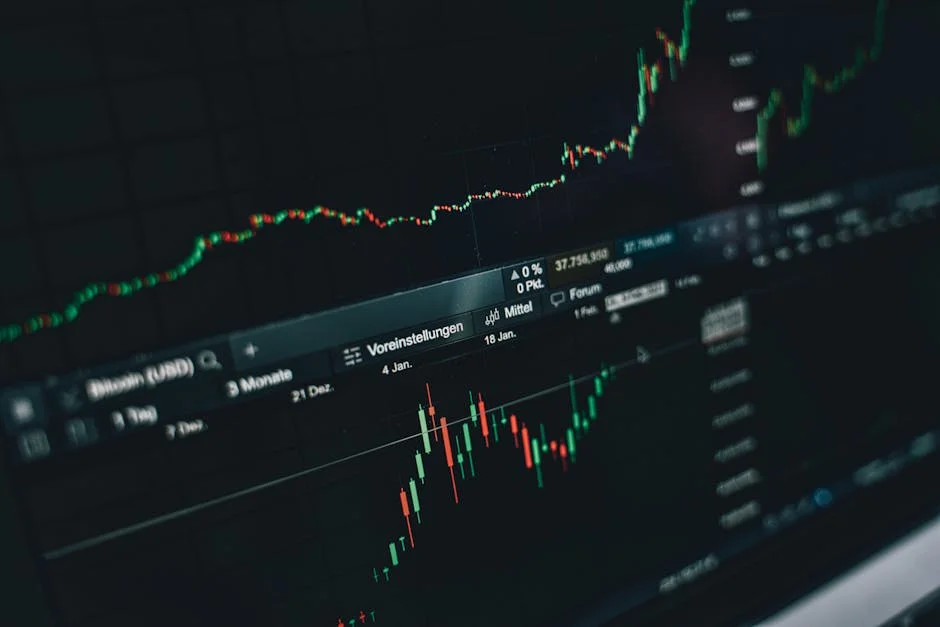
Crypto trading vs forex trading often looks similar at first glance because both involve buying one asset and selling another, trying to profit from price movements. Yet the underlying markets behave very differently because the “things” being traded are not the same. In foreign exchange, you trade currency pairs such as EUR/USD or USD/JPY that represent national currencies backed by economies, central banks, interest rate policy, and macroeconomic performance. In digital assets, you trade cryptocurrencies such as Bitcoin, Ether, and thousands of alternative tokens whose value is driven by network adoption, token economics, protocol upgrades, security incidents, and market sentiment that can shift rapidly. The structure of liquidity also differs: major forex pairs typically have extremely deep liquidity across global banks and institutions, while crypto liquidity is fragmented across exchanges, trading pairs, and venues, which can amplify slippage during volatile periods. The result is that the same trading tactic can produce very different outcomes depending on whether you apply it to forex or to crypto markets.
Table of Contents
- My Personal Experience
- Understanding the Core Difference Between Crypto Trading and Forex Trading
- Market Structure, Liquidity, and Who Moves Price
- Trading Hours, Session Behavior, and Weekend Risk
- Volatility Profiles and What They Mean for Strategy
- Leverage, Margin, and Liquidation Mechanics
- Costs: Spreads, Fees, Funding, and Hidden Friction
- Regulation, Safety, and Counterparty Risk
- Fundamental Drivers: Macro Economics vs Network Economics
- Expert Insight
- Technology, Platforms, and Tooling Differences
- Risk Management: Position Sizing, Stops, and Scenario Planning
- Choosing What Fits: Goals, Time Horizon, and Personality Fit
- Comparison Table: Typical Instruments and Trading Experience
- Practical Takeaways for Building a Trading Plan
- Conclusion: Aligning Market Choice With Your Edge
- Watch the demonstration video
- Frequently Asked Questions
- Trusted External Sources
My Personal Experience
I started out trading forex because it felt more “grown up” and predictable—tight spreads on major pairs, clear market hours, and enough liquidity that my stops usually filled where I expected. After a year of grinding small gains, I got curious about crypto and opened a separate account to trade BTC and ETH. The difference hit me fast: crypto’s 24/7 market was exciting but exhausting, and the volatility made my usual position sizing feel reckless overnight. I had a couple of great runs, but I also learned the hard way about weekend gaps in liquidity, sudden exchange outages, and how quickly a move can reverse on a headline. These days I still prefer forex for structured risk and consistency, and I treat crypto like a smaller, higher-risk side book where I’m stricter with size and quicker to take profits. If you’re looking for crypto trading vs forex trading, this is your best choice.
Understanding the Core Difference Between Crypto Trading and Forex Trading
Crypto trading vs forex trading often looks similar at first glance because both involve buying one asset and selling another, trying to profit from price movements. Yet the underlying markets behave very differently because the “things” being traded are not the same. In foreign exchange, you trade currency pairs such as EUR/USD or USD/JPY that represent national currencies backed by economies, central banks, interest rate policy, and macroeconomic performance. In digital assets, you trade cryptocurrencies such as Bitcoin, Ether, and thousands of alternative tokens whose value is driven by network adoption, token economics, protocol upgrades, security incidents, and market sentiment that can shift rapidly. The structure of liquidity also differs: major forex pairs typically have extremely deep liquidity across global banks and institutions, while crypto liquidity is fragmented across exchanges, trading pairs, and venues, which can amplify slippage during volatile periods. The result is that the same trading tactic can produce very different outcomes depending on whether you apply it to forex or to crypto markets.
Another key distinction in crypto trading vs forex trading is how participants access the market. Forex is historically an interbank market with retail traders participating through brokers that quote prices derived from liquidity providers. Market hours are effectively 24/5, with activity rolling from Asia to Europe to North America, and liquidity tends to be concentrated during overlapping sessions. Crypto markets run 24/7, including weekends and holidays, which changes risk management and the cadence of news-driven moves. A sudden liquidation cascade on a Saturday can occur when staffing is thin, and there is no “market close” to pause and reassess. Regulation, custody, and settlement also diverge: forex brokers are often tightly regulated in many jurisdictions, while crypto exchanges vary widely in oversight, custody practices, and transparency. These foundational differences shape everything else—costs, leverage, volatility, and how a trader thinks about risk.
Market Structure, Liquidity, and Who Moves Price
In crypto trading vs forex trading, market structure determines how prices are discovered and how easily large orders can be absorbed. Forex is decentralized, but it has mature plumbing: pricing is influenced by interbank dealing, large institutions, corporates hedging exposure, and central bank activity. Even though retail participation is large, retail flow is generally small relative to institutional flow in major pairs, which tends to create smoother price action under normal conditions. Spreads can be razor thin in liquid pairs, and execution quality is often stable during peak liquidity hours. That does not mean forex is always calm—major data releases, surprise policy shifts, or geopolitical shocks can cause sharp moves—but the depth of liquidity often helps the market reprice efficiently without the same degree of order book gaps seen in thinner assets.
Crypto markets, by contrast, can be heavily influenced by exchange-specific order books, derivatives funding rates, and concentrated holdings. Liquidity is uneven: BTC and ETH can be deep, while many smaller tokens are extremely thin and prone to sudden spikes, wicks, and slippage. In crypto trading vs forex trading, this fragmentation matters because a trader might see different prices on different venues, and arbitrage keeps them aligned only imperfectly during stress. Derivatives also play an outsized role in crypto price action, with perpetual futures and leverage driving liquidation events that create fast, self-reinforcing moves. Additionally, crypto “whales” and large holders can have a more visible effect, especially in micro-cap tokens. This does not automatically make crypto “worse,” but it does mean traders must account for venue risk, liquidity concentration, and how quickly market conditions can change when a major exchange experiences outages or when stablecoin liquidity tightens.
Trading Hours, Session Behavior, and Weekend Risk
One of the most practical differences in crypto trading vs forex trading is the clock. Forex trading is effectively continuous from Monday morning in Asia to Friday evening in New York, with a brief gap over the weekend. This schedule creates predictable rhythm: liquidity tends to increase during London and New York sessions, and many strategies are designed around those windows. News releases such as CPI, employment data, and central bank decisions are scheduled, and the market often “waits” for these catalysts. Weekend gaps can occur when markets reopen, but the pause gives traders time to review positions, adjust risk, and plan. The existence of a weekly close also impacts how brokers manage margin and how traders think about holding positions through illiquid periods.
Crypto trading operates 24/7, which changes everything from trade frequency to mental load. In crypto trading vs forex trading, continuous hours mean continuous exposure: a position can move dramatically while a trader sleeps, travels, or assumes markets are quiet. Weekend risk is real, not because weekends are always volatile, but because liquidity can thin and sudden headlines can hit at any time. The absence of a centralized calendar also matters: protocol upgrades, exchange listings, token unlocks, governance votes, hacks, and regulatory announcements can happen outside traditional market hours. For traders, this pushes the importance of automation, alerts, and predefined risk controls like stop-losses and position sizing. It also encourages a more systematic approach—either you accept being “always on,” or you build a plan that limits exposure during times you cannot monitor markets. This reality often surprises traders who come from forex and assume weekends are downtime.
Volatility Profiles and What They Mean for Strategy
Volatility is frequently the headline contrast in crypto trading vs forex trading. Major forex pairs can move significantly during macro events, but day-to-day volatility in EUR/USD or USD/CHF is often modest compared with many digital assets. This lower baseline volatility can make forex attractive for strategies that rely on tight stops, incremental gains, and consistent execution. It can also encourage higher leverage use—sometimes dangerously—because smaller price moves tempt traders to amplify returns with margin. However, volatility in forex is not uniform; emerging market currencies and cross pairs can be much more volatile, and sudden central bank interventions or peg breaks can be extreme. Still, the overall perception remains: forex tends to be steadier, especially in the most traded pairs.
Crypto volatility is typically higher, and it comes in different “flavors.” In crypto trading vs forex trading, a trader must contend with rapid trend expansions, deep pullbacks, and abrupt reversals driven by leverage and sentiment. Volatility can be an opportunity—larger moves can mean larger potential profit per unit of capital—but it also increases the probability of being stopped out if risk controls are not adapted. Strategies that work in forex, like scalping with minimal stop distance, can struggle in crypto unless spreads, fees, and microstructure are carefully considered. Conversely, trend-following can thrive in crypto during strong bull or bear regimes, but regime shifts can be violent. Practically, crypto traders often widen stops, reduce leverage, and rely more on position sizing than tight risk parameters. Understanding volatility is not about labeling one market “better,” but about matching your strategy to the market’s natural behavior and your tolerance for drawdowns.
Leverage, Margin, and Liquidation Mechanics
Leverage is central to crypto trading vs forex trading, but it is implemented differently and carries different hidden risks. In retail forex, brokers commonly offer leverage that can be high, depending on jurisdiction, with margin requirements set by regulation and broker policy. Positions are typically margined in the account currency, and stop-outs occur when equity falls below maintenance thresholds. Because forex markets can be relatively liquid, traders sometimes assume they can always exit near their stop price, though slippage can occur during news spikes. The key risk in forex is that leverage can magnify small moves into significant account swings, and overnight financing (swap/rollover) can add costs or benefits depending on interest rate differentials.
In crypto, leverage is often accessible through perpetual futures and margin trading with exchange-based liquidation engines. In crypto trading vs forex trading, liquidation mechanics can create feedback loops: when many traders are levered the same way, a price move triggers liquidations, which become market sell or buy pressure, pushing price further and triggering more liquidations. This “cascade” dynamic is less common in major forex pairs at the retail level, though leverage still matters. Crypto exchanges also vary in how they calculate margin, insurance funds, and auto-deleveraging. Funding rates in perpetual futures add another layer, where traders pay or receive periodic funding based on market positioning. For risk management, this means crypto traders must watch not only price, but also open interest, funding, and liquidation levels. A position can be “right” directionally yet still be liquidated if leverage is too high and volatility spikes briefly.
Costs: Spreads, Fees, Funding, and Hidden Friction
Cost structure is an underappreciated factor in crypto trading vs forex trading because it determines whether a strategy has any edge after friction. Forex trading costs often come through spreads and, depending on the account type, commissions. In highly liquid pairs, spreads can be minimal, particularly during active sessions, which is why many short-term traders gravitate to forex. However, costs are not limited to spreads: rollover or swap rates can accumulate for positions held overnight, and these can be meaningful when interest rate differentials are large. There can also be slippage during fast markets, and some brokers may apply markups or widen spreads during volatility. Execution quality, order type availability, and broker reliability can influence real costs more than advertised “from 0.0 pips” marketing.
Crypto trading costs vary across spot and derivatives markets. In crypto trading vs forex trading, traders often pay explicit exchange fees (maker/taker), and these can be competitive for high-volume accounts but punitive for small traders using market orders frequently. Spreads can be tight in BTC/USDT on major exchanges but wide in smaller pairs. For derivatives, funding rates can dominate costs during crowded trades; holding a position for days while paying high funding can erode profits even if price moves in your favor. Additionally, moving funds in and out can involve blockchain network fees, and there may be withdrawal fees or minimums. Another hidden cost is the impact of exchange outages or sudden changes in margin requirements, which can force traders to exit at poor prices. Comparing costs requires looking at the entire lifecycle of a trade—entry, holding, and exit—rather than focusing on one visible fee line.
Regulation, Safety, and Counterparty Risk
Regulatory environment is a defining line in crypto trading vs forex trading, especially for traders who prioritize legal clarity and consumer protections. Forex brokers in many regions must comply with licensing, capital requirements, segregation of client funds, reporting, and conduct rules. While not all brokers are equal and scams exist, the regulated retail forex ecosystem is relatively mature. Dispute resolution channels, negative balance protections in some jurisdictions, and standardized risk disclosures can reduce certain types of counterparty risk. That said, being “regulated” does not eliminate risk; broker insolvency, poor execution, or unethical practices can still occur, and traders must do due diligence on the specific entity holding their funds.
Crypto regulation varies dramatically by country and sometimes changes quickly. In crypto trading vs forex trading, counterparty risk can be higher because many exchanges operate across jurisdictions with uneven oversight, and custody practices can be opaque. Even reputable platforms can experience hacks, insider abuse, or operational failures, and users may have limited recourse. Self-custody is an alternative—holding assets in a personal wallet—but it introduces different risks such as key management, phishing, and irreversible mistakes. Stablecoins add another layer: they are often used as the quote currency for trading, and their reserve quality or redemption mechanisms can affect market stability. Traders who approach crypto with the same assumptions they have in forex—such as expecting standardized protections—can be caught off guard. The practical takeaway is to treat exchange selection, custody decisions, and jurisdictional compliance as part of the trading plan, not as an afterthought.
Fundamental Drivers: Macro Economics vs Network Economics
Fundamentals in crypto trading vs forex trading come from different worlds. Forex is heavily influenced by macroeconomic variables: interest rates, inflation, employment, GDP growth, trade balances, fiscal policy, and central bank guidance. Currency strength often reflects relative conditions between two economies, which is why forex is always a pair trade. Traders may track yield differentials, rate expectations priced into swaps, and risk sentiment that drives flows into safe-haven currencies like USD, JPY, or CHF. In this environment, calendars matter, and narratives can persist for months as monetary policy cycles unfold. Even technical traders benefit from understanding macro context because it explains why trends form and when they may reverse.
| Aspect | Crypto Trading | Forex Trading |
|---|---|---|
| Market hours | 24/7 trading, including weekends and holidays | 24 hours a day, 5 days a week (closed on weekends) |
| Volatility | Typically higher volatility; larger, faster price swings are common | Generally lower volatility; major pairs often move more steadily |
| Regulation & market structure | More fragmented across exchanges; regulation varies widely by region | More established global market; typically more standardized oversight via brokers/regulators |
Expert Insight
Match the market to your schedule and risk tolerance: crypto trades 24/7 with sharper weekend moves, while forex is most liquid during major session overlaps (London–New York). If you need tighter spreads and more predictable liquidity, focus on the most traded forex pairs during peak hours; if you trade crypto, reduce position size and avoid holding oversized exposure through low-liquidity periods. If you’re looking for crypto trading vs forex trading, this is your best choice.
Use a rules-based risk plan tailored to volatility: in crypto, set wider stops and smaller leverage (or none) to account for sudden spikes; in forex, prioritize news-aware trading and protect against event risk with stop-losses and reduced exposure ahead of high-impact releases. In both, cap risk per trade (e.g., 0.5–1% of account) and track performance separately by market to see where your edge is strongest. If you’re looking for crypto trading vs forex trading, this is your best choice.
Crypto fundamentals are more like a blend of technology adoption and market structure. In crypto trading vs forex trading, a token’s value can be influenced by protocol upgrades, scaling improvements, fee revenue, token supply schedules, staking yields, governance changes, and developer activity. For major assets, broader liquidity conditions still matter—when global risk appetite falls, crypto often sells off alongside other risk assets—but crypto-specific events can dominate. Exchange listings, ETF-related headlines, regulatory actions, bridge hacks, and stablecoin dynamics can move prices quickly. Tokenomics can introduce predictable supply shocks, such as unlocks or halvings, but the market’s reaction is not guaranteed. Traders often combine on-chain metrics, derivatives data, and sentiment indicators alongside chart analysis. The key is not that one set of fundamentals is “better,” but that you must learn the native drivers of the market you trade; applying macro-only logic to crypto or protocol-only logic to forex leaves blind spots.
Technology, Platforms, and Tooling Differences
The tools traders use can shape how they experience crypto trading vs forex trading. Forex trading platforms like MetaTrader and cTrader are widely supported, with robust charting, automated trading via expert advisors, and a large ecosystem of indicators and scripts. Broker integration is typically straightforward, and order types are standardized. Many traders rely on VPS hosting to keep algorithms running during active sessions. Data quality in forex can vary because the market is decentralized, but the tooling is mature and designed for high-frequency execution, especially for major pairs. Risk tools such as guaranteed stops may be offered by some brokers, and reporting is often tailored to retail trading needs.
Crypto tooling is more diverse and sometimes more complex. In crypto trading vs forex trading, traders may use exchange-native interfaces, third-party terminals, on-chain analytics platforms, and derivatives dashboards. APIs are common, but reliability differs by venue, and rate limits can be restrictive during volatility. Because crypto trades 24/7, automation and alerting are not optional for many active strategies. Another unique aspect is wallet infrastructure: managing deposits, withdrawals, and network selection adds operational steps that forex traders do not face. On the upside, crypto markets offer transparent on-chain data for many assets, enabling analysis that has no direct equivalent in spot forex. The tradeoff is that the learning curve can be steeper, and operational mistakes—like sending funds to the wrong network—can be irreversible. A trader choosing between markets should consider not just charts and strategies, but also whether they are comfortable with the technology stack required for reliable execution and safe asset handling.
Risk Management: Position Sizing, Stops, and Scenario Planning
Risk management is where crypto trading vs forex trading becomes most personal, because it depends on account size, leverage, time horizon, and psychological tolerance. In forex, many traders use structured position sizing based on a fixed percentage of equity per trade, with stop-loss placement tied to technical levels or average true range. Because major pairs can be less volatile, traders may use tighter stops and aim for smaller profit targets, repeating trades frequently. However, news risk can invalidate tight stops, and weekend gaps can bypass them. Scenario planning in forex often centers on scheduled events: central bank decisions, inflation prints, and employment reports. Managing exposure around those events—reducing size, widening stops, hedging, or staying flat—can be a core part of the plan.
In crypto trading vs forex trading, risk management must account for round-the-clock volatility, sudden liquidity drops, and liquidation cascades. Position sizing often needs to be smaller for the same account risk, and stop-losses may need to be wider or paired with alerts and manual management. Traders also need contingency plans for exchange outages, unexpected margin changes, or stablecoin de-pegs that can affect quoted prices. Because crypto markets can move sharply on weekends, some traders reduce exposure during those periods or hedge with options if available. Another factor is correlation: many crypto assets move together during stress, so “diversifying” across multiple altcoins may not reduce risk as much as expected. The practical approach is to define maximum loss per day or week, cap leverage, and avoid concentrating positions in illiquid tokens. A robust plan treats operational risk—where your funds sit, how you access them, and what happens during platform downtime—as part of overall risk, not separate from it.
Choosing What Fits: Goals, Time Horizon, and Personality Fit
Deciding between crypto trading vs forex trading depends on what you want from trading and how you prefer to operate. Forex can appeal to traders who like structured sessions, macro-driven narratives, and deep liquidity in major pairs. It can also suit those who prefer a market with long-established regulation and broker infrastructure. If you enjoy tracking economic calendars, interpreting central bank language, and trading around scheduled events, forex offers a clear framework. Swing trading and position trading can work well when monetary policy trends persist, while intraday trading can be efficient in liquid pairs during peak sessions. The tradeoff is that returns may feel slower without leverage, and overusing leverage can be a common pitfall because price moves can appear “small” until they are not.
Crypto trading vs forex trading may favor different temperaments. Crypto can be attractive to traders comfortable with higher volatility, rapid narrative shifts, and technology-driven catalysts. It can also suit those who want access to a market that never closes and offers a wide range of instruments, from spot to perpetuals to options on some venues. However, the same features increase demands: you must manage 24/7 risk, handle custody decisions, and accept that regulation and exchange stability can vary. Long-term participants may also blend investing and trading, using core holdings while actively trading around them, which is less common in retail forex where you do not “hold” a currency for network utility. Matching the market to your lifestyle matters: if you cannot monitor positions on weekends, crypto exposure needs tighter rules. If you dislike scheduled macro events and prefer organic, sentiment-driven moves, crypto may feel more intuitive. The best fit is the one where you can execute consistently without forcing a style that conflicts with your constraints.
Comparison Table: Typical Instruments and Trading Experience
Seeing crypto trading vs forex trading side by side can clarify how the experience differs across instruments, costs, and risk characteristics. The comparison below uses representative examples rather than endorsements, because availability, pricing, and conditions vary by venue and jurisdiction. “Ratings” reflect general retail trader perceptions of liquidity and accessibility, not a guarantee of performance. “Price” refers to typical cost structure rather than an asset’s market price, since the goal is to compare trading friction and entry barriers. If you are evaluating a specific broker or exchange, treat this as a starting checklist: confirm spreads, commissions, funding, order types, margin rules, and operational reliability under stress.
It also helps to remember that both markets have tiers. In forex, EUR/USD can behave very differently from an exotic pair, and in crypto, BTC can behave very differently from a thinly traded token. When comparing crypto trading vs forex trading, focus on the specific instrument you plan to trade and the venue you will use, then simulate realistic trade costs and slippage. A strategy that works on a highly liquid instrument may fail on a thin one even if the chart looks similar. The best comparison is grounded in your actual plan: time frame, expected trade frequency, and whether you will hold positions overnight or across weekends. Those details determine whether spreads, swap, and funding become minor annoyances or major performance drags.
| Name | Market | Features | Ratings (1-5) | Price / Typical Costs |
|---|---|---|---|---|
| EUR/USD | Forex | Deep liquidity, tight spreads, strong macro drivers, active during London/NY | 5 | Low spreads; possible commission; swap/rollover for overnight holds |
| USD/JPY | Forex | High liquidity, sensitive to yields and risk sentiment, clear session patterns | 5 | Low spreads; swap can be meaningful in strong rate cycles |
| GBP/JPY | Forex | Higher volatility cross, strong trend potential, reacts to UK/JP policy shifts | 4 | Moderate spreads; higher volatility can increase slippage near news |
| BTC/USDT (Spot) | Crypto | High liquidity on major exchanges, 24/7 trading, broad market benchmark | 5 | Maker/taker fees; spreads usually tight; withdrawal/network fees may apply |
| ETH/USDT (Spot) | Crypto | High liquidity, catalyst-driven moves (upgrades, ecosystem activity), 24/7 | 5 | Maker/taker fees; spreads tight on major venues; network fees for transfers |
| BTC Perpetual Futures | Crypto | Leverage, hedging, strong liquidity, liquidation dynamics, funding rates | 4 | Trading fees + funding payments/receipts; liquidation risk if over-levered |
Practical Takeaways for Building a Trading Plan
A workable plan for crypto trading vs forex trading starts with constraints: how much time you can spend, what hours you can monitor positions, and what maximum drawdown you can tolerate without abandoning the strategy. Forex traders often do well by aligning activity with the most liquid sessions and by building routines around scheduled macro events. Crypto traders often do well by defining exposure windows and automation rules because the market never sleeps. In both cases, the simplest sustainable edge is often not a secret indicator but consistent execution: using position sizing that survives losing streaks, avoiding emotional revenge trades, and tracking performance with a journal that includes screenshots and notes about market conditions. If you cannot describe why you entered, where you will exit if wrong, and what invalidates your idea, you are not trading a plan—you are reacting.
Another practical point in crypto trading vs forex trading is to match instruments to your experience level. Beginners often underestimate how much instrument selection matters. Starting with the most liquid instruments—major forex pairs or top crypto assets—can reduce slippage and manipulation risk while you learn execution. Build competence with a small set of setups, then expand only when results are stable. Consider also the operational workflow: in forex, you mainly evaluate broker reliability and regulation; in crypto, you also evaluate exchange custody, withdrawal policies, and whether you will keep funds on-platform. Finally, decide how you will measure success. A strategy that produces modest returns with low stress may be superior to a volatile approach that generates occasional big wins but frequent deep drawdowns. The best outcome is a plan you can follow for months, because consistency is where learning compounds and where the differences between crypto trading and forex trading become advantages rather than surprises.
Conclusion: Aligning Market Choice With Your Edge
Crypto trading vs forex trading is not a contest with a universal winner; it is a decision about which market’s structure best matches your strategy, risk tolerance, and daily life. Forex offers mature infrastructure, strong liquidity in major pairs, and a macro framework that many traders find predictable enough to build repeatable routines. Crypto offers continuous access, larger volatility, and unique catalysts tied to technology and network adoption, but it demands stronger operational discipline and comfort with venue and custody risk. Both markets can reward skill and punish overconfidence, especially when leverage is misused or when costs are ignored. The most reliable path is to choose one market to specialize in first, trade the most liquid instruments, keep leverage conservative, and document results until you understand how your approach performs across different regimes. With that foundation, crypto trading vs forex trading becomes less about hype and more about fit—where your edge is easiest to express and your risk is easiest to control.
Watch the demonstration video
In this video, you’ll learn how crypto trading compares with forex trading, including key differences in market hours, volatility, liquidity, and regulation. We’ll break down typical trading costs, common strategies, and risk management basics—so you can decide which market better fits your goals, experience level, and tolerance for fast price swings. If you’re looking for crypto trading vs forex trading, this is your best choice.
Summary
In summary, “crypto trading vs forex trading” is a crucial topic that deserves thoughtful consideration. We hope this article has provided you with a comprehensive understanding to help you make better decisions.
Frequently Asked Questions
What’s the main difference between crypto trading and forex trading?
Crypto trading focuses on buying and selling digital assets like Bitcoin (BTC) and Ethereum (ETH) on cryptocurrency exchanges, while forex trading centers on exchanging currency pairs such as EUR/USD in the global foreign exchange market through brokers—making **crypto trading vs forex trading** a comparison between decentralized digital coins and traditional fiat currencies.
Which market is more volatile: crypto or forex?
Crypto markets are typically far more volatile, with prices capable of swinging sharply in minutes, while major forex pairs usually see smaller day-to-day moves—though the use of leverage in either market can significantly magnify gains and losses. This difference is one of the key factors to consider when weighing **crypto trading vs forex trading**.
How do trading hours differ between crypto and forex?
Crypto markets trade 24/7, including weekends. Forex trades 24 hours a day during weekdays, typically closing over the weekend.
How does liquidity compare in crypto vs forex?
When comparing **crypto trading vs forex trading**, forex markets are typically more liquid—especially in major currency pairs—so traders often benefit from tighter spreads and smoother order execution. In crypto, liquidity can vary widely depending on the coin and the exchange, which means smaller or lesser-known tokens may come with wider spreads and more price slippage.
What are the typical costs and fees in each market?
In **crypto trading vs forex trading**, the main costs differ in a few key ways. Forex traders typically pay through the spread and/or a commission, and they may also incur swap or rollover fees for holding positions overnight. Crypto traders, on the other hand, often face exchange trading fees and spreads, plus blockchain network (withdrawal) fees when moving funds; if they trade perpetual futures, funding rates can also apply.
Which is riskier for beginners: crypto or forex?
Both markets involve serious risk, but **crypto trading vs forex trading** can feel very different in practice. Crypto’s extreme volatility and fragmented exchanges often make price moves sharper and less predictable for beginners, while forex risk is frequently driven by heavy leverage and sudden macroeconomic news that can jolt currency pairs in seconds.
📢 Looking for more info about crypto trading vs forex trading? Follow Our Site for updates and tips!

Trusted External Sources
- Which is easiest for beginners? Crypto trading or forex trading?
Feb 26, 2026 … Even though crypto trading has its own challenges, I find it more intuitive and easier to anticipate than traditional markets—especially in the context of **crypto trading vs forex trading**—as long as you can keep your emotions in check and stick to a clear plan.
- Forex Trading vs Crypto Trading: What Is the Difference and Which …
Jun 5, 2026 — In this article, we’ll explore **crypto trading vs forex trading**, comparing how each market works, the risks involved, and the potential rewards—so you can choose the option that best matches your trading style, goals, and risk tolerance.
- 10 SIGNS OF A SCAM CRYPTO OR FOREX TRADING WEBSITE
Most scams tied to cryptocurrency or foreign exchange (forex) trading start on social media or through messaging apps, where fraudsters use polished profiles, “too-good-to-be-true” success stories, and friendly chats to build trust. In the ongoing debate around **crypto trading vs forex trading**, it’s important to remember that the biggest red flag isn’t the market—it’s anyone who slides into your DMs with guaranteed returns, pressure to act fast, or links to unfamiliar platforms.
- Trading forex vs crypto – Reddit
Jan 1, 2026 … For a beginner, forex is a better option because the forex market is less volatile than the crypto market. Forex trading has lower trading costs … If you’re looking for crypto trading vs forex trading, this is your best choice.
- Digital Assets | CFTC
Here are **10 clear warning signs** a crypto or forex trading website might be a scam—especially if someone from social media or a messaging app is pressuring you to sign up through their link. Whether you’re weighing **crypto trading vs forex trading**, the red flags are often the same: unrealistic profit promises, pushy “account managers,” vague company details, and withdrawal problems that only appear after you’ve deposited money.