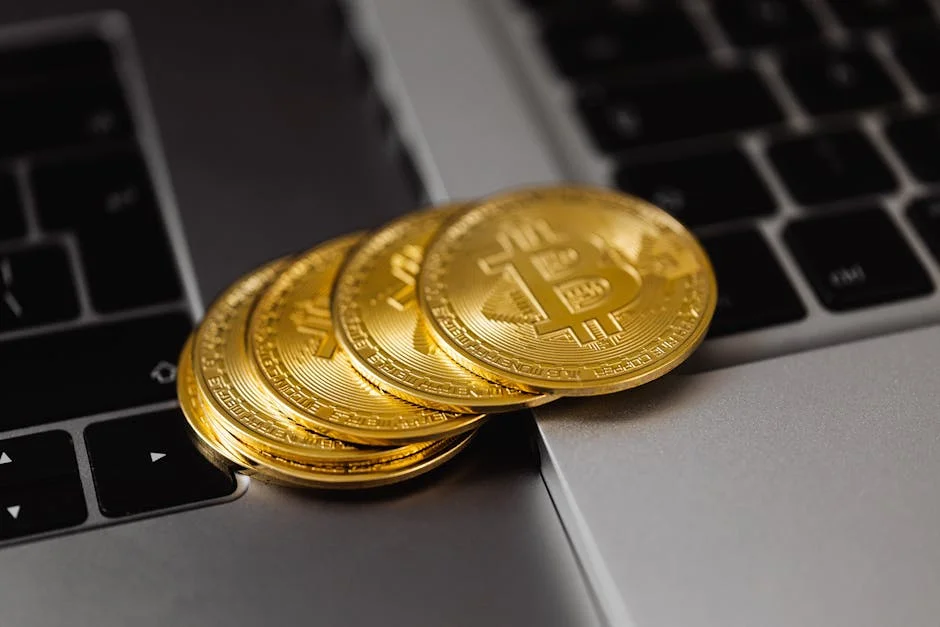
Any serious coinbase wallet review has to start with what the product is trying to be: a self-custody crypto wallet designed for everyday users who want to hold tokens, interact with decentralized apps, and manage NFTs without leaving a familiar brand ecosystem. Coinbase Wallet is not the same thing as the Coinbase exchange account. The exchange is custodial, meaning the platform holds the private keys on your behalf, while the wallet is non-custodial, meaning you control the keys and therefore control the assets. That difference changes the entire risk profile. With self-custody, there is no customer support agent who can “reset” a lost recovery phrase, and there is no company guarantee if a user signs a malicious transaction. At the same time, self-custody also reduces dependence on third parties and allows broader access to Web3 services like swapping on decentralized exchanges, bridging assets across networks, and connecting to dApps using a built-in browser or WalletConnect. As a first impression, Coinbase Wallet positions itself as a user-friendly gateway to those capabilities, with a clean interface and a setup flow that tries to reduce confusion for newcomers while still giving power users the essential controls they expect.
Table of Contents
- My Personal Experience
- Overview and First Impressions of Coinbase Wallet
- Supported Networks, Tokens, and NFTs
- Security Model: Self-Custody, Keys, and Recovery Phrase
- User Experience and Interface Design
- Swaps, On-Chain Trading, and Fees
- dApp Browser, WalletConnect, and Web3 Compatibility
- Expert Insight
- Privacy Considerations and Data Exposure
- Backup, Migration, and Multi-Device Use
- Customer Support Realities and Self-Custody Responsibility
- Comparison to Other Wallet Options (Strengths and Tradeoffs)
- Best Practices for Using Coinbase Wallet Safely
- Watch the demonstration video
- Frequently Asked Questions
- Trusted External Sources
My Personal Experience
I started using Coinbase Wallet a few months ago because I wanted to move some ETH and a couple of NFTs off an exchange and actually hold the keys myself. The setup was straightforward, but the app really hammered home how important the recovery phrase is—I wrote it down twice and stored it separately because there’s no “forgot password” safety net. Sending crypto in and out has been mostly smooth, and I like that it clearly shows which network I’m using, though I still double-check every time after almost sending tokens on the wrong chain once. The biggest downside for me has been gas fees and occasional confusion when a token doesn’t show up until I manually add it, which can feel stressful if you’re new. Overall, it’s been a solid wallet for day-to-day use and connecting to dApps, but it definitely rewards being careful and not rushing transactions. If you’re looking for coinbase wallet review, this is your best choice.
Overview and First Impressions of Coinbase Wallet
Any serious coinbase wallet review has to start with what the product is trying to be: a self-custody crypto wallet designed for everyday users who want to hold tokens, interact with decentralized apps, and manage NFTs without leaving a familiar brand ecosystem. Coinbase Wallet is not the same thing as the Coinbase exchange account. The exchange is custodial, meaning the platform holds the private keys on your behalf, while the wallet is non-custodial, meaning you control the keys and therefore control the assets. That difference changes the entire risk profile. With self-custody, there is no customer support agent who can “reset” a lost recovery phrase, and there is no company guarantee if a user signs a malicious transaction. At the same time, self-custody also reduces dependence on third parties and allows broader access to Web3 services like swapping on decentralized exchanges, bridging assets across networks, and connecting to dApps using a built-in browser or WalletConnect. As a first impression, Coinbase Wallet positions itself as a user-friendly gateway to those capabilities, with a clean interface and a setup flow that tries to reduce confusion for newcomers while still giving power users the essential controls they expect.
From a usability perspective, Coinbase Wallet tends to feel less intimidating than many competing self-custody apps, largely because it emphasizes clear labeling, guided prompts, and a mainstream brand identity. The onboarding flow typically includes creating or importing a wallet, backing up the recovery phrase, and enabling optional security features such as biometric unlock. The app also highlights supported networks and assets in a way that helps reduce the “wrong network” mistakes that often happen when beginners send funds to incompatible addresses. A practical coinbase wallet review should note that the wallet’s convenience features can be a double-edged sword: they make the app approachable, but they can also encourage users to move quickly through decisions that deserve careful attention, like verifying contract addresses, checking token approvals, and understanding network fees. Overall, the first-run experience is polished, but it still demands a self-custody mindset: verifying details, writing down recovery information offline, and treating every transaction as final. If the goal is a wallet that helps users step from a centralized exchange world into Web3, Coinbase Wallet’s first impression is that it is built to smooth that transition without hiding the responsibilities that come with it.
Supported Networks, Tokens, and NFTs
A thorough coinbase wallet review should look closely at network support because it determines what you can actually do with the wallet day to day. Coinbase Wallet is commonly used for Ethereum and Ethereum-compatible networks, which means it can handle a broad range of ERC-20 tokens and interact with dApps built on EVM chains. For many users, this is the core requirement: they want to hold ETH, stablecoins, and popular tokens, then connect to DeFi platforms for swapping, lending, or staking (where supported by the dApp). Beyond Ethereum mainnet, Coinbase Wallet has historically supported additional networks such as Polygon and other EVM chains, and in many setups users can add custom networks as well. The practical impact is that you can often manage assets across multiple chains from one interface, though you still need to pay network fees in the native gas token of each chain. This is a point that trips up new users: holding tokens on a chain is not enough; you also need the chain’s gas token to move them. Coinbase Wallet generally communicates this reasonably well, but it is still something users must learn.
NFT support is another major part of the current wallet landscape, and Coinbase Wallet typically includes NFT viewing for supported networks. The experience is usually straightforward: NFTs appear in a dedicated section, with thumbnails and metadata when available. However, NFT display quality can vary depending on the underlying token standard, the network, and the metadata hosting. A realistic coinbase wallet review should also mention that simply displaying an NFT does not guarantee it is legitimate; scammers often send unsolicited NFTs to wallets, and interacting with them can lead to phishing attempts. Coinbase Wallet’s role here is mostly to present what is on-chain; user judgment is still required. Token discovery and spam filtering can help reduce clutter, but it is not a perfect solution. On the positive side, the wallet’s broad token compatibility and EVM focus make it a practical choice for users who mostly live in the Ethereum ecosystem. On the cautionary side, users with significant activity on non-EVM chains or who want very specialized chain features may find they need additional wallets. For most mainstream DeFi and NFT usage, though, Coinbase Wallet’s network and asset support is wide enough to cover typical needs without forcing constant app switching.
Security Model: Self-Custody, Keys, and Recovery Phrase
The central question in any coinbase wallet review is whether the wallet makes self-custody safer or riskier for the average person. Coinbase Wallet is a non-custodial wallet, so the private keys are generated and stored on the user’s device (with protections that depend on the operating system and user settings). The recovery phrase (seed phrase) is the master backup that can restore the wallet on another device. If someone gains access to that phrase, they can drain the wallet from anywhere; if you lose it, you may lose access permanently. Coinbase Wallet’s setup flow typically pushes users to back up the recovery phrase early, but the effectiveness depends on user behavior. The best practice remains writing it down offline, storing it in a secure location, and never entering it into websites, forms, or “support chats.” From a security standpoint, the wallet can only do so much: it can warn, educate, and provide guardrails, but it cannot prevent a user from signing a malicious transaction if the user chooses to proceed.
App-level security features matter because they reduce casual compromise. Coinbase Wallet commonly supports biometric authentication and PIN protection, which helps prevent someone who grabs an unlocked phone from immediately sending funds. That said, biometrics and device PINs do not replace the recovery phrase; they protect local access but do not mitigate remote threats like phishing. A coinbase wallet review should also evaluate transaction transparency: does the wallet clearly show what a transaction will do, what approvals it requests, and what fees will be charged? In many cases, the wallet provides readable prompts, but the Ethereum transaction model remains complex. Token approvals, in particular, are a frequent source of loss: users approve a contract to spend tokens, and if the contract is malicious or compromised, funds can be taken later. Coinbase Wallet can help by showing approval details and encouraging careful review, but users should still use additional tools like approval revokers and reputable dApp sources. Overall, the security model is as strong as most mainstream self-custody wallets: it is fundamentally secure when used correctly, but unforgiving when users make mistakes. The wallet’s biggest security “feature” is the user’s discipline, and Coinbase Wallet’s interface generally supports that discipline better than many rougher, developer-oriented alternatives.
User Experience and Interface Design
For many people, the deciding factor in a coinbase wallet review is not advanced cryptography but whether the app feels intuitive under pressure. Crypto transactions are stressful because they are irreversible, and a wallet interface that reduces ambiguity can prevent costly errors. Coinbase Wallet generally prioritizes clarity: balances are visible, tokens are organized, and common actions like send, receive, and swap are easy to find. The wallet also tends to make addresses and QR codes accessible, which matters for avoiding copy-paste errors. Where the interface can become more challenging is when users start interacting with dApps, bridging assets, or dealing with multiple networks. The app can’t fully abstract away the complexity of gas fees, chain IDs, and contract interactions, but it can present them in a way that helps users confirm they are on the correct network and understand why a fee might be higher than expected. In that sense, Coinbase Wallet aims to be a “mass market” self-custody wallet rather than a niche power-user tool.
Navigation and information architecture are especially important when you hold many tokens or participate in DeFi. Coinbase Wallet usually provides token lists, recent activity, and transaction history that helps users reconcile what happened after a swap or transfer. However, blockchain confirmations can take time, and cross-chain bridges can introduce additional waiting and uncertainty. A helpful coinbase wallet review should set expectations: the wallet can show pending transactions, but the underlying networks determine finality. In addition, token price displays can be useful for a quick snapshot, but they are not always perfectly accurate for low-liquidity assets, and they can lag behind real-time market conditions. Another UX consideration is how the wallet handles spam tokens and scam airdrops. Many wallets struggle here, and Coinbase Wallet is not immune; users may see unknown tokens appear, and curiosity can lead to harmful interactions. Good UX is not only about aesthetics; it is about preventing dangerous clicks and making the safe path the easy path. Coinbase Wallet does a respectable job, though users who want maximum control over every transaction field may still prefer more advanced interfaces. For most people, the balance between simplicity and control is one of the wallet’s strongest points.
Swaps, On-Chain Trading, and Fees
A coinbase wallet review should separate two types of costs: network fees (gas) and swap-related costs (spreads, routing fees, and potential wallet service fees). Coinbase Wallet offers in-app swapping, which can route trades through decentralized liquidity sources. The advantage is convenience: users can swap without leaving the wallet or manually connecting to a DEX interface. The downside is that convenience can obscure the true cost structure. On-chain swaps require gas, and gas can spike during market volatility. In addition, the swap rate you see may include aggregator routing choices, liquidity provider fees, and in some cases an additional fee for the service. It is important to compare the expected output, slippage settings, and total cost across alternatives if you are making large trades. For small swaps, the convenience may be worth it; for larger swaps, doing a comparison against a DEX aggregator interface can reveal whether the wallet route is competitive at that moment.
Slippage and transaction failure are practical issues that deserve attention in any coinbase wallet review. When markets move quickly, a swap can fail if the price changes beyond your slippage tolerance, and you may still pay some gas for the failed attempt. Coinbase Wallet typically provides a way to adjust slippage, but users should understand the tradeoff: low slippage reduces the chance of a bad fill but increases the chance of failure; high slippage increases execution probability but can expose you to worse prices or MEV-related effects depending on the chain and token. Another fee-related factor is token approvals. Before swapping an ERC-20 token, you often need to approve the router contract to spend it, which is a separate transaction with its own gas cost. Over time, these approvals accumulate, and they also create security exposure if you approve unlimited spending. A disciplined approach is to approve only what you need and periodically revoke old approvals, even though that introduces additional transactions and gas fees. Coinbase Wallet makes swapping accessible, but users should treat it like any on-chain trading: double-check the token contract, verify the expected output, and consider the full cost, not just the headline rate.
dApp Browser, WalletConnect, and Web3 Compatibility
One reason Coinbase Wallet is popular is that it is designed to be a bridge into Web3. A coinbase wallet review should evaluate how well it connects to decentralized applications, because that determines whether the wallet is merely a storage tool or a full Web3 client. Coinbase Wallet typically includes a built-in dApp browser on mobile, allowing users to visit DeFi platforms, NFT marketplaces, and on-chain games without switching apps. This can reduce friction and make it more likely that users verify what they are doing, because the wallet signing prompts appear in context. Coinbase Wallet also supports connection methods like WalletConnect, which is widely used to connect a mobile wallet to a desktop dApp experience. Compatibility here matters: the more seamlessly the wallet connects, the fewer chances there are for users to fall for fake extensions or phishing clones. Coinbase Wallet’s brand recognition can help users feel they are using a legitimate tool, though that does not eliminate the risk of visiting malicious sites.
Expert Insight
Before using Coinbase Wallet, confirm you’re downloading the official app by checking the publisher, reviews, and download links from Coinbase’s website. Then secure the account immediately: write down the recovery phrase offline (never in screenshots or cloud notes), enable a strong device passcode, and turn on biometric lock to reduce the risk of unauthorized access. If you’re looking for coinbase wallet review, this is your best choice.
To avoid costly mistakes, test every new token or dApp interaction with a small transaction first and verify the network (Ethereum, Base, Polygon, etc.) before sending funds. When swapping or bridging, compare fees and slippage, review the contract address, and use the built-in transaction preview to catch unexpected approvals or high gas costs before you confirm. If you’re looking for coinbase wallet review, this is your best choice.
Web3 compatibility is not only about connecting but also about how the wallet displays signing requests. Many dApps ask for signatures that are not direct token transfers, such as “sign-in” messages, permit signatures, or approvals. A strong coinbase wallet review should note whether the wallet provides clear explanations of these requests. Coinbase Wallet often shows a human-readable prompt, but the reality is that some signatures are inherently technical, and the wallet may not always translate them into plain language. This is where user habits matter: confirm the domain, use bookmarks for trusted dApps, and avoid signing unexpected messages. Another compatibility issue is network switching. dApps can request that the wallet switch networks, and users should confirm that the requested network is legitimate and that the RPC endpoints are trustworthy when adding custom networks. For most mainstream EVM dApps, Coinbase Wallet works reliably, but edge cases can appear with newer chains, experimental dApps, or unusual token standards. Overall, Coinbase Wallet’s dApp and WalletConnect support is a core strength, making it a practical choice for users who want a single app for holding assets and interacting with the broader on-chain ecosystem.
Privacy Considerations and Data Exposure
Privacy is a nuanced topic in any coinbase wallet review because blockchain activity is inherently public, but wallet design choices can either reduce or increase how easily your identity is linked to your on-chain behavior. Coinbase Wallet is a self-custody wallet, so you do not need to complete identity verification just to create addresses and hold assets. That said, privacy can be affected by how you fund the wallet, which services you use for swaps, and whether you connect the wallet to accounts that already have personal information attached. If you transfer funds directly from a KYC exchange account to your Coinbase Wallet address, that address may become associated with your identity in the exchange’s records and potentially in analytics databases. In addition, if the wallet uses third-party providers for price data, swap routing, or analytics, some metadata may be shared, even if your private keys remain local. Users who care about privacy should pay attention to what permissions the app requests, what optional telemetry settings exist, and how they separate identities across addresses.
| Category | Coinbase Wallet | Best For |
|---|---|---|
| Security & Control | Non-custodial wallet (you control the private keys); supports biometric/PIN; backup via recovery phrase. | Users who want self-custody with a mainstream, trusted brand. |
| Features & Compatibility | Mobile app + browser extension; supports many tokens/NFTs; built-in dApp browser and DeFi access across multiple networks. | People who use Web3 apps, NFTs, swaps, and DeFi from one wallet. |
| Fees & Ease of Use | Wallet is free; network gas fees apply; in-app swaps may include spread/fees; simple setup and can connect to Coinbase exchange. | Beginners who value a smooth UI and easy on/off-ramps. |
On-chain privacy also involves behavioral choices. Using the same address for every activity makes it easy for observers to map your holdings and interactions. A practical coinbase wallet review should mention that many users choose to create separate addresses or wallets for different purposes: one for long-term holdings, one for DeFi, and one for NFT minting and marketplace activity. Coinbase Wallet can support multiple wallets, but the user needs to manage them intentionally. Another privacy factor is ENS or other naming services; while they make addresses easier to use, they can also create a persistent label tied to an address. Additionally, interacting with bridges, cross-chain swaps, and certain dApps can increase exposure to tracking. Coinbase Wallet is not uniquely good or bad here compared to other mainstream wallets; it sits in the middle. It offers self-custody and does not force identity checks, but it operates in an ecosystem where many services are surveilled by design. If privacy is a top priority, users should combine wallet practices with broader operational security: avoid reusing addresses, be cautious with public social links to wallets, and consider privacy-preserving tools where appropriate and legal. The wallet can support good privacy habits, but it cannot guarantee privacy on a transparent ledger.
Backup, Migration, and Multi-Device Use
Backup and migration are where self-custody wallets either earn trust or create regret, so a coinbase wallet review should treat this as a core feature rather than an afterthought. Coinbase Wallet relies on the recovery phrase as the ultimate backup. If you change phones, lose a device, or want to migrate to another wallet app, you can typically restore the same addresses by importing that phrase into a compatible wallet. This portability is a major advantage of standard self-custody designs: you are not locked into a single vendor, and you can move your wallet state across apps that support the same standards. However, the portability also means the recovery phrase must be protected with extreme care. Storing it in cloud notes, emailing it to yourself, or taking screenshots creates risk because any compromise of those accounts can become a total loss event. Coinbase Wallet’s interface can encourage good behavior by repeatedly emphasizing secure backup, but it cannot enforce it.
Multi-device use is often misunderstood. Many users assume they can “log in” to a wallet like they do with a social media account, but self-custody does not work that way. A coinbase wallet review should be clear: to use the same wallet on multiple devices, you typically have to import the recovery phrase to each device, which expands the attack surface. Every additional device becomes another place the keys exist, and therefore another point of failure. For some users, that tradeoff is acceptable for convenience, especially if they use strong device security and keep their recovery phrase offline. For others, especially those holding significant value, it may be safer to keep the wallet on a single hardened device and use read-only tracking elsewhere. Another migration consideration is that the wallet app may display tokens differently than another wallet after import; you might need to manually add custom tokens or switch networks to see everything. The assets are still on-chain, but the interface may not automatically detect all of them. Coinbase Wallet generally handles common tokens well, yet users with many obscure assets should be prepared for some manual setup after restoration. The key takeaway is that backup and migration are reliable when done correctly, but unforgiving when handled casually.
Customer Support Realities and Self-Custody Responsibility
Support expectations are a frequent source of frustration, so a realistic coinbase wallet review should address them directly. With self-custody wallets, there are strict limits to what any support team can do. If you lose your recovery phrase, no one can restore it. If you send funds to the wrong address or wrong network, support cannot reverse the transaction. If you sign a malicious contract interaction, the blockchain will execute it as designed. Coinbase Wallet benefits from the broader Coinbase brand, and users may assume there is a traditional help desk experience behind it. While there may be documentation and assistance for app issues, the wallet’s non-custodial nature means support cannot access your funds or fix on-chain mistakes. This is not unique to Coinbase Wallet; it is a reality of self-custody. The best “support” is prevention: careful verification, secure backups, and an understanding of how transactions work before moving large amounts.
That said, the quality of educational prompts and in-app guidance can reduce the number of support situations in the first place. Coinbase Wallet tends to provide more beginner-friendly explanations than many minimalist wallets, which is a practical advantage. A coinbase wallet review should highlight that the most common user issues are not bugs but misunderstandings: not having gas to move tokens, confusing the Coinbase exchange app with Coinbase Wallet, expecting refunds for failed swaps, or assuming a token is real because it appears in the wallet. Another common issue is phishing: scammers impersonate support agents and ask for the recovery phrase. Coinbase Wallet users should assume that any request for the seed phrase is a scam, regardless of how convincing the message looks. The wallet’s brand recognition can attract impersonators, so vigilance is essential. Ultimately, Coinbase Wallet is best for users who accept the self-custody model and want a more guided interface. If you want a product where a company can undo mistakes, a custodial account is a different category. Coinbase Wallet is built for ownership and autonomy, and that comes with personal responsibility that no support channel can replace.
Comparison to Other Wallet Options (Strengths and Tradeoffs)
Placing Coinbase Wallet in context helps clarify who it is for. A coinbase wallet review should compare it conceptually to other self-custody wallets without assuming one is universally best. Compared with many lightweight mobile wallets, Coinbase Wallet often feels more like a Web3 hub: built-in swapping, dApp browsing, and an interface that is designed for users who want to do more than just hold and send. Compared with more technical wallets, it can feel less configurable, though it still supports common needs like adding networks and viewing multiple assets. If you are primarily using EVM chains and want a mainstream interface, Coinbase Wallet is competitive. If you need deep features for a specific chain ecosystem, you might reach for a chain-native wallet instead. Many experienced users end up using multiple wallets: one for daily Web3 activity and another for long-term storage, often on a hardware wallet. Coinbase Wallet can serve as the daily driver, but it does not eliminate the need for a long-term security strategy.
Another tradeoff is between convenience and transparency. Some wallets expose more technical details by default, which can be valuable for advanced users who want to inspect raw transaction data, customize gas settings more granularly, or integrate with specialized tooling. Coinbase Wallet generally aims to keep users moving with sensible defaults, which is helpful until you hit an edge case. A coinbase wallet review should also mention the importance of hardware wallet integration for higher-value portfolios. Many users reduce risk by keeping most assets on a hardware wallet and using a mobile wallet for smaller balances and frequent interactions. Coinbase Wallet’s role then becomes an interface for Web3, while the hardware wallet remains the key vault. Whether Coinbase Wallet is the right choice depends on your behavior: if you frequently connect to new dApps, mint NFTs, and chase new token launches, you are more exposed to smart contract risk, and you may want stronger compartmentalization. If you mostly hold major assets and occasionally swap, Coinbase Wallet’s convenience can be a strong fit. The main strength is accessibility; the main risk is that accessibility can encourage users to take actions before they fully understand the implications. Choosing Coinbase Wallet is less about brand and more about matching the tool to your habits.
Best Practices for Using Coinbase Wallet Safely
A practical coinbase wallet review should end with operational guidance because the wallet’s safety depends heavily on user decisions. The first best practice is to treat the recovery phrase like the keys to a safe deposit box: write it down offline, store it in a secure place, and never share it. Avoid screenshots, cloud backups, and messaging apps. Second, separate funds by purpose. Keep a smaller “hot” balance in Coinbase Wallet for active DeFi and NFT activity, and keep larger long-term holdings in a more hardened setup, ideally a hardware wallet. Third, verify everything before signing. That means checking the website domain, confirming token contract addresses for unfamiliar assets, and reading the wallet’s transaction prompts carefully. If a dApp asks for unlimited token approvals, consider limiting approvals or using a separate wallet address for that activity. If you receive random tokens or NFTs you did not request, do not interact with them; hiding or ignoring is often safer than clicking through unknown links.
Gas management is another best practice that prevents panic. Always keep a small amount of the native gas token on each network you use so you can move assets when needed. If you bridge funds to a new chain, bridge a little gas as well, or acquire gas through a reputable method. Keep software updated, including the wallet app and your phone OS, and enable biometric or PIN protection. Use a strong device passcode and be cautious about installing unknown apps that could compromise your device. Finally, practice with small amounts before making large transfers or complex swaps. Send a test transaction, confirm it arrives, then proceed. These habits are not unique to Coinbase Wallet, but they are essential because self-custody gives you full control and full responsibility. Coinbase Wallet can be a solid choice for users who want an approachable Web3 wallet, but its best results come when users pair the app with disciplined security routines. With that in mind, the final verdict in this coinbase wallet review is straightforward: Coinbase Wallet is a polished self-custody wallet with strong Web3 functionality, and it can be reliable and convenient as long as you respect the risks of signing transactions and protect your recovery phrase as if your entire portfolio depends on it—because it does.
Watch the demonstration video
In this Coinbase Wallet review video, you’ll learn what the wallet is, how it works, and whether it’s a good fit for your crypto needs. We’ll cover key features, supported coins and networks, security basics, fees, and how to send, receive, and swap tokens—plus the main pros, cons, and who should use it.
Summary
In summary, “coinbase wallet review” is a crucial topic that deserves thoughtful consideration. We hope this article has provided you with a comprehensive understanding to help you make better decisions.
Frequently Asked Questions
What is Coinbase Wallet and how is it different from the Coinbase exchange app?
In this **coinbase wallet review**, it’s important to know the key difference between the two apps: **Coinbase Wallet** is a self-custody wallet, meaning you hold your private keys and stay in full control of your crypto, while the **Coinbase exchange app** is custodial, so Coinbase stores and manages your assets for you.
Is Coinbase Wallet safe to use?
It can be safe when used correctly: keys are stored on your device and protected by a recovery phrase, but you’re responsible for backups, avoiding scams, and securing your phone. If you’re looking for coinbase wallet review, this is your best choice.
What cryptocurrencies and networks does Coinbase Wallet support?
In this **coinbase wallet review**, it’s worth noting that the app supports a wide range of major cryptocurrencies across multiple networks—often including Ethereum and other EVM-compatible chains—and it also lets you store and manage NFTs. Keep in mind that the exact assets and network support can vary depending on your region and the version of the app you’re using.
What fees does Coinbase Wallet charge?
In this **coinbase wallet review**, it’s worth noting that the app itself usually doesn’t charge you just to hold your crypto. However, anytime you send funds on-chain, you’ll still need to cover network (gas) fees, and you may also run into swap or bridge fees depending on which services you use.
Can I use Coinbase Wallet for DeFi and NFTs?
Yes, it includes a dApp browser/connection tools for DeFi apps and supports viewing and managing NFTs on supported networks.
What are the main pros and cons of Coinbase Wallet?
In this **coinbase wallet review**, the biggest advantages are full self-custody control over your crypto, wide access to dApps and DeFi platforms, solid NFT support, and a smooth, beginner-friendly setup. On the flip side, you’re solely responsible for protecting your recovery phrase, network gas fees can get expensive, and the risk of scams or phishing attempts is something you’ll need to actively watch out for.
📢 Looking for more info about coinbase wallet review? Follow Our Site for updates and tips!

Trusted External Sources
- Is ‘Coinbase Wallet’ any good? : r/ethereum – Reddit
Jan 29, 2026 … A wallet like Coinbase wallet is nice, but with it being in a phone always connected to the internet, there are risks of malware causing … If you’re looking for coinbase wallet review, this is your best choice.
- Base: Formerly Coinbase Wallet – App Store – Apple
Check out **Base (formerly Coinbase Wallet)** on the App Store to see screenshots, ratings, and real user feedback. This **coinbase wallet review** roundup also highlights helpful tips from users and suggests similar apps worth exploring.
- Coinbase Wallet, Legit or not? – Reddit
Apr 19, 2026 … Most of the reviews are just same copy pasted response with 5 starts, and also there are a few of 1 starts reviews that are telling that it’s a … If you’re looking for coinbase wallet review, this is your best choice.
- Base: formerly Coinbase Wallet – Apps on Google Play
The new Base App experience is here—an all-in-one hub packed with ways to earn and explore. Dive into crypto and the wider onchain ecosystem to discover new opportunities, tools, and experiences in one place. If you’re also comparing options, this **coinbase wallet review** can help you see how it stacks up for everyday use.
- What’s the difference between Coinbase and Coinbase Wallet?
Wait. Coinbase Wallet is a different product than the main Coinbase app? · When you set up a Coinbase account, we provide you with a hosted crypto wallet that … If you’re looking for coinbase wallet review, this is your best choice.