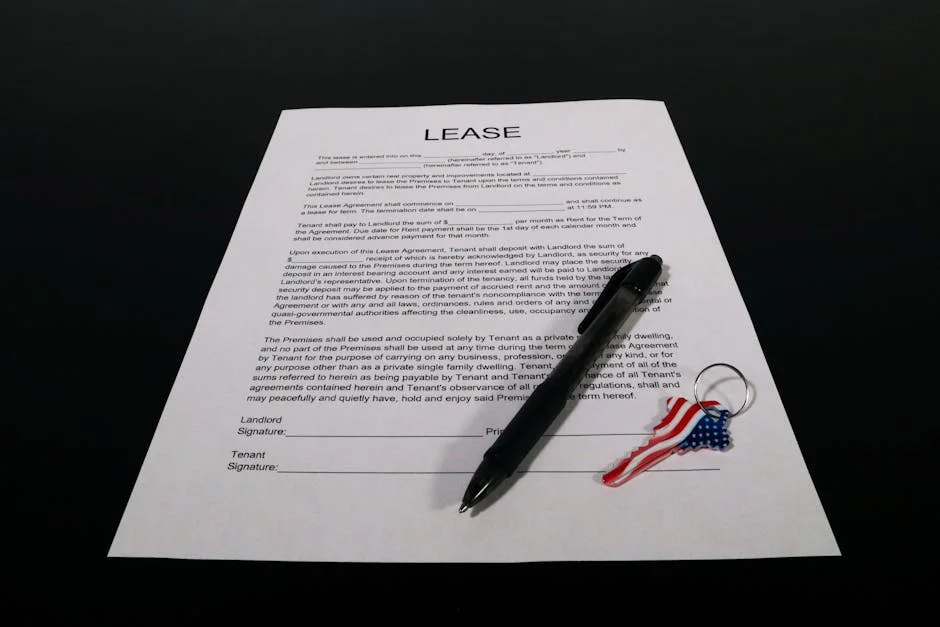
Lease to own properties sit in the middle ground between renting and buying, offering a pathway for people who want homeownership but are not ready to qualify for a traditional mortgage today. In a typical arrangement, a resident signs a lease for a set term—often one to three years—while also securing the right to purchase the home at a later date. That right may be structured as an “option” (the resident can buy but is not forced to) or as a “lease-purchase” obligation (the resident is expected to buy, subject to contract terms). The appeal is straightforward: you live in the home now, work on finances and credit, and lock in a purchase framework for later. At the same time, the property owner receives a tenant who is often more invested in the home’s upkeep because the possibility of ownership is on the table. These agreements became more common in markets where prices move quickly, lending standards tighten, or households need time to assemble a down payment. They can also be used when a seller wants a broader pool of prospective buyers, including those who can afford monthly payments but need time to meet underwriting requirements.
Table of Contents
- My Personal Experience
- Understanding Lease to Own Properties and Why They Exist
- How Lease-Option and Lease-Purchase Structures Differ
- Key Financial Components: Option Fees, Rent Credits, and Purchase Price
- Who Benefits Most from Lease to Own Properties
- Risks and Pitfalls to Watch for Before Signing
- Negotiating Terms That Protect Both Buyer and Seller
- Legal and Contract Considerations That Matter
- Expert Insight
- Property Condition, Inspections, and Maintenance Responsibilities
- Financing Preparation: Credit, Debt, and Mortgage Readiness
- Market Dynamics: When Lease to Own Makes Sense (and When It Doesn’t)
- Evaluating Listings and Sellers: Practical Due Diligence Steps
- Building a Successful Path to Closing and Ownership
- Final Thoughts on Choosing Lease to Own Properties Wisely
- Watch the demonstration video
- Frequently Asked Questions
- Trusted External Sources
My Personal Experience
A couple years ago, my partner and I couldn’t qualify for a traditional mortgage because our credit was still recovering, but we were tired of renting and wanted some stability. We found a lease-to-own home through a local investor, and the deal sounded straightforward: we paid a slightly higher monthly rent, with a portion credited toward the purchase price, plus an upfront option fee. Living there felt like owning in some ways—we could paint and make small upgrades—but it also came with pressure, because we were responsible for minor repairs and had to stay on top of every payment to keep our option. Halfway through, we paid for an inspection and had a real estate attorney review the contract, and I’m glad we did because it clarified what happened if we needed to extend the term. In the end, it wasn’t a magic shortcut, but it gave us time to rebuild our credit and save, and we were able to buy the house before the lease ended. If you’re looking for lease to own properties, this is your best choice.
Understanding Lease to Own Properties and Why They Exist
Lease to own properties sit in the middle ground between renting and buying, offering a pathway for people who want homeownership but are not ready to qualify for a traditional mortgage today. In a typical arrangement, a resident signs a lease for a set term—often one to three years—while also securing the right to purchase the home at a later date. That right may be structured as an “option” (the resident can buy but is not forced to) or as a “lease-purchase” obligation (the resident is expected to buy, subject to contract terms). The appeal is straightforward: you live in the home now, work on finances and credit, and lock in a purchase framework for later. At the same time, the property owner receives a tenant who is often more invested in the home’s upkeep because the possibility of ownership is on the table. These agreements became more common in markets where prices move quickly, lending standards tighten, or households need time to assemble a down payment. They can also be used when a seller wants a broader pool of prospective buyers, including those who can afford monthly payments but need time to meet underwriting requirements.
Even though lease to own properties can sound like a simple “rent now, buy later” deal, the details matter. Most contracts include an option fee (sometimes called option consideration) paid upfront to secure the right to buy. There may also be a rent premium, meaning the monthly rent is slightly higher than market rent, with a portion credited toward the future purchase price or toward closing costs. The price itself may be fixed at the beginning or set by a formula based on appraisal at the time of purchase. Each approach shifts risk: a fixed price benefits the buyer if values rise, but can be a disadvantage if values fall. A future appraisal approach can feel fairer but removes the “lock-in” advantage. Understanding why these arrangements exist helps you evaluate whether the structure is serving your needs or simply adding complexity. The best outcomes happen when the contract aligns with realistic timelines for credit improvement, savings, and mortgage qualification, and when every fee, credit, and responsibility is clearly documented.
How Lease-Option and Lease-Purchase Structures Differ
Two common formats dominate lease to own properties: the lease-option and the lease-purchase. A lease-option gives the resident the right, but not the obligation, to purchase the home at an agreed point in the future. If circumstances change—job relocation, unexpected expenses, or a housing market shift—the resident can choose not to buy. Typically, the option fee is nonrefundable, meaning the resident loses that money if they walk away, but they are not legally forced to close on the purchase. This flexibility is a major reason many buyers prefer the option structure. It also affects negotiation: because the owner carries the risk that the resident won’t buy, the owner may ask for a larger option fee, stricter maintenance obligations, or a higher rent premium to compensate. The lease-option can be particularly useful for buyers rebuilding credit, self-employed buyers with variable income, or households waiting for a life event such as a job change to stabilize.
A lease-purchase, sometimes called a rent-to-own purchase agreement, is usually more binding. It combines a lease with a purchase contract that obligates the resident to buy at the end of the lease term, assuming contract conditions are satisfied. If the resident fails to complete the purchase, they may face legal consequences beyond losing the option fee, depending on local law and the contract’s wording. This structure can benefit sellers who want more certainty and buyers who are confident they will qualify and close on time. However, the stakes are higher, so careful review is essential. In either structure, the contract should clarify the purchase price, how rent credits are calculated, which party pays for repairs, and what happens if payments are late. Because lease to own properties can be drafted in many ways, two deals that sound similar can have very different financial outcomes. The safest approach is to insist on precise language, avoid verbal promises, and ensure the contract matches the legal framework in your state or province.
Key Financial Components: Option Fees, Rent Credits, and Purchase Price
Most lease to own properties involve three money elements that shape the real cost of the deal: the option fee, the rent credit (if any), and the purchase price mechanism. The option fee is typically paid upfront and can range from a small amount to a meaningful percentage of the home’s price. This fee compensates the owner for taking the property off the market or for giving you a protected shot at buying later. In many contracts, the option fee is credited toward the purchase price if you buy, which can function like a partial down payment. But the critical detail is what happens if you do not buy. Many agreements treat the option fee as nonrefundable, which means you should only commit funds you can afford to lose if life changes. A fair option fee should be proportional to the value of the right you’re receiving: a longer option period, a fixed price in a rising market, or generous rent credits can justify a higher fee, while vague pricing terms or minimal credits should prompt caution.
Rent credits are another common feature, but they are not automatic. Some deals provide no credit at all, while others allocate a portion of each monthly payment toward the future purchase. For example, the contract might state that $300 of a $2,300 monthly payment will be credited, provided you pay on time. That “provided you pay on time” clause is important, because many agreements cancel credits if you are late even once. The purchase price can be fixed from the start, set to increase on a schedule, or tied to appraisal later. A fixed price can be valuable if the neighborhood is appreciating, but it can also mean paying above market if prices soften. A price tied to future appraisal can reduce overpayment risk but may make it harder to plan your financing because you won’t know the exact number until later. Strong deals for lease to own properties spell out every calculation: how credits accrue, whether they apply to price or closing costs, and how the final price is determined. Without that clarity, you may discover that the “path to ownership” is more expensive than it first appeared.
Who Benefits Most from Lease to Own Properties
Lease to own properties can be a strategic solution for buyers who have stable income but need time to strengthen their mortgage profile. A common example is a household with a solid job history that recently took on new debt—such as a car loan or student loan consolidation—that temporarily raises debt-to-income ratios. Another example is a buyer with a short credit history, a recent credit event, or self-employment income that needs additional documentation over time. For these buyers, renting while saving is one path, but it does not always provide the same sense of stability as living in the home you intend to purchase. A lease-to-own arrangement can offer the comfort of settling into a neighborhood, enrolling children in local schools, and planning long term, while also giving you a timeline to meet underwriting requirements. In markets where inventory is tight, the ability to secure a specific home now can be a major advantage, especially if the contract locks in a price or provides meaningful rent credits.
Sellers can benefit too, especially owners who are not in a rush to cash out immediately, or who are having difficulty selling at their desired price. A motivated resident who hopes to buy may take better care of the home than a typical renter, reducing wear and vacancy risk. The seller may also receive an option fee upfront and potentially a rent premium during the lease term. That said, sellers take on the risk that the resident will not buy and that the property may need to be re-marketed later. For that reason, well-structured lease to own properties often include clear standards for maintenance, required renter’s insurance, and procedures for handling repairs. The best fit is often a buyer who is close to qualifying—perhaps needing 12 to 24 months to improve credit, save additional funds, or season self-employment income—paired with a seller who values steady cash flow and is willing to wait for a final sale. When both sides are realistic about timelines and responsibilities, the arrangement can be more than a compromise; it can be a planned transition into ownership.
Risks and Pitfalls to Watch for Before Signing
The biggest risk with lease to own properties is paying extra for a future purchase that never happens. That can occur because the buyer does not qualify for financing by the deadline, because the home fails inspection later, because the buyer’s financial situation changes, or because the contract terms are too strict to meet. Option fees are frequently nonrefundable, and rent premiums may not be credited unless every payment is on time and every condition is met. Another common pitfall is unclear responsibility for repairs and maintenance. Some contracts shift major repairs—HVAC replacement, roof issues, plumbing failures—onto the resident, even though the resident does not yet own the property. That can turn the deal into a financial trap, especially if an expensive repair arises close to the end of the lease term. A fair agreement should distinguish routine maintenance (filters, lawn care, minor fixes) from capital repairs that typically remain the owner’s responsibility until closing.
Title issues and seller financing problems can also derail a plan. If the seller has liens, unpaid taxes, or mortgage arrears, the property could face legal action that disrupts your occupancy and purchase rights. Another risk is an unrealistic purchase price. Some sellers set a price well above current market value, hoping appreciation will catch up, while the buyer pays a premium in the meantime. If appreciation does not materialize, the buyer may be pressured to overpay or walk away and lose fees. To reduce these risks, lease to own properties should be approached with the same seriousness as a purchase: review comparable sales, order an independent inspection (even if not required), and conduct a title search or preliminary title report where possible. Buyers should also avoid agreements that rely on verbal assurances such as “we’ll work something out later.” If a credit, repair promise, or price adjustment is not in writing, it should be treated as nonexistent. A careful review period and professional guidance can prevent a well-intended plan from becoming an expensive lesson.
Negotiating Terms That Protect Both Buyer and Seller
Negotiation is where lease to own properties can become either a balanced bridge to ownership or an imbalanced deal that favors one side. Buyers should focus on terms that support mortgage readiness: a realistic lease duration, a purchase price method that aligns with market conditions, and rent credits that are straightforward and attainable. For example, if rent credits are contingent on “no late payments,” consider negotiating a grace period or allowing one late payment per year without forfeiting all credits. Similarly, if the seller wants a higher option fee, negotiate for stronger protections in return, such as a fixed purchase price, a longer option term, or a portion of the option fee becoming refundable if the seller defaults on obligations. Buyers can also negotiate the right to obtain inspections at the start and again before purchase, ensuring the home’s condition is documented and reducing disputes about damage or deferred maintenance.
Sellers, on the other hand, should negotiate for clarity and risk control. That can include requiring automatic payment methods, specifying property care standards, and ensuring the resident carries renter’s insurance and, in some cases, additional liability coverage. Sellers may also request periodic proof that the resident is working toward financing, such as credit counseling participation or lender pre-qualification updates. While that may feel intrusive, it can reduce the chance of a failed purchase at the end of the term. Both sides benefit from defining repair responsibilities precisely, including spending thresholds. For instance, the resident might handle repairs up to a certain dollar amount per incident, while the seller covers larger items. Another critical negotiation point is what happens if the home appraises below the agreed price. Lease to own properties should include a plan: will the price adjust, will credits increase, or will both parties split the difference? When negotiation aims for predictability rather than wishful thinking, the agreement becomes easier to follow, easier to finance, and less likely to end in conflict.
Legal and Contract Considerations That Matter
Because lease to own properties combine elements of landlord-tenant law and real estate purchase law, the contract must be drafted with care. Terminology matters: “option” versus “obligation,” “consideration,” “rent credit,” “purchase price,” “default,” and “cure period” each carry legal meaning that can vary by jurisdiction. The contract should specify who holds the option, how it is exercised, and what notice is required to trigger the purchase process. It should also state whether the option can be assigned to another buyer and whether subleasing is allowed. Another legal consideration is recording the option or memorandum of option with the local land records office, where permitted. Recording can provide public notice of your interest and may discourage the seller from attempting to sell the property to someone else. However, recording requirements and consequences vary, and improper recording can create disputes. Professional legal guidance can help determine whether recording is advisable in your area.
Expert Insight
Before signing a lease-to-own agreement, verify that your option fee and monthly rent credits are clearly defined in writing, including how they apply to the purchase price and what happens if you don’t buy. Ask for a sample closing statement showing the final price, credits, and fees so you can confirm the numbers add up. If you’re looking for lease to own properties, this is your best choice.
Protect your upside by locking in key terms early: negotiate an independent home inspection, require written responsibility for repairs and major systems, and confirm the title is clear (no liens or pending foreclosure). If the contract sets the purchase price now, compare it to recent comparable sales and include a clause that lets you walk away if financing isn’t obtainable despite good-faith effort. If you’re looking for lease to own properties, this is your best choice.
Default provisions deserve special attention. A contract may define default broadly—late payments, failure to maintain the yard, unauthorized pets—and may impose severe penalties such as immediate termination and loss of all credits. Buyers should look for a reasonable cure period that allows time to fix a violation, especially for nonpayment defaults that may be resolved quickly. Sellers should ensure the contract aligns with eviction rules and does not create unintended “equitable ownership” claims that complicate removal of a nonpaying occupant. Another key issue is disclosures: lead-based paint disclosures for older homes, known defect disclosures, and any local requirements for rental properties. Lease to own properties should also address property taxes, HOA rules, and whether the resident can make improvements. If improvements are allowed, the contract should state whether they require written approval and whether the resident is reimbursed if the purchase does not close. Strong contracts reduce ambiguity, and reduced ambiguity is often the difference between a smooth transition to ownership and a dispute that consumes time and money.
Property Condition, Inspections, and Maintenance Responsibilities
Condition is a major variable in lease to own properties because the resident may live in the home for years before ownership transfers. A thorough inspection at the start protects both parties by establishing a baseline. Buyers should treat the initial inspection as nonnegotiable, even if the home looks well maintained. An inspector can identify hidden issues—aging roofs, electrical concerns, foundation movement, plumbing leaks—that may become expensive later. If problems are found, the parties can decide whether the seller will repair them before move-in, whether the purchase price will be adjusted, or whether the resident will take on certain repairs in exchange for credits. Without a baseline, disagreements can arise at the end of the lease when the seller claims the resident caused damage that was actually pre-existing, or when the resident discovers that essential systems were near failure from the start.
| Option | Best for | Key benefits | Main trade-offs |
|---|---|---|---|
| Lease-to-Own (Rent-to-Own) | Buyers who need time to improve credit, save a down payment, or “try” the home before buying | Locks in a path to ownership; option fee secures the right to buy; some rent may credit toward purchase; time to qualify for a mortgage | Higher upfront costs; risk of losing option fee/credits if you don’t buy; purchase price may be above market; contract terms vary widely |
| Traditional Rental | People prioritizing flexibility or not ready to commit to a specific home or market | Lower upfront commitment; easier move-out; fewer maintenance/repair responsibilities (typically) | No equity building; rent can increase; no guaranteed path to purchase |
| Traditional Purchase (Mortgage) | Qualified buyers ready to buy now and build equity immediately | Immediate ownership and equity; full control over the property; potential appreciation and tax advantages (where applicable) | Requires stronger credit/income and down payment; closing costs; less flexibility to move; responsible for maintenance and repairs |
Maintenance responsibilities should be written in a way that matches ownership reality. Routine tasks like lawn care, replacing HVAC filters, and minor wear-and-tear fixes can reasonably be assigned to the resident, especially when the resident hopes to buy. Major repairs, however, are different. If the water heater fails, if the HVAC system needs replacement, or if the roof develops a leak, assigning those costs to a non-owner can be unfair and financially destabilizing. Some agreements address this by splitting responsibilities based on cost thresholds, requiring the seller to maintain a home warranty, or setting aside part of the rent premium into a repair reserve. Another point is improvements: residents often want to paint, landscape, or remodel because they feel invested. Lease to own properties should define what improvements are allowed, whether permits are required, and whether improvements become the seller’s property if the purchase doesn’t happen. Clear rules prevent resentment and protect the home’s value. A well-maintained property benefits everyone, but the contract must reflect who truly owns the asset during the lease period and who should carry the financial burden of preserving it.
Financing Preparation: Credit, Debt, and Mortgage Readiness
The success of lease to own properties often hinges on what happens between move-in and the purchase deadline. Buyers should treat the lease term as a structured runway to mortgage approval, with measurable steps and timelines. Start by obtaining credit reports from all relevant bureaus and reviewing them for errors, outdated negative items, or identity issues. Dispute inaccuracies early because corrections can take time. Next, focus on debt-to-income ratio by paying down revolving balances, avoiding new credit lines, and maintaining stable income documentation. If self-employed, keep business and personal finances cleanly separated, file taxes on time, and avoid aggressive write-offs that reduce qualifying income. Many buyers underestimate how strict underwriting can be, so it helps to speak with a loan officer early, even if approval is not possible yet, to understand what targets must be met by the end of the lease.
Down payment and reserves also matter. Even if rent credits apply, lenders may still require verified funds in the buyer’s account, and they often scrutinize the source of funds. If the option fee and rent credits are intended to count toward the purchase, keep meticulous records: receipts, canceled checks, bank statements, and a signed ledger of credits from the seller. Some lenders will only recognize credits if they are clearly documented in the contract and supported by proof of payment. Another financing detail is timing: begin the mortgage application process months before the option deadline, not weeks. Appraisals, underwriting conditions, and repairs can cause delays. Lease to own properties can provide a valuable window to improve financial standing, but the window closes quickly if the buyer waits too long to prepare. A disciplined plan—credit improvement, debt management, savings automation, and early lender engagement—turns a hopeful arrangement into a realistic purchase strategy.
Market Dynamics: When Lease to Own Makes Sense (and When It Doesn’t)
Market conditions strongly influence whether lease to own properties are advantageous. In a rising market, locking in a purchase price can be valuable, especially if the contract fixes the price today and gives the buyer time to qualify. If home values increase during the lease term, the buyer may gain equity on paper before officially purchasing, which can improve loan-to-value ratios and reduce the risk of being priced out. In tight inventory environments, securing a home now can also reduce the stress of repeated bidding wars. However, buyers should still be cautious about overpaying through inflated rent premiums or an exaggerated future price. If the monthly payment is significantly above comparable rents and the credits are minimal or conditional, the buyer may be transferring too much value to the seller without guaranteed benefit.
In flat or declining markets, lease to own properties can be riskier if the contract locks in a price that ends up above market. If values drop, the buyer might be better off renting normally and purchasing later at a lower price, without sacrificing an option fee. In these markets, a purchase price tied to future appraisal can be safer, though it reduces the potential upside of locking in today’s price. Another factor is interest rates: if rates rise substantially, a buyer who could qualify later might find the monthly mortgage payment higher than expected, even if the price is fixed. Conversely, if rates fall, the buyer may benefit, but only if they can qualify and close on time. The best use case often appears when the buyer has a clear path to qualification and the contract terms are balanced, transparent, and aligned with local market realities. A deal that only works if everything goes perfectly is not a strong deal; lease to own properties should still make sense under reasonable, not idealized, assumptions.
Evaluating Listings and Sellers: Practical Due Diligence Steps
Finding legitimate lease to own properties requires extra screening because marketing language can be vague and some offers are structured to profit from fees rather than to produce successful purchases. Start by evaluating the property like any purchase candidate: location, school zones, commute patterns, neighborhood stability, and comparable sales. Then examine the seller’s position. Is the seller the recorded owner? Are they current on their mortgage and taxes? Are there liens or HOA issues? A preliminary title search, where available, can reveal ownership and encumbrances. Buyers should be wary of situations where the person offering the deal cannot clearly prove authority to lease and grant an option. If the seller is an investor, ask about their acquisition price, their renovation history, and whether they have executed similar agreements before. Experience is not a guarantee of fairness, but it can indicate that the seller understands how to structure paperwork properly.
Next, scrutinize the numbers. Compare the monthly payment to market rent for similar homes. If it is higher, identify exactly what you receive in return: rent credits, a fixed price, maintenance coverage, or concessions. If the contract promises credits, verify how they are earned and whether they can be forfeited. Ask for sample amortization of credits over the lease term so you can see the total. Also confirm that the purchase price is realistic by reviewing recent comparable sales and, if possible, obtaining an independent appraisal. Lease to own properties should not rely on optimistic future appreciation to justify an inflated price today. Finally, confirm the exit paths: what happens if you buy early, what happens if you do not buy, and what happens if the seller cannot convey clear title at closing. Due diligence is not about distrust; it is about ensuring the agreement works as a real bridge to ownership rather than a costly detour.
Building a Successful Path to Closing and Ownership
A successful outcome with lease to own properties depends on treating the arrangement like a scheduled project with deadlines, documentation, and checkpoints. Buyers should create a timeline that includes credit milestones, savings targets, and lender check-ins. If the lease term is two years, plan for a mortgage pre-approval refresh at least twice during that period, not just at the end. Keep a dedicated folder—digital and physical—for every payment receipt, option fee documentation, and written communication about credits or repairs. If the contract allows early purchase, consider whether buying sooner could reduce risk, especially if you qualify earlier than expected and want to avoid additional rent premiums. Also plan for inspection and appraisal timing, because lenders will require them and because repairs discovered late can delay closing beyond the option deadline. If the contract includes a strict purchase window, negotiate an extension mechanism in advance, such as an additional option fee or a defined extension period, rather than hoping the seller will be flexible later.
Sellers can support a smooth closing by keeping records of taxes, insurance, HOA payments, and repair history, and by maintaining the property in financeable condition. Some buyers discover late in the process that the home has unpermitted work or deferred maintenance that triggers lender conditions. Addressing those issues early protects the seller’s value and the buyer’s ability to close. Communication also matters: schedule periodic walkthroughs if the contract permits, document agreed repairs in writing, and confirm how rent credits are being applied with a running ledger signed by both parties. Lease to own properties work best when both sides expect a real closing and behave accordingly—buyers act like future owners preparing for underwriting, and sellers act like future sellers preparing for a standard transaction. When the lease term ends, the closing should feel like the final step of a plan, not a scramble to resolve surprises. With the right structure and consistent follow-through, the deal can deliver what it promises: a practical, documented transition from renting to owning.
Final Thoughts on Choosing Lease to Own Properties Wisely
Lease to own properties can be a legitimate, effective route to homeownership when the buyer needs time to qualify and the seller is willing to provide a clear, enforceable pathway to purchase. The strongest agreements are transparent about the option fee, realistic about the purchase price, and fair about maintenance and repair responsibilities. Buyers should insist on written terms that match local law, verify the seller’s ownership position, and treat inspections and title checks as essential rather than optional. Sellers should ensure the contract protects their property, complies with landlord-tenant requirements, and sets clear expectations for payment, upkeep, and how the purchase option is exercised. When both parties view the arrangement as a structured transition instead of a loosely defined promise, the chances of a successful closing rise dramatically.
The decision should ultimately be based on numbers, timelines, and enforceable rights, not on hope or marketing language. If the monthly payment is far above market without meaningful credits, if the purchase price is inflated, or if major repairs are pushed onto the resident without compensation, walking away can be the smartest move. If the contract is balanced, the property is sound, and your financing plan is realistic, lease to own properties can provide stability today and ownership tomorrow—without waiting years for a perfect moment that may never arrive.
Watch the demonstration video
In this video, you’ll learn how lease-to-own properties work, including the key terms in a rent-to-own agreement, how option fees and monthly credits are applied, and what to watch for before signing. You’ll also get practical tips for evaluating deals, protecting yourself legally, and deciding if lease-to-own is the right path to homeownership. If you’re looking for lease to own properties, this is your best choice.
Summary
In summary, “lease to own properties” is a crucial topic that deserves thoughtful consideration. We hope this article has provided you with a comprehensive understanding to help you make better decisions.
Frequently Asked Questions
What is a lease-to-own property?
A lease-to-own (rent-to-own) arrangement allows you to move into a home as a renter today while securing the option—and sometimes the requirement—to purchase it later at pre-agreed terms, making it a popular pathway for people exploring **lease to own properties**.
How does a lease-to-own contract typically work?
You sign a lease plus an option agreement (or a combined contract), pay rent, and often pay an upfront option fee; some rent may be credited toward the purchase if you buy. If you’re looking for lease to own properties, this is your best choice.
What is an option fee and is it refundable?
An option fee is an upfront payment that secures your exclusive right to buy a home at an agreed price within a specific timeframe. In many **lease to own properties**, this fee is typically nonrefundable, but it may be applied toward the purchase price when you close on the home.
Do rent payments count toward the purchase price?
In some cases, **lease to own properties** come with a rent credit—meaning a portion of your monthly rent is set aside and applied toward the purchase price—but the details vary by contract and usually only count if you follow through and buy the home.
Who pays for repairs, maintenance, and property taxes during the lease term?
It all comes down to what your agreement says—especially with **lease to own properties**. Tenants typically take care of small, day-to-day upkeep, while the owner may still be responsible for bigger repairs, property taxes, and other major costs. To avoid surprises, make sure every responsibility is clearly spelled out in writing before you sign.
What are the main risks and how can I reduce them?
Risks include losing fees/credits if you don’t buy, overpaying if the price is too high, and unclear repair duties; reduce risk by using a written contract, verifying title, getting an inspection/appraisal, and having an attorney review terms. If you’re looking for lease to own properties, this is your best choice.
? Looking for more info about lease to own properties? Follow Our Site for updates and tips!

Trusted External Sources
- Anyone have experience with rent to own : r/realestateinvesting
As of July 20, 2026, the Real Estate Investing community has grown to 1.9M subscribers—and if you’re looking to learn, share strategies, or explore opportunities like **lease to own properties**, you’re in the right place.
- How To Invest 50 To 5000 Upper Marlboro, MD Rent To Own …
About This Product: Discover real estate investment opportunities in Upper Marlboro, MD, and browse a curated selection of **lease to own properties** to find the home you’d like to explore next.
- What are the pros and cons of Rent to Own for the home owner?
Aug 30, 2026 … Rent to own could set up as commercial lender. Money is set for purchase the home. Credit repair needs an education class to guide and monitor. If you’re looking for lease to own properties, this is your best choice.
- Rent-To-Own and Land Installment Contracts – NY DFS
Companies involved in rent-to-own arrangements—often marketed as **lease to own properties**—face a unique set of challenges because they operate as both landlord and future seller. In many cases, these agreements shift most (or even all) repair and maintenance responsibilities to the occupant, meaning the person living in the home may be expected to handle upkeep that a traditional landlord would typically cover.
- Lease-Option Purchases – National Association of REALTORS®
Rent-to-own—also called a lease purchase—is a legal agreement between a buyer and a seller that lets you move into a home now and buy it later at an agreed-upon future date. In many cases, you’ll rent the property for a set period while working toward financing, and part of your payments may go toward the purchase price. For buyers who need time to build credit or save for a down payment, **lease to own properties** can be a practical path to homeownership without waiting to buy outright.