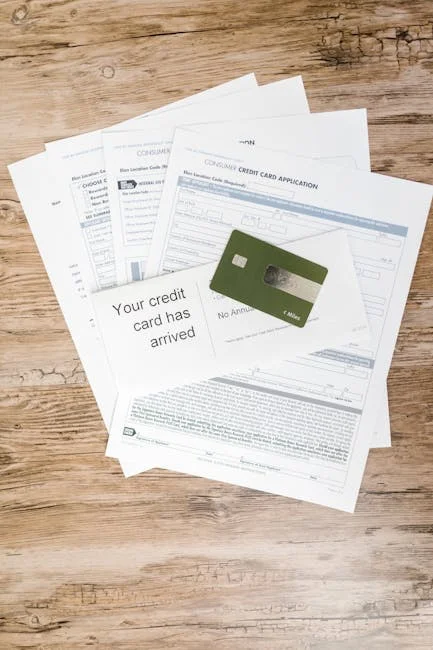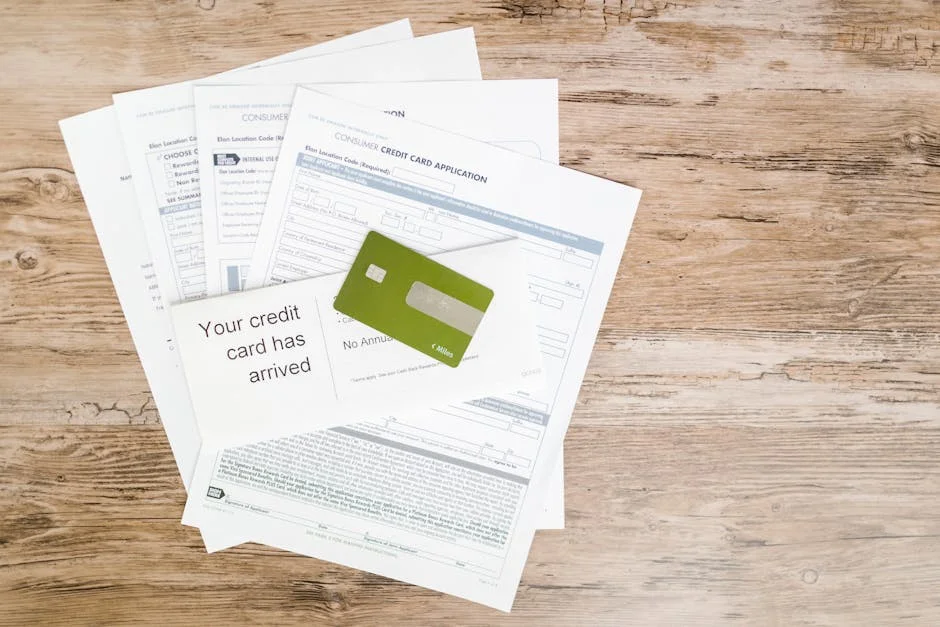
A guaranteed acceptance credit card is marketed as a simple solution for people who feel locked out of mainstream credit, but the phrase is often misunderstood. In everyday language, “guaranteed acceptance” implies that approval is automatic, regardless of credit history, income, or recent financial setbacks. In the real world, most offers described this way are either secured credit cards that approve nearly everyone who can fund a deposit, or alternative products that look like credit but function differently, such as prepaid cards or charge cards with unusual fee structures. That difference matters because the goal for many applicants is not only to obtain spending power, but also to rebuild credit and qualify for better terms later. A guaranteed acceptance credit card can be a legitimate starting point, yet it can also be a marketing label attached to products that may not report to credit bureaus, may carry high fees, or may not behave like a traditional revolving line of credit. Understanding the mechanics—how approval happens, how limits are set, and how the account is reported—helps you avoid paying for something that doesn’t move your credit forward.
Table of Contents
- My Personal Experience
- Understanding What a Guaranteed Acceptance Credit Card Really Means
- Who Typically Seeks Guaranteed Approval and Why
- How Approval Works: Secured, Unsecured, and “Alternative” Products
- Fees, APR, and Fine Print: Where the Real Cost Hides
- Credit Reporting and Score Impact: What Helps and What Doesn’t
- Building Credit with Responsible Use: Practical Habits That Work
- Choosing Between Secured Cards and Guaranteed Approval Offers
- Expert Insight
- Red Flags to Watch: Avoiding Predatory or Misleading Products
- Alternatives That Can Still Help When Approval Is Difficult
- Application Strategy: Minimizing Damage While Maximizing Approval Odds
- Long-Term Plan: Graduating to Better Cards and Lower Costs
- Final Thoughts on Using Guaranteed Acceptance Offers Wisely
- Watch the demonstration video
- Frequently Asked Questions
- Trusted External Sources
My Personal Experience
After a couple of missed payments in my early twenties, my credit score dropped enough that I kept getting denied for basic cards. I needed something to rebuild, so I applied for a “guaranteed acceptance” credit card that advertised no credit check. I was approved quickly, but the upfront fees and low limit surprised me, and the interest rate was steep. Still, I treated it like a tool: I put one small subscription on it, paid the balance in full every month, and kept the utilization low. After about six months, I started seeing my score inch up, and a year later I qualified for a regular unsecured card with better terms. Looking back, the guaranteed acceptance card helped, but only because I used it carefully and didn’t carry a balance. If you’re looking for guaranteed acceptance credit card, this is your best choice.
Understanding What a Guaranteed Acceptance Credit Card Really Means
A guaranteed acceptance credit card is marketed as a simple solution for people who feel locked out of mainstream credit, but the phrase is often misunderstood. In everyday language, “guaranteed acceptance” implies that approval is automatic, regardless of credit history, income, or recent financial setbacks. In the real world, most offers described this way are either secured credit cards that approve nearly everyone who can fund a deposit, or alternative products that look like credit but function differently, such as prepaid cards or charge cards with unusual fee structures. That difference matters because the goal for many applicants is not only to obtain spending power, but also to rebuild credit and qualify for better terms later. A guaranteed acceptance credit card can be a legitimate starting point, yet it can also be a marketing label attached to products that may not report to credit bureaus, may carry high fees, or may not behave like a traditional revolving line of credit. Understanding the mechanics—how approval happens, how limits are set, and how the account is reported—helps you avoid paying for something that doesn’t move your credit forward.

When someone searches for a guaranteed acceptance credit card, they usually want three things: approval without a hard-to-meet score requirement, a path to improve their credit profile, and predictable costs. The first need is common among consumers with thin files, past delinquencies, collections, bankruptcy, or simply limited time using credit. The second need—credit building—depends on whether the issuer reports to the major bureaus and whether the account is coded as a revolving credit line. The third need—predictable costs—requires reading the fee schedule, including annual fees, monthly maintenance fees, program fees, and interest rates. Many “guaranteed approval” claims are paired with expensive add-ons that eat into the value of the account. A high-cost product can become a trap if it encourages carrying balances at a very high APR or if it charges fees before you even make a purchase. By separating the marketing term from the underlying product type, you can identify which options are worth applying for and which ones are likely to cause more financial stress.
Who Typically Seeks Guaranteed Approval and Why
People drawn to a guaranteed acceptance credit card often have a specific pain point: repeated denials from traditional issuers or fear of another rejection. A denial can happen for many reasons, including a low score, limited credit history, high utilization, recent late payments, or too many recent applications. For someone rebuilding after a job loss, medical bills, divorce, or a period of missed payments, each denial can feel like a closed door. The appeal of an offer that suggests acceptance regardless of credit is emotional as much as practical. It promises relief, a chance to participate in everyday transactions, and a tool that might help rebuild trust with lenders. It can also be appealing to young adults and newcomers to credit who have no score at all. Thin credit files are not necessarily “bad,” but they are often hard for automated underwriting systems to evaluate, which leads to denials or very small limits on standard unsecured cards. In those cases, a near-guaranteed option can be a bridge to a stronger credit profile.
Another common group includes consumers who need a card quickly for specific use cases: renting a car, booking a hotel, making online purchases, or setting up recurring bills. While debit cards work for many transactions, certain merchants place holds or require a credit line. A guaranteed acceptance credit card may appear to solve that problem immediately, but the details matter. Some products that advertise easy approval are not true credit cards and may not be accepted everywhere a major network card is accepted. Others may approve you but set a low initial limit, which can still be helpful if used strategically for small recurring expenses that are paid in full. The key is matching your reason for applying to a product that supports it. If the main objective is rebuilding, then reporting to major bureaus and manageable fees are essential. If the main objective is convenience for travel or emergencies, then network acceptance and customer protections matter. Knowing your “why” helps you choose the right path and avoid expensive, short-lived fixes.
How Approval Works: Secured, Unsecured, and “Alternative” Products
Most offers that resemble a guaranteed acceptance credit card fall into one of three buckets: secured credit cards, subprime unsecured credit cards, and alternative accounts that are not traditional credit cards. Secured cards are the most straightforward: you provide a refundable security deposit, and the issuer often grants a credit limit equal to (or slightly above) that deposit. Because the issuer has collateral, approval standards can be more flexible than with unsecured cards. While not always literally guaranteed, secured cards can be close to it if you meet basic identity verification requirements and can fund the deposit. Subprime unsecured cards don’t require a deposit, but they may come with high APRs and a range of fees. Approval is still not guaranteed, yet the underwriting can be more lenient than prime products. The third category—alternative products—includes prepaid cards, debit cards with credit-building features, and accounts that report payments in nontraditional ways. These may be useful tools, but they are not the same as a revolving credit line and may not provide the same consumer protections.
Understanding these categories helps you interpret what “guaranteed” actually means in practice. A secured credit card can be a disciplined way to rebuild because the deposit limits your exposure, and consistent on-time payments can help improve your score over time if the issuer reports to the major bureaus. A subprime unsecured option can feel easier because no deposit is required, but it can become costly if you carry a balance or if the fees reduce your available credit, increasing utilization. Alternative products can be fine for budgeting or for people who cannot qualify for a traditional account yet, but their credit impact varies widely. Some report as installment-like accounts or report only to one bureau, while others don’t report at all. If your goal is to build a stronger revolving credit history, you generally want a product that reports as a credit card and provides monthly statements. Before applying for any guaranteed acceptance credit card offer, confirm the product type, confirm the reporting behavior, and confirm the full fee schedule, including any one-time setup fees and ongoing monthly charges.
Fees, APR, and Fine Print: Where the Real Cost Hides
The biggest risk with a guaranteed acceptance credit card is not always the interest rate; it’s the accumulation of fees that can make the account expensive even if you rarely use it. Some issuers charge an annual fee plus a monthly maintenance fee, and certain products add a one-time program fee at account opening. There may also be fees for paper statements, credit limit increases, additional cards, expedited payments, foreign transactions, cash advances, or even inactivity. When fees are deducted from your available credit line, they can immediately increase your utilization ratio, which may negatively affect your score. For example, if you are approved for a $300 limit and the issuer charges $75 in fees that post to the account, you start with only $225 of usable credit and a utilization of 25% before you buy anything. That can undermine the very credit-building purpose that motivated you to look for a guaranteed acceptance credit card in the first place.

APR matters too, especially if you anticipate carrying a balance. Subprime cards can have very high interest rates, and interest compounds quickly when you make only minimum payments. Even secured cards can have high APRs, though the best strategy is to pay the statement balance in full each month to avoid interest. The fine print also includes how payments are applied, when late fees trigger, and whether the issuer can raise rates after a missed payment. Some products advertise “no credit check” but still require verification of identity and may review specialty bureau data. Others may say “pre-approval” without guaranteeing final approval. A smart approach is to compare the total cost over a year: add annual fees, monthly fees, and any setup fees, and then consider the likely interest cost if you carry even a small balance. A guaranteed acceptance credit card can be useful, but only if the cost is proportionate to the benefit of building credit and establishing a positive payment record.
Credit Reporting and Score Impact: What Helps and What Doesn’t
If improving your score is the priority, the most important feature of a guaranteed acceptance credit card is how it reports. Many reputable secured and subprime issuers report to the three major credit bureaus, typically on a monthly basis. Reporting creates a record of on-time payments and establishes revolving credit history, which can influence your score over time. But not all products that sound like credit cards report in a way that helps. Prepaid cards usually do not report because there is no credit extended. Some “credit builder” accounts report as installment loans or as a separate category, which may help certain profiles but is not the same as building revolving utilization history. If you are trying to qualify for better credit cards in the future, lenders often want to see responsible use of revolving accounts. That’s why verifying bureau reporting is essential before you commit to any guaranteed acceptance credit card offer.
The score impact also depends on how you use the account. Payment history is a major factor, so on-time payments matter more than the amount you spend. Utilization is another major factor for revolving accounts, so keeping balances low relative to the limit is beneficial. If your limit is small, even modest purchases can push utilization high, which can temporarily lower your score. A practical tactic is to use the card for one or two predictable expenses—like a streaming subscription or a small utility bill—and then pay it off before the statement closes, or pay the statement balance in full by the due date. Additionally, the age of accounts matters; keeping the account open and in good standing can help lengthen your credit history. However, if the fees are high, keeping it open long-term may not be worth it once you qualify for a better product. The best guaranteed acceptance credit card is one that reports reliably, has manageable fees, and supports responsible usage patterns that demonstrate stability to future lenders.
Building Credit with Responsible Use: Practical Habits That Work
A guaranteed acceptance credit card can become a powerful credit-building tool when paired with consistent habits. The first habit is treating the card as a payment method, not as extra income. That mindset prevents overspending and reduces the chance of carrying a balance at a high APR. The second habit is choosing a small, recurring charge that you would pay anyway. Recurring charges create steady activity, which helps keep the account active and makes it easier to remember payments. The third habit is automating payments. Setting up autopay for at least the minimum payment reduces the risk of accidental late payments, which can be devastating to a rebuilding credit profile. If you can afford it, autopay the statement balance in full. If you can’t, pay as much as possible above the minimum to reduce interest and lower utilization. These habits matter more than chasing a higher limit quickly, because lenders value a pattern of reliability.
Another effective habit is managing utilization proactively. If your guaranteed acceptance credit card has a low limit, consider making multiple payments during the month so the reported balance stays low. Many issuers report the statement balance, so paying before the statement closes can keep utilization in a healthier range. Also, avoid cash advances if possible; they often carry higher fees, start accruing interest immediately, and can be viewed as a sign of financial stress. Keep an eye on due dates and statement closing dates, because they affect both interest and reporting. Finally, track your progress by checking your credit reports periodically for accuracy. Make sure the account is reporting correctly, that your payment history is accurate, and that the balance information makes sense. A guaranteed acceptance credit card isn’t a magic fix, but it can be a steady foundation if you use it to demonstrate on-time payments, modest balances, and long-term consistency.
Choosing Between Secured Cards and Guaranteed Approval Offers
When comparing a secured card to a product labeled as a guaranteed acceptance credit card, the secured option is often the cleaner, more transparent choice. With a secured card, you usually know what you’re getting: a deposit-backed limit, standard monthly statements, and a typical credit card structure. Many secured cards are issued by mainstream banks and credit unions, which can translate into better customer service, clearer disclosures, and fewer surprise fees. Some secured cards even offer a path to graduation, where the issuer reviews your account after a period of on-time payments and may convert you to an unsecured card and return your deposit. That graduation feature can be a meaningful milestone because it signals that you’ve moved from a high-risk category to a more standard credit profile. The deposit can be a barrier, but it is also a form of self-imposed control that can prevent debt from spiraling.
| Option | What “Guaranteed Acceptance” Usually Means | Best For |
|---|---|---|
| Secured Credit Card | High approval odds with a refundable security deposit; issuer still verifies identity and may review basics. | Building or rebuilding credit with a real credit line that can report to credit bureaus. |
| Prepaid Card (Not Credit) | No credit check is common because you’re spending your own loaded funds; not a credit product. | Budgeting and card access when you don’t need (or can’t get) a credit line. |
| Store / Retail Card (Easier Approval) | Often more lenient than general-purpose cards, but not truly “guaranteed”; may have lower limits and higher APR. | Smaller purchases at a specific retailer while starting to establish credit history. |

Expert Insight
Before applying for a guaranteed acceptance credit card, confirm the issuer reports to all three major credit bureaus and that the card has a clear path to better terms (like an upgrade review after 6–12 months). Keep the initial credit limit manageable and set up automatic payments for at least the minimum due to avoid late fees that can erase the card’s benefits.
Use the card strategically: make one or two small, recurring purchases each month and pay the balance down to keep utilization low (ideally under 10–30% of the limit). If the card requires a deposit or carries high fees, compare total annual cost and choose the option that minimizes upfront and ongoing charges while still helping you build a positive payment history. If you’re looking for guaranteed acceptance credit card, this is your best choice.
By contrast, some “guaranteed approval” offers rely on urgency and broad promises. They may highlight acceptance and minimize the cost structure. That doesn’t mean every guaranteed acceptance credit card offer is bad; it means you must compare total costs and long-term value. If a subprime unsecured card charges multiple fees and provides a very small credit line, you might pay a lot for a small benefit. In many cases, putting that same money into a deposit for a secured card can yield a better experience and a lower ongoing cost. Consider your timeline and your budget: if you can fund a deposit and you want a traditional revolving line that reports, a secured card is often the best starting point. If you cannot fund a deposit, look for the lowest-fee unsecured option available and commit to paying in full. Either way, focus on bureau reporting, fee transparency, and a product that supports your next step—qualifying for better credit terms.
Red Flags to Watch: Avoiding Predatory or Misleading Products
The market for guaranteed acceptance credit card products attracts both legitimate issuers and companies that profit from confusion. A major red flag is vague language about reporting. If a company does not clearly state that it reports to the three major bureaus, assume it may not help your credit goals. Another red flag is a long list of fees that are not explained upfront. If you have to dig through dense disclosures to find a program fee, monthly maintenance fee, or an activation fee, consider that a warning sign. Be cautious of offers that require you to pay money before you receive the card, especially if the payment is framed as “processing” or “guarantee” rather than a refundable deposit. Also watch for products that are effectively prepaid cards but are described in ways that sound like credit. Prepaid cards can be useful, but they are not the same as a revolving credit line and may not deliver the score improvement you’re seeking.
Another red flag is pressure tactics, such as limited-time claims, aggressive mailers, or ads that promise approval with no mention of identity verification. Legitimate financial products still require compliance steps, including verifying identity and confirming that the applicant meets legal requirements. Review the issuer’s reputation, customer complaints, and how they handle disputes and billing errors. Also consider the card network: a product that is not on a major network may have limited acceptance. Finally, be wary of add-on services that promise rapid score increases for extra monthly fees. Credit improvement is typically the result of consistent on-time payments, low utilization, and time, not a subscription. A guaranteed acceptance credit card should be a tool that supports responsible behavior, not a product that extracts fees while offering little real credit-building value.
Alternatives That Can Still Help When Approval Is Difficult
If you can’t find a guaranteed acceptance credit card that meets your standards, there are alternatives that may still move you forward. One option is a credit-builder loan offered by certain credit unions and community banks. These loans are designed to help establish payment history: the borrowed amount is often held in a savings account while you make monthly payments, and you receive the funds after the loan is paid off. This can be helpful for someone with no credit or damaged credit, though it builds installment history rather than revolving history. Another option is becoming an authorized user on a trusted person’s credit card. If the primary account holder has good habits and the issuer reports authorized user activity, this can add positive history to your report. However, it also carries risk: if the primary user misses payments or runs high balances, it can hurt your credit too. Choose this path only with clear communication and trust.
Some consumers also use debit-based credit-building programs that report on-time payments for recurring bills. The impact varies by provider and may not be viewed the same as a traditional revolving account by all lenders, but it can still help add positive payment records. If your goal is to qualify for a mainstream credit card later, consider combining approaches: use a reputable secured card for revolving history and a budget-friendly credit-building tool for consistent payments, while keeping overall debt low. The important point is not to rush into the first guaranteed acceptance credit card offer you see. If the fees are too high or the reporting is unclear, stepping back and choosing an alternative can be smarter. Over time, consistent positive payment behavior is what changes your credit profile, whether it’s achieved through a secured card, a carefully chosen unsecured card, or a mix of tools that build a credible track record.
Application Strategy: Minimizing Damage While Maximizing Approval Odds
Applying for a guaranteed acceptance credit card can feel like a last resort, but it still helps to approach it strategically. Each credit application can lead to a hard inquiry, which may slightly lower your score for a short period. If you apply for multiple accounts in a short time, the cumulative effect can be more noticeable, and lenders may interpret it as a sign of risk. A better approach is to shortlist a few reputable options and apply only after verifying the requirements, fees, and reporting behavior. Look for issuers that offer prequalification tools that use a soft inquiry, which lets you gauge your odds without impacting your score. Prequalification is not a promise, but it can reduce unnecessary hard pulls. Also, ensure your personal information is consistent across applications and your credit reports; mismatched addresses or identity data can cause verification issues.
Preparation can improve outcomes. Review your credit reports for errors, such as accounts that don’t belong to you or incorrect late payments. Disputing inaccuracies can take time, but correcting them can improve your profile. If you have outstanding past-due balances, bringing them current or negotiating settlements may help, though the impact depends on the situation. Consider your income and monthly obligations; some issuers may evaluate ability to pay even for products marketed as easy approval. If you choose a secured card, plan the deposit amount. A higher deposit can provide a higher limit, which can help keep utilization low, but only if you maintain spending discipline. The best result is not merely getting approved for a guaranteed acceptance credit card, but getting approved for an account that you can manage comfortably, pay on time, and keep in good standing long enough to qualify for better credit options.
Long-Term Plan: Graduating to Better Cards and Lower Costs
A guaranteed acceptance credit card should ideally be a stepping stone rather than a permanent fixture. The long-term goal is to build a credit profile that qualifies for cards with lower fees, better interest rates, and stronger benefits. That transition usually happens after a period of consistent on-time payments, stable income, and controlled utilization. Many people see meaningful progress within 6 to 12 months of disciplined use, though timelines vary depending on how severe past credit issues were and how many negative items remain on the report. If you started with a secured card, ask the issuer about graduation reviews and whether they automatically consider you for an unsecured upgrade. If you started with a fee-heavy product, set a clear timeline for when you will reassess and potentially close it after you have a better alternative, especially if the fees outweigh the credit-building benefit.

When you are ready to upgrade, prioritize products with no monthly maintenance fees and clear disclosures. Keep older accounts open if they are low-cost, because account age can help your score, but don’t keep an expensive card open solely for history if it strains your budget. If you close an account, your available credit may decrease, which can affect utilization, so plan the timing. Ideally, secure approval for a better card first, then consider closing the high-fee account if it no longer serves you. Continue monitoring your credit reports to ensure all accounts are reporting accurately. Over time, the combination of on-time payments, lower utilization, and a healthier mix of accounts can position you for mainstream credit products. Used correctly, a guaranteed acceptance credit card can be the first step in a broader plan that leads to more financial flexibility, lower borrowing costs, and greater confidence in everyday money management.
Final Thoughts on Using Guaranteed Acceptance Offers Wisely
Choosing a guaranteed acceptance credit card is less about chasing a promise and more about selecting a product that aligns with your credit goals, your budget, and your ability to maintain consistent habits. The best outcomes come from clarity: knowing whether the account is secured or unsecured, confirming that it reports to the major bureaus, understanding every fee you may pay, and having a plan to keep utilization low and payments on time. It also helps to see the account as temporary training wheels. If the card helps you build a clean payment record and creates a positive pattern on your credit reports, it has done its job. If it drains your budget through fees or encourages balances you can’t comfortably repay, it can slow down progress. The difference often comes down to reading disclosures carefully and resisting marketing language that sounds more certain than it really is.
A guaranteed acceptance credit card can be a legitimate starting point for rebuilding credit when traditional options feel out of reach, but the smartest move is to treat acceptance as only the first checkpoint. What matters next is how the account behaves month after month: whether it reports accurately, whether costs remain manageable, and whether you can use it without falling into high-interest debt. With a disciplined approach—small purchases, timely payments, and a clear upgrade timeline—you can turn an easy-approval account into a stronger credit profile and eventually qualify for better terms. If you stay focused on the fundamentals and avoid high-fee traps, a guaranteed acceptance credit card can help you regain access to mainstream credit and build a more stable financial future.
Watch the demonstration video
In this video, you’ll learn what a guaranteed acceptance credit card is, who it’s designed for, and how it can help people with limited or poor credit get approved. We’ll cover typical requirements, fees and interest rates to watch for, and smart ways to use it to build credit responsibly.
Summary
In summary, “guaranteed acceptance credit card” is a crucial topic that deserves thoughtful consideration. We hope this article has provided you with a comprehensive understanding to help you make better decisions.
Frequently Asked Questions
What is a guaranteed acceptance credit card?
A “guaranteed acceptance” credit card is marketed as requiring no credit check or offering very high approval odds, typically for people with poor or limited credit. True “guaranteed” approval is rare and still depends on meeting basic eligibility requirements. If you’re looking for guaranteed acceptance credit card, this is your best choice.
Are guaranteed approval credit cards legitimate?
Some are legitimate, but many offers use “guaranteed” loosely. Watch for predatory terms like high upfront fees, very low limits, and expensive monthly charges. Verify the issuer and read the card’s fee schedule before applying. If you’re looking for guaranteed acceptance credit card, this is your best choice.
Do guaranteed acceptance credit cards require a credit check?
Many claim no hard credit check, but some may still review your credit or use alternative data. Even without a credit check, you must usually meet age, identity, and income requirements. If you’re looking for guaranteed acceptance credit card, this is your best choice.
What fees and interest rates should I expect?
These cards often come with steep APRs and a long list of charges—annual fees, monthly maintenance fees, and even activation, processing, or program fees. When considering a **guaranteed acceptance credit card**, look beyond the interest rate and compare the full first-year cost as well as the ongoing fees so you know what you’ll really be paying.
Will a guaranteed acceptance card help build credit?
Only if the issuer reports to the major credit bureaus (Experian, Equifax, TransUnion). If it reports, paying on time and keeping utilization low can help; if it doesn’t report, it won’t build credit. If you’re looking for guaranteed acceptance credit card, this is your best choice.
What are better alternatives to a guaranteed acceptance credit card?
If you’re trying to build or rebuild your credit, consider a secured credit card, a credit-builder loan, or becoming an authorized user on someone’s well-managed account. These alternatives often come with lower fees and can help you establish stronger credit over time than a **guaranteed acceptance credit card**.
? Looking for more info about guaranteed acceptance credit card? Follow Our Site for updates and tips!

Trusted External Sources
- Instant Approval Credit Cards for Bad Credit – Discover
Feb 21, 2026 … As long as you use a secured card responsibly, it may act as a credit builder, improving your odds of instant approval for future credit card … If you’re looking for guaranteed acceptance credit card, this is your best choice.
- Credit Cards for Rebuilding Credit – Mastercard
If you’re working on rebuilding your credit, there are several card options worth considering, including the Capital One Platinum Secured Credit Card, the PREMIER Bankcard® Mastercard® Credit Card, and the Fortiva® Cash Back Rewards Mastercard. While many people look for a **guaranteed acceptance credit card**, keep in mind that approval is never truly guaranteed—so it’s smart to compare requirements, fees, and benefits before applying.
- Best Guaranteed Approval Credit Cards – George Mason University
As of Oct 10, 2026, you might be wondering which “guaranteed approval” options are actually worth considering. WalletHub highlights several top offers designed to help consumers compare cards more easily—including choices that may work well if you’re specifically searching for a **guaranteed acceptance credit card**.
- Can you really get a guaranteed approval credit card? : r/Bankruptcy
As of Jan 15, 2026, it’s important to know that there’s really no such thing as a truly “guaranteed approval” card—most of those ads are just marketing language. In many cases, what they’re actually referring to is a **guaranteed acceptance credit card** option like a secured credit card (backed by a refundable deposit) or a high-fee subprime card that approves more applicants but can come with costly terms.
- Guaranteed Approval Unsecured Credit Cards in 2026 – WalletHub
The Credit One Bank® Platinum Visa® for Rebuilding Credit is a strong unsecured option for people with bad credit, with a high likelihood of approval and a straightforward way to start improving your score. If you’re looking for a **guaranteed acceptance credit card**, it’s worth noting that no issuer can truly promise approval—but this card is often considered one of the more accessible choices for rebuilding credit.