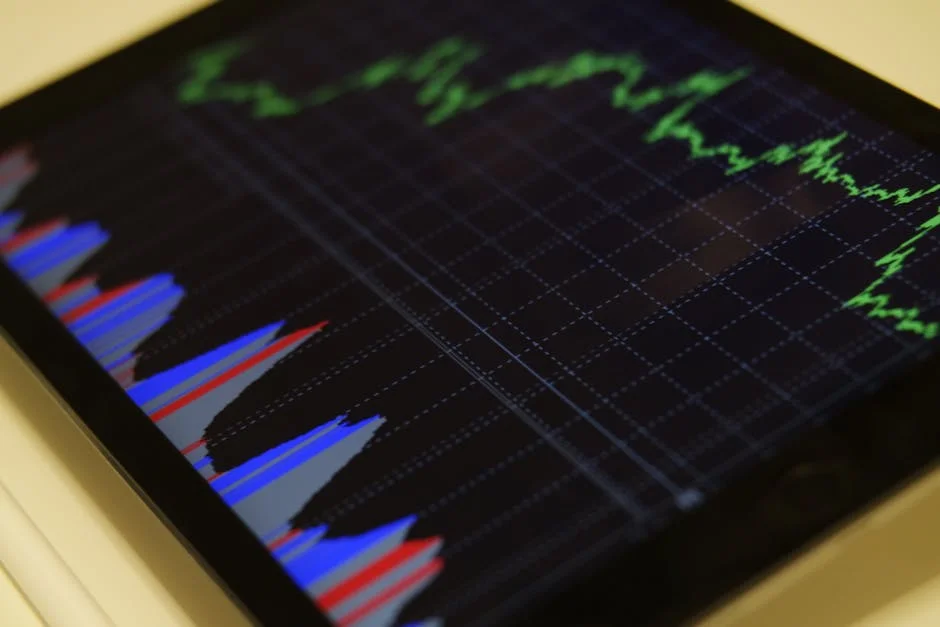
A funded trader is a market participant who trades capital provided by a third party under a defined agreement, rather than relying solely on personal savings. The idea appeals to many people because it can remove one of the biggest barriers to active trading: access to meaningful capital. Instead of slowly building an account from a small deposit, a funded trader typically completes an evaluation or verification process, proves the ability to follow rules and manage risk, and then receives an allocation to trade. The arrangement can be structured in different ways, but most commonly the trader keeps a portion of the profits while the capital provider absorbs the majority of the downside risk within preset limits. This model has expanded quickly due to online platforms, remote participation, and a growing interest in active trading across forex, indices, commodities, and sometimes equities or crypto. While the concept sounds straightforward, the reality is more nuanced: a funded trader is not simply “given money,” but is given a conditional opportunity that depends on consistent behavior, disciplined risk controls, and adherence to a rulebook that can be stricter than what many retail traders impose on themselves.
Table of Contents
- My Personal Experience
- Understanding What a Funded Trader Really Is
- How Funded Trading Programs Work: The Core Structure
- Why Traders Pursue Funded Accounts Instead of Trading Personal Capital
- Key Rules and Constraints Every Funded Trader Must Respect
- Risk Management for a Funded Trader: Beyond Simple Stop Losses
- Strategy Selection: What Tends to Work for a Funded Trader
- The Evaluation Phase: Passing Without Falling Into the “Target Trap”
- Expert Insight
- Psychology and Discipline: The Invisible Edge of a Funded Trader
- Choosing a Funded Trader Program: Due Diligence That Actually Matters
- Common Mistakes That Prevent a Funded Trader From Getting Paid
- Building a Professional Routine: Tools, Journals, and Metrics
- Long-Term Growth: Scaling, Withdrawals, and Sustainability
- Final Thoughts on Becoming a Funded Trader
- Watch the demonstration video
- Frequently Asked Questions
- Trusted External Sources
My Personal Experience
I became a funded trader after months of trying to prove to myself I could follow rules instead of chasing big wins. The evaluation wasn’t hard because of the strategy—it was hard because every small mistake felt amplified when I knew one bad day could end the account. I kept my risk tiny, focused on a few setups I understood, and treated it like a job: same hours, same checklist, no revenge trades. When I finally got funded, the pressure didn’t disappear; it just changed. The first payout was smaller than I’d imagined, but it meant more because it came from consistency, not a lucky streak, and it showed me I could actually trust my process.
Understanding What a Funded Trader Really Is
A funded trader is a market participant who trades capital provided by a third party under a defined agreement, rather than relying solely on personal savings. The idea appeals to many people because it can remove one of the biggest barriers to active trading: access to meaningful capital. Instead of slowly building an account from a small deposit, a funded trader typically completes an evaluation or verification process, proves the ability to follow rules and manage risk, and then receives an allocation to trade. The arrangement can be structured in different ways, but most commonly the trader keeps a portion of the profits while the capital provider absorbs the majority of the downside risk within preset limits. This model has expanded quickly due to online platforms, remote participation, and a growing interest in active trading across forex, indices, commodities, and sometimes equities or crypto. While the concept sounds straightforward, the reality is more nuanced: a funded trader is not simply “given money,” but is given a conditional opportunity that depends on consistent behavior, disciplined risk controls, and adherence to a rulebook that can be stricter than what many retail traders impose on themselves.

It also helps to separate marketing from mechanics. Many programs present the funded trader pathway as a direct shortcut to professional trading, but the day-to-day experience often resembles a performance-based contract. The trader’s job is to execute a strategy within boundaries such as maximum daily loss, total drawdown, position sizing, and sometimes time limits or minimum trading days. A funded trader may have to trade with specific leverage, specific instruments, specific trading hours, and may be restricted from holding positions over news events or weekends. Profit splits vary widely, and payouts may come with additional conditions such as consistency rules or trailing drawdown calculations. The best way to approach the topic is to treat the funded trader model as a business relationship: one side supplies capital and risk constraints, the other supplies decision-making skill and process discipline. When those align, the arrangement can be mutually beneficial; when they don’t, the trader may cycle through evaluations without ever reaching stable payouts.
How Funded Trading Programs Work: The Core Structure
Most funded trader opportunities follow a similar structure even if the branding differs. Typically, there is a staged pathway: an initial evaluation phase, sometimes a second verification phase, and then a funded stage with profit sharing. During the evaluation, the trader must reach a profit target while respecting drawdown limits. The numbers matter because they shape behavior. If the profit target is high relative to the maximum allowable loss, the trader may feel pressure to trade aggressively, which can conflict with prudent risk management. Conversely, a moderate target with reasonable drawdown rules can allow a funded trader candidate to trade methodically and demonstrate repeatable edge. Another important piece is the definition of drawdown. Some programs use static drawdown based on starting balance, while others use trailing drawdown that moves up with the account’s high-water mark, tightening risk as performance improves. Trailing drawdown can be especially challenging because a profitable day can reduce the remaining risk buffer, forcing the trader to scale down or become more selective.
After passing evaluation, the funded trader may trade a simulated environment that mirrors market conditions, or in some cases a live account. The difference between simulated and live can affect execution quality, spreads, and slippage, though many modern setups attempt to replicate realistic fills. Payout rules are another critical component. Some providers pay on a schedule, others require reaching a threshold, and some impose “consistency” requirements that limit how much of the total profit can come from a single day. These conditions are designed to discourage gambling behavior, but they also influence strategy selection. A funded trader using a swing approach might face restrictions on holding overnight, while a scalper may encounter limits on minimum trade duration or maximum lots. Fees also appear in many programs, usually as an evaluation fee that covers platform costs and risk. That fee changes the risk-reward calculation for the trader because repeated attempts can add up. Understanding this structure clearly is essential before trying to become a funded trader, because the rules determine whether a strategy that works in a personal account can work under program constraints.
Why Traders Pursue Funded Accounts Instead of Trading Personal Capital
The appeal of becoming a funded trader often starts with leverage of opportunity rather than leverage of margin. A person may have strong analytical skills and a working strategy but limited savings to deploy, especially if they want to trade instruments that require significant margin or if they want account size large enough for meaningful returns. A funded model can provide a larger notional exposure while keeping personal risk limited to fees and time invested. This can be psychologically helpful too: when a trader knows that a strict drawdown limit exists, it can enforce discipline and prevent catastrophic losses that sometimes occur in under-structured retail accounts. For certain personalities, the external rulebook acts like guardrails, and that can support better decision-making. Additionally, a funded trader may enjoy a clearer performance framework: hit targets, stay within risk, receive payouts. That clarity can be motivating and can help turn trading into a process-driven routine rather than an emotional rollercoaster.
There are also practical reasons tied to scalability. Even if someone can grow a small personal account, the compounding path can be slow, and withdrawing profits for living expenses can slow growth further. A funded trader may be able to reach a payout-capable size earlier, which can matter for those aiming to transition to trading full time. Some traders also prefer the accountability that comes with a third party reviewing performance metrics and enforcing limits. However, it’s important to recognize the trade-offs. A funded trader gives up some freedom: strategies must fit rules, and performance is evaluated continuously. Profit splits also mean the trader keeps less than 100% of gains. Still, for many, the combination of limited personal downside, potential access to larger capital, and structured risk management makes the funded trader route an attractive alternative to the long grind of bootstrapping a small account.
Key Rules and Constraints Every Funded Trader Must Respect
Rules are the defining feature of the funded trader environment. The most common constraints include maximum daily loss, maximum overall drawdown, profit targets, minimum trading days, and restrictions on lot size or risk per trade. The daily loss limit is especially impactful because it can force a trader to stop trading even if they believe the next setup is excellent. This can protect against revenge trading, but it can also penalize strategies that have clustered losses before a winning streak. Overall drawdown limits define the account’s survival line; once breached, the attempt ends or the funded account is terminated. Some programs calculate drawdown from the starting balance, while others calculate from equity highs, and the difference changes how a funded trader should manage open positions and intraday volatility. Many traders underestimate how quickly drawdown can be hit when spreads widen, slippage occurs, or correlated positions move together.
Beyond loss limits, there are often behavioral rules that shape the style of trading. News restrictions may ban holding positions through high-impact economic releases, which can disrupt strategies that rely on volatility spikes or longer-term trend continuation. Weekend holding restrictions can prevent swing trading and force intraday exits, changing the statistical profile of returns. Some programs also monitor “consistency,” meaning they don’t want one trade or one day to account for the majority of profits. That sounds reasonable, but it can conflict with legitimate strategies that have infrequent but large wins. A funded trader must adapt by managing position sizing, scaling in/out, and smoothing equity growth without violating the spirit or letter of the rules. The most successful participants treat the rules as a design specification: they build or adjust a strategy to fit the constraints, rather than trying to force a personal-account approach into a framework that punishes it.
Risk Management for a Funded Trader: Beyond Simple Stop Losses
Risk management is the central skill that separates a funded trader who gets paid from one who repeatedly resets challenges. In a funded setting, the drawdown limits are usually tight relative to the profit target, so avoiding deep losing streaks is more important than chasing occasional big wins. That starts with position sizing. Many experienced traders use a fixed fractional model, risking a small percentage per trade, but in a funded environment the effective “risk budget” is not the account balance; it is the distance to the drawdown limit. A funded trader might have to calculate risk based on remaining daily loss allowance and remaining overall drawdown buffer. This can lead to dynamic sizing: smaller size after a losing trade, smaller size during volatile sessions, and occasionally pausing trading when conditions are not favorable. Risk management also includes correlation control. Holding multiple positions that are effectively the same bet—such as several USD pairs or multiple equity indices—can multiply exposure and cause a sudden drawdown breach during a broad risk-on or risk-off move.

Another layer is execution risk. Slippage, spreads, and partial fills can turn a well-planned trade into a larger loss, especially around session opens or economic events. A funded trader should account for worst-case execution by placing stops with enough buffer and by avoiding thin liquidity windows. Trade frequency is also a risk variable: taking too many marginal setups increases exposure to randomness and commissions, while taking too few trades can make it hard to meet minimum trading day requirements or profit targets. Many traders find that a balanced approach works best: focus on high-quality setups, keep risk per trade small enough to survive a string of losses, and use daily loss limits as a hard stop. Journaling is a practical tool here. When a funded trader records each trade’s rationale, risk, and outcome, patterns emerge quickly—such as overtrading after a win, cutting winners early, or moving stops. Because funded accounts have strict boundaries, small behavioral leaks can become account-ending problems. Tight, repeatable risk management is the foundation of longevity in this model.
Strategy Selection: What Tends to Work for a Funded Trader
Not every profitable retail strategy translates well to a funded trader program. The best-fitting strategies are often those with controlled drawdowns, consistent trade frequency, and clear invalidation points. Many funded trader candidates do well with intraday trend continuation, mean reversion on liquid instruments during stable sessions, or breakout strategies with tight risk and quick exits when invalidated. The key is that the strategy must tolerate the program’s risk parameters. If trailing drawdown is used, strategies that allow large floating profits and then give back a portion can be problematic because the drawdown line may tighten as the account reaches new highs. In that case, a funded trader might prefer partial profit-taking, quicker stop adjustments, or a more conservative approach to holding through retracements. Time-of-day selection can matter too. Liquidity and volatility differ across the London session, New York session, and the overlap, and a strategy might perform best in one window while being noisy in another.
Scalping is popular but can be tricky. Some programs discourage high-frequency trading or have rules about minimum hold times. Even without explicit restrictions, scalping can be sensitive to spreads and execution quality, and small differences in fills can materially change results. Swing trading can also be difficult if overnight holding is restricted or if the program limits exposure over weekends. A funded trader often finds success with a hybrid approach: intraday trades that align with higher-timeframe bias, aiming for reasonable reward-to-risk without requiring huge targets. Consistency rules also influence strategy design. If a program limits the percentage of profits that can come from one day, the funded trader may need to spread gains across multiple sessions, which favors repeatable setups rather than all-or-nothing bets. Ultimately, strategy selection should be treated like fitting a key to a lock: the strategy must match the rule set, the instrument’s behavior, and the trader’s temperament. A strategy that is theoretically profitable but emotionally hard to execute will often break down under the pressure of evaluation and strict drawdown limits.
The Evaluation Phase: Passing Without Falling Into the “Target Trap”
The evaluation phase is where many aspiring funded trader candidates fail, not because they lack market knowledge, but because they change behavior to chase the profit target. The “target trap” happens when a trader sees a fixed objective—say a certain percentage gain—and starts trading outcomes rather than process. That can lead to oversized positions, low-quality setups, and a willingness to violate a plan because the finish line feels close. A better approach is to treat the evaluation as a demonstration of professional execution. If the rules allow, aiming for steady progress with modest daily goals often produces better results than trying to complete the evaluation in the fewest days possible. The minimum trading days requirement exists partly to discourage lucky streaks, but it can also be used as a pacing tool. A funded trader candidate can decide to trade only the best setups, accept that some days will be flat, and avoid the psychological pressure of forcing trades just to “do something.”
Expert Insight
Treat the evaluation like a risk-management exam: cap risk per trade (e.g., 0.25%–0.5%), set a hard daily loss limit, and stop trading the moment you hit it. Use bracket orders (entry, stop, target) to prevent impulse decisions and keep drawdowns within the firm’s rules. If you’re looking for funded trader, this is your best choice.
Build a repeatable playbook and trade only your top setups: define entry triggers, invalidation levels, and profit-taking rules before the session starts. Journal every trade with screenshots and a one-sentence rationale, then review weekly to cut the bottom 20% of behaviors that cause rule breaks or unnecessary losses. If you’re looking for funded trader, this is your best choice.
Another evaluation mistake is ignoring the math of drawdown. Suppose the maximum overall drawdown is relatively small compared to the profit target. In that case, the trader must maintain a high win rate, a high reward-to-risk ratio, or both, while also controlling losing streaks. Many strategies can be profitable over months but still have short-term variance that violates evaluation limits. A funded trader should backtest and forward test specifically against the program’s constraints, not just general profitability. The evaluation is also a test of rule adherence. Even a single violation—like trading a restricted instrument or holding through prohibited news—can void the attempt. Operational discipline matters: setting alerts for economic releases, using predefined order templates, and having a daily routine to check rules before placing trades. The evaluation phase is less about proving brilliance and more about proving reliability. Capital providers want to see that a funded trader can protect the account first and grow it second, and a process-driven approach aligns with that objective.
Psychology and Discipline: The Invisible Edge of a Funded Trader
The psychological demands on a funded trader can be different from those on a purely retail trader. With personal capital, some people become overly cautious because losses feel deeply personal; with funded capital, some become reckless because the money feels less “real.” Both extremes can be harmful. The funded environment adds another pressure: the sense of being monitored by rules and thresholds. A trader may feel urgency to recover after a losing day because the remaining daily loss buffer is smaller. That urgency can trigger revenge trading, which is one of the most common reasons accounts fail. The best funded trader mindset treats each day as a separate execution session with predefined risk. When the limit is hit, trading stops without negotiation. This is not just rule compliance; it is a psychological circuit breaker that prevents emotional spirals. Another challenge is the fear of giving back profits when trailing drawdown tightens. Traders may cut winners too early, reducing expectancy, because they are focused on protecting the current equity high rather than following the plan.
| Option | How it works | Pros | Cons | Best for |
|---|---|---|---|---|
| Funded Trader Program (Prop Firm) | Pass an evaluation (rules + drawdown limits) to access a firm-funded account and earn a profit split. | Access to larger capital; defined risk rules; scalable payouts without tying up personal funds. | Fees and strict rules; payout limits/conditions; risk of disqualification from rule breaches. | Disciplined traders with a repeatable strategy and strong risk management. |
| Personal Trading Account | Trade with your own deposited capital; profits and losses are fully yours. | Full control and flexibility; no evaluation rules; keep 100% of profits. | Limited by your capital; full downside risk; emotional pressure from personal losses. | Traders who want autonomy and can fund/scale gradually. |
| Copy Trading / Managed Account | Follow or allocate funds to another trader/strategy; performance drives returns, often with fees. | Hands-off option; diversification across strategies; leverage experienced traders. | Less control; manager/strategy risk; fees and slippage can reduce returns. | Investors or time-constrained traders seeking exposure without active trading. |

Discipline also shows up in routine. A funded trader often benefits from a structured schedule: market preparation, identifying key levels, checking the economic calendar, defining maximum risk for the day, and reviewing performance after the session. This routine reduces decision fatigue and makes behavior more consistent. It also helps to separate self-worth from short-term outcomes. Evaluations can be failed due to randomness even with a sound strategy, especially if the rules are tight. A resilient funded trader reviews the process, identifies whether the loss was due to execution error or normal variance, and adjusts accordingly. Another psychological tool is pre-commitment: writing down the exact conditions for taking a trade and the exact conditions for stopping for the day. When those conditions are met, the decision has already been made, which reduces impulsive behavior. The funded trader who builds mental habits around patience, detachment, and rule-based execution often outperforms the trader who relies on excitement, intuition, or the emotional rush of “making it” quickly.
Choosing a Funded Trader Program: Due Diligence That Actually Matters
Not all funded trader programs are equal, and the differences are not limited to price or account size. A serious evaluation starts with the rule set and how it interacts with your strategy. Look closely at how drawdown is calculated, whether it is based on balance or equity, and whether it trails. Equity-based trailing drawdown can be especially restrictive for strategies that hold floating profit and allow pullbacks. Next, examine the trading conditions: spreads, commissions, allowable instruments, leverage, and platform stability. A funded trader who relies on tight execution should avoid environments where spreads widen unpredictably or where slippage is frequent. Also consider whether the program uses simulated execution during the funded stage or offers live accounts, and what that means for fills and payout reliability. Transparency is important: reputable providers explain rules clearly, publish payout policies, and have accessible support that can answer detailed questions without vague marketing responses.
Payment terms and operational details should also be reviewed carefully. How often can a funded trader request a payout? Is there a minimum profit threshold? Are there consistency requirements that limit how profits can be generated? Are there limits on using expert advisors, trade copiers, or automated strategies? Some programs allow algorithmic trading; others restrict it heavily. If you use automation for risk management—such as automatically setting stops and targets—you need to ensure it is permitted. Another due diligence step is to understand what happens after a payout. Some providers reset trailing drawdown or adjust the account’s high-water mark, which can change future risk. Also examine scaling plans: can a funded trader increase allocation after consistent performance, and what are the requirements? Finally, consider reputation, but do it intelligently. Online reviews can be biased, so focus on consistent themes: clarity of rules, timeliness of payouts, fairness in handling disputes, and stability of trading conditions. A funded trader program should be treated like a business partner; if the relationship terms are unclear or feel one-sided, it may not be worth the time and fees.
Common Mistakes That Prevent a Funded Trader From Getting Paid
Many people reach the funded stage and still struggle to receive consistent payouts because small mistakes compound under strict rules. One common issue is overtrading. When a trader feels pressure to perform, it’s tempting to take mediocre setups, trade multiple instruments at once, or increase size after a win. In a funded environment, this often leads to a slow bleed of losses or a sudden drawdown breach. Another mistake is ignoring correlation. A funded trader might think they are diversified by trading several pairs or indices, but if those instruments move together during macro events, the risk is effectively multiplied. A third issue is moving stops or averaging down. Even if such tactics sometimes work in a personal account, they can be disastrous when daily loss limits are tight. The funded trader who survives long enough to get paid usually follows predefined exits and accepts small losses quickly.
Operational errors also matter more than many expect. Trading during restricted news windows, holding over weekends when prohibited, or using an unapproved strategy like latency arbitrage can result in account termination even if the trades were profitable. Another frequent problem is misunderstanding the payout rules. A funded trader might hit a profit number but fail a consistency metric, or might request a payout before meeting minimum trading days in the payout period. Poor record-keeping can make this worse because the trader can’t diagnose why results are being rejected. Emotional mistakes are equally damaging: revenge trading after a loss, quitting after a small setback, or taking impulsive “one big trade” attempts to reach a target. The funded model rewards steadiness, not heroics. Traders who treat the account like a long-term performance contract—protecting drawdown first and letting profits accumulate second—tend to stay eligible for payouts. Avoiding these common pitfalls can turn the funded trader experience from a cycle of resets into a sustainable income stream.
Building a Professional Routine: Tools, Journals, and Metrics
A funded trader who operates professionally usually has a repeatable routine supported by simple tools. Start with pre-market preparation: identify key support and resistance zones, check higher-timeframe trend context, mark scheduled economic releases, and define the session’s plan. This is not about predicting; it’s about reducing randomness in decision-making. A watchlist of two to five instruments is often enough. Too many instruments can increase cognitive load and lead to impulsive trades. Next comes risk planning. A funded trader should define a daily max risk that is comfortably below the program’s daily loss limit. This buffer accounts for slippage and mistakes. For example, if the daily loss limit is strict, setting a personal stop earlier can prevent accidental breaches. During the session, use checklists before entry: setup type, entry trigger, stop placement, target logic, and whether the trade conflicts with any rules such as news restrictions.

After the session, journaling turns experience into measurable improvement. A funded trader journal should include screenshots, entry and exit rationale, risk size, whether rules were followed, and emotional state. Over time, the journal reveals which setups produce the best expectancy and which behaviors cause avoidable losses. Key metrics include win rate, average win versus average loss, maximum adverse excursion, and performance by time of day. It can also help to track “rule quality” metrics: how many trades were taken exactly according to plan, how often stops were moved, and whether trades were entered out of boredom. Many funded trader programs effectively reward consistent equity curves, so identifying volatility in performance is useful. A trader can also simulate how different sizing would have affected drawdown, which is crucial when operating under strict limits. The goal of a professional routine is not perfection; it is predictability. A funded trader who measures behavior can refine strategy and risk in a way that aligns with the program’s constraints, making payouts more likely and performance more stable.
Long-Term Growth: Scaling, Withdrawals, and Sustainability
Once a trader begins receiving payouts, the challenge shifts from passing to sustaining. A funded trader must balance growth with the reality that rule constraints remain in place. Scaling plans can increase buying power, but they often come with additional conditions such as maintaining profitability over multiple payout cycles or avoiding large drawdowns. The trader should treat scaling as a byproduct of consistency, not the primary goal. One practical approach is to keep risk per trade proportional to the drawdown buffer rather than to the nominal account size, especially when trailing drawdown is involved. As allocation grows, the temptation is to increase size quickly, but that can amplify variance and lead to a sudden violation. A sustainable funded trader typically increases risk slowly, validates performance at each new level, and maintains the same process that produced initial payouts.
Withdrawals introduce another layer of planning. Because profit splits apply, the funded trader should understand net income after splits, fees, and taxes. It can be wise to treat payouts as business revenue: set aside a portion for taxes, keep a buffer for future evaluation fees if needed, and consider building a personal trading account alongside funded trading. Some traders use funded payouts to create independent capital, reducing reliance on any single provider. Sustainability also depends on adapting to market regimes. Strategies that work in trending conditions can struggle in chop, and vice versa. A funded trader who monitors performance metrics and knows when to reduce frequency or size during unfavorable regimes can protect the account and remain eligible for payouts. Over the long run, the funded model can be a powerful way to monetize skill, but it rewards those who think in terms of months and years, not days. Consistency, risk control, and operational discipline are what keep a funded trader in the game long enough to benefit from scaling and recurring payouts.
Final Thoughts on Becoming a Funded Trader
A funded trader path can be a legitimate way to access larger capital, but it is not a shortcut around the hard parts of trading. The rule set is the environment, and success depends on matching strategy, risk management, and psychology to that environment. Traders who approach evaluations with patience, who size positions based on drawdown constraints, and who treat compliance as non-negotiable tend to progress further than those who chase targets aggressively. Due diligence on program rules, payout terms, and execution conditions can prevent months of frustration. Just as importantly, building a professional routine—pre-market planning, disciplined execution, and detailed journaling—turns trading into a repeatable process rather than a sequence of emotional decisions.
For anyone considering this route, the most practical mindset is to view the funded trader relationship as a performance-based business arrangement where capital is provided in exchange for disciplined decision-making. When the focus stays on process quality and risk control, the profit targets often become a natural outcome rather than a desperate pursuit. If the goal is consistent payouts and long-term scalability, the funded trader who respects limits, adapts strategy to rules, and keeps emotions secondary to execution is the one most likely to finish strong as a funded trader.
Watch the demonstration video
In this video, you’ll learn what it means to be a funded trader and how funding programs work. It breaks down the typical rules, profit splits, and evaluation steps, plus the risk management habits firms expect. You’ll also see common mistakes to avoid and how to decide if funded trading fits your goals.
Summary
In summary, “funded trader” is a crucial topic that deserves thoughtful consideration. We hope this article has provided you with a comprehensive understanding to help you make better decisions.
Frequently Asked Questions
What is a funded trader?
A funded trader is someone who trades a firm’s capital (often via a prop firm) under specific risk rules, typically sharing profits with the firm.
How do funded trader programs work?
Most programs ask you to complete an evaluation or challenge by hitting specific profit targets while staying within strict drawdown limits. Once you pass, you become a **funded trader**, managing a funded account and sharing the profits according to the firm’s agreement.
What are common rules and restrictions?
Most programs set clear risk parameters—such as daily and total drawdown limits, position-size caps, and maximum loss thresholds per trade or per day—often alongside restrictions on trading during major news events and consistency requirements that a funded trader is expected to follow.
How do profit splits and payouts usually work?
Profit splits typically fall between 70/30 and 90/10 in the trader’s favor, and once a funded trader hits the required profit targets while staying within the rules, payouts are made on a predictable, set schedule.
What markets can funded traders trade?
Depending on the firm, a **funded trader** might be allowed to trade forex, futures, indices, commodities, or crypto, usually within a defined list of instruments and specific trading hours.
What should I check before joining a funded trader firm?
Before you commit to becoming a **funded trader**, take time to evaluate the essentials: the firm’s review fees, rules, and drawdown definitions; its payout history and terms; any platform or data costs; the scaling plan on offer; and, most importantly, whether the company is reputable, transparent, and trustworthy.
? Looking for more info about funded trader? Follow Our Site for updates and tips!
Trusted External Sources
- The Funded Trader
The Funded Trader is a simulated trading evaluation firm. We give clients the ability to complete our trading evaluation and prove their trading skills in an …
- The Funded Trader (TFT) Slippage : r/Forex – Reddit
Mar 20, 2026 … I’ve been a funded trader with FTMO, which obviously means I’ve passed phase 1 and 2 of their challenge. Great spreads, no slippage whatsoever.
- Authentication – The Funded Trader Dashboard
Welcome back. Sign in to access The Funded Trader Dashboard. Email Address. Continue with Email. We’ll send you a secure access code to sign in.
- Notes From A Consistently ‘Profitable’ Funded Trader … – Reddit
Jun 27, 2026 … A few notes: 1. While my profits are consistent, I am NOT perfect. As with all posts, take my sharing with a grain of salt. Let concepts apply where they fit … If you’re looking for funded trader, this is your best choice.
- Earned Topstep Funded Trader certification | Paris Law posted on …
May 29, 2026 … I’ve obtained a new certification: Topstep Funded Trader from Topstep. To achieve this, I had to meet trading objectives, as well as demonstrating the …