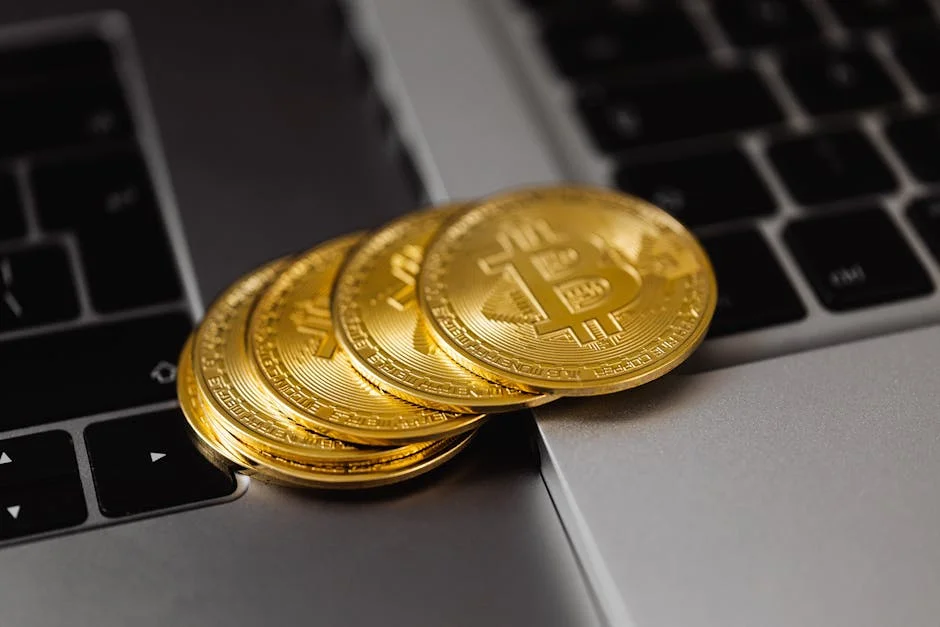
A cold wallet for cryptocurrency is a storage method designed to keep private keys offline, away from internet-connected devices that are exposed to malware, phishing kits, browser exploits, and compromised extensions. The core idea is simple: when the keys that authorize spending are not reachable from the web, remote attackers have far fewer opportunities to steal them. This distinction becomes especially important because most digital-asset losses do not occur due to weaknesses in the underlying blockchain; they happen because keys are leaked, backups are mishandled, seed phrases are photographed, or a hot device is infected. By removing the signing environment from day-to-day online activity, cold storage reduces the attack surface dramatically. Many people first encounter cold storage after using an exchange or a phone wallet and realizing that convenience also brings risk. Exchanges can be hacked, accounts can be socially engineered, and mobile devices can be lost or compromised. A cold wallet does not eliminate all threats, but it changes them: instead of worrying primarily about remote compromise, you focus on physical security, secure backups, and careful transaction procedures. That shift is often a worthwhile trade for long-term holders, treasury managers, and anyone who cannot afford a single mistake.
Table of Contents
- My Personal Experience
- Understanding a cold wallet for cryptocurrency and why it matters
- Hot wallets versus cold wallets: practical differences in daily use
- How cold storage works: keys, seed phrases, and offline signing
- Types of cold wallet for cryptocurrency solutions: hardware, air-gapped, and paper
- Setting up a hardware cold wallet safely: step-by-step mindset
- Seed phrase protection: backup materials, storage locations, and human error
- Making transactions from cold storage without compromising security
- Expert Insight
- Choosing the right cold wallet: criteria beyond brand names
- Cold wallet for cryptocurrency in a multisignature setup: reducing single points of failure
- Common mistakes that undermine cold storage and how to avoid them
- Long-term maintenance: updates, audits, and planning for recovery
- Final thoughts on using a cold wallet for cryptocurrency with confidence
- Watch the demonstration video
- Frequently Asked Questions
- Trusted External Sources
My Personal Experience
After a friend had their exchange account frozen during a verification issue, I finally moved most of my crypto into a cold wallet. I bought a hardware wallet, set it up offline, and wrote the recovery phrase on paper instead of saving it in my notes app. The first transfer was nerve‑racking—I sent a tiny test amount, waited for confirmations, then moved the rest once I saw it land. It’s a little less convenient than checking an app, but I sleep better knowing my coins aren’t sitting on a platform I don’t control. Now I only keep a small “spending” balance online and treat the cold wallet like a long‑term safe. If you’re looking for cold wallet for cryptocurrency, this is your best choice.
Understanding a cold wallet for cryptocurrency and why it matters
A cold wallet for cryptocurrency is a storage method designed to keep private keys offline, away from internet-connected devices that are exposed to malware, phishing kits, browser exploits, and compromised extensions. The core idea is simple: when the keys that authorize spending are not reachable from the web, remote attackers have far fewer opportunities to steal them. This distinction becomes especially important because most digital-asset losses do not occur due to weaknesses in the underlying blockchain; they happen because keys are leaked, backups are mishandled, seed phrases are photographed, or a hot device is infected. By removing the signing environment from day-to-day online activity, cold storage reduces the attack surface dramatically. Many people first encounter cold storage after using an exchange or a phone wallet and realizing that convenience also brings risk. Exchanges can be hacked, accounts can be socially engineered, and mobile devices can be lost or compromised. A cold wallet does not eliminate all threats, but it changes them: instead of worrying primarily about remote compromise, you focus on physical security, secure backups, and careful transaction procedures. That shift is often a worthwhile trade for long-term holders, treasury managers, and anyone who cannot afford a single mistake.
It also helps to understand what “cold” actually means. Cold does not necessarily mean “no electronics” or “no software,” and it does not automatically mean “hardware wallet.” Cold storage is a spectrum of practices that keep signing keys offline most of the time. A hardware device that signs transactions without exposing the seed to a computer is one common approach, but an air-gapped laptop, a dedicated offline phone, or even carefully generated paper backups can also be part of a cold wallet for cryptocurrency strategy. What matters is how keys are created, stored, backed up, and used. Cold storage is most effective when paired with disciplined operational habits: verifying addresses, keeping firmware authentic, separating devices for different roles, and maintaining redundant backups. When done well, a cold wallet becomes the backbone of a security plan that can outlast changing apps, shifting exchange policies, and the constant churn of online threats.
Hot wallets versus cold wallets: practical differences in daily use
Hot wallets are connected to the internet, directly or indirectly, and they are designed for speed. They live on phones, browsers, desktops, and sometimes inside custodial platforms. Their biggest advantage is convenience: you can receive, swap, stake, or pay in seconds, often with modern user interfaces and integrations. Their biggest weakness is exposure: any internet-connected environment is a target-rich place where malicious code can run, clipboard hijackers can swap addresses, and fake update prompts can install spyware. A cold wallet for cryptocurrency, by contrast, is optimized for security rather than speed. Transactions generally require more steps, such as connecting a signing device, verifying details on a separate screen, scanning QR codes, or moving a partially signed transaction file between devices. This friction is not a flaw; it is a deliberate barrier that prevents impulsive approvals and makes many common attack paths fail. When a scam website asks you to “confirm” a malicious transaction, a cold setup can force you to read and verify on a trusted display before anything is signed.
In real life, many people benefit from a hybrid approach. A hot wallet can hold spending money, like cash in a physical wallet, while a cold wallet for cryptocurrency holds savings, long-term positions, or business reserves. This mirrors traditional financial behavior: you do not keep your life savings in your pocket, and you do not lock your daily lunch money in a safe deposit box. The trick is to define rules that match your risk tolerance. For example, you might keep a small percentage in a hot wallet for DeFi interactions, but move profits and long-term holdings into cold storage on a schedule. This division also reduces stress. If a browser wallet is compromised, the damage is limited by design. Meanwhile, the cold wallet remains untouched, requiring physical access and deliberate signing procedures. The day-to-day experience becomes smoother when you treat cold storage as a vault and hot wallets as checking accounts.
How cold storage works: keys, seed phrases, and offline signing
Every cold wallet for cryptocurrency revolves around one concept: private keys. A private key (or a master seed that derives many private keys) is what authorizes spending. If someone obtains it, they can move assets; if you lose it and have no backup, you lose access. Most modern wallets use a seed phrase, typically 12 or 24 words, generated from a standardized method. That seed phrase is the human-readable backup that can recreate the entire wallet and all derived addresses. Cold storage aims to generate and store that seed in a way that avoids exposure to internet-connected devices and cloud services. When you create a wallet on a properly designed hardware device, for example, the seed is generated inside the device and never leaves it in digital form. You write it down offline as a physical backup. With an air-gapped computer approach, you generate the seed on a machine that never touches the internet, then store backups in secure physical form.
Signing is the second half of the story. To send funds, your wallet software constructs a transaction and then signs it with the private key. In a cold wallet for cryptocurrency workflow, the transaction can be built on an online device (which has up-to-date network information), but the signing occurs offline. The signed transaction is then returned to the online device for broadcasting. This separation keeps the key away from the network even during transfers. The details matter: you want to verify the destination address and the amount on a trusted screen that cannot be manipulated by malware on the online computer. That is why many hardware wallets include a display and buttons, and why QR-based signing is popular for air-gapped devices. When you understand this flow—build online, sign offline, broadcast online—you can evaluate any product or setup by asking a simple question: at what points could my seed or private key be exposed, and how can I reduce those points to near zero?
Types of cold wallet for cryptocurrency solutions: hardware, air-gapped, and paper
There are several ways to implement a cold wallet for cryptocurrency, and each has trade-offs. Hardware wallets are the most popular consumer option because they package secure key generation, offline signing, and a trusted display in a purpose-built device. They are designed to keep keys in a secure element or protected memory and to restrict data flows so the seed does not leak to the connected computer. Air-gapped wallets use a device that never connects to Wi‑Fi, cellular, Bluetooth, or USB data. Instead, they rely on QR codes or removable media to move unsigned and signed transactions. This can be done with a dedicated device sold for that purpose or with a repurposed smartphone kept permanently offline. Paper wallets, once popular, involve generating a key or seed and storing it on paper only. While paper can be truly offline, paper wallets are also easy to mishandle: ink fades, paper burns, and many people generate them insecurely on online printers or compromised machines. For modern multi-asset management, paper-only approaches are often less practical than they appear.
A more robust cold wallet for cryptocurrency strategy often combines methods. For example, a hardware wallet can be the signing tool, while the seed phrase is backed up on a metal plate to resist fire and water. Some people maintain two separate cold wallets: one for long-term holding that is rarely touched, and another for periodic transfers. Businesses may use multisignature setups where multiple cold signers must approve spending, reducing single-person risk. The right solution depends on your holdings, frequency of transactions, and your ability to manage physical security. A solo user who sends crypto once a month may prefer the simplicity of a reputable hardware wallet. A treasury that moves funds occasionally but must protect against insider threats may prefer multiple signers and documented procedures. The key is to choose a type of cold storage that you can operate correctly every time, because even the best device cannot compensate for careless backups or rushed approvals.
Setting up a hardware cold wallet safely: step-by-step mindset
Setting up a cold wallet for cryptocurrency with a hardware device starts long before you power it on. The safest approach begins with sourcing: buy directly from the manufacturer or an authorized reseller with clear chain-of-custody policies. Avoid second-hand devices and avoid listings that offer “pre-initialized” wallets. When the device arrives, inspect packaging for tampering, but do not rely on packaging alone; your real protection comes from the device’s initialization process and authenticity checks. Use a clean computer, ideally one that is not overloaded with random browser extensions, and install wallet software from the official domain you have verified. During setup, the device should generate a new seed phrase on its own screen. You should never accept a seed that arrives printed in the box, emailed, or displayed by a website. Write the words down carefully, in order, and confirm them during the device’s verification step. If possible, do this in a private location without cameras, smart speakers, or people nearby.
After initialization, practice a full restore test before funding the wallet with meaningful amounts. A cold wallet for cryptocurrency is only as good as its backup. Many users skip this and discover problems when it’s too late. A restore test can be done by wiping the device and restoring from the seed, or by restoring into a separate test device if you have one. The goal is to prove that your written backup is correct and sufficient. Next, set a strong PIN and consider an additional passphrase feature if you understand it well. A passphrase can add protection if someone finds your seed, but it also creates a new failure mode: if you forget the passphrase, the funds are effectively gone. Once setup is complete, send a small test transaction to a receiving address shown on the device screen, not just on the computer. Verify that you can receive and later send a small amount successfully. Only then should you treat the wallet as your primary cold storage. This deliberate mindset—verify authenticity, generate seed offline, test recovery, validate addresses—turns a gadget into a reliable security system.
Seed phrase protection: backup materials, storage locations, and human error
The seed phrase is the crown jewel of any cold wallet for cryptocurrency. If an attacker gets it, they can recreate your wallet anywhere. If you lose it, you may lose access permanently. That means seed protection is not a one-time task; it is an ongoing discipline. Start with the medium: writing on paper is common, but paper is vulnerable to fire, water, mold, and accidental disposal. Many holders use metal backups—engraved or stamped stainless steel plates or capsules—because they survive disasters that destroy paper. Whatever medium you choose, focus on legibility and durability. Avoid taking photos of the seed, storing it in notes apps, emailing it to yourself, or uploading it to cloud storage. Those habits convert an offline secret into an online one. Also avoid typing the seed into random websites or “recovery tools.” If you ever need to restore, use trusted wallet software and verify you are on the correct official application.
Location strategy matters as much as the material. A cold wallet for cryptocurrency seed should not be stored in the same place as the device if theft is a concern. Many people create at least two backups and store them in separate secure locations, such as a home safe and a safe deposit box, or two trusted secure residences. The goal is to survive both burglary and local disasters. At the same time, too many copies increase the risk of discovery, so balance redundancy with exposure. Consider who might find the backup: roommates, guests, contractors, or even future occupants. Labeling is another subtle risk. A metal plate labeled “Bitcoin seed” is an invitation; a discreet labeling system reduces opportunistic theft. Finally, plan for life events. If you become incapacitated, can a trusted person recover funds without exposing them prematurely? Some people use sealed instructions, legal planning, or multisignature arrangements to reduce the risk of a single point of failure. The best seed strategy is one that you can maintain for years without forgetting where it is or how it works.
Making transactions from cold storage without compromising security
Using a cold wallet for cryptocurrency does not mean never moving funds. It means moving funds with a process that protects keys and reduces the chance of approving a malicious transaction. The most common risk during spending is not the cold device itself; it is the online environment where the transaction is prepared. Malware can alter clipboard addresses, inject fake recipient addresses into web pages, or trick you into signing a contract interaction that drains tokens. That is why verification on a trusted display is central. When you prepare a send, compare the address shown on the cold device to the intended address from a trusted source. For large transfers, verify multiple characters at the beginning and end, and consider using address book features cautiously. If you are sending to an exchange, confirm the deposit address inside the exchange account after logging in securely, and beware of phishing clones. If you are sending to another person, verify via a second channel, not only a chat message that could be compromised.
| Cold Wallet Type | Security | Convenience | Best For |
|---|---|---|---|
| Hardware Wallet | Very high (private keys stay offline; secure chip on many devices) | Medium (requires device + confirmation for transactions) | Long-term holders and frequent users who want strong security |
| Paper Wallet | High if generated/stored correctly (fully offline), but fragile | Low (manual handling; easy to misplace or damage) | Deep cold storage with minimal transaction needs |
| Air-Gapped Device | Very high (no network connections; transactions signed offline) | Low–Medium (extra steps like QR/SD transfer) | Security-focused users storing significant cryptocurrency amounts |
Expert Insight
Buy a reputable hardware cold wallet directly from the manufacturer, verify the device’s authenticity on arrival, and initialize it offline. Write the recovery seed on paper or metal (never a photo or cloud note), store it in a separate secure location, and test a small send/receive transaction before moving larger balances. If you’re looking for cold wallet for cryptocurrency, this is your best choice.
Harden your setup: enable a PIN and (if supported) a passphrase, keep firmware updated only via official downloads, and avoid plugging the wallet into unknown computers. For long-term storage, use a dedicated “vault” address, keep a clear record of where the seed is stored, and rehearse the recovery process so you can restore funds confidently if the device is lost. If you’re looking for cold wallet for cryptocurrency, this is your best choice.
For smart contract networks, transaction clarity becomes harder. A cold wallet for cryptocurrency may show limited information about token approvals, contract calls, and data fields. Reduce risk by limiting contract interactions from your main cold storage wallet. Instead, keep long-term holdings in a cold “vault” address and interact with DeFi using a separate hot or warm wallet funded with smaller amounts. If you must sign contract transactions, use reputable interfaces, keep your wallet firmware updated from official sources, and consider transaction simulation tools that can preview outcomes. Also be mindful of “blind signing,” where the device cannot decode the transaction. Blind signing increases risk because you may approve something you cannot interpret. When possible, use wallets and apps that provide clear signing messages for the assets you hold. Finally, adopt a routine for large moves: do a small test transfer first, wait for confirmation, then proceed with the main amount. That small delay can prevent irreversible mistakes, and it fits naturally into a cold-storage mindset.
Choosing the right cold wallet: criteria beyond brand names
Choosing a cold wallet for cryptocurrency should be based on security architecture and usability, not hype. Start with transparency: does the product have a clear security model, published documentation, and a track record of responsible vulnerability handling? Open-source firmware and software can be a plus because it allows public review, but open source alone does not guarantee safety; it must be actively maintained and scrutinized. Look for secure key isolation, strong PIN or passcode protections, and a reliable recovery process. A trusted display is important, because it lets you verify addresses and amounts independent of the host computer. Consider whether the device supports the networks you actually use and how it handles token support over time. Some devices rely on companion apps; evaluate whether those apps are maintained, whether they require accounts, and whether they encourage risky behaviors like storing recovery data online.
Usability is security. A cold wallet for cryptocurrency that is too complex can lead to shortcuts, such as storing the seed in a password manager without understanding the risk, or skipping verification steps because they are annoying. Pay attention to how transactions are reviewed, how firmware updates are delivered, and how backups are created. Also consider your environment: if you travel often, you may want a durable device and a plan for border searches and physical inspection. If you manage assets for a family or small business, you may want multisignature compatibility and clear role separation. If privacy matters, examine whether the wallet software leaks addresses to third-party servers and whether it can connect to your own node. Finally, consider vendor risk. A well-designed cold wallet reduces dependence on any single company by using standard seed formats and allowing recovery in other compatible wallets. That way, if a vendor disappears, you are not trapped.
Cold wallet for cryptocurrency in a multisignature setup: reducing single points of failure
A multisignature arrangement can turn a cold wallet for cryptocurrency into a system that is resilient against both external attacks and internal mistakes. In multisig, spending requires approval from multiple keys, such as 2-of-3 or 3-of-5. Each key can be stored on a separate cold device, in separate locations, potentially controlled by different people. This design helps in several ways. If one device is stolen, the thief still cannot spend. If one seed backup is destroyed, funds are still recoverable with the remaining keys. If one signer is tricked by a phishing attempt, the attacker still needs other signatures. Multisig also supports operational controls: a business can require two executives to approve transfers, or a family can require two trusted members to co-sign. This can be more secure than relying on a single seed phrase, especially when holdings are significant.
However, multisig increases complexity, and complexity can create new failure modes. A cold wallet for cryptocurrency in multisig requires careful documentation: which devices hold which keys, how to recover each signer, how to reconstruct the multisig wallet descriptor, and how to coordinate signing. If you lose the configuration details, you might have the keys but not the map needed to use them efficiently. That is why many multisig users keep a printed recovery kit containing wallet descriptors, derivation paths, and signing policies, stored securely like seed backups. You should also test recovery before depositing large amounts, including the ability to recreate the multisig wallet in an alternative software tool. Consider the human element: if multiple people are involved, define procedures for approving transactions, verifying recipients, and handling emergencies. Done well, multisig provides institutional-grade resilience. Done casually, it can become a puzzle at the worst possible time. The right balance depends on your risk profile and your ability to maintain operational discipline for years.
Common mistakes that undermine cold storage and how to avoid them
Many losses happen not because cold storage is flawed, but because the cold wallet for cryptocurrency is used in a way that reintroduces hot-wallet risks. A frequent mistake is creating the seed phrase on an internet-connected computer, then calling it “cold” because the paper is stored offline. If the machine was compromised at generation time, the seed may already be known to an attacker. Another mistake is taking a photo of the seed for “convenience,” which often leads to cloud backups, gallery sync, or unauthorized access later. People also fall for fake support channels and type their seed into phishing sites, usually after being told they need to “verify” or “reconnect” their wallet. No legitimate support agent needs your recovery phrase. Another subtle error is failing to verify addresses on the device screen. If malware changes the address on the computer, you can end up signing a perfectly valid transaction to the wrong destination.
Operational mistakes can be just as damaging. Some users keep the cold wallet for cryptocurrency device and the seed backup together in the same drawer, making theft straightforward. Others never test recovery and later discover that one word was written incorrectly or that they recorded the words out of order. Firmware update negligence can also be risky, especially if updates fix known vulnerabilities; at the same time, updating incorrectly by downloading from unofficial sources can introduce malicious firmware. Avoid both extremes by using official update paths and verifying domains carefully. Finally, watch for overconfidence. Cold storage reduces certain risks, but it does not protect against sending funds to the wrong chain, using the wrong address format, or approving a malicious contract call. The antidote is process: small test transfers, careful verification, separation of long-term holdings from experimental activity, and periodic audits of backups and access plans. Treat cold storage like a safety system that needs occasional checks, not a one-time purchase.
Long-term maintenance: updates, audits, and planning for recovery
A cold wallet for cryptocurrency is not a “set it and forget it” tool, especially if you expect to hold assets for many years. Periodic maintenance helps ensure you can still access funds when you need them. Start with physical checks: confirm that your device powers on, that cables and adapters still work, and that your backups are intact and legible. If you use paper, inspect for fading or water damage; if you use metal, ensure it is stored securely and not corroding in harsh environments. Consider doing a controlled recovery drill every year or two, using a spare device or an isolated environment, to confirm the seed phrase works and that you understand the steps. This kind of rehearsal prevents panic during real emergencies. Also keep track of wallet standards and network changes. While seed phrases are standardized, wallet software evolves, and some networks change address formats or require updated transaction types.
Software and firmware updates should be approached with care. A cold wallet for cryptocurrency device may need occasional firmware updates for security patches and new asset support. Only update using official tools and verified sources, ideally on a clean computer. Read release notes so you understand what is changing, and avoid rushing updates right before you must make a large transfer. If you rely on companion apps, keep them updated as well, but remain cautious of fake apps in app stores. Recovery planning is equally important. Decide what happens if your device is lost, damaged, or confiscated. Your seed backup is the ultimate recovery method, but you should know which alternative wallets can restore it and how to identify legitimate software. If you use passphrases, document their existence in a secure way without revealing them to the wrong people. If you manage assets for a family, consider inheritance planning and controlled disclosure so heirs can recover without creating a theft opportunity today. Over time, the best cold storage plan is one that remains usable, secure, and understandable even after years of not touching it.
Final thoughts on using a cold wallet for cryptocurrency with confidence
A cold wallet for cryptocurrency is best viewed as a disciplined security practice supported by the right tools. The strongest benefit is not just that keys are offline, but that the entire workflow encourages verification, separation of roles, and intentional decision-making. When you keep long-term holdings in cold storage and limit risky interactions to smaller, disposable wallets, you reduce the chance that a single phishing link or compromised browser session can wipe out everything. Good cold storage also supports resilience: durable backups, redundant locations, and recovery plans that work even if a device fails. The cost is additional effort, but for many holders that effort is an acceptable price for sleeping better at night.
Confidence comes from testing and routine, not from assuming that a device is magically secure. Generate keys offline, protect the seed phrase like a high-value physical asset, verify every address on a trusted screen, and practice recovery before you need it. As your holdings and needs evolve, consider whether multisignature controls, separate wallets for different purposes, or improved backup materials make sense. With a careful approach, a cold wallet for cryptocurrency can serve as a long-term foundation for managing digital assets safely, even as threats, apps, and market cycles change around you.
Watch the demonstration video
In this video, you’ll learn what a cryptocurrency cold wallet is and why it’s one of the safest ways to store digital assets offline. It explains how cold wallets protect your private keys from hackers, the main types available (hardware and paper), and practical tips for setting one up and using it securely. If you’re looking for cold wallet for cryptocurrency, this is your best choice.
Summary
In summary, “cold wallet for cryptocurrency” is a crucial topic that deserves thoughtful consideration. We hope this article has provided you with a comprehensive understanding to help you make better decisions.
Frequently Asked Questions
What is a cold wallet for cryptocurrency?
A **cold wallet for cryptocurrency** keeps your private keys stored offline—completely disconnected from the internet—so your funds are far better protected from online hacks and malware.
How is a cold wallet different from a hot wallet?
A hot wallet stays connected to the internet, making it quick and convenient for everyday transactions, while a **cold wallet for cryptocurrency** remains offline to provide stronger protection—though it can take a bit longer to access your funds when you need them.
What types of cold wallets are there?
Common types include hardware wallets (dedicated devices), paper wallets (printed keys/seed), and air-gapped computers used only for signing transactions.
Are cold wallets completely safe?
They significantly reduce the risk of online attacks, but using a **cold wallet for cryptocurrency** doesn’t eliminate all dangers—you could still lose funds to physical theft, device damage, scams, or misplacing your recovery seed.
How do I back up a cold wallet?
Write down your recovery seed (and any passphrase) on paper and keep it offline, then store it securely in one or more protected locations. If you’re using a **cold wallet for cryptocurrency**, treat this information like a master key—never share it, and don’t photograph or digitize it in any way.
How do I send crypto from a cold wallet?
A common approach is to draft an unsigned transaction on an internet-connected device, transfer it to your offline signer, and approve it there—then send the signed transaction back online to broadcast. This workflow is a key reason many people use a **cold wallet for cryptocurrency**, keeping private keys offline while still allowing secure transfers.
📢 Looking for more info about cold wallet for cryptocurrency? Follow Our Site for updates and tips!

Trusted External Sources
- How to Choose the BEST Cold Wallet for 2026 – YouTube
On Oct 10, 2026, I shared three options for a **cold wallet for cryptocurrency**—including Tangem, where you can get 10% off using this link: https://cyberscrilla.short.gy/DupmKU. If you’d like help getting started, check out the user guide as well.
- Best cold wallet? : r/CryptoCurrency – Reddit
Nov 27, 2026 … Trezor has been around for ages, I recently got their new Safe 3 and it works great. If you are Bitcoin only I’d also recommend a Coldcard Mk4 . If you’re looking for cold wallet for cryptocurrency, this is your best choice.
- Ledger Crypto Wallet – Security for DeFi & Web3
A **cold wallet for cryptocurrency** keeps your private keys completely offline, making it far harder for hackers and other online threats to reach them. Popular options include **hardware wallets** and even **paper wallets**, both designed to store your keys securely away from the internet. More broadly, wallets can also be categorized by factors like how they connect, how they’re managed, and the level of convenience versus security they offer.
- What is the best cold crypto wallet? : r/BitcoinBeginners – Reddit
Jan 5, 2026 … The best value for security for new users is between a trezor safe 3 and Blockstream Jade. The best advanced hardware wallets(not ideal for new users) are … If you’re looking for cold wallet for cryptocurrency, this is your best choice.
- Cold Wallet Crypto – Amazon.com
Secure Crypto Wallet – Trusted Cold Storage for Bitcoin, Ethereum, NFT’s & More Coins – 100% Offline Hardware Wallet