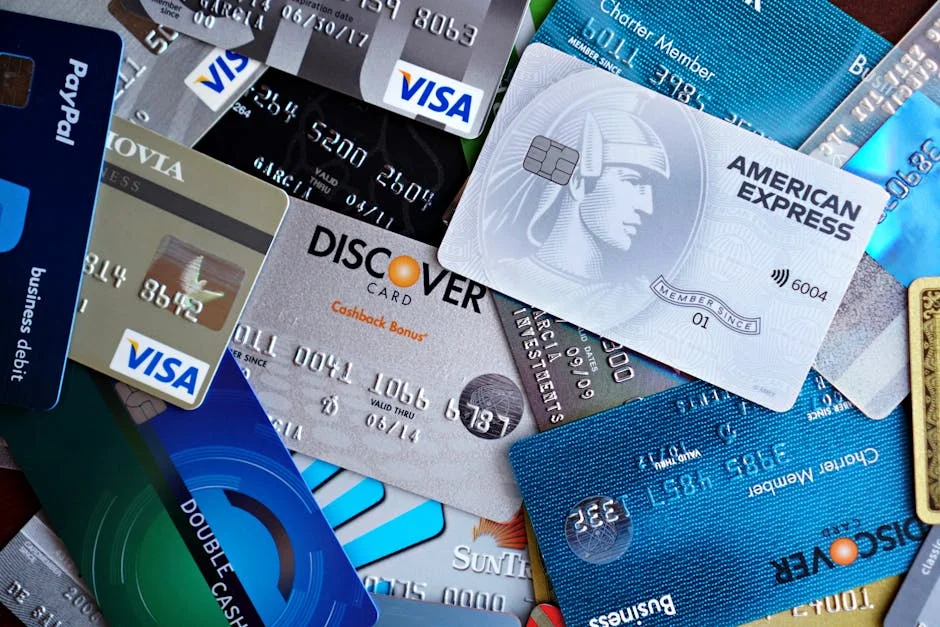
Choosing the right credit cards to help build your credit can feel like a big decision, especially if you are starting from scratch, rebuilding after missed payments, or trying to move from “fair” to “good.” Credit scoring models reward specific behaviors: paying on time, keeping balances low relative to limits, maintaining accounts over time, and showing a mix of credit types. A well-managed credit card can influence several of those factors at once. When you open a card that reports to the major credit bureaus, each month of on-time payments adds positive payment history, which is typically the most important part of a FICO-style score. At the same time, the credit limit attached to the card gives you a measurable utilization ratio, and keeping that ratio low is another strong signal of responsible use. For many people, a credit card is the simplest revolving credit product to obtain and manage, and it can be used for everyday purchases without needing to borrow cash or take a personal loan.
Table of Contents
- My Personal Experience
- Understanding Why Credit Cards Can Build Credit Faster Than You Think
- How Credit Scores React to New Accounts, Limits, and Payment History
- Secured Credit Cards: A Practical Starting Point When Approval Is Tough
- Unsecured Starter Cards for Limited Credit: What to Look For
- Student Credit Cards: Building Credit While You Build Your Future
- Store Cards and Retail Cards: Helpful Tool or Hidden Trap?
- Credit-Builder Cards and “Alternative” Cards: Understanding What You’re Really Getting
- Expert Insight
- Choosing the Right Card Features: Fees, Reporting, Limits, and Graduation
- Best Practices for Using Credit Cards to Build Credit Without Paying Interest
- Common Mistakes That Slow Credit Building and How to Avoid Them
- Building Credit with Multiple Cards: When It Helps and When It Hurts
- Monitoring Progress: Credit Reports, Score Tracking, and Dispute Basics
- Putting It All Together: A Sustainable Plan for Long-Term Credit Growth
- Watch the demonstration video
- Frequently Asked Questions
- Trusted External Sources
My Personal Experience
When I first tried to rent an apartment, I found out my credit history was basically nonexistent, so I decided to get a starter credit card to help build my credit. I picked one with no annual fee and a low limit, and I set up autopay for the full statement balance so I wouldn’t accidentally carry a balance. At first I only used it for predictable expenses like gas and a streaming subscription, then paid it off every month and kept my usage low. After about six months, my score started moving up, and a year later I qualified for a better card with rewards and a higher limit. It wasn’t instant, but using a credit card responsibly was the simplest way I found to build credit without overcomplicating things. If you’re looking for credit cards to help build your credit, this is your best choice.
Understanding Why Credit Cards Can Build Credit Faster Than You Think
Choosing the right credit cards to help build your credit can feel like a big decision, especially if you are starting from scratch, rebuilding after missed payments, or trying to move from “fair” to “good.” Credit scoring models reward specific behaviors: paying on time, keeping balances low relative to limits, maintaining accounts over time, and showing a mix of credit types. A well-managed credit card can influence several of those factors at once. When you open a card that reports to the major credit bureaus, each month of on-time payments adds positive payment history, which is typically the most important part of a FICO-style score. At the same time, the credit limit attached to the card gives you a measurable utilization ratio, and keeping that ratio low is another strong signal of responsible use. For many people, a credit card is the simplest revolving credit product to obtain and manage, and it can be used for everyday purchases without needing to borrow cash or take a personal loan.

It helps to know what “building credit” actually means in practice. Credit bureaus do not grade you for income, savings, or how “good” you feel about your finances; they track repayment patterns and account data. That is why the best credit cards to help build your credit are not necessarily the ones with premium rewards, but the ones that are easiest to manage consistently. If a card is too expensive, too complicated, or too tempting to overspend on, it can backfire and cause high balances or late payments. Building credit is mostly about avoiding mistakes while steadily reporting positive data. A starter card with modest features can outperform a flashy card if it keeps you on track month after month. When you focus on predictable spending, simple due dates, autopay, and low utilization, you are using the card as a credit-building tool rather than a borrowing habit.
How Credit Scores React to New Accounts, Limits, and Payment History
Before applying for any credit cards to help build your credit, it is useful to understand the mechanics behind the score changes you may see. A new account can cause a small, temporary dip due to a hard inquiry and a lower average age of accounts. That dip is often short-lived if the account is managed well. Over time, the new card can help by adding on-time payments and possibly increasing your total available credit, which can reduce overall utilization. Utilization is calculated using reported balances compared with credit limits, typically across all revolving accounts. If you already have one small-limit card and you add another, your total limit may rise, and your utilization may fall even if your spending stays the same. That can be a meaningful boost for someone whose score is being held down by high utilization rather than missed payments.
Payment history tends to dominate the long-term outcome. Even the best credit cards to help build your credit cannot compensate for late payments, so the real strategy is designing a system that makes on-time payments almost automatic. Setting autopay for at least the minimum due is a baseline tactic, and paying the statement balance in full is even better for avoiding interest. It is also important to understand that the balance that affects utilization is often the statement balance reported to bureaus, not the amount you pay by the due date. If you spend heavily during a billing cycle and your statement closes with a high balance, your utilization might look high even if you plan to pay in full. Many people choose to make an extra payment before the statement closes to keep the reported balance low. This is a practical way to use a card for normal expenses while still presenting low utilization in the data that scoring models see.
Secured Credit Cards: A Practical Starting Point When Approval Is Tough
Secured cards are among the most reliable credit cards to help build your credit when you have limited history, prior delinquencies, or a recent bankruptcy. The key difference is that you provide a refundable security deposit, which often becomes your credit limit. Because the issuer has collateral, approvals can be easier than with unsecured products. If the card reports to all three major bureaus, it can generate the same type of positive payment history as any other card. The deposit is not a fee in the traditional sense; it is usually held in a separate account and may be returned if you close the card in good standing or “graduate” to an unsecured card. That graduation path is valuable because it can allow you to keep the same account open while your limit increases, helping your utilization and preserving account age.
Not all secured products are equal, so it pays to compare features carefully. Some secured credit cards to help build your credit have no annual fee, while others charge one; some offer a path to an unsecured upgrade, while others keep you secured indefinitely. Ideally, look for a card that reports monthly to all bureaus, has clear terms, and does not bury you in maintenance fees. The goal is to create a steady trail of on-time payments at the lowest cost possible. Also consider how much deposit you can comfortably provide. A higher limit can make it easier to keep utilization low, but only if the deposit does not strain your budget. If you put down $500 and treat the card like a $100-per-month tool, your utilization will likely remain favorable. If you put down $200 and routinely run $180 of expenses, your utilization will look high even if you pay in full, unless you make mid-cycle payments. Using a secured card successfully is less about spending and more about controlling the timing and size of the reported balance.
Unsecured Starter Cards for Limited Credit: What to Look For
Some issuers offer unsecured starter products designed for people with thin files. These can be excellent credit cards to help build your credit because they do not require a deposit and may provide a higher limit than a basic secured card. That said, approvals can be more selective, and the terms can vary widely. A good starter card should report to the major bureaus, provide a straightforward online account dashboard, and offer predictable billing cycles and due dates. If the card includes free credit score access, that can be helpful for tracking progress, but it should not be the main reason you choose it. The most important features are the ones that reduce risk: no surprise fees, clear interest terms, and customer service that makes it easy to set autopay and manage payments.
Be cautious with unsecured products marketed to people with damaged credit, because some are structured with high fees that undermine the benefits. If you are choosing among credit cards to help build your credit, evaluate the annual fee, any monthly maintenance fees, and any one-time program fees. A card that costs you $150 per year to keep open can still build credit, but it raises the stakes: you may end up closing it sooner, which can reduce long-term benefits. If a no-fee option is available, it often provides a smoother path. Also consider whether the issuer offers automatic credit limit increases after a period of on-time payments. A higher limit can help utilization, but only if spending stays controlled. If you know you are tempted to overspend, a lower limit can be protective. The best choice is the card that you can keep open for years while consistently paying on time and keeping the reported balance low.
Student Credit Cards: Building Credit While You Build Your Future
Student cards are a distinct category of credit cards to help build your credit because they are designed for applicants who may have limited income and little or no credit history. Many student cards have simpler approval criteria and offer basic rewards on common categories like dining or groceries. While rewards are not the main point of credit building, small cash back can be a useful incentive to use the card for planned purchases and pay it off. The bigger advantage is that student cards can help you start a long credit history early. If you open a student card at 18 or 19 and keep it open into your late twenties, the age of that account can become a meaningful strength in your credit profile.

To make a student card work as one of your credit cards to help build your credit, treat it like a monthly bill-paying tool rather than a spending extension. Many students do best by selecting one or two predictable expenses—such as a streaming subscription, phone bill, or a fixed grocery budget—and putting those charges on the card. Then, set autopay for the full statement balance. If full autopay is not realistic every month, at least set autopay for the minimum due and make manual payments throughout the month to keep the balance low. Another smart approach is to request a credit limit increase after several months of on-time payments if your income supports it; a higher limit can reduce utilization, but only if you do not inflate spending. Finally, avoid cash advances, which often come with immediate interest and fees. A clean student card history, with low utilization and no late payments, can set you up for better approvals later, including lower-interest products and higher-limit cards.
Store Cards and Retail Cards: Helpful Tool or Hidden Trap?
Retail cards can be tempting because approvals may be easier than with general-purpose cards, making them seem like quick credit cards to help build your credit. They often come with discounts, special financing offers, or loyalty points. From a credit reporting standpoint, a store card can contribute to payment history and add to your total available credit. However, store cards frequently have lower limits and higher interest rates. A low limit can make utilization harder to manage, because even a modest purchase can use a large percentage of the available credit. If you buy a $150 jacket on a $300 limit, you are already at 50% utilization on that account. If that balance reports at statement time, your score may reflect higher utilization even if you pay it off later.
Store cards can still function as credit cards to help build your credit if you use them strategically and sparingly. One approach is to open a store card only if you already shop there regularly for necessities and can keep purchases small and predictable. Another approach is to use the card once every few months for a low-cost item and pay it off immediately, ensuring the account stays active without building a high reported balance. Be mindful of deferred-interest promotions, which can charge retroactive interest if the balance is not paid in full by the deadline. That kind of promotion can turn a manageable purchase into a costly one if you miscalculate the payoff timeline. If you decide to use a retail card, track the statement closing date, not just the due date, and consider paying before the statement closes to keep the reported utilization low. Used carefully, a store card can add positive history; used impulsively, it can create high utilization and expensive interest.
Credit-Builder Cards and “Alternative” Cards: Understanding What You’re Really Getting
Some products marketed as credit cards to help build your credit are not traditional credit cards. They may be credit-builder cards, secured hybrid products, or accounts tied to a spending balance that report like a charge card. Some of these options can be useful, especially if you cannot qualify for mainstream secured or student cards. The key is verifying that the account reports to the major bureaus as a revolving tradeline and that the reporting is consistent. Without bureau reporting, you may pay fees and follow the rules but see little benefit to your score. It is also essential to understand whether the product is a true credit line, a prepaid card with credit reporting features, or a membership plan that includes a tradeline. The details determine how it influences utilization and how lenders interpret it later.
Expert Insight
Start with a starter-friendly card—such as a secured credit card or a student card—and confirm it reports to all three major credit bureaus. Use it for one or two small, predictable purchases each month (like a subscription or gas) to build consistent payment history without overspending. If you’re looking for credit cards to help build your credit, this is your best choice.
Set up autopay for at least the minimum payment and aim to keep your balance below 30% of your credit limit (ideally under 10%) by paying early or making multiple payments during the month. Avoid applying for several cards at once, and keep the account open to strengthen your average credit age over time. If you’re looking for credit cards to help build your credit, this is your best choice.
If you are comparing these products with more standard credit cards to help build your credit, focus on transparency and cost. Look for clear disclosures about fees, the amount that will be reported, and whether there is a hard inquiry. Some credit-builder cards charge monthly membership fees, and those can add up over time. If the only path you have involves paying a monthly fee, it can still be worthwhile for a limited period, but it is often best viewed as a stepping stone rather than a permanent solution. A good plan is to use the alternative card to establish a streak of on-time payments, then move to a mainstream secured or unsecured card with fewer fees. Keep the older account open if it is affordable and does not create complications, because older accounts support credit age. If it is expensive, closing it after you have other accounts established may be reasonable, but do so with an understanding of how it might change your total available credit and utilization.
Choosing the Right Card Features: Fees, Reporting, Limits, and Graduation
When selecting credit cards to help build your credit, the best “features” are often the ones that reduce your risk of mistakes. Start by confirming that the issuer reports to all three major credit bureaus: Equifax, Experian, and TransUnion. Reporting to only one or two can still help, but full reporting provides more consistent results across lenders. Next, evaluate fees. An annual fee is not automatically bad, but it should offer a clear benefit such as an easier approval path or a strong graduation program. Avoid cards with multiple layers of fees that can make the account costly to keep open. Also check whether the card has a penalty APR for late payments and what the late fee structure looks like. While you should aim to never pay late, understanding the consequences helps you judge how forgiving the product is.
| Card type | Best for | What to watch for |
|---|---|---|
| Secured credit card | Building or rebuilding credit when you’re new to credit or have past issues | Requires a refundable deposit; check for annual fees and confirm it reports to all 3 bureaus |
| Student credit card | Students establishing their first credit history with simpler approval requirements | Lower limits and fewer perks; avoid carrying a balance and late payments that can hurt your score |
| Starter/unsecured credit-builder card | Building credit without a deposit (often with prequalification options) | May come with higher APRs and fees; prioritize low fees and consistent on-time payments |

Credit limits and upgrade paths matter as well. Many credit cards to help build your credit start with modest limits. That is not a problem if you keep spending low, but it can create high utilization if you put too many expenses on the card. If you prefer simplicity and want to use the card for several household bills, a higher limit may help you keep utilization low without constant prepayments. Graduation programs—where a secured card becomes unsecured, or where the issuer reviews your account for limit increases—can be a major advantage. A card that grows with you can reduce the need to apply for new accounts, limiting hard inquiries and protecting your average age of accounts. Finally, consider usability: a strong mobile app, easy payment options, and helpful alerts can prevent missed due dates. The best card is often the one that makes good habits effortless.
Best Practices for Using Credit Cards to Build Credit Without Paying Interest
Even the most suitable credit cards to help build your credit only work if you use them in a way that supports the scoring factors. The most powerful habit is paying on time, every time. Autopay for the minimum due is a safety net, and paying the statement balance in full is the gold standard. Paying in full avoids interest while still generating a record of responsible use. Another key habit is keeping utilization low. Many people aim to keep reported utilization under 30%, but lower is often better, especially if you are preparing for a major application like an auto loan or mortgage. Utilization can be managed by spending less, requesting a higher limit when appropriate, or making multiple payments during the month so the statement balance stays small.
Timing matters more than many people realize. Your card has a statement closing date and a payment due date. The balance that often gets reported is the statement balance, which is determined on the closing date. If you want your credit report to show low utilization, consider paying down the balance before the statement closes, not just before the due date. This approach can be especially useful with starter limits. Also, avoid maxing out the card even if you plan to pay it right away. High utilization can still be reported and can temporarily reduce your score. Keep the account active with small, regular purchases so the issuer continues reporting positive data. If you stop using the card entirely, some issuers may eventually close it for inactivity, which can reduce your total available credit. Used with discipline, credit cards to help build your credit can strengthen your profile without costing you interest, turning the card into a reporting tool rather than a borrowing crutch.
Common Mistakes That Slow Credit Building and How to Avoid Them
Many people get approved for credit cards to help build your credit and then accidentally undermine their progress with avoidable mistakes. Late payments are the biggest risk. A single late payment can stay on your credit report for years, and the damage can be disproportionate compared with the size of the missed payment. Avoid this by using autopay, setting calendar reminders, and keeping your contact information updated so you receive alerts. Another common mistake is carrying high balances relative to your limit. Even if you never miss a payment, consistently high utilization can make your score look stressed. If your limit is low, keep purchases small or pay multiple times per month to keep the reported balance down.
Applying for too many accounts at once is another trap. Each application can generate a hard inquiry, and several inquiries in a short period can lower your score and make lenders cautious. If you are serious about using credit cards to help build your credit, choose one card you can manage well, build a streak of on-time payments, and only consider adding another when it has a clear purpose, such as increasing total available credit or diversifying issuers. Also be careful about closing your oldest card too soon, especially if it has no annual fee. Older accounts support your credit age, and closing them can reduce your total available credit, which may increase utilization. Finally, do not ignore statements even if you use autopay. Errors, fraud, or unexpected fees can occur, and catching them early prevents missed payments or disputes that become harder to resolve later. Credit building is often less about doing something complicated and more about avoiding the small mistakes that compound over time.
Building Credit with Multiple Cards: When It Helps and When It Hurts
Adding a second or third card can sometimes accelerate progress, but it is not always necessary. Multiple credit cards to help build your credit can increase total available credit, which may lower utilization if spending stays stable. They can also create redundancy: if one issuer reduces your limit or closes an account, you still have other revolving accounts reporting. In addition, having more than one card can help you keep each card’s utilization low by spreading out purchases. However, the benefit only appears when you maintain strong payment habits across every account. More accounts also mean more due dates, more statements to monitor, and more chances for an oversight.

A practical approach is to start with one card, build six to twelve months of perfect payments, and then evaluate whether adding another of the credit cards to help build your credit makes sense. If your first card has a very low limit and your utilization is frequently high even with responsible spending, a second card may help. If your first card has an annual fee and you can qualify for a no-fee card, adding a no-fee account can give you a long-term anchor that you can keep open for years. On the other hand, if you are still learning to manage budgeting and payment timing, adding more cards can increase the chance of late payments. Also consider the impact of new applications on your short-term goals. If you plan to apply for a car loan or mortgage soon, it may be better to avoid new inquiries and new accounts, focusing instead on paying down balances and maintaining stability. The right number of cards is the number you can manage flawlessly.
Monitoring Progress: Credit Reports, Score Tracking, and Dispute Basics
Using credit cards to help build your credit is more effective when you monitor the data that lenders actually see. Checking your credit reports helps you confirm that your card is reporting properly, that your limits and balances are accurate, and that your payment history is being recorded. Many banks and card issuers offer free score tracking, and there are also services that provide updates when your report changes. Keep in mind that you may see different scores depending on the model used, but the underlying report data is what matters most. When you notice score changes, try to connect them to specific factors like utilization changes, a new inquiry, or a new account reporting for the first time.
If something looks wrong, take action quickly. Errors can occur, such as a payment marked late when it was on time, an incorrect balance, or even an account that does not belong to you. Disputing inaccuracies with the credit bureaus can protect the progress you are making with credit cards to help build your credit. Keep records of payments, statements, and communications with the issuer. If the issue involves fraud, contact the issuer immediately and consider placing a fraud alert or security freeze with the bureaus. Monitoring also helps you decide when to request a credit limit increase or when to consider a product change to a better card with the same issuer. Over time, the combination of accurate reporting, low utilization, and perfect payment history is what turns early credit-building steps into a strong, lender-friendly profile.
Putting It All Together: A Sustainable Plan for Long-Term Credit Growth
A sustainable credit-building plan is simple, repeatable, and aligned with your budget. Start by choosing one of the credit cards to help build your credit that fits your current approval odds and cost tolerance, prioritizing full bureau reporting and low fees. Use the card for a small set of planned purchases, ideally ones you already budget for, and set autopay to avoid missed due dates. Keep the reported balance low by making an extra payment before the statement closes, especially if your limit is small. As months pass, your on-time payment history becomes a powerful asset, and your score can improve even without dramatic changes in income or lifestyle.
As your profile strengthens, you can refine the strategy. You might request a limit increase, apply for a second no-fee card to expand total available credit, or graduate from a secured card to an unsecured one. The key is to avoid rushing. Credit building is a long game, and consistency beats intensity. If you treat your card like a tool for reporting positive behavior rather than a way to spend beyond your means, you can grow into better terms on future loans and qualify for stronger products later. With disciplined spending, smart timing, and automated payments, credit cards to help build your credit can become the backbone of a healthier credit profile that supports your goals for years to come.
Watch the demonstration video
In this video, you’ll learn how using a credit card responsibly can help you build and improve your credit score. It explains how credit utilization, on-time payments, and account age affect your credit, plus tips for choosing a beginner-friendly card and avoiding common mistakes like carrying high balances or missing due dates. If you’re looking for credit cards to help build your credit, this is your best choice.
Summary
In summary, “credit cards to help build your credit” is a crucial topic that deserves thoughtful consideration. We hope this article has provided you with a comprehensive understanding to help you make better decisions.
Frequently Asked Questions
What type of credit card is best for building credit?
A secured card—or a beginner-friendly unsecured card that reports to all three major credit bureaus—is often one of the smartest **credit cards to help build your credit**, because your on-time payments and responsible use are more likely to be reflected in your credit history.
How does using a credit card help build your credit score?
On-time payments build payment history, and keeping balances low helps your credit utilization—both are major factors in your score.
What is a secured credit card and how does it build credit?
A secured card asks for a refundable deposit—often equal to your credit limit—and works like one of the **credit cards to help build your credit** when the issuer reports your payments to the credit bureaus and you consistently pay on time.
How much should I use my credit card to build credit?
Use your card consistently, but keep your balance low—aim for under 30% of your available limit (and the lower, the better). Whenever you can, pay your statement balance in full each month, since that’s one of the smartest ways to use **credit cards to help build your credit**.
Do all credit cards report to credit bureaus?
No—confirm the card reports to all three major bureaus (Equifax, Experian, TransUnion) before applying.
How long does it take to build credit with a credit card?
You may notice your score start to move within a few months, but real, lasting gains usually take 6–12+ months of steady on-time payments and keeping your balances low—especially when you’re using **credit cards to help build your credit** responsibly.
? Looking for more info about credit cards to help build your credit? Follow Our Site for updates and tips!

Trusted External Sources
- Credit Cards to Help Build or Rebuild Credit – Bank of America
Looking for **credit cards to help build your credit** while earning rewards? With this card, you can strengthen your credit and collect unlimited points—earning 1.5 points for every $1 you spend on purchases everywhere, every time.
- Credit Cards for Rebuilding Credit – Mastercard
The PREMIER Bankcard® Mastercard® Credit Card is designed for people who want to establish or improve their credit history. If you’re looking for **credit cards to help build your credit**, this option can support your goals—especially when you keep your balance low and make on-time payments each month.
- Discover Secured Credit Card | Build Your Credit History
The Discover it® Secured Card is one of the **credit cards to help build your credit** when you use it responsibly—by paying on time and, whenever possible, paying your balance in full each month. Since payment history is a major factor in your credit score, consistent, on-time payments can help you establish a strong credit foundation over time.
- Best Credit Card for building credit? : r/CreditCards – Reddit
Jan 1, 2026 … All credit cards build credit the same way. You want a no AF card from a reputable bank like Discover or Capital One. Check both off their pre … If you’re looking for credit cards to help build your credit, this is your best choice.
- Best Credit Cards for Building Credit of 2026 – Experian
Secured credit cards often have easier approval requirements because your refundable security deposit reduces the lender’s risk if you miss a payment. That built-in safety net makes them a popular choice for people who are just starting out or rebuilding—especially if you’re looking for **credit cards to help build your credit** while learning healthy spending and repayment habits.