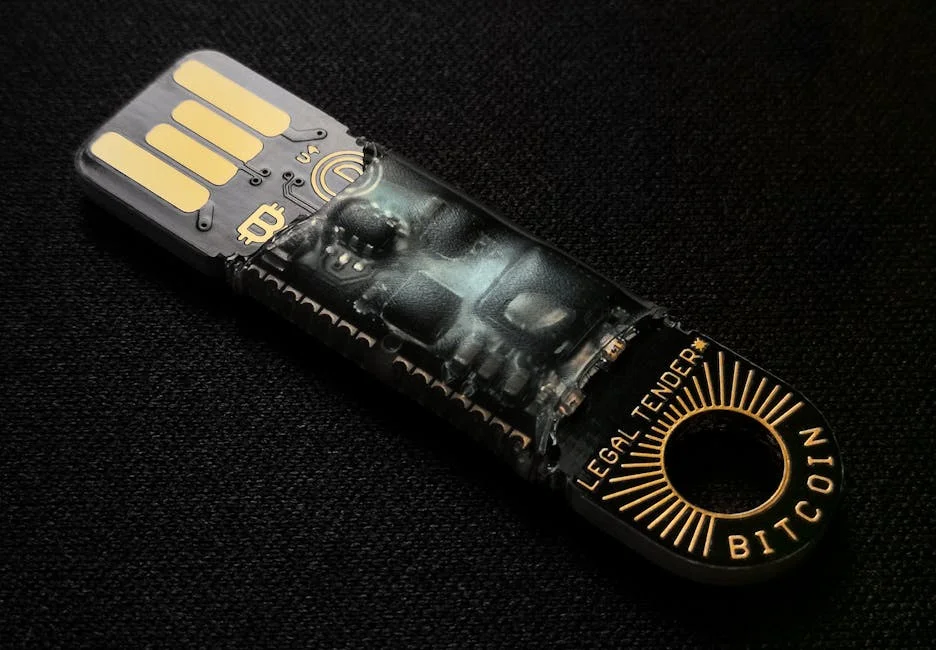
Cold crypto storage refers to keeping private keys for digital assets offline so they are not directly reachable through the internet, browser extensions, or networked devices that can be targeted remotely. The core idea is simple: if an attacker cannot reach the signing keys through a network connection, many of the most common attack paths—phishing that steals seed phrases, malware that reads clipboard contents, remote access trojans, and exchange account takeovers—become far less likely to succeed. This approach is especially valuable for long-term holders, organizations with treasury assets, and anyone who treats crypto as a serious financial instrument rather than a casual app balance. While no method is perfect, offline key custody can reduce exposure to a broad category of threats that thrive on always-online environments. At the same time, offline custody shifts responsibility to the owner, who must manage backups, physical security, and recovery planning with care.
Table of Contents
- My Personal Experience
- Understanding Cold Crypto Storage and Why It Matters
- Cold Storage vs Hot Wallets: Threat Models and Trade-Offs
- How Cold Crypto Storage Works at the Key Level
- Hardware Wallets as a Practical Form of Cold Storage
- Air-Gapped Computers and Offline Signing Workflows
- Paper Wallets, Metal Backups, and Seed Phrase Durability
- Multi-Signature Cold Storage for Higher Assurance
- Expert Insight
- Setting Up Cold Crypto Storage Safely: Step-by-Step Considerations
- Common Mistakes That Defeat Cold Storage Security
- Cold Storage for Businesses: Controls, Auditing, and Continuity
- Balancing Accessibility and Security: When to Move Funds Out of Cold Storage
- Long-Term Maintenance: Backups, Updates, and Recovery Drills
- Choosing the Right Cold Crypto Storage Approach for Your Situation
- Watch the demonstration video
- Frequently Asked Questions
- Trusted External Sources
My Personal Experience
After leaving a decent amount of crypto on an exchange for months, I got spooked when I couldn’t log in during a sudden outage and realized I didn’t actually control anything. I bought a hardware wallet, set it up offline, and wrote the seed phrase on paper instead of saving it in my notes app like I’d been tempted to do. The first transfer felt nerve‑racking—I triple‑checked the address and sent a tiny test amount before moving the rest. Now I keep most of my holdings in cold storage and only leave a small “spending” balance online, which has made me way less anxious during market swings and news about hacks. The biggest lesson was that cold storage isn’t hard, but it does force you to take responsibility for backups and not get careless with that recovery phrase. If you’re looking for cold crypto storage, this is your best choice.
Understanding Cold Crypto Storage and Why It Matters
Cold crypto storage refers to keeping private keys for digital assets offline so they are not directly reachable through the internet, browser extensions, or networked devices that can be targeted remotely. The core idea is simple: if an attacker cannot reach the signing keys through a network connection, many of the most common attack paths—phishing that steals seed phrases, malware that reads clipboard contents, remote access trojans, and exchange account takeovers—become far less likely to succeed. This approach is especially valuable for long-term holders, organizations with treasury assets, and anyone who treats crypto as a serious financial instrument rather than a casual app balance. While no method is perfect, offline key custody can reduce exposure to a broad category of threats that thrive on always-online environments. At the same time, offline custody shifts responsibility to the owner, who must manage backups, physical security, and recovery planning with care.
The term is often used broadly, but it helps to distinguish between “offline keys” and “offline funds.” Funds remain on-chain; what changes is how transactions are authorized. In a cold setup, signing happens on a device or environment that is isolated from the internet, and only the signed transaction—safe to broadcast—is moved to an online machine. This separation can be achieved with dedicated hardware wallets, air-gapped computers, or more elaborate multi-signature arrangements that require multiple keys stored in different places. The trade-off is convenience: spending is slower and requires deliberate steps, but that friction is often the point. When the process is slightly inconvenient, it becomes harder for an attacker to trick someone into signing away assets quickly. For many people, cold custody is not about paranoia; it is about applying the same risk management logic used for any high-value asset: limit attack surface, reduce single points of failure, and design recovery procedures before anything goes wrong. If you’re looking for cold crypto storage, this is your best choice.
Cold Storage vs Hot Wallets: Threat Models and Trade-Offs
A hot wallet is any wallet where the private key is stored or accessible on an internet-connected device, including mobile wallets, browser wallets, desktop apps, and exchange accounts. Hot wallets shine when you need speed: frequent trading, daily payments, interacting with decentralized applications, or managing many small transactions. The trade-off is that hot environments are exposed to a wider set of threats: malicious browser extensions, fake wallet pop-ups, SIM swap attacks that compromise SMS-based account recovery, credential stuffing, and malware that can read keystrokes or alter destination addresses. Even with strong passwords and two-factor authentication, the risk profile remains higher because the system is online and complex. Many users accept that risk for small “spending” balances, similar to carrying cash in a physical wallet. If you’re looking for cold crypto storage, this is your best choice.
Cold crypto storage is best understood as a different security posture rather than a universal replacement. A common pattern is a two-tier system: a hot wallet for daily activity and an offline vault for savings. This mirrors traditional finance where a checking account is used frequently and a savings account is touched rarely. However, crypto custody adds unique hazards, such as irreversible transactions and the possibility of signing malicious smart contract approvals. Cold setups reduce exposure to remote compromise, but they introduce operational risks: losing a seed phrase, damaging a device, misplacing a passphrase, or failing to test recovery. Another trade-off is speed during volatile markets; moving assets from cold to hot to trade may take longer, increasing slippage or missed opportunities. The right balance depends on your threat model: the value at risk, how often you transact, who else has access, and whether you can commit to careful procedures. For larger holdings, a layered approach that keeps most value offline and only a limited amount in hot wallets tends to align well with prudent risk management.
How Cold Crypto Storage Works at the Key Level
Digital assets are controlled by private keys, which are long numbers that authorize spending. Wallet software typically represents these keys through a seed phrase (often 12 or 24 words) generated under standards like BIP39. That seed phrase can deterministically create many addresses, meaning one backup can restore an entire wallet. Cold crypto storage aims to ensure that this seed—or the derived private keys—never touches an internet-connected environment in a way that could be copied. In many cold approaches, the seed is generated on a hardware wallet or an air-gapped computer, and the phrase is recorded offline. When a transaction is needed, an online device prepares an unsigned transaction, the offline signer signs it with the private key, and the signed transaction is transferred back to the online device for broadcast. The crucial point is that the secret never has to be exposed to the machine that has internet access.
Understanding what must remain private also clarifies what can be shared safely. Public addresses and extended public keys can be used to monitor balances and generate receiving addresses without risking spending authority. Many people set up “watch-only” wallets on their phone or desktop so they can track holdings while keeping the signing keys offline. This arrangement supports good habits: you can verify incoming payments, audit balances, and plan transfers without constantly plugging in a signing device. It also helps avoid unnecessary exposure to phishing prompts that ask for seed phrases. A legitimate wallet or service should never need your seed phrase to show balances. When building a cold setup, keep the boundary clear: the seed phrase and any passphrases stay offline; the online environment is used only for viewing and broadcasting. If you maintain that separation consistently, you reduce the chance that a single compromised computer or browser session can lead to catastrophic loss. If you’re looking for cold crypto storage, this is your best choice.
Hardware Wallets as a Practical Form of Cold Storage
Hardware wallets are purpose-built devices designed to store private keys and sign transactions in a controlled environment. They aim to keep secrets inside a secure element or a restricted microcontroller so the keys are not exposed to the host computer, even if that computer is infected. In a typical flow, the computer or phone constructs a transaction, sends details to the device, and the device displays critical information—destination address, amount, and fees—so you can confirm before signing. This “trusted display” concept is central: it helps prevent malware from silently changing the recipient address. Hardware devices vary in design, but the security model is similar: isolate the key, require physical confirmation, and ensure that signing occurs inside the device. For many users, this is the easiest way to implement cold crypto storage without maintaining a dedicated offline computer.
Even with hardware wallets, operational discipline matters. Supply chain risks exist, so buying from reputable sources and checking authenticity is important. Initial setup should be done in a private setting to prevent cameras or onlookers from capturing the seed phrase. Firmware updates should be applied carefully, verifying official sources and release notes. It is also wise to practice transaction verification: compare addresses on the device screen, not only on the computer. For higher-value holdings, consider features like passphrases and multi-signature support, which can reduce the impact of a stolen seed backup. Hardware devices are not magic; they can be lost, damaged, or misused. But when combined with sound backup procedures and a thoughtful spending workflow, they offer a balanced mix of strong security and usability. For many people and small businesses, a hardware wallet-based cold setup is the most straightforward way to reduce the most common remote theft scenarios. If you’re looking for cold crypto storage, this is your best choice.
Air-Gapped Computers and Offline Signing Workflows
An air-gapped approach uses a computer that is never connected to the internet, creating a strong separation between the signing environment and the online world. This can be attractive for advanced users or organizations that want more control than a single-purpose device provides. The offline machine can run open-source wallet software, generate keys, and sign transactions without any network interfaces enabled. The online machine prepares unsigned transactions and transfers them to the offline machine using removable media or QR codes. After signing, the offline machine outputs a signed transaction, which is then transferred back for broadcast. This method can provide robust cold crypto storage when implemented carefully, but it also demands rigorous habits: ensuring the offline machine stays offline, keeping its operating system clean, and controlling the media used for transfers.
The biggest pitfalls in air-gapped systems are procedural rather than cryptographic. Removable drives can carry malware, and users sometimes break the “never online” rule during troubleshooting. A safer pattern is to use QR-based transfer where possible, minimizing reliance on USB drives, and to keep the offline machine dedicated solely to signing. Physical security matters too; if someone can access the offline computer, they may copy data or install keyloggers. Some setups use a live operating system booted from read-only media for signing sessions, reducing persistence. Others rely on reproducible builds and checksums to verify wallet software integrity. Air-gapped signing can be excellent for long-term custody, especially when paired with watch-only monitoring on an online device. However, it is best suited to those willing to document procedures, rehearse recovery, and accept slower spending. When done casually, it can create a false sense of safety; when done methodically, it can be among the strongest options for offline key control. If you’re looking for cold crypto storage, this is your best choice.
Paper Wallets, Metal Backups, and Seed Phrase Durability
Paper wallets once referred to printing a private key or seed phrase on paper, often generated offline, and storing it securely. While the concept aligns with cold crypto storage, modern best practice generally favors seed phrase backups paired with hardware wallets or offline signing rather than relying on a single printed key. Paper is vulnerable to fire, water, ink fading, and accidental disposal. It can also be photographed easily. Still, writing a seed phrase on paper can be acceptable for some users if it is stored in a secure location and protected from environmental damage. The real security challenge is not the paper itself but the process of generating the seed: it must be created in a trustworthy offline environment and never typed into an online device. If a seed phrase is ever entered into a compromised computer, the benefit of storing it on paper later is largely lost.
For durability, metal backups have become popular. These involve engraving, stamping, or assembling letters to represent the seed phrase on stainless steel or titanium plates designed to resist heat, water, and corrosion. This improves resilience against common disasters, but it introduces other considerations: metal backups are heavy, may attract attention, and can be expensive. They also raise the stakes of physical theft; anyone who gains access to the seed can take funds, unless additional protection like a passphrase or multi-signature is used. A practical compromise is to store the seed in a durable form and use a passphrase so the seed alone is not sufficient. Another approach is splitting backups in a way that reduces single-point compromise, though naive splitting can create its own risks. Whatever medium you choose, the objective is consistent: ensure recovery is possible years later while keeping the secret inaccessible to unauthorized people. Durability is part of security; a perfect offline key that cannot be recovered after a fire is not truly safe custody. If you’re looking for cold crypto storage, this is your best choice.
Multi-Signature Cold Storage for Higher Assurance
Multi-signature (multisig) arrangements require multiple keys to authorize a transaction, such as 2-of-3 or 3-of-5. This can significantly improve security because no single compromised device, lost backup, or coerced individual can move funds alone. In the context of cold crypto storage, multisig is often implemented by distributing signing devices across different locations and possibly different vendors. For example, a 2-of-3 setup might place one key on a hardware wallet in a home safe, another in a bank safe deposit box, and a third with a trusted partner or in a separate secure location. Even if one key is stolen or one device fails, funds remain secure and recoverable. Multisig also helps mitigate supply chain concerns because an attacker would need to compromise multiple independent keys rather than one.
Expert Insight
Use a dedicated hardware wallet or an air-gapped device to generate and store private keys offline, then write the recovery seed on durable material and keep it in a secure, fire- and water-resistant location. Before moving significant funds, run a small test transaction and verify the receiving address on the device screen to prevent clipboard or malware tampering. If you’re looking for cold crypto storage, this is your best choice.
Reduce single-point failure by splitting backups: store two sealed copies of the seed in separate trusted locations, and document clear recovery steps for heirs without exposing the seed itself. Keep the cold wallet offline by default, only connecting it to sign transactions, and regularly update firmware from official sources after verifying checksums and URLs. If you’re looking for cold crypto storage, this is your best choice.
The complexity of multisig is both its strength and its risk. Setup must be done carefully to avoid mistakes in address generation or recovery configuration. Wallet software typically provides a “descriptor” or configuration file that defines how the multisig wallet is constructed, and that information must be backed up alongside the keys. Recovery planning becomes more involved: you need to know not only the seed phrases but also how to reconstruct the multisig policy and derive the correct addresses. Testing is essential—small test deposits and recovery drills can confirm that backups work before large amounts are stored. Multisig can also introduce operational friction when quick access is needed, so it tends to suit long-term reserves rather than daily spending. For businesses, multisig can support internal controls by requiring approvals from multiple executives, reducing the risk of insider theft. When implemented with clear procedures, multisig is one of the most robust forms of cold custody available, combining offline key storage with redundancy and governance. If you’re looking for cold crypto storage, this is your best choice.
Setting Up Cold Crypto Storage Safely: Step-by-Step Considerations
Safe setup begins with choosing a method aligned with your needs: hardware wallet, air-gapped computer, or multisig. Regardless of method, start by preparing a clean environment. For a hardware device, initialize it in a private room, away from cameras, and take time to read each on-screen instruction. For an offline computer, install a fresh operating system from verified media, disable networking hardware, and obtain wallet software from trusted sources with signature verification where possible. Generate the seed phrase offline, and record it carefully. The most common failure during setup is rushing: people miswrite words, confuse word order, or store backups in places that are not secure. Another frequent mistake is taking photos of the seed phrase for convenience; this creates a digital copy that may sync to cloud backups, undermining the entire purpose of cold crypto storage.
| Option | Best for | Key advantages | Key trade-offs |
|---|---|---|---|
| Hardware wallet | Most users securing long-term holdings | Keys kept offline; secure signing; PIN/passphrase support; easy recovery with seed phrase | Costs money; must protect seed phrase; firmware/device supply-chain trust |
| Paper wallet / seed phrase backup | Low-tech, offline backup of recovery phrase | No electronics; immune to online attacks; cheap and portable | Easy to lose/damage; risky to generate/print insecurely; spending can expose keys if mishandled |
| Air-gapped computer | Advanced users needing higher assurance | Offline key generation and signing; reduces attack surface; can use open-source tools | More complex setup; operational mistakes are common; updates and file transfer (QR/USB) add risk |
After generating the seed, create a watch-only wallet using public information so you can confirm receiving addresses and monitor balances without exposing keys. Perform a full test cycle: receive a small amount, sign a small outgoing transaction, and verify that the process works end-to-end. Then perform a recovery test, ideally using a spare device or a controlled reset, to confirm that the seed phrase restores the wallet correctly. If you plan to use a passphrase, treat it as essential: forgetting it can make funds unrecoverable even with the seed phrase. Document procedures in a way that does not reveal secrets but helps you or your heirs execute recovery. Finally, store backups in locations that match your threat model—protected from theft and disasters. A single safe might protect from casual loss but not from fire; two geographically separated backups reduce disaster risk but increase exposure to theft if both locations are not secure. The goal is to design a system that you can actually maintain for years, not a theoretical fortress that you will eventually bypass due to inconvenience. If you’re looking for cold crypto storage, this is your best choice.
Common Mistakes That Defeat Cold Storage Security
Many losses occur not because cold crypto storage is flawed, but because key material is accidentally exposed. The most damaging mistake is entering a seed phrase into an internet-connected device, often due to phishing. Fake wallet sites, counterfeit “support” chats, and malicious ads routinely prompt users to “verify” or “restore” by typing the seed phrase. Once typed, it can be captured instantly. Another common error is storing seed phrases in password managers, cloud notes, email drafts, or screenshots. While some password managers are strong, the moment the seed is in a synced environment, it becomes reachable through account compromise, device theft, or malware. Cold custody relies on the principle that the secret remains offline; breaking that rule even once can be enough to lose everything later.
Other mistakes are subtler. People sometimes fail to verify addresses on the signing device and rely on what the computer screen shows, which can be altered by malware. Some approve smart contract permissions without understanding that approvals can grant broad spending rights, effectively bypassing the benefit of offline signing for certain tokens. Physical security mistakes also matter: leaving a hardware wallet and its PIN written nearby, storing the seed phrase in the same place as the device, or labeling backups in a way that signals their value. Another oversight is failing to update firmware or wallet software responsibly, which can leave devices exposed to known issues. Finally, many users never test recovery; they assume the backup is correct until a device breaks, at which point they discover a missing word or an unreadable note. Cold custody is as much about disciplined process as it is about technology. Eliminating these common errors dramatically increases the odds that offline custody delivers the security benefits it promises. If you’re looking for cold crypto storage, this is your best choice.
Cold Storage for Businesses: Controls, Auditing, and Continuity
Organizations face different risks than individuals: insider threats, procedural drift, staff turnover, and the need for auditable controls. For business treasuries, cold crypto storage typically includes separation of duties, documented approval workflows, and a structure that prevents any single employee from moving funds unilaterally. Multisig is often a natural fit, enabling policies like 2-of-3 approvals where keys are held by different executives or departments. Some organizations also use time locks or spending limits through smart contract wallets where appropriate, but these introduce additional technical risk and should be assessed carefully. Beyond theft prevention, companies must address continuity: what happens if a key holder leaves, becomes unavailable, or loses a device? A resilient design includes redundancy and a well-defined process for rotating keys without disrupting access.
Auditing is another essential component. Businesses benefit from maintaining watch-only dashboards that track addresses and reconcile on-chain balances with internal ledgers. Change management procedures should control firmware updates, wallet software updates, and any modifications to signing devices. Physical security should be treated like handling bearer assets: secure storage, access logs, tamper-evident seals, and periodic checks. Documentation should be detailed enough for authorized continuity but should never include full secrets in a single place. A practical approach is to store recovery materials in secure custody solutions such as bank vaults or professional storage providers, while still ensuring that no third party can unilaterally access funds. Some firms also conduct tabletop exercises and recovery drills, similar to disaster recovery testing in IT, to ensure that processes work under stress. When business cold custody is done well, it not only reduces the chance of external theft but also improves governance, accountability, and confidence for stakeholders who need to know that digital assets are managed responsibly. If you’re looking for cold crypto storage, this is your best choice.
Balancing Accessibility and Security: When to Move Funds Out of Cold Storage
A realistic custody plan recognizes that you may need to spend, rebalance, or secure profits. The challenge is to move funds without turning a high-security vault into a daily-use wallet. A common strategy is to keep a limited “operational” balance in a hot wallet and replenish it from cold crypto storage only when necessary. This reduces the frequency of exposing signing workflows and limits the amount at risk if the hot wallet is compromised. When you do move funds, treat it like a high-stakes action: verify addresses carefully, double-check network and asset type, and consider sending a small test transaction first, especially when interacting with a new address or platform. For large transfers, splitting into multiple transactions can reduce the impact of a single mistake, though it may increase fees and operational steps.
Timing and environment also matter. Avoid making cold-to-hot transfers while distracted or under pressure from social engineering. Many scams rely on urgency, pushing victims to act quickly. A deliberate routine—using a clean computer profile, verifying destination addresses on the signing device, and confirming transaction details before broadcasting—helps maintain the integrity of offline custody. If you interact with decentralized finance, be cautious about approvals: granting token allowances from a hot wallet can be reasonable for active use, but granting them from a cold vault can create long-lived risk if a contract is exploited later. Some users maintain separate wallets for different purposes: a vault for long-term holdings, a trading wallet, and a “dapp wallet” for higher-risk interactions. This compartmentalization is a practical extension of cold custody principles: isolate risk, limit blast radius, and keep the most valuable keys as offline and as inactive as possible while still allowing normal participation in the ecosystem. If you’re looking for cold crypto storage, this is your best choice.
Long-Term Maintenance: Backups, Updates, and Recovery Drills
Cold crypto storage is not a one-time setup; it is a system that should remain reliable for years. Long-term maintenance starts with backup integrity. Check that seed phrase backups remain legible and intact, especially if stored on paper. If you use metal backups, inspect for corrosion or damage and confirm that the engraving or stamping remains readable. Consider environmental risks at each storage location: humidity, fire exposure, and access control. If you rely on a passphrase, ensure it is stored in a way that can be recovered by you (or your designated beneficiaries) without being easily discovered by others. Many people choose to store the seed phrase and passphrase separately so that theft of one does not immediately compromise funds. However, separation must be paired with a recovery plan that is actually executable.
Software and firmware updates require balance. Updates can fix security issues, add support for new address types, and improve transaction verification, but updating carelessly can introduce risk if you download from malicious sources or ignore verification steps. Follow vendor guidance, verify domains, and avoid clicking ads or unsolicited links. If your cold setup involves an air-gapped computer, consider how you will verify wallet software integrity and whether you need to update at all for a long-term vault. Recovery drills are often overlooked but are among the most valuable practices. A drill can be as simple as restoring a wallet on a spare device to confirm that the seed phrase works and that you can locate all necessary configuration details, such as multisig descriptors. Doing this annually can prevent unpleasant surprises when you need access urgently. A well-maintained cold custody system is one you trust because you have tested it, documented it, and kept it resilient against both technological change and real-world mishaps. If you’re looking for cold crypto storage, this is your best choice.
Choosing the Right Cold Crypto Storage Approach for Your Situation
The best solution depends on the size of your holdings, your technical comfort, and your real-world constraints. For many individuals, a reputable hardware wallet with a carefully stored seed phrase and optional passphrase provides a strong baseline. For those with larger holdings or heightened risk—public profiles, business treasuries, or a history of targeted phishing—multisig can add meaningful protection by removing single points of failure. Air-gapped workflows can be excellent for technically proficient users who want transparency and control, but the operational burden is higher and mistakes can be costly. The key is to choose a method you will follow consistently. A complex setup that you routinely bypass because it is inconvenient can end up less secure than a simpler system used correctly. If you’re looking for cold crypto storage, this is your best choice.
Also consider life realities: travel, the possibility of relocation, and the need for inheritance planning. A cold custody plan should include a way for trusted beneficiaries to recover assets if you cannot, without giving them immediate access while you are alive. This can be achieved through carefully designed multisig roles, legal structures, or sealed instructions that reveal only what is necessary. Finally, align your approach with how you actually use crypto. If you frequently interact with protocols, separate that activity from your vault by using distinct wallets and limiting approvals. If you rarely transact, prioritize durability and disaster resistance for backups. The final measure of success is not how sophisticated the design looks, but whether it reliably prevents unauthorized spending while keeping your own access dependable. When implemented thoughtfully, cold crypto storage provides a durable foundation for protecting digital assets against the most common and most damaging forms of loss.
Watch the demonstration video
In this video, you’ll learn what cold crypto storage is and why it’s one of the safest ways to protect digital assets from hacks and online threats. It explains how offline wallets work, the main types of cold storage, and practical steps for setting one up, backing it up, and avoiding common security mistakes.
Summary
In summary, “cold crypto storage” is a crucial topic that deserves thoughtful consideration. We hope this article has provided you with a comprehensive understanding to help you make better decisions.
Frequently Asked Questions
What is cold crypto storage?
Cold storage keeps private keys offline (e.g., hardware wallet, paper/seed backup, air-gapped device) to reduce exposure to online attacks.
Why use cold storage instead of leaving crypto on an exchange?
Crypto exchanges can be hacked, halt withdrawals, or even collapse without warning. Using **cold crypto storage** keeps your private keys in your own hands, cutting out counterparty exposure and minimizing the risks that come with staying online.
What are the main types of cold storage?
Options for **cold crypto storage** include hardware wallets, air‑gapped computers dedicated to signing transactions, and offline seed‑phrase backups stored on paper or engraved in metal. Some services also offer custodial “cold storage,” but because they hold the keys, you don’t retain full control over your funds.
How do I move funds into cold storage safely?
Set up your wallet completely offline, carefully write down and secure your seed phrase, and double-check a receiving address directly on the device. Start by sending a small test transaction to confirm everything works, then move the remaining funds and verify the transfer on-chain—an essential routine for safe **cold crypto storage**.
What happens if I lose my hardware wallet?
Your funds aren’t actually stored on the device—instead, you can regain access anytime by restoring your wallet with your seed phrase (and an optional passphrase, if you set one up). This is a core benefit of **cold crypto storage**, but it also means that if you lose your seed, your funds can’t be recovered.
What are common cold storage mistakes to avoid?
Storing the seed digitally (photos/cloud), entering the seed on a computer/website, skipping address verification, not testing restores, using a weak or forgotten passphrase, and keeping a single backup in one location. If you’re looking for cold crypto storage, this is your best choice.
? Looking for more info about cold crypto storage? Follow Our Site for updates and tips!

Trusted External Sources
- Arculus Cold Storage Wallet | Securely Manage Crypto & NFTs
With the Arculus Cold Storage Wallet, **cold crypto storage** is as easy as a tap—letting you securely store, buy, swap, send, and receive your crypto with confidence and convenience.
- Cold Wallet Crypto – Amazon.com
Results · TANGEM Wallet Pack of 2 – Secure Crypto Wallet – Trusted Cold Storage for Bitcoin, Ethereum, NFT’s & More Coins – 100% Offline Hardware Wallet · ELLIPAL … If you’re looking for cold crypto storage, this is your best choice.
- What do people use for a cold hard wallet? Also, is it possible to …
Jan 12, 2026 … Your cold storage is just a device that holds a code that gives you access to the currency on the blockchain. It’s never leaves the blockchain. If you’re looking for cold crypto storage, this is your best choice.
- Cold Storage: What It Is, How It Works, Theft Protection – Investopedia
Cold storage, called cold wallets by cryptocurrency users, is the most secure way to store your cryptocurrency’s private keys. It involves transferring the keys …
- Ledger Crypto Wallet – Security for DeFi & Web3
Protect your digital assets—Bitcoin, Ethereum, XRP, Monero, and more—by keeping them in **cold crypto storage** with a secure vault wallet. Offline storage helps reduce exposure to hacks and phishing, giving you greater peace of mind. As one user, @rekt2160, put it: “I have 5 Ledgers total…”—a reminder that many serious holders rely on multiple devices and layered security to safeguard their funds.